Joined March 2019
- Tweets 17,393
- Following 1,327
- Followers 185
- Likes 215,095
1,591 Photos and videos

Abyssaltech 🇺🇲 retweeted

The UK government didn't just turn a blind eye to the rape gangs.
They facilitated them.
They knowingly put children in the hands of gang rapists, and tried to stop anyone from talking about it.
They wanted the rapes to happen.
37
317
2,517
19,165
Abyssaltech 🇺🇲 retweeted

Jun 14
After cheering their team on to a draw, Japan (@jfa_en) fans clean up the stands at Dallas Stadium.
746
2,658
28,814
5,939,019
Abyssaltech 🇺🇲 retweeted

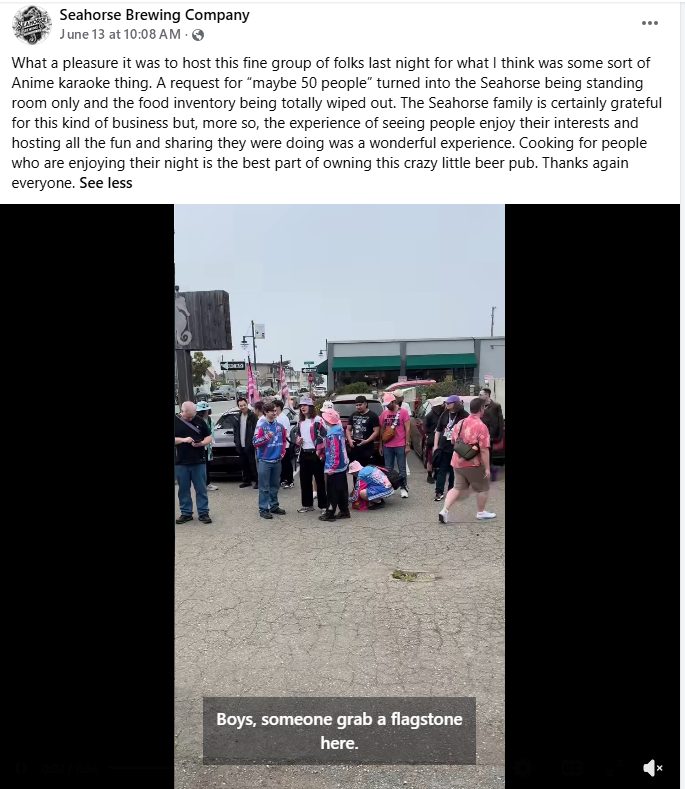
🥹If you enjoyed your time at the day 0 karaoke concert, please be sure to go leave a positive review for Seahorse Brewing!! They were so gracious and accommodating 🙏
28
161
2,959
30,236

"Americans love to fight. All real Americans love the sting and clash of battle. When you were kids, you all admired the champion marble shooter, the fastest runner, the big-league ball players and the toughest boxers. Americans love a winner and will not tolerate a loser."
-General George S. Patton, June 1944
1
2
25
272
Abyssaltech 🇺🇲 retweeted

Jun 6
Mr. Beast proved that they don't want institutions or a foundational system on which to build civilization. He dug simple wells in water starved areas. The locals then proceeded to blame him personally because he wasn't coming back to maintain them.
325
2,821
32,942
1,459,423


Abyssaltech 🇺🇲 retweeted

Jun 2
Je me suis longtemps passionné pour la psychologie, et une période m'obsède plus que toutes les autres.
L'après-guerre.
Le moment où des chercheurs se sont posé la question la plus dérangeante du siècle: comment l'Allemagne nazie avait-elle transformé des pères de famille ordinaires en bourreaux de camp?
La réponse, ils ne l'ont pas trouvée chez des monstres. Ils l'ont trouvée chez des hommes parfaitement banals.
Hannah Arendt a appelé ça la banalité du mal. L'historien Christopher Browning, en étudiant le bataillon de réserve 101 (des policiers d'âge mûr, des pères, des commerçants), a montré que ce ne sont pas des fanatiques qui ont fusillé des civils, mais des hommes normaux incapables de désobéir au cadre dominant.
Puis vint Milgram. À Yale, environ deux tiers de gens ordinaires ont infligé ce qu'ils croyaient être des décharges mortelles, simplement parce qu'une autorité en blouse blanche le leur ordonnait. L'expérience de la prison de Stanford a montré la même chose sous un autre angle: donnez à quelqu'un un rôle et un cadre, et il s'y conformera jusqu'à l'inhumain.
La leçon n'est pas allemande. Elle est humaine.
Le mécanisme s'active dès qu'un cadre moral dominant fait craindre la sanction sociale plus que ne compte le témoignage de ses propres yeux. L'individu cesse de voir ce qu'il voit. Il voit ce que le cadre l'autorise à voir.
Maintenant, regardez Southampton.
Henry Nowak, 18 ans, poignardé, allongé au sol, répète aux policiers « j'ai été poignardé », « je ne peux plus respirer ».
Réponse de l'officier: « I don't think you have, mate. »
Pendant ce temps, son meurtrier retourne la situation d'une phrase: il aurait été victime d'une agression raciste. Quatre mots ont suffi pour déplacer le soupçon de l'agresseur vers la victime.
Et l'officier a obéi. Pas à un ordre. À un cadre.
Un cadre qui lui a appris, pendant des années, qu'une plainte pour racisme est l'accusation la plus dangereuse de sa carrière. Plus dangereuse, dans son réflexe conditionné, qu'un corps qui se vide de son sang devant lui.
Exactement le mécanisme de Milgram, de Browning. Un homme normal qui cesse de croire ses propres yeux parce qu'un cadre moral lui a appris ce qu'il devait craindre.
C'est précisément ça qui me terrifie.
Souvenez-vous: le monde entier s'est agenouillé pour quatre mots, « I can't breathe ». Des entreprises, des gouvernements, des stades entiers.
Henry a prononcé les mêmes mots, en train de mourir. Il n'y aura ni genou à terre, ni hashtag, ni minute de silence.
Parce que sa mort ne sert pas le cadre. Elle le contredit.
Et un système qui apprend à une société entière à faire passer l'accusation de racisme avant les faits, avant le corps, avant la vie, n'est pas une posture morale inoffensive.
C'est une machine à fabriquer des hommes qui, face à un enfant en train de mourir, choisissent les menottes.
Jun 2

Henry Nowak, 18 ans, étudiant.
Poignardé cinq fois.
Allongé au sol, il répète aux policiers
« j’ai été poignardé »,
« je ne peux plus respirer ».
Réponse de l’officier:
« I don’t think you have, mate. »
On le menotte. Il meurt dans la nuit.
Pourquoi?
Parce que son meurtrier a dégainé l’arme absolue de notre époque: l’accusation de racisme.
Et face à cette arme, des policiers conditionnés à craindre une plainte plus que la mort ont retourné les menottes contre la victime.
Souvenez-vous.
Le monde entier s’est agenouillé pour quatre mots: « I can’t breathe. »
Des entreprises, des gouvernements, des stades entiers.
Henry a prononcé exactement les mêmes mots, en train de mourir.
Il n’y aura ni genou à terre, ni hashtag, ni minute de silence.
Ce n’est pas une coïncidence, c’est un système.
Une idéologie qui a enseigné à une société entière que l’accusation de racisme prime sur les faits, sur le corps, sur la vie elle-même.
Le wokisme n’est pas une posture morale inoffensive.
Ce soir-là, il a littéralement tenu la main qui a menotté un gosse en train de se vider de son sang. x.com/europa/status/20615550…
687
5,652
14,722
1,236,243
Abyssaltech 🇺🇲 retweeted

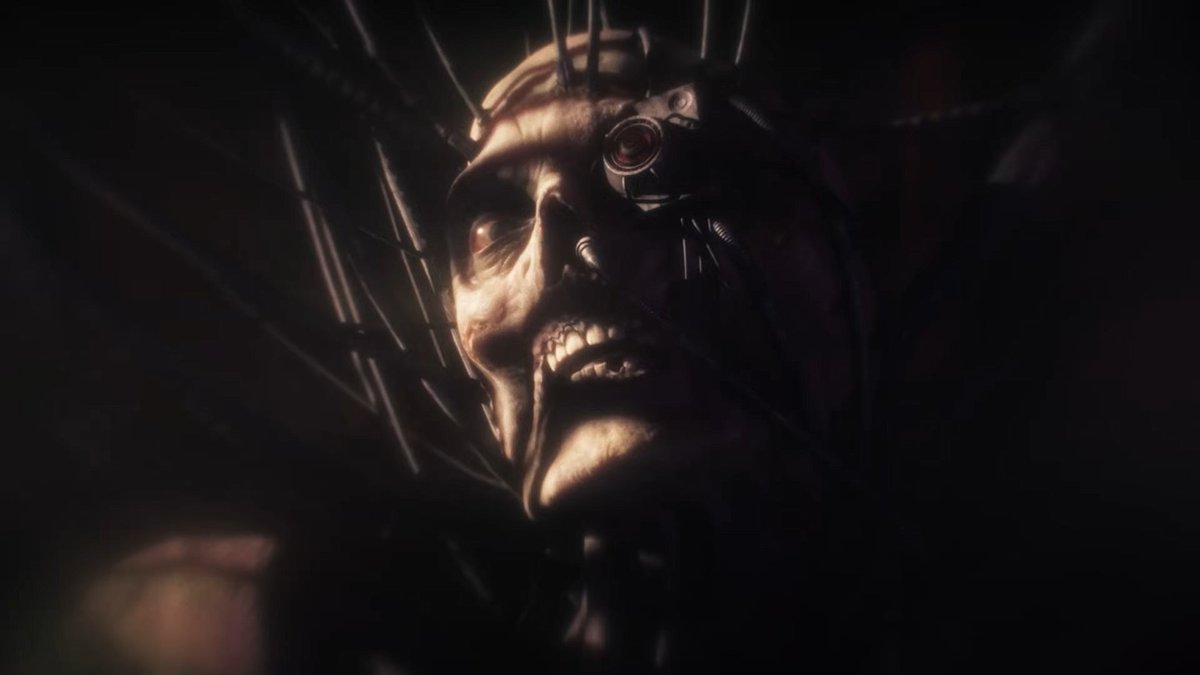
So with the new trailer for Warhammer 40k 11th edition proving that the Emperor does indeed mourn the loss of every single Guardsman, this puts some context on the famous opening text of the setting.
"Cruelest and bloodiest regime imaginable" and "You will not be missed" are being said by Chaos. Those lines are literally Chaos propaganda.

79
328
5,942
122,414
Abyssaltech 🇺🇲 retweeted

May 31
The period from 2006 to 2009 in Iraq was a strategic and operational mess.
Higher headquarters and civilian leadership in DC often had unclear or shifting objectives, and assessments were frequently written to satisfy whatever narrative the academics, colonels and above, or political masters wanted to hear that quarter. We were handed impossible tasks and regularly accomplished them anyway. To hindsight second-guess the people on the ground who were actually dealing with that soup sandwich is beyond the pale.
@infantrydort recently shared one such account on X: a detailed first-person description of a 2008 firefight near Sadr City, in which his small element was attacked from multiple directions during a dust storm, took sniper fire and mortar rounds, called for artillery and air support on the buildings the fire was coming from, and held their ground.
@HicksCBER, a retired military academic responded by implying the officer had never thought through the implications of calling for fire in an urban setting and didn't know anything worth knowing. The veteran's reply was raw and unfiltered, the kind of response you get from a man who actually carried the weight of those decisions. Both reactions make sense. This post is about the context that was missing from that exchange.
Fights matching that pattern occurred across eastern Baghdad and the surrounding belt in April 2008. On April 17 and 18, a heavy dust storm engulfed the city. Mahdi Army gunmen used the cover to attack coalition front lines and checkpoints. Iraqi units at police stations and positions came under pressure, with some companies deserting or being overrun before American forces reinforced. Fighting continued through the night and into the next day while aviation and drones were grounded by the storm. Official reports recorded 17 Iraqi soldiers and 22 militiamen killed in that span, along with civilian casualties.
A second wave hit around April 27 and 28 during another dust storm. Mahdi Army fighters again attacked blockades and positions around Sadr City and in eastern and northeastern Baghdad. In one documented clash, a large group assaulted a joint Iraqi and US checkpoint in northeastern Baghdad with small-arms fire. Twenty-two Mahdi Army fighters were killed in that single engagement. Additional fighting in eastern Baghdad that same period left another 16 militants dead. Broader reporting from the same days noted that most of the roughly 41 Mahdi fighters killed in recent clashes had been attacking checkpoints and patrols while using the sandstorm to offset the lack of air cover. US and Iraqi forces responded with ground counterattacks, armor support where available, and fires into urban areas.
These actions were part of the militia response that followed Prime Minister Maliki's launch of Operation Charge of the Knights in Basra in late March 2008. The Iraqi government was moving against Jaish al-Mahdi strongholds and criminal networks in the south. Tehran enabled pushback through its proxy networks, producing coordinated pressure in both the south and the Baghdad belt. Dust storms became a recurring tactical factor that allowed militia groups to mass against checkpoints, bridges, and canal crossings while degrading Coalition ISR and aviation. The consistent pattern across these fights included use of captured equipment, indirect fire, and deliberate operation in dense urban terrain where civilian presence complicated targeting. That was terrain the enemy chose precisely because it created that complication.
That last point is the one the armchair critics consistently miss.
Michael's charge, that the officer never thought through the implications of calling for fire in an urban setting, gets the causality backwards.
The enemy engineered that dilemma deliberately.
They amassed in dense neighborhoods, used civilians as tactical cover, and timed attacks to dust storms that grounded air assets and degraded ISR. The choice was not between a clean option and a messy one. It was between accepting friendly casualties and accepting the risk of civilian harm inside an urban environment the enemy had deliberately occupied. That is not an ethical failure. That is the enemy's strategy, successfully imposed.
At higher levels the picture remained muddled. The Surge had produced tactical gains, but the broader strategy was shifting toward transition with unclear and sometimes competing priorities between Washington, MNF-I, and an increasingly assertive Iraqi government.
Assessments often emphasized metrics that looked good in briefings rather than the harder ground truth small units were facing. The result was the same soup sandwich across sectors: adaptive enemies executing a recognizable pattern while ground forces handled the immediate friction with limited resources and guidance.
Iranian Qods Force facilitation of weapons, training, and direction gave militia groups the capacity to sustain these surges and impose real friction on Coalition and Iraqi forces. Small units on the ground were dealing with the effects of that proxy system in real time, without the luxury of the strategic clarity their critics now claim to possess.
The veteran's raw response, that he didn't stop for an ethics huddle, that he would level an entire neighborhood to protect one of his men, will strike some as troubling. It shouldn't.
Not caring in the moment is not the same as not carrying the weight afterward.
The men who executed these missions lived with the uncertainty about who was truly in the fight versus caught in the middle. Some of that weight is spiritual. Every person involved still bore the image of God, even when the necessities of the moment did not allow for perfect distinctions. That burden is real, and it is one reason why honest processing of what actually happened matters more than lectures from people who were never in it.
This is where detached ethics criticism falls short.
Comments that reduce these decisions to individual moral failures ignore both the documented pattern and the enemy's deliberate tactics. When small elements faced coordinated assaults on checkpoints and key terrain during dust storms, with effective enemy fires and civilians in the same dense areas, the immediate requirement was to break contact, protect their people, and hold ground. Reducing that to an ethical lapse from a safe distance isn't serious moral reasoning. It's the projection of classroom standards onto conditions the classroom cannot replicate.
The men who did this work in 2006 to 2009 do not need to be turned into case studies for someone else's virtue. They need the space to describe the actual pattern of fights they faced: small units accomplishing impossible tasks inside a strategically confused war against adaptive, Iranian-enabled proxies, without being second-guessed by people operating from safety and hindsight. The ground truth of that period deserves more respect than armchair ethics.
Respect to the men who carried it.
3 May 2025

Ok, here’s another crazy war story. I'm reminded to tell it this week to help illustrate the chaos of war.
Baghdad, 2008. We’re in COP 763. way out by the Diyala canal. It was a bombed out potato chip factory, but we posted up and set up shop.
I’m in the command post, just bullsh*tting with the commander and the other platoon leaders, when I notice something strange. The air outside is turning really, really red. I mean Mars level red. To this day, I’ve never seen anything like it. A dust storm on steroids. Honestly, it was so red it was almost purple. It felt like we were on another planet.
Then the radio starts going off.
I’m paraphrasing here, but the battalion commander gets on the net and says: “Guidons, Guidons, this is Iron Knight 6. Air is RED. I repeat Air is RED. Reports indicate the enemy is attacking on all fronts. Prepare to defend yourselves.”
And I’m like… WHAT. THE. F*CK. This is GWOT. I was promised salsa nights and an endless supply of Rip-Its. But not for D/1-66. Not for us. I thought this was Iraq, not Guadalcanal. I was wrong.
Sure enough, the enemy starts hitting us everywhere. Full scale coordinated attacks. They even showed up in uniforms, black outfits, green headbands. They looked like Temu Ninja Turtles. I’m told they hijacked an Iraqi BMP on Route Predators, which an Apache had to destroy. I didn’t see it myself, but that’s what was reported.
They were attacking an Iraqi checkpoint (CP17) just outside our COP, trying to gain control of a bridge over the canal. Arrogant bastards. I remember being filled with righteous indignation that they would even dare.
We mount up: MRAPs, my up armored HMMWV, and a couple Bradleys, and roll out to counterattack. The Iraqi police were in full retreat. We managed to push the enemy out of the checkpoint before they seized it. Thankfully counterattacking at the precise moment.
We also pushed them off the bridge, but couldn’t cross it with the whole platoon. Once they retreated into the neighborhood across the canal, we were stuck. It turned into a stalemate. We only had 20 guys in the fight, so ditching the vehicles to go door to door was a nonstarter… although one of my squads still tried. SSG Myers' boys? Or maybe SSG Bryant. @Primz94933160 might remember, he earned his CIB there clearing a few enemy positions with rifle fire and grenades. But after awhile they culminated and had to fall back.
Meanwhile I’m stuck in the HMMWV on the canal bridge, trying to coordinate the fight, when we start taking 60mm mortar fire. Yeah American 60s. No idea how they got them, but they were walking them in close enough that I had my driver move around a bit mostly just to make myself feel better. One spot is as good as the next in those situations.
I was preparing to dismount, then we start taking sniper fire. I assume it was a Dragunov. One round hits my window. Then another. Now I can’t see out of the right side of the truck. To any combat vets who’ve been there, yeah, you know the feeling. It’s not panic. It’s just… annoying. Nevertheless, I was pinned.
My gunner trades fire with them for a while. My PSG also engaged from his Bradley with 25mm. I tried to discern where the sniper(s) and the bulk of the enemy force was. Then I call in a linear target for artillery. Battalion ended up servicing the area with 120mm mortars instead. I think it helped? Maybe? I didn't even see where the rounds landed so I couldn't adjust fire. Either way, the fight kept dragging on. As the air cleared, we finally got some fast movers and had them drop ordnance on the buildings.
Eventually, we ran out of ammo. They ran out of ammo. We went back to the COP. The enemy fell back. I remember that even our company commander @jonathan_b94376 dusted off his tank (The Horned Frog) and got it into the fight. At least I think it was his. It provided cover for us while we fell back to the COP. Anyone who knows GWOT knows how rare it was to get a main battle tank into the fight. I remember sitting there thinking: What the hell just happened?
A day or two later, we watched a funeral procession from that neighborhood roll past us, headed down to the graveyard in our AO. It was massive. A lot of people died. Were they enemy? Were they civilians? To this day, I don’t know.
Lesson: In war, survival is the only morality that matters in the moment. So the next time you feel like judging a firefight from your laptop, just remember: We weren’t trying to win hearts and minds. We were trying to not die. We all survived unharmed. The enemy fell back. I would level an entire neighborhood to protect even one of my men. And I'd do it again.
***The video was a clip from when we pushed the enemy off of the checkpoint but were about to cross the bridge. Seconds before entering the abyss.***
52
145
830
246,257
Abyssaltech 🇺🇲 retweeted

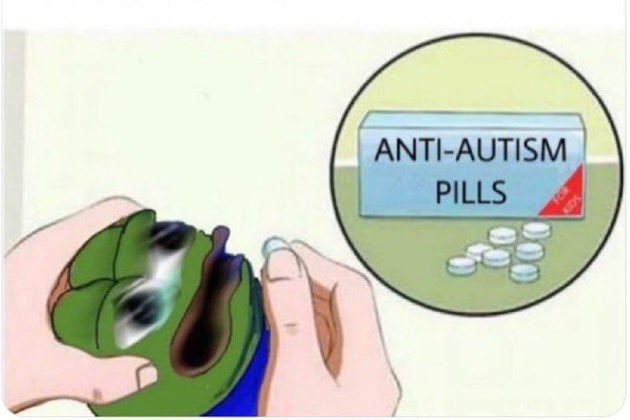
My fianceé when I identify a WWII aircraft by sound alone
106
1,939
47,320
1,218,287
Abyssaltech 🇺🇲 retweeted

Happy men's mental health month everyone

2
15
83
809

gotta give the people what they want
May 29

x.com/Murdoink/status/206009…
someone pls can edit this?
27
801
9,627
319,897
Abyssaltech 🇺🇲 retweeted

May 29
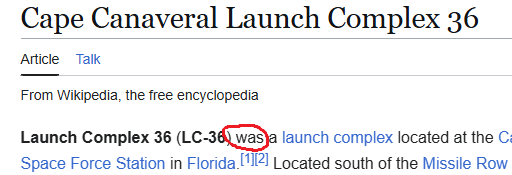
y'all are fast as shit holy crap
20
341
13,695
236,876
Abyssaltech 🇺🇲 retweeted

🇺🇸 Most Badass Presidents: Combat Veteran Edition #3 Andrew Jackson
Andrew Jackson, our 7th President, was one Badass President.
Nicknamed Old Hickory, he was sabered as a teenage Revolutionary prisoner for refusing to shine a British officer’s boots and annihilated the British at New Orleans.
Born March 15, 1767, in the Waxhaws region on the border of North and South Carolina.
As a 14 year old courier for the Continental Army, Jackson and his older brother Robert were captured by British dragoons in 1781.
The British officer ordered the boys to clean his boots.
Jackson, the young badass he was, refused.
The officer slashed him across the head and left hand with a saber, cutting to the bone.
The wound left a permanent scar and lifelong hatred for the British.
Both boys contracted smallpox in captivity. Robert died shortly after their release. Jackson barely survived and carried the scars forever.
After the Revolution he became a lawyer and politician but never forgot how to fight.
In 1806, he dueled against Charles Dickinson, the best marksman In Tennessee.
Jackson chose to take the bullet first.
He was hit direct in the chest. Instead of falling, he clamped his hand over his bleeding wound and raised his pistol.
Dickinson gasped “My God! Have I missed him?”
He fired and killed Dickinson. Jackson would carry that bullet next to his heart the rest of his life.
In 1813 during the Creek War he commanded Tennessee militia.
Just before the campaign Jackson survived a gunfight with the Benton brothers in a Nashville tavern.
A bullet shattered his left shoulder.
Doctors wanted to amputate his arm but Jackson refused and threatened to kill any man who tried. The bullet was never removed.
Despite his shoulder wound, he joined the fight one month later, marched 150 miles, and led from the front the entire time.
At the Battle of Talladega he rescued a besieged garrison under heavy fire.
At the Battle of Horseshoe Bend on March 27, 1814 he faced over one thousand Red Stick Creeks.
Jackson ordered a frontal assault and a flanking maneuver across the river.
In savage hand to hand combat his men overran the position, killing more than eight hundred warriors.
It was the single bloodiest day in the history of Native American warfare.
This victory crushed the Creek confederacy.
When the War of 1812 reached its climax Jackson was promoted to major general.
He marched his ragtag army of Tennessee militia, Kentucky sharpshooters, Choctaw warriors, and Jean Lafitte’s pirates to defend New Orleans.
On January 8, 1815 despite the peace treaty already being signed but unknown to both sides he faced a professional British force of roughly 8000 veterans.
Jackson built a strong defensive line at Chalmette behind a canal.
When the British attacked in the open he waited until they were close, then unleashed devastating artillery and rifle fire.
His men poured lead into the advancing redcoats.
They obliterated the British in about 30 minutes.
The British suffered over two thousand casualties, including their commander General Pakenham.
Jackson lost only seventy one.
The stunning victory made him a national hero and earned him the nickname Hero of New Orleans.
And then at his funeral in 1845, in a fitting tribute, his parrot launched into a tirade of swear words so loud that he had to be removed.
It was just repeating what he heard from Jackson so many times.
He fought for the Republic long before he ever stepped foot in the White House.
Thank you, Mr. President! 🫡🇺🇸
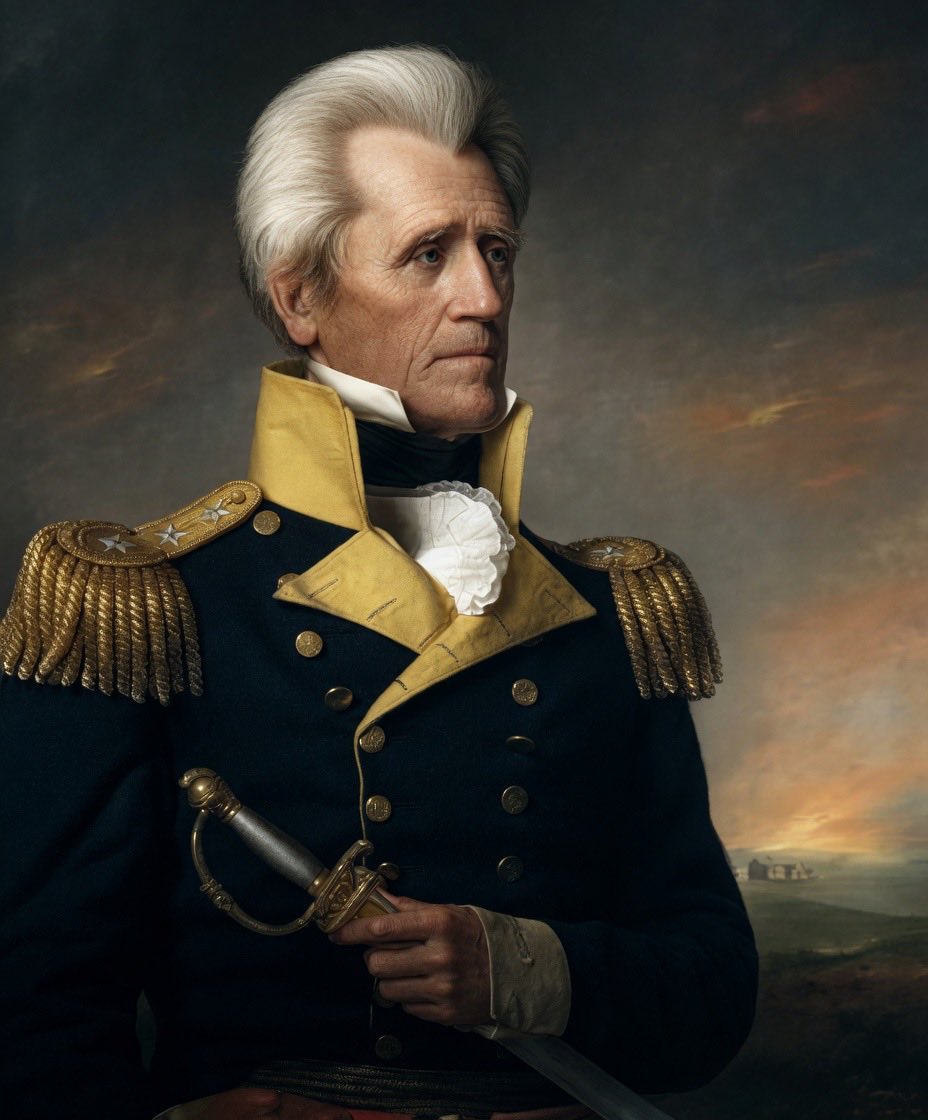

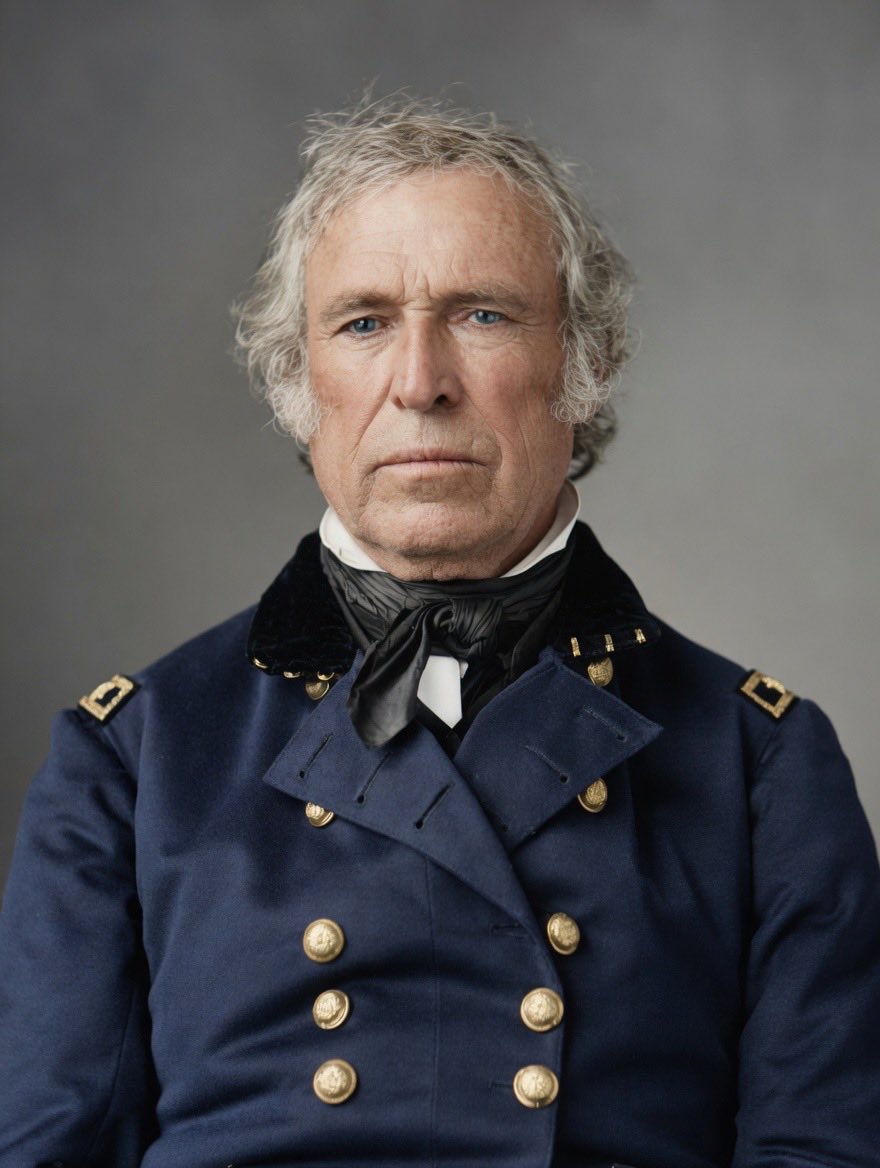
🇺🇸 Most Badass Presidents: Combat Veteran Edition #4 Zachary Taylor
Zachary Taylor, our 12th President, was one badass President.
Major General known as “Old Rough and Ready” who never lost a battle over forty years on the front lines.
Born November 24, 1784, in Orange County, Virginia.
The son of a Revolutionary War colonel, Taylor was commissioned directly as a first lieutenant in 1808.
In the War of 1812 he brilliantly defended Fort Harrison against a massive siege where he narrowly escaped being burned alive when Indians set the fort's blockhouse on fire.
This secured America’s first land victory in that war and earned him a brevet promotion to Major.
He led troops in the Black Hawk War, where he commanded over a militia captain by the name Abraham Lincoln.
When they captured Chief Black Hawk, he had his lieutenant Jefferson Davis transport him to prison.
He survived deadly ambushes in the swamps of the Second Seminole War and earned his famous nickname because he looked more like a rugged farmer than a general, often wearing a battered straw hat and a dusty coat.
When war with Mexico erupted in 1846, Taylor took command of U.S. forces in northern Mexico. He would here command a young lieutenant by the name of Grant.
He won decisive victories at Palo Alto and Resaca de la Palma, where cannonballs decapitated soldiers standing just beside him.
At Monterrey he captured the city in savage street fighting, personally leading troops on foot through narrow alleys while snipers rained deadly fire from the rooftops.
And at the Battle of Buena Vista, Taylor still won despite being sidelined by President Polk.
Worried that Taylor would use his military fame to win the 1848 election, Polk and his administration devised a plan that created a secondary invasion with General Scott.
They stripped Taylor of nearly 90% of his veteran troops, roughly 10,000 of them, and ordered him to not attack. General Scott was to have all the glory and win the war.
It didn’t matter.
Outnumbered nearly four to one by Santa Anna’s 15,000 man army, Taylor refused to retreat despite facing overwhelming odds.
A massive Mexican assault surged forward under heavy artillery fire, with a flying piece of shrapnel ripping straight through Taylor's coat.
Taylor rode the lines on his favorite horse Old Whitey, fully exposed to musket balls, calmly directing artillery and ordering counterattacks that shattered the enemy charge.
He secured the north and won the war of political opinion.
The stunning victory made him a national hero and propelled him to the presidency, despite the fact that he had never once voted in a political election prior to his own.
He fought for the Republic long before he ever stepped foot in the White House.
Thank you, Mr. President! 🇺🇸🫡
27
162
859
122,728
Abyssaltech 🇺🇲 retweeted

May 28
⚠️ One more reason to dislike Flock:
“The Guardrail Guy” a dad who turned his daughter’s death into a national safety crusade is now documenting how many Flock cameras are installed illegally without required breakaway bases, meaning they can turn a crash into a lethal spear.
154
3,836
16,960
315,679
Abyssaltech 🇺🇲 retweeted

May 28
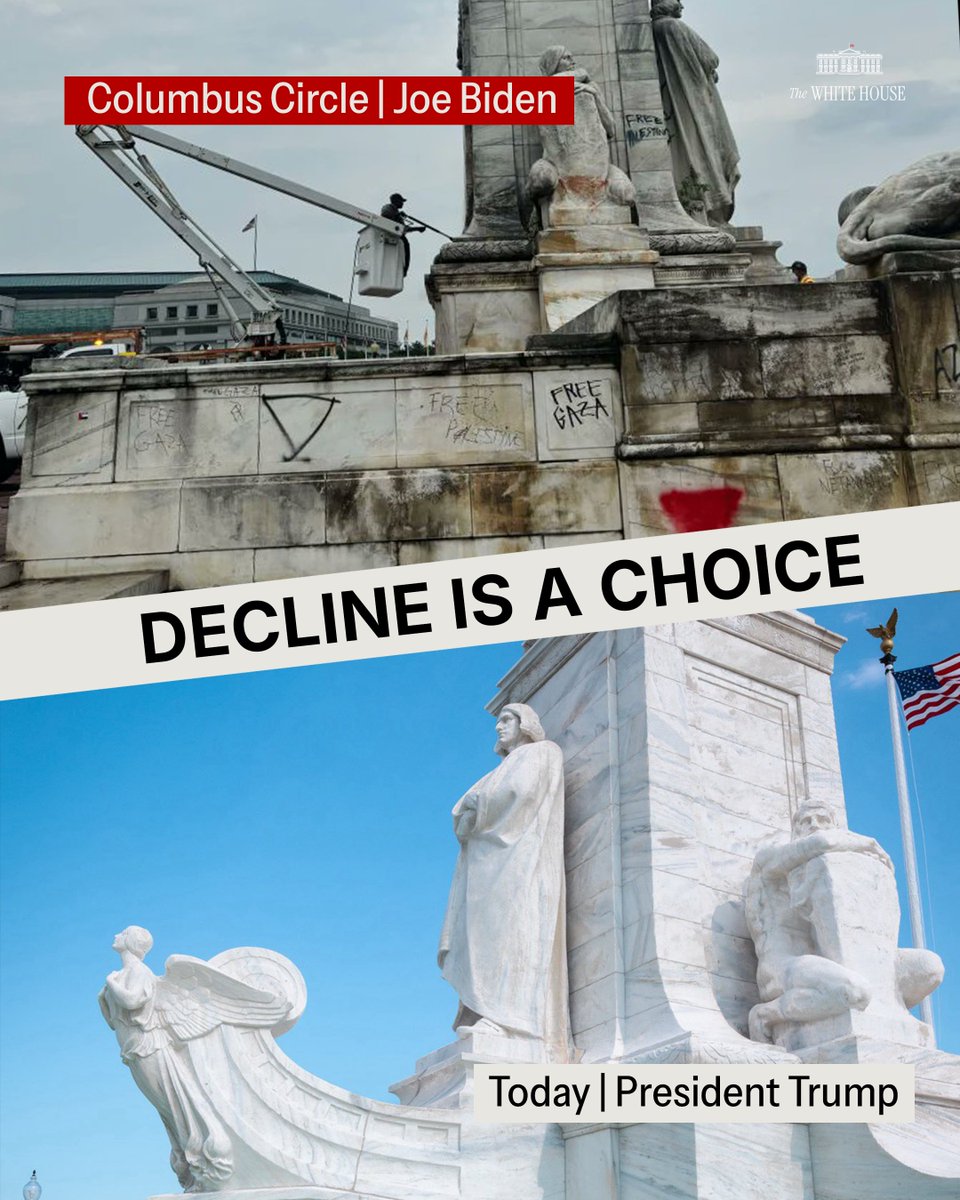
Weekly reminder: Decline is a choice.
3,389
24,054
134,622
3,717,334
Abyssaltech 🇺🇲 retweeted

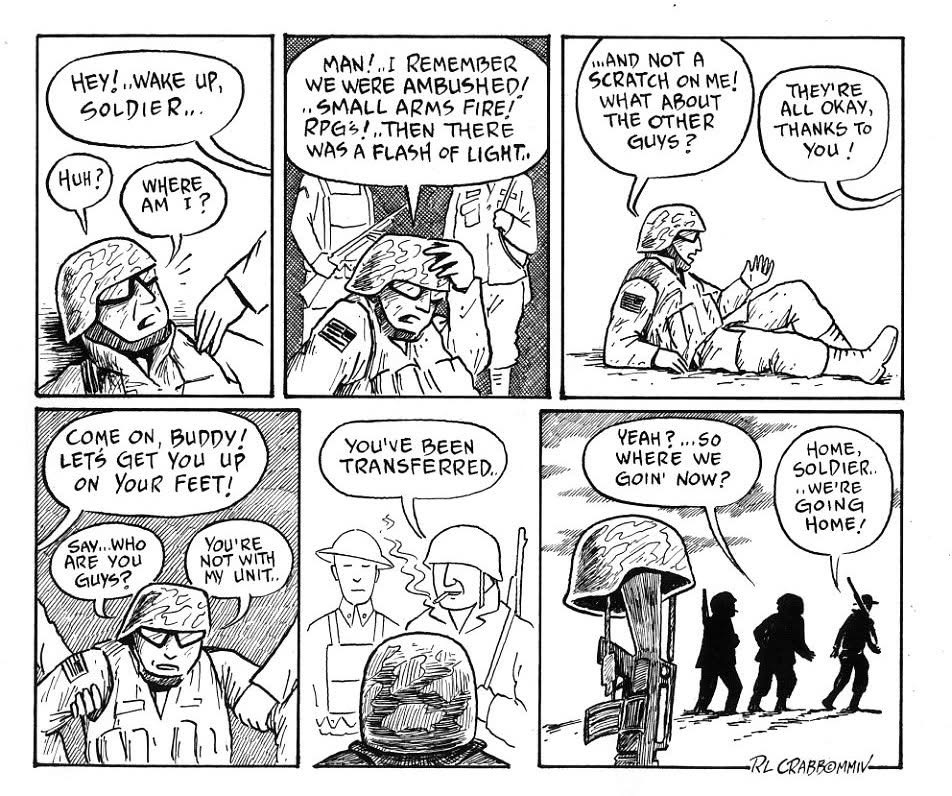
Kind of an updated Bill Mauldin cartoon in the manner of the WWII grunts, Willie and Joe.
This by a Digital Creator named RL Crabb.
Some gave all.
18
287
2,434
29,032
Abyssaltech 🇺🇲 retweeted

May 25
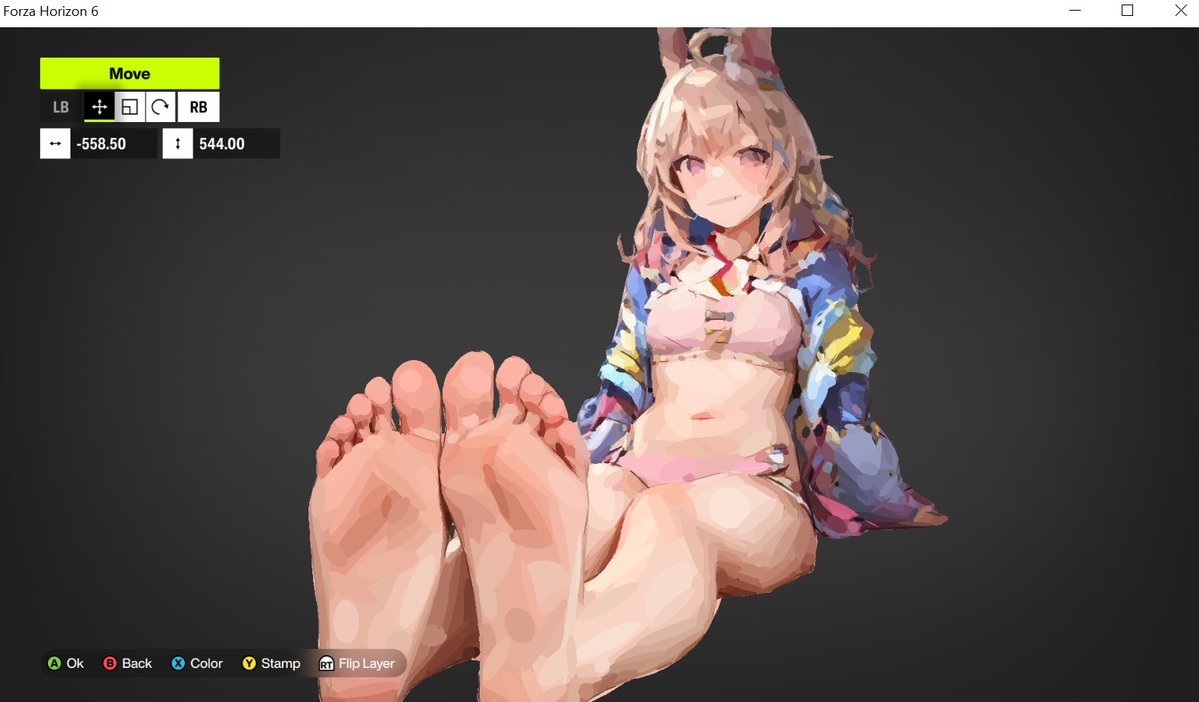
Some sick stuff going on in forza horizon 6 #fh6 #ForzaHorizon6 #phaseconnect #MMOARTPG
Livery code
863 254 343
(for some reason the word "pipkin pippa" is banned in forza)
21
55
1,341
41,240
Abyssaltech 🇺🇲 retweeted

May 24
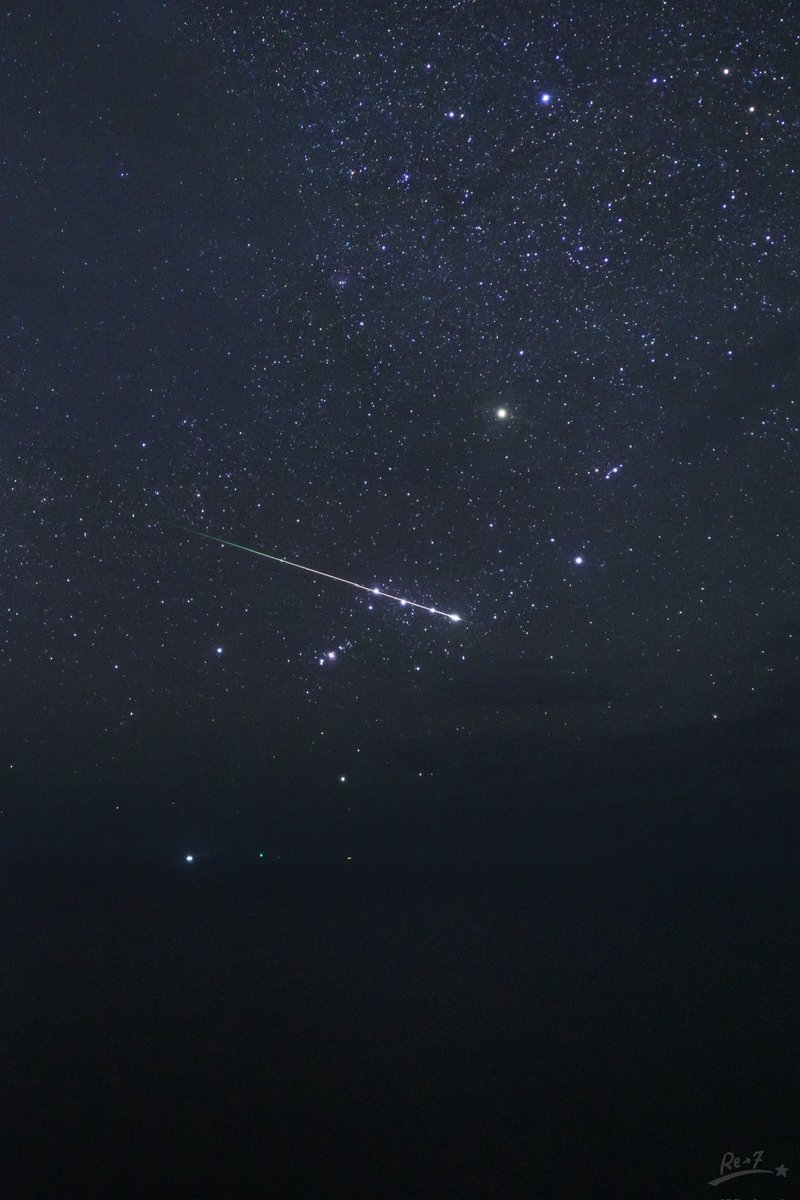
オリオン座の三ツ星に流星が刺さって、お団子になった写真🍡
一生撮れない。
#もう一度撮れと言われても撮れない写真
103
13,258
72,256
1,282,477
Abyssaltech 🇺🇲 retweeted

May 24
Jurassic World Rebirth (2025) had a budget of $180 million.
This had a budget of $180 😂
460
3,448
44,913
3,063,894