
coder, developer, building products for next generation #HR, #Sales & #Marketing....#entrepreneur #technology #developer #history #indian #salestech #martech
Joined December 2008
- Tweets 885
- Following 323
- Followers 109
- Likes 236
52 Photos and videos
Abhay अभय retweeted

May 29
Another hyperosmolarity induced condensate! More! More!

In my lab's most recent publication in Nature, entitled" Cellular water-potential sensing through biomolecular condensation", we describe how plant cells directly sense the availability of water molecules.
2
1
6
415
Abhay अभय retweeted

May 27
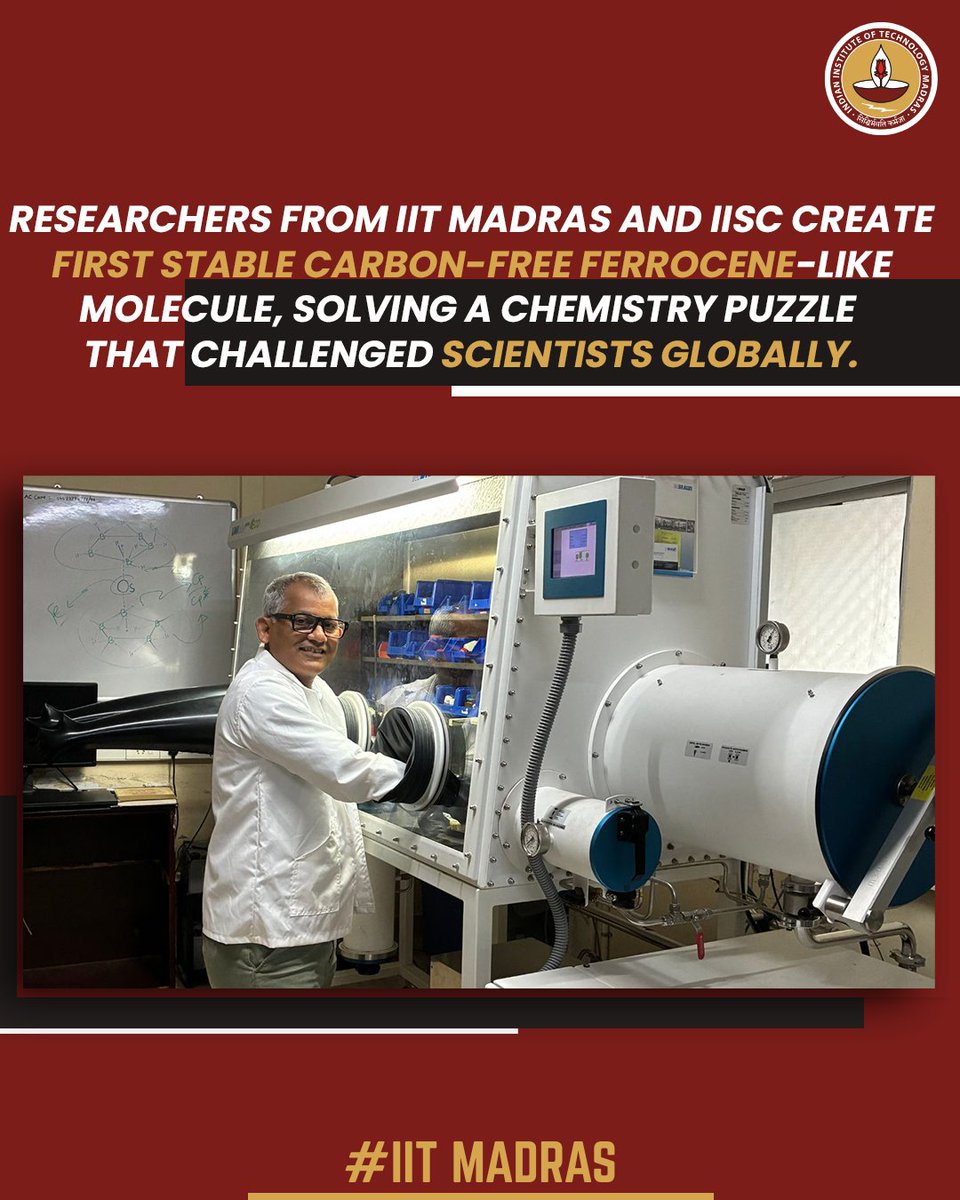
Researchers from IIT Madras and IISc Bengaluru have solved a chemistry puzzle that remained unanswered for over 70 years.
As reported in The Indian Express, the team led by Prof. Sundargopal Ghosh and Stutee Mohapatra from the Department of Chemistry, IIT Madras, along with Prof. Eluvathingal Jemmis from IISc Bengaluru, has synthesised a carbon-free molecule that mimics the iconic ‘sandwich’ structure of ferrocene.
Using osmium and boron-based rings instead of carbon, the breakthrough marks the first stable carbon-free version of the molecule — something scientists worldwide had long attempted to achieve.
Published in the prestigious journal Science (science.org/doi/10.1126/scie…), the discovery could open new pathways for designing advanced materials with unique chemical and structural properties.
Read more: indianexpress.com/article/in…
@IndianExpress @iitmadras @iiscbangalore @amitabhsin
67
972
2,812
271,557

Train number 22943
Coach H1
No water in the coach?
@RailMinIndia @WesternRly #indianrailways @RailwaySeva
1
105
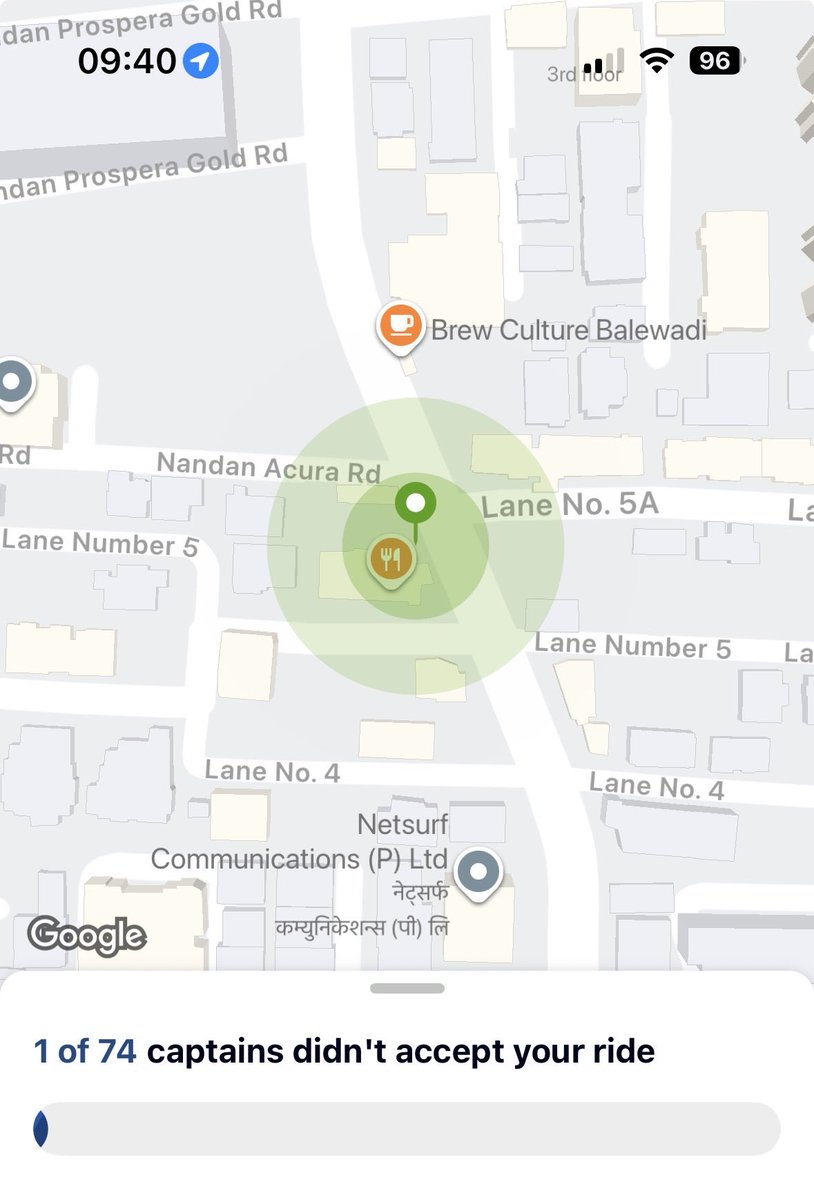
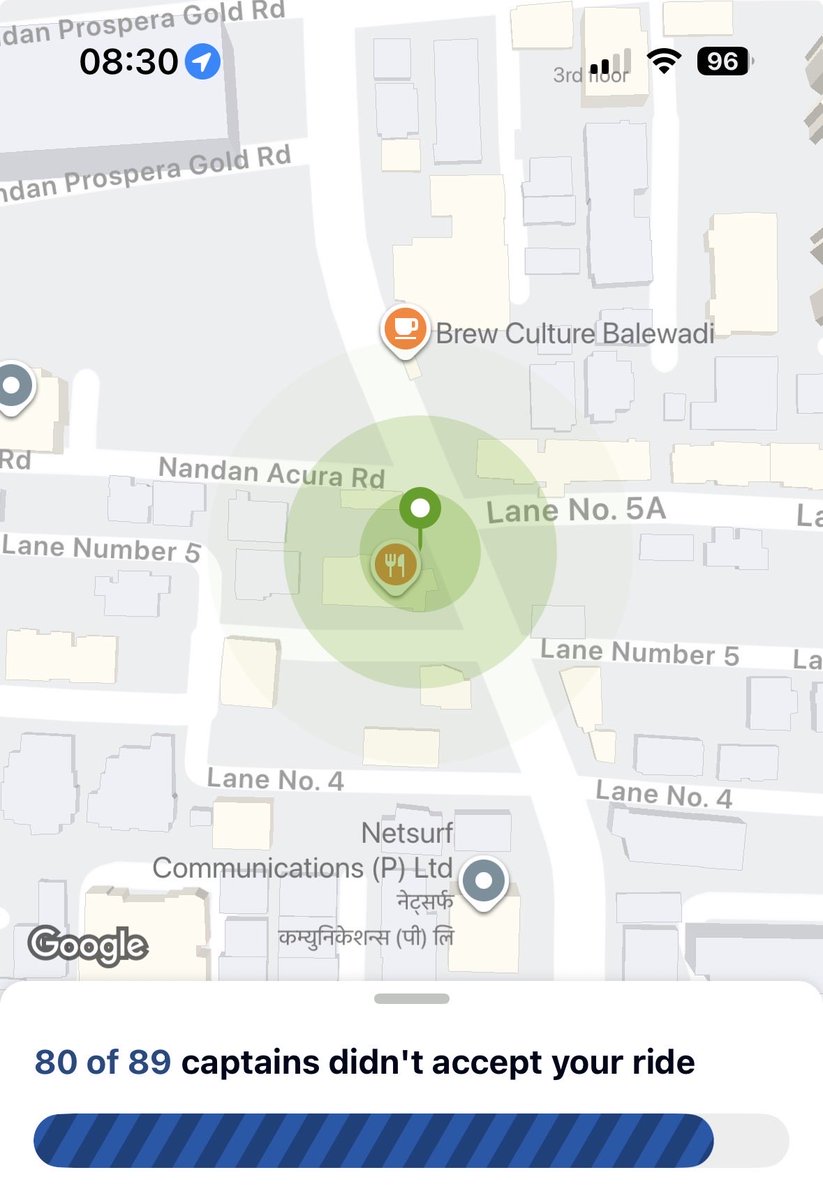
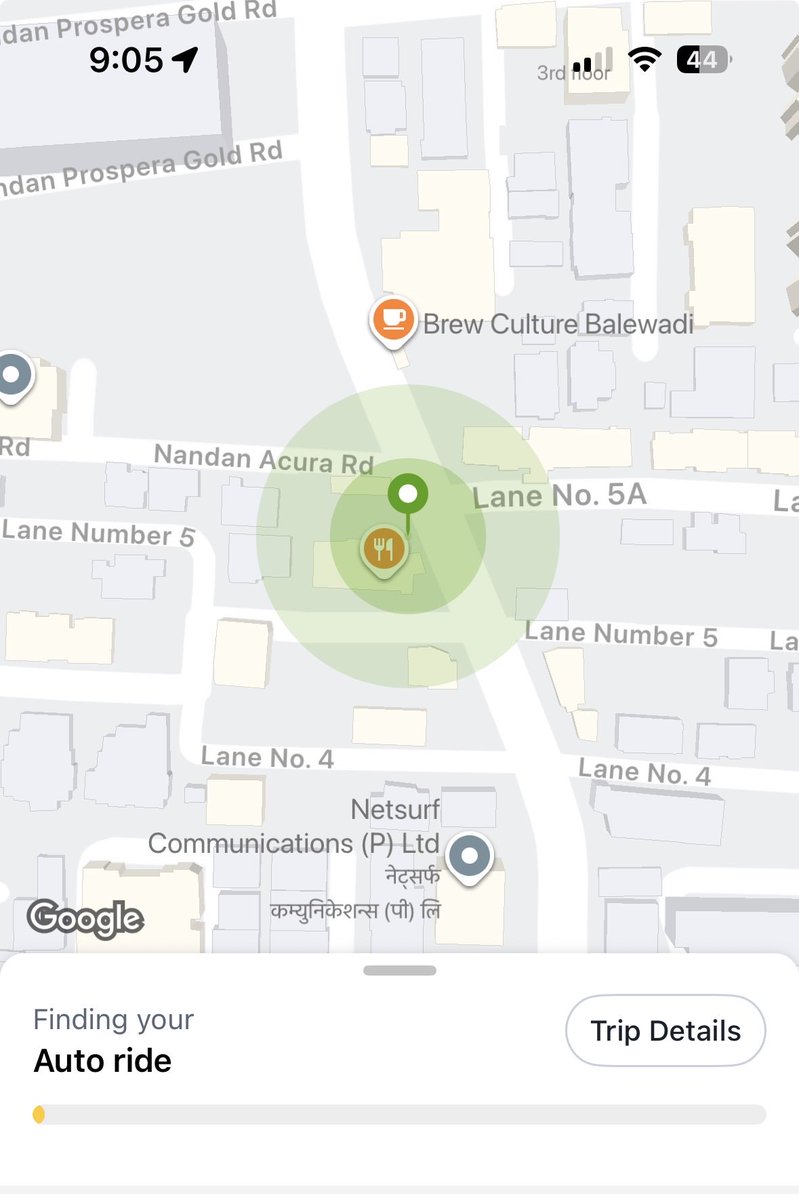
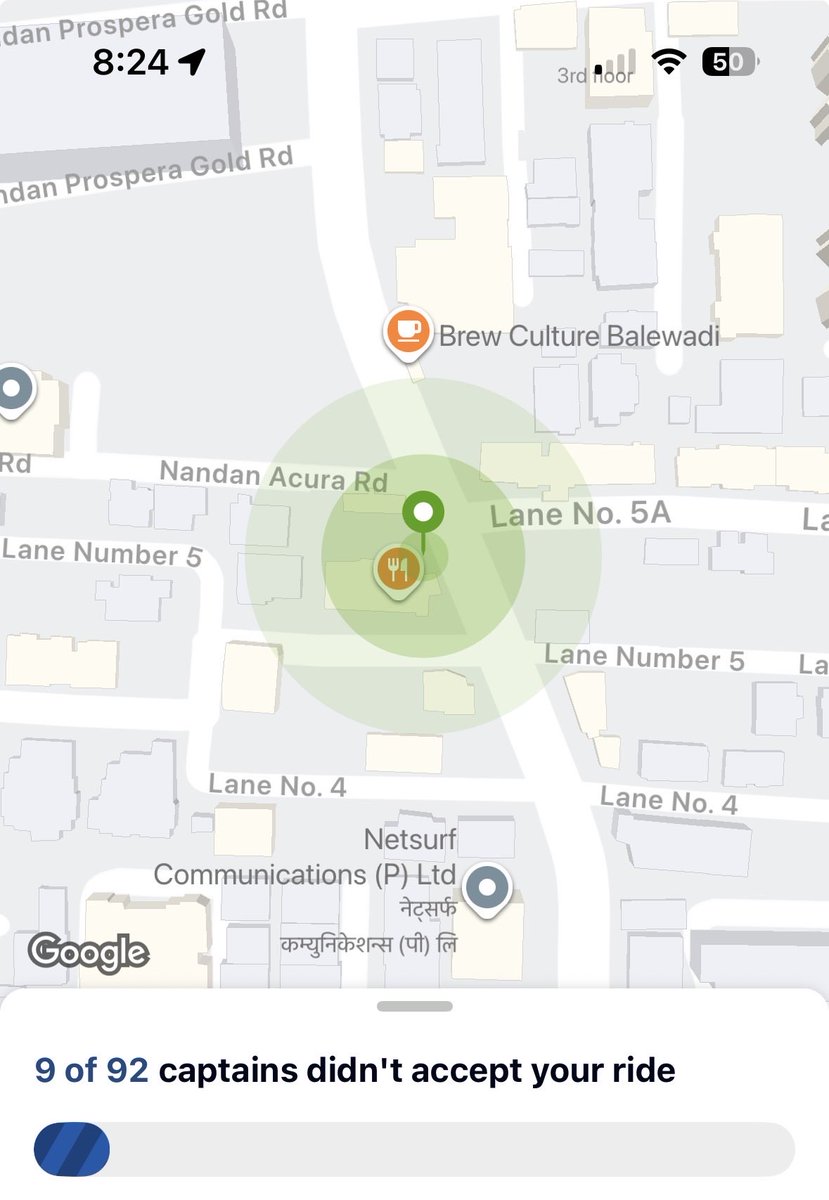
@rapidobikeapp not cancelling the ride nor booking the ride app keeps on coming back to 3 of Math.random(30,100) captains didn’t accept your ride
Trying cancel but doesn’t yield
5
72
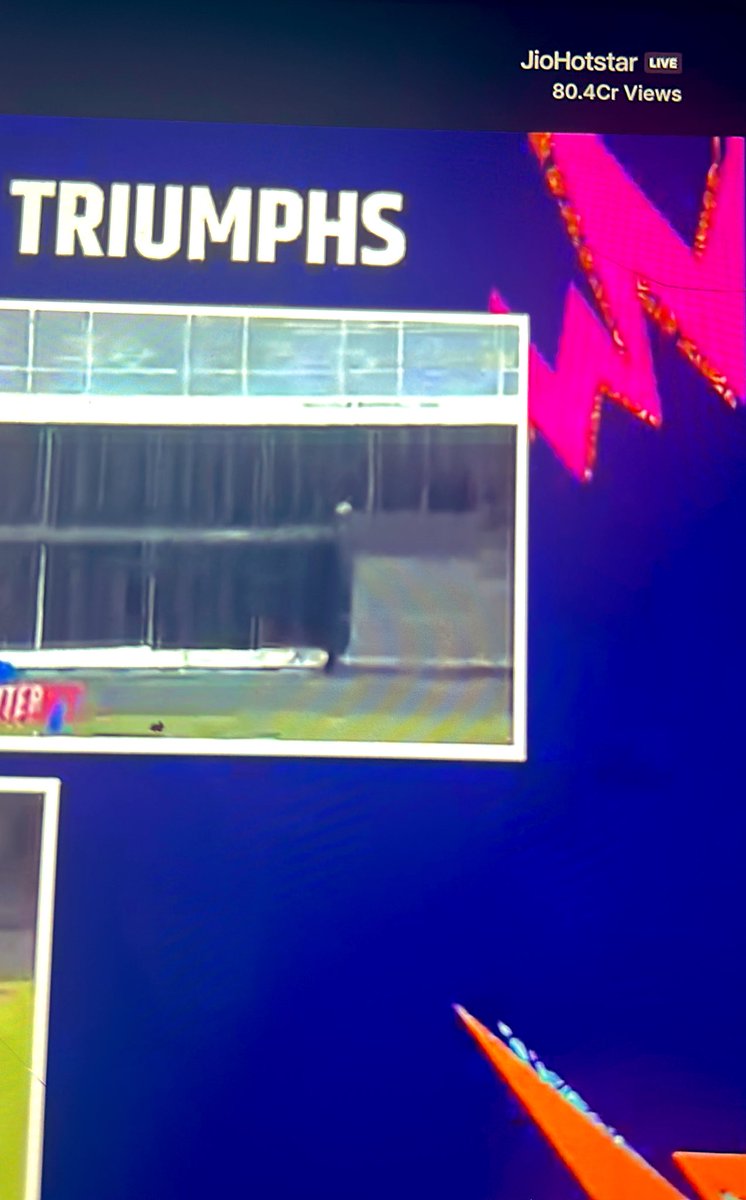
Eighty point one crore mugs glued to da JioHotstar live stream for da big showdown, #IndiaVsNewZealand final in da #WorldCup2026!
1
52
Abhay अभय retweeted

Mar 3
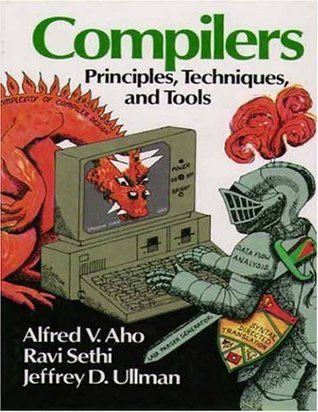
I STRONGLY encourage ALL programmers to read <dspace.mit.edu/bitstream/han…> and <dspace.mit.edu/handle/1721.1…>.
Mar 3

I don't understand why any of these statements are controversial.
Clearly S-expressions make the parser trivial. The fact that alternative syntaxes were considered in the beggining yet S-expressions eventually won only reinforces this point. Simplicity of the syntax was valued (and later made macros easy to implement, etc).
Semantics wise, Lisp heavily builds on top of λ-calculus. That means that little work on Lisp's semantics was required, the work had already been done in λ-calculus!
Of course that modern Lisp implementations have implemented advanced code generation technology, but clearly early Lisp did not. It was an exercise of doing more with less. So clearly that statement was true in the context of its creation.
I disagree with Jonathan (in his later replies) that these early decisions impacted codegen, or that it required hereic efforts to fix in later implementations, but that is a separate statement. I see nothing wrong with his original message.
I think people read too much into "little work has been done" where in fact the idea of achieving a lot with little effort was critical in early computer history.
5
23
306
33,335