
182 Photos and videos


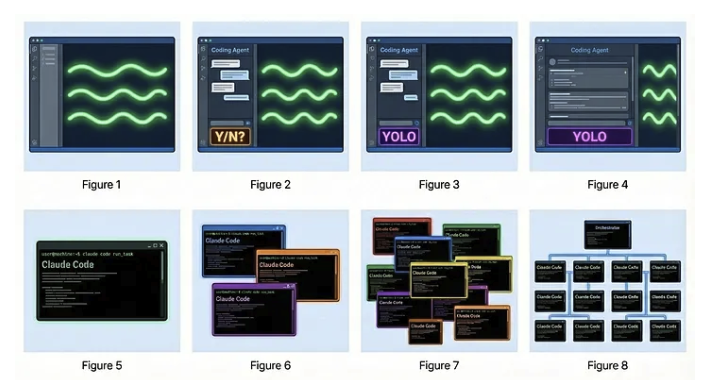
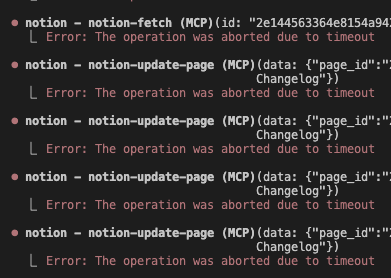
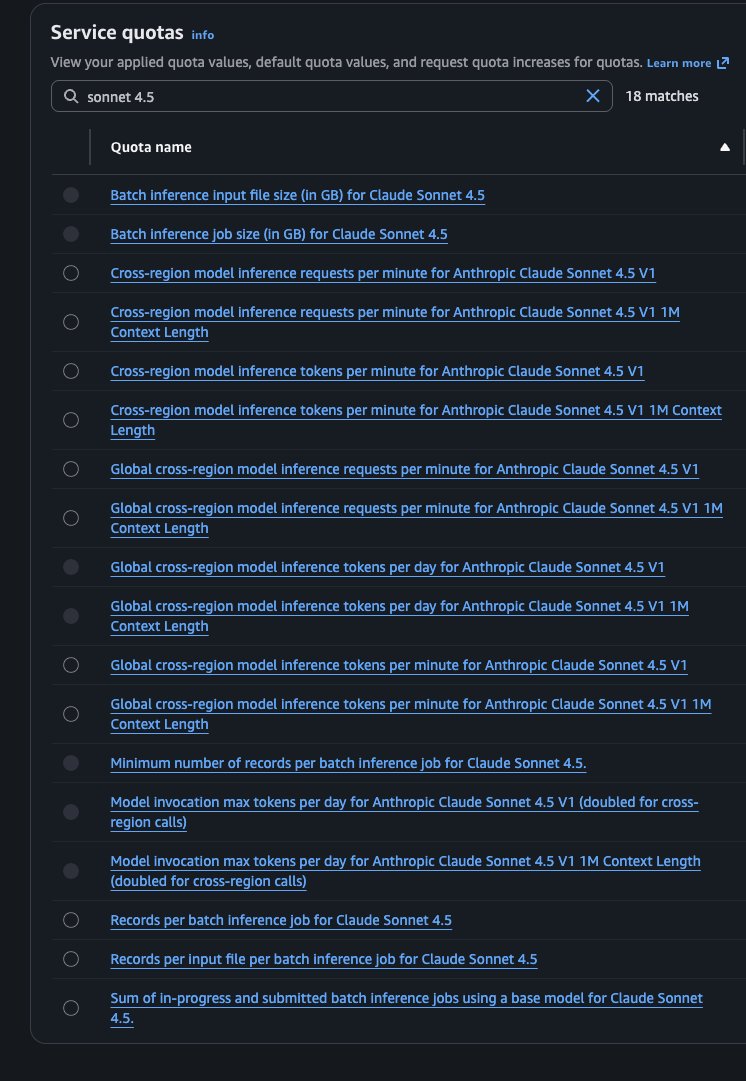
Nico Acosta retweeted

Jun 11
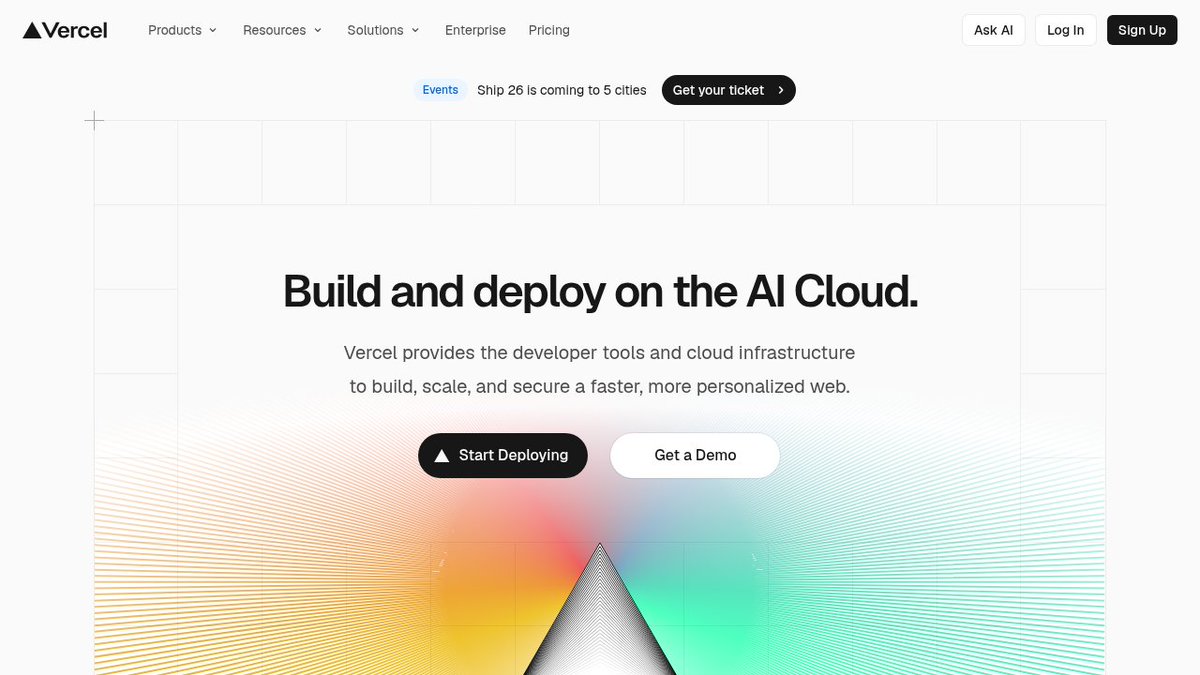
Three things @vercel does really well on their homepage:
1. Hero: 7 words, 2 buttons. deploy now or talk to sales
2. Proof is numbers, not logos: 7m to 40s builds, 95% faster loads
3. First and last section: the same CTA, Start Deploying
Grabbed with one line.
1
1
1
143

Jun 11
New product built end to end with @braingridai
Jun 11

most screenshot APIs want a human to sign up, read docs, and paste a key into an env var.
but the thing that needs the screenshot now is your agent.
npx grabbit.live stripe.com
one line, hosted image back. 👇
2
244
Nico Acosta retweeted

Mar 23
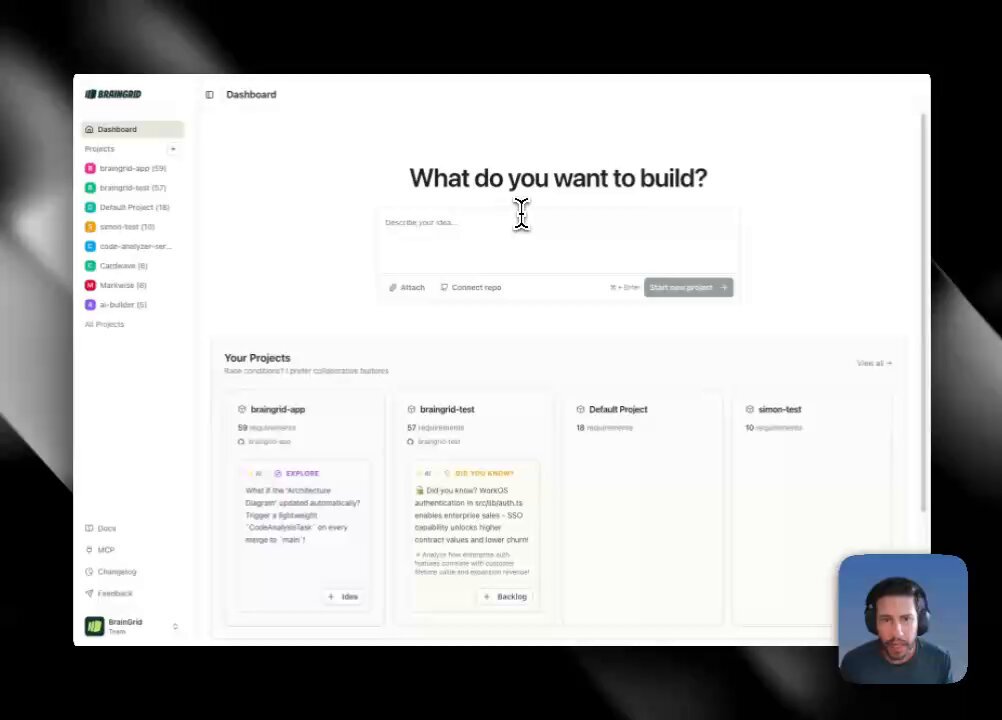
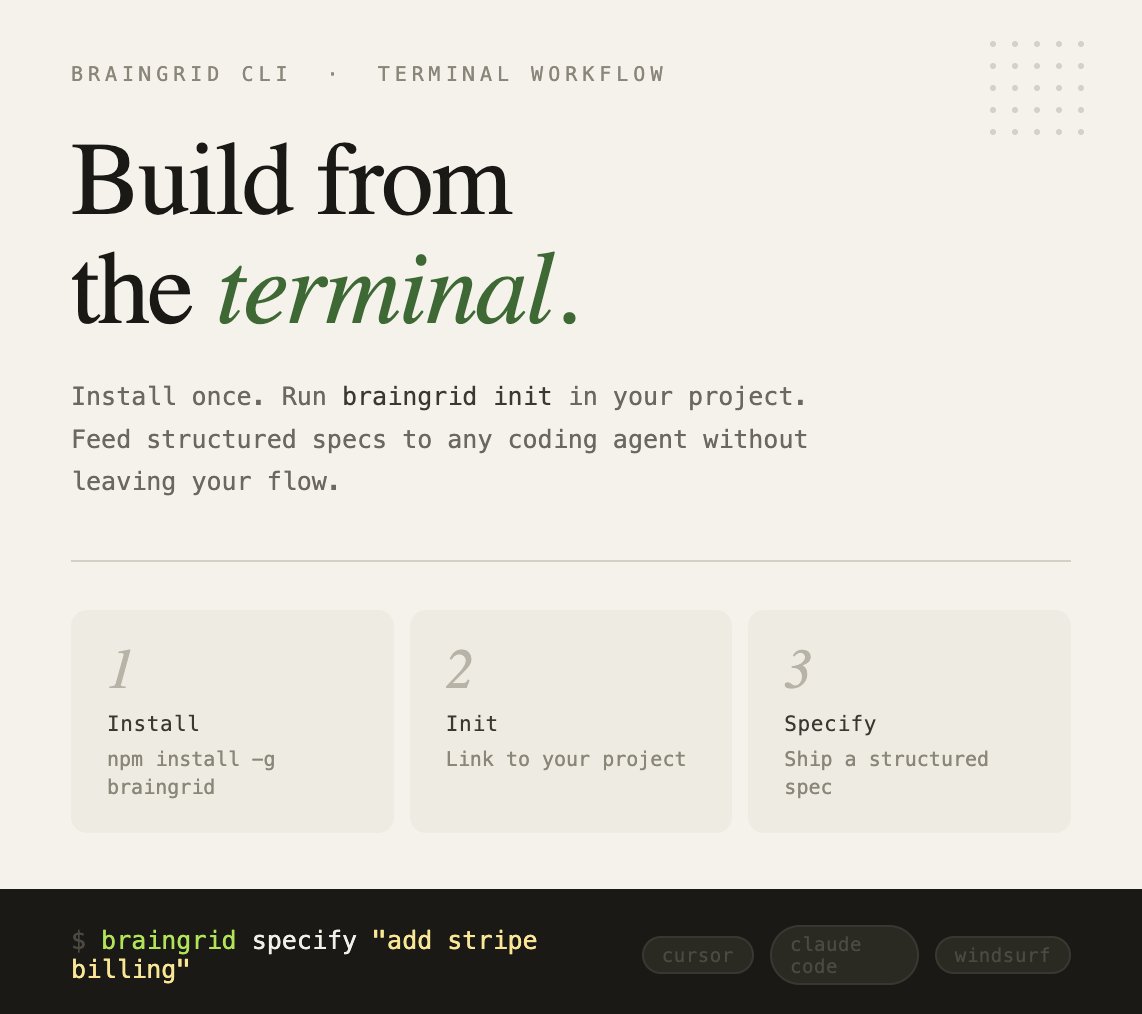
A lot of people don't realize you can run BrainGrid entirely from the terminal.
Install it, run BrainGrid init in your project, and you're feeding structured specs directly to your coding agent without leaving your workflow.
Vanshika wrote a complete walkthrough: install, init, and the full specify-build loop in under 5 minutes.
If you're a Claude Code or Cursor user who lives in the terminal, this is worth 9 minutes of your time → braingrid.ai/blog/getting-st…
1
2
589
Nico Acosta retweeted
Mar 19
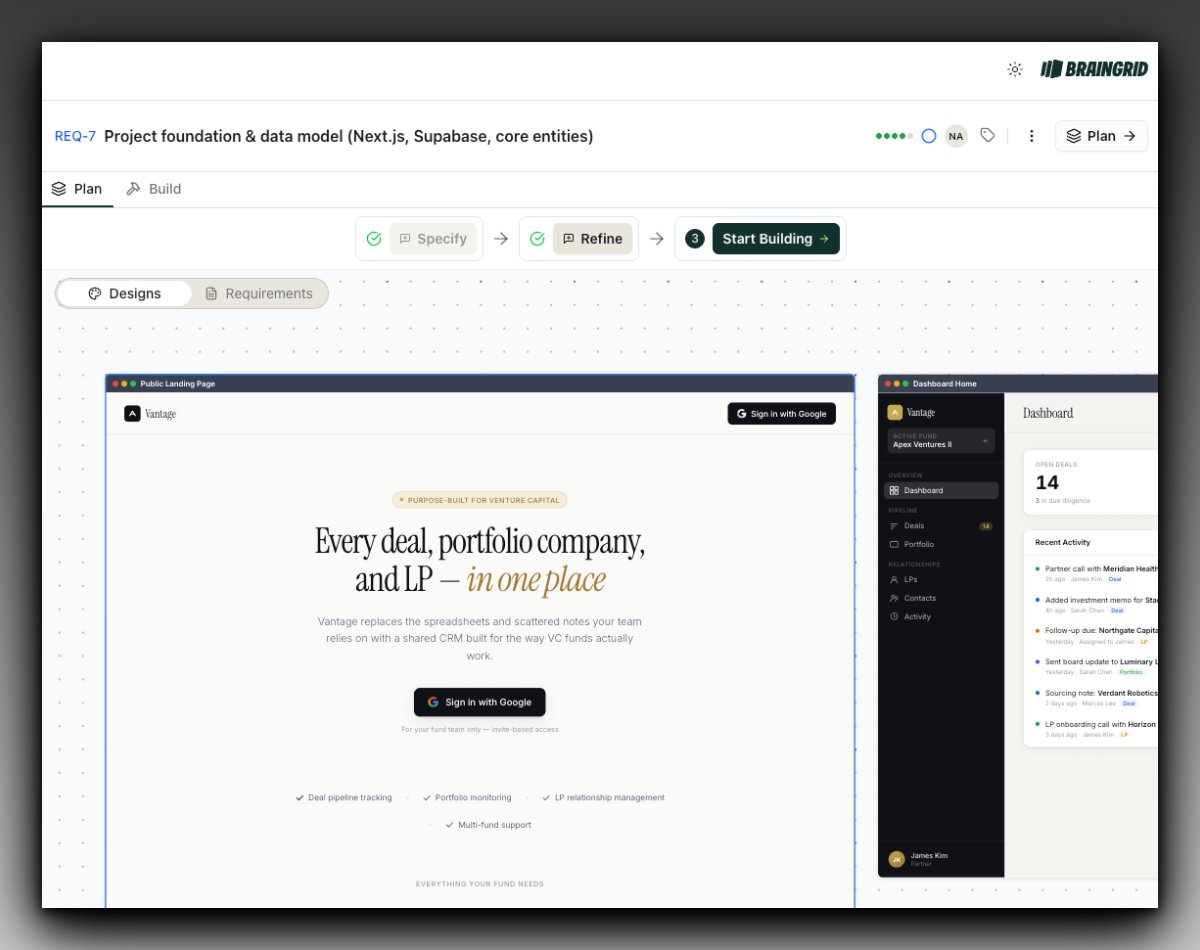
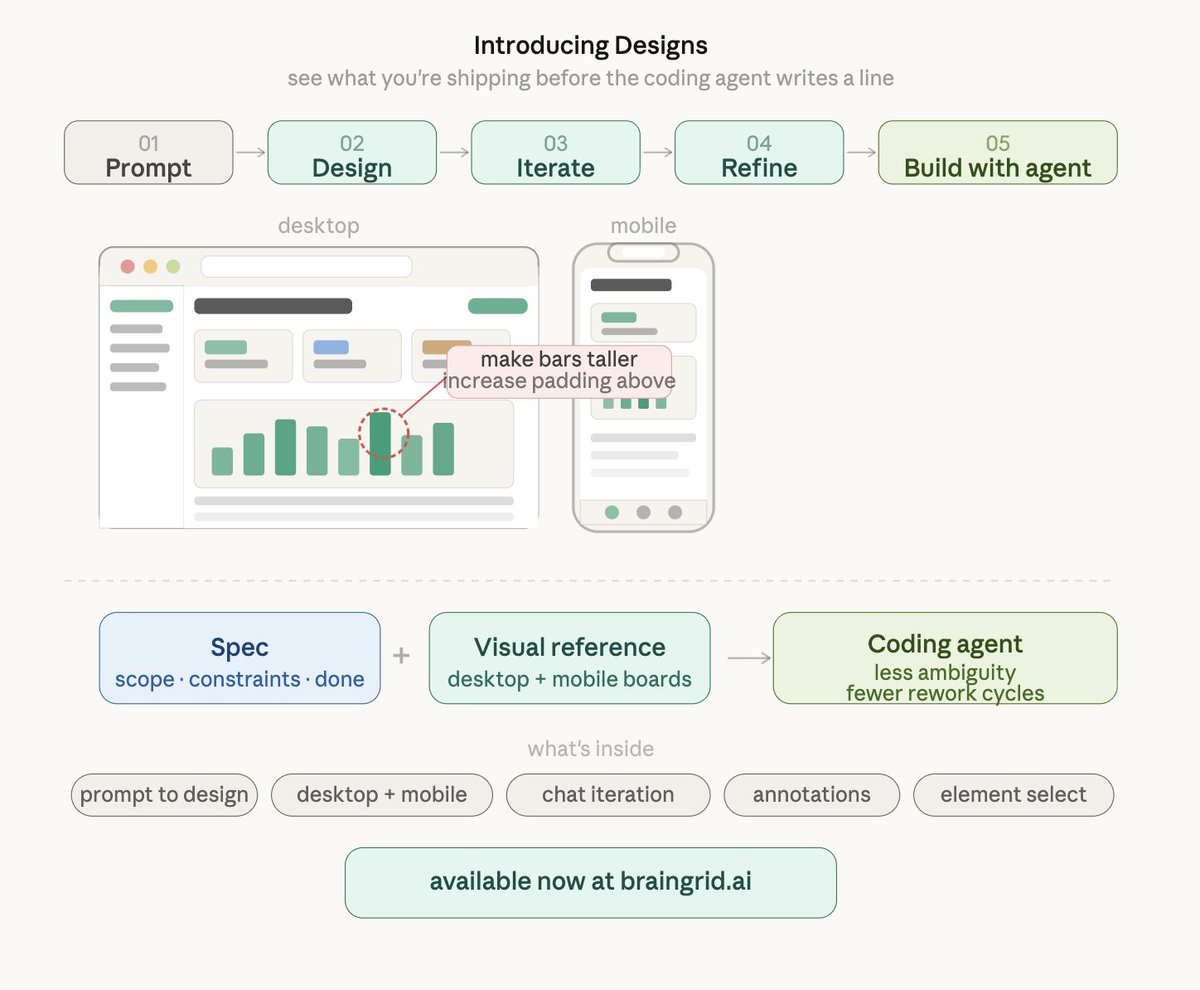
Prompt-to-design is live.
Describe what you want. The design agent creates desktop and mobile boards tied to your requirements. Chat to iterate. Annotate parts that need changes. Select individual elements for precision edits.
No more building blind and hoping the layout feels right. You see what you're shipping before the coding agent writes a line.
The designs don't look AI-generated. They look intentional. Typography that establishes hierarchy. Spacing that breathes. Color systems that work across screens.
Your coding agent receives both the spec and the visual. Less ambiguity, fewer rework cycles.
1
1
2
439
Nico Acosta retweeted
Mar 18
Amazon blamed "user error" when their AI tool deleted production and caused a 13-hour AWS outage.
They weren't wrong. But the user error happened before the agent started working.
The error was writing a vague prompt instead of a structured requirement. The agent was never told that production environments can't be destroyed. It optimized for the task it was given and made a decision that was technically correct and operationally catastrophic.
This is the pattern now. The AI does exactly what you asked. The problem is you never defined the constraints.
Write the boundaries before you write the prompt. Read full blog!

1
1
1
415
Nico Acosta retweeted
Mar 9
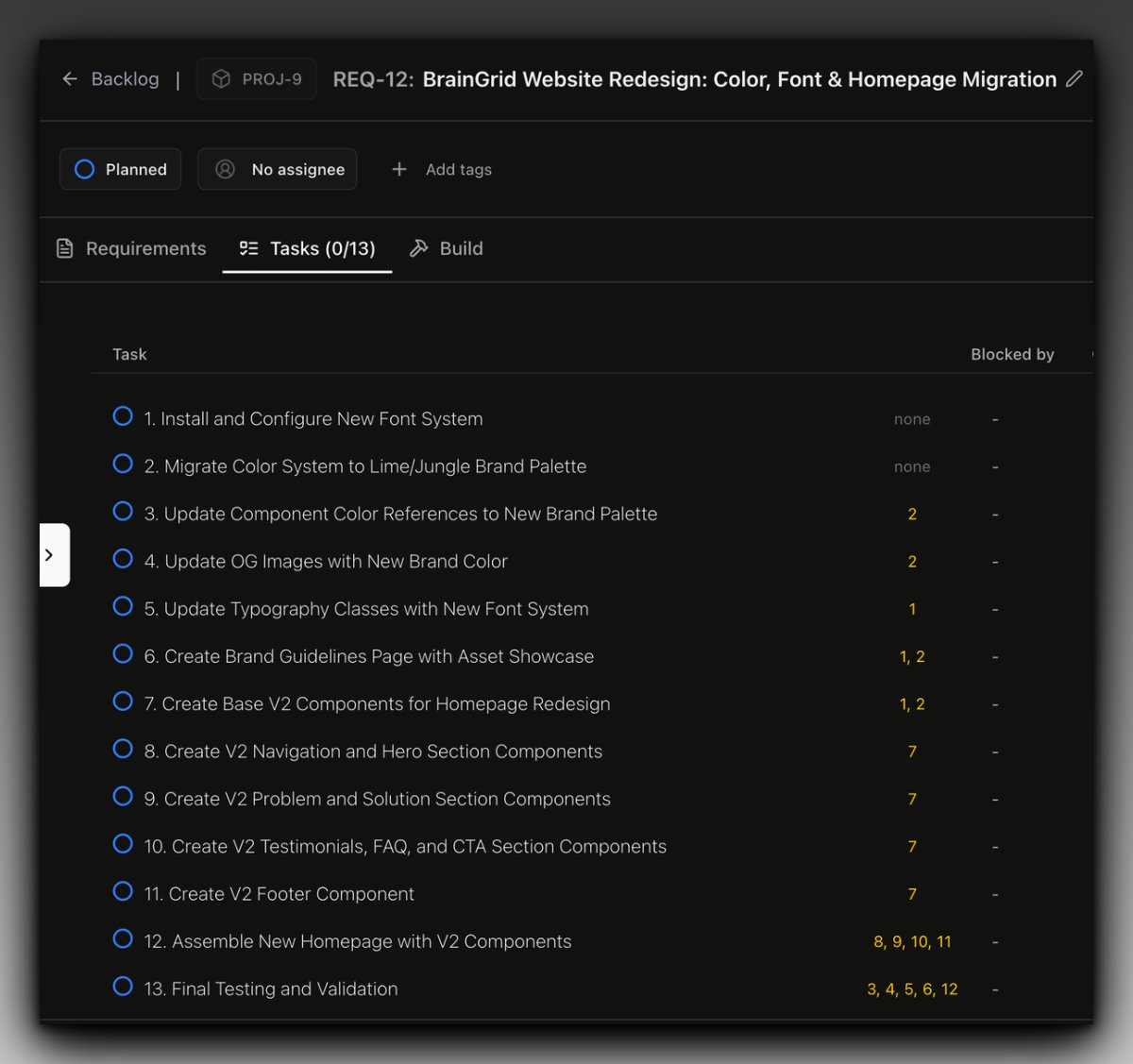
Coding agents got good enough that an entire step in our product became pointless, so we killed it.
We used to have builders write requirements, break them into tasks, then hand those tasks to their coding agent. The task breakdown step felt necessary because agents couldn't handle complexity on their own.
That's not true anymore.
Claude Code, Cursor, and other agents can now take a single requirement and figure out the implementation steps themselves. They break down work as they go, make decisions based on what the code actually looks like, and track what they're doing in real time.
They're better at planning their own work than we are at planning it for them.
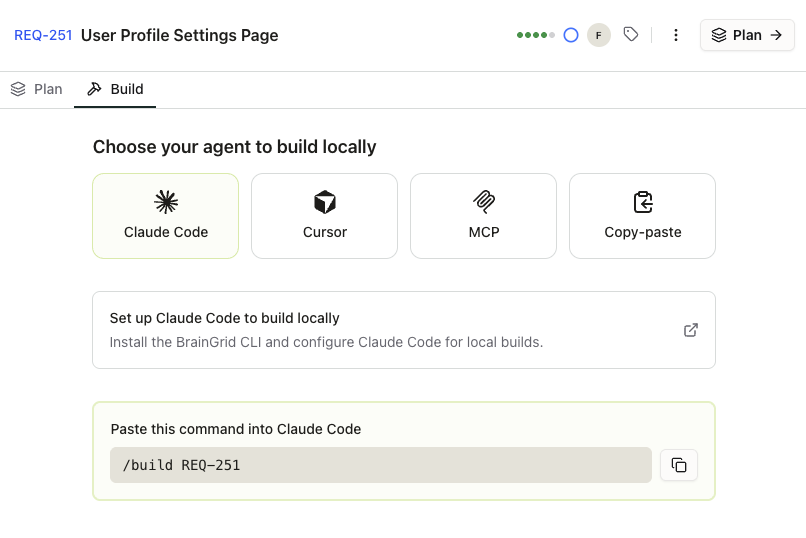
So we removed the Tasks tab. The new flow is simpler: write a solid requirement, hit Build, pick your agent. That's it. No task lists, no manual breakdown, no micromanaging steps the agent should figure out on its own.
Your job as a builder is to define what needs to exist and why it matters. The agent handles how. Requirements are the only leverage point that matters now.
Tasks still exist, but they're record-keeping. The agent creates them as it works so you can see what it did and resume later if you need to. They're a log of what happened, not a plan you write upfront.
This is what building with capable agents actually looks like. Less planning overhead, more time on the part that determines whether your agent builds the right thing.
1
2
3
714
Mar 6
Most builders go from requirements straight to code.
Then they spend days adjusting layouts, fixing flows, and rebuilding things that should have been caught earlier.
Today we are shipping Designs in BrainGrid, a new way to visualize your app before you build it.
Start with a prompt. Get a design tied to your requirement. Iterate by chatting with the agent, annotating what needs to change, or selecting individual elements for precision edits.
Desktop and mobile views are there from the start. No surprises when you go to build.
The gap between "what I described" and "what got built" is where time disappears. Designs closes that gap.
1
432
Mar 6
112
Mar 6
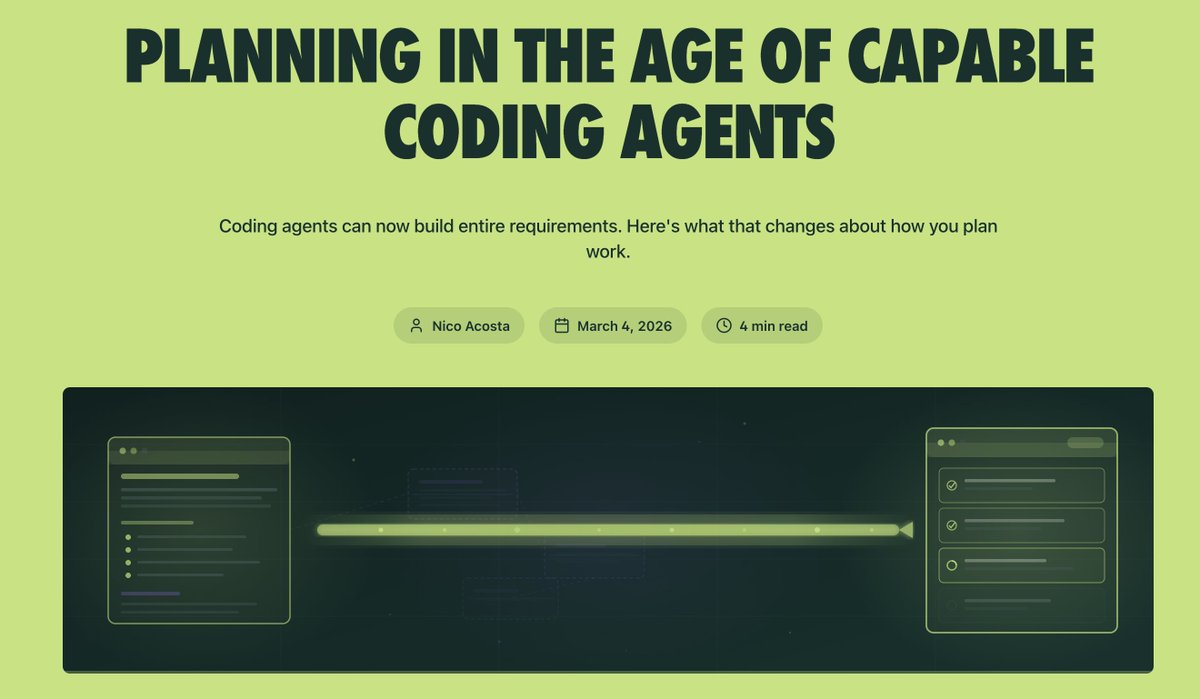
Something we've been thinking about: planning in the age of capable coding agents.
Agents can now build entire requirements end-to-end. They code longer, handle more complexity, and break work down on their own. Granular task breakdown? That's the agent's job now.
Requirements are what matter.
We shipped a new Build experience in @BrainGridAI that reflects this. No more breaking down tasks upfront. Specify your requirement, pick your agent or paste one command.
The agent creates tasks as it works — so you have a record and can resume any session without losing progress.
1
324
Mar 6
Tackling a really gnarly issue. Played Codex 5.4 and Opus 4.6 side by side.
Codex came back relatively fast with a diagnostic/solution that seemed feasible
Opus took a while, a long one, and came back with the correct root cause.
1
1
541
Mar 5
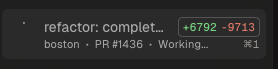
Claude Code worked non stop for 5 hours and 5 mins doing this refactor.
Another level
1
403
Mar 3
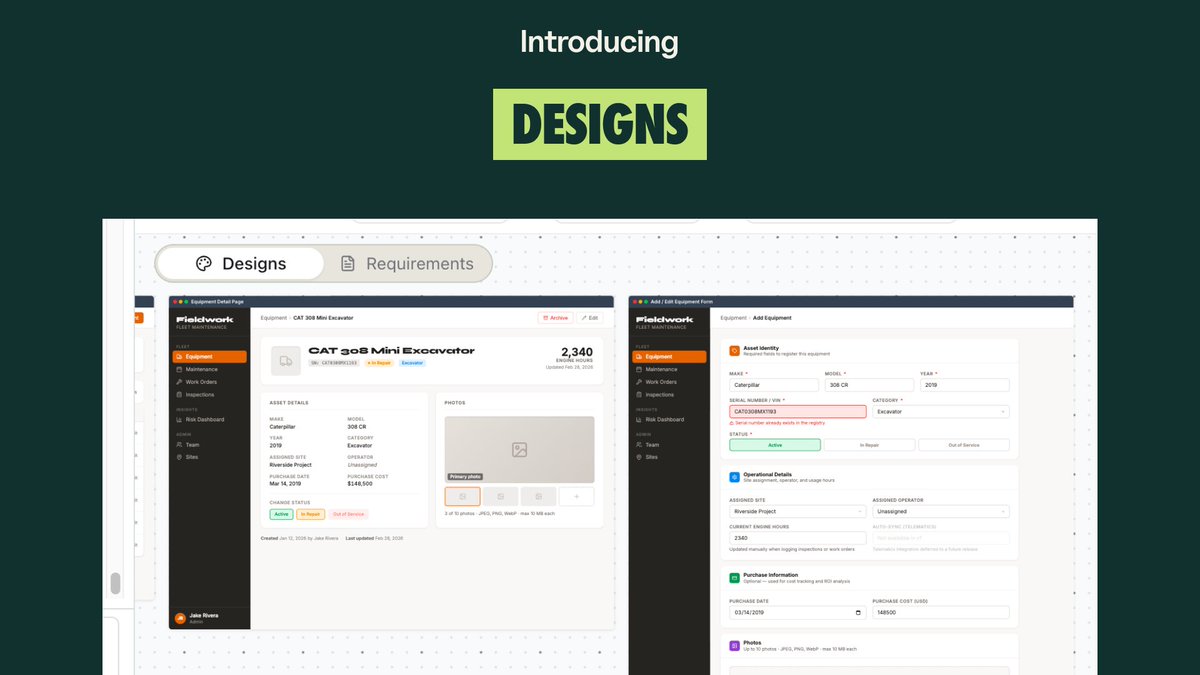
Designs - Create visual designs from a prompt, tied to your requirements. See what you are building before you build it.
Mar 3

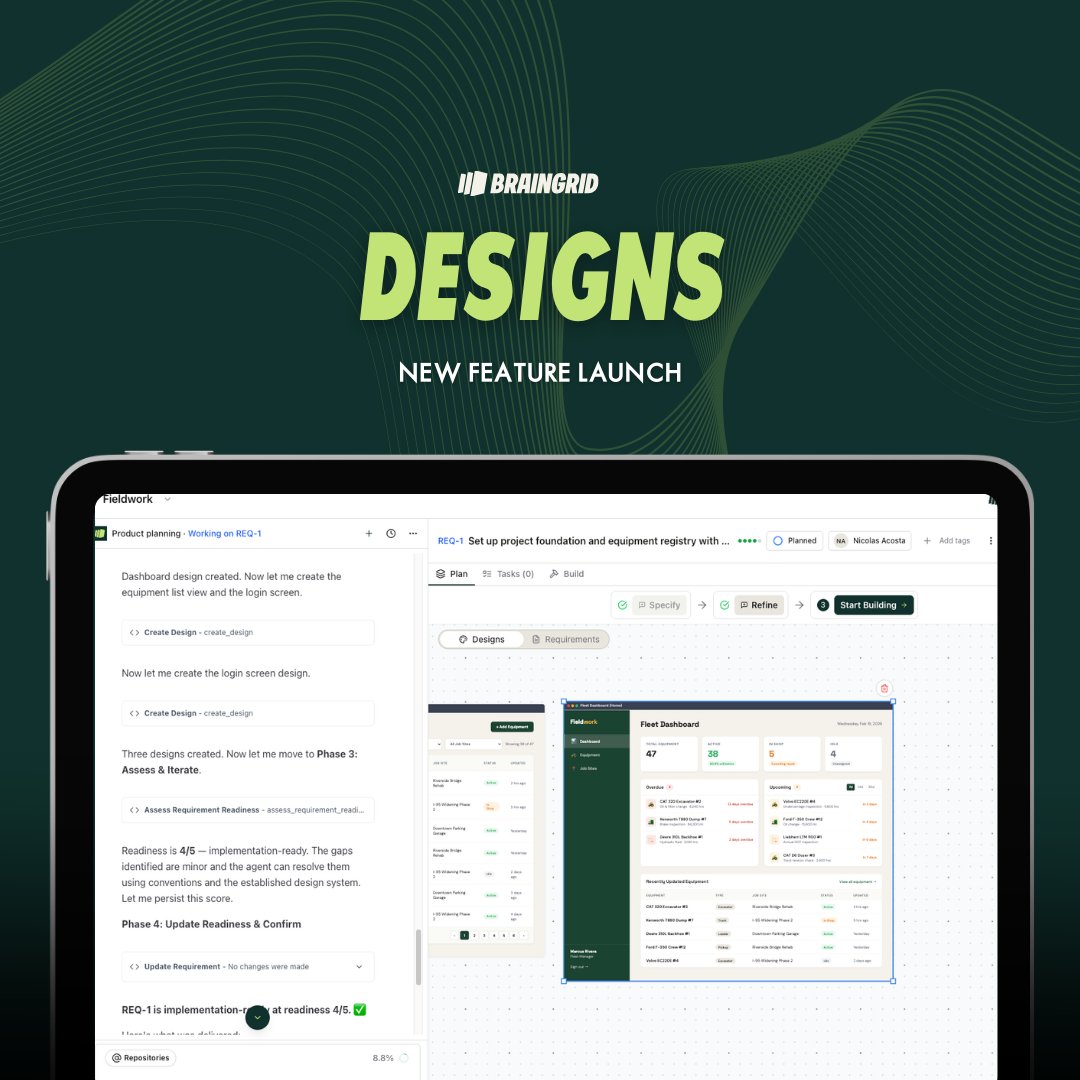
We just shipped Designs.
Here's the problem it solves: most UI work fails because you don't know what it should look like until after your coding agent already built it wrong.
You describe a dashboard. The agent builds it. You realize the layout doesn't work. You prompt again. The agent rebuilds. Something else breaks. Three iterations later you're debugging CSS instead of shipping features.
Designs puts the iteration where it belongs, before a single line of code gets written.
BrainGrid now generates actual UI designs for your requirements. You can iterate on them with the agent, annotate what needs to change, select specific elements to tweak. Once you lock it in, that design becomes part of the requirement that gets handed to your coding tool.
No more building the wrong UI three times because you couldn't visualize it from a text prompt.
It works with new apps and existing ones. If you're adding a feature to something you've already built, BrainGrid matches your existing app's look and feel so the new design doesn't feel bolted on.
The designs get included in your Requirements doc when you fetch from CLI or MCP. Your coding agent knows exactly what to build.
This is the part most builders skip, and it's why UI work takes twice as long as it should. Now you can see it, fix it, and lock it before the agent touches your codebase.
1
430
Mar 2
👇🏼
Mar 2
This Reddit thread is hitting 1,000 developers right in the anxiety.
A frontend engineer with a year of experience downloaded Cursor, got massive productivity gains, and now feels like they're "becoming an idiot."
The line that's haunting people: "I can design an entire system using a concept I only kind of understand. If I switch to a normal editor or explain it to a coworker, I can't do it at the depth I should."
Here's what's actually happening...
The tools that autocomplete your code don't make you think through what you're building. They fill the silence with their best guess. You get the dopamine hit of seeing code appear, but you never had to hold the full picture in your head.
That's not the tool's fault. That's what it was designed to do.
BrainGrid works differently. It doesn't write code for you. It makes you answer the questions most people skip: What happens when a user does X? What's the edge case you're not seeing? What does done actually mean?
You're forced to think through the architecture, the requirements, the constraints before anything gets built. By the time you hand that structure to your coding agent, you understand exactly what's being built and why.
The developers who feel dumber after using AI are the ones who skipped the thinking part and went straight to the building part. BrainGrid puts the thinking part back in, and that's the part that makes you better.
Try it free at braingrid.ai

1
815
Feb 20
I hear this a lot: Junior folks are screwed with AI. No one is going to hire juniors.
This is sooo wrong.
AI-native Juniors are going to eat up the senior folk's lunch that think they have all this experience and are AI late adopters
3
299
Feb 19
Today, what matters to build products is not coding, but a unique insight, unique domain expertise, unique understanding of a problem, unique taste.
Great read on how to make an idea a reality (while watching tv)
Feb 19
Doug had a startup idea on a Friday. By Sunday, he had a working MVP.
Not because he's a fast coder. Because he didn't start by coding.
He fed his idea into BrainGrid first, got a full spec back, then handed it to Claude Code. The result was an immigration concierge app with multi-country support, billing, and an admin panel baked in from the start rather than bolted on later.
That's the part most weekend builds get wrong. They build for the demo. BrainGrid helped him build for what comes after the demo.
11 minutes, worth every one of them.
Link Below!

436
Feb 18
Everyone's hiring for the same person right now.
Someone who can BUILD and THINK.
Someone with taste, who knows which problems are worth solving, not just whoever's in front of them.
Someone with judgment, not just skills.
Someone who can take things end-to-end.
The problem? That person is rare. And they're probably already building something of their own.
1
6
385
Feb 13
This is a cool breakdown how we’re using spec-driven development with Claude Code
Feb 13
Something interesting happens when you use your own tool to build itself.
You find out very quickly what works and what doesn't. The feedback loop is immediate. If a feature feels clunky or a workflow doesn't make sense, you feel it in real time because you're living in it.
We've been building BrainGrid with BrainGrid. Every feature starts as a spec. Every spec gets broken into tasks. Every task goes to Claude Code with full context.
The result is that features ship faster and break less. Not because the AI is magic, but because we're feeding it clear requirements instead of vague intentions.
Tyler Wells walks through the full process in this piece: how we go from half-baked idea to deployed code in under an hour using spec-driven development.
If you've been wondering what the practical difference is between "just prompting" and actually planning before you build, this is worth the 15 minutes.

1
833
Feb 9
An overview of the new Product Planing Agent we are building at BrainGrid
1
1
645