
Net Architect, anti-DDoS & Peering chez Zayo Europe. Lead tech-prod @a_live_event. Co-Fondateur @Streamalia et codelyoko.fr. Accro du réseau & GNU/Linux
Joined November 2009
- Tweets 43,511
- Following 948
- Followers 1,857
- Likes 2,799
4,738 Photos and videos









Je crois ne jamais l'avoir annoncé par ici, mais notre retour de Vacances en Septembre dernier a été marqué par une incroyable surprise 😺
La chatte à notre voisine a mise bas chez nous. Depuis, les deux sont devenus légalement nos animaux et se portent à merveille. #douceur




1
20
Johann retweeted

C’est officiel : la validation par carte bancaire arrive dans le métro à Paris !
Déploiement d’abord à Orly, puis ligne 1 (juillet 2027), lignes 4 et 14 (fin 2027), lignes 7 et 12 (fin 2028) et l’ensemble du réseau horizon 2030.
5 personnes par carte, usage touriste.
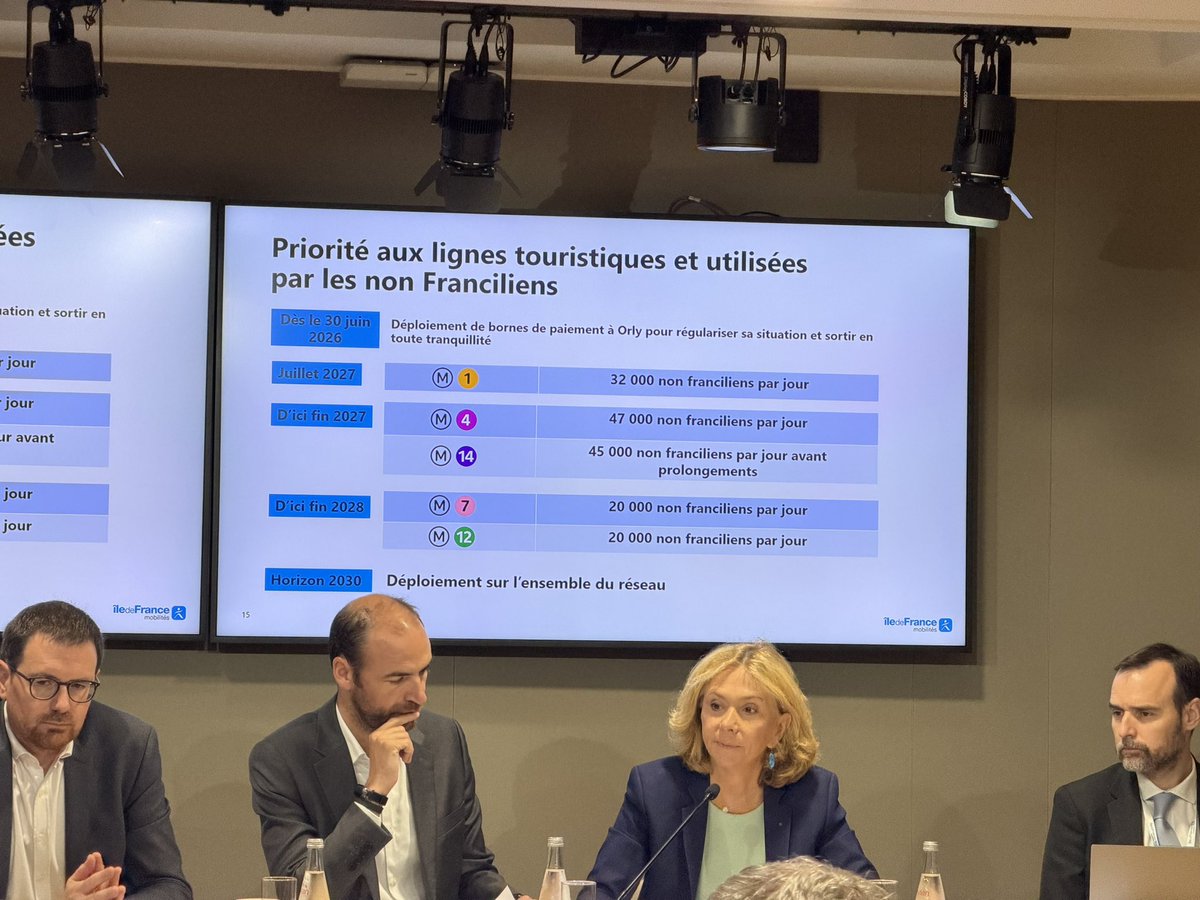

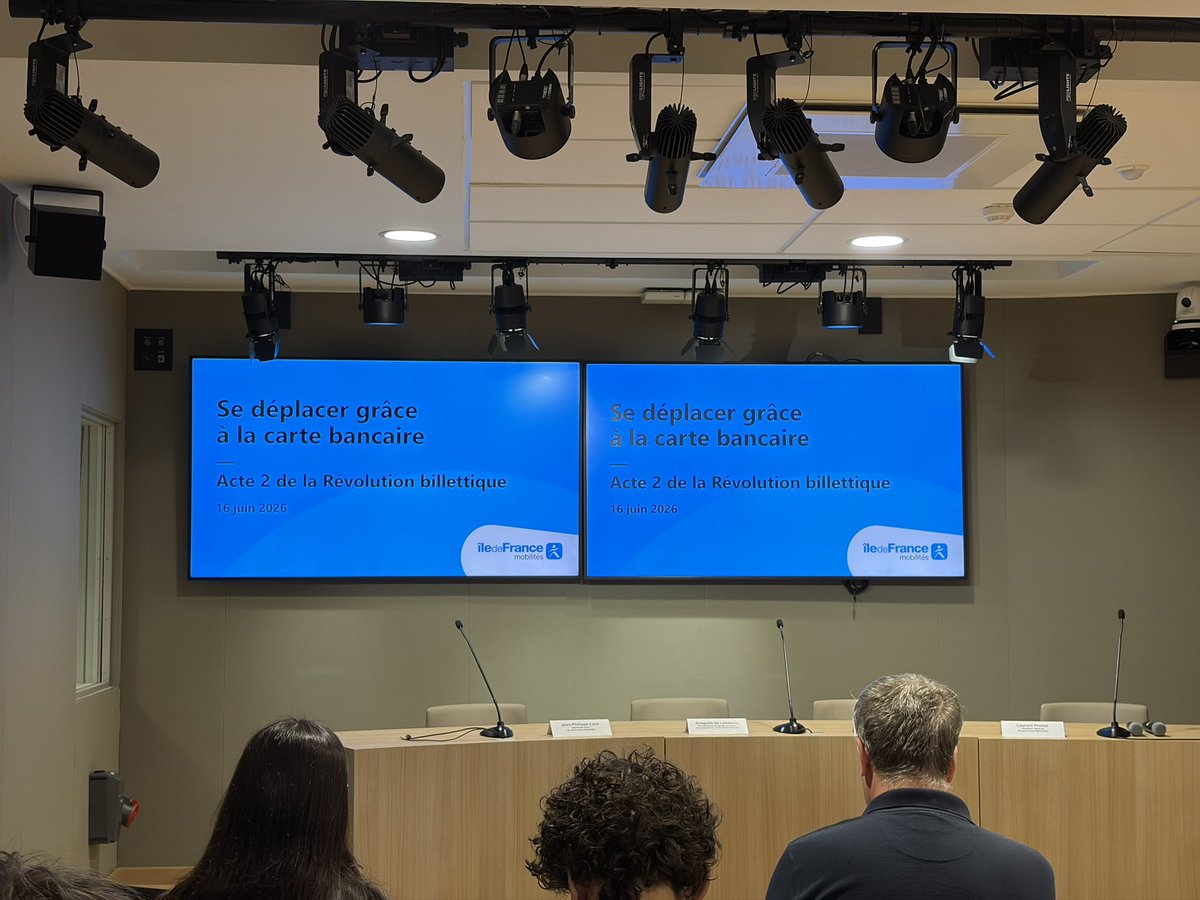
Enfin de la carte bancaire dans le métro à Paris ? @IDFmobilites fait des annonces ce matin sur « l’acte 2 de la Révolution billettique ».
Les grosses annonces à suivre ici, les détails sur Numerama 👇
27
24
228
88,400
Johann retweeted

Jun 15
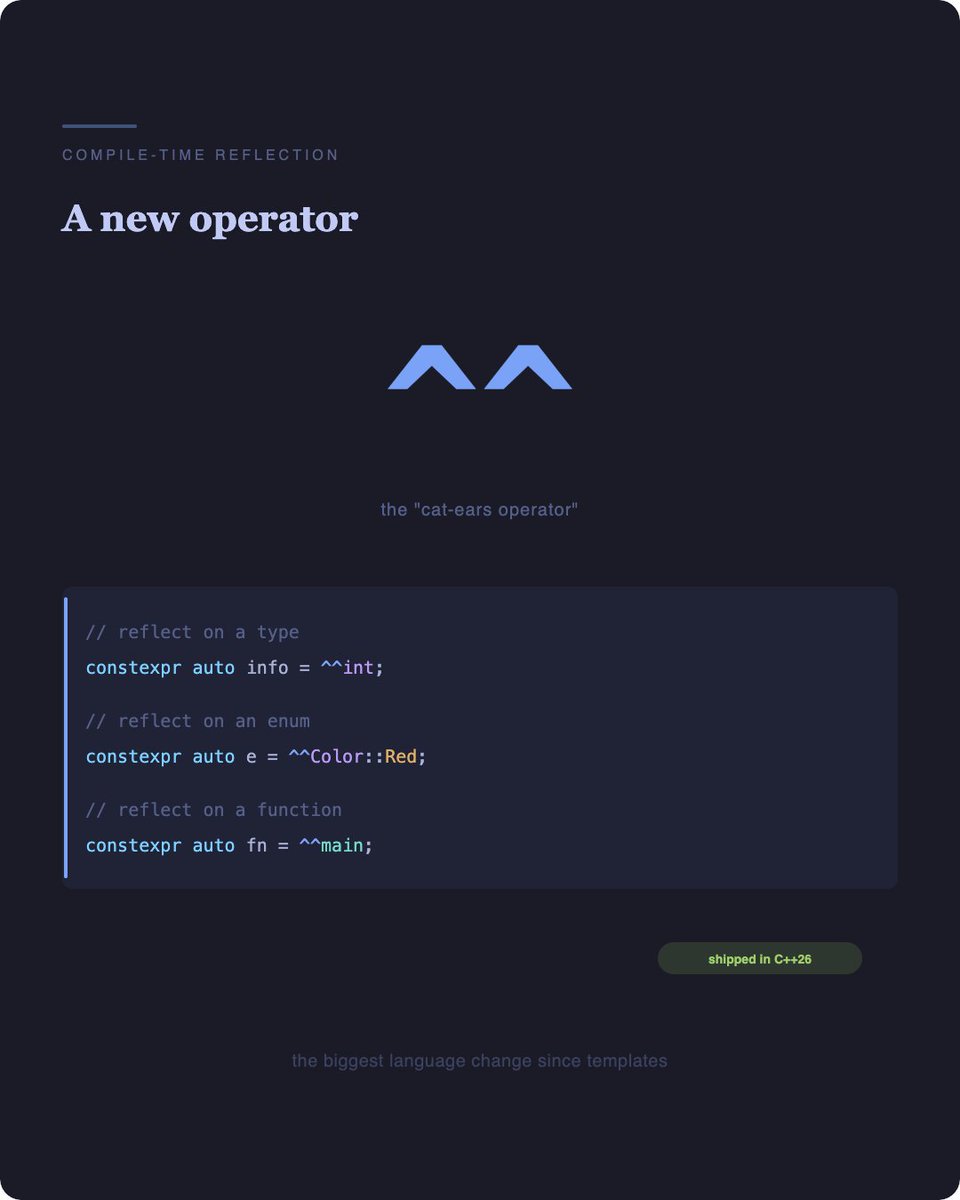
C just got a new operator
It looks like this: ^^
The committee calls it "the cat-ears operator." It's the gateway to the biggest language change since templates 🧵👇
91
970
2,788
395,783
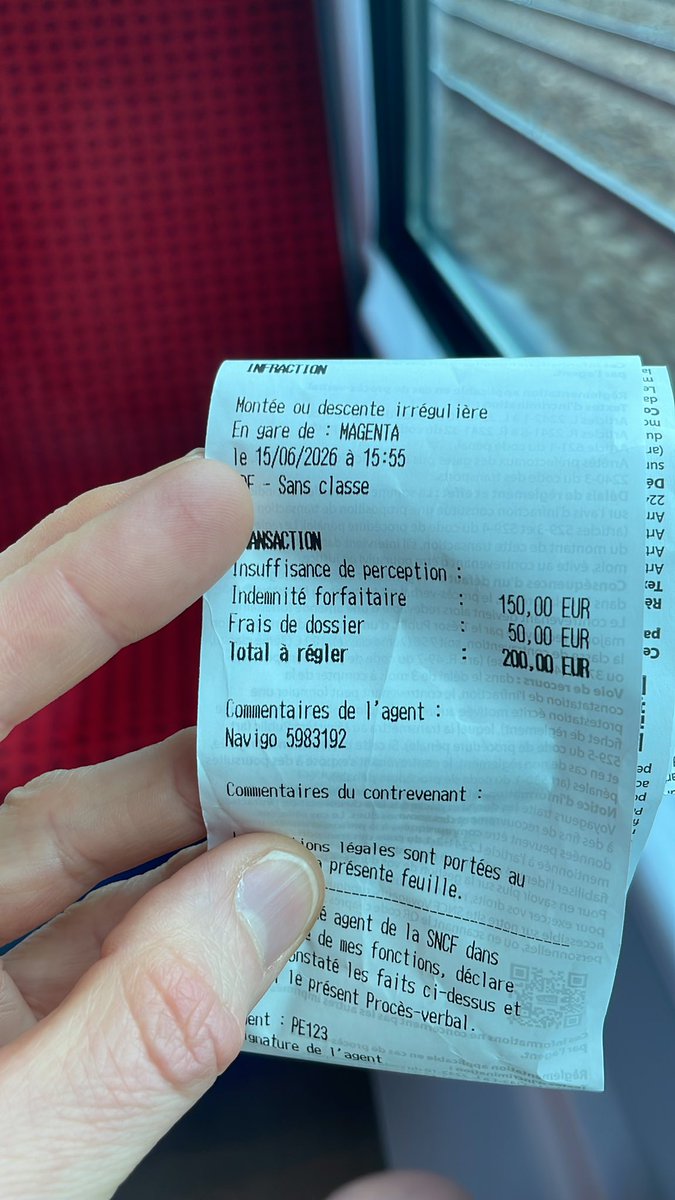
Ils peuvent toujours se torcher pour que je paye ce genre d'amende. Je préfère un tour au poste, histoire que même la police se paye la tête du contrôleur. La prime au amende est un fléau.

Gare du Nord , faites gaffe quand vous confondez un sens d’Escalator
À @IDFmobilites on perd pas la boussole pour vous coller 200€ d’amende !
C’est mon cas aujourd’hui et j’espère que Twitter va porter mon indignation haut et fort !!
@Actu_Transilien
@RERE_SNCF
2
2
11
619
Franchement, je comprends pas pourquoi les barrières se sont ouvertes en mode "hahaha mais non" (vs les feu).
Si c'est par "design", faudrait peut-être revoir la technologie à un moment 😅

Elementarny przykład dlaczego nie wjeżdża się na przejazd kolejowy w momencie gdy światła się jeszcze świecą
4
9
1,961
Johann retweeted

Jun 14
Les "architectes" (maçons) du Moyen Âge ne sortaient pas de nulle part.
Ils étaient formés au sein des corporations de métiers, selon un parcours progressif qui allait généralement de l'apprentissage au compagnonnage, puis, pour certains, à la maîtrise.
Les savoirs circulaient, les techniques se transmettaient et les artisans voyageaient fréquemment d'un chantier à l'autre pour perfectionner leur art et acquérir de nouvelles compétences. Ce qui a, d'ailleurs, donné les Compagnons du tour de France et diverses guildes.
Ils passaient des examens pour monter en grade. Bref. Ces comptes font des milliers de vues sur de l'ignorance pure.
Jun 13

"you need a degree to build a house"
Men without degrees 500 years ago:
60
1,203
11,295
333,964
Johann retweeted

Jun 13
Every time a shooting game has made you crouch before firing, you're following a rule invented in 1999 by a 21-year-old named Minh Le.
Le was in his final year at Simon Fraser University in British Columbia, spending 20 hours a week on a mod for Half-Life. A mod uses an existing game's code as a base to build something new. He had already made mods for Quake, the dominant shooter of that era, where you could move sideways at full speed and still hit your target. Players could run, jump, and fire all at once, which made matches feel more like pinball than tactics. Le wanted the opposite.
His solution: the further you move, the wider your shots spread. Stand still and your bullets go where you aim. Crouch and they go even straighter. Walk, run, or jump, and your barrel might as well be pointing at the ceiling. Counter-Strike Beta 1.0 went live on June 19, 1999, and within months, players worldwide had one consistent habit: stop moving before you fire.
Valve noticed the mod was outperforming their own games. They acquired Counter-Strike in 2000 and released it officially that November. CS 1.6 arrived in September 2003 and peaked at nearly 320,000 active players at once in December 2007, per Steam. Every tactical shooter since then copied the same core mechanic: Valorant, Rainbow Six Siege, the crouch-and-fire rules in Call of Duty, all trace back to Le.
In real life, whether you crouch or stand barely changes a shotgun's spread. A standard 12-gauge patterns roughly 8 inches wide at 10 yards, growing to about 15 inches at 20 yards. Your stance mainly affects recoil control on the second shot, not where the first pellets go.
"1.74E2 CU" is scientific notation for 174, a joke number designed for comic effect. But the frustration it captures is real. Le built an artificial spread penalty, not a physics-based one. He just wanted people to stop running.


8
12
126
59,789
Super intéressant et cela explique énormément de chose. C'est pourquoi les politiques qui mentent sur plein de sujets (coucou la clim, le nucléaire, le numérique, etc). sont dangereux.
Pire : Parfois je suis sur qu'ils pensent avoir raison 😕
youtube.com/shorts/9pe9h7sGU…
121
Johann retweeted


2
33
1,049
Johann retweeted

Jun 12

🇫🇷 INSOLITE | TF1 diffuse tous les jours un épisode de sa télé-réalité IA "Skibidi Exfruit", en collaboration avec le créateur de "L’île de la Skibidi Tentafruit".
76
280
6,743
174,308



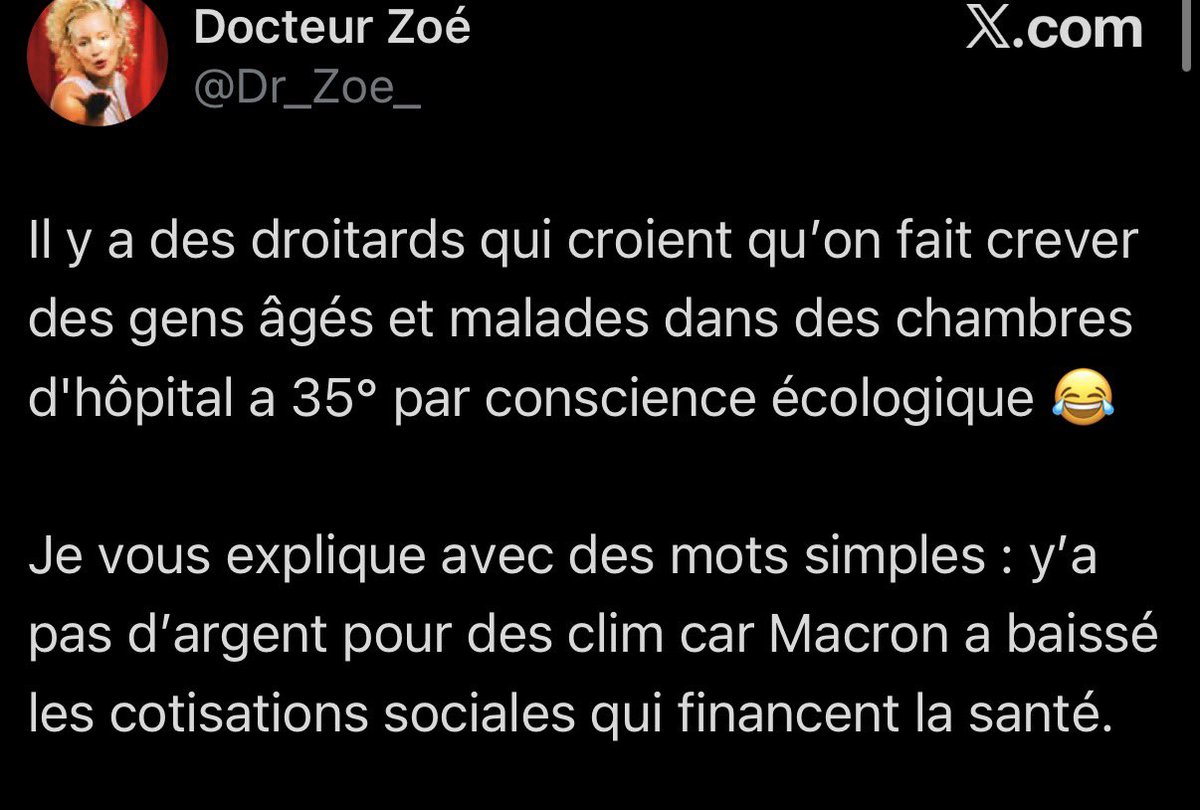
C’est fascinant, presque clinique. Du jour au lendemain ils vont oublier que ce sont eux qui ont freiné la Clim pendant 20 ans pour raisons bêtement idéologiques et à présent accuser la DROUATE ET LE CAPITALIMSE, maintenant qu’ils reconnaissent sa nécessité.
79
378
2,865
76,038

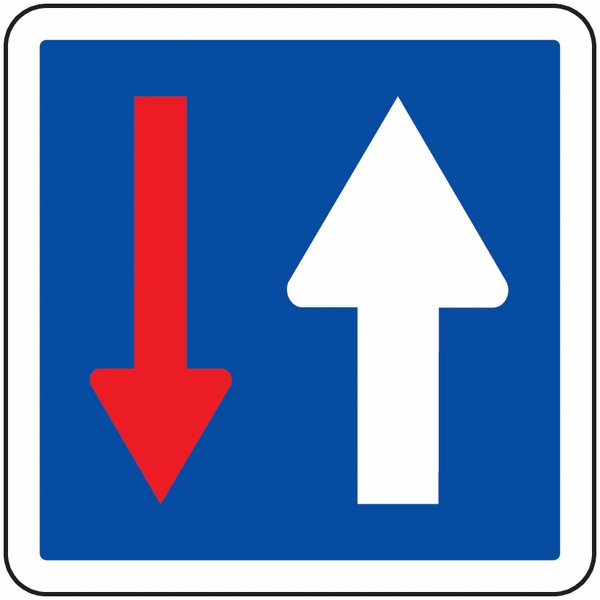
CE POST NOUS PERMET DE NOUS RENDRE COMPTE QUE CERTAINS AGENTS MONTENT LES PANNEAUX À L'ENVERS !???
Un effort comment vous voulez vous en sortir 😭😭
Apprenez le code de la route mais vous inquiétez pas on fait des blagues des fois les panneaux seront inversés 🤪🤪🤪🤪🤪

Ça fait deux/trois fois que je m'embrouille avec des gens qui pensent être le pilote ultime mais qui en fait ne savent même pas différencier les panneaux
DONC SI VOUS NE SAVEZ PAS LIRE LES FLÈCHES ON VA UTILISER CE MÉMO TECHNIQUE.
CARRÉ BLEU : PRIO
ROND BLANC ET ROUGE : PAS PRIO
BORDEL.

1
1
11
3,382
Johann retweeted

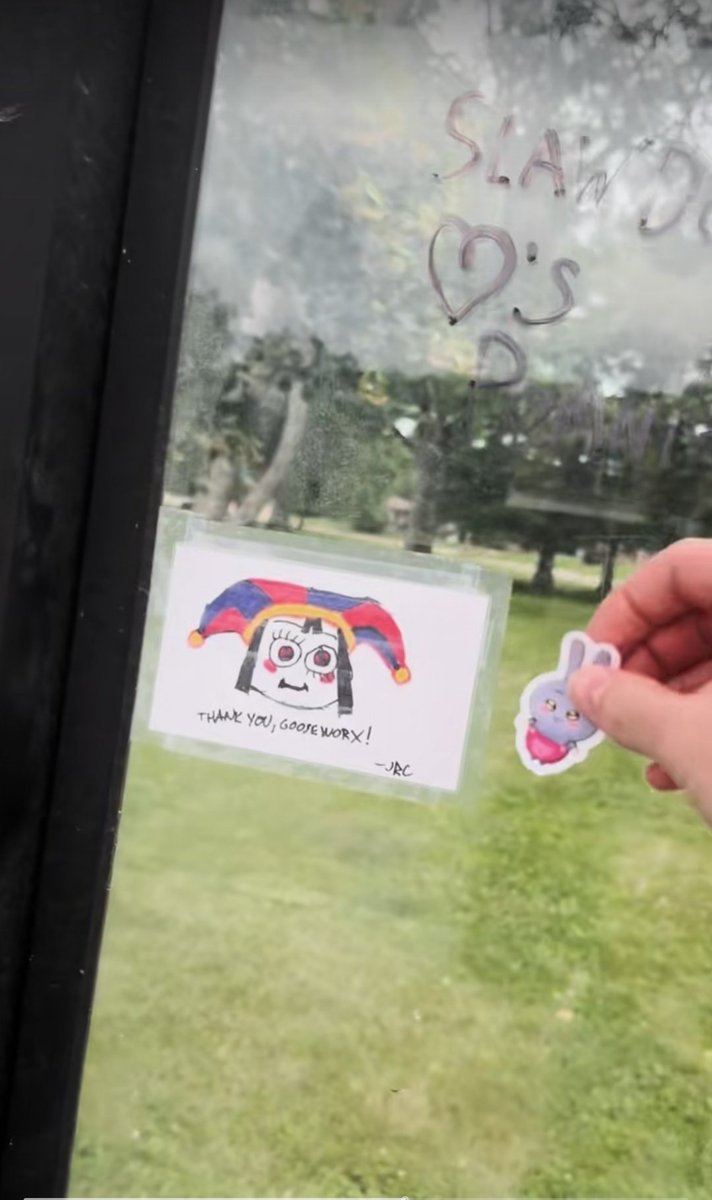
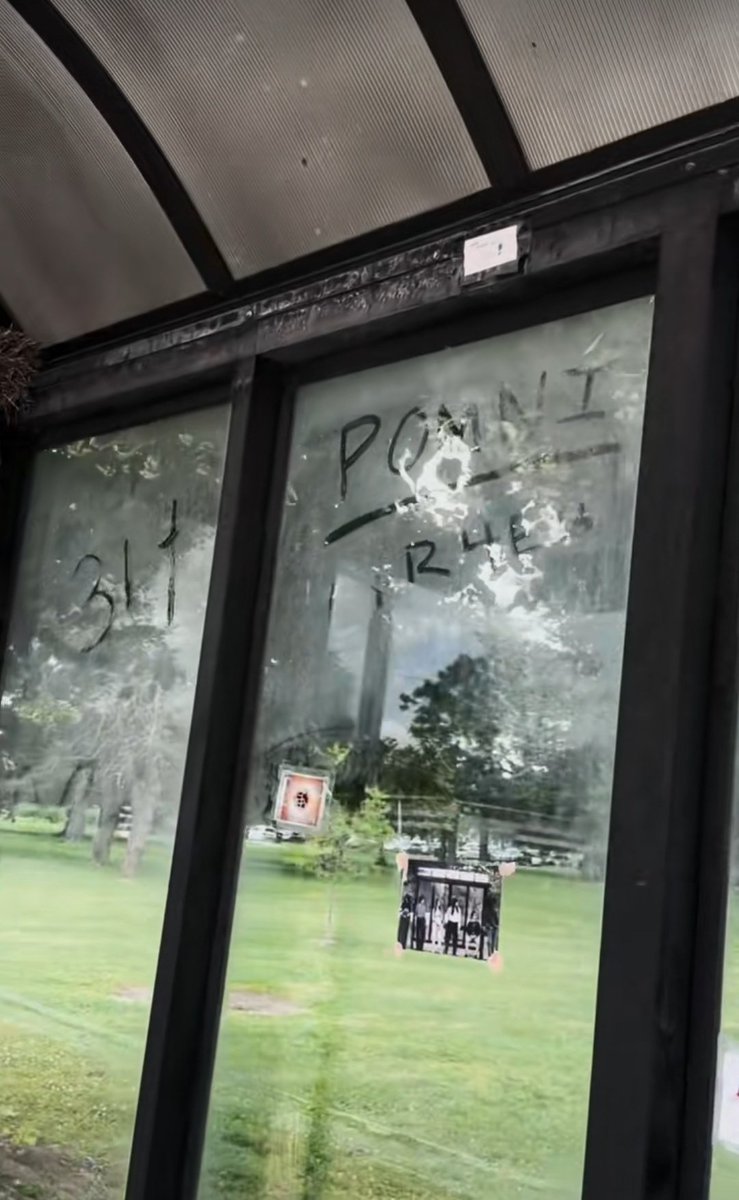
#tadc #tadcspoilers
The bus stop where the last scene was filmed aw this is so cute
The fandom might not be all that bad this is adorable
81
2,019
26,853
299,561
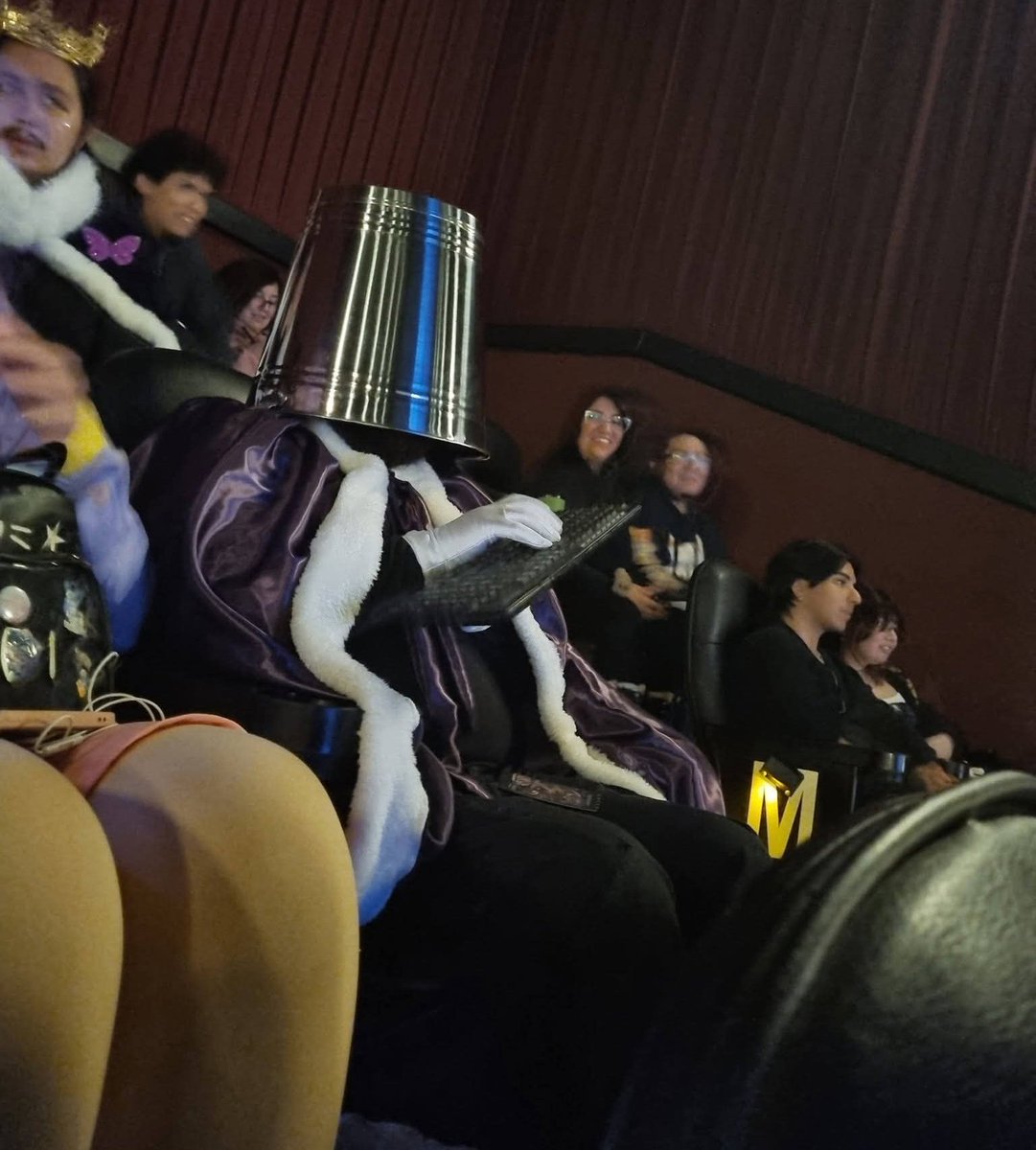
Meilleur cosplay de Kinger.
Je veux rien savoir.

1
1
213

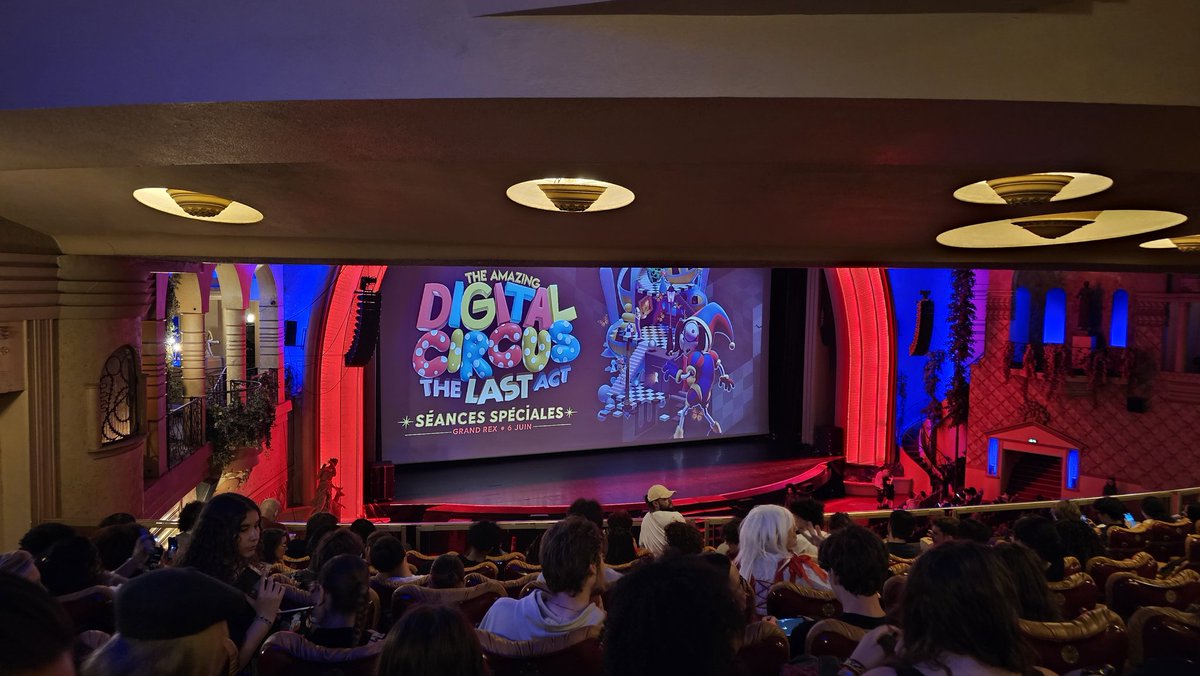
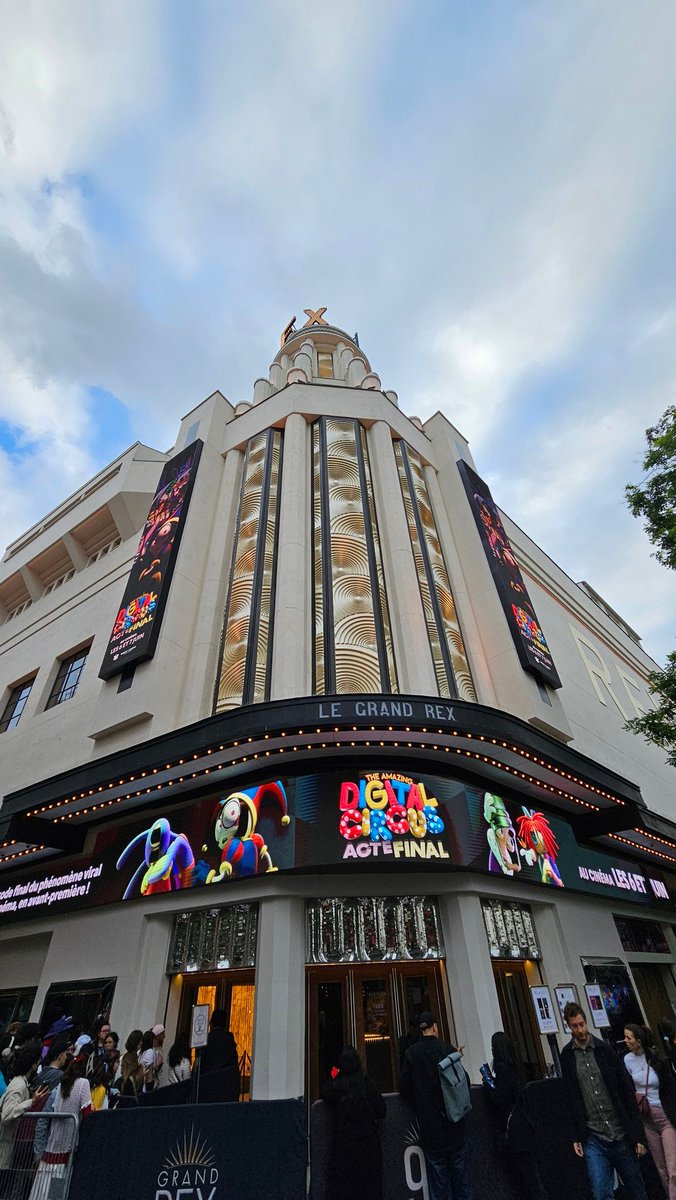
En route vers le @LeGrandRex pour la finale de #TADC dans la grande salle. J'ai hate. Je me suis refait tout les épisodes pour être complètement près 😁
3
124