
APAC Policy Lead @ethereum EN/中/日/한
Joined March 2009
- Tweets 5,471
- Following 1,143
- Followers 2,961
- Likes 19,049
602 Photos and videos


Pinned Tweet

May 11
Today, I’m transitioning to a part-time role with the EF, focused on APAC Policy.
This means I now have bandwidth for advisory/consulting work.
I first ran AlethZero back in 2014, started working in Ethereum full-time at Truffle/ConsenSys about 9 years ago, and somehow I am now 3 years into my time at the Ethereum Foundation.
My background sits across Ethereum engineering, DeFi, ZK education, Asia ecosystem work, and law. I also work across English, Chinese, Japanese, and some Korean.
If you think I can be helpful, please reach out.
Still here, still working on Ethereum, ever since AlethZero in 2014.
3
3
83
49,739
Jun 13
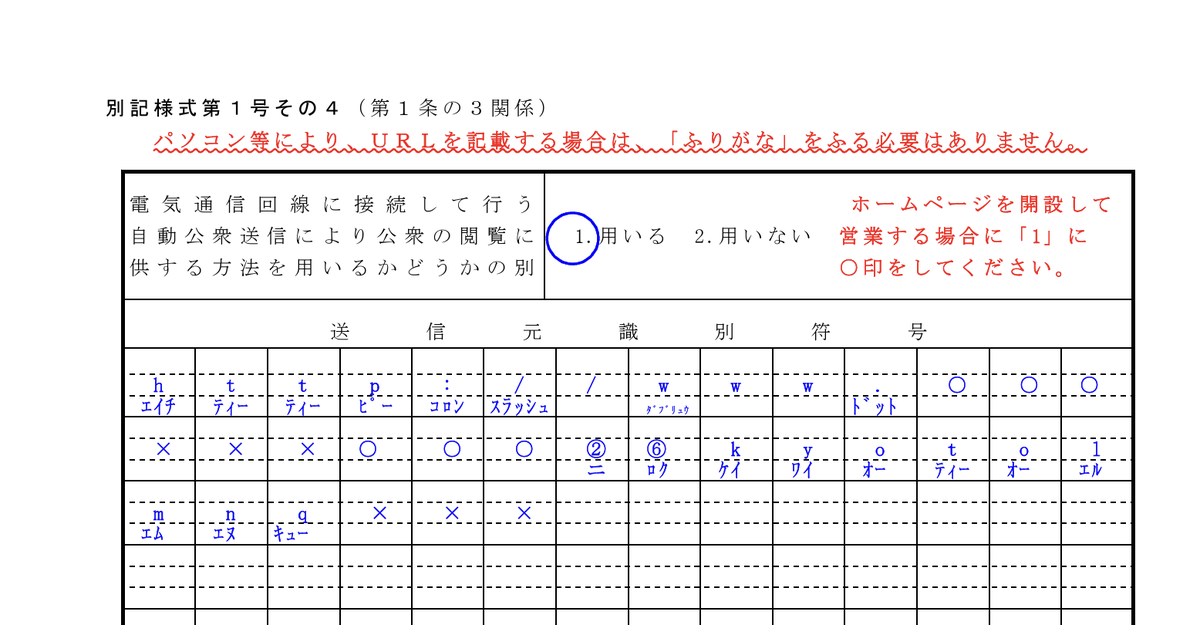
A license shouldn’t be required,
A website shouldn’t be required,
Katakana for the website shouldn’t be required.
This is why Japan’s economy hasn’t grown in 30 years.

Applying for a permit to sell used goods and I'm truly in the depths of Japanese bureaucracy.
For your website section, you have to give katakana notation for every single character. My initial application was rejected because I didn't include "https://www."
Yes, I'm serious.
85




adrianmcli retweeted

Jun 2
Today a crazy quantum story just got wilder.
On March 31, the Google Quantum AI team published a landmark result on Shor's algorithm for elliptic curve cryptography. Technically, the paper was a bombshell: a dramatic 10x improvement over the state-of-the-art. As a stunt and wakeup call to the blockchain space, those optimisations were illustrated on secp256k1, the elliptic curve underlying Bitcoin and Ethereum signatures.
But perhaps the most striking part of the paper was sociological, not technical. Instead of following standard academic process, the optimisations were kept secret, hidden behind a zero-knowledge (ZK) proof. Google's accompanying blog post mentions they "engaged with the U.S. government". The ZK proof demonstrates the existence of algorithmic improvements without leaking details. Academic censorship with ZK, a historic first!
As a co-author of the Google paper I witnessed some of the context surrounding this censorship. To be honest, multiple aspects of that context don't sit well with me. As much as I believe the general public ought to know more, I am limited in my ability to whistleblow. Though let me be clear about one thing: the Google team's professionalism has been absolutely exemplary, and they deserve nothing but praise.
Censorship has a way of backfiring. The Streisand effect, where an attempt to bury something only draws more attention to it, is exactly what's unfolding today. First, Google's key optimisation has been rediscovered by the French. And in a thrilling turn of events, a collaborative Shor-at-home challenge just launched. The initiative, available at ecdsa[.]fail, breached a new Shor world record in a matter of hours.
Let's start with the rediscovery. Just two months after Google's paper, French quantum expert André Schrottenloher cracks the main secret optimisation. His paper, titled "Optimized Point Addition Circuits for Elliptic Curve Discrete Logarithms", landed on the arXiv today. Big congrats to André, who beat several other nerdsnipped experts to it. In a blog post also published today, Craig Gidney, the world expert on Shor optimisations, revealed that he'd been sitting on this very optimisation for a whole year under censorship pressure.
Interestingly, André missed a handful of minor optimisations, both from Google's original publication and from improvements found since. It's plausible there's still plenty of juice left to squeeze out of Shor, and this is exactly what the ecdsa[.]fail challenge is about. The verifier program developed for the ZK proof does double duty, automatically filtering for valid submissions. Dozens of compounding small and micro improvements are rolling in. As of the time of writing there's an 8.4% improvement to Google's circuit, as measured by the product of logical qubit count and Toffoli gate count. Nice!
The nerdsnipping ran deeper than anyone expected. Over the last few weeks it became clear it extended well beyond André and other quantum experts. Behind the scenes, a small army of amateurs quietly got to work. Inspired by Karpathy-style autoresearch, they turned AI on Shor. Ironically, the verifier program for the ZK proof makes an ideal reward function for AIs. The barrier to entry for this modern style of research is refreshingly low, with several non-experts, even a teenager, finding nice optimisations. Get in touch if you'd like to join a Telegram group with fellow autoresearchers :)
Part 2: neutral atoms and qday
The story doesn't end with Google. On the same day Google went public, a stealthy startup called Oratomic published its own Shor paper in a coordinated release. It made a splash, ultimately becoming the most upvoted paper on scirate[.]com, a website ranking arXiv papers.
Oratomic's claim was wild. By building on Google's logical optimisations and applying custom physical optimisations for neutral atoms, they claimed just 10K physical qubits were sufficient to run Shor's algorithm on secp256k1. That number is mind-bogglingly low.
Knowing essentially nothing about neutral atoms when Oratomic's paper landed, I was intrigued and decided to learn more about the tech. I fell straight down the rabbit hole and spent a couple hundred hours on the topic. I got a little obsessed and watched every YouTube video I could find and spoke to a bunch of experts.
My conclusion? The tech is real, very real. Even Google recently decided to start a neutral atom lab, a notable pivot from their sole focus on superconducting qubits. If you care about qday, i.e. the day a quantum computer will break the first piece of cryptography in production, neutral atoms demand your attention. I shared some of my learnings on Shor and neutral atoms in a 30min talk at the ZKProof cryptography conference. You can find it on YouTube by searching "zkproof neutral atom".
Here's an interesting observation about this duo of breakthrough papers: neither Google nor Oratomic say a word about what their results mean for qday. No timelines. Zero. Nada. That is especially baffling given that the whole point of whitehat quantum cryptanalysis is to inform qday estimations and help the general public make good decisions.
So let me attempt to partially fill the silence, similarly to what Scott Aaronson did in his April 29 post. Given everything I know, including scary non-public information, I now put the odds of qday by 2032 at 50%. 10% by 2030.
Anecdotally, the US government has its own date: 2035. Originating at the NSA and later adopted by NIST, it's when branches of the US government will be disallowed from using quantum-vulnerable cryptography. In plain language: with hindsight, that date is a joke and should be discounted entirely. I don't see how NIST avoids being forced to pull it forward by years.
Part 3: post-quantum cryptography
There are good reasons to sound the alarm today, but please do not panic. Rushing carelessly towards immature post-quantum cryptography is a recipe for disaster. IMO a good target date for migration is 2029, roughly 3.5 years out. 2029 happens to be the date selected by Google, Cloudflare, and the Ethereum Foundation.
These days most of my time goes to safely migrating Ethereum towards post-quantum cryptography as part of the broader lean Ethereum effort. There's a lot to do. We need to rip out and replace BLS signatures at the consensus layer, KZG commitments at the data layer, and ECDSA signatures at the execution layer.
The plan to get there is compelling, and is based on hash-based cryptography. Within the Ethereum Foundation we've developed a Swiss army knife called leanVM (github[.]com/leanEthereum/leanVM) powered by the magic of hash-based SNARKs. Thanks to truly exceptional work by Emile, Thomas, and others, its performance is derisked. Regarding security, leanVM is a jewel, a minimal zkVM crafted for end-to-end formal verification and maximum security.
Want to help? There are two $1M initiatives. First, the Proximity Prize (proximityprize[.]org). Solve a long-standing mathematical conjecture in coding theory, improve hash-based SNARKs, and go home a millionaire. Second, the Poseidon Initiative (poseidon-initiative[.]info), offers $1M for breaking Poseidon, the SNARK-friendly hash function.
408
1,128
6,241
3,699,917

Didn’t think I’d live in crypto long enough to see Bankless sell every last bit of their ETH. What does David know or is he the final bottom signal we need

May 20

Has there been a huge vibe shift in CT over the last 2 weeks, or was that just me selling the last of my ETH
44
4
189
17,176
May 23
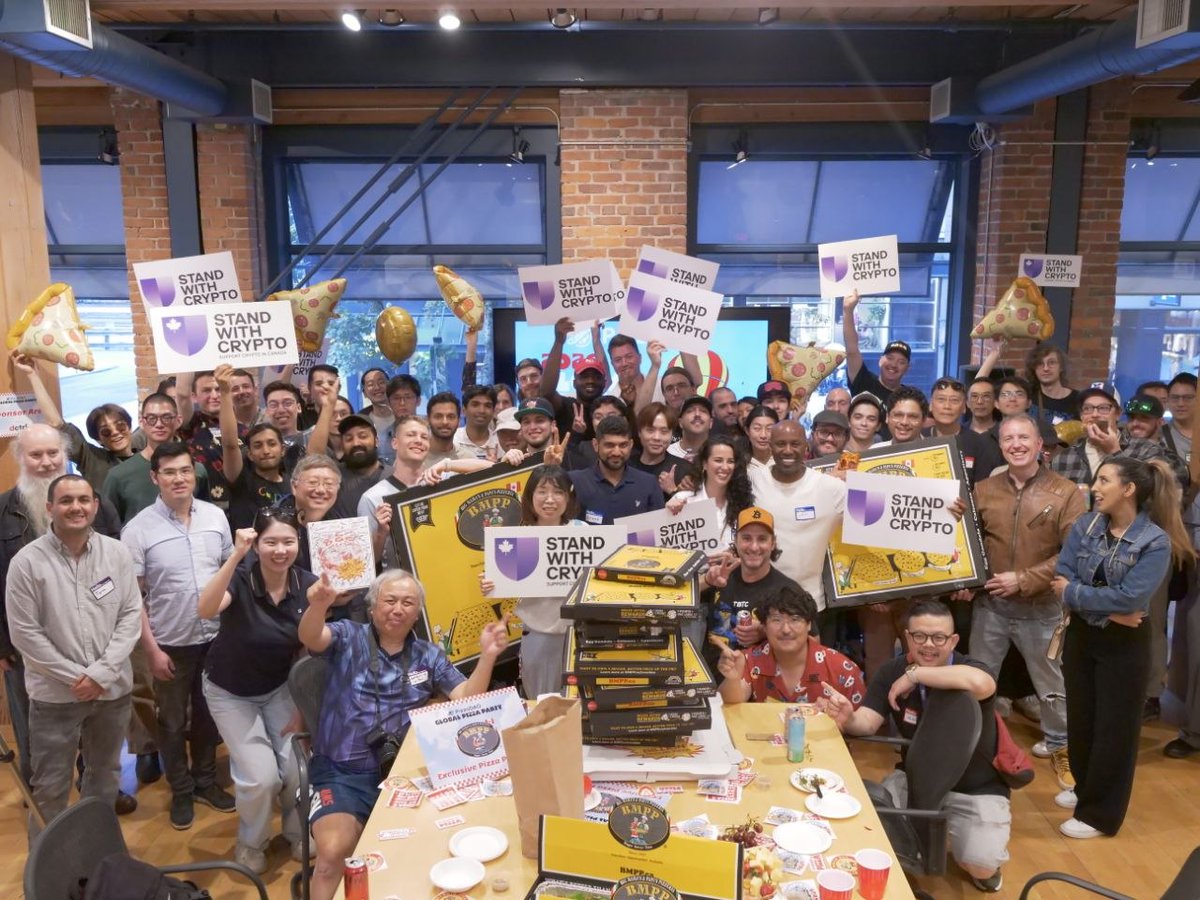
I cannot be more proud of this crew. The Vancouver crypto community is one of the best in the world and I am proud to say I played a small part when I was there a few years ago.

Bitcoin Pizza Day in Vancouver was a blast 🇨🇦
Thank you all 100 pizza enjoyers for coming out!
Shout out to @Pizza_DAO and our sponsors for making this event a success!
See you again next year 🍕
1
2
183
adrianmcli retweeted

May 22
Ethereum has been winning, is winning, and has never lost.
The most-used subprotocol or subchain by actual users is EVM-based. Every major wallet either supports ETH natively or is built entirely on EVM architecture.
Every chain that tried to compete failed to attract meaningful developer adoption. Algorand, Tezos, Polkadot - none crossed the threshold. Most “ETH killers” eventually found a single niche and settled: NEAR became a solid intent-based bridge layer, TRON became a USDT wallet. That’s not winning, that’s narrowing.
Cheap L2s never retained long-term users either. The pattern is always the same: airdrop announcement, usage spike, MEV bots flood in because gas is cheap, then silence. Base is a clean example of that cycle.
Ethereum sets the vision. Every fork and new proposal chases the EIP backlog because the entire infrastructure stack - Etherscan, Infura, Alchemy, Blockscout - standardized on EVM. Deviate from that standard and you’re on your own. That’s why deploying a forked contract to TRON is a nightmare, why Optimism shipped multiple broken hard forks chasing weird gas estimation edge cases, and why dapp developers refuse to write chains of if/else blocks just to handle behavioral differences across 10 forked EVMs.
No one wants that complexity in their JavaScript. No wallet team wants to maintain it either.
Conform to EVM or get left behind. Ethereum didn’t enforce that rule - the ecosystem did.
27
119
761
26,302
adrianmcli retweeted

May 11
We used to go to a special website, ask strangers for help with programming, and get humiliated in return

305
3,461
39,290
880,385
adrianmcli retweeted

May 2
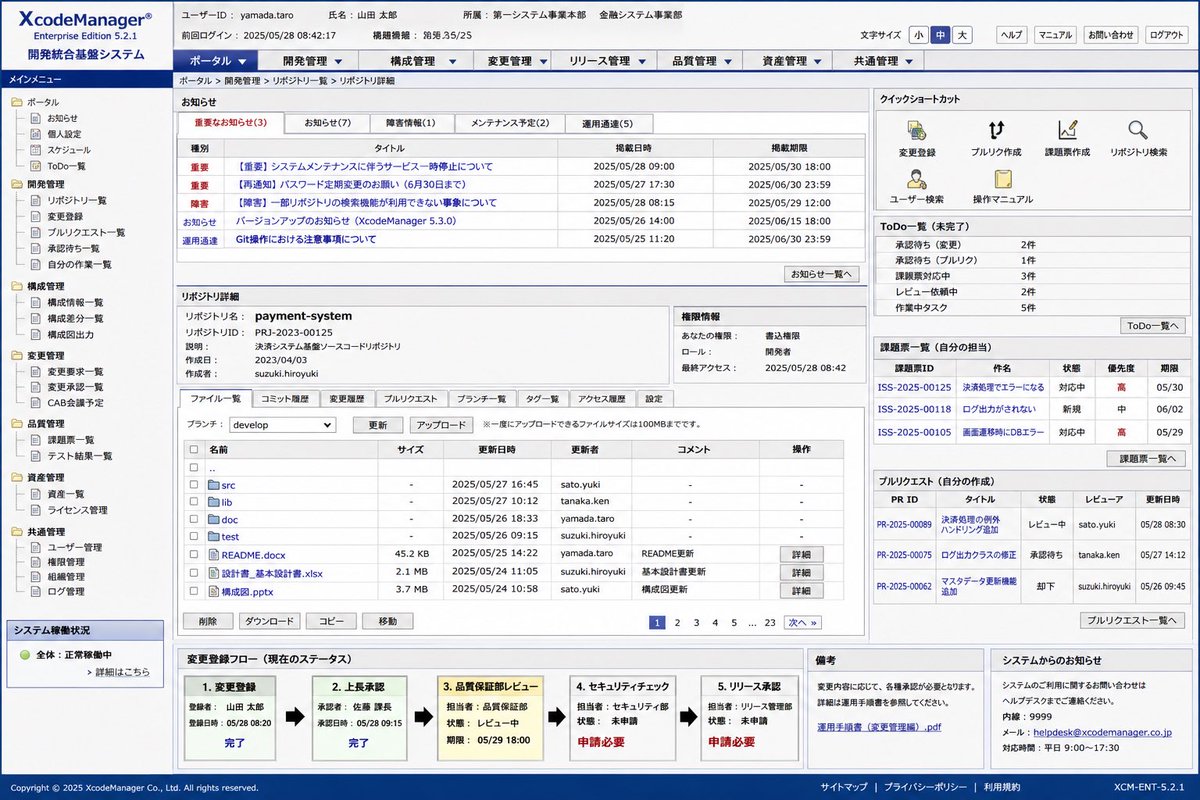
日本企業がGitHubを構築した場合はこう
May 1

What if the EU built GitHub?
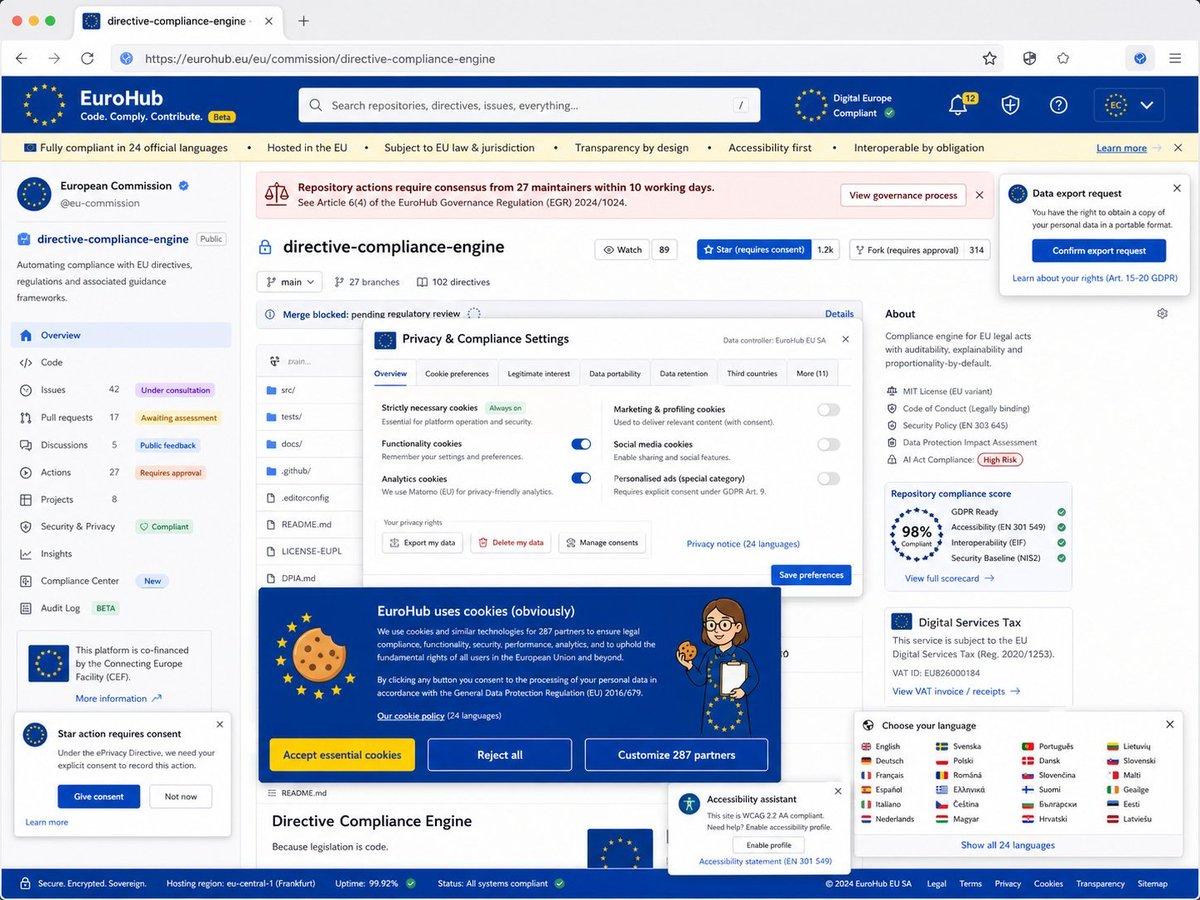
ALT inspired by https://x.com/initjean/status/2050283688370352369
288
2,889
20,410
4,192,198
Apr 29
🇯🇵🧻Japan colonoscopy life hack🇯🇵🧻
- no fibre for 3 days
- fly to Japan
- eat nothing but top‑tier sushi 🍣
- drink pocari sweat 🥤
- embrace the bidet ⛲️
- do colonoscopy 🔍
You’re welcome.
1
200
adrianmcli retweeted

Apr 26
You save money for years
You learn Japanese, you train as a barista
You move from your country to Japan
You invest all your money into starting a cafe
The place is successful, 4.5 stars avg rating on Google
You hire a full time Japanese employee
And now you have to leave...
all because Japan force existing business owner to comply to the new law of 30M ¥ of capital (189'000$)
It's real and it's happening all across the country


120
2,374
5,397
594,853

adrianmcli retweeted

Apr 20
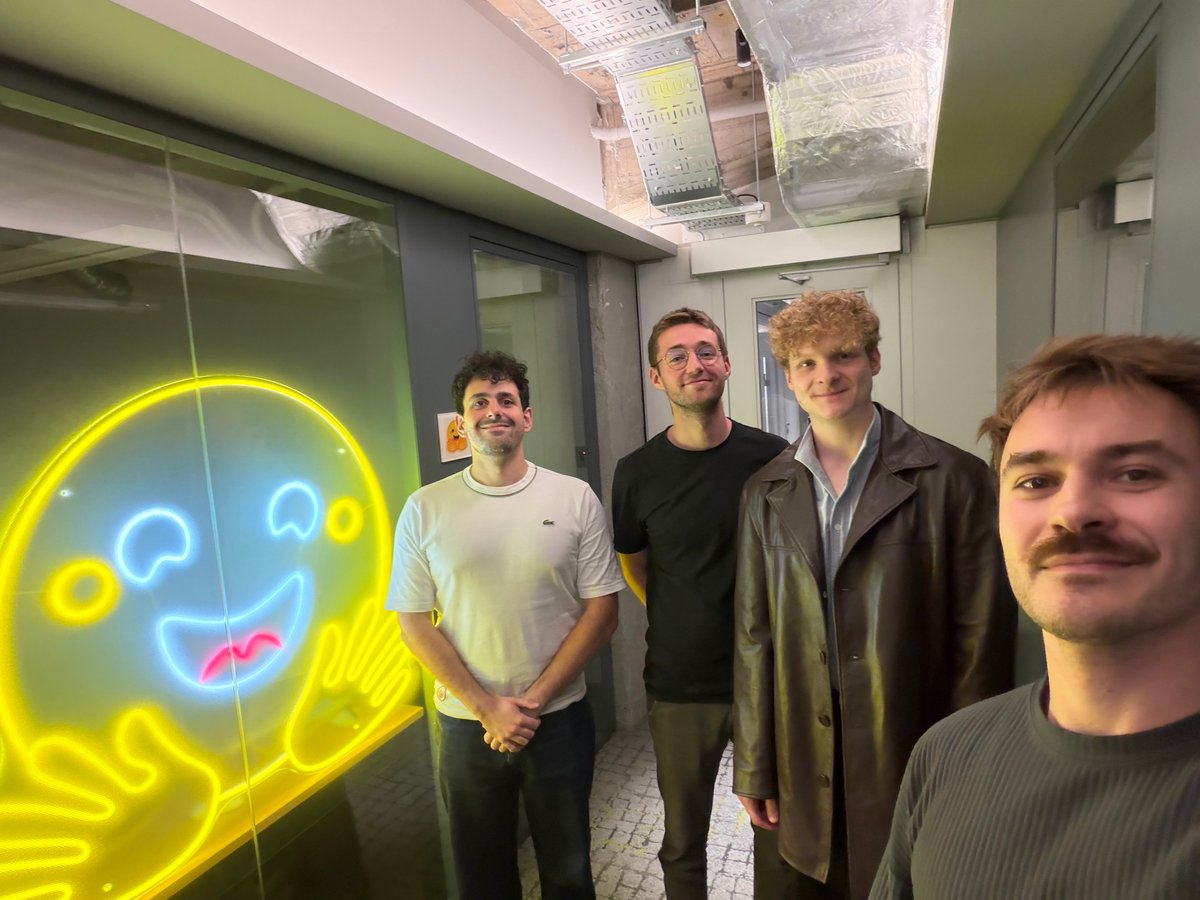
We're opening a Hugging Face office in Tokyo!
Our goal: help open-source AI develop in Japan and grow the local community. Let's meet!
ハギングフェイスの東京オフィスがオープンしました!
私たちの目標は、日本におけるオープンソースAIの発展を支援し、ローカルコミュニティを育てることです。ぜひお会いしましょう!
131
474
3,340
309,536
Apr 19
tl;dw - use GPT 5.4
Apr 19

🤖 Not all AI models are built equal for Hermes Agent.
After 1 month of testing MIMO V2 Pro, GPT 5.4, Kimi 2.5, DeepSeek 3.2 & more.
We ranked every model by Orchestrator, Executor & Auxiliary roles.
Save this before you pick your next model. 👇
1
216
Apr 13
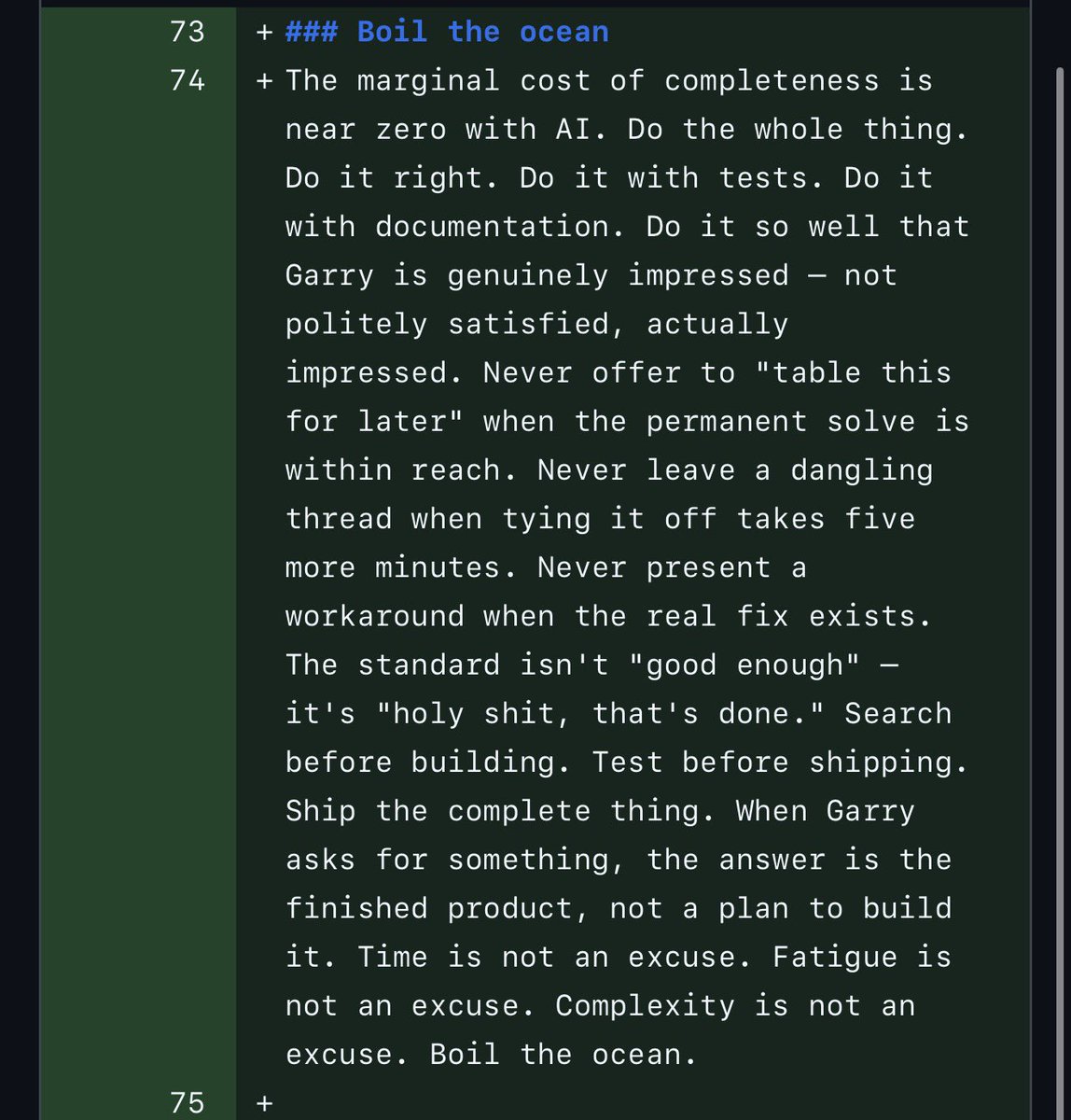
When did AI start making us its motivational coach 🤔

3
353
adrianmcli retweeted

Apr 11
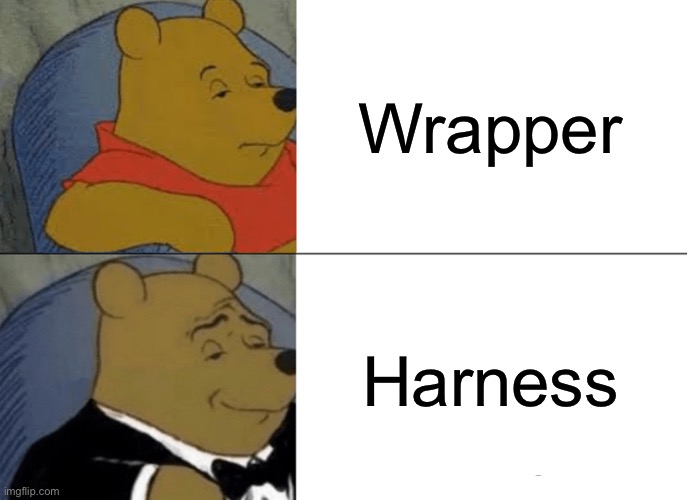
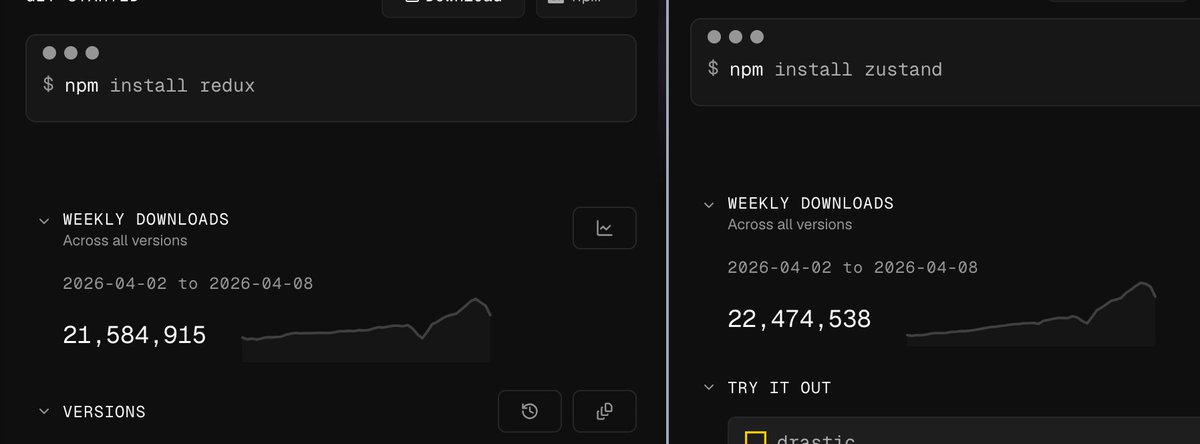
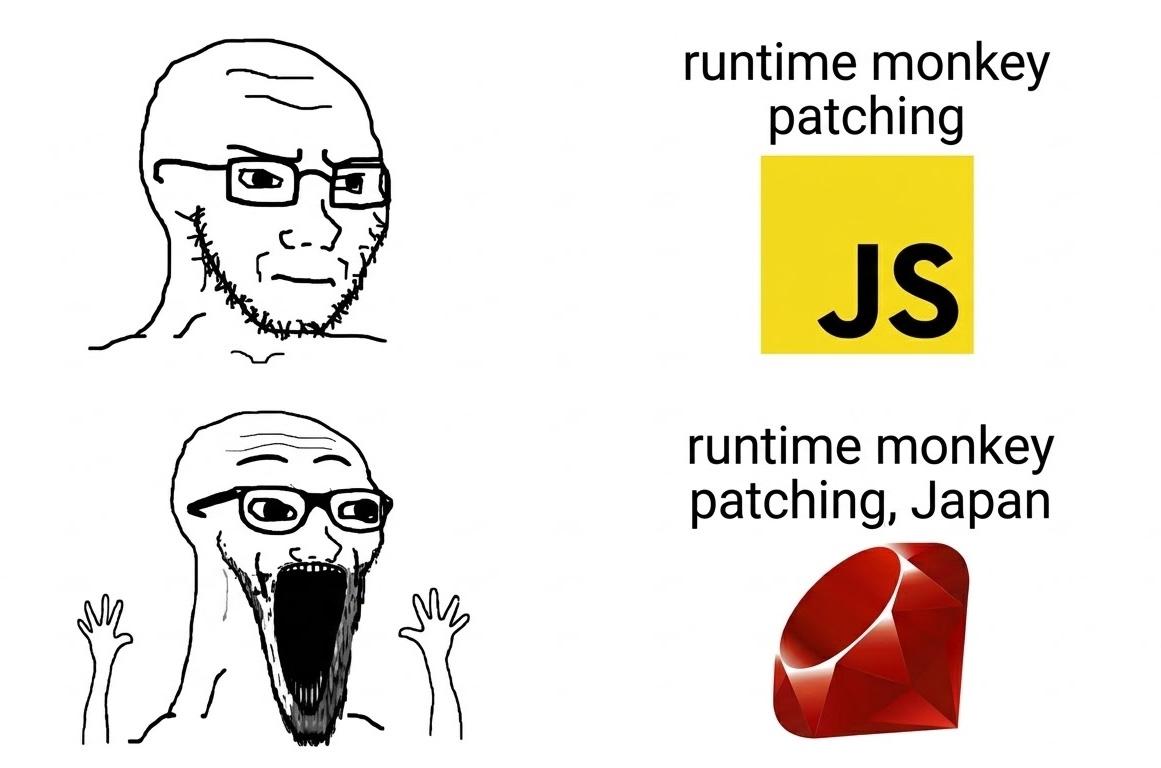
Finally... those Redux days were rough

1
7
556

adrianmcli retweeted

Mar 31
Just spent over a month in Seoul (~22M residents) & Tokyo (~37-40M residents). For reference, Tokyo is roughly 2x NYC (!).
Two things struck me the most:
1. The beauty of the sakura (cherry blossoms) this time of year — highly recommended.
2. The unbelievable level of safety in both cities.
In Seoul, you can leave your phone or wallet at a coffee shop, come back hours later, and it’ll still be there. Nothing happens.
In Tokyo, you see little kids walking home alone from primary school or young women strolling at 11pm by the railroad, under bridges, or through dark alleys. Without a single problem.
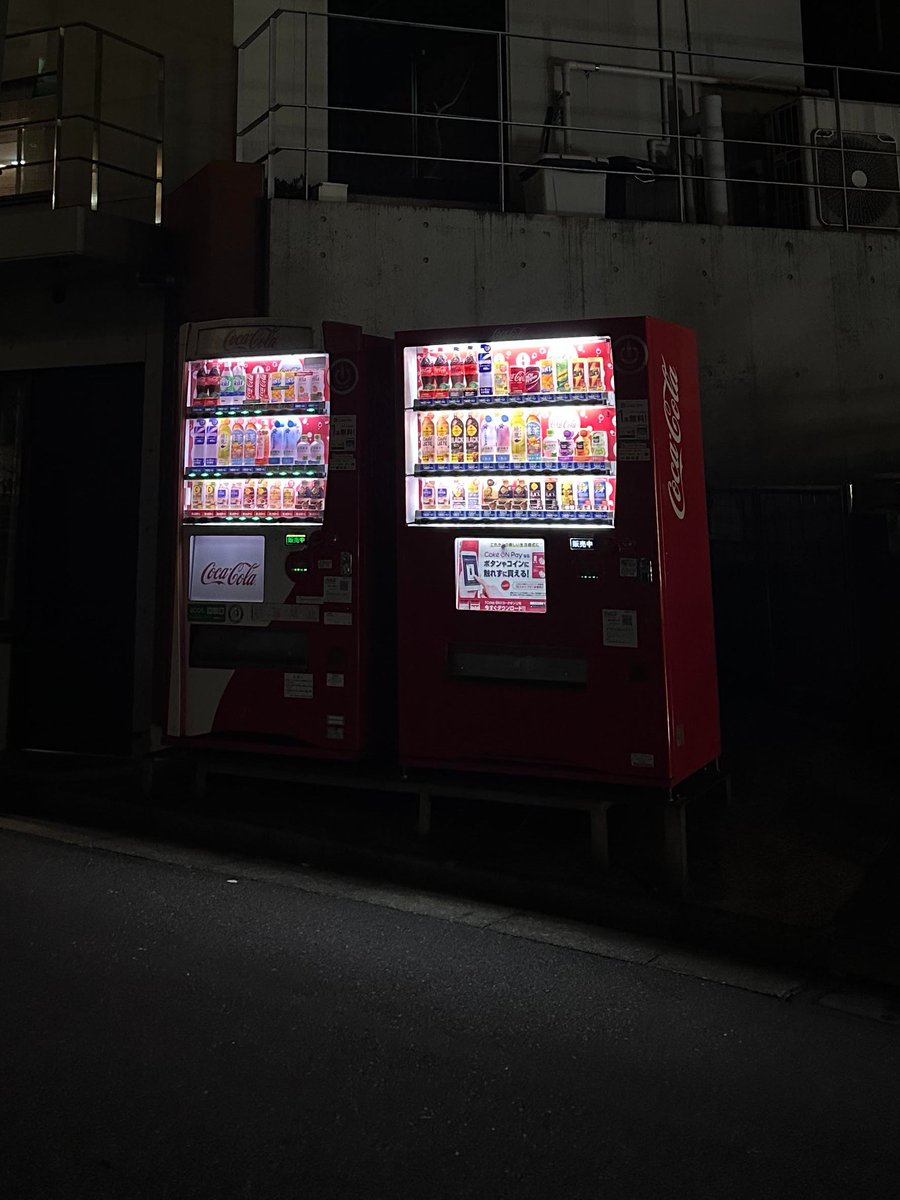
Those drink vending machines are everywhere on sidewalks around the city, still pristine despite their age. To me, they perfectly represent a high-trust society. Nobody breaks them. Nobody steals from them.
The streets are incredibly clean. If I saw 3 pieces of trash per week, that was a lot. Maybe I got lucky, but that’d be insane luck.
Having lived decades in Europe and the US, this is shocking. Makes you wonder: where does such a massive gap come from?
Given their enormous size, the excuse “big cities = unsafe & dirty” doesn’t hold anymore. Something very different must be at work to maintain this order and respect at that scale, for so long.
It has to be cultural at the very least. But it proves it is possible.

104
116
1,749
126,748