
A tall geologist working in the Arctic Circle. Also, writer of things
Joined June 2012
- Tweets 3,435
- Following 3,312
- Followers 5,829
- Likes 11,910
585 Photos and videos














2 Oct 2024
A reminder:
30 Jun 2024

everything is embarrassing so just do it anyways
9
403
18 Jul 2024
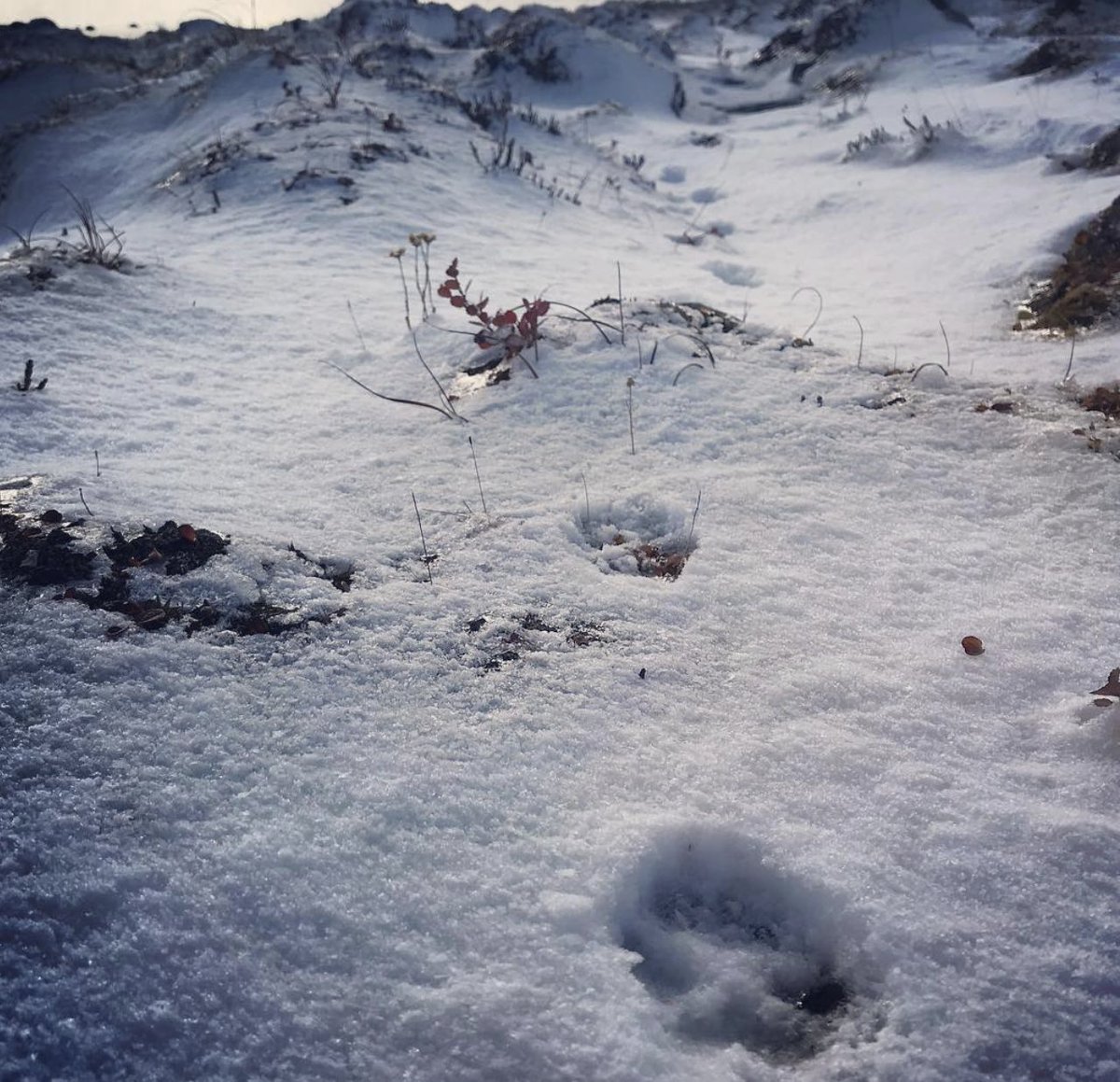
Arctic pics. Taken while working in Greenland and Nunavut ❄️🇬🇱🇨🇦❄️


8
15
477
Sarah Mae 🇨🇦 retweeted

15 Jul 2024
Colors of Meteors and Their Chemical Composition.
Meteors, commonly referred to as "shooting stars," are fascinating celestial phenomena that have captivated human attention for centuries. These streaks of light in the night sky occur when meteoroids, small rocky or metallic bodies from space, enter Earth's atmosphere and vaporize due to the intense heat generated by atmospheric friction.
One of the most intriguing aspects of meteors is their variety of colors, which can range from white and yellow to green, red, and even blue. These colors are not merely aesthetic; they provide valuable information about the composition of the meteoroid and the physical processes occurring during its fiery descent.
The colors of meteors are primarily determined by the composition of the meteoroid and the interaction of its material with Earth's atmosphere. Different elements emit characteristic colors when they are vaporized and ionized at high temperatures.
For instance:
White or Yellow Meteors: These are the most common colors observed in meteors. They typically indicate the presence of sodium, which emits a bright yellow light when heated. Iron, which is prevalent in many meteoroids, can also contribute to a yellowish-white hue when it burns up.
Green Meteors: The green color is often associated with the presence of nickel and magnesium. Magnesium, in particular, emits a bright green light when ionized. The green coloration can sometimes be so vivid that it outshines the surrounding colors.
Red Meteors: A red hue in meteors is generally less common and can indicate the presence of elements such as oxygen and nitrogen in the Earth's atmosphere, rather than the meteoroid itself. These atmospheric gases emit red light when they are excited by the high temperatures caused by the meteoroid's entry.
Blue or Purple Meteors: These colors suggest the presence of elements like calcium and possibly ionized oxygen. Calcium emits blue or violet light under high temperatures. Additionally, the interaction of the meteoroid with the atmospheric gases can also produce these colors.
An illustrative image further supports these associations, showing meteors with different colors, each labeled with a specific element:
Nitrogen/Oxygen: Red or orange hues, indicating excitation of atmospheric nitrogen and oxygen.
Sodium: Bright yellow color, consistent with sodium ionization.
Magnesium: Green hue, associated with magnesium.
Calcium: Purple or blue colors, representative of calcium.
Iron: White or bluish-white light, fitting for iron.
The image bellow accurately reflects the scientific understanding that the color of a meteor is indicative of its chemical composition, confirming the role of specific elements in producing particular colors during atmospheric entry.
The speed and size of the meteoroid also play crucial roles in the color and brightness of the meteor. Faster meteoroids experience higher frictional heating, which can increase the intensity of the emitted colors. Large meteoroids, due to their greater mass, can produce more prolonged and vivid light displays, often exhibiting multiple colors as different elements within the meteoroid are vaporized at different temperatures.
We employ various observational techniques to study meteor colors and compositions. Spectroscopy, for instance, is a powerful method that involves analyzing the light emitted by meteors to identify the characteristic wavelengths of different elements. This technique has helped to confirm the presence of specific metals and gases in meteoroids and the atmosphere, thereby enhancing our understanding of their origins and compositions.
The vibrant colors of meteors are not only a spectacular visual experience but also a window into the complex interactions between extraterrestrial materials and our planet's atmosphere. By studying these colors, we can glean insights into the elemental composition of meteoroids, their origins, and the physical processes they undergo during atmospheric entry.

11
64
280
11,952
12 Jul 2024
Not only does Garrick give fantastic notes, he’s also a wonderful human!
11 Jul 2024

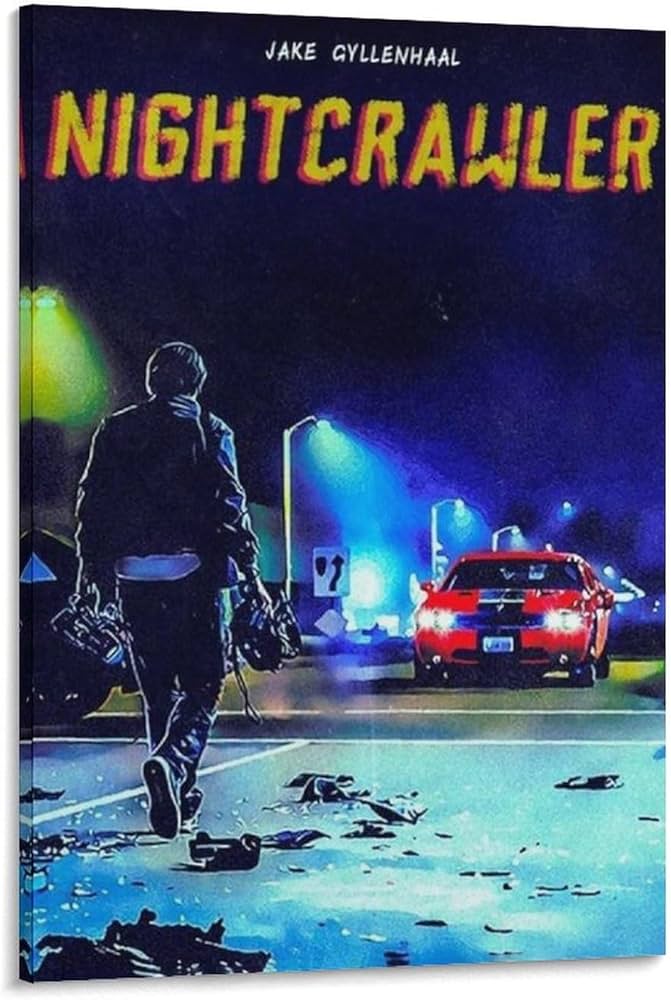
Once again looking to work w new (or familiar!) writing clients. Seeking script notes/analysis? I'm coming up on 29 yrs in Film & TV having worked on such projects as DRIVE, WHIPLASH, NIGHTCRAWLER & PROSPECT. Genre agnostic, I just love stories. DM me for rates & availability



1
2
274
Sarah Mae 🇨🇦 retweeted

25 Apr 2024
Do they sell thought cancelling headphones yet
1
16
75
8,577
Sarah Mae 🇨🇦 retweeted

22 Apr 2024
Half the oxygen we breathe comes from tiny phytoplankton in the ocean.
Every day is #EarthDay

59
983
2,881
117,843
27 Mar 2024
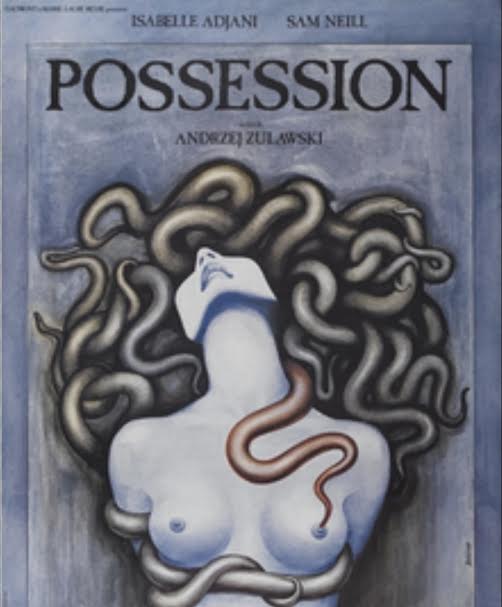
What the hell did I just watch and how did I not know this magnificent piece of cinema existed before now?


7
367
Sarah Mae 🇨🇦 retweeted

7 Dec 2023
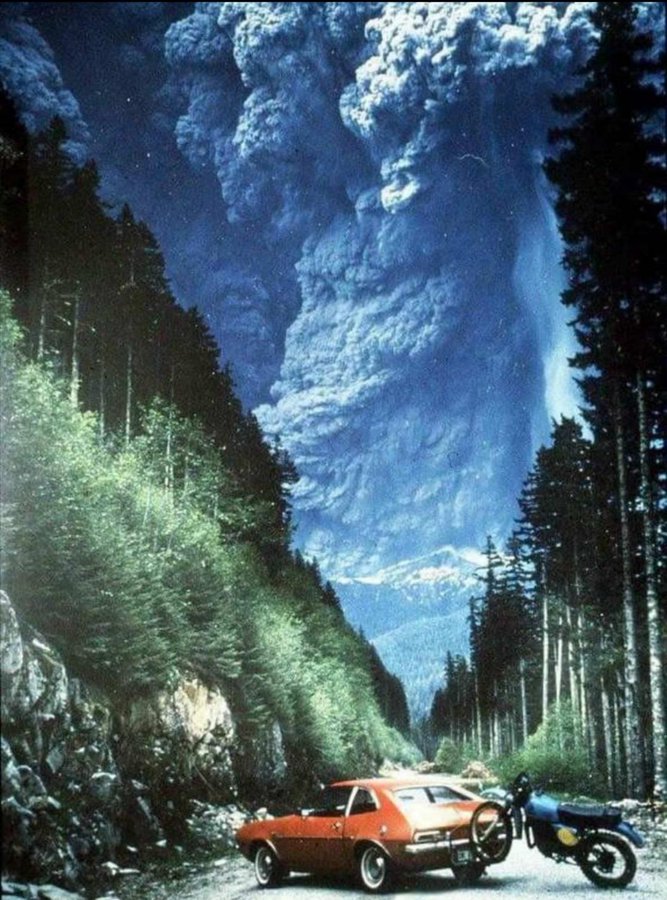
Mount St. Helens erupts in 1980. Steve Firth, a friend of the man who took this photo had the following to say:
“...That Pinto and dirt bike belonged to a good friend of mine and when he stopped to turn around, he took this picture.
He told me that there was lightning bolts shooting out of the smoke but he didn’t have the right filter on his camera to capture them at that moment. The picture could have been even more amazing.
It was used on the TV news and used to be on the cover of Mt. St. Helens brochure at the Johnston Observatory / visitor center.
He gave me an original 8×10 copy of it although it looked like he was a good distance away from the blast, he barely made it out of there alive.
Had the blast came more in his direction he would have died in seconds. Sometime later he returned and photographed a burned-out pickup with a horse trailer attached to it.
He told me he had talked to them that day and said they never made it out.
He is a freelance photographer so he took some amazing pictures of the aftermath as well. Anyhow, I thought I’d let you know a bit more about that fabulous picture."
627
5,959
76,748
24,693,752
26 Jan 2024
You’ve got to see it to believe it.
@jeffreyhoward33 (THE HAUNTING OF HILL HOUSE, MIDNIGHT MASS, and upcoming WYTCHES) does a live demo of writing a series pilot!
26 Jan 2024

Once again this video is doing good things for our channel. Me live writing part one of six of pages for a pilot. Hope you enjoy and subscribe and share!
youtu.be/TO9HYethLLI?si=UXBw…
3
10
1,560
8 Nov 2023
Yours truly fixing the wifi in a remote camp in Greenland. You’ve gotta wear many hats in these places! 🇬🇱#lifeofascientist
2
1
30
1,167
Sarah Mae 🇨🇦 retweeted

I've spent much of my life attempting to unify the contradictory natures of my personality.
I've spent the majority of my career attempting to craft authentic stories by uncovering contradictions in character.
Some might call that...
Irony, a brief thread.
1/💔
1
1
3
4,851
2 Aug 2023
I’m planning to direct my first short film this October- eek! Could anyone spare a budget list for cast and crew? Like daily rates etc. Any help would be appreciated!
#directing #directors #filmmakers #film #screenwriting #filmtwitter #shortfilm #indiefilm #independantfilm
14
10
67
9,683
30 Jun 2023
Riding on the positivity and motivation from my Breaking Story consult with @jeffreyhoward33. I recommend any zoom session you can attend. They’re super affordable and fun!
28 Jun 2023
Pilot program! Rewrite program! Lots of other zooms plus individual reads with super actionable notes, and mentoring consults to talk story, biz, or even scones if you want (it’s happened). Check us out if you wanna sharpen the skills whilst we picket!
forms.gle/accLLB9rywEiCGJx5
2
3
7
1,902