
Just a nice older guy with many interests. If you want to know anything just ask.
Joined December 2014
- Tweets 6,233
- Following 1,242
- Followers 1,907
- Likes 11,470
219 Photos and videos















Albany is killing your discounts and raising prices speak4.app/lp/ig01nnug
1
6
106
Alan retweeted

May 24
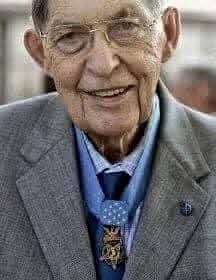
Remember the guy who wouldn't take the flag pole down on his Virginia property awhile back? You might remember the news story several months ago about a crotchety old man in Virginia who defied his local Homeowners Association and refused to take down the flag pole on his property along with the large American flag he flew on it.
Now we learn who that old man was. On June 15, 1919, Van T. Barfoot was born in Edinburg, Texas . That probably didn't make news back then.
But twenty five years later, on May 23, 1944, near Cyrano, Italy, That same Van T. Barfoot, who had in 1940 enlisted in the U.S. Army, set out alone to flank German machine gun positions from which gunfire was raining down on his fellow soldiers. His advance took him through a minefield but having done so, he proceeded to single-handedly take out three enemy machine gun positions, returning with 17 prisoners of war.
And if that weren’t enough for a day's work, he later took on and destroyed three German tanks sent to retake the machine gun positions.
That probably didn’t make much news either, given the scope of the war, but it did earn Van T. Barfoot, who retired as a Colonel after also serving In Korea and Vietnam , a well deserved Congressional Medal of Honor.
What did make news was his Neighborhood Association's quibble with how the 90-year-old Veteran chose to fly the American flag outside his suburban Virginia home. Seems the HOA rules said it was OK to fly a flag on a house-mounted bracket, but, for decorum, items such as Barfoot's 21-foot flagpole were "unsuitable."
Van Barfoot had been denied a permit for the pole, but erected it anyway and was facing Court action unless he agreed to take it down.
Then the HOA story made national TV, and the Neighborhood Association rethought its position and agreed to indulge this
aging hero who dwelt among them.
"In the time I have left", he said to the Associated Press, "I plan to continue to fly the American flag without interference."
As well he should. And if any of his neighbors had taken a notion to contest him further, they might have done well to read his Medal of Honor citation first. Seems it Indicates Mr. Van Barfoot wasn't particularly good at backing down.
If you've read this post and don't share it, - Guess what -You need your butt kicked. I share this with you because I don't want MY butt kicked anymore and I'm tired of seeing those who hate our country yet march in our streets, tear down our statues, burn our stores and loot our businesses have a free hand to do whatever they want.
WE ONLY LIVE IN THE LAND OF THE FREE BECAUSE OF THE BRAVE! AND, BECAUSE OF BRAVE OLD MEN LIKE VAN BARFOOT!
550
7,648
14,909
164,061
Alan retweeted

May 22
Bill Maher basically Destroys the Lefts arguments!
211
2,233
13,176
192,831
Alan retweeted

May 18
Chicago woman mocks Democrats by speaking in a squeaky, high-pitched voice, who say black people's voting rights are in danger.
The woman also called out the commissioners one by one to their faces.
"I'm 63 years old. I've been voting since I was 18. I have never had a problem voting..."
"So now you're all gonna drag black people in here, definitely some senior citizens, and gonna have them come up here and talk about how they're scared to vote... all that junk, when you know it's not true."
1,717
19,955
89,219
1,857,032

Alan retweeted

May 15
I was the first Governor to endorse Obama for President back in 2007. I was there when he announced in Springfield Illinois. I have known him since 1995. Do I think it likely he ordered a phony intelligence assessment in December of 2016 to destroy Trump & his new administration? ABSOLUTELY!
1,180
5,881
27,910
550,271
Alan retweeted

May 15
Larry Ellison acaba de hacer la única pregunta que ningún periodista en la Tierra puede responder.
Un periodista del Wall Street Journal le dijo a la cara a Larry Ellison que Elon Musk no sabe lo que hace.
Ellison no discutió. No se alteró. Solo hizo una pregunta.
Ellison:
“Este tipo aterriza cohetes sobre plataformas robóticas en medio del océano… ¿y tú dices que no sabe lo que hace? ¿Alguna vez has aterrizado un cohete?”
Una sola pregunta. Sin posibilidad de recuperación.
Ellison:
“¿Quién eres tú? ¿Por qué debería creerte a ti antes que a mi amigo Elon?”
Esta es la pregunta que toda la clase mediática lleva una década esquivando:
¿Quién eres tú para juzgar?
¿Qué has construido?
¿Qué has lanzado?
¿Qué problema has resuelto que no implique un teclado y una fecha límite?
Ellison:
“Ahí estás tú, delante de tu Apple Macintosh, escribiendo un artículo diciendo que Elon es un idiota.”
Se sientan detrás de un portátil que no diseñaron.
Usan una red que no construyeron.
Funcionando sobre chips de silicio que ni siquiera pueden explicar.
Para decirle al mundo que el hombre que envía humanos al espacio no sabe lo que hace.
Nunca han construido nada más pesado que un documento de Word.
Y aun así lo publican con absoluta certeza.
Eso es lo que debería inquietarte.
No la crítica.
Sino la confianza con la que la hacen.
La ausencia total de autoconciencia necesaria para juzgar disciplinas en las que no durarían ni un semestre.
Musk no opera en opiniones.
Opera en la capa física del universo, donde las matemáticas funcionan… o el cohete no regresa.
Sus críticos operan en un editor de texto.
Construyó el vehículo que transporta astronautas de la NASA a la Estación Espacial Internacional.
La constelación de satélites que lleva internet a zonas de guerra activas.
El coche eléctrico que obligó a todos los fabricantes del planeta a abandonar sus planes basados en motores de combustión.
Sus críticos más ruidosos construyeron una firma al final de un artículo.
Entonces… ¿por qué tanto odio coordinado?
Porque perdieron la correa.
Los ataques no aumentaron porque Musk empeorara como ingeniero.
Aumentaron porque compró X.
Abrió el algoritmo.
Le devolvió la plaza pública a la gente.
Y destruyó su capacidad de controlar lo que puedes pensar.
No odian al ingeniero.
Odian que el ingeniero les quitó el monopolio.
No puedes cancelar un cohete.
No puedes publicar un artículo contra la gravedad.
No puedes editar las leyes de la física.
Ellos controlan la narrativa.
Él controla la física.
Y uno de los dos va camino a Marte.
585
8,026
21,940
605,163
Alan retweeted

May 16
Bill Maher just dedicated the end of his show to throwing his own party under the bus for defending every minority group except Jews.
“There is a frothing anxiousness for the literal extermination of this one group. And Democrats, where are you?”
“If any other minority group was being talked about this way, you’d break out the Kente cloth and have 10 benefit concerts.”
“But because you see that so many of your brainwashed-by-TikTok constituents now have an unfavorable view of Israel, you indulge them when you should be correcting them.”
“All the people likely running for president now on the Democratic side want it known they don’t take money from AIPAC, the Israeli lobby… You take money from crypto and factory farmers and big tech, from Diddy and Weinstein and Epstein, but AIPAC is too far?”
“Let me just say this to all who ask me, ‘Why are you harder on the Democrats than you used to be?’ Until you fix this whole issue, stop asking me.”
720
5,362
29,526
823,067
Alan retweeted

May 13
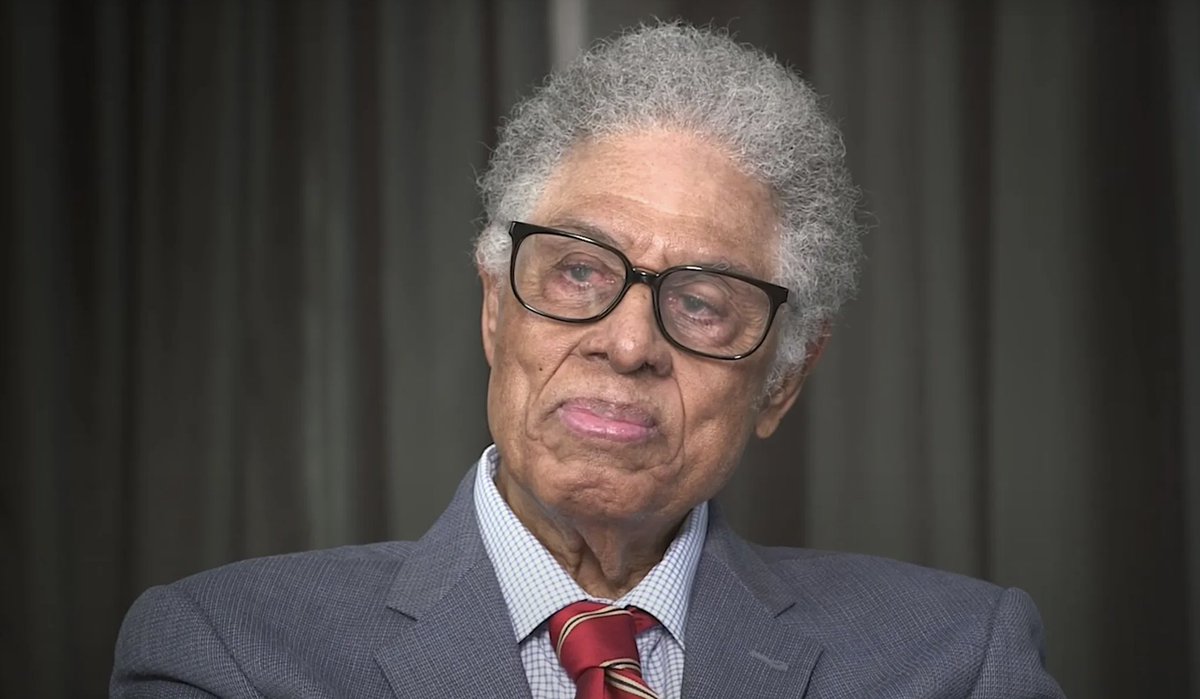
“One of the sad signs of our times is that we have demonized those who produce, subsidized those who refuse to produce, and canonized those who complain.”
— Thomas Sowell
53
1,795
5,510
63,954
Alan retweeted
May 13
Thomas Sowell on Barack Obama’s arrogance:
“Here’s a man talking about five different industries in none of which he has the slightest experience.”
“But because he has these degrees and people have told him how clever he is, he now thinks he can do this.”
18
439
2,622
44,816

Elon Musk just defended America better than every politician in Washington combined.
Musk: “After World War 2, the US could have basically taken over the world and any country. Like we got nukes, nobody else got nukes. We don’t even have to lose soldiers. Which country do you want?”
One nation on earth held a weapon nobody else had.
Total dominance. Zero competition. No risk of retaliation.
Every empire in history that held that kind of advantage used it.
Rome. The Mongols. The British. The Ottomans.
They conquered until they collapsed.
America had a bigger advantage than all of them combined.
And it rebuilt the countries it just defeated.
Musk: “The United States actually helped rebuild countries. So it helped rebuild Europe, it helped rebuild Japan. This is very unusual behavior, almost unprecedented.”
Almost unprecedented?
It had never happened before. Not once in 5,000 years of recorded history.
The Marshall Plan wasn’t foreign aid.
It was the most radical act of restraint any superpower ever committed.
America turned its enemies into allies. Turned rubble into economies. Turned surrender into partnership.
Germany went from ashes to the economic engine of Europe in a generation.
Japan went from unconditional surrender to the third largest economy on earth.
Three years after the war, America was flying food into Berlin.
A city in the heart of the nation that just tried to destroy it.
That’s not policy.
That’s a civilization deciding what it is at the exact moment it has the power to be anything.
You’re being told a story right now.
That America is the villain of history.
You hear it everywhere. Media. Universities. Social platforms.
Musk: “There’s always like, well America’s done bad things. Well of course America’s done bad things, but one needs to look at the whole track record.”
Every nation on earth has dark chapters. Every single one.
The difference is what a country does when nobody can stop it.
And when nobody could stop America, it fed its enemies and rebuilt their cities.
Musk: “The history of China suggests that China is not acquisitive. Meaning they’re not going to go out and invade a whole bunch of countries.”
Probably right.
China has historically built walls, not fleets.
But the real question isn’t about borders anymore.
We’re approaching a moment that mirrors 1945 in ways nobody has fully processed yet.
AI is going to give a handful of people a power advantage that makes nuclear monopoly look quaint.
If someone is going to hold that kind of power, who do you want it to be?
The country that conquered when it could? Or the one that rebuilt when it didn’t have to?
Every alliance. Every trade route. Every economy.
Billions lifted out of poverty.
All of it traces back to one act of restraint that had never been done before.
And carries no guarantee of being repeated.
The most powerful thing America ever did wasn’t building the bomb.
It was what it didn’t do after.
1,729
16,584
51,476
1,415,361


Just some facts for those still capable of independent thoughts
May 9

You decide!!!
No Kings explained for people who think they're fighting fascism.
You're standing in a crowd on Saturday. You look around and think yeah. No Kings. This is what democracy looks like.
Bro.
You're holding a sign made by a communist billionaire who lives in Shanghai.
You live in a constitutional republic.
Elections. Term limits. A free press that spent four years calling the president a fascist without one journalist being arrested.
The modern left's definition of fascism:
You love your country? Fascist.
You want to enforce the border? Racist.
You think parents should raise their kids? Bigot.
You want to know who's voting in your elections? Jim Crow.
Being patriotic is fascism to the modern left.
But every country has borders and enforces them. 176 countries require ID to vote. That's the definition of a country.
But the Democratic establishment told you otherwise. And you believed them.
Congress has a 15% approval rating. 80% of Americans disapprove. 97% of incumbents got re-elected.
Chuck Schumer. 46 years. Longer than Stalin.
Steny Hoyer. 45 years. Longer than Mao.
Mitch McConnell. 42 years. 5x more than Napoleon.
Nancy Pelosi. 39 years. Longer than Henry VIII.
Maxine Waters. 35 years. Longer than Mussolini.
Bernie Sanders. 35 years. Triple Hitler's entire reign.
Trump. 5 years and 3 months. Won the popular vote and the electoral vote.
But Trump is the king. Okay buddy.
You don't hate kings. You hate kings that aren't yours.
And Saturday they had you in the streets carrying their water.
The Democratic Party installed a president without letting you vote. Biden quit on a Sunday. By Tuesday your queen was crowned.
No primary. No debate. No ballot. First time since 1968.
Three days before your march every Senate Democrat voted against photo ID to vote.
During COVID you carried a vaccine card everywhere like a hall pass from the government just to eat at a restaurant.
But getting a birth certificate or waiting two hours at the DMV to prove you're a citizen before you vote? That's oppression.
The Democratic Party is pro illegal immigration.
Counts non-citizens in the Census. Census determines congressional seats. More non-citizens means more seats means more power. No voter ID means no way to check.
That's how you keep power without wearing a crown.
Biden built a censorship machine.
Pressured Facebook to suppress true information and admitted it in writing. Censored scientists. Censored doctors. Censored JOKES. The Biden White House told Facebook to remove "humor and satire."
They literally went after people for making fun of them. UK does it better tho...
Everything they censored turned out to be right. They just outsourced the silencing to Silicon Valley.
And it doesn't stop at speech.
The extreme left justifies taking children from families.
Six thousand schools rewrite children's identities without telling parents. And the State has the right to intervene.
The Hitler Youth did this. Mao's Red Guards did this. The Soviets built statues of a child who reported his own father.
Same playbook.
During Covid, your bakery got shut down. Church closed. You couldn't hold your dying mother's hand at the hospital.
But thousands packed together during BLM to burn Minneapolis and THAT was essential civic engagement. Obviously.
$2 billion in damage. 25 dead. 2,000 cops injured. 20 states burning. VP Kamala promoted a bail fund for the rioters. No investigation. No hearings.
January 6. One building. Few hours. 1,000 prosecuted. Two years of televised hearings.
Kings decide which violence counts. The left decided.
Charlie Kirk spent his life walking onto campuses asking for honest debate. He was assassinated.
CSIS terrorism database. 2025 is the first year in 30 years that left-wing attacks outnumber right-wing. Yet no one brings this up.
75% of liberal students say preventing a speaker from talking is justified. 27% say violence is acceptable.
1
1
25
Alan retweeted

May 6
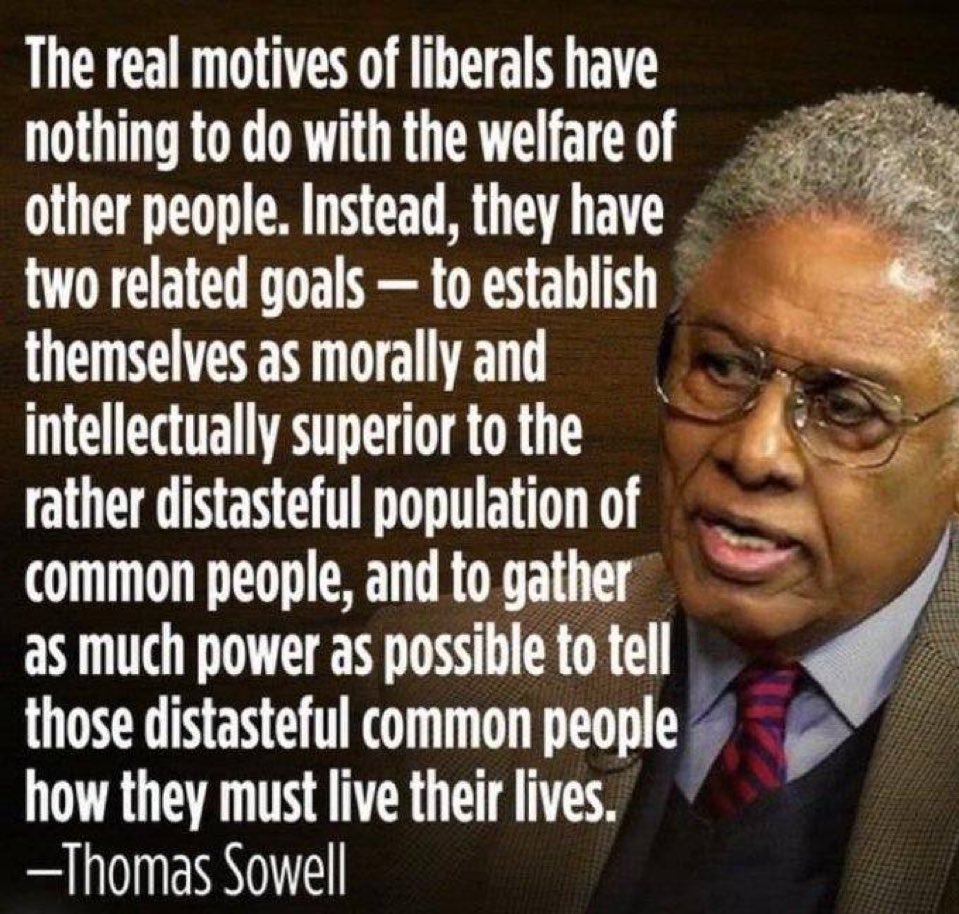
In case you think philosophers were a myth of history, we actually have one of the greatest ever in our midst:
839
10,204
28,584
225,174

Alan retweeted

“If an experiment in private enterprise is unsuccessful, people lose money and they have to close it down. If an experiment in government is unsuccessful, it’s always expanded.”
— Milton Friedman
25
574
2,317
42,752

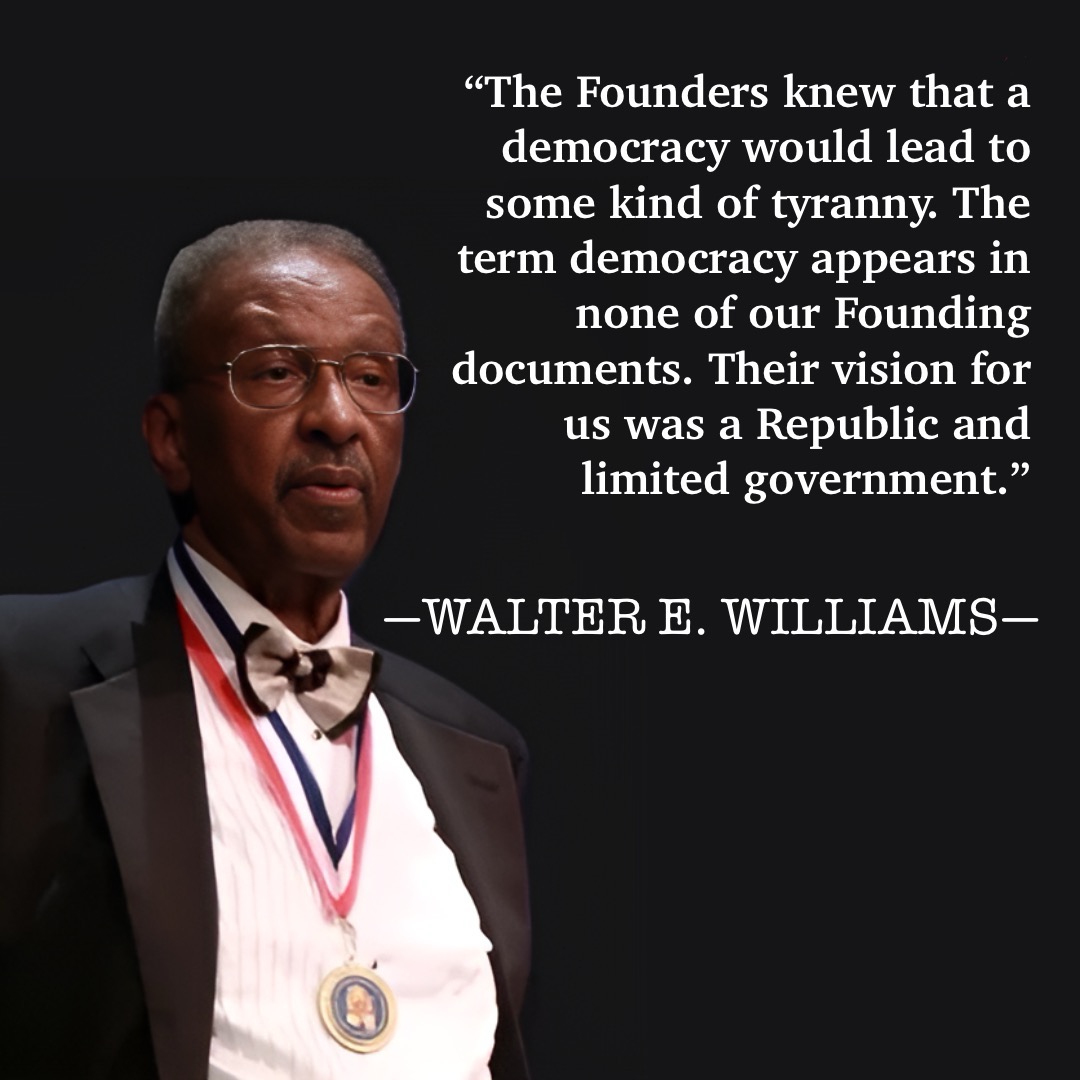
Just pure logic and facts destroying the hypocrisy of the left

One of the Best Videos that I have seen that Destroys the arguments of the left. You can’t be for this if you are for that! 🔥
1
1
12
Alan retweeted

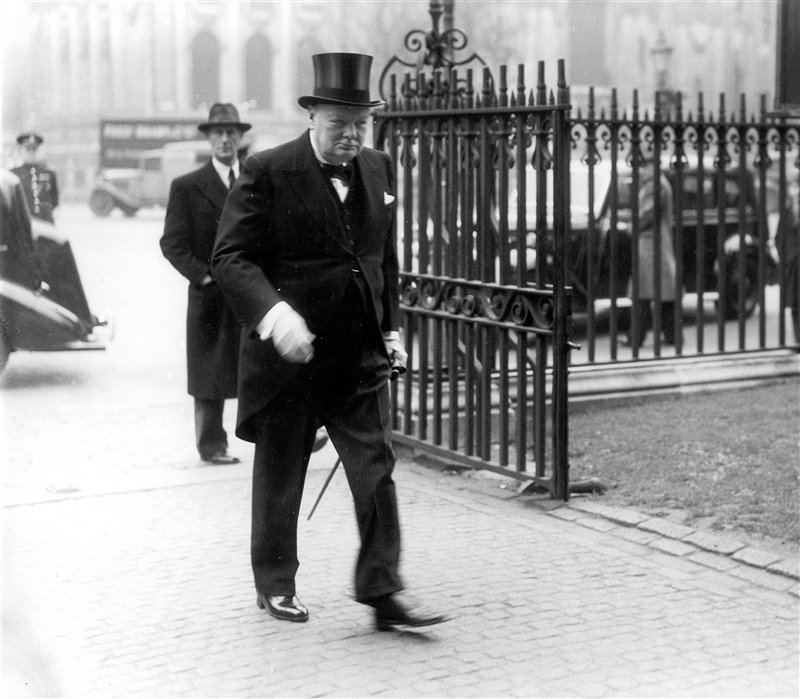
"El socialismo es una religión política cuyo Dios es el Estado y cuyos sacerdotes son los burócratas... Es una filosofía del fracaso, el credo a la ignorancia y la prédica a la envidia; su virtud inherente es la distribución igualitaria de la miseria"
Winston Churchill
167
3,088
6,844
110,616
Alan retweeted

Apr 30
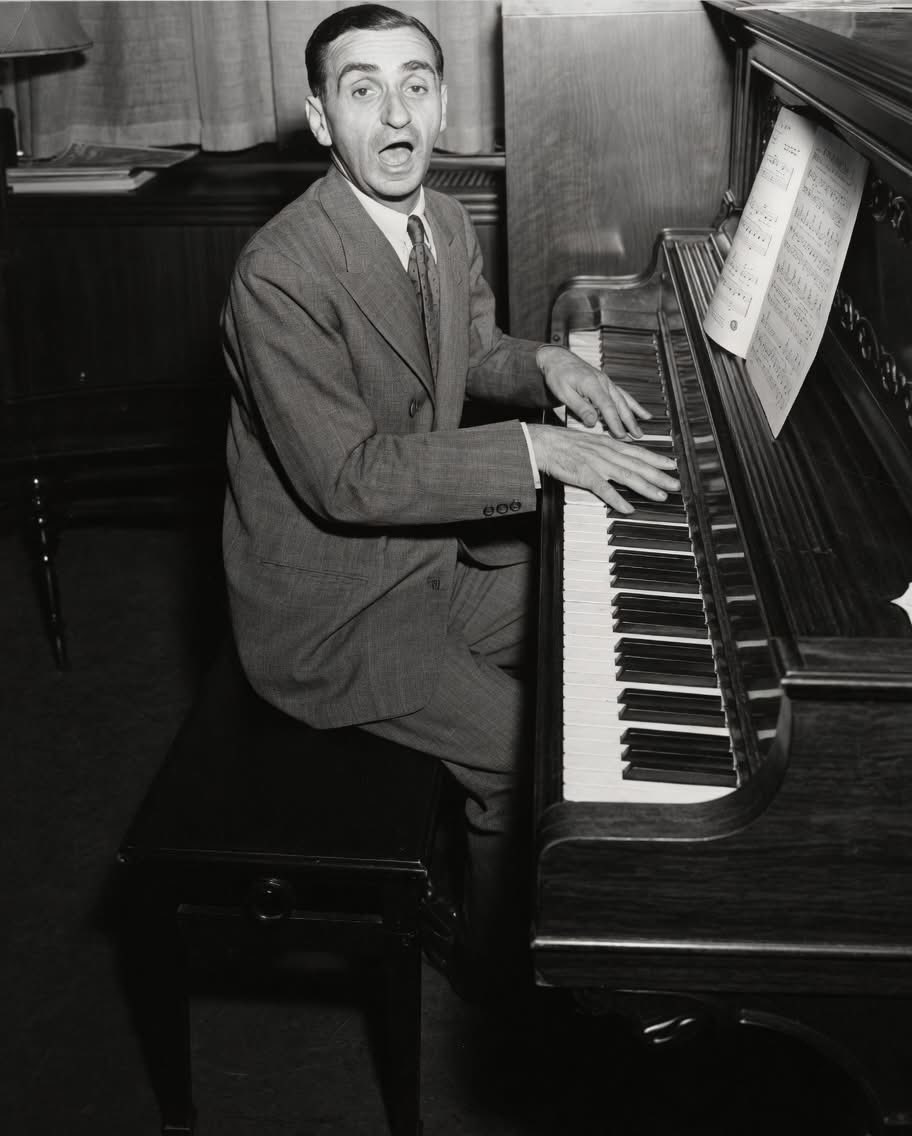
In 1893, a five-year-old Jewish boy named Israel Beilin stood with his mother and father on the deck of an immigrant steamship pulling into New York Harbor. They had fled the violent anti-Jewish pogroms of Imperial Russia. They had crossed Europe by train and Atlantic by steerage. They arrived at Ellis Island with no money, no English, and no plan.
The boy looked up at the Statue of Liberty.
Forty-five years later, he would write the song that became America's unofficial second national anthem: "God Bless America."
His name became Irving Berlin. He composed roughly 1,500 songs over his career — including "White Christmas," "Easter Parade," "Cheek to Cheek," "Puttin' on the Ritz," "There's No Business Like Show Business," and many others. He could not read music. He played piano in only one key. He shaped the soundtrack of 20th century America without ever learning the technical skills most professional composers spend years acquiring.
His family settled in a tenement on the Lower East Side of Manhattan. His father, a former cantor in a Russian synagogue, could not find work as a religious singer in America and took a job in a kosher poultry factory. He died when Israel was 13.
Israel left school the same year. He worked as a singing waiter in a saloon in Chinatown. He sold newspapers in the streets. He composed his first song — "Marie from Sunny Italy" — at 19 and sold it for 33 cents. The publisher misspelled his name on the printed sheet music as "I. Berlin." The misspelling stuck. Israel Beilin became Irving Berlin, and Irving Berlin became, within ten years, the most successful songwriter in America.
He served in the U.S. Army during World War I. He served again during World War II — donating all royalties from his songs about the war effort, including "God Bless America" and "This Is the Army," to the Army Emergency Relief Fund. The donations totaled in the millions of dollars. He never took a penny.
"God Bless America" was actually written by Berlin in 1918, during World War I, but he had set it aside as too solemn. In 1938, with Nazi Germany rising in Europe, the singer Kate Smith asked him for a patriotic song for her radio show. Berlin pulled the old song out of a drawer, revised the lyrics, and gave it to her.
She performed it on Armistice Day — November 11, 1938.
Within weeks, it was being played on radio stations across the country. Within a year, it was being sung at the Democratic and Republican national conventions. Within a decade, it had become so embedded in American patriotic culture that millions of Americans believed it must be a 19th century folk song — written, perhaps, by Stephen Foster or some other founding-era composer.
It had been written by a Russian-Jewish immigrant who had learned English on the streets of Chinatown.
Irving Berlin lived to age 101. He died in 1989. He had outlived almost everyone he had ever worked with — outlived George Gershwin by 52 years, Cole Porter by 25 years, Frank Sinatra he knew well into Sinatra's old age.
In his apartment on Beekman Place in Manhattan — the same apartment he had lived in for decades — there was a small piano in one corner. The piano had been modified with a special lever that allowed Berlin to play in any key while only knowing how to play in F-sharp. He used that piano to compose "White Christmas" in 1942.
"White Christmas" remains the best-selling single in recorded music history. Over 50 million copies sold globally. Bing Crosby's recording of it has been played on American radio every December for 80 years.
It was written by a Jewish immigrant from a Russian shtetl who had never celebrated Christmas in his life.
Irving Berlin was once asked, late in his life, what he had thought when he saw the Statue of Liberty for the first time at age five.
He paused. Then he said: "I thought she was waving at me."
44
301
972
17,553