
ultrasound.money and ultra sound relay team — You lose, I lose. I win, you win — 🧘 — 🦇🔊 — t.me/smilingalex
Joined December 2020
- Tweets 1,165
- Following 422
- Followers 949
- Likes 4,534
142 Photos and videos





May 27
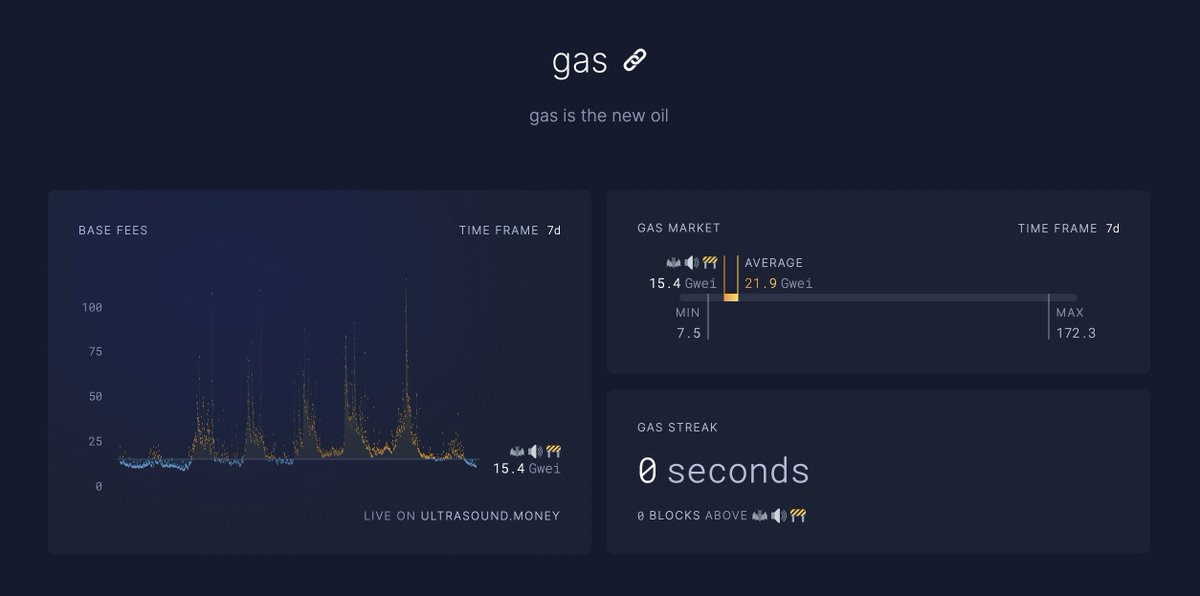
would love to hear your thoughts. let’s make Ethereum blocks do more. more participants, more pAMM support, more paths to get on chain
May 27

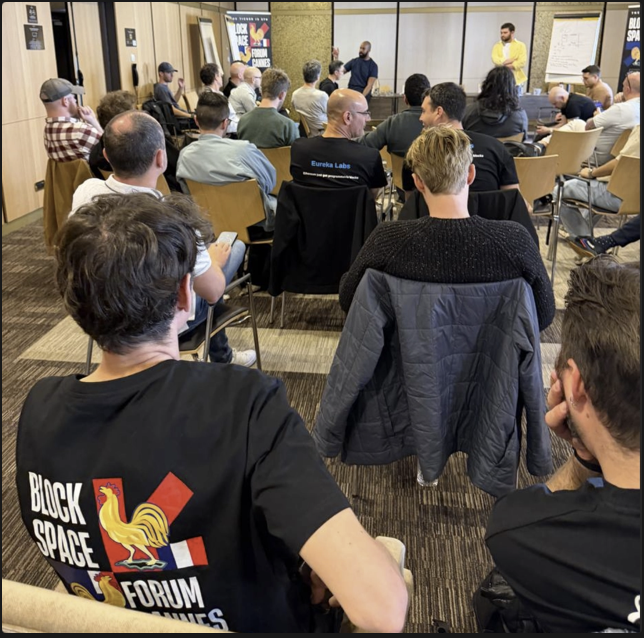
1/ Today, Ethereum's PBS market is limited by structural gaps. The Blockspace Forum exists to address them. This post (links to follow) presents an initial design of Multi-Party Block Construction (MPBC), which builds on a year of workshops and conversations across Ethereum.
2
9
1,041
May 19
congrats Matt 👏
May 19

News to share: the Blocknative team has joined Deloitte. It's been eight-plus years. Thousands (more?) of conversations. Too many talks, panels, blog posts, and podcast appearances to track. A team that refused to ship anything we weren't proud of. Grateful for each and every one of you. Onward. 🫡
3
134
alex relay/acc retweeted

May 18
Life Update: I have decided to leave the Ethereum Foundation. I’m very grateful to have worked with so many talented and inspiring people on an incredibly important project over the past four years.
I’m proud of the work we’ve done. Here are some of my personal highlights:
- FOCIL. It will likely be the first multiple-proposer gadget live on any major chain. In a world where everything is financialized, my job was to prevent these proposer seats from being traded.
- Fast Confirmation Rule Go-To-Market. Designed and led the GTM strategy for FCR. A new consensus rule that drops bridging time from Ethereum L1 to L2s and exchanges down to 13 seconds.
- Strategy. Argued which markets Ethereum should go for and how. Trying to bring protocol design and ecosystem development closer to each other.
Why did I leave? The first three years at the EF I did market design research. The last year, I focused on product and growth work (the FCR GTM and strategic work). I really enjoy that domain and want to move further in that direction.
I’m taking some time to explore ideas that build on the financial infrastructure that crypto has built.
I would love to catch up with friends made along the way. My DMs are open 🙂
61
26
567
68,412
alex relay/acc retweeted

Apr 20
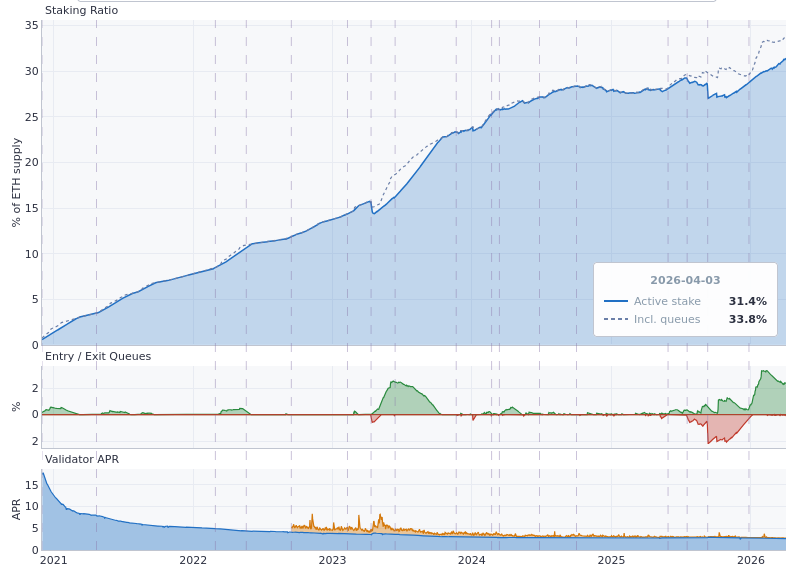
Ethereum's staking ratio just passed 1/3 for the first time. Under the current issuance curve, it won't stop until nearly all ETH is staked and solo stakers are forced out.
The window to fix this is closing - article "Ethereum’s Staking Ratio: The Tipping Point" linked below.
24
26
136
33,570
Apr 16
there is so much willingness to see ethereum grow
coordinate, build, grow
Apr 16
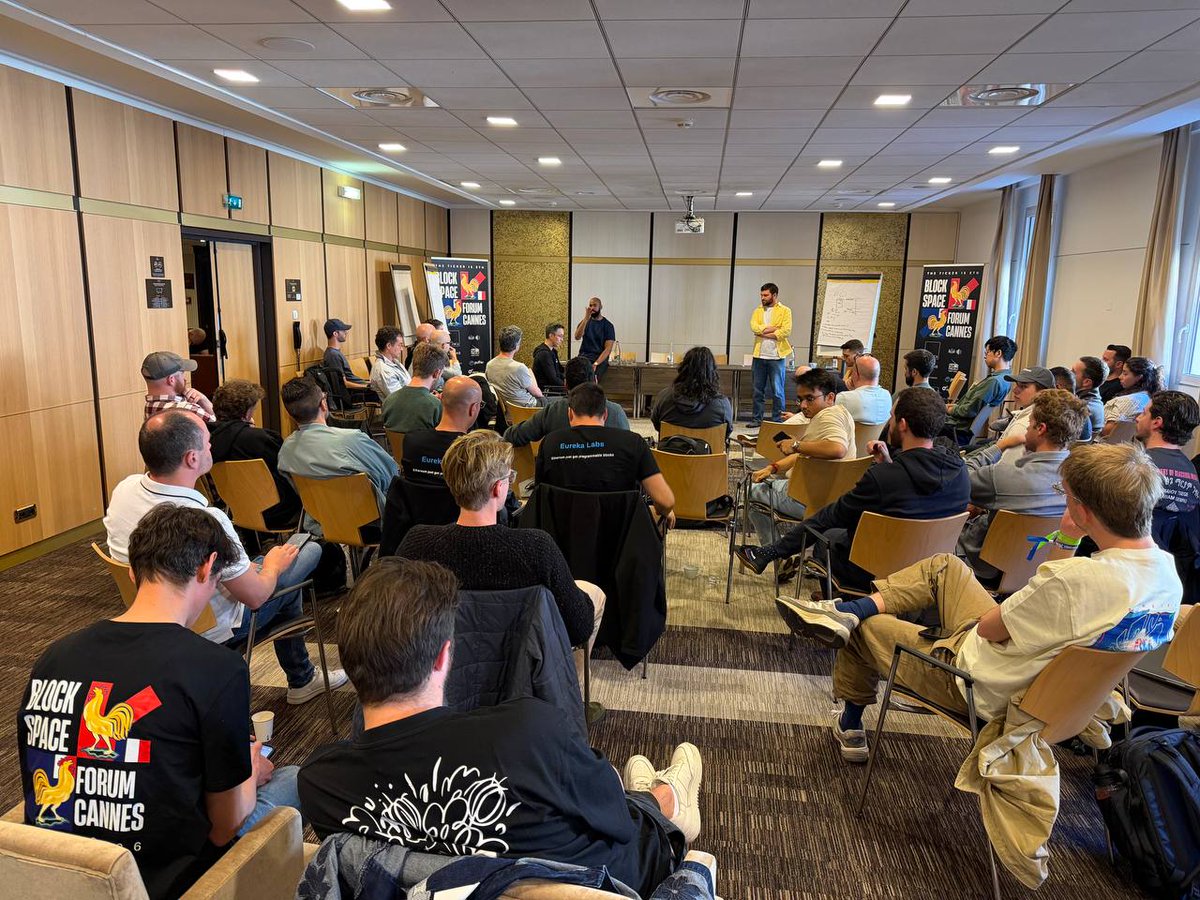
1/ In Cannes, Blockspace Forum held its second workshop, attended by 32 teams representing >95% of out-of-protocol blocks. We’ve summarized the key outcomes and concepts that surfaced. Thank you to everyone who contributed. The ticker is ETH. 🧵👇
blockspace.forum/learn/event…
2
11
1,017
alex relay/acc retweeted
Mar 12
Ethereum needs an Encrypted Mempool and it needs it fast.
It's not just about stopping sandwiching. Encrypted mempools are how Ethereum matures its onchain markets.
I just published a post on why Ethereum needs encrypted mempools. Here are the core arguments:
35
49
332
47,302

alex relay/acc retweeted

Mar 9
this vibecoding cryptography meme is gonna get very fun very soon.

Introducing Zolt: the first pure-Zig zkVM
Fully compatible with @a16zcrypto's Jolt, the entire cryptography is made from scratch in @ziglang , only using the stdlib!
No arkworks FFI or other dependencies 🫡
The first benchmarks:
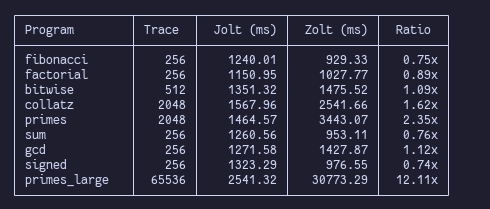
9
6
90
10,415
alex relay/acc retweeted

11
31
7,359

Feb 17
thank you for the kind words.
how much a tx costs, how long it takes to land, usually the protocol will control. however, increasingly it also depends on what happens before the tx hit the chain. private flow, backruns, blob counts and timing games.
Feb 16

If you don't follow @blockspaceforum, @kubimensah, @alextes and @DrewVdW you won't be able to understand what's happening in Ethereum.
Give them a follow.
2
2
6
1,084
Feb 17
too much of this depends on the idiosyncrasies of the off-chain path a given tx takes, not enough on what the best possible path is.
better blockspace buying. let’s give it a shot.
2
8
814
alex relay/acc retweeted

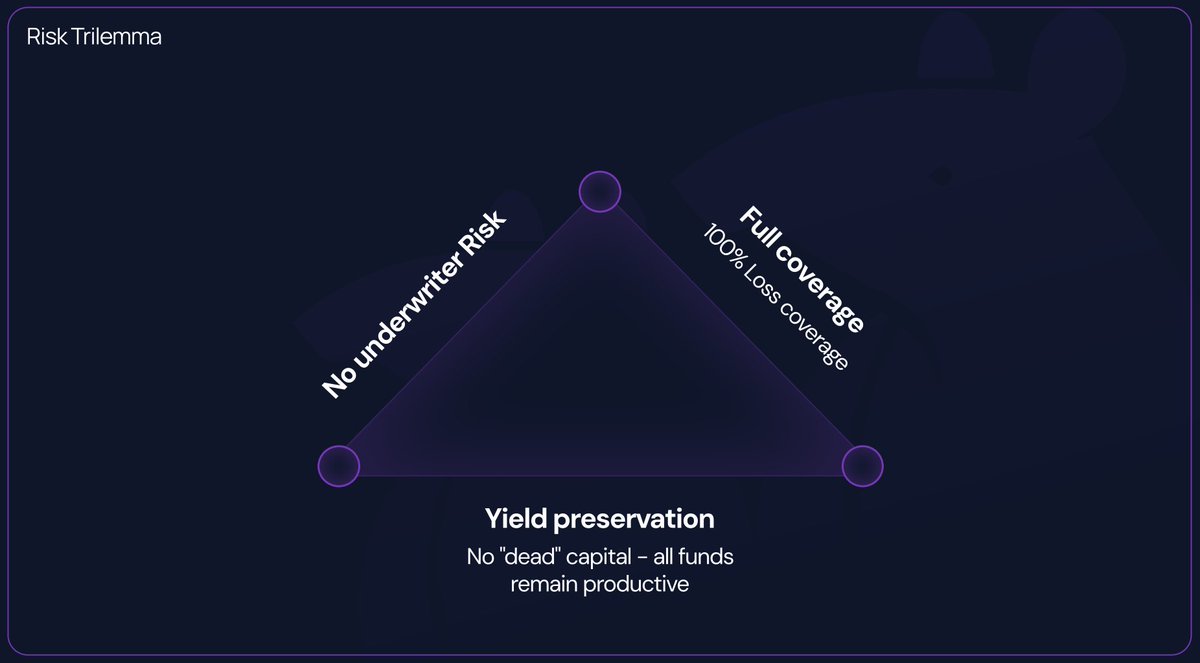
The Risk Trilemma
Article Tl;Dr
DeFi risk protection faces a fundamental trilemma—three properties that are nearly impossible to achieve simultaneously:
🔹 Capital Efficiency – provide coverage without locking up equivalent collateral
🔹 Counterparty Risk Elimination – no reliance on anyone's solvency or willingness to pay
🔹 Coverage Assurance – confidence that protection will actually be honored when you need it
Every existing model forces you to sacrifice at least one.
1
5
9
731
Feb 11
this is what i'm talking about.
lets keep growing.
Feb 11
What if we could make the Ethereum transaction journey and block construction process faster, cheaper, more flexible, censorship resistant, & robustness?
What if we could do this today?
This is what the Blockspace Forum is about. 🧵👇

4
24
889

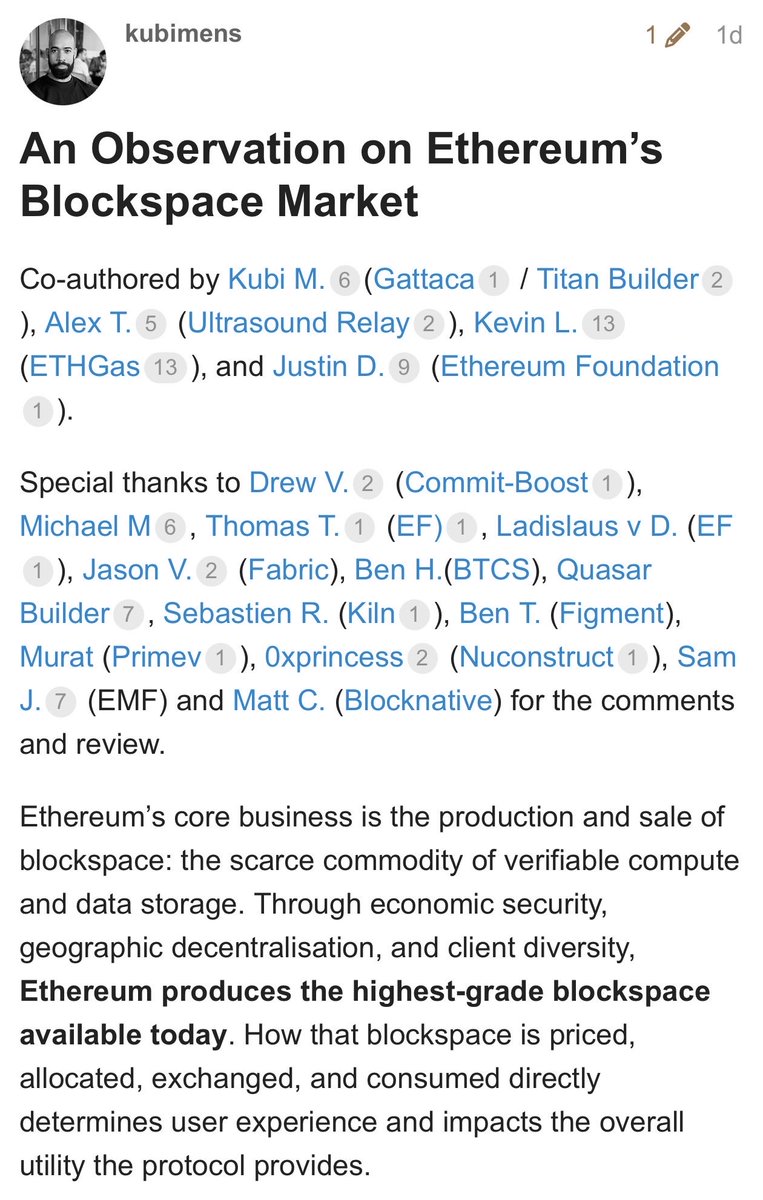
this forum post by @kubimensah, @alextes, @lepsoe & @drakefjustin is very interesting, here’s a binji-fied summary of it:
note: don’t shoot me, i am just summarizing.
ethereum sells one thing: blockspace (aka trustware)
ether is the price of that thing (aka digital trust).
if lots of people want blockspace and the system charges them cleanly and predictably, ether goes up in value.
if the system is messy, confusing, or leaks value, ether stays cheaper than it should be.
right now, ethereum makes very good blockspace and it is secure, neutral, hard to shut down.
that part is solid.
the problem highlighted in the post, however, is how this blockspace is sold.
> fees can get weird.
> users may sometimes overpay just to get included.
> builders and relays take some value in ways that are hard to see.
> apps cannot reliably know when their transaction will land so everyone bids defensively.
demand does not show up cleanly in fees if pricing is unclear
and when fees do not reflect real demand, $eth does not reflect real demand either.
the post is basically saying:
ethereum can become better at charging for something people really want.
note: ethereum already has demand the paper is not worried about that. it is saying the system just needs to let that demand show up more clearly.
if ethereum improves how blockspace is priced and guaranteed, a few things happen:
> people pay for certainty instead of guessing.
> fees better match actual demand.
> more value flows into fee burn and validators.
> ether becomes more tied to real usage
okay so..how?
one idea is clearer price discovery: if users and apps can see what inclusion actually costs, they will stop panic bidding. fees could start to reflect a real willingness to pay instead of fear.
another is inclusion guarantees and preconfirmations: if you can know your transaction will land when you expect, you pay for certainty and so this turns blockspace into something you can plan around vs gamble on.
they also talk about pushing risk away from users: builders and specialized actors are better at managing uncertainty than everyday wallets. letting them offer things like hedging or forward pricing can smoothen demand and stabilize fees.
finally, they call for sustainable incentives for relays and builders: if the middle layers are healthy and decentralized, value does not leak or concentrate quietly. more of it flows back to validators and burn.
lots more info on he actual post, but TLDR:
ethereum does not just need more users to justify ether’s value.
it also needs a better way to sell what users already want.
17
15
134
12,920
16 Dec 2025
relay/acc 🤝 blockspace/acc
there is so much further to go
ethresear.ch/t/an-observatio…
2
135
alex relay/acc retweeted

16 Dec 2025
Ethereum produces the highest-grade blockspace on the planet today.
PBS has been criticised a lot, but it’s actually done a great job alleviating centralisation pressure on the core protocol. The job isn’t done yet though, let’s keep pushing the status quo forward 🫡
Post Below 👇

15
23
131
21,301
alex relay/acc retweeted

16 Dec 2025
fantastic points by @kubimensah @alextes @lepsoe @drakefjustin -
three years after the merge, there are many ways to net improve PBS.
“net improve” means:
(1) higher block value.
(2) higher blockspace utilisation.
(3) allocated and distributed transparently.
a concrete example: blocks should be built from a maximum of transactions, including flow exclusive to competing builders.
there should be many competing parties.
these are great news, as users, validators, relays and builders have numerous improvements to look forward to.
2
4
18
884
alex relay/acc retweeted
6 Dec 2025
Difficult to do as a classic prediction (ie derivative) market due to manipulation risk (eg validators building empty blocks).
Doable as a delivered futures market for Blockspace with a secondary, which is sufficient for public price discovery hedging.
The validator lookeahead is a limit still but can be solved.
1
10
1,747
alex relay/acc retweeted

6 Dec 2025
We need a good trustless onchain gas futures market.
(Like, a prediction market on the BASEFEE)
I've heard people ask: "today fees are low, but what about in 2 years? You say they'll stay low because of increasing gaslimit from BAL ePBS later ZK-EVM, but do I believe you?"
An onchain gas futures market would help solve this: people would get a clear signal of people's expectations of future gas fees, and would even be able to hedge against future gas prices, effectively prepaying for any specific quantity of gas in a specific time interval.
750
333
3,296
572,769