
Joined February 2021
- Tweets 4,093
- Following 814
- Followers 463
- Likes 29,126
449 Photos and videos











Pinned Tweet

31 Dec 2021
*cw: EoY '21
My journey as a poet began in 2021. Thank you! 🙏
@MinisonProject
@sledgehammerlit
@openworkmag
@culture_pill
@dailydrunkmag
@PaddlerPress
@holyflealit
@tattiezine
@Spill_Words
@OutcastPress
@melbculturelit
@hun_zine
@SparrowTrombone
@_voidspace_zine
1/3
3
2
29
Ankur Jyoti Saikia retweeted

Apr 19
Today is World Liver Day 2026.
Here are 8 things your liver actually wants you to know.
1
There is no such thing as a "liver detox."
Your liver runs phase I and II detoxification 24/7 on its own.
No juice cleanse, no milk thistle, no herbal detox speeds this up.
In fact several have caused liver injury - the opposite of the claim.
2
Alcohol has no safe dose.
Liver harm begins from the first drink.
The old "moderate drinking is protective" myth came from flawed studies contaminated by abstainer bias - now debunked by Mendelian randomization.
Zero ml is best.
3
"Natural" supplements are now a leading cause of acute liver failure.
Ashwagandha. Green tea extract. Garcinia. Kratom. High-dose turmeric. Giloy/Tinospora.
They dominate drug-induced liver injury registries across India, the US, and Europe.
Natural ≠ safe.
4
Coffee is genuinely liver-protective.
2–3 cups/day (caffeinated or decaf) lowers the risk of fibrosis, cirrhosis, and liver cancer.
One of the very few dietary interventions with real, replicated evidence.
5
Fatty liver (MASLD) now affects ~1 in 3 adults worldwide.
A 7–10% body-weight loss:
• clears Liver fat
• reduces inflammation
• can regress early fibrosis
No approved drug currently beats this. Your plate and feet are the first-line therapy.
6
Sugar-sweetened drinks independently cause fatty liver.
Fructose is metabolized almost entirely by the liver - straight into fat.
One daily soda raises MASLD risk even after adjusting for total calories.
Lesser is better.
7
Get vaccinated against hepatitis B. Get screened for HBV and HCV at least once in your lifetime.
HBV vaccine prevents >95% of chronic infection, cirrhosis, and liver cancer.
Hepatitis C is curable in 8-12 weeks with >95% success - but most carriers don't know they have it.
8
Exercise protects the liver independent of weight loss.
150 min/week moderate OR 75 min vigorous activity reduces liver fat and stiffness - even when the scale doesn't move.
Movement is "medicine".
🫂
PS: we also need a liver emoji
148
951
3,438
158,600
Ankur Jyoti Saikia retweeted

Feb 24
India is diverse. If that threatens your ego, maybe you’re the one who doesn’t belong. From Kashmir to Kohima, India wears many faces. Please Respect Them All.
#StopRacism
2
6
33
803
Ankur Jyoti Saikia retweeted

In the Himba tribe of Namibia, a child’s birth is not marked by the day they enter the world, nor even by conception. It begins much earlier, on the day the child is first imagined...
When a woman decides she wants a child, she sits beneath a tree and listens. In the stillness, she hears the song of the child who wishes to be born. She carries that melody back to the man who will be the father and teaches it to him. When they come together to conceive, they sing the child’s song, inviting the spirit into life.
During pregnancy, the mother shares the song with midwives and elders. And when the baby is born, the community gathers, singing the child’s song to welcome them into the world.
As the child grows, everyone learns the melody. If the child stumbles or is hurt, someone sings their song to lift them up. If they succeed or pass through rites of passage, the song is sung to honor them.
There is another moment when the song is sung. If a person commits a crime or acts against the community, they are brought to the center of the village. The people form a circle around them—not to punish, but to remind. They sing the person’s song, calling them back to who they truly are.
For the Himba, correction comes not through shame, but through love. To remember your song is to remember your essence and to live in harmony with others. And when age has taken its toll, and a man lies ready to die, the villagers gather once more. They sing his song one final time, carrying him out of this world with the same melody that first invited him in.
© Reddit
#drthehistories

44
299
3,160
178,316
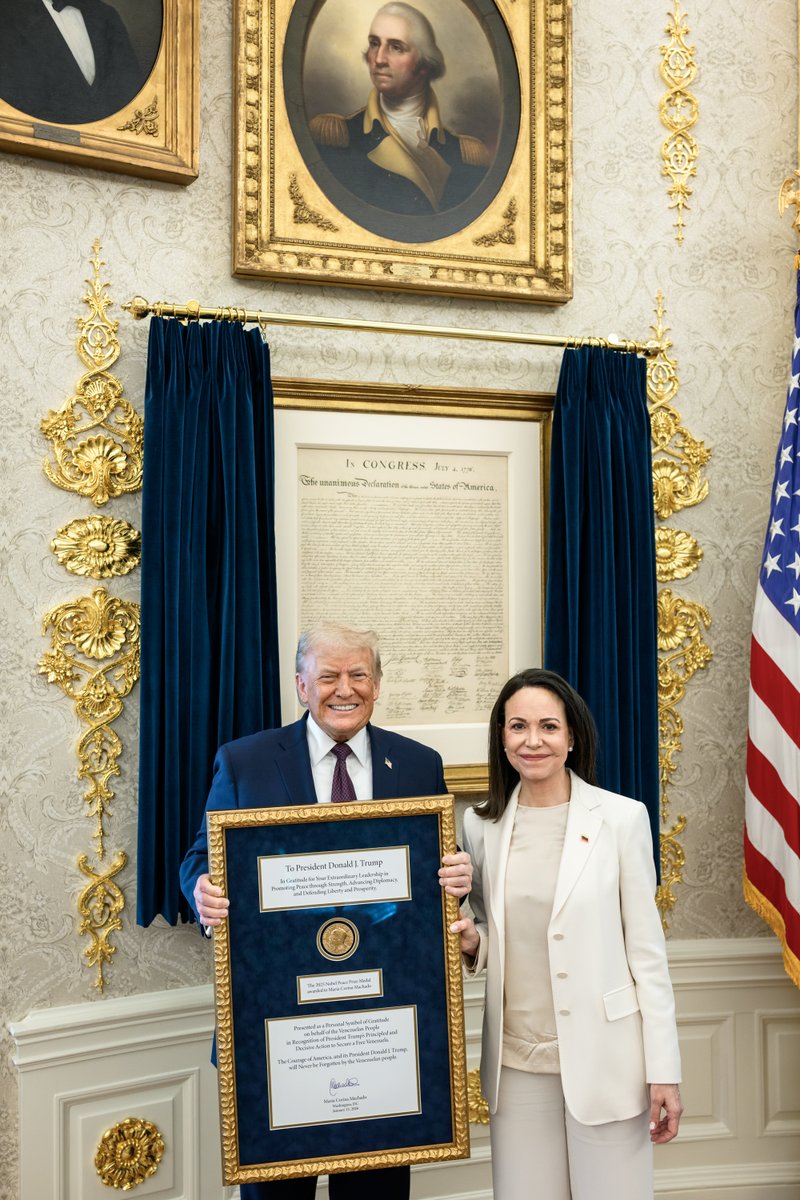
Thanks to @MariaCorinaYA and @realDonaldTrump , the @NobelPrize Peace Prize has become the greatest joke of human history! #MAGA
Jan 16

President Donald J. Trump meets with María Corina Machado of Venezuela in the Oval Office, during which she presented the President with her Nobel Peace Prize in recognition and honor.🕊️
1
57
Ankur Jyoti Saikia retweeted

31 Dec 2025
[SHARIABOLSHEVISM]
1/20
About 50 years ago, campus commies and career Marxists helped Khomeini turn Iran into a Shariʿa hellscape.
But this was neither an anomaly, nor the first. Islam and communism have always been ideological bedmates, but first let’s talk Sudan.
8
62
193
14,173
Ankur Jyoti Saikia retweeted

28 Dec 2025
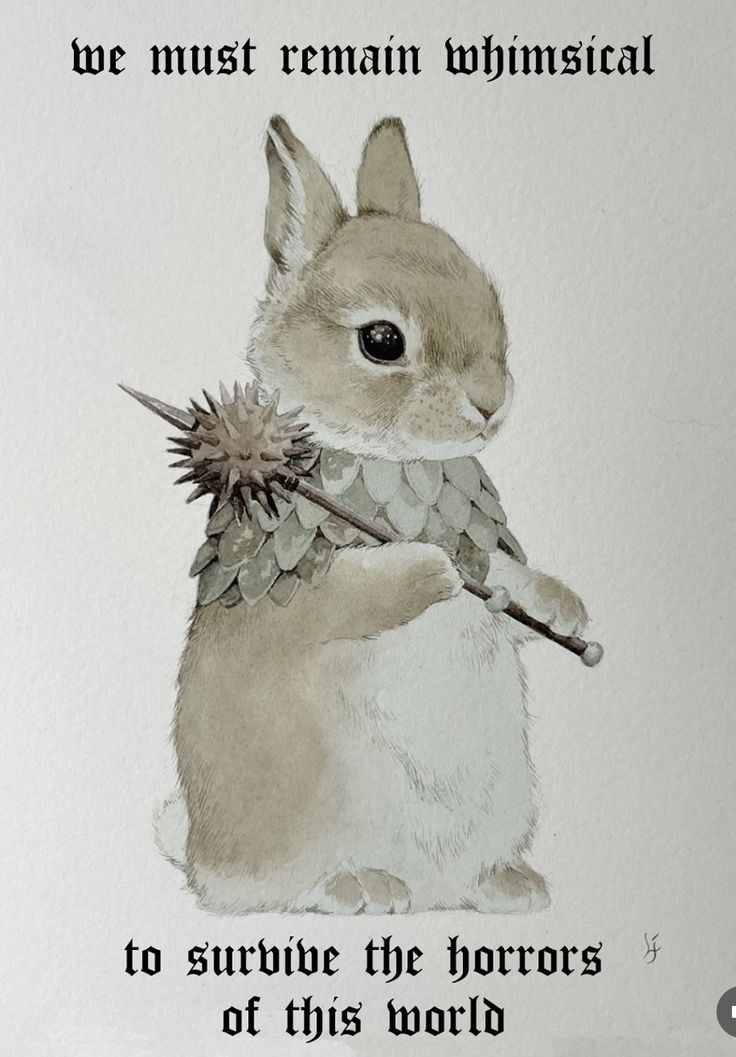
Stay whimsical, my people.
72
1,621
8,327
172,368
Ankur Jyoti Saikia retweeted
25 Dec 2025
Dear, Hindu organizations who are vandalizing St. Mary's School in Nalbari..
পৰৰ ধৰ্মক নিহিংসিবা কদাচিত ৷
কৰিবা ভূতক দয়া সকৰুণ চিত ॥
হুইবা শান্ত-চিত্ত সৰ্ব্বধৰ্মত বৎসল।
এহি ভাগৱত ধৰ্ম্ম জানা মহাবল ॥
8
39
1,101
Ankur Jyoti Saikia retweeted
22 Dec 2025
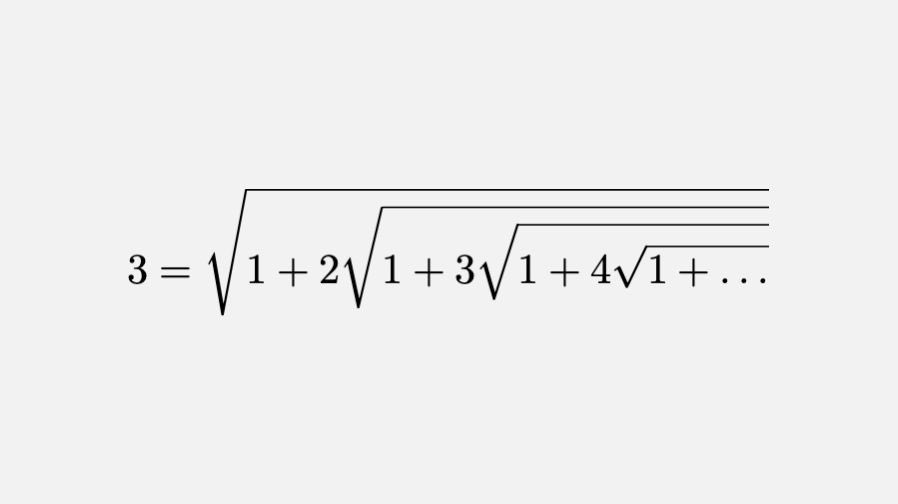
His insights into the distribution of primes and Partition Theory laid the theoretical groundwork for the encryption that secures the entire global financial system.
His work on Mock Theta Functions (which he wrote on his deathbed) has had applications in signal processing and even in understanding the entropy of black holes, ergo String Theory.
His Ramanujan Graphs are arguably the most efficient way to organize communication networks, and are used to architect fiber optic cables and supercomputer connections, ensuring data travels quickly without blocking.
Western science is richer today because when he arrived in England 111 years ago, nobody went “imagine the smell.”
Happy birthday, legend!
11
144
557
11,490
Ankur Jyoti Saikia retweeted
6 Dec 2025
প'ষ্ট মেলনৰ কথা দেখি অসমৰ এজন পুৰণি ৰেপাৰৰ কথা মনত পৰিল ।
কৰতল কমল... কমল দল নয়ন...
ভবদব দহন.... গহন বন শয়ন...
নপৰ নপৰ পৰ.. সতৰত গময়...
সভয় মভয় ভয়... মমহৰ সততয়...
If rap = rhythm message performance flow..
then Sankardev was dropping “verses”
500 years ago...
2
6
70
1,395
Ankur Jyoti Saikia retweeted

4 Dec 2025
What is life?
• Dostoevsky: It’s hell.
• Socrates: It’s a test.
• Aristotle: It’s the mind.
• Nietzsche: It’s power.
• Freud: It’s death.
• Marx: It’s the idea.
• Picasso: It’s art.
• Gandhi: It’s love.
• Schopenhauer: It’s suffering.
• Bertrand Russell: It’s competition.
• Steve Jobs: It’s faith.
• Einstein: It’s knowledge.
• Stephen Hawking: It’s hope.
• Kafka: It’s just the beginning.
751
3,024
17,104
1,355,456
Ankur Jyoti Saikia retweeted
29 Nov 2025
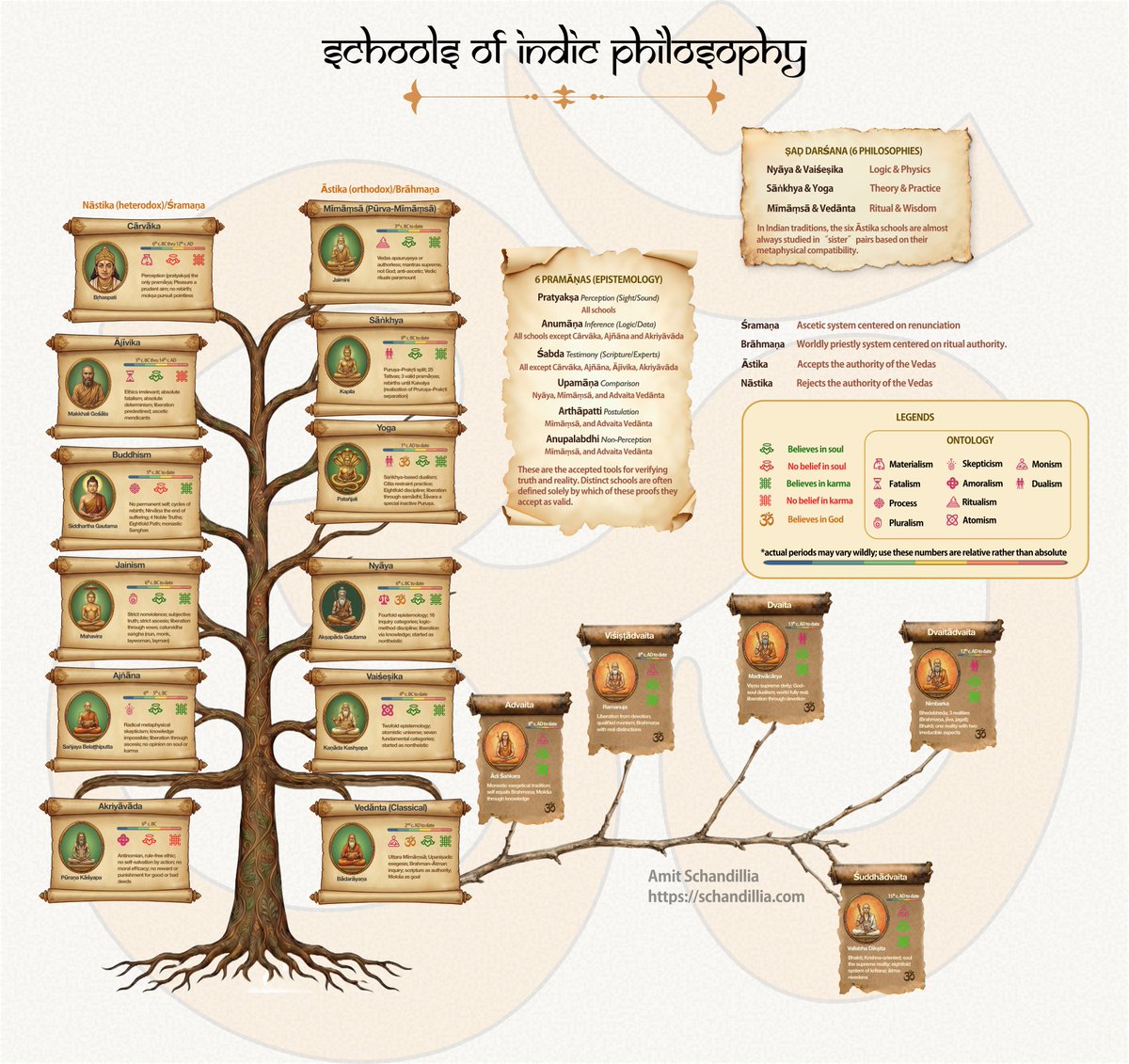
A sweeping visual map of India’s great philosophical traditions, from the radical materialism of the Cārvākas to the subtle metaphysics of Vedānta.
This chart brings the orthodox and heterodox lineages into a single frame, showing how they argue, overlap, and part ways on the soul, karma, God, and the means of knowledge. A clear snapshot of how an entire civilization reasoned about reality, truth, and liberation.
CREDITS
Scrolls and vectors: Freepik (freepik.com)
Tree: Google Gemini Pro
Thumbnails: Google Gemini Pro
Title font: Samarkan Indic
Body font: Gill Sans
Full resolution (3,500px X 3300px) up for patrons at my Substack (schandillia.com).
My second attempt at infographics. Hope you find it useful.
open.substack.com/pub/schand…
29
240
791
21,411
Ankur Jyoti Saikia retweeted

20 Nov 2025
They can’t lecture Hindus about “hate” simply because they refuse to erase history.
Acknowledging what happened is not communalism, denying it is intellectual cowardice.
Every civilisation has wounds. Ours survived because we gave invades back, not because we pretended nothing happened.
Speaking about the destruction of temples, imposition of jizya, forced conversions recorded in Persian— Arabic chronicles themselves is not “hating another religion.”
If quoting the Baburnama, Tabaqat-i-Nasiri, Futuh-us-Salatin, Tarikh-i-Firuz Shahi, or Ain-i-Akbari becomes “hate,” then by that logic even the chroniclers who wrote them were hateful.
This argument is not about Muslims today unless they wish to replicate deeds of Aurangzeb or praise them.
It’s about centuries of invasions that happened.
Erasing the past is amnesia disguised as virtue.
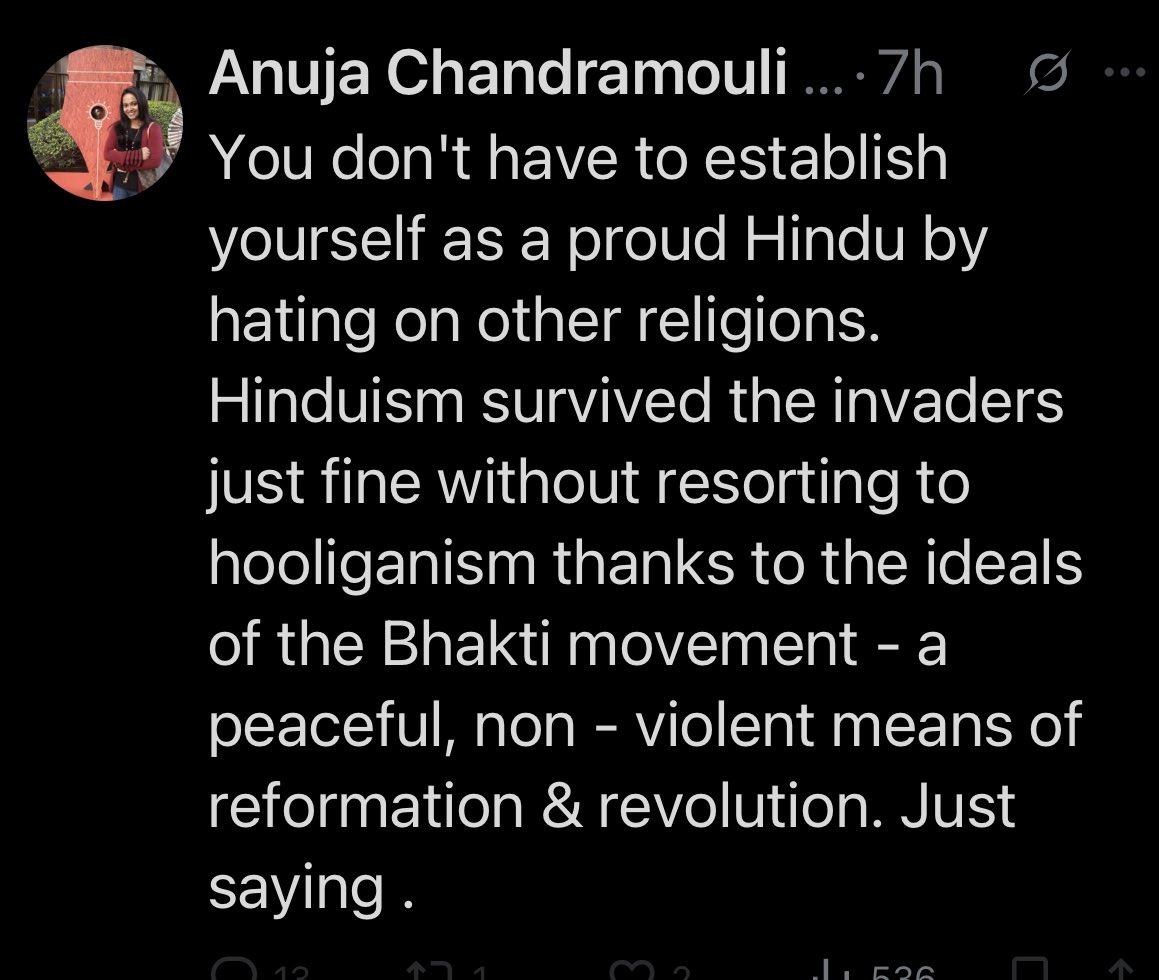
The fashionable claim that “Hinduism survived invasions thanks to peaceful Bhakti so stop talking about history” is textbook cherry-picking.
Bhakti saints were compassionate (for many reasons), but never blind.
Kabir tore into Islamic ritualism too.
He says:
“Mullah bawla hua, katha kare Qurān;
Masjid chadh kar bolta, kaun suney pukār?”
(Kabir Granthavali, Sabda 76)
Then is it not “hate?”
He directly criticises empty loud ritual:
“Mullah kahe Allah ek hai, par jhagṛa kare din-raat.”
Kabir never pretended everything was peaceful.
He confronted injustice wherever he saw.
Guru Nanak, in the Babur Bani (SGGS, Ang 360–363), condemns Babur’s invasion:
“Babar vāni phiri, jotak kare pukār.”
“Modesty and honour of women were trampled under the boots of Babur’s men.”
Is Guru Nanak “hating Islam”?
Or simply refusing to lie about what he witnessed?
Eknath, Tukaram, Chaitanya, Meerabai, Ravidas; all lived in an age shaped by Islamic polities. Their works repeatedly mention oppression, humiliation, or forced conversions when they happened. They did not sugarcoat their time.
Bhakti gave emotional oxygen to a civilisation that was being politically crushed.
That’s why it flourished during the Sultanate & Timurid centuries.
But Bhakti was never an invitation to:
A) ignore invasions,
B) romanticise violence,
C) or pretend history was a flower garden.
Bhakti protected the soul of a civilisation.
It didn’t erase the blows on its body.
You do not build harmony by lying about the past.
You build it by acknowledging everything , the good, the bad, and the brutal, and then choosing wisdom over vengeance.
Hindus speaking about:
A) Somnath’s destruction,
B) Kashi’s repeated temple demolitions,
C) the atrocities at Chittor,
D)the forced conversions under Sikandar Butshikan,
E) the massacres at Mathura recorded in Tarikh-i-Firuz Shahi,
F)the jizya revived under Aurangzeb…
…is not “hate.”
These events are written in Persian chronicles, not WhatsApp forwards.
You can’t tell people that recounting their own history is “hooliganism.”
Pluralism isn’t built on gaslighting.
It’s built on acknowledging wounds without inflicting new ones.
Bhakti saints criticised all.
They didn’t cancel history.
They confronted it.
If they could speak without fear, why shouldn’t we?
Remembering is not hatred.
Forgetting is not peace.
And truth is not communal.
20 Nov 2025

Hinduism survived due to violent armed resistance.
Shivaji tore open Afzal Khan’s guts, didn’t sing Ishwar Allah tere nam.
Despite the resistance, Hindus have been wiped out in Afghanistan, most of Pakistan, Kashmir, ongoing erasure in Bangladesh.
With “secular” whitewash.
15
216
553
16,968
Ankur Jyoti Saikia retweeted

13 Nov 2025
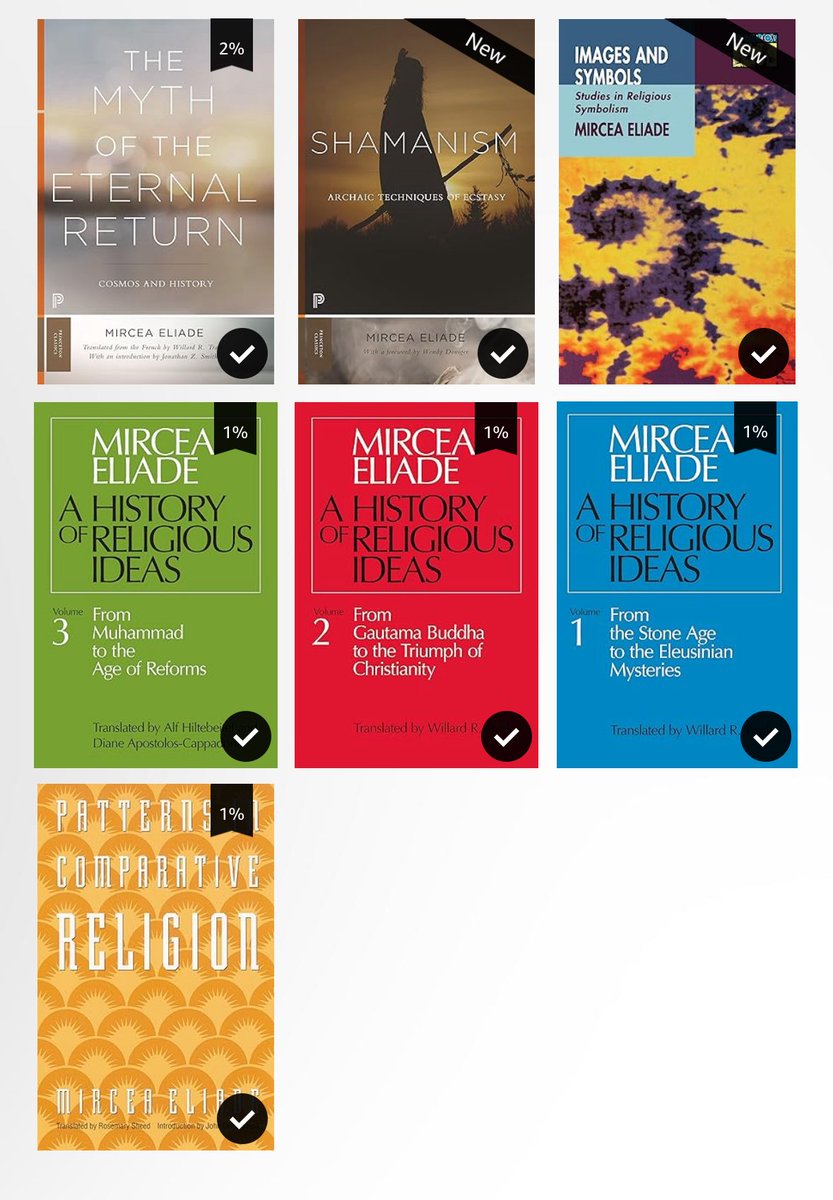
The single author who completely overturned my perception of history vs myth. The legendary Mercia Eliade.
@halleyji , Eliade calls history as “a terror inflicted on myth”.
His book “The Myth of the Eternal Return” is an amazing read and I summarise it here.
This book on the history of religions explores how pre-modern societies structured their understanding of time, history, and existence through myths and rituals, in stark contrast to the linear, progressive worldview of modern "historicist" humanity. The book is divided into four chapters, blending philosophical analysis, anthropological evidence, and comparative religion (drawing from wide range of religions including Mesopotamian, Indian, Mesoamerican, and other traditions).
1. Archetypes and Repetition :
Eliade introduces the idea that archaic humans did not view time as a straight line of unique events but as a cyclical process. He introduces myth as capturing “archetypes” which he defined as eternal models or paradigms from a sacred, primordial "illud tempus" (that time, the mythic origin era of gods and ancestors). Another theme of the chapter is “repetition” where human actions gain meaning by imitating these archetypes. Rituals "abolish" profane (linear) time and re-actualize the sacred origin, making events cosmically significant.
2. The Regeneration of Time :
He argues that societies periodically "regenerate" time through festivals which symbolically return to chaos before recreating the cosmos. This prevents time from "wearing out" and accumulating irreversible history.
3. Fate, History, and the Problem of Historicism : Eliade contrasts archaic ontology with modern views:
- Archaic people "ontologize" existence by aligning with cosmic rhythms, escaping the "terror of history" (suffering from irreversible events).
- Modern historicism (influenced by apocalyptic Judaism, Christianity, and secular progressivism) sees history as linear, unique, and value-laden, leading to anxiety over meaninglessness.
Main arguments Eliade Makes :
Eliade's central thesis is that archaic humanity lived in a "sacred time" governed by the myth of eternal return, where:
-Time is cyclical and reversible :
Profane duration is negated through rituals that return to the mythic beginning, abolishing history's burdens. This provides ontological security—existence is real only insofar as it participates in the eternal.
- Opposition to linear history :
Modern humans suffer from the "terror of history" because they accept irreversible, unique events without archetypal redemption. Judaism/Christianity introduced linearity (e.g., eschatology), paving the way for secular historicism (Hegel, Marx), but archaic societies evaded this by periodic cosmic regeneration.
- Implications for religion and culture : Myths and rituals are not superstitions but mechanisms for transcending profane existence. Even in modernity, vestiges persist.
- Critique of progress :
Eliade warns that rejecting the eternal return leads to nihilism; true freedom comes from periodically escaping history via the sacred.
The book is not prescriptive but descriptive, arguing this worldview explains the coherence of archaic cosmologies. It influenced fields like anthropology (e.g., structuralism) and psychology (e.g., Jung's archetypes).
18
48
226
8,758
Ankur Jyoti Saikia retweeted

14 Nov 2025
Thrilled to announce the publication of two new species from Begonia section Petermannia: Begonia boholensis and Begonia naiveorum.
#Begonia
doi.org/10.1007/s12228-025-0…

2
3
12
592
Ankur Jyoti Saikia retweeted

6 Nov 2025
Riya Sardar and Rakhi Naskar got married. Both are dancers. They were in love and wanted to live together. So, their wedding took place with much celebration at the Shanti Sangha Temple in the Sundarbans. The local people organized the ceremony.
Society can hardly accept same-sex relationships—yet here, two women even got married! There is a certain openness in Hinduism; perhaps that is what made this marriage ceremony possible. The law may not recognize it, but the temple did.
Till today, no synagogue, church, mosque, or pagoda has ever accepted or performed a marriage between same-sex couples. I’m not saying that everyone within Hinduism will accept such a marriage—but many people in the Sundarbans did. That’s how social evolution happens.
53
163
981
66,477
Ankur Jyoti Saikia retweeted

23 Oct 2025
I think I may have a bad case of tsundoku...

7
8
79
2,003
Ankur Jyoti Saikia retweeted
25 Sep 2025
Fifteen lakh people of Assam walked the streets of Guwahati with Zubeen Garg’s coffin, weeping, wiping their tears as they went. Perhaps every artist dream of receiving such love, but not everyone’s dream comes true. Maybe only one in a hundred thousand is honored in this way.
Zubeen was not a supporter of any political party. He called himself a social leftist—not politically leftist, but socially so. He helped flood victims. He helped the poor and the distressed. He raised fifteen children. He spoke out against injustice. He never compromised with the powerful and the influential. Even at the peak of fame and popularity, he led a simple life. He bought food from roadside stalls and ate sitting on benches like everyone else. He would openly admit that he drank alcohol, saying that some of his best songs had been sung in a drunken state. Unlike many Bengali artists, he never tried to act like a refined gentleman. He was never arrogant. His body was covered in tattoos. He did not own a lavish mansion but lived in a modest middle-class flat. He had a flat in Bombay as well, where he stayed whenever work required. But he never liked living in Bombay. Assam was his true home. Assam was his soul. How could the people of Assam not love such a selfless, generous, humane man?
Though born a Brahmin, he cast aside the sacred thread. He declared that he had no caste, no religion, no god, no political party. He was human—that was his only identity. Perhaps that is why people of every faith, every color, every class, every community, and every party wept at his death, cried out in grief, and mourned together.
I believe Zubeen’s death happened because of the negligence of his companions. From what I have heard, he did not lose vision, nor had he consumed alcohol before scuba diving or entering the water. The post-mortem report confirmed that he died by drowning. He had removed his life jacket because it was too large for him and made it difficult to swim. He should have been given one that fit his body. He should have been advised not to enter the sea with a tired body. His companions should have noticed that he was having a seizure and drowning, and they should have brought him back to shore immediately. They did bring him back—but only after the waters had already claimed his life.
If only Zubeen could have seen the long funeral procession in Guwahati, if only he could have seen how deeply people loved him—perhaps even in death, he would have found peace. After all, every person must die one day—some sooner, some later. But how many artists in a lifetime achieve such greatness?
Zubeen’s life was extraordinarily fulfilled—not because he won many awards, but because he received the genuine, boundless love of countless people.
And yet one question remains. If Zubeen had not been born into the religious majority of Assam, but instead into the religious majority of Bangladesh—if he had cast away his caste and religion there—would the people of Bangladesh have honored him for his songs in the way the people of Assam have?
I leave that question behind.

75
461
2,964
121,085
Ankur Jyoti Saikia retweeted

21 Sep 2025
Human Ocean walking with their beloved Singer Zubeen Garg... A phenomenon, very rare. He has occupied a place in our hearts probably very few have in our generation. Art can change people, society, a nation... He became a melodious expression of unspoken, inarticulate feelings of
millions people... They are sobbing uncontrollably, some are crying, howling with deep grief... I have taken shelter in my solitude to pray and to celebrate his short but immensely meaningful Artistic contribution to our culture... His after life journey begins now... Lets pray for his soul's peaceful transition into the divine dimension.

38
463
3,893
113,843