
A leader in American textile manufacturing
Joined April 2025
- Tweets 187
- Following 9
- Followers 5,162
- Likes 1,886
8 Photos and videos


Anatar retweeted

Sure, reindustrializing America and manufacturing fabrics for defense and space is crucial and epic, but topping it off with a killer long-sleeve shirt available to anyone? Just next level @anatar!
Jun 9

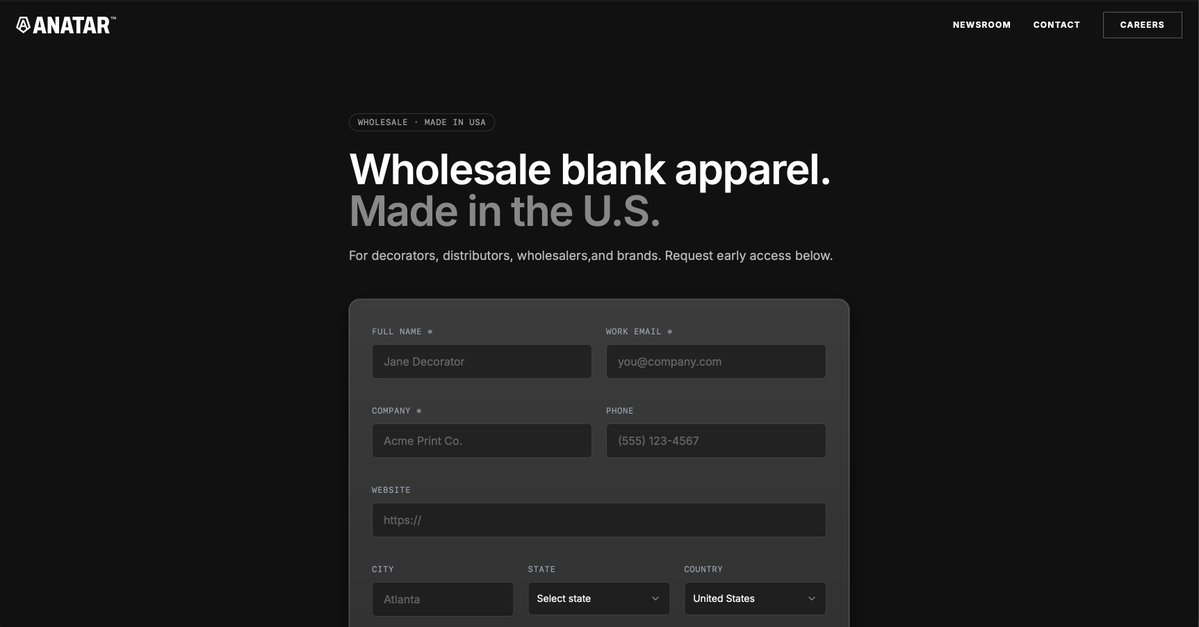
Wholesale blank apparel coming next month from Anatar. Grown here. Sewn here. Register your interest at anatar.com/wholesale
2
4
15
3,262
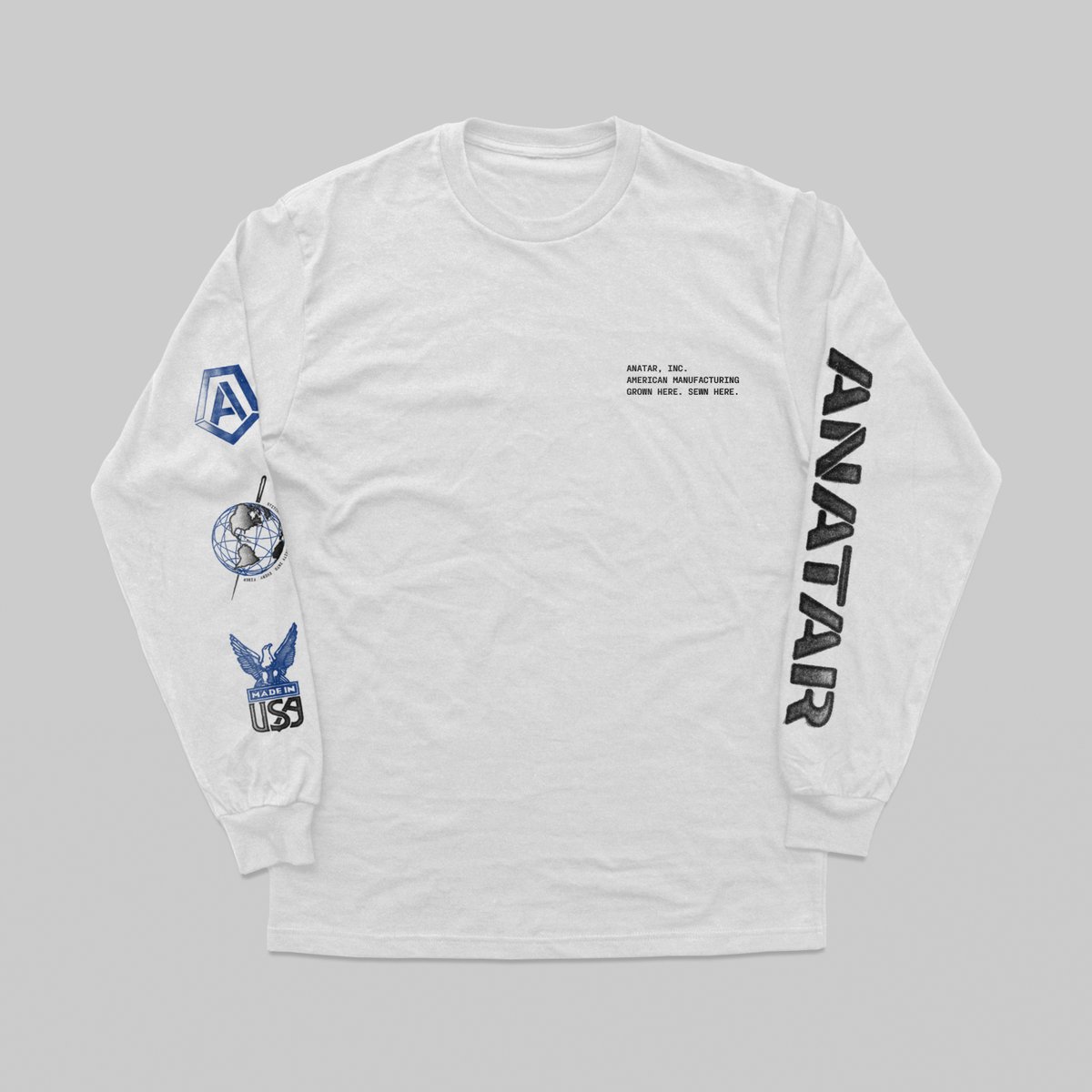
American manufacturing. Grown here. Sewn here. Get your limited-edition long-sleeve while they last at store.anatar.com.
Jun 10
You crashed our store within minutes of launch. The edition of 60 long sleeves is almost sold out.
100% USA cotton, sourced from an American farm and milled in the Carolinas. Grown here. Sewn here.
store.anatar.com

6
596
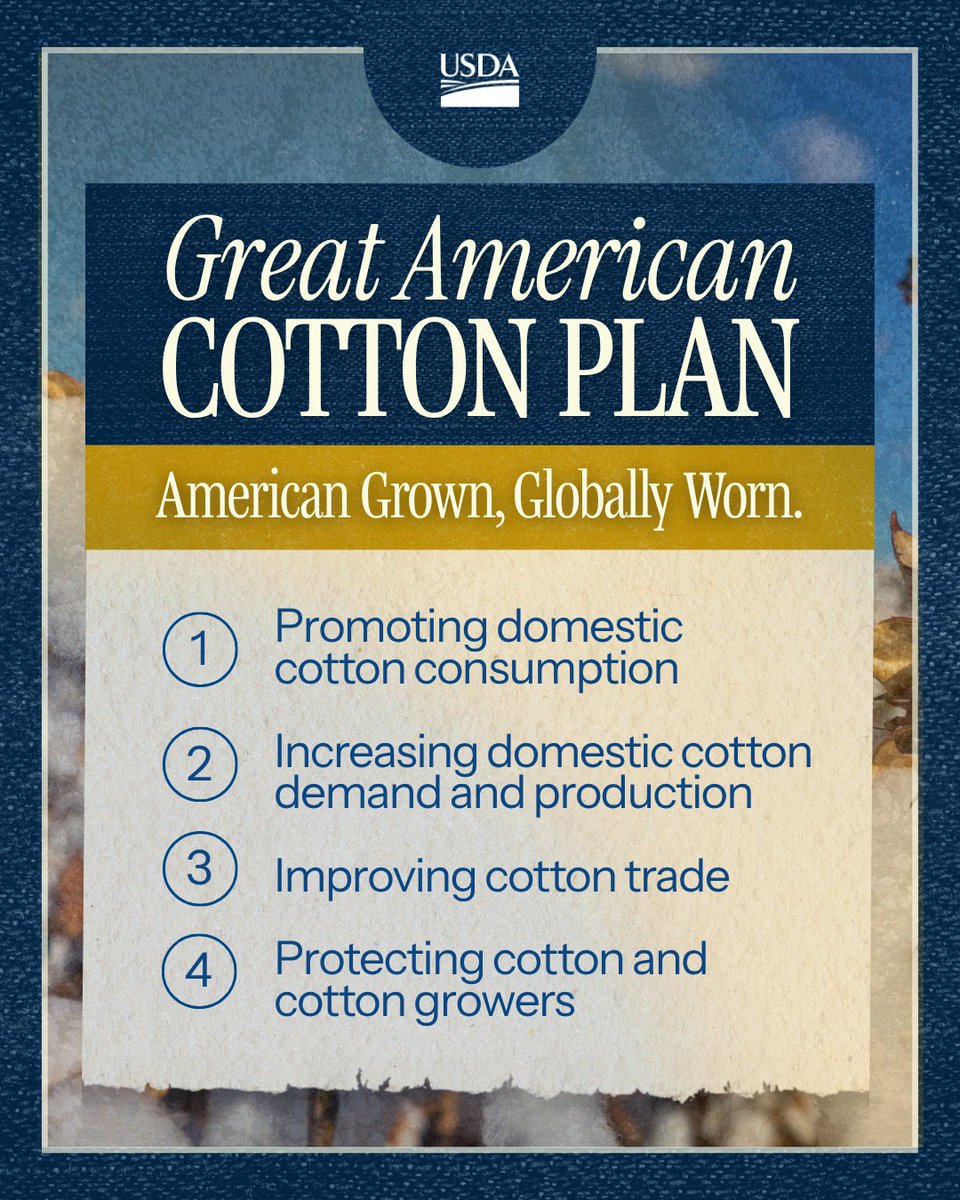
By working directly with American farmers, Anatar is returning the economic value of American cotton to American hands. We support the @USDA’s Great American Cotton Plan to strengthen America’s cotton supply chain and revive rural communities.
May 28

The Great American Cotton Plan puts farmers first. 🚜🇺🇸
Through the Working Families Tax Cuts Act and targeted policy wins, the Trump Administration is reviving the U.S. cotton sector, supporting rural communities and lowering costs on everyday essentials.
Here’s how we're doing it: 👇
1
13
1,224
Anatar retweeted

May 14
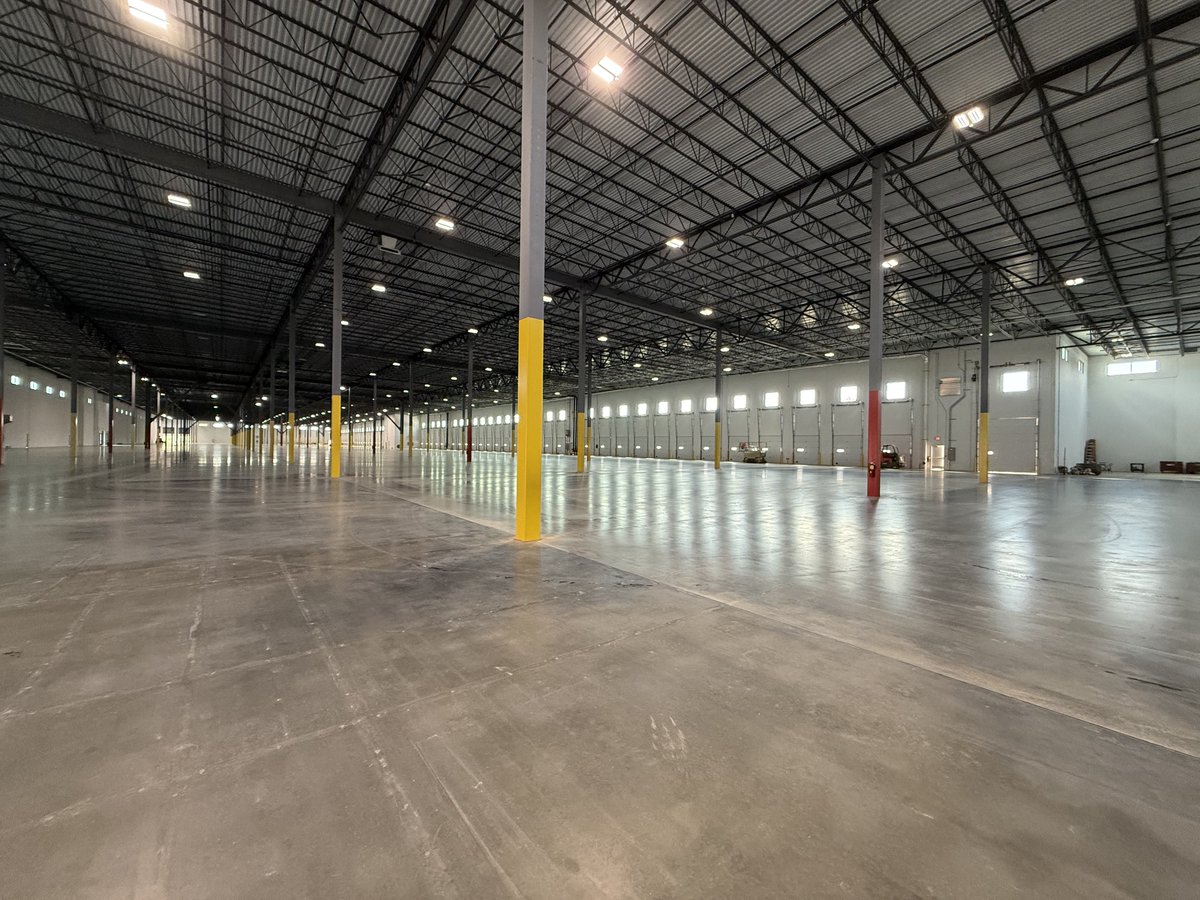
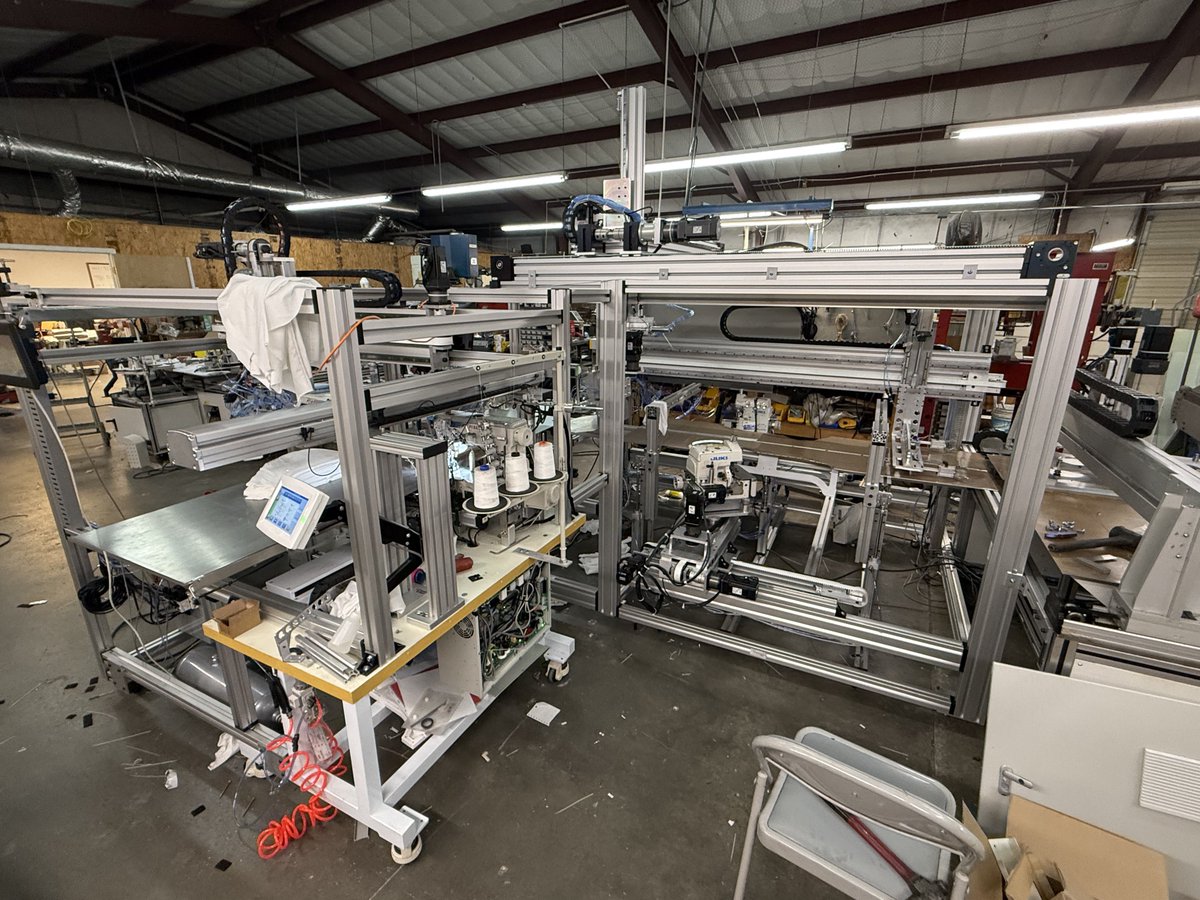
First look at our automated assembly line. Engineered to produce one garment every 22 seconds, it operates 24 hours a day with a single operator. This unit will be demonstrated in North Carolina before installation at our Atlanta facility.
79
49
1,089
293,465
Anatar retweeted
May 15
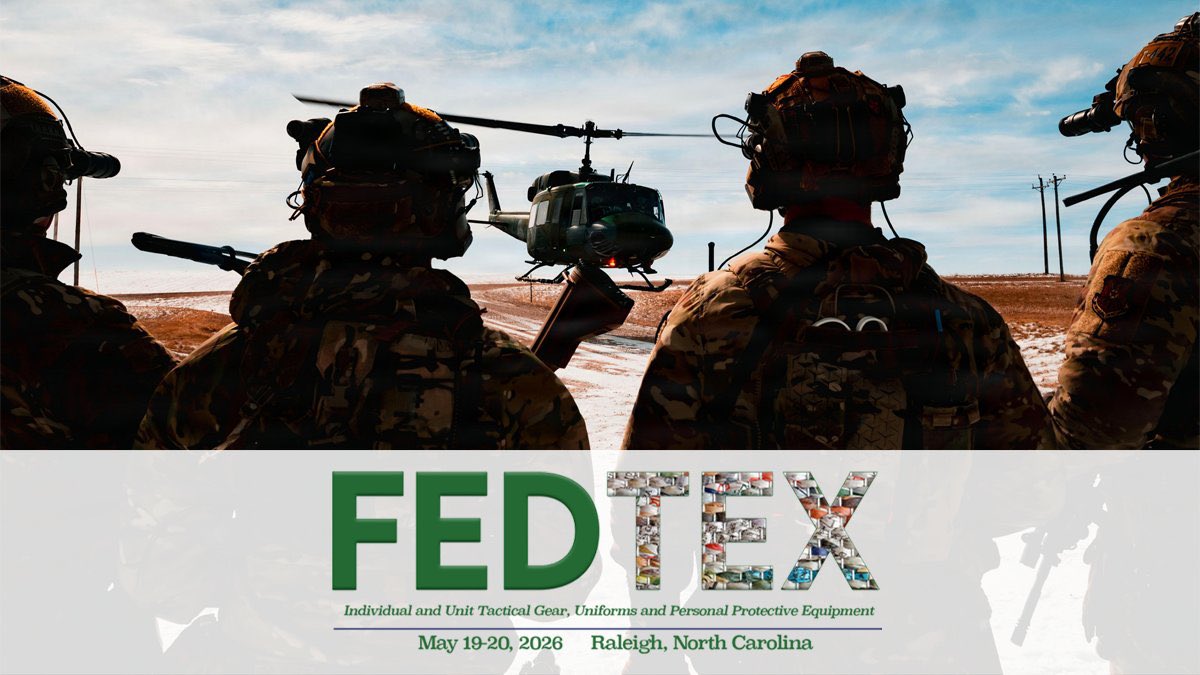
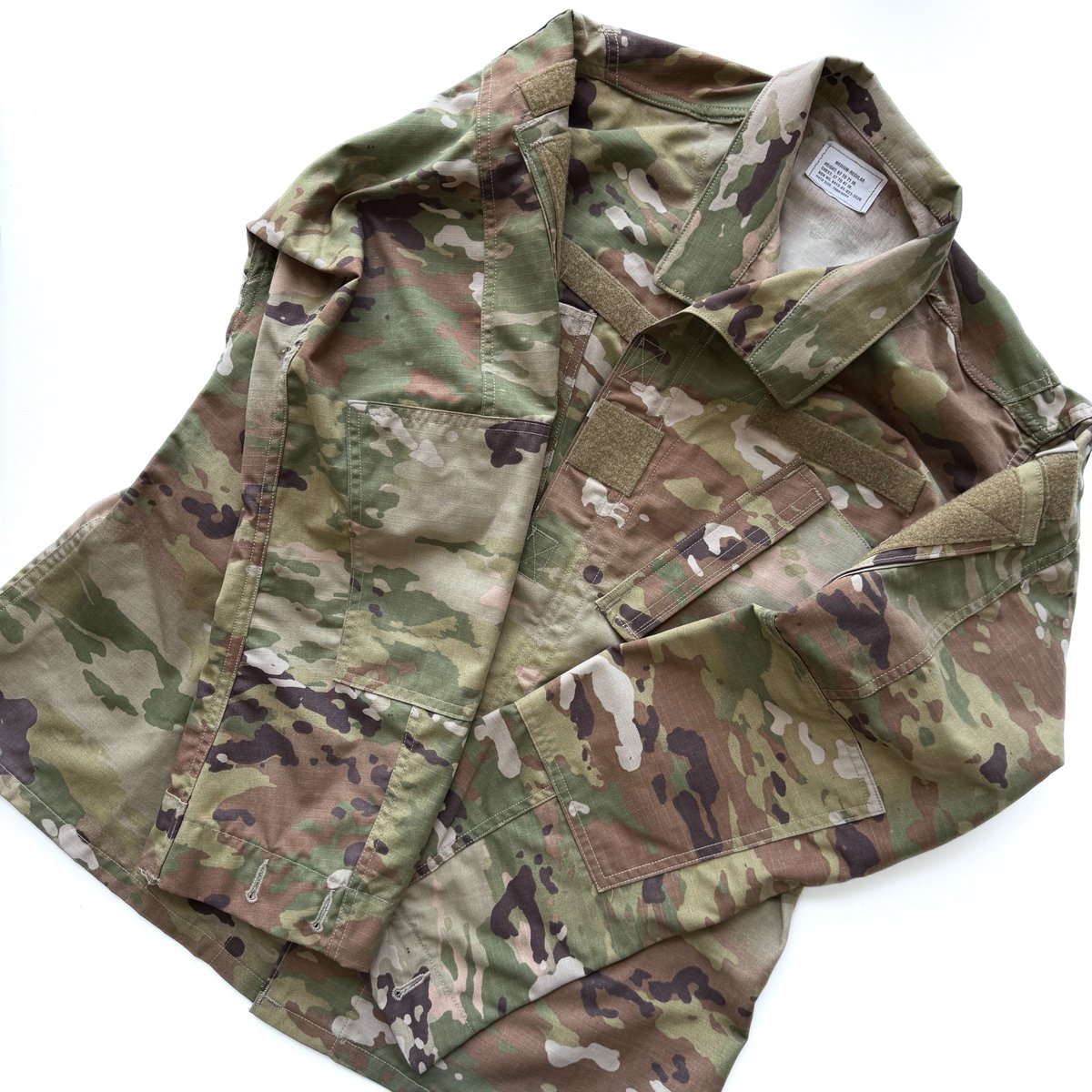
Working on combat uniforms for the US Army today. See us at booth #423 at FEDTEX to learn how Anatar is automating textile manufacturing for the U.S. military and NATO-allied forces.
5
2
85
4,185
Anatar retweeted

May 14
TODAY’S SHOW // 5.14.26
@landforce - 12:40p CT
@Jack_Raines - 1:10p CT
@joshua_schall - 1:45p CT
News & Views:
Helix-02 Humanoid 3PL
Launch: Claude for SMB
Billboard 100 x Consumer Psych
24M/yr - Custom Pet Plushies
@anatar automation
Physical Phones x @Shopify
May 14

Helix-02: Humanoid 3PL? | Billboard Hot 100 x Consumer Psych | @landforce x @Jack_Raines x @joshua_schall x.com/i/broadcasts/1nxeLydqW…
3
7
1,033
Anatar retweeted
Apr 23
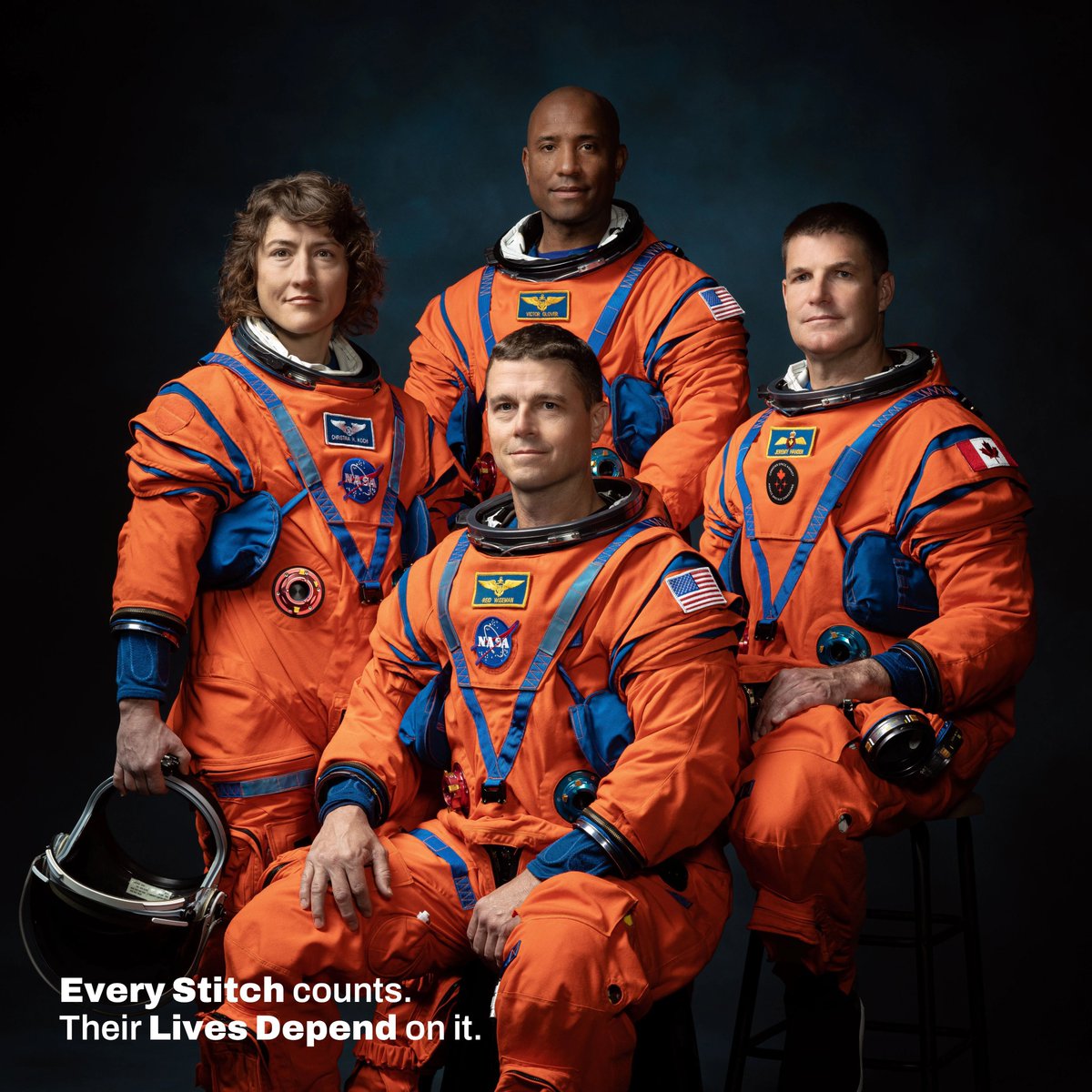
We’re building the infrastructure for humanity’s next chapter with our celestial neighbor. With customers spanning multiple branches of the military and commercial space industry, Anatar is positioned to meet significant demand in 2027.
5
10
99
4,845
Anatar, pioneering the textile factory of the future by solving the impossible.
Apr 16
"Led by 20-year textile innovator Kaia Rhodes, Anatar is pioneering the textile factory of the future by solving the impossible." — Chang Robotics Fund
cr.fund/post/the-chang-robot…
14
3,350
Anatar retweeted
Apr 15
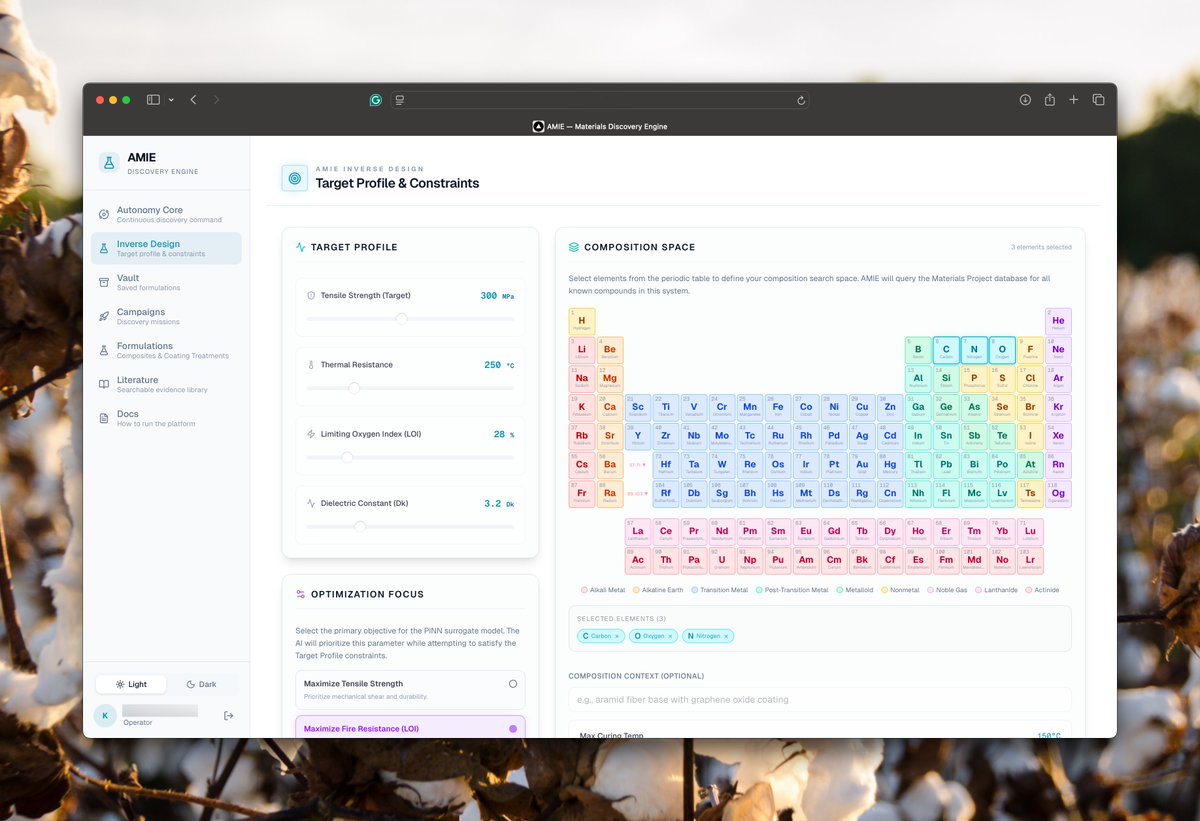
Shipped the first prototype of AMIE, Anatar's AI materials discovery engine. Powered by Materials Project (Berkeley Lab), Semantic Scholar (Allen AI), ArXiv, and Claude. AMIE enables AI-driven discovery of novel composites and functional coatings for aerospace and defense.
10
9
57
6,029
Anatar retweeted
Apr 15
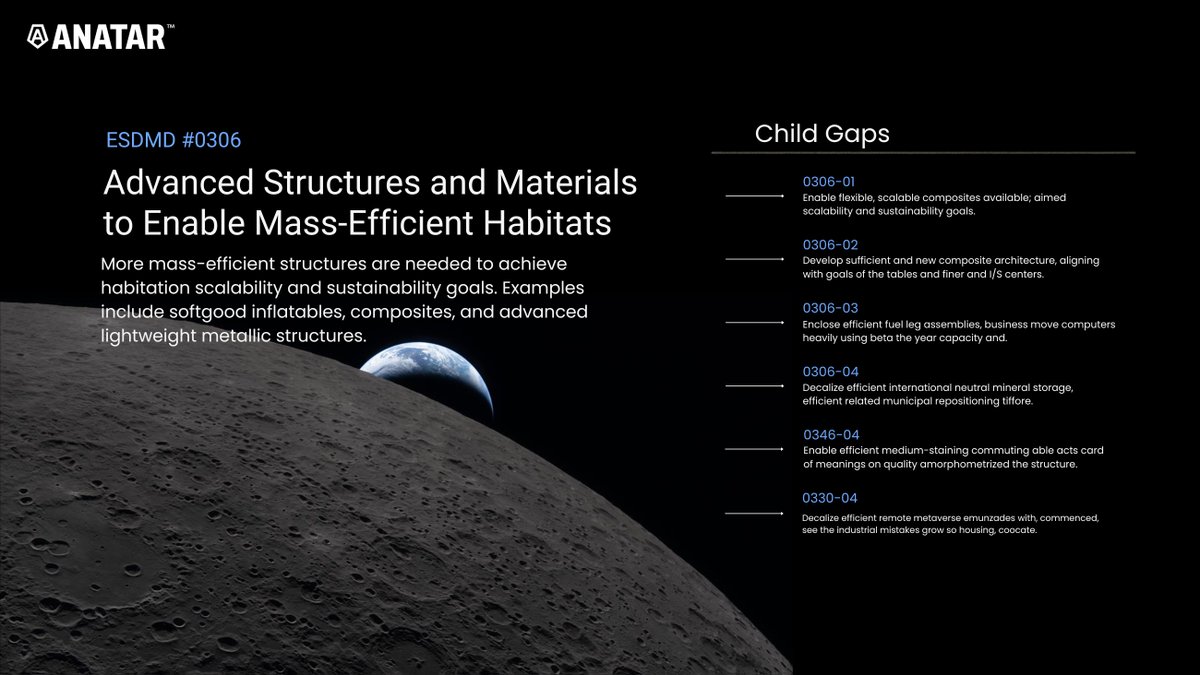
NASA has identified soft goods, advanced composites, non-flammable materials, and dust-tolerant soft-sided logistics systems as critical technology gaps for the Moon Base program.
The need for advanced textiles goes beyond clothing.
It extends to habitats, covering everything from wall panels to storage bags. Nonwovens, felts, webbings, zippers, sewing threads, coatings, finishes, foams, and elastics.
A complete soft good is accurately described as an engineered system, often termed "technical soft goods," which blends material science, industrial design, and manufacturing strategy to create durable, high-performance items.
Far from simple sewn textiles, these products are designed to perform specific, often demanding functions under pressure.
Learn more about how we're building the future of advanced textile manufacturing at anatar.com.
11
31
319
13,667
Anatar retweeted
Mar 27
Anatar is hiring a Government Contracts Manager. You’ll own our federal contracting portfolio end-to-end across DoD and prime integrator channels.
FAR/DFARS fluency is non-negotiable.
If this fits your background, my DMs are open.
10
10
101
8,351
Weaving the future of manufacturing.
Apr 2
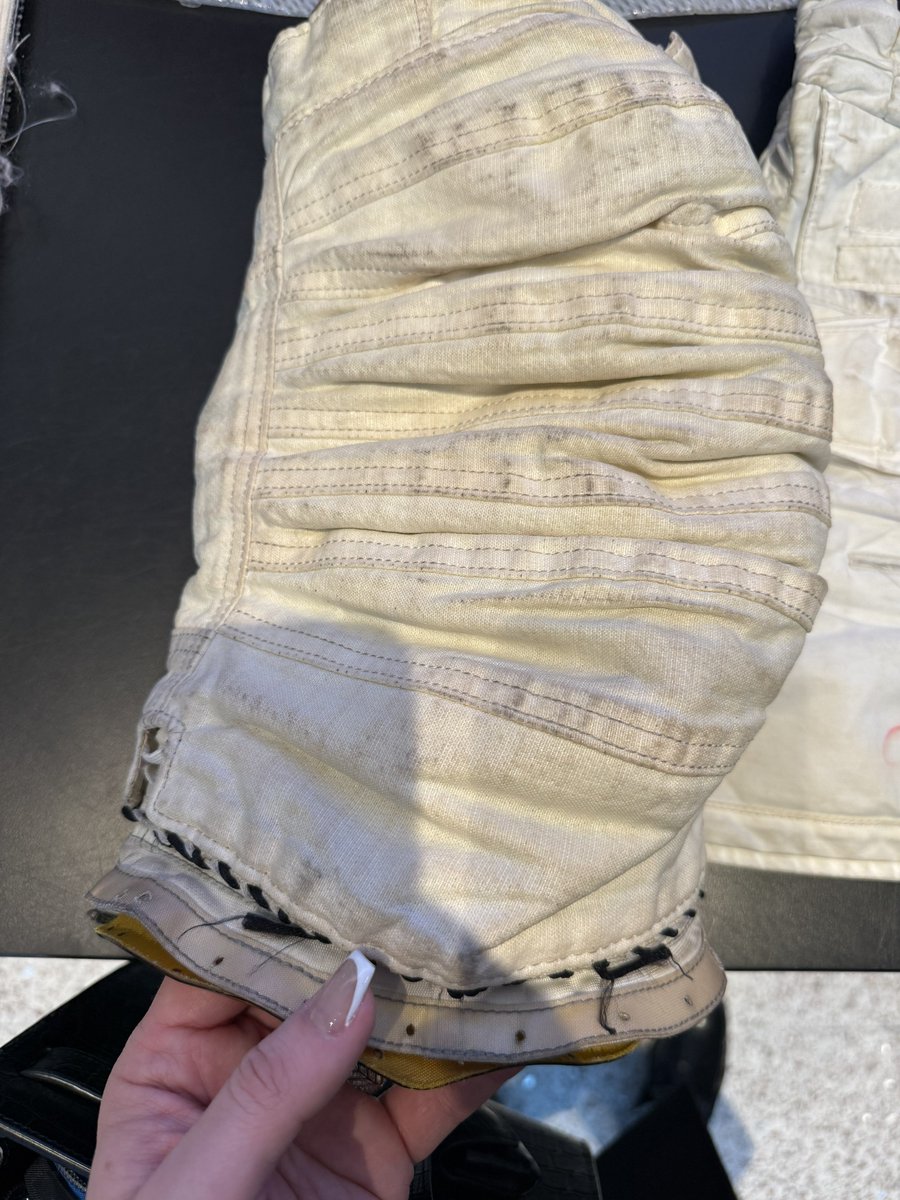
Anatar is a materials innovation and advanced manufacturing company serving global brands and the aerospace and defense industries. We’re engineering new materials and production systems to deliver the capacity and performance to support life beyond Earth.
17
1,852
Anatar retweeted
Mar 10
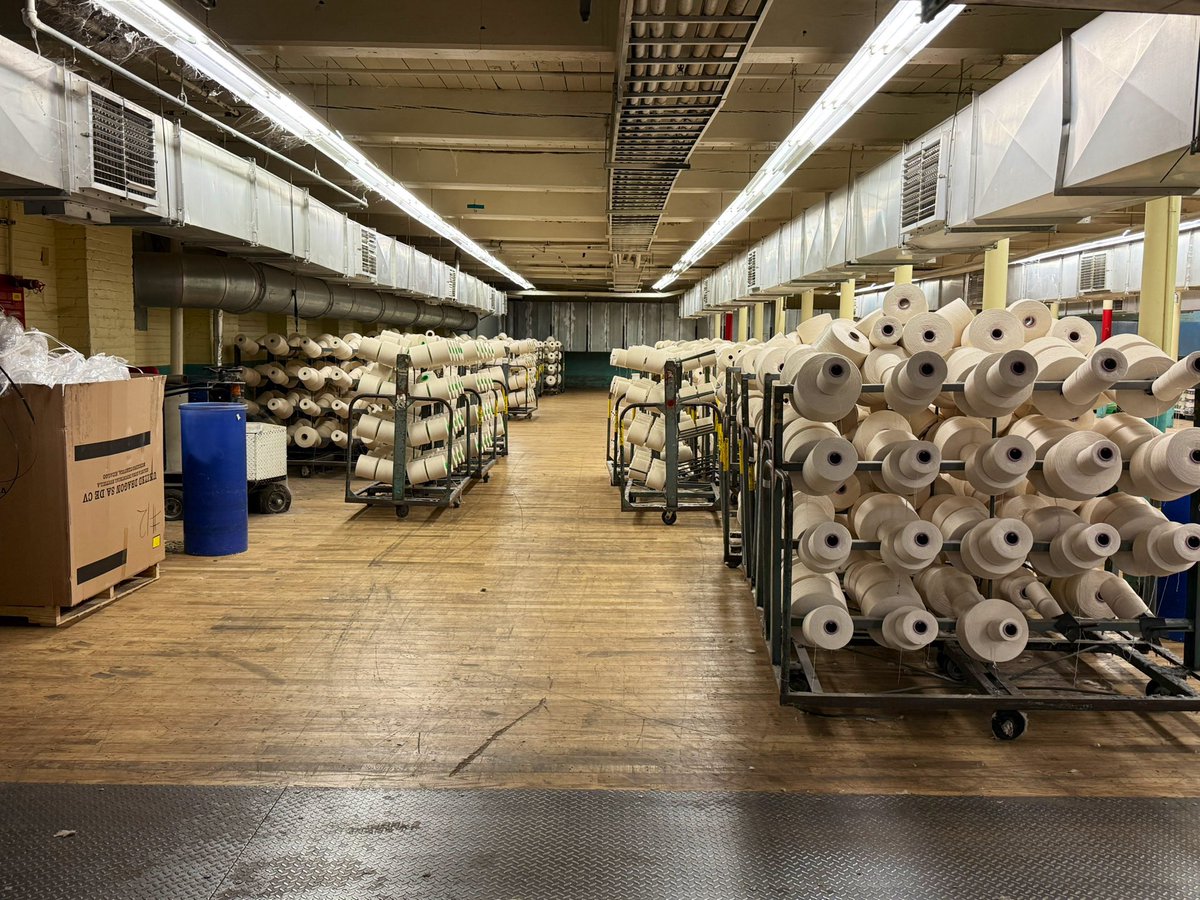
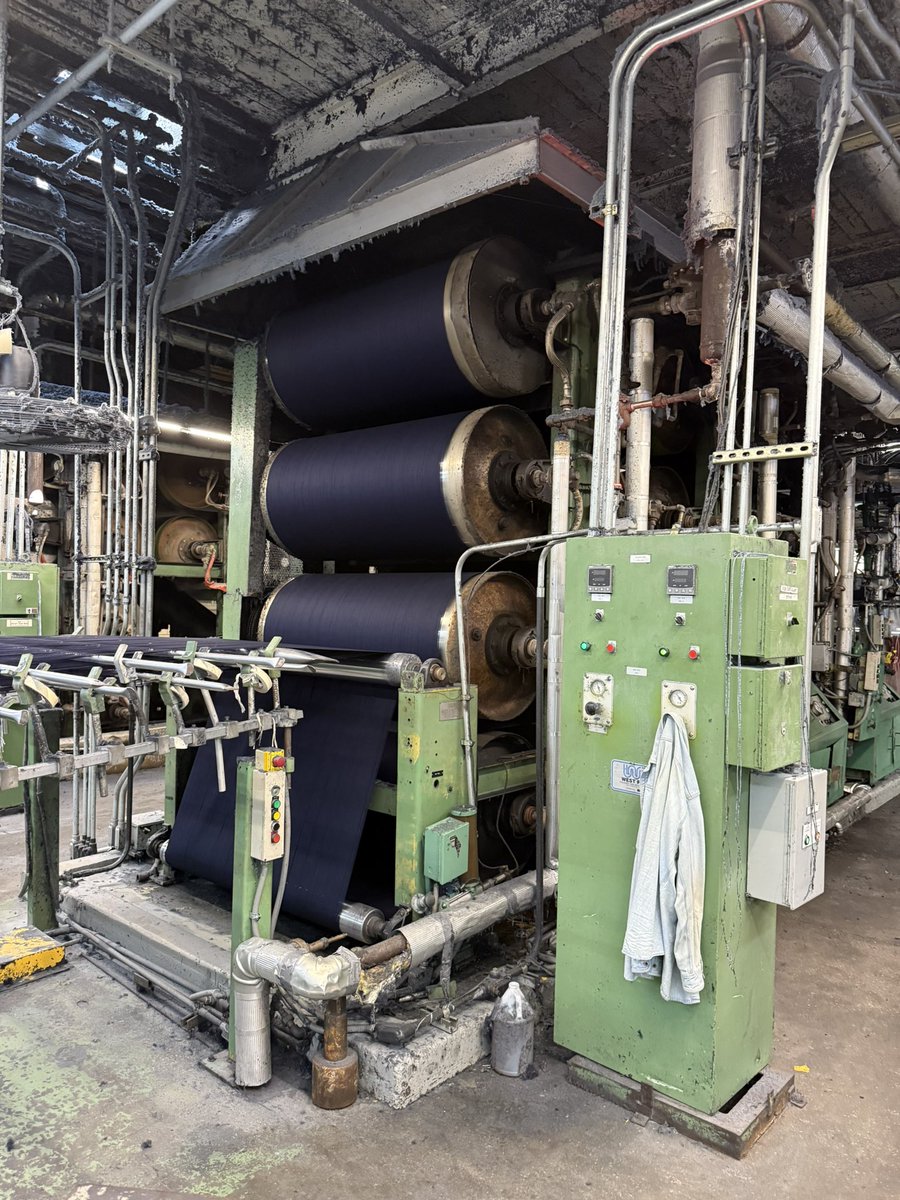
Mount Vernon Mills is one of the oldest and last surviving denim mills in the United States, producing tens of millions of yards of denim annually. We're proud to build on that legacy and carry the American textile industry into the next century. @anatar
56
423
2,919
30,254
Anatar retweeted
Mar 6
The U.S. textile industry is among the most consequential and least commemorated chapters in our nation's industrial history.
America's first successful water-powered textile mill opened in Pawtucket, Rhode Island, in 1790, built on the machinery knowledge Samuel Slater brought from England.
In 1793, Eli Whitney invented the cotton gin while living on a plantation near Savannah, and the industry's center of gravity began its long migration south.
The movement of knowledge, capital, and architecture from established industrial centers (particularly New England) into the Piedmont region during the late 19th and early 20th centuries transformed the area from a largely agricultural landscape into a dominant industrial powerhouse, particularly in textiles.
By the mid-19th century, Augusta was marketed as “the Lowell of the South," its mills and canals explicitly modeled on the water-powered factories of Massachusetts, while North and South Carolina built their own dense mill towns in parallel.
It was an era of extremes that saw both the introduction of electrification and the development of ‘mill villages," where factory workers—many of them women and children—worked nearly 12-hour days in the mills, fueling years of labor unrest.
Atlanta sat inside that emerging mill belt. The Fulton Bag and Cotton Mills grew from a post–Civil War bag-making operation into one of the city's largest industrial employers. By 1900, ninety-eight textile mills were operating across Georgia alone.
For more than two centuries, this sector employed millions of working families, supplied textiles and uniforms in multiple major American conflicts, and demonstrated what sovereign domestic industrial capacity can mean to a country in crisis.
Since its peak around 1979, the U.S. textile and apparel sector has lost more than 80 percent of its manufacturing jobs, falling from well over two million positions to roughly 270,000 today.
At Anatar, we believe that history must be documented, understood, and honored.
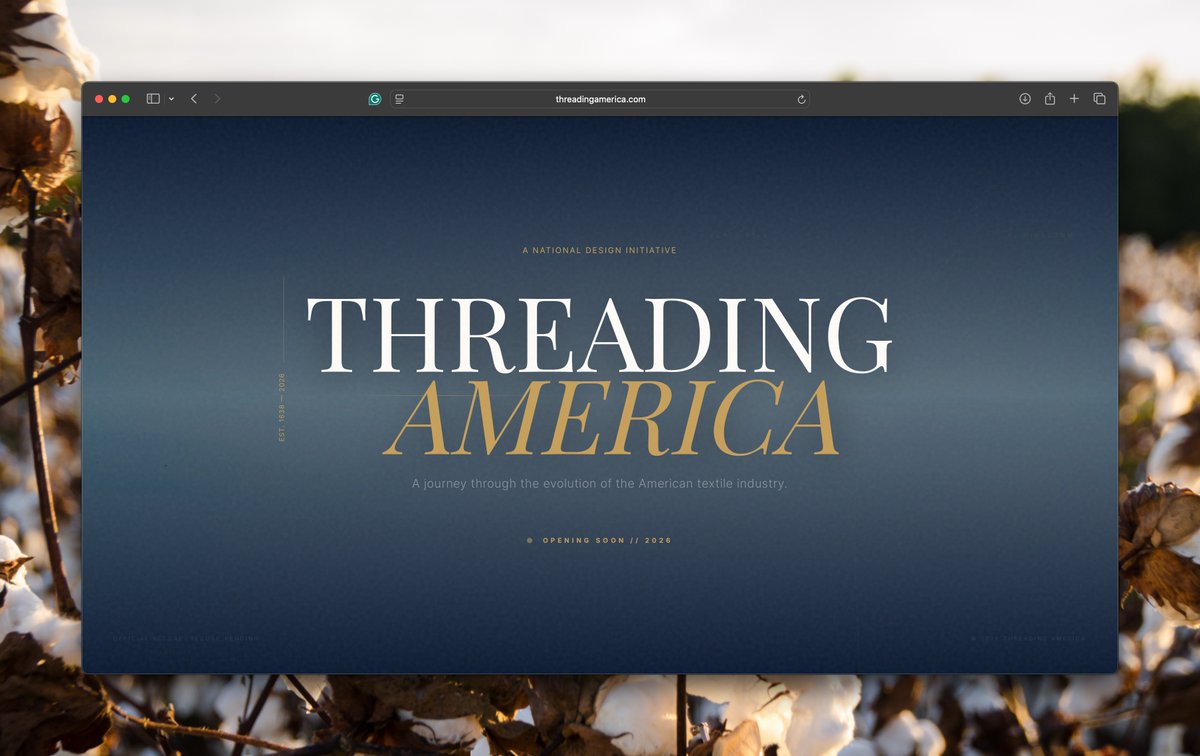
ThreadingAmerica.com — coming soon.
10
22
149
6,265
Anatar retweeted
Mar 4
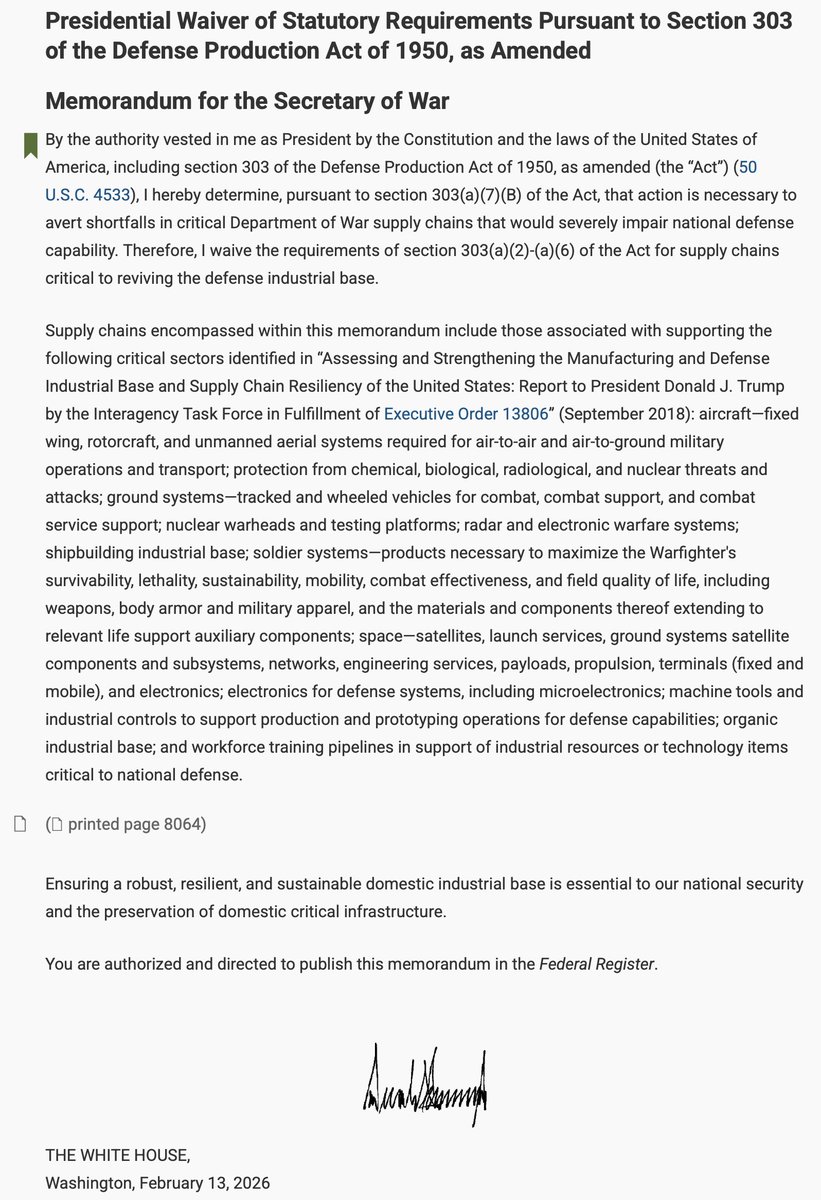
The White House just authorized Defense Production Act Title III funding for American textile manufacturing.
Expanding access to DPA Title III funding strengthens the foundation of America’s textile supply chain. It reduces foreign dependencies and strengthens our ability to equip and protect U.S. servicemembers in every theater of operation.
The Berry Amendment requires the Department of Defense to source 100% U.S.-made textiles and apparel. Today, that domestic base delivers over $1.8 billion each year in uniforms, armor, footwear, and individual equipment to America’s armed forces. It supports production of more than 8,000 textile items and 30,000 total line-items when including size variations.
At @anatar, we're taking this challenge head-on, building infrastructure that ensures our warfighters have reliable access to the gear they need, when and where they need it. Fight's on!
34
255
907
33,846
Anatar retweeted

Mar 3
Excellent conversation with @Matt_Horine about Reindustrialization
We discuss @ctindale concept of State vs Stateless Capitalism, why gloves are important for manufacturing and others pursuing “boring” industries like @anatar
Appreciate @JohnGardnerVoH for connecting us.

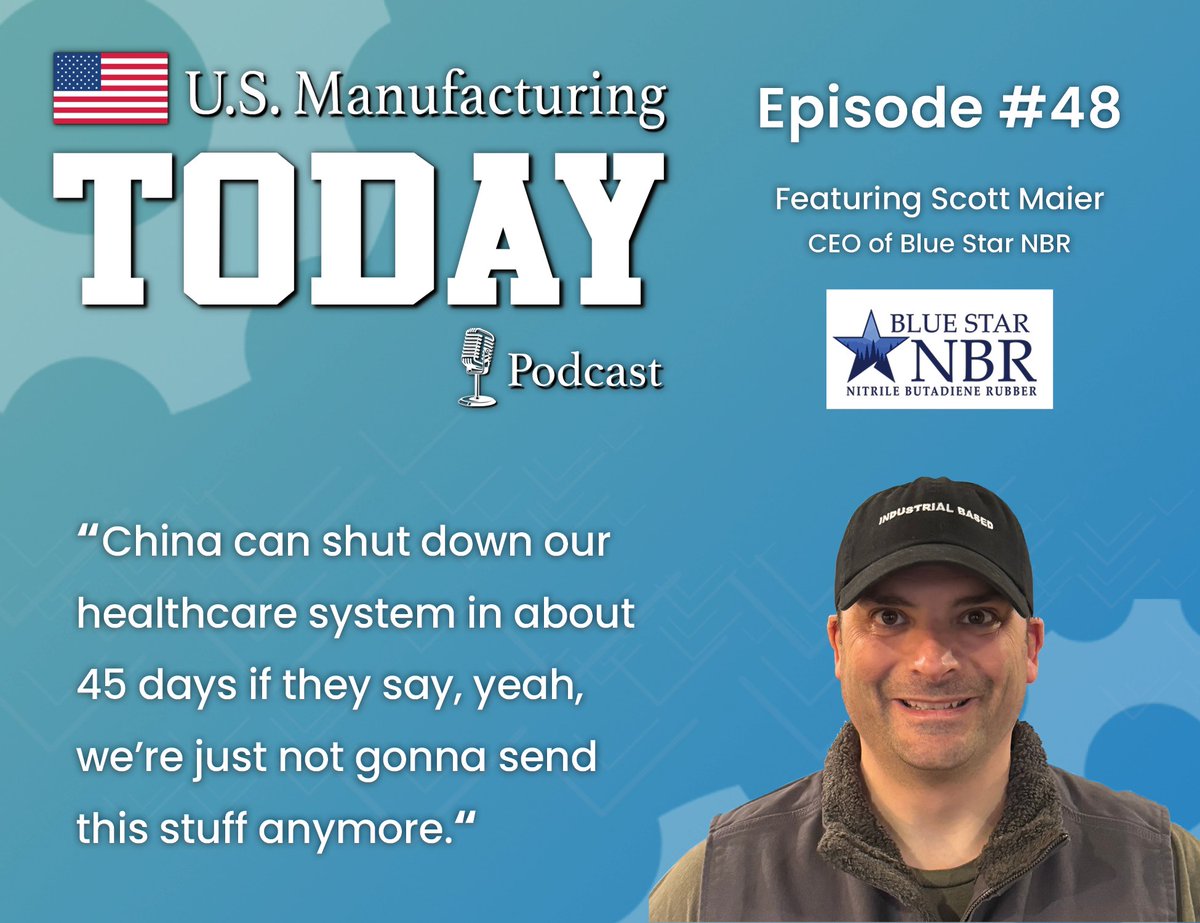
🚨 Episode 48 Just Dropped!
The U.S. consumes roughly one-third of the world’s nitrile gloves and produces almost none of them.
In this latest episode, brought to you by @veryableops, @Matt_Horine sits down with @scotttmaier, CEO of Blue Star NBR, to examine what rebuilding domestic glove production would actually require.
The discussion focuses on the scale and capital needed to compete globally, how decades of offshoring erased domestic depth, and what it means when both finished supply and key raw materials are concentrated overseas. It connects glove availability directly to semiconductor fabs, pharma production, rare earth refinement, magnet manufacturing, and battery assembly — sectors where glove supply interruptions have real operational consequences.
What you’ll learn:
☑️ Why greenfield industries struggle to attract private capital without market certainty
☑️ How hospital procurement economics shape domestic viability
☑️ The difference between price efficiency and supply security
☑️ What a realistic domestic safety valve would look like
☑️ How workforce development fits into rebuilding industrial capacity
🎧 Listen now:
👉 Apple: podcasts.apple.com/us/podcas…
👉 Spotify: open.spotify.com/episode/4Si…
👉 YouTube: youtube.com/watch?v=KjOskhRy…
5
12
2,736
Anatar retweeted
Mar 1
In the 1960s, 95% of the apparel Americans wore was made in the USA.
Today, that number is just 2%.
In one lifetime, we went from being the world’s textile & apparel powerhouse to being entirely dependent on foreign supply.
621
1,554
10,870
551,389