A few of my thoughts on hard-to-understand issues. The only reason I write is to help awaken everyone from their slumber.
Joined December 2008
- Tweets 32,102
- Following 2,500
- Followers 31,705
- Likes 8,945
2,259 Photos and videos





Pinned Tweet

7 Dec 2025
212
747
2,988
1,789,245
The truly destructive impact of a lot of these harebrained ideas is that they have no chance of offering an enduring solution. Western politicians became radicalised into partnering with insanity, then scream accusations of genocide at anyone who won't embrace that same insanity. It's amazing what Western politicians can rationalise as moral and ethical

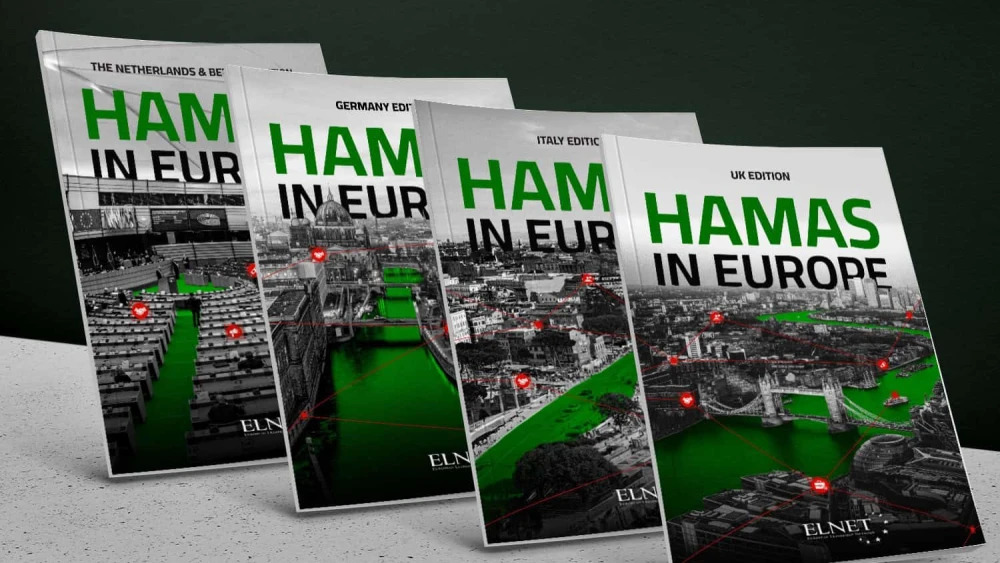
Will Europe Save Hamas in Gaza? I recently met with a high-ranking European official from a country deeply involved in the Israel and Palestine file to discuss Gaza’s future and immediate options for relieving civilians trapped under Hamas’s grip. I presented a simple proposal: create safe zones across the "Yellow Line" into the Israel‑controlled green zone and support new, organized, secure, Hamas‑free communities where Gazans could finally begin rebuilding their lives. Whether the issue is humane living conditions, deradicalization, education, healthcare, or shielding civilians from both Hamas or Israeli strikes, the green zone is the only place where meaningful action is possible. Instead of engaging, the official launched into a long monologue about their country’s contributions to the Palestinian Authority, UNRWA, and other institutions, all while insisting on their own “humility” as a faraway European nation.
Then came the truly alarming part: a casual normalization of Hamas. The official proudly described how easy it had been to work with Hamas before October 7, praising the group for providing “excellent security” and being “easier to work with than others.” What they called pragmatism was, in reality, a twenty‑year pattern of enabling a violent terrorist organization responsible for immense civilian suffering.
When I explained that any Hamas‑free zones would require vetting at the Yellow Line to prevent weapons or operatives from entering, the official reacted with shock. “This vetting would violate international law,” they repeated, insisting that their country could not fund projects with any checks on who enters. I noted the absurdity: I had undergone extensive vetting just to enter their country, and even this building, yet they believed Hamas fighters should be able to walk into new civilian safe zones unimpeded. Their only response was vague appeals to “international law,” which, in their interpretation, seems to require allowing terrorists to hide among civilians.
The meeting ended on an even more surreal note. When the official asked what would happen to Hamas fighters left in the red zone, I said I didn’t care; they could fight the Israeli military on their own all they wanted once they no longer held two million civilians hostage. The official lamented that “this isn’t the old American West” and expressed concern for what would happen to Hamas without human shields. Disgust doesn’t begin to describe my feelings and reactions.
I left convinced of something long suspected: Hamas’s twenty‑year rule was sustained not only by its own brutality but by an ecosystem of NGOs, donor nations, Western European governments, journalists, academics, activists, lawyers, and even self‑styled human‑rights defenders who normalized Hamas, treated it as a legitimate authority, or tolerated its abuses because their hostility toward Israel outweighed their concern for Gazans.
1
1
11
1,719
Jun 12
This is very insightful as to the evolution of AI inside enterprise open.spotify.com/episode/71p…
2
14
3,705
Jun 12
There are a few reasons why political elites often seem disconnected from public sentiment on immigration.
First, many policymakers view immigration through an economic lens. Treasury departments, business groups, universities, property developers, and employers often see immigration as a way to:
Increase GDP growth
Fill labour shortages
Support an ageing population
Increase housing demand and economic activity
Maintain tax revenues
The problem is that GDP growth and quality of life are not the same thing. A country can become richer in aggregate while many citizens feel worse off because:
Housing becomes less affordable
Infrastructure becomes overcrowded
Wages face downward pressure in some sectors
Social trust declines
Cultural change occurs faster than people can comfortably absorb
Second, there is a fear among politicians and media organisations that criticism of immigration can slide into ethnic hostility. Because of that risk, some institutions became reluctant to discuss immigration levels at all. The result is that many voters feel legitimate concerns about numbers, housing, infrastructure, and social cohesion are dismissed rather than debated.
Third, modern political culture often treats questions like “What kind of society do we want?” as morally dangerous because they touch on identity, culture, religion, ethnicity, and values. Yet historically every society has asked exactly those questions. Countries routinely make choices about:
Who can immigrate
How many people arrive
What values newcomers should adopt
How integration should work
The difficulty is defining an “ideal society.” Different groups want different things:
Some prioritise economic dynamism and openness.
Some prioritise social cohesion and stability.
Some prioritise cultural continuity.
Some prioritise humanitarian obligations.
Some prioritise individual freedom over collective identity.
The political challenge is balancing those competing goals.
One thing worth noting is that public opinion in many democracies is not necessarily anti-immigration. Often it is more nuanced than that. Polling frequently finds people support immigration in principle but want:
Lower overall numbers during housing shortages
Stronger emphasis on skills
Better integration
Enforcement of existing rules
Immigration levels linked to infrastructure capacity
That is a different position from opposition to immigration itself.
The deeper issue may be that modern politics often frames immigration as a moral question (“good people support it, bad people oppose it”) when many citizens see it primarily as a practical question (“what level can our housing, infrastructure, labour market, and social fabric absorb?”).
Once a policy debate becomes a moral identity debate, it becomes much harder to discuss trade-offs honestly. That is probably why the conversation feels taboo to many people even though the underlying questions are neither new nor unique to any one country.
We are witnessing globally , countries getting these policy settings completely wrong . It should mean we at least pause , slow down and review what we are getting wrong and what others are getting wrong globally . Governments globally have become manic , they simply refuse to listen or review what’s working and what isn’t .
22
21
135
7,912
🇦🇺Craig Tindale retweeted

Jun 11
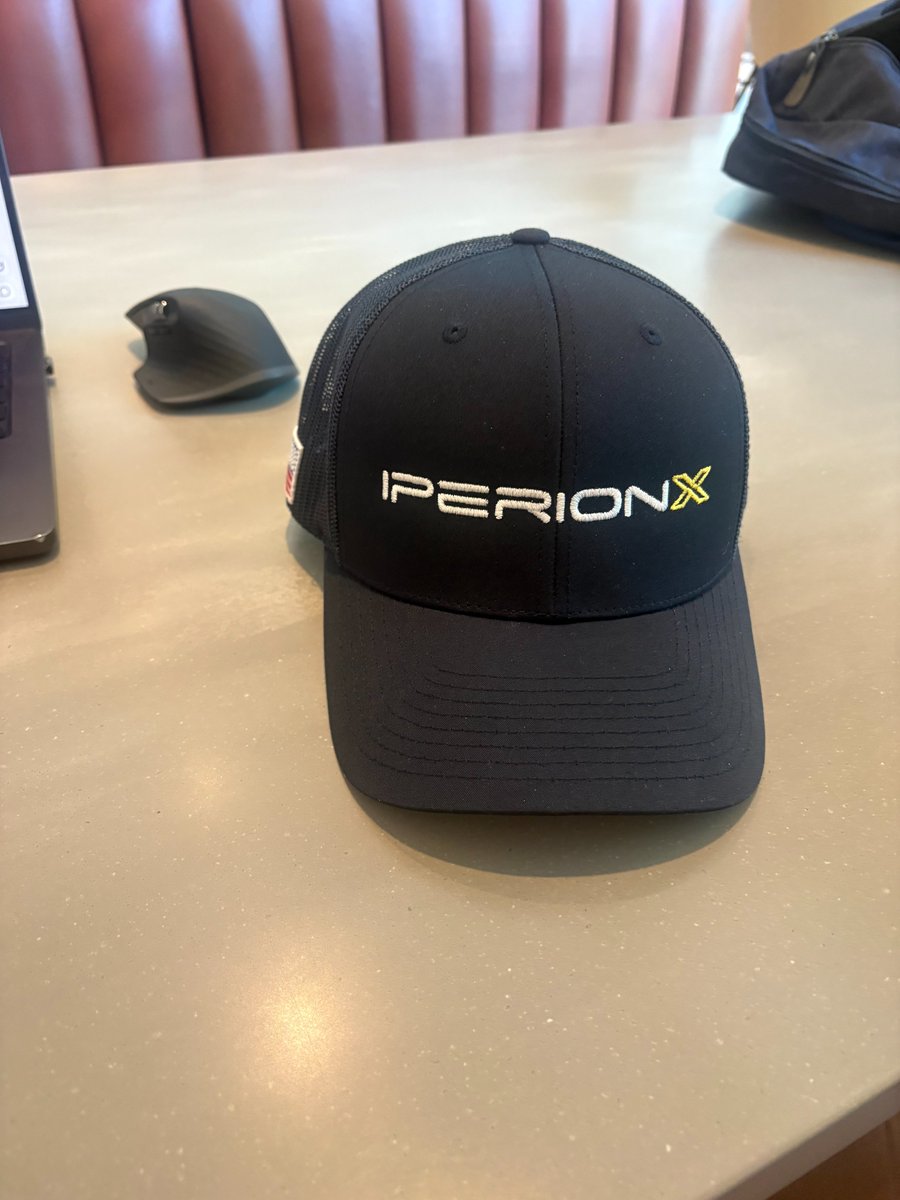
Just had the pleasure of visiting @iperionx 's South Boston titanium powder metallurgy facility & eventually inclusive of more Group IV metals.
FD, I am friends with management, but honestly was skeptical of the technical feasibility for scrap to net-shape part titanium powder metallurgy production flows - or rather personally unread and needing to see believe.
I was blown away to say the least.
Oh, and they also have a mine.
Jun 3

Most don’t yet appreciate the strategic importance of the Titan Project and the valuable Xenotime mineral to U.S. supply chain security — or how Tennessee’s Big Sandy Critical Minerals Province could become the rare earth and critical-minerals equivalent of America’s Permian Basin.
The true rare earth supply shortage is heavy rare earths — especially dysprosium, terbium and yttrium. These are the vital elements required for high-temperature permanent magnets, radar, semiconductors, advanced ceramics, hypersonics, aerospace and advanced defense platforms.
This is why xenotime matters. Xenotime is the most strategically valuable rare earth minerals because it is highly enriched in yttrium and key heavy rare earths.
Light rare earth-dominant mines and projects can produce large volumes of total rare earths, but they do little to solve the real U.S. supply-chain vulnerability: secure supply of the heavy rare earth elements Dy, Tb and Y.
That is also China’s hidden strategic weakness.
China may dominate rare earth separation, processing and magnet manufacturing, but its domestic heavy rare earth resource base is nearly depleted. China is now reliant on imported heavy rare earth feedstocks from Myanmar and Southeast Asia.
The U.S. response should not be limited to building downstream processing and permanent magnet capacity. Downstream manufacturing is only as secure as the upstream feedstock that supplies it.
America urgently needs secure, long-term domestic heavy rare earth mineral feedstocks.
That is where Titan and the large-scale Big Sandy Critical Minerals Province become strategically important.
Titan’s xenotime-based heavy rare earth concentrate is enriched in dysprosium, terbium and yttrium — the exact elements that light-dominant rare earth mines and projects cannot supply.
Titan is just the first high-grade rare earth and critical mineral project in Tennessee, and the bigger story is ‘Big Sandy’.
The Permian Basin helped underpin American energy dominance because it was not simply one well — it was a vast, repeatable, infrastructure-rich resource system. The pre-eminent Big Sandy Critical Minerals Province has the potential to underpin the next era of American industrial power.
IperionX, Titan and Big Sandy are the cornerstones for long-term American supply security across heavy rare earths, titanium and zircon minerals. These are the critical feedstocks that can underpin the most important U.S. defense, aerospace, semiconductors, nuclear, robotics and advanced manufacturing technologies.
1
10
55
9,830
Jun 10
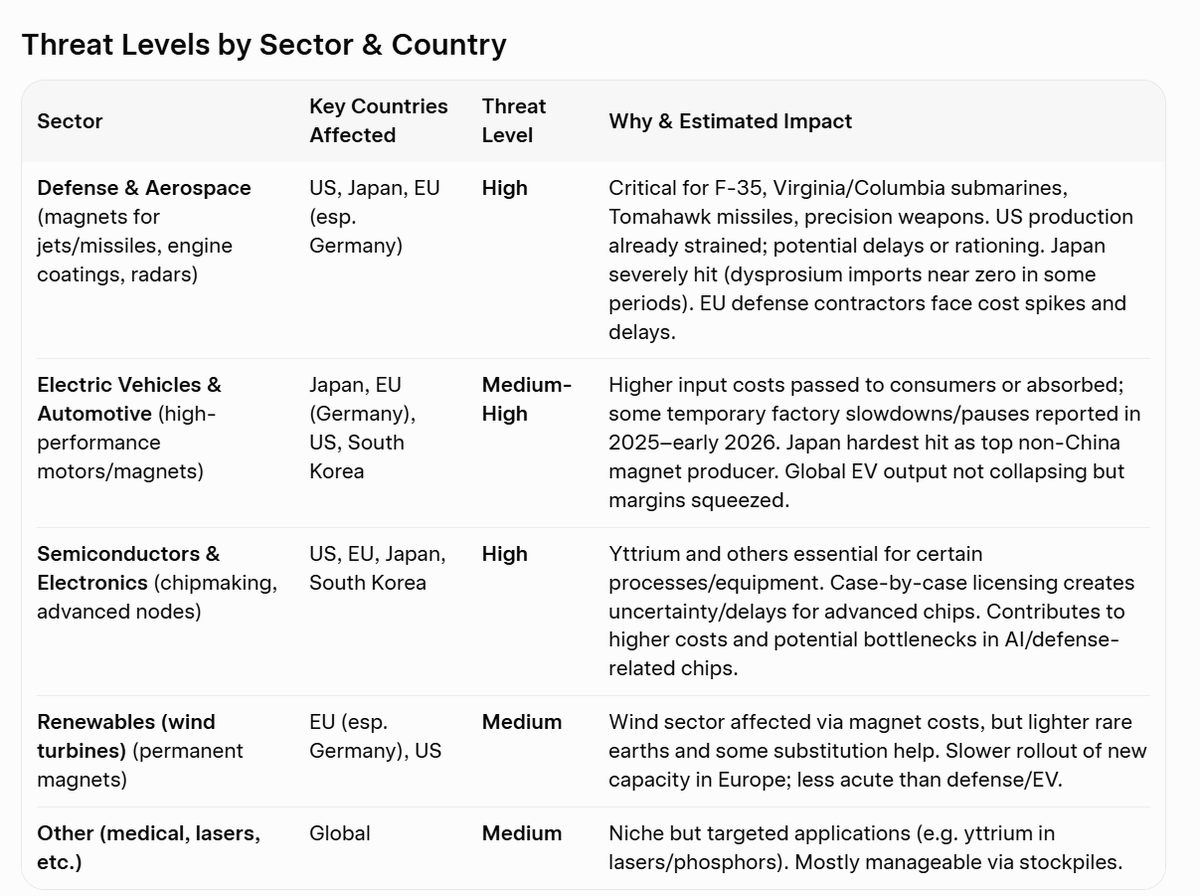
China’s rare earth export restrictions are a direct strategic threat to the West. For China enthusiasts who claim China shows zero aggression, these policies are blatantly inflammatory to geopolitical stability
Since April 2025, Beijing has restricted key heavy rare earths (dysprosium, terbium, yttrium etc.) in retaliation for US tariffs. Exports down ~50%. Prices outside China exploded: yttrium oxide 140x to ~$1,100/kg, dysprosium & terbium 4–5x higher.
These are vital for defence magnets, jets, missiles, EVs & semiconductors. China controls 70% of production 90% of processing. China is basically telling the US and the rest of the West that it will disarm you militarily and economically through your supply chains
This is economic warfare — weaponising supply chain dominance to coerce the West. It provokes the West into responding and escalating. The West, in turn, has provocative policies of its own that together form a ladder of escalation. Do not make a mistake, China is intent on dominating the world in a way that it can set its own terms, let's not pretend both sides aren't playing this game, it's propaganda to think otherwise theoregongroup.com/commoditi…
139
22
109
87,597
🇦🇺Craig Tindale retweeted

Jun 10
In today's complex world, many mistake models for reality. As @ctindale notes, this delusion leads to critical dependencies that are now being exposed. It's time to rethink our approach to #Global supply chains. #Economy competentinvestor.com/fallin…

3
13
2,290
Jun 10
If you’re interested in the cutting edge of longevity science, you need to follow@GerontologyMike , who is a heavyweight gerontologist who founded Geron (where human telomerase was first explored), has just launched a 10-part series on age reversal by genomic reprogramming.
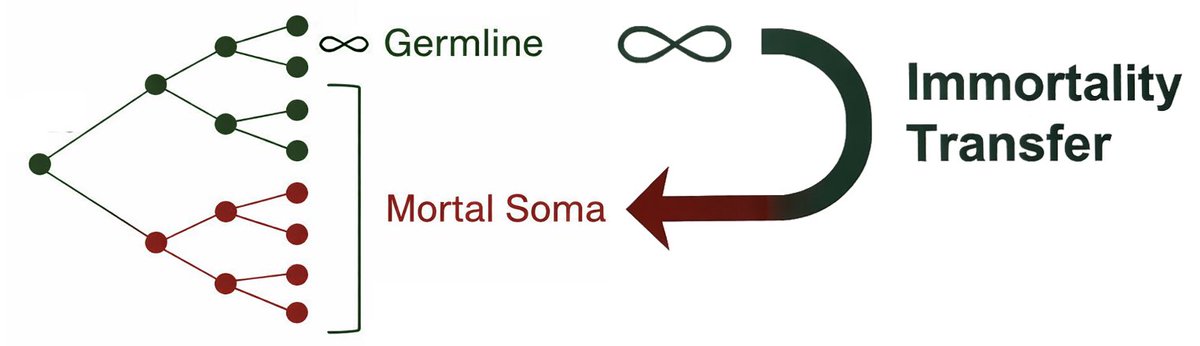
It’s called “transcriptional reprogramming,” also known as partial/epigenetic reprogramming or iTR. The goal? Take the “immortality” of the germline (the continuous sperm/egg lineage that’s been going for billions of years) and transfer that regenerative capacity back into the mortal cells of our bodies.
The germ-line, the lineage of sperm and egg , is effectively deathless. It has been replicating, without interruption, since the first spark of life on Earth billions of years ago. Every human alive today carries cells whose direct ancestors have never died. The soma (the body we actually experience as “us”) is the disposable vessel that evolution built around that immortal line.
Weismann’s “somatic restriction” was was the price the individual pays so that the species can continue.
Death, in this view, is not an accident of biology. It is biology’s elegant solution to the problem of perpetual existence.
West’s research asks the radical question: What if we refuse that trade-off?
By transferring the regenerative, “immortal” program of the germline back into somatic cells through reprogramming, we are essentially attempting to rewrite the evolutionary contract. We are telling the body: you no longer have to be disposable. The philosophical shock is that the very category of “mortal being” may be a historical contingency rather than a necessity.
This raises deeper questions:
• If the self we cherish is the product of a mortal soma, does radically extending or resetting that soma change the nature of the self? ( probably )
• Does the urgency of finitude , the knowledge that our time is limited , give life its depth, or is that simply the rationalisation of a biological limitation we are now learning to overcome?
• And perhaps most profoundly: for billions of years life has propagated itself by sacrificing the individual to the lineage. What does it mean for a conscious species to say, for the first time, “We choose both”?
It’s subject 100% of folk have a direct interest in.
Jun 10

In this, the first of 10 posts on age reversal by genomic reprogramming, I begin where the story really needs to begin; namely, the insights of the German naturalist August Weismann. Weismann proposed the term “immortality” to describe the unceasing lineage of cells called the “germ line” that perpetuates the species (that is sperm and egg that make babies that make sperm and egg that make babies, ad infinitum…). Weismann theorized that cells that make up the body (somatic cells) lost that capacity for immortal regeneration, a phenomenon I call “somatic restriction.” He stated “Death takes place because a worn-out tissue cannot forever renew itself, and because a capacity for increase by means of cell division is not everlasting, but finite [in the soma].” If you think about it, this means that the cells that we are made of (trillions of them) have no dead ancestors. Tracing them back in time, the ancestors of the cells that make us “us” have been proliferating since the first dawn of life on Earth, some billions of years ago. They will abruptly die in a few decades in us. The question we began to ask nearly a century after Weismann was, “can we transfer the capacity of immortal renewal characteristic of the germ line cells into our body, into the soma.” In the next post I will describe the first of such steps that led to the modern technology of immortality transfer.
7
5
82
18,263
Jun 10
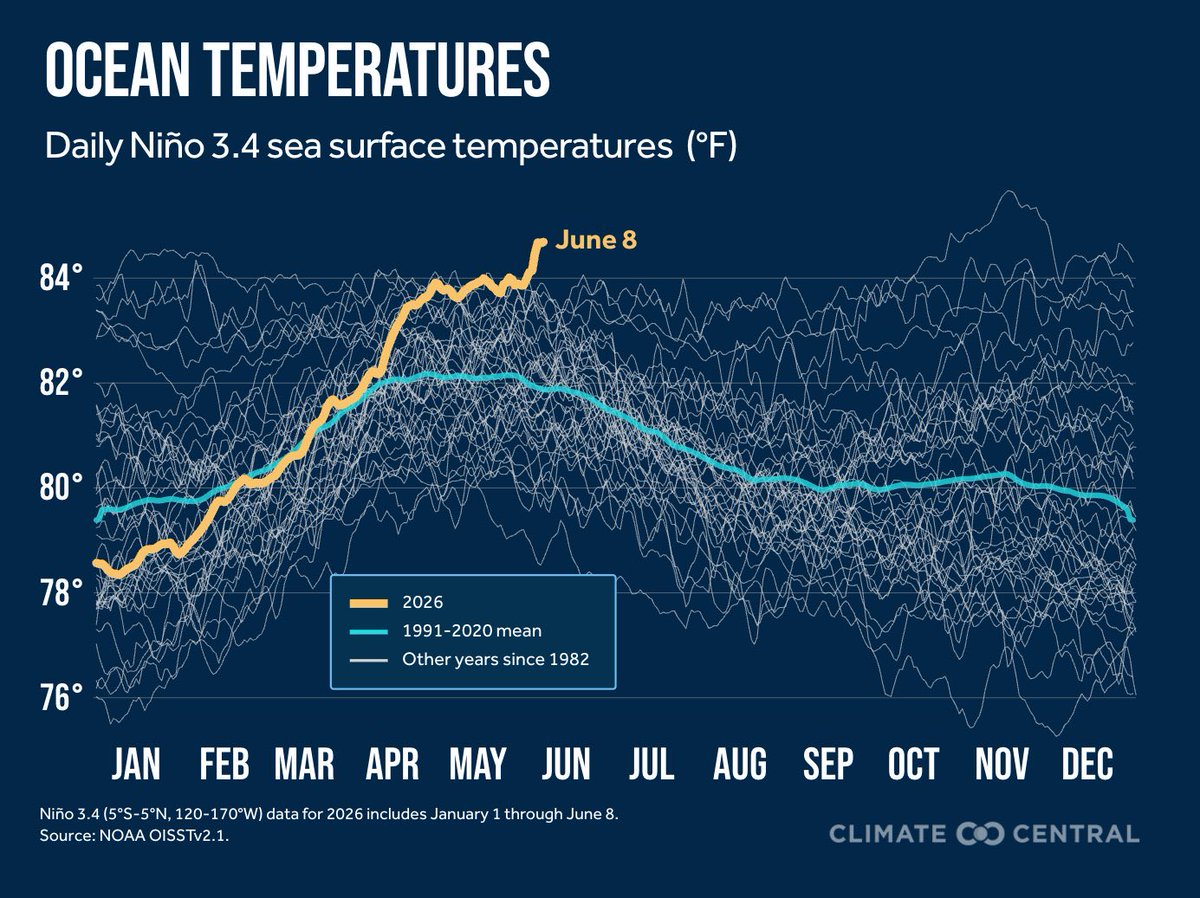
Waters pretty warm .
Jun 10

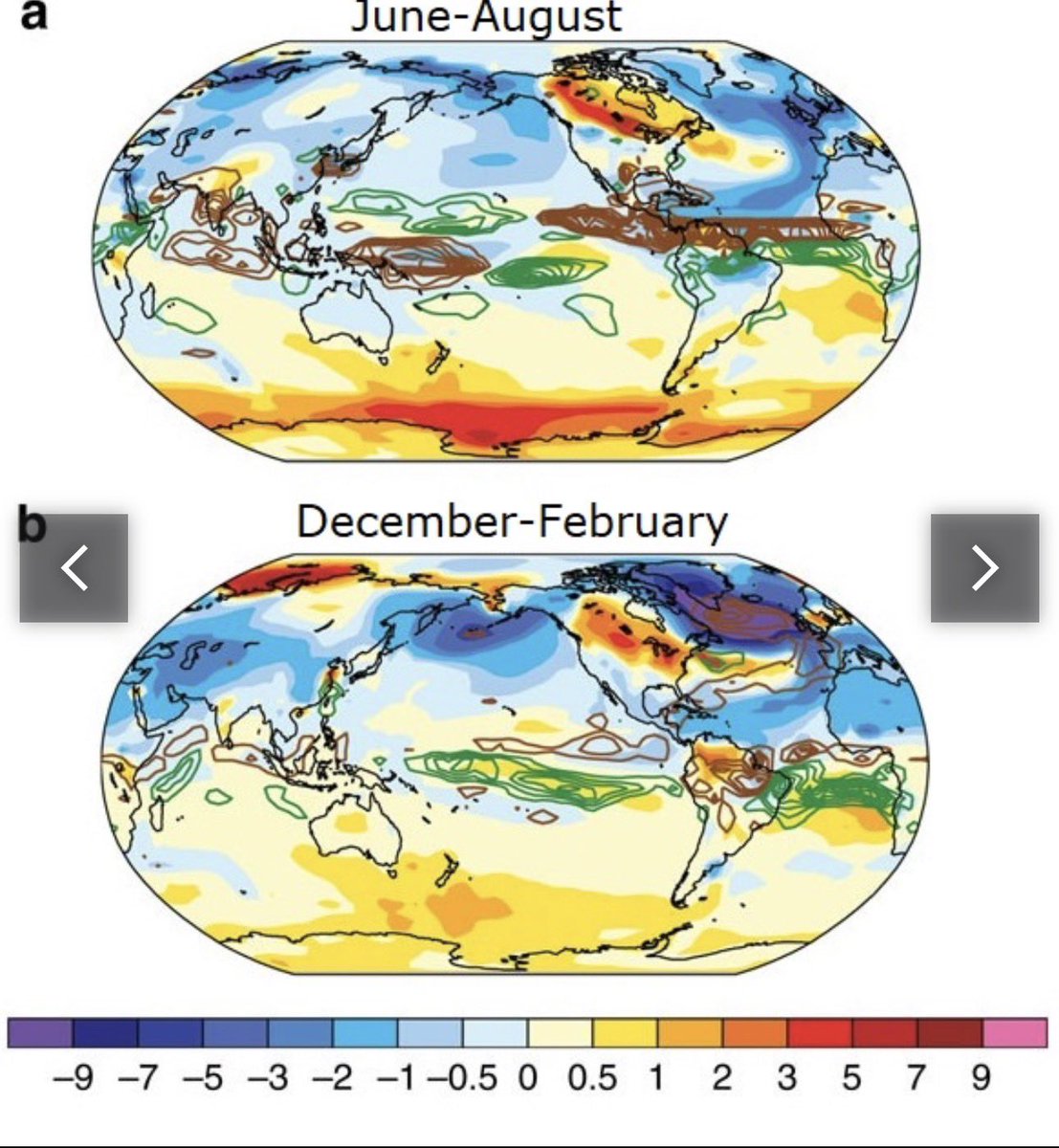
Up, up, and away for the El Niño (ENSO 3.4) region. At record levels for June via @ClimateCentral
3
7
38
5,774
Jun 9
Excellent @AtmoslabWX.
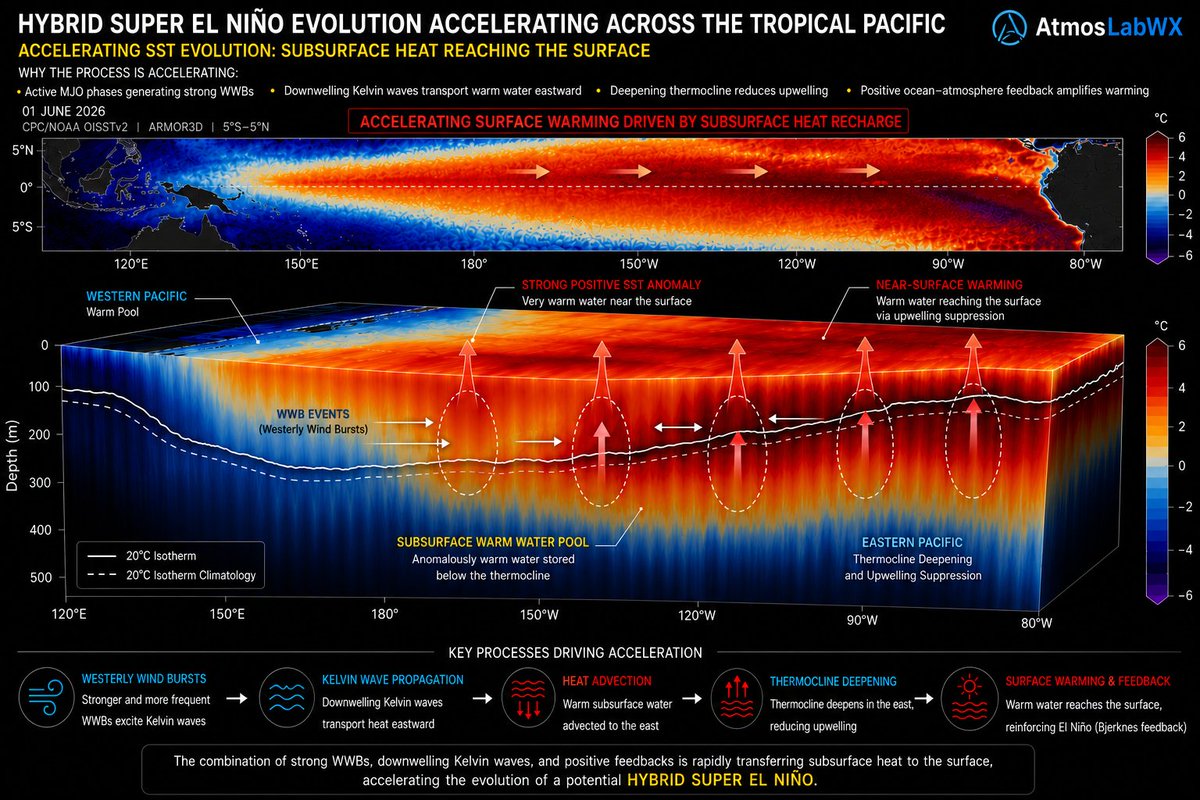
This hybrid Super El Niño evolution (massive subsurface heat strong WWBs Kelvin waves) while the North Atlantic cold blob continues expanding is precisely the coupled signal I keep raising .
The “embolism” in the AMOC is accelerating. The issue we have is nobody can predict its pathway , reversion to Younger Dryas similar to 12800 years ago isn’t unusual in earths history . The difference this time is that earth has never before had an entire global civilisation sitting on our climate
x.com/ctindale/status/205260…
Jun 8

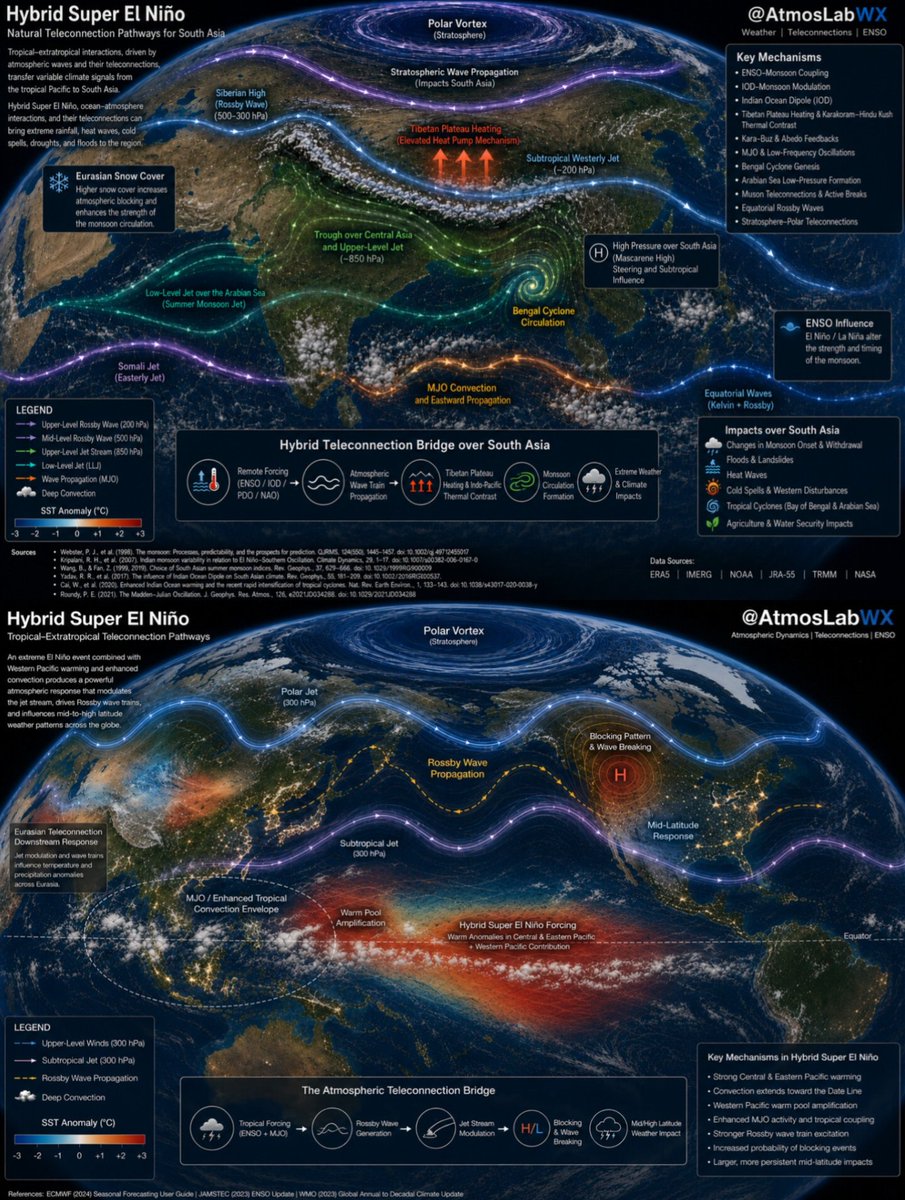
Daha önce sizlere ENSO bölgesinde hibrit karakterli olası büyük Süper El Niño senaryosunun nasıl gelişebileceğini bilimsel veri tabanları ve dinamik okyanus-atmosfer etkileşimleri üzerinden anlatmıştım. Bu çalışma yine ARMOR3D alt yüzey sıcaklık anomalileri temel alınarak, güncel BOM ve mevsimsel model çıktılarıyla entegre edilmiştir.
Ekvatoral Pasifik'in yüzey altında yer yer 6°C'yi aşan devasa alt yüzey sıcaklık rezervuarı bulunuyor. Aktif MJO fazlarının ürettiği güçlü WWB (Westerly Wind Burst) patlamaları, doğuya ilerleyen downwelling Kelvin dalgaları ile bu enerjiyi yüzeye taşıyarak süreci hızlandırıyor.Şuan resmi ilan olmasa da fiziken el nino devam ediyor ,mevcut dinamikler zayıf kategoriden, orta kuvvet kategorisine ilerleyen El Niño'nun yazın ikinci yarısında Ağustos civarı kuvvetli El Niño'dan hibrit karakterli Süper El Niño eşiğine evrimleşebilecek bir potansiyel taşıdığına işaret ediyor (Güçlü WWB patlamlarıyla).
Ancak kritik nokta, ısının Pasifik boyunca homojen değil heterojen dağılmasıdır. Bu nedenle karşımızda klasik tek çekirdekli bir El Niño değil, farklı maksimumlara sahip hibrit bir yapı bulunuyor.
Sonbahar projeksiyonlarında Maritime Continent üzerinde belirgin yağış azalması sinyalinin görülmesi de Walker sirkülasyonundaki yeniden yapılanmayı destekliyor. Bunun anlamı; Asya muson sistemi ve Batı Kuzey Pasifik tayfun aktivitesinin doğrudan etkilenmesi, yağış kuşaklarının yeniden organize olması ve tropikal konvektif forcingin güçlenmesidir. Güney Asya'da ise hibrit El Niño nedeniyle musonun düzensizleşmesi ve bölgesel kuraklıkların daha belirgin hale gelmesi olası görünüyor.
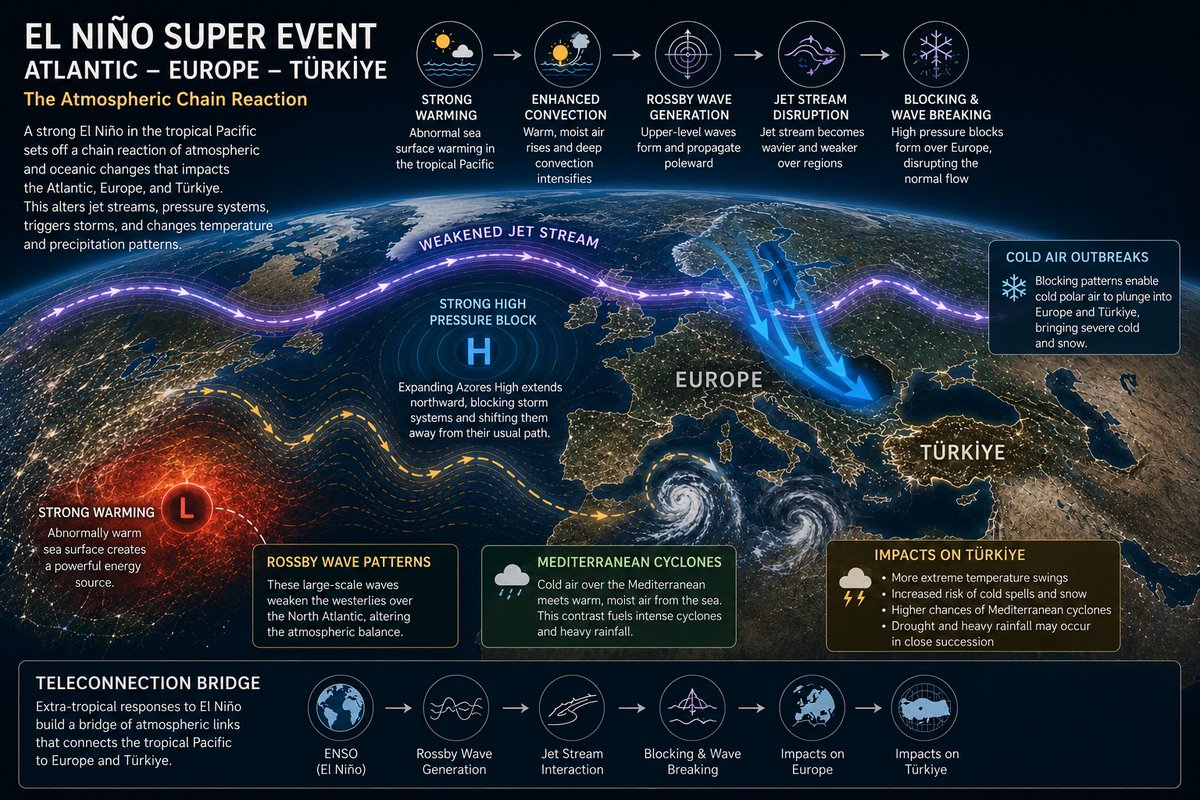
İşin en ilginç kısmı ise buradan sonra başlıyor. Hibrit yapı, Rossby dalga üretimini, dalga genliğini ve jet akışındaki meridyonel salınımları klasik El Niño olaylarından farklı şekilde modüle edebilir. MJO ve BSISO'nun ağırlıklı aktif olarak Faz 5-6-7, zaman zaman Faz 8 evrelerinde üreteceği tropikal konveksiyon anomalileri; WAF (Wave Activity Flux) propagasyonu ile önce PNA'yı, ardından Atlantik sektöründeki NAO desenini modüle ederek orta enlem troposfer dolaşımını yeniden şekillendirebilir. Asya-Pasifik'te başlayan bu süreç upstream forcing olarak çalışırken, downstream tarafta Atlantik–Avrupa–Akdeniz–Türkiye sektöründe daha dinamik ve yüksek genlikli atmosferik dolaşımı destekleme potansiyeli taşıyor. Sonbahar için aksiyon sinyali (epizodik olarak kuvvetli rüzgarlar, bol yağış ve gök gürültülü fırtınalar) korunuyor ve önceki değerlendirmelerim genel hatlarıyla geçerliliğini sürdürüyor.
Şu an en büyük soru işareti gibi görünse de Arap Yarımadası ve Ortadoğu'nun bu telekoneksiyonlara vereceği yanıt farklı olabilir. İlk sinyaller, kuraklık riskinin klasik El Niño beklentilerine göre daha düşük kalabileceğine işaret ediyor. Walker sirkülasyonundaki yeniden yapılanma, Hint Okyanusu konvektif forcingi, subtropikal jet güçlenmesi ve Rossby dalga trenleri; Arabistan–Irak–İran hattında sonbahar döneminde yağış ve gök gürültülü fırtına aktivitesini klimatoloji üzerine taşıyarak pozitif anomali oluşturabilir.
Not: Literatüre uygun oluşturduğum sizlerle paylaştığım figürler, El Niño'nun okyanusal evriminden başlayarak Rossby dalgaları, WAF propagasyonu, jet akımı modülasyonu ve telekoneksiyonlar yoluyla Atlantik–Avrupa–Türkiye sektörüne uzanan aynı fiziksel sürecin farklı aşamalarını göstermektedir. Kış döneminde bu etkilerin daha belirgin hale gelmesi mümkündür.
Bu çalışma deterministik bir tahmin değil, güncel gözlemler ve literatürde tanımlanan atmosfer–okyanus etkileşimlerine dayalı kavramsal bir değerlendirme çerçevesidir.
7
3
20
5,992
Jun 7
I don’t care what political affiliation or climate belief you have - a cost blow out from 2.4b to $40b is ridiculous and a serious response is to consider closing the project before we lose more

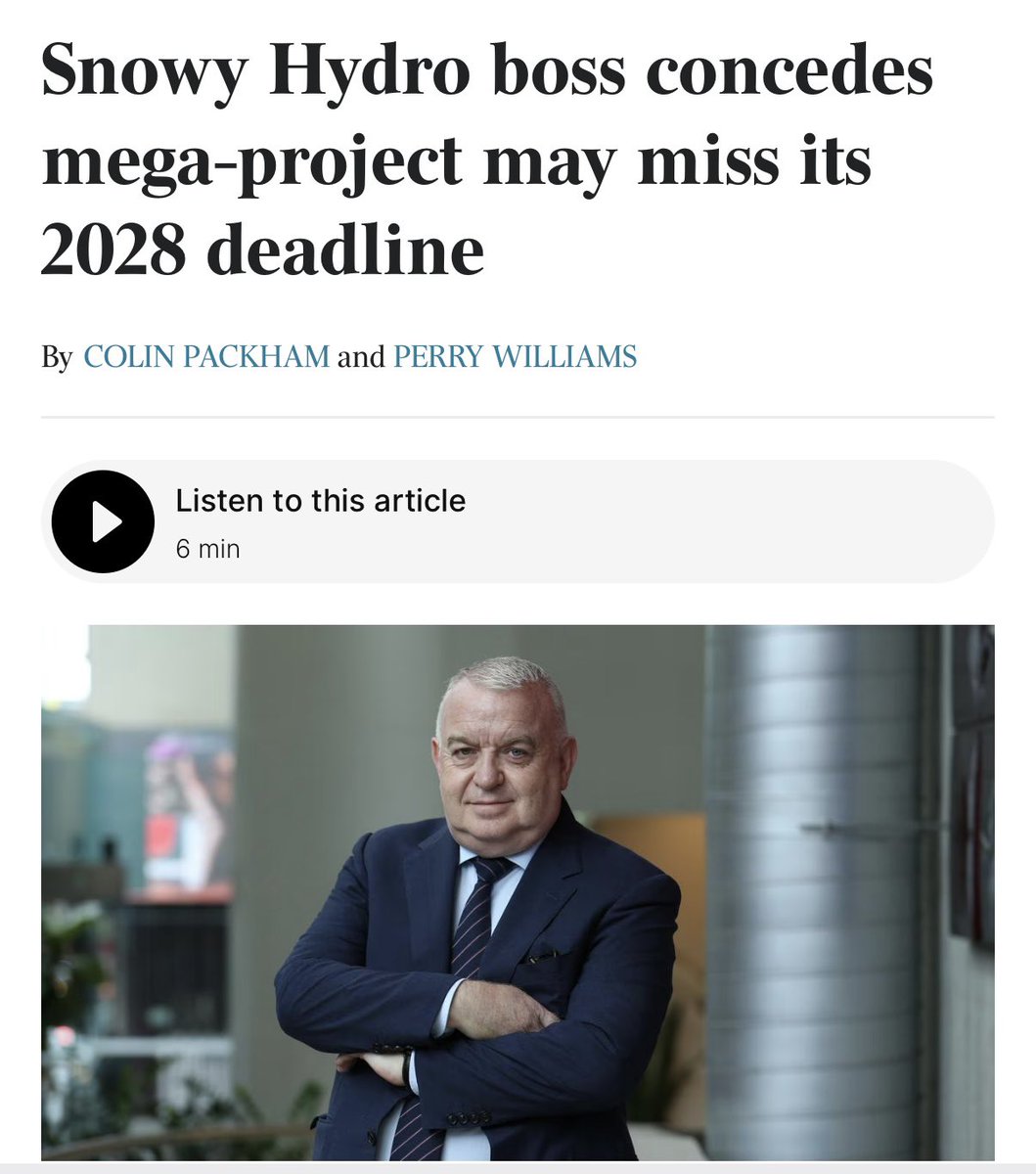
Snowy Hydro has conceded it may miss its 2028 deadline for finishing the Snowy 2.0 project and revealed its “disappointing” Italian contractor Webuild could suffer losses depending on the size of a major budget blowout.
“The end of 2028 is not feeling comfortable,” Mr Barnes told The Australian on Thursday. “That’s probably that.”
However, Mr Barnes disagreed with Webuild handing itself a high rating.
“They’ve been a bit disappointing,” the Snowy chief executive said. “There’s been lots of things that they’ve had to deal with. They are pretty engaged with us. But it’s been challenging for them and it’s been challenging for us. Could they have done a better job? Probably.”
Asked to elaborate, Mr Barnes said: “I think that’s probably best left to when we announce the new cost.”
It's time to end the $40 billion Snowy 2.0 and Net Zero Scam.
23
31
188
11,655
Jun 7
This is one of the central truths of this era: as much as we want to know the future at the moment, it will remain unpredictable to even the most competent people

The Saudi Arabian Energy Minister on why he remains silent during what he calls the world's largest energy security crisis:
Abdullah bin Salman:
🟥 "For me, silence is an acknowledgment, a humble acknowledgment of the fact that I don't know what will happen.
Not tomorrow, and not even in half an hour. So if you don't know what will happen, you should be humble enough to say: I don't know that.
If you don't know that - be silent. Silence is a form of speech."
9
18
127
23,044
Jun 6
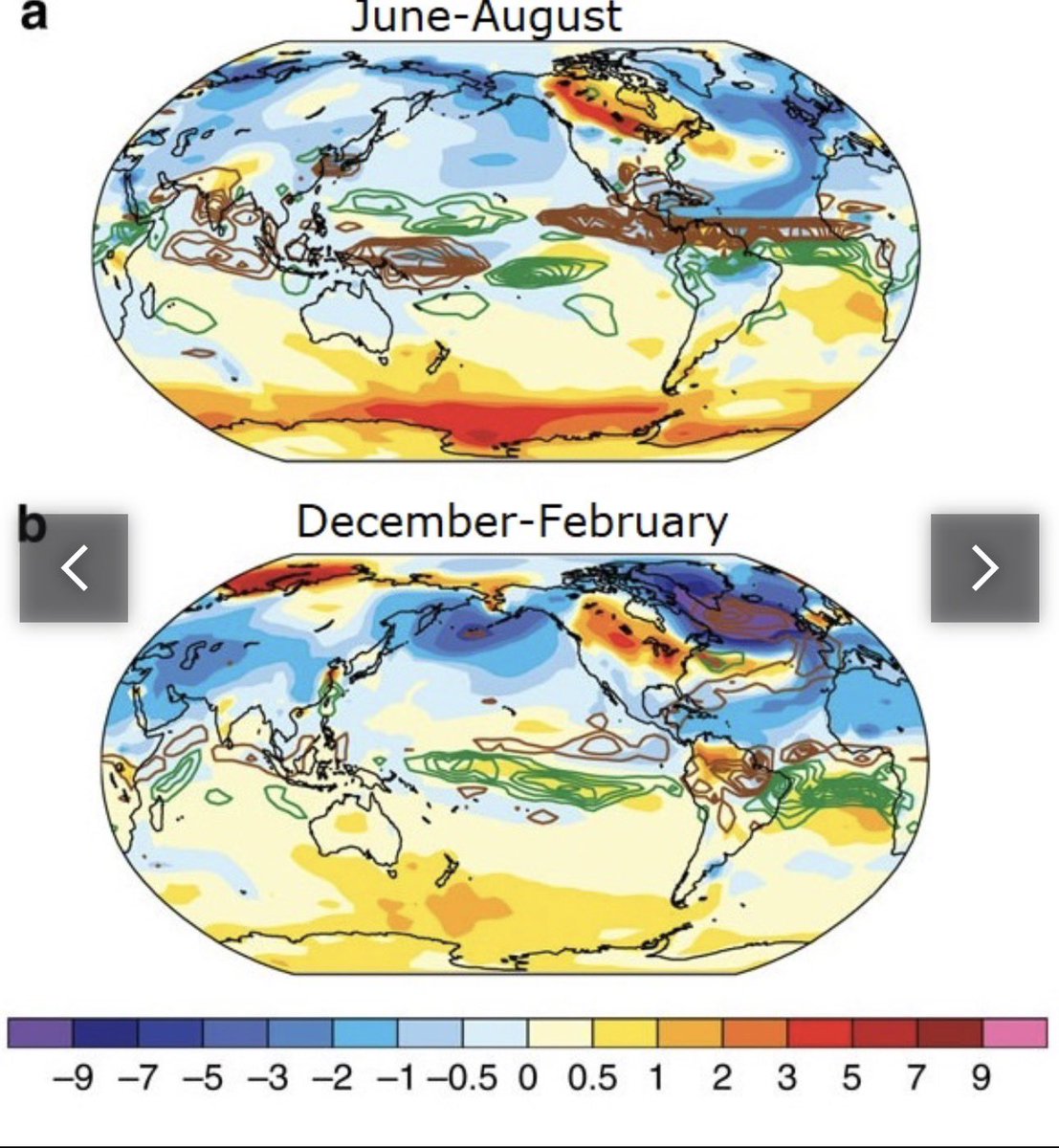
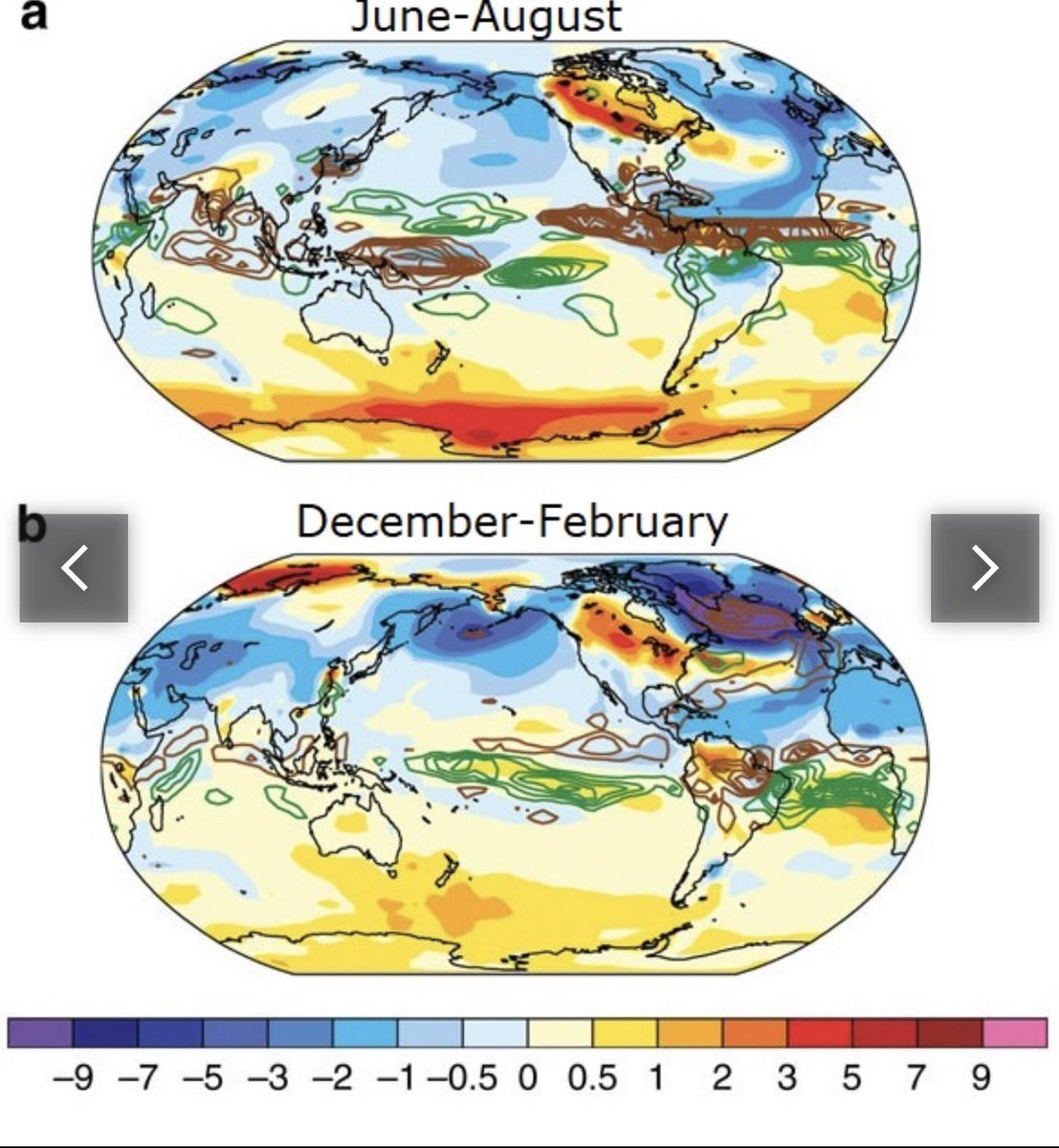
The North Atlantic cold blob is expanding while El Niño is simultaneously getting deeper, hotter, and bigger.
Latest evidence confirms a huge expansion of the cold blob , exactly the signal of accelerating AMOC weakening.
This is the “embolism” I’ve been talking about: the warm current that keeps the northern hemisphere mild is being blocked by a growing cold blob. Gulf heat is being forced to divert elsewhere.
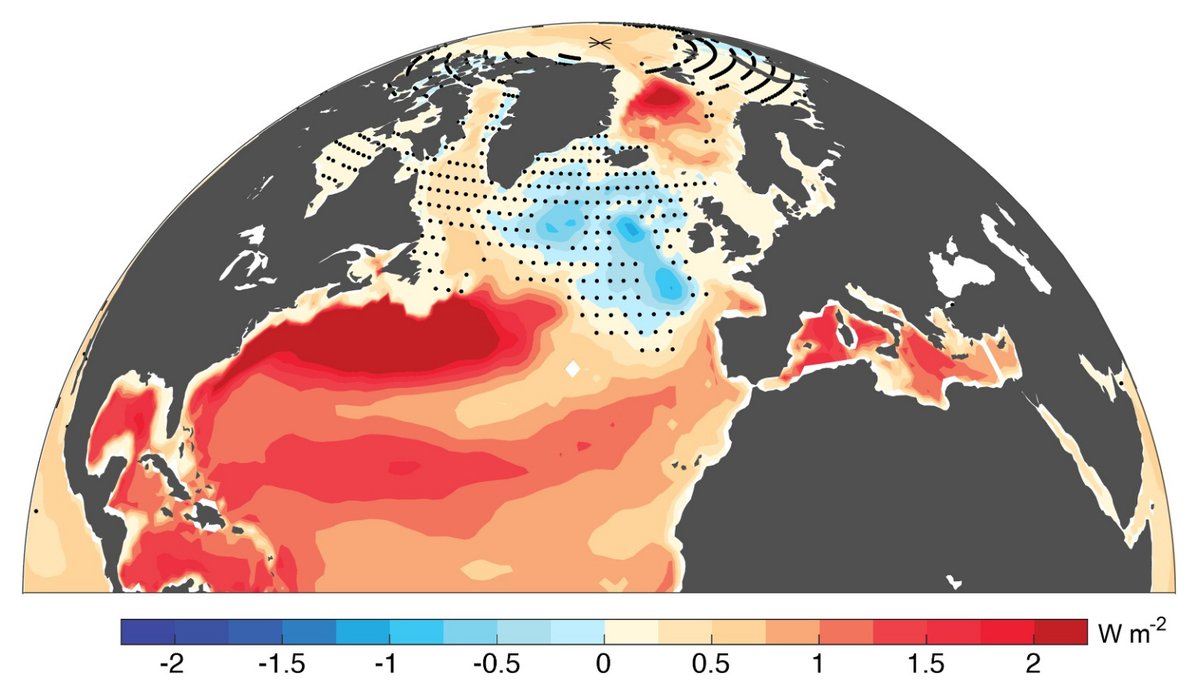
Rahmstorf’s brand-new 2026 paper just confirmed it with observations: the cold blob’s multidecadal cooling is driven by reduced ocean heat transport (AMOC slowdown), not surface fluxes. Full-depth heat content is declining.
But even this strong paper — and the broader science , is still too conservative.
Why do I say that ? Models average freshwater melt evenly instead of the real high-velocity point-source plumes from Greenland’s fjords. They miss ice-sheet basal thresholds that can suddenly accelerate discharge. They don’t capture the full industrial-biology loop: open-loop scrubbers deoxygenation phytoplankton shifts → then clearer water then deeper solar heat penetration then faster melt then more freshwater then further AMOC slowdown (plus lost DMS for clouds and potential N₂O hotspots).
The system is nonlinear and coupled. The tipping point risk is a lot closer than everyone thinks , possibly right now.
I’ve been yelling that our prediction science and risk standards are wrong for a threshold-driven system.
Models are maps, not the territory. The territory already has sharper edges and the territory , the actual climate that is unfolding right now looks significantly different to the current science models
The problem we have is the science models through conditioned model orthodoxy doesn’t measure the actual risk . The IPCC models dumb the coupled tipping data down
Full essay with every mechanism explained (point-source hosing, ice thresholds, phytoplankton/scrubber loops, aerosols, albedo, polar motion, better evidence standard):
x.com/ctindale/status/205260…
The embolism is growing in front of our eyes. Thoughts?

Multidecadal Atlantic “Warming Hole” Heat Content Variations Are Caused by Ocean Heat Transport, Not by Surface Fluxes
agupubs.onlinelibrary.wiley.…
drive.google.com/file/d/1rQC…
Trend of ocean heat content in W/m² in the full‐depth water column for 1955–2024, the interval over which these data are considered sufficiently reliable (Cheng et al., 2024). Non‐significant trends (90% level) are indicated by stippling. Note that even no trend in the “cold blob” region would be highly relevant when almost the whole globe is warming.
Credit: Rahmstorf et al. (2026)
43
263
1,106
170,910
Jun 6
If only he could sing
Jun 5

I see your profile picture. That’s Johnny Cash. My hero too. Arrested seven times. Smuggled 668 amphetamines across the Mexican border in 1965. Took every drug there was and drank like I did. Cheated on his first wife. Slept with more woman than I ever did. Hit bottom in a cave in Tennessee in 1968 trying to crawl off and die. And then he got up. He got clean. He spent the rest of his life singing for prisoners and addicts and the people the country threw away because he knew he was one of them.
That was the whole point of the Man in Black. He wore it for the poor and the beaten down. He wore it for the prisoner who has long paid for his crime. He wore it for the ones who never heard a word of Jesus. He wore it for the addicted and the dying. He wore it as a standing witness that no one is past saving.
You picked his picture. You did not pick his message. Try listening to the words.
1
15
7,037
Jun 5
Peak drone is years away , panic scaling for drone production is next , the overall arms race accelerating
Jun 4

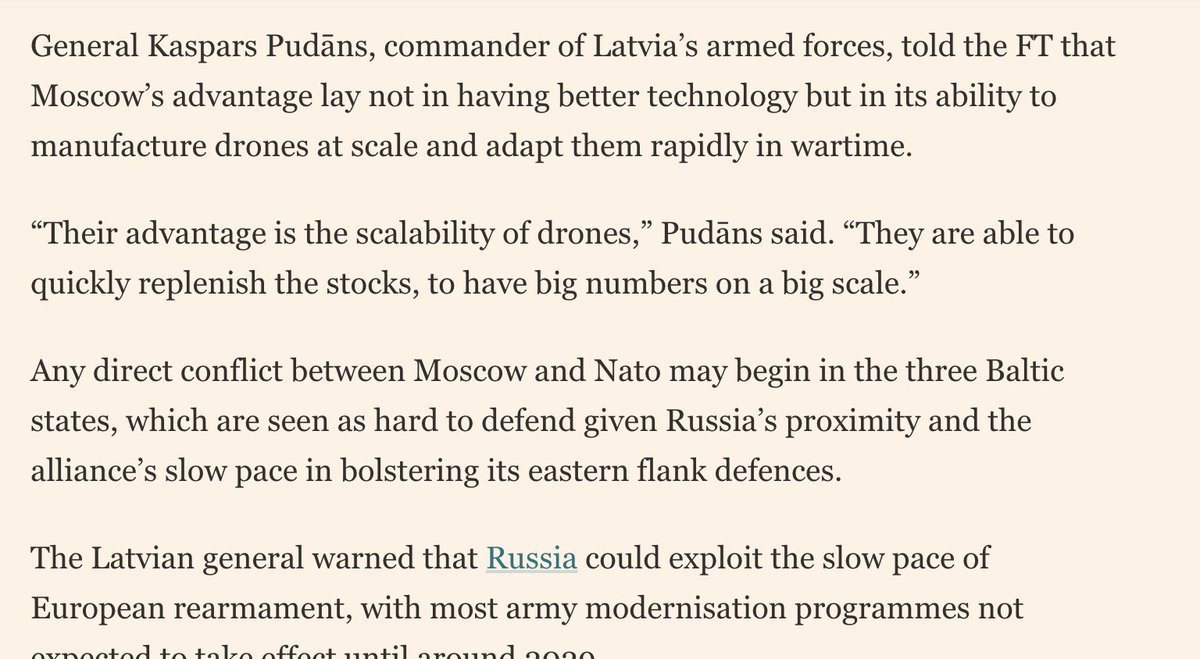
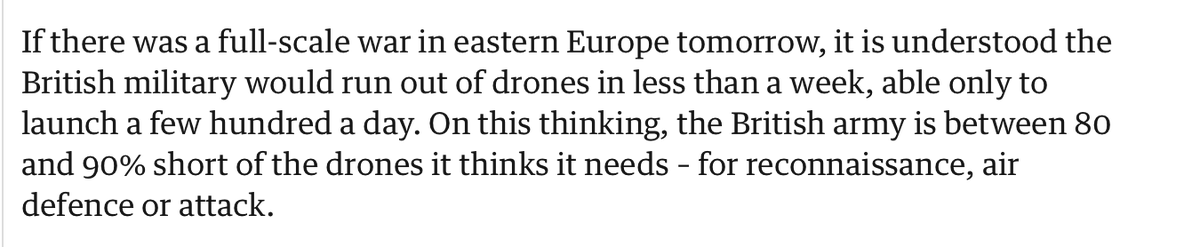
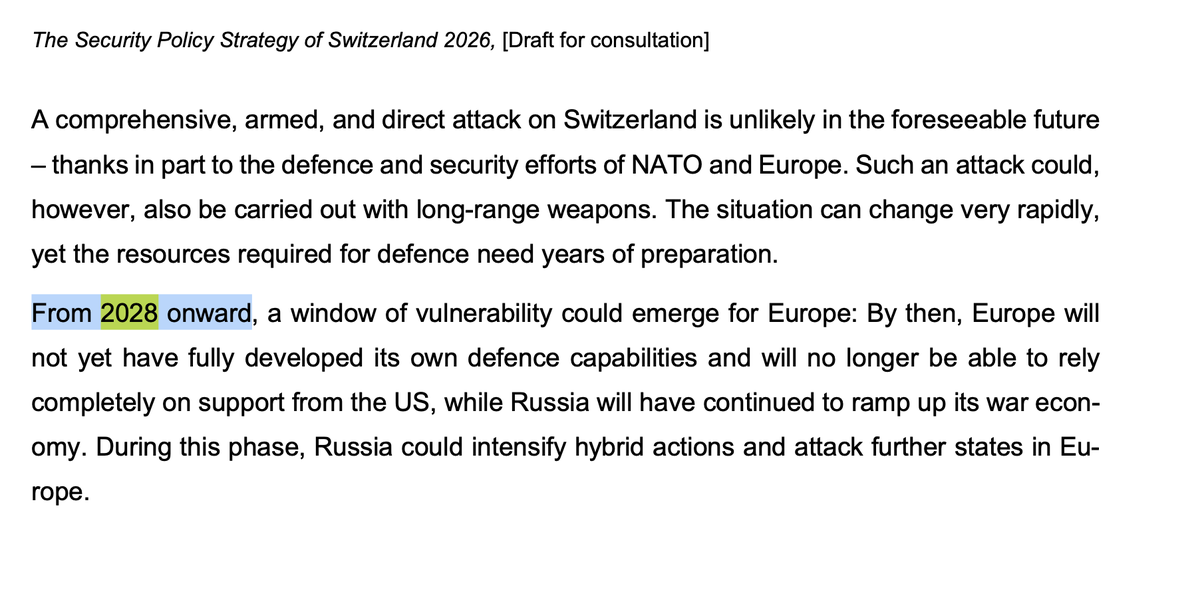
"In a British Army exercise which gamed out a war in Estonia last month, commanders assumed they would run out of drones in less than a week". Latvian military chief Gen. Pudāns warns Russia may see a window to move against NATO’s Baltic flank by end-2028. The driver is speed: Russia is scaling drones, adapting in battle and expanding its war economy faster than Europe is rebuilding air defence, ammo, logistics and industry. Others signal the same danger window. Switzerland warns that after 2028 Europe may still lack full defence capacity, rely less on US support, while Russia keeps militarising. Estonia points to 2027 for restored Russian combat readiness. Poland, Lithuania, NATO and the EU warn of Russian testing through drones, sabotage, cyberattacks and infrastructure threats. Same conclusion everywhere: 2027-2029 is the gap Europe must close now.
1
2
38
7,625
Jun 3
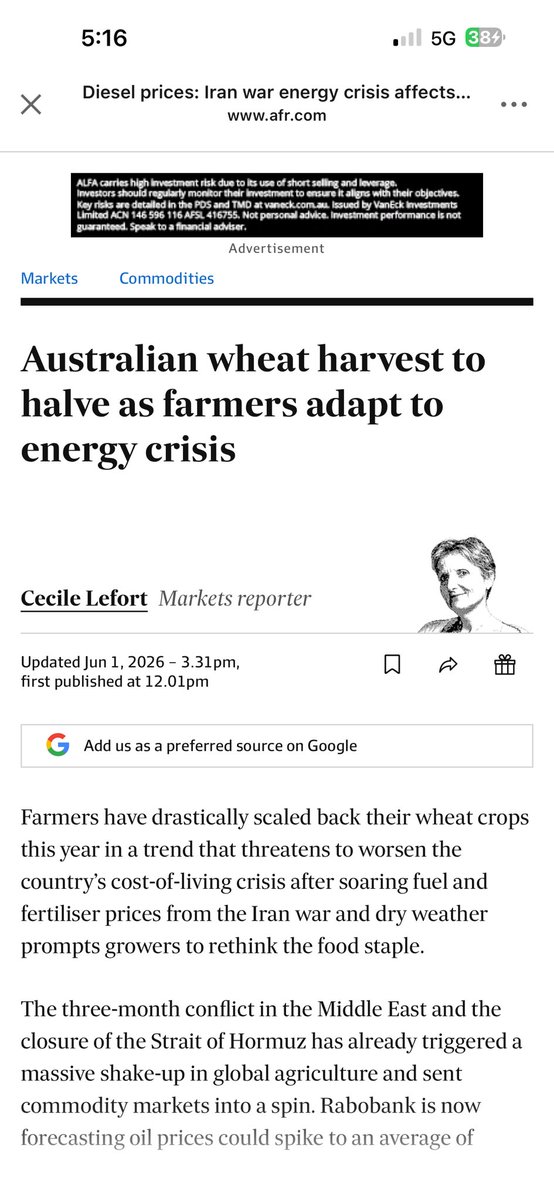
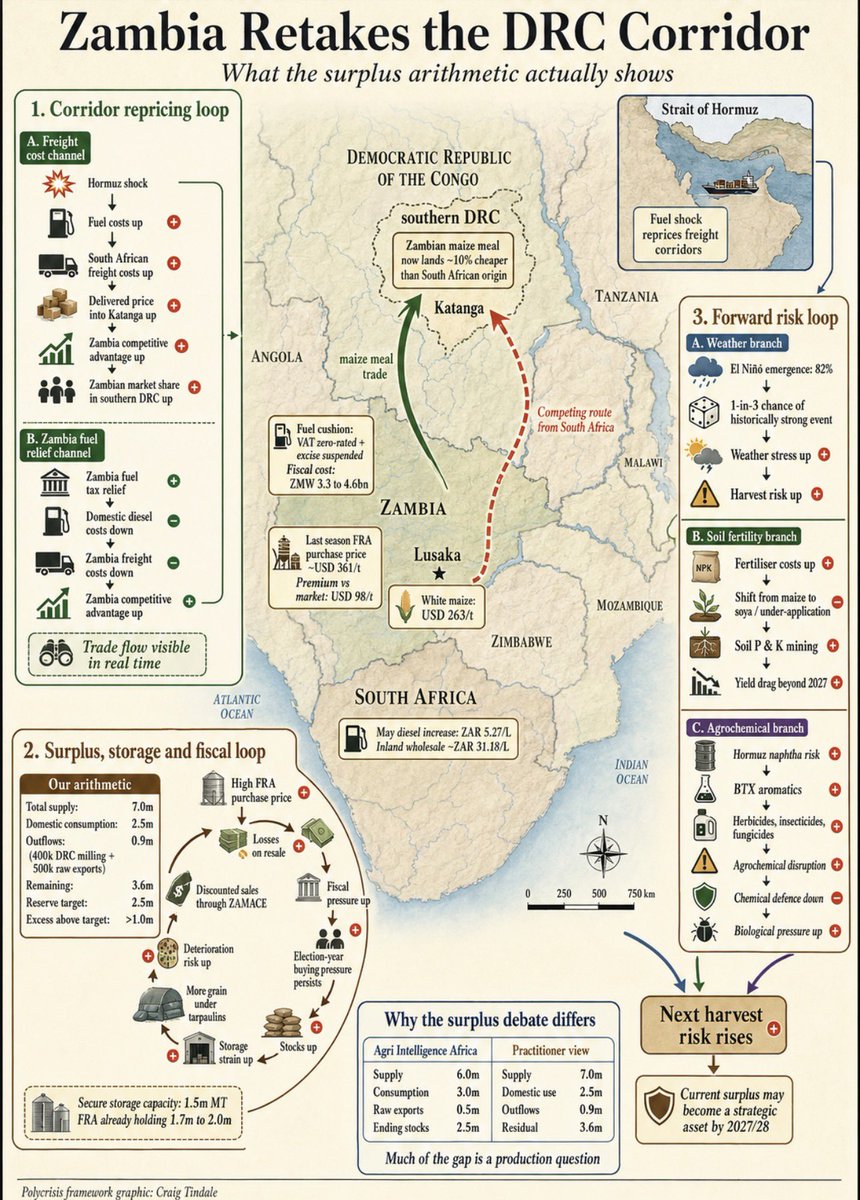
China starts using reserves seriously julyish , it’s the petro chemical that start biting , 44m t of naphtha went through Hormuz to Asia previous , US has tripled its ethane exports to China in the last 18 months , then you get into all secondary derivative chemicals , refineries use chemicals in the refine process , even explorers and drill services . The world’s just a big chemistry set . Then there is rumour that Iran already has a bomb from Pakistan or NK….how does it all resolves itself ? What is anyone supposed to think ? We seem to be drifting the wrong way .
8
8
108
10,387
Jun 2
Permanent closure of Hormuz - Iran has a bomb sent to them by Pakistan or North Korea - Iran ending all negotiations -Trump angry at Bibi - things still going from bad to worse

BREAKING: Iran announces it is ending all negotiations with the US and vows to "completely" block the Strait of Hormuz, per CNBC.
Iran says it is ending negotiations due to repeated ceasefire violations including Israeli strikes in Lebanon.
Iran also threatens to block the Bab el-Mandeb Strait.
5
2
83
16,516
Jun 2
Nationalisation ? Not creating shareholder risk at all
Jun 2

I will soon be introducing a bill to give the public a 50% ownership stake in the largest AI companies in America.
This would guarantee that the trillions created by AI are used to improve the lives of all of us — and block oligarch decisions that harm the American people.
12
1
33
6,406