आर्यावर्त पुत्र आर्य🕉️🚩
Joined May 2017
- Tweets 6,243
- Following 230
- Followers 227
- Likes 17,053
611 Photos and videos



भ्रुगुवंशी आदर्श (𑀆𑀤𑀭𑁆𑀰) retweeted

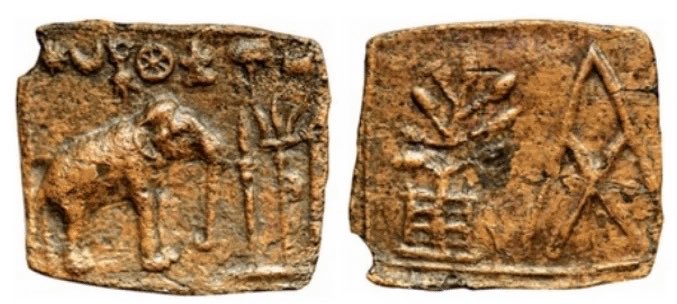
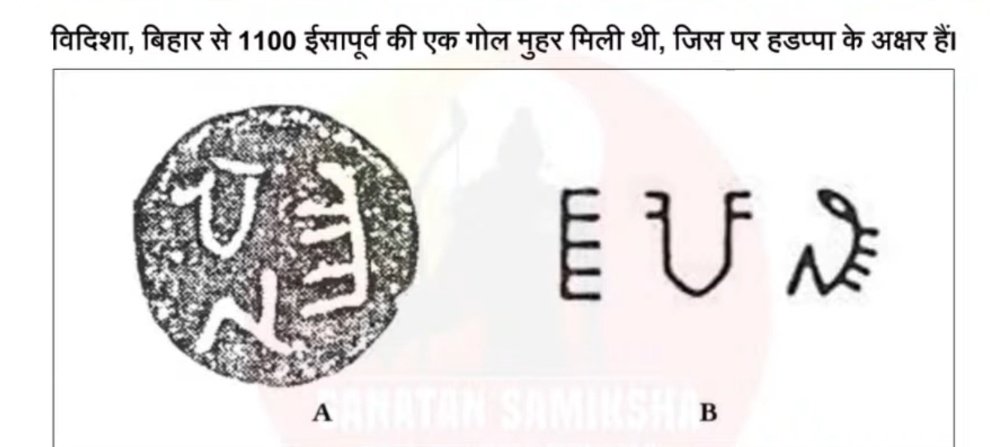
this is *not* an Indus Valley seal from 2000 BC
it’s a Pāṇḍya dynasty copper coin from ~200 BC
the elephant, symbol sequence, and fish sign on the obverse look so Harappan
i’m struck by the continuity in style across 2 millennia and regions of the subcontinent
7
21
86
5,409
भ्रुगुवंशी आदर्श (𑀆𑀤𑀭𑁆𑀰) retweeted

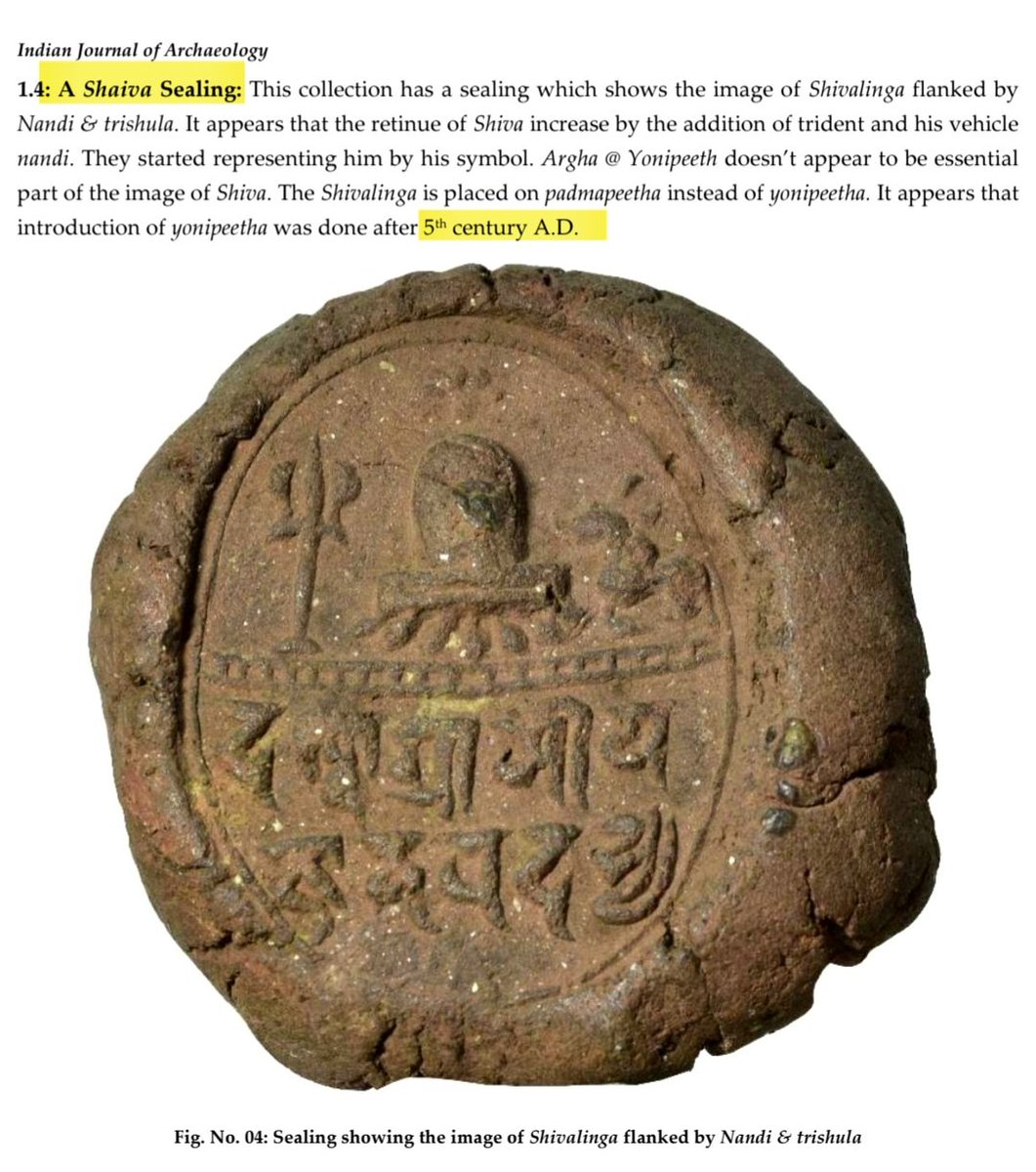
5th century CE, Shiva seal 🕉 with the depiction of Nandi and Trishool
4
14
172
भ्रुगुवंशी आदर्श (𑀆𑀤𑀭𑁆𑀰) retweeted

Every calculation you have ever done uses a system India invented.
Before Indian mathematicians gave the world zero and the decimal place, Greek and Roman maths used letters for numbers. Try multiplying MXLVII by CCXCIV. Merchants, architects and astronomers across the ancient world were trapped.
Baghdad's Al-Khwarizmi (c.780–847) transmitted it west. His book on the Indian place system and algorithmic calculation laid the foundation of modern mathematics. The word "algorithm" is a corruption of his name. "Algebra" comes from his treatise title. Both are Arabic transmissions of Indian originals.
Abraham Seidenberg's History of Mathematics credits India's Sulba Sutras as the inspiration for all mathematics of the ancient world.
Lin Yutang, Chinese philosopher: "India was China's teacher in trigonometry, quadratic equations, grammar, phonetics."
Carl Sagan thought Vedic cosmology the only ancient system whose timescales correspond to modern scientific cosmology.
Every time a computer runs, it counts in a system India designed.
100
2,790
7,661
111,747
भ्रुगुवंशी आदर्श (𑀆𑀤𑀭𑁆𑀰) retweeted

Jun 15
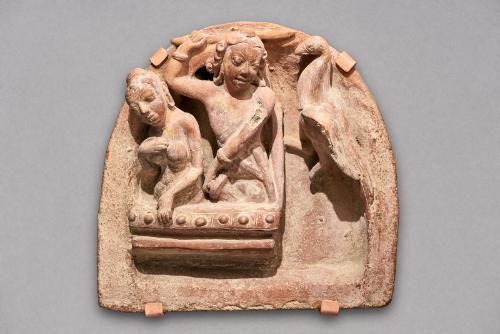
A Gupta Era terracotta depicting the scene of Śrī Valmiki Ramayana
"Jatayu, the heroic king of the vultures, attempts to prevent Ravana from abducting Bhagavati Sita".
8
30
409
भ्रुगुवंशी आदर्श (𑀆𑀤𑀭𑁆𑀰) retweeted

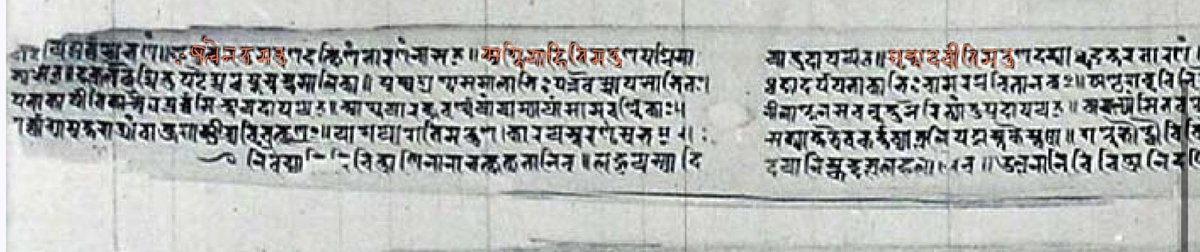
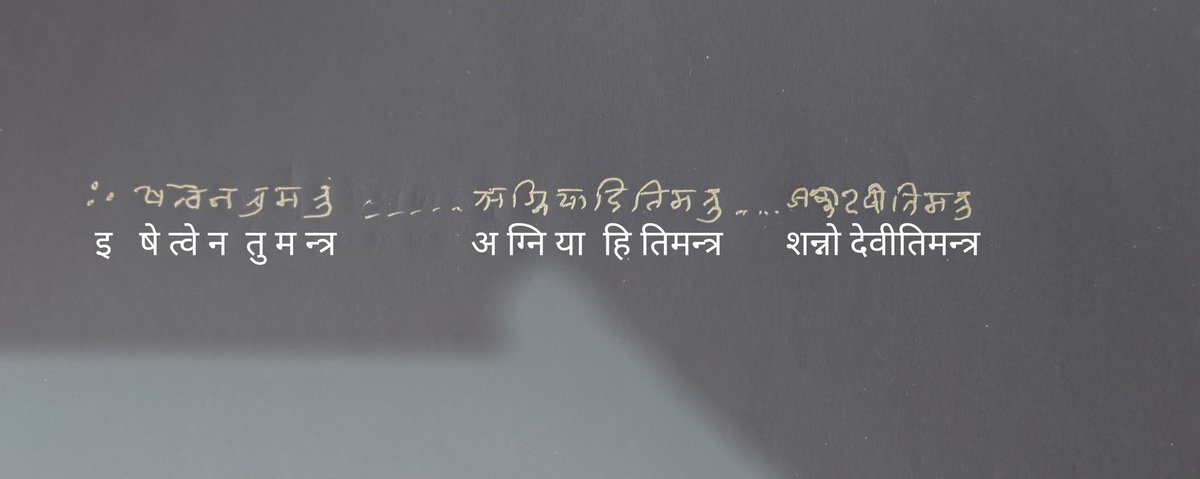
11 th century manuscript.
In which the half-verses (ardha-richas) of the first mantra of all the four Vedas have been quoted
(१) अग्निमीळे - ऋ.१.१.१
(२) इषे त्वे... यजु. १.१
(३) अग्ना याहि..- साम. १.१
(४) शन्नो देवी.. - अ.पै. स. १.१.१
@Aatma_the_soul4 @AbhayK70627 @anshikashukla_ @Param_Chaitanya @yajnadevam @MumukshuSavitri @monidipadey @sarvamedha @SanjeevSanskrit
2
15
41
1,354
भ्रुगुवंशी आदर्श (𑀆𑀤𑀭𑁆𑀰) retweeted

Jun 14
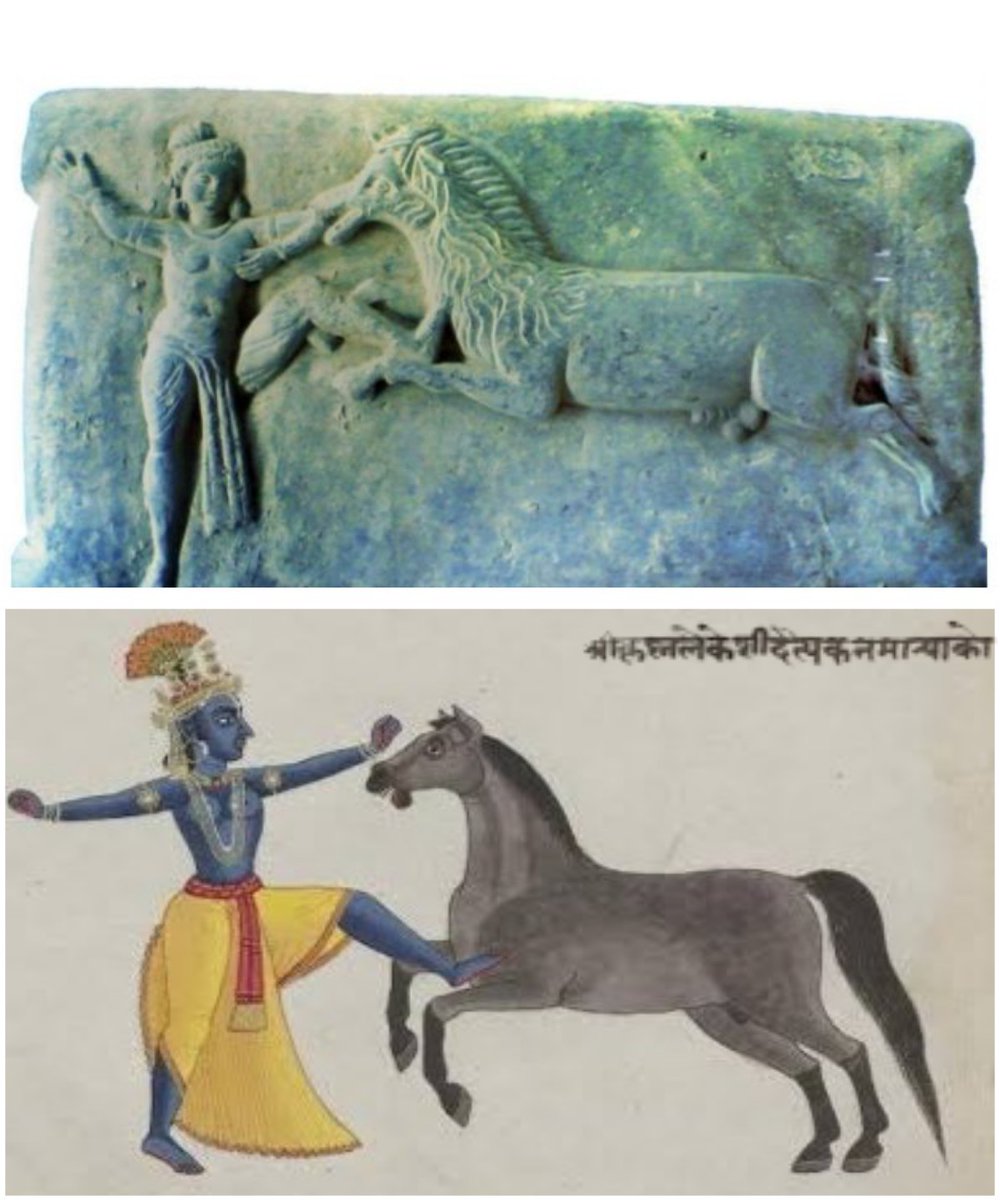
Lord Krishna ki||ing the horse-demon 'Keshi', a 4th century panel from Taxila, Gandhara, and a medieval painting from Nepal.
13
231
1,752
18,345
भ्रुगुवंशी आदर्श (𑀆𑀤𑀭𑁆𑀰) retweeted

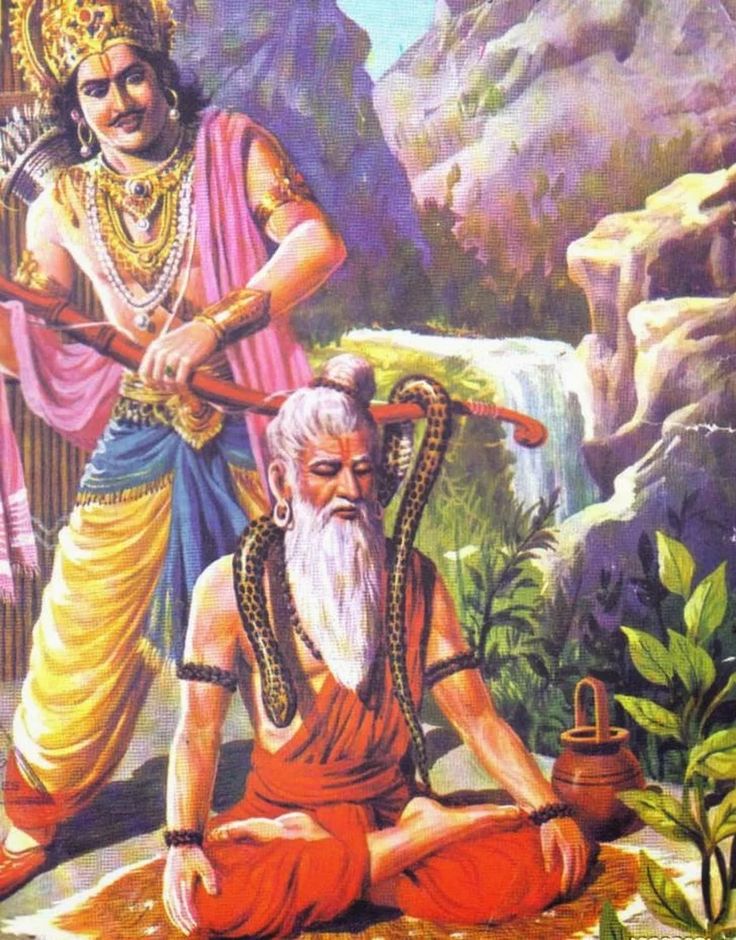
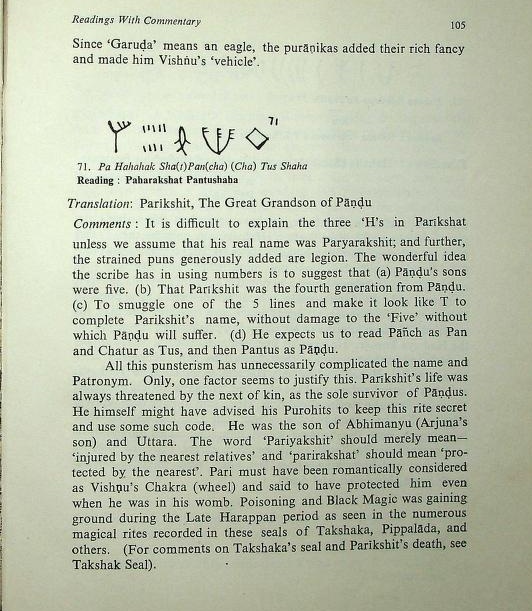
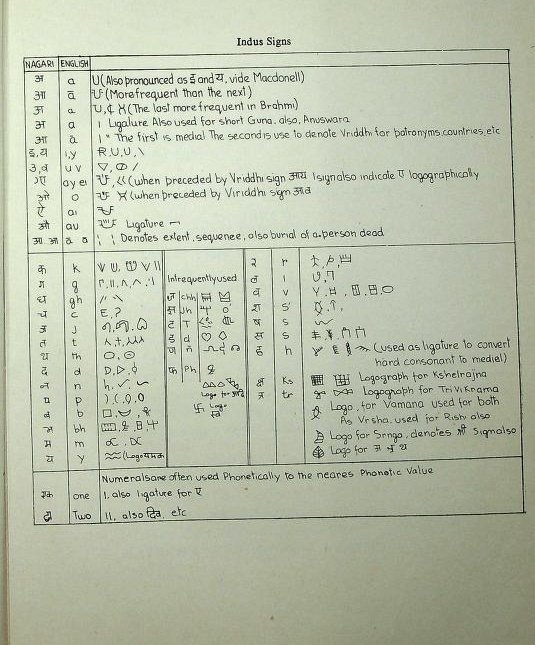
Interestingly, a seal of Maharadhiraja Parikshit mentioned is identified by Shankar Mokashi Punekar based on Vedic Archetype signs with correlation to many indic scripts like brahmi.
2
13
41
1,237
भ्रुगुवंशी आदर्श (𑀆𑀤𑀭𑁆𑀰) retweeted
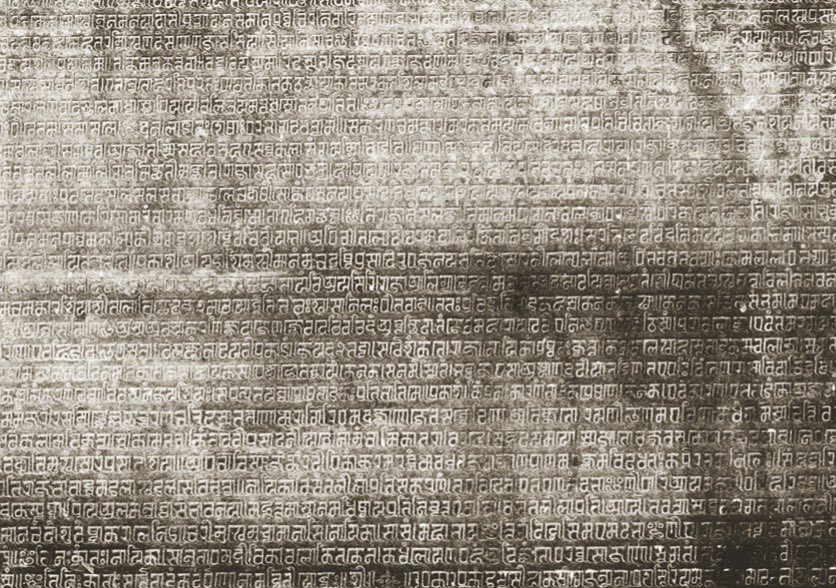
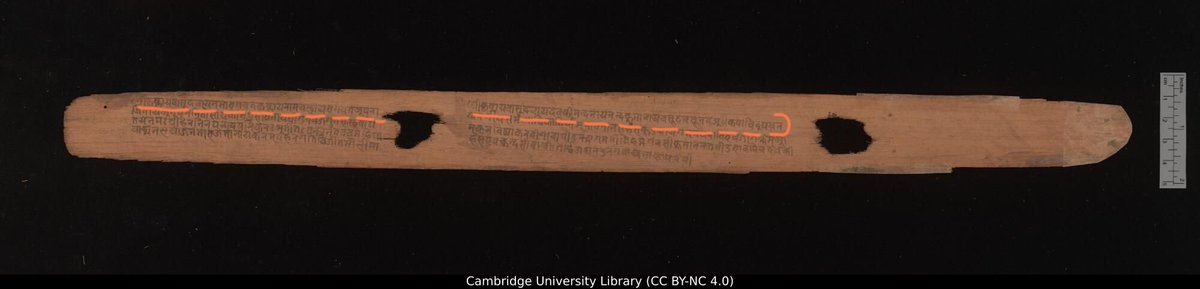
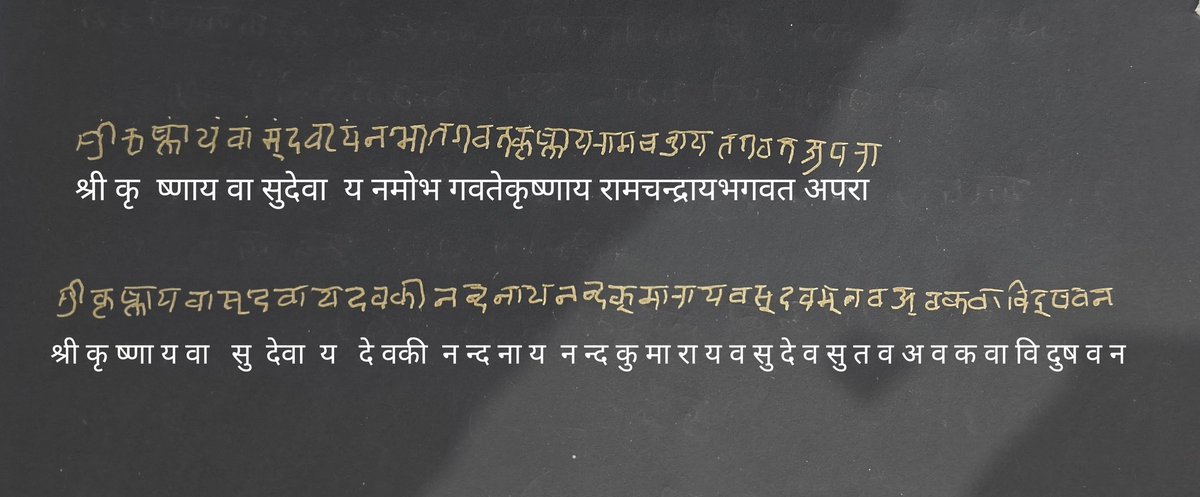
An incredible find from a 12th-century manuscript of the Shivadharmashastra, where Lord Krishna is explicitly praised and identified as Shri Ramachandra.
First Line (Side A)
"Shri Krishnaya Vasudevaya Namo Bhagavate Krishnaya Ramachandraya Bhagavata Avara..."
First Line (Side B)
"Shri Krishnaya Vasudevaya Devaki Nandanaya Nanda Kumaraya Vasudevasuta Va Avakava Vidushavana..."
@Aatma_the_soul4
@AbhayK70627 @ancientadarsh @Param_Chaitanya @historiakayasth @MonaADhar @MumukshuSavitri @monidipadey @anshikashukla_ @sarvamedha @SanjeevSanskrit
3
26
96
2,265
भ्रुगुवंशी आदर्श (𑀆𑀤𑀭𑁆𑀰) retweeted

Jun 14
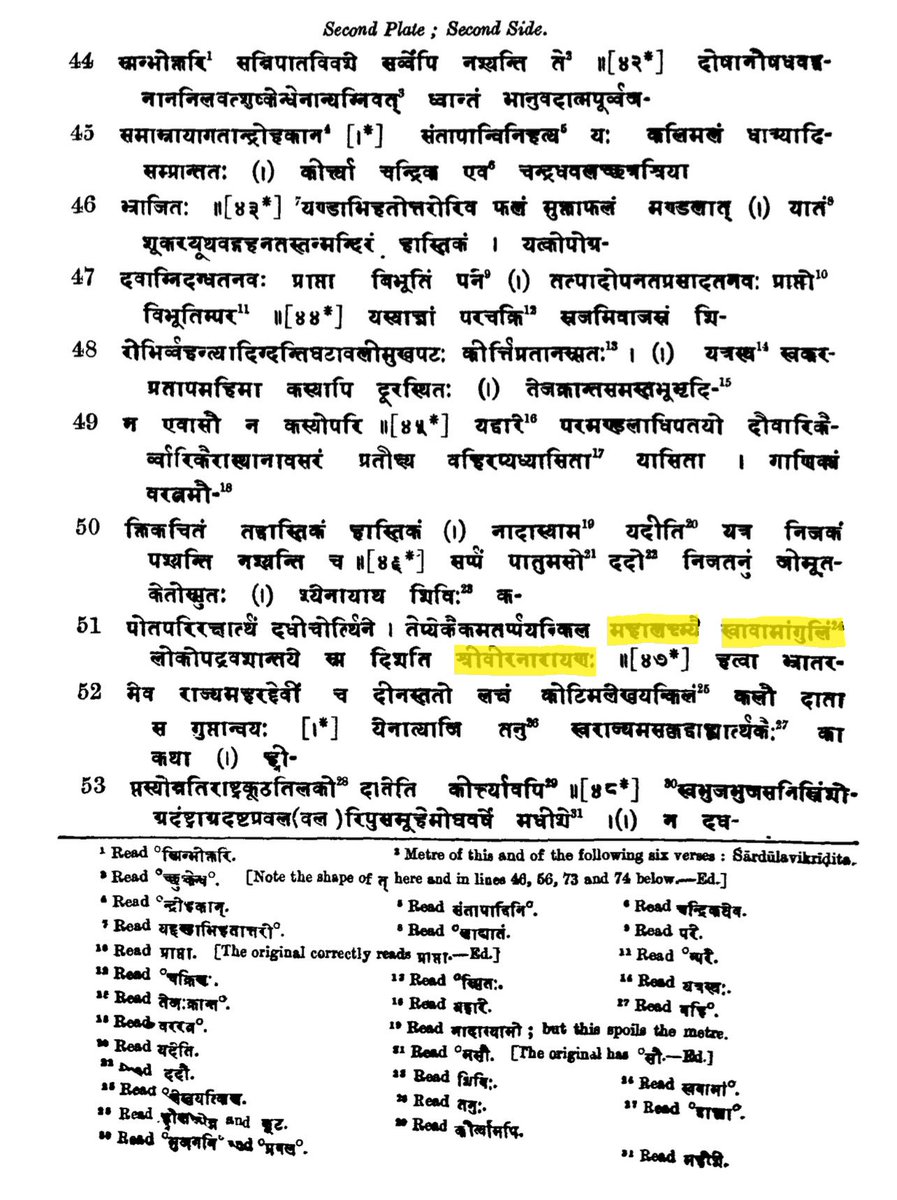
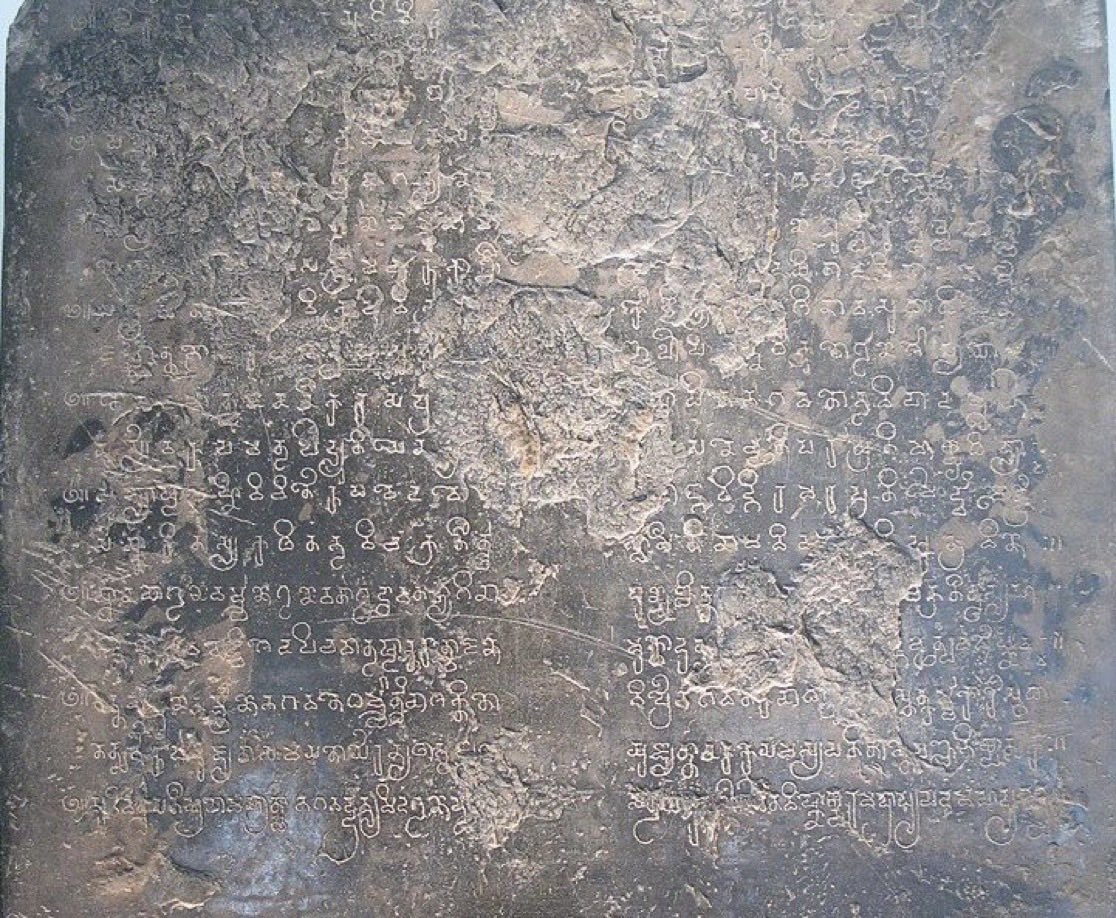
This stele is attributed to the kingdom of Funan, the earliest #Hindu Kingdom in South East Asia (1st-6th CE in the Mekong Delta region. Centered in modern-day Cambodia and southern Vietnam, a wealthy, Indianized maritime trading hub that laid the cultural and political groundwork for the later Khmer Empire). The text is in #Sanskrit, written in Grantha script of the Pallava dynasty, dated to the mid-5th CE, and tells of a donation in honour of #Vishnu by a Prince Gunavarman of the Kaundinya lineage.
“younger son (nṛpasunu—bālo pi) of a king Ja[yavarman] who was "the moon of the Kauṇḍinya line (... kauṇḍi[n]ya[vaṅ]śaśaśinā ...) and chief "of a realm wrested from the mud"
Historical sources and regional folklores refer to the arrival of the merchant Brahmin Kaundinya from India in about Ist CE and his subsequent marriage to a Naga princess Soma, an event traditionally associated with the founding of the ancient Funan kingdom in Southeast Asia
4
12
358
भ्रुगुवंशी आदर्श (𑀆𑀤𑀭𑁆𑀰) retweeted
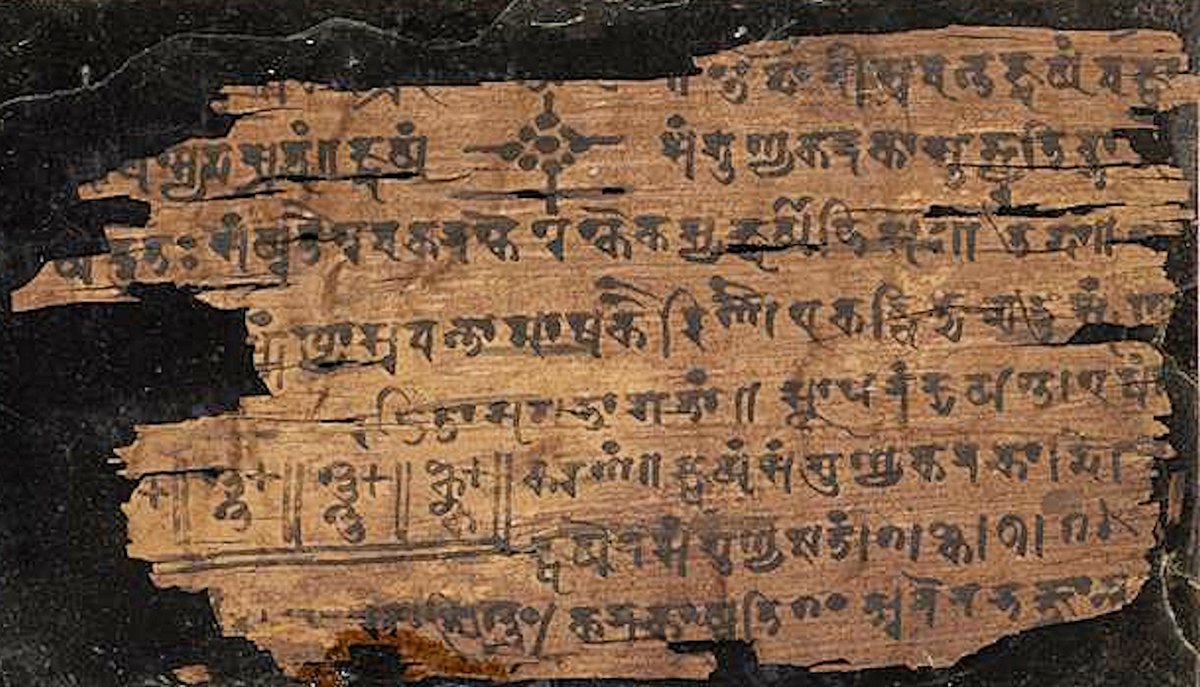
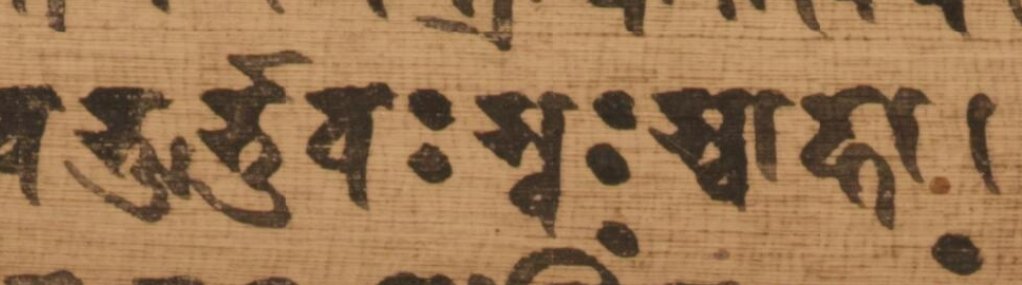
The manuscript of 823 AD mentions the Mahavyahriti, recited in conjunction with the Gayatri Mantra, as 'Bhūr Bhuvaḥ Svaḥ Svāhā'."
@Aatma_the_soul4 @AbhayK70627 @anshikashukla_ @sarvamedha @vedik_Arya_ @hamsanandi @Param_Chaitanya
@kalyan97 @yajnadevam
13
29
909
भ्रुगुवंशी आदर्श (𑀆𑀤𑀭𑁆𑀰) retweeted
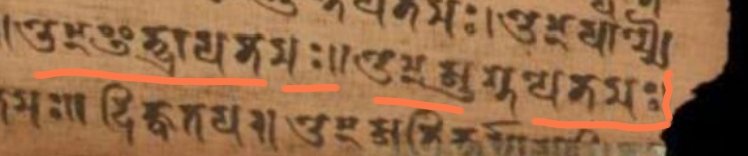
The mantras 'Om Indraya Namah' and 'Om Agnaye Namah,' chanted during the daily Havana, are found in the manuscript dating back to 823 AD.
@Aatma_the_soul4
@AbhayK70627
@sarvamedha @tapeshyadav_usa @yajnadevam @Param_Chaitanya
14
30
558
भ्रुगुवंशी आदर्श (𑀆𑀤𑀭𑁆𑀰) retweeted

Jun 13
Balinese Gold Figure of Brahma, 900–1300 CE

26
182
3,375
भ्रुगुवंशी आदर्श (𑀆𑀤𑀭𑁆𑀰) retweeted
Jun 13
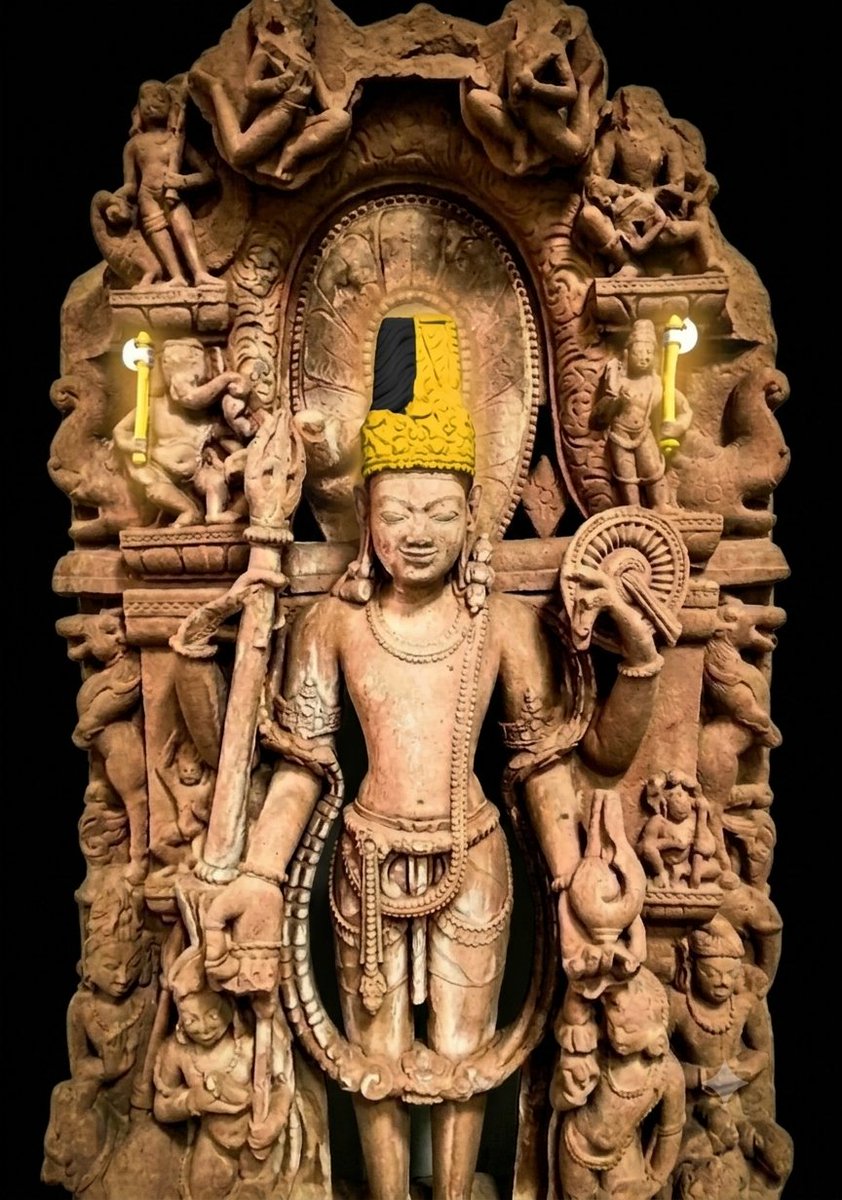
This 10th-century Harihara image from Khajuraho depicts lord Ganesha and Parashurama holding axes as their attributes.
1
10
76
1,150
भ्रुगुवंशी आदर्श (𑀆𑀤𑀭𑁆𑀰) retweeted

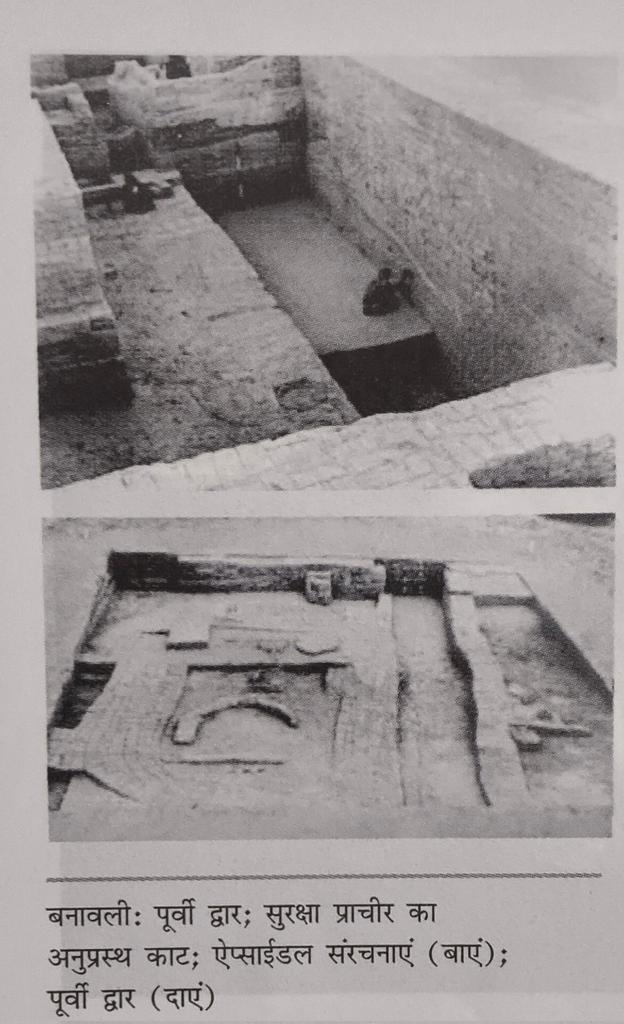
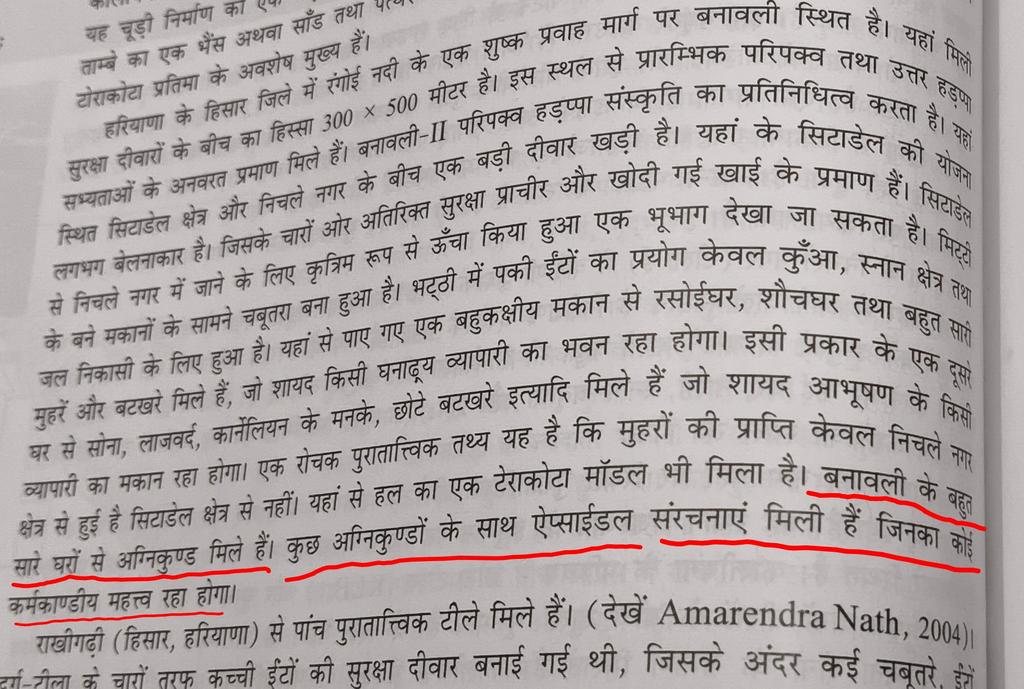
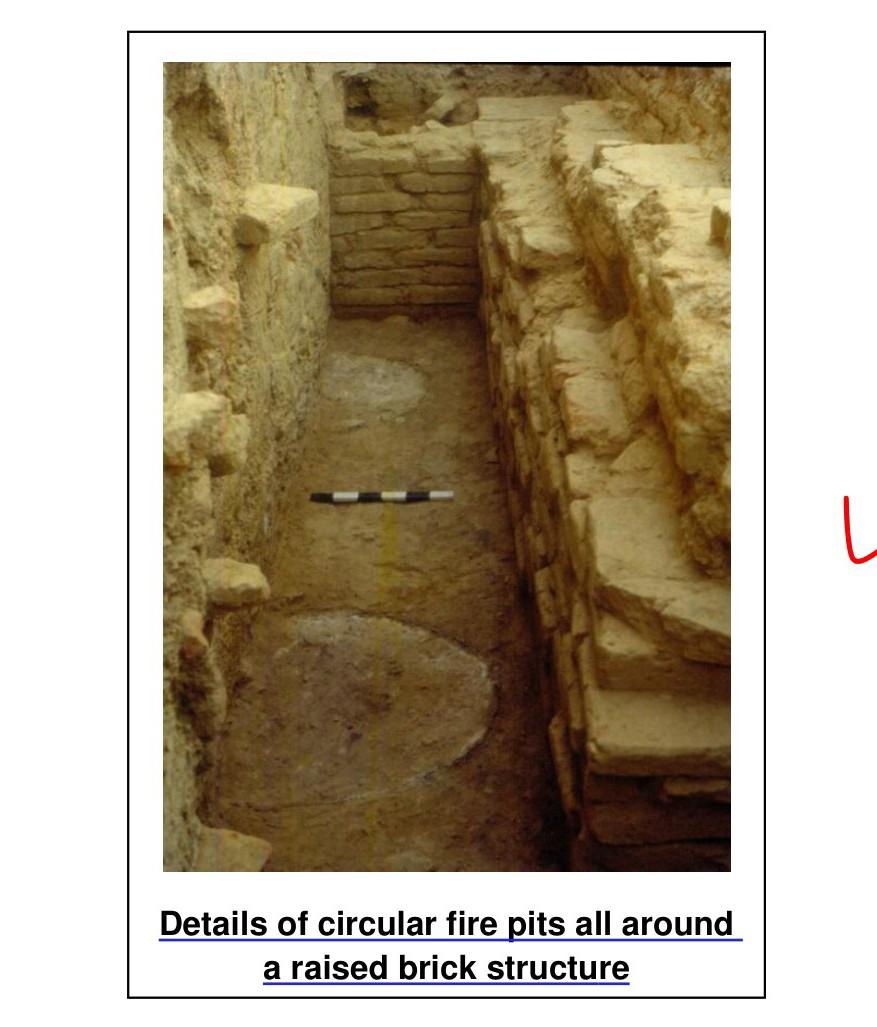
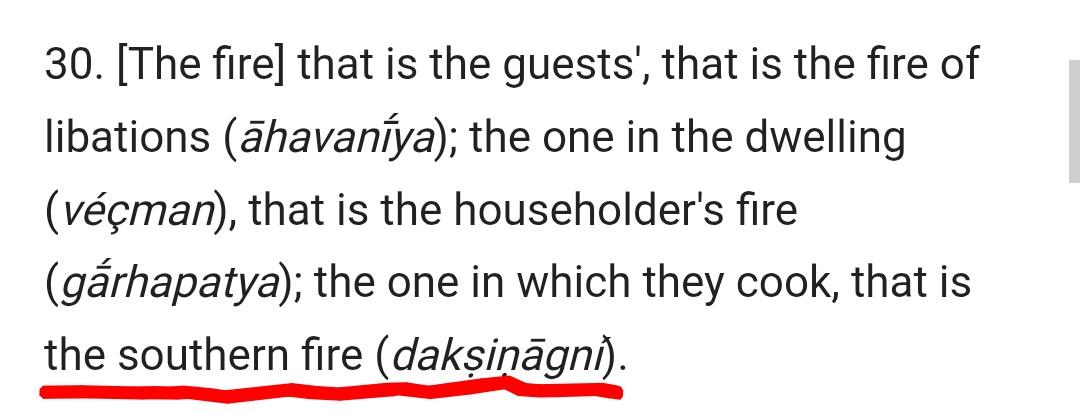
Vedic Fire Altars Discovered from the Indus–Sarasvati Civilization 🔥
Banawali has yielded an apsidal temple and a Dakṣiṇāgni fire altar, along with several similar altars.A comparable sacrificial altar was found at Sanghol (2000 yrs old) which contained Sacrificial materials.
5
34
87
1,386
भ्रुगुवंशी आदर्श (𑀆𑀤𑀭𑁆𑀰) retweeted

Yes, the SSC people particularly in Kalibangan practiced extended inhumations for young people dying due to unnatural causes like accidents, murders etc. and also for those who were reportedly disabled and consequently neglected by the society. However, for elites and important..

Jun 12

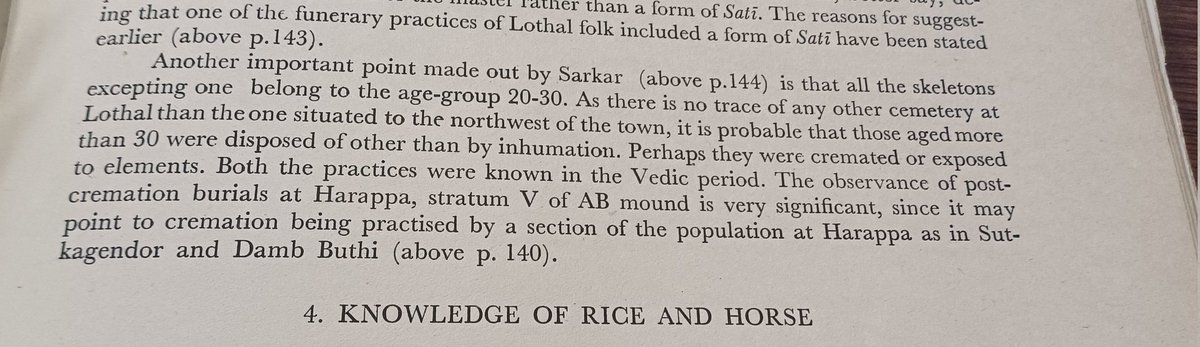
𝗖𝗿𝗲𝗺𝗮𝘁𝗶𝗼𝗻 𝗶𝗻 𝗜𝗻𝗱𝘂𝘀-𝗦𝗮𝗿𝗮𝘀𝘄𝗮𝘁𝗶 𝗖𝗶𝘃𝗶𝗹𝗶𝘇𝗮𝘁𝗶𝗼𝗻?
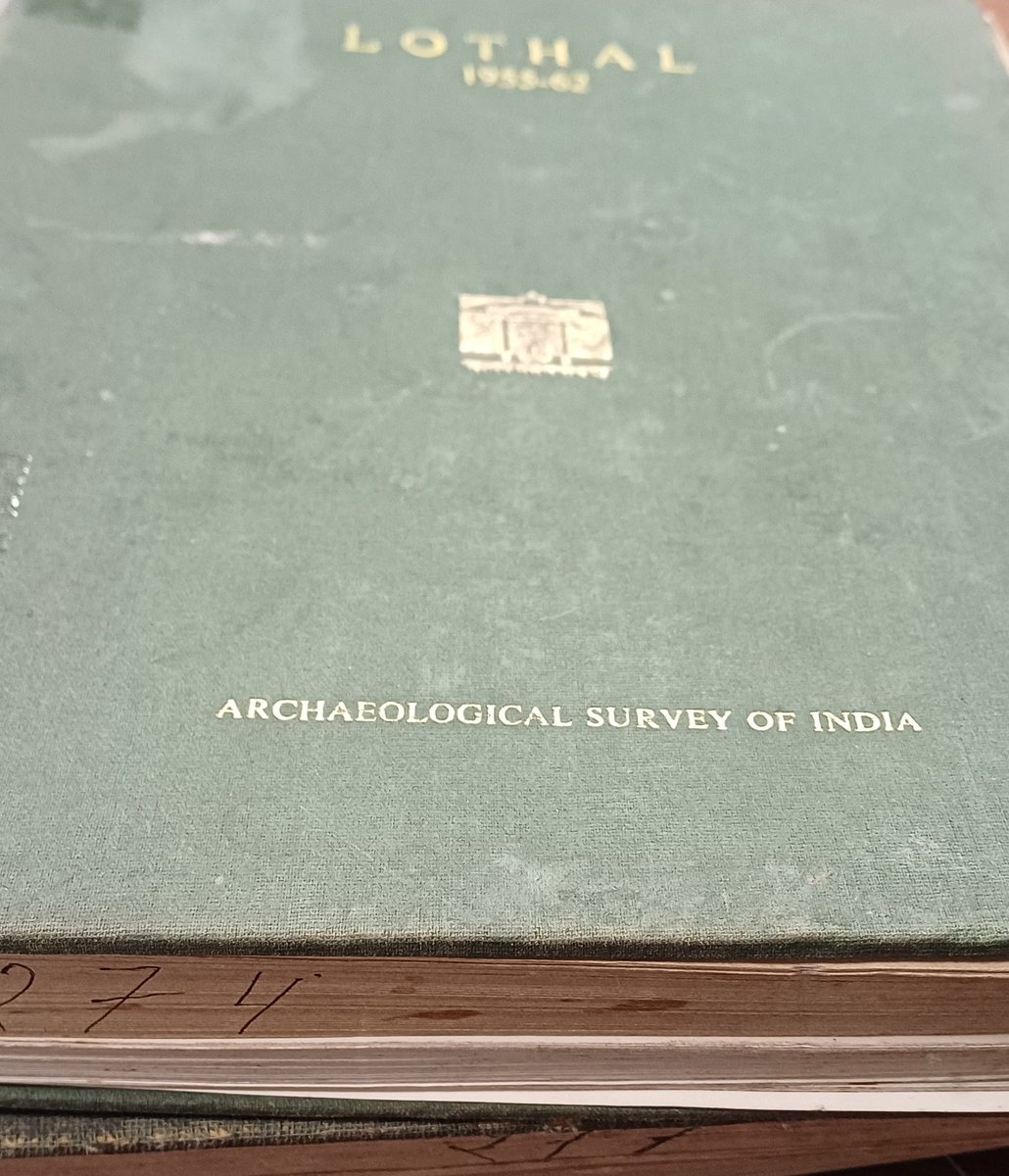
S.R. Rao, the excavator of Lothal, in his report "Lothal: A Harappan Port Town (1955-62)", notes that all most all the skeletons found in the cemetery at Lothal belonged to the age-group of 20-30. He notes a complete absence of age groups older than 30 in the burials. It is quite probable as he rightly points out that:
"...that those aged more than 30 were disposed of other than by inhumation. Perhaps they were cremated or exposed to elements."
Rao rightly points out that both the practices of burial and "exposure to the elements", are attested in the Vedic literature to have been practiced apart from cremation. The term "anagnidagdha" in the Rig Veda refers to the disposal of the dead other than by burning.
1
9
21
483
भ्रुगुवंशी आदर्श (𑀆𑀤𑀭𑁆𑀰) retweeted
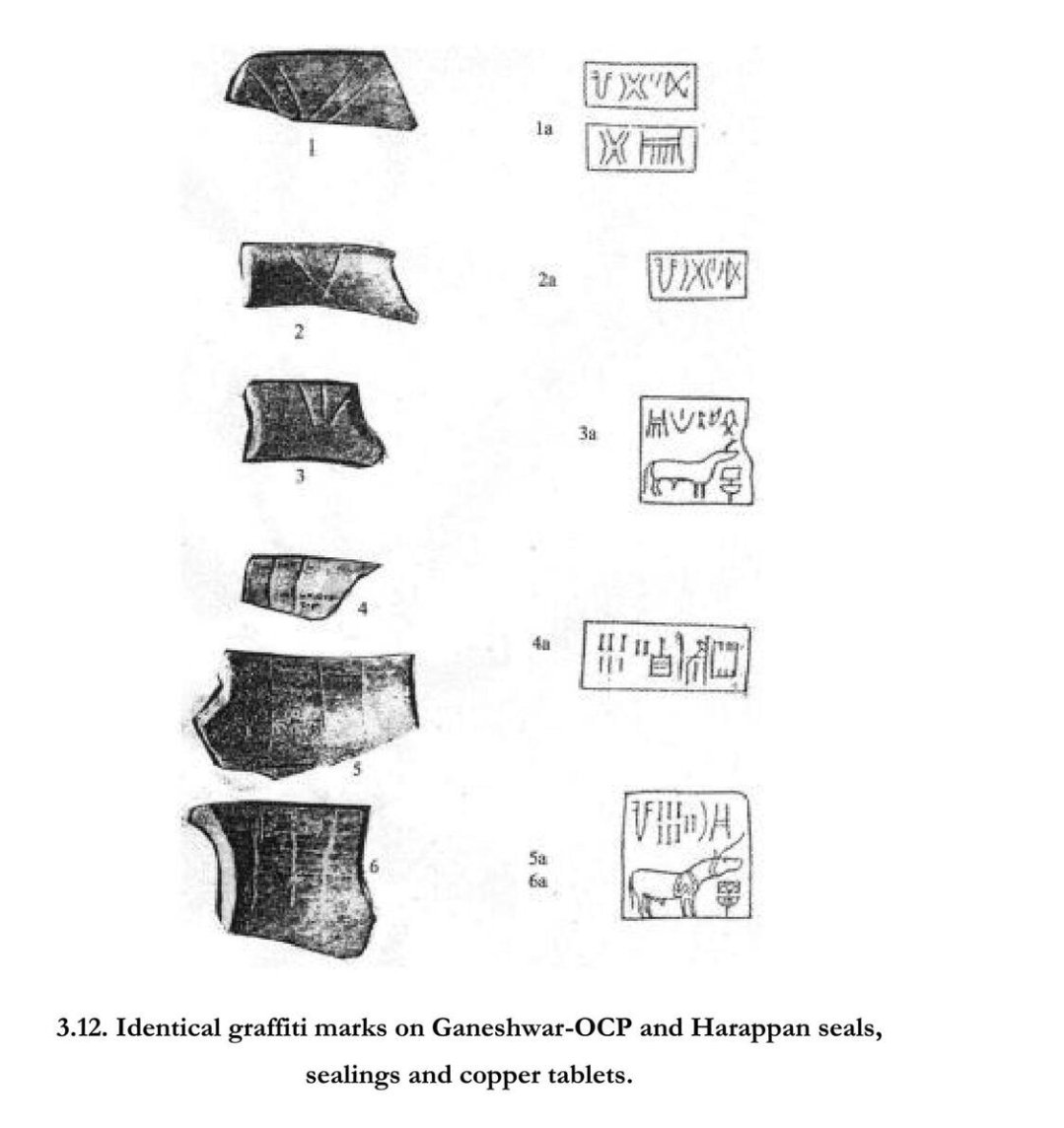
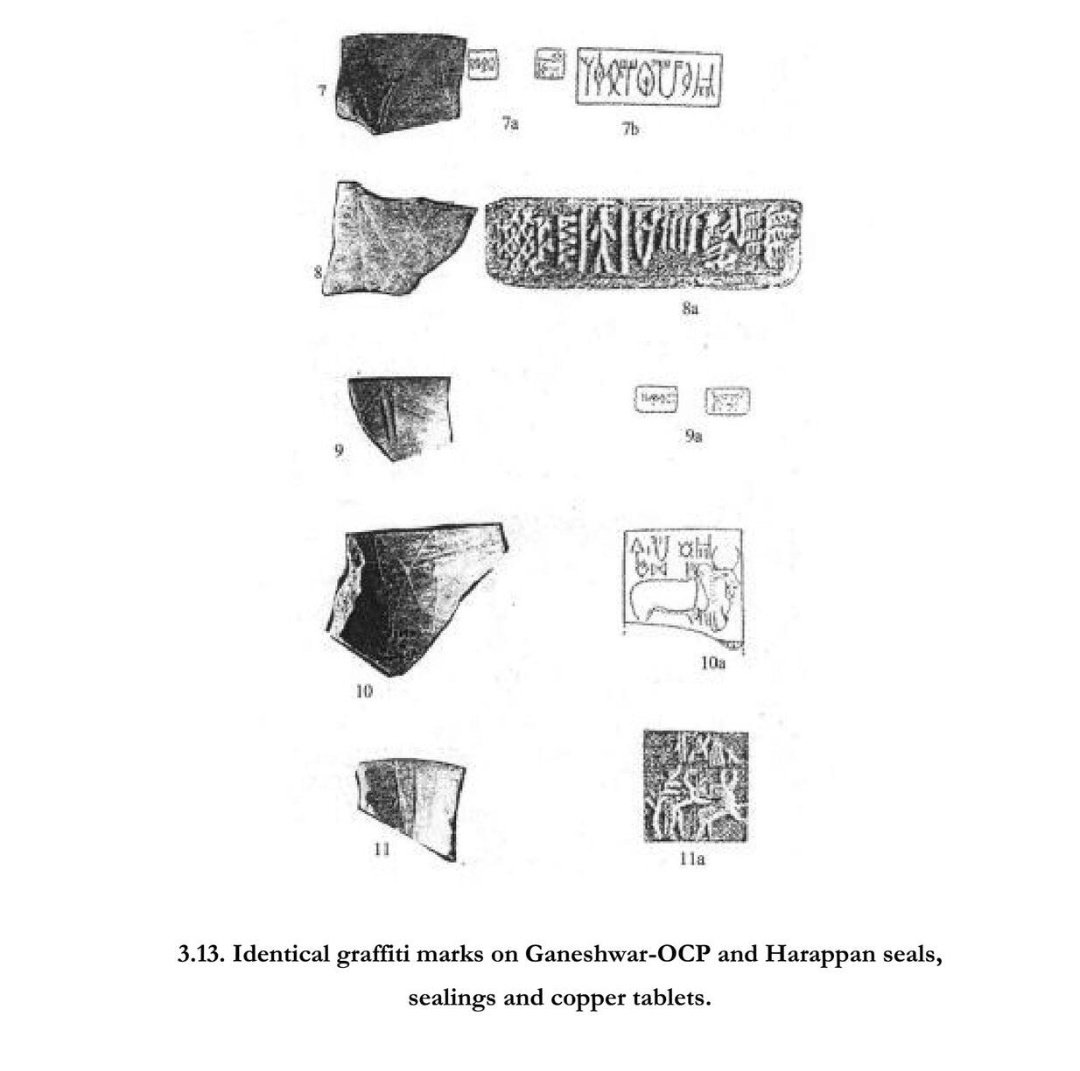
Similarities between the symbols of the OCP culture and the Harappan culture
"Just as these similarities have been observed in pottery recovered from South Indian sites in recent years, identical parallels are found on pottery obtained from the OCP (Ochre Coloured Pottery) culture of North India. These resemblances indicate the expansion of Harappan symbols across both the north and the south."
@anshikashukla_ @yajnadevam @kalyan97 @MumukshuSavitri
4
18
80
7,433
भ्रुगुवंशी आदर्श (𑀆𑀤𑀭𑁆𑀰) retweeted
Jun 12
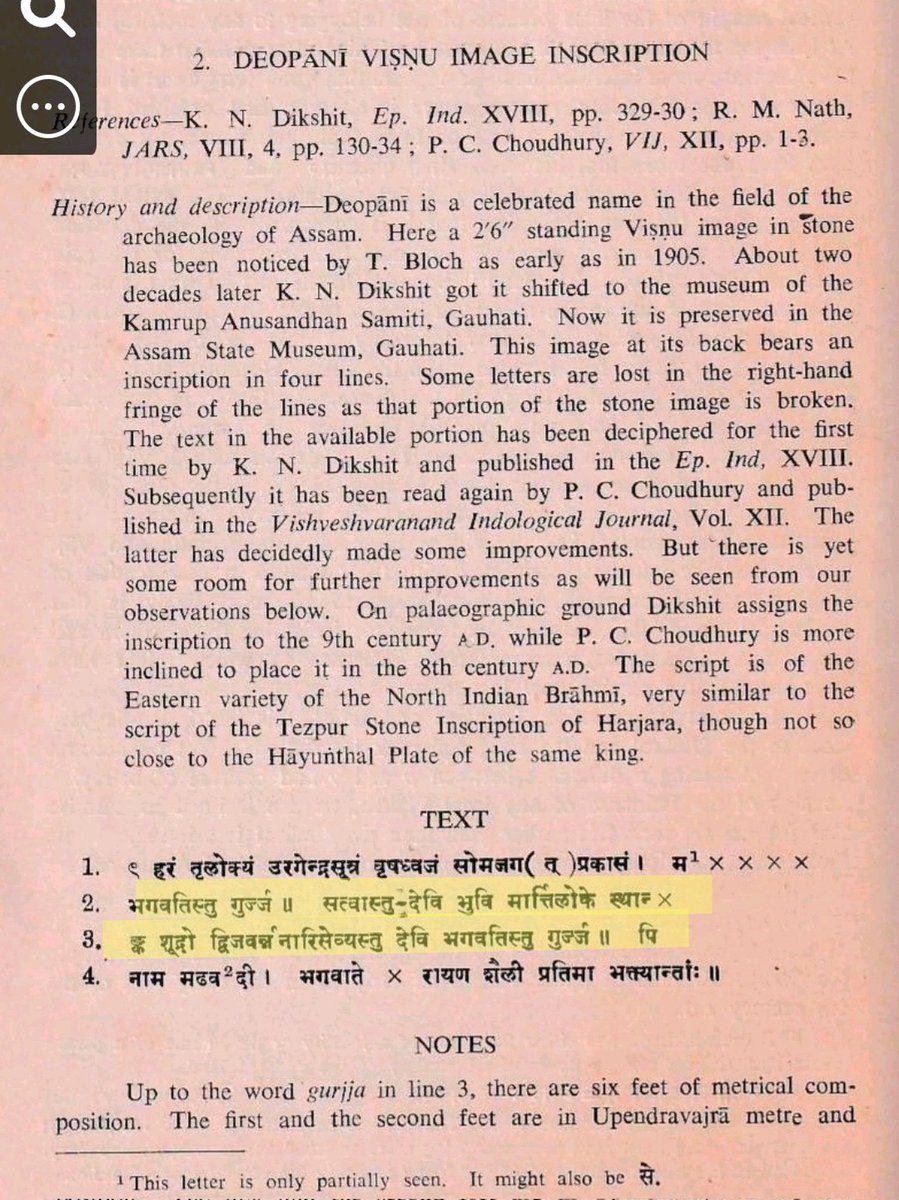
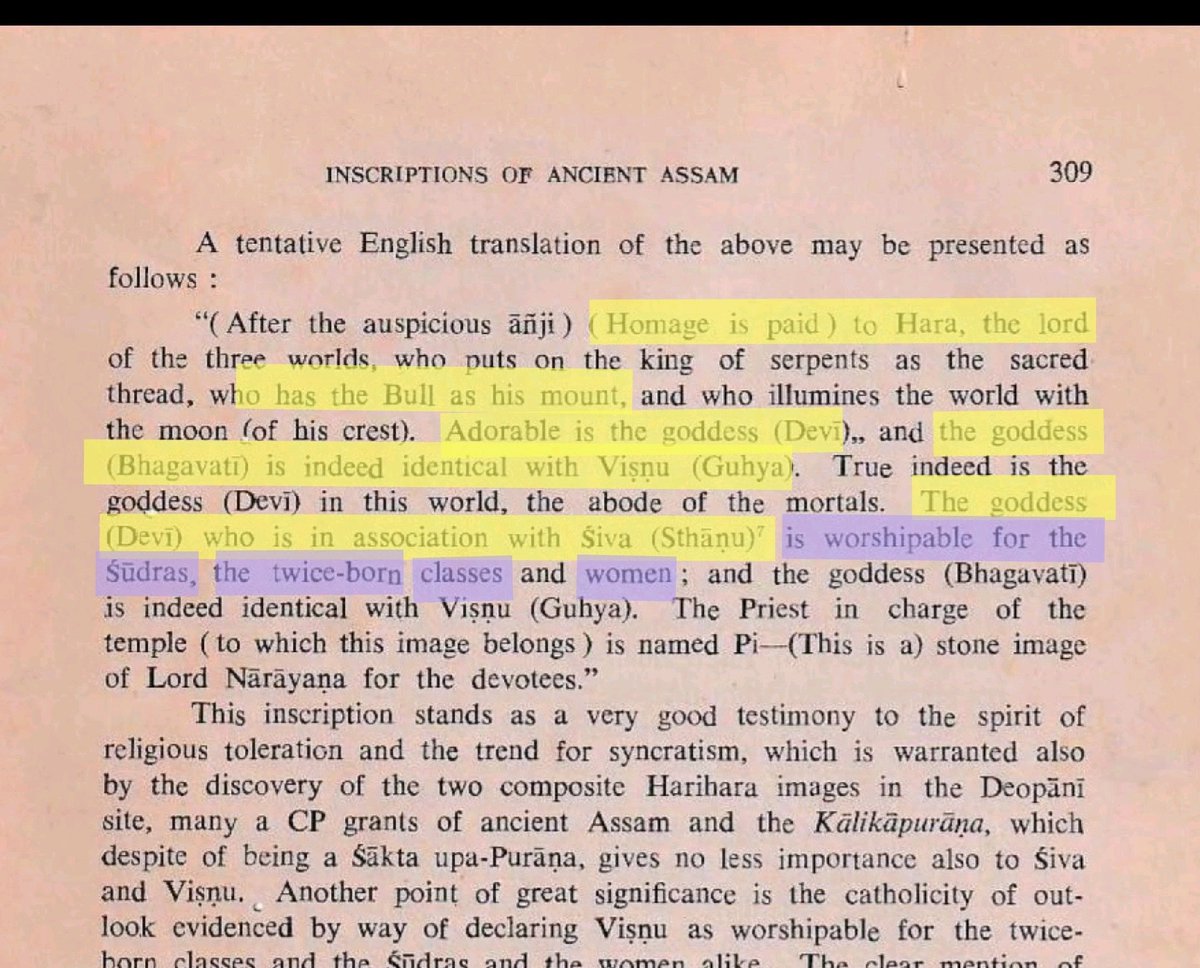
Found on the pedestal of a Viṣṇu idol, the 8-9 th century Deopāni inscription explicitly states that the Goddess is:
"worshipable for the Śūdras, the twice-born classes and women"
A powerful testament to equal spiritual rights.
2
15
47
985
भ्रुगुवंशी आदर्श (𑀆𑀤𑀭𑁆𑀰) retweeted
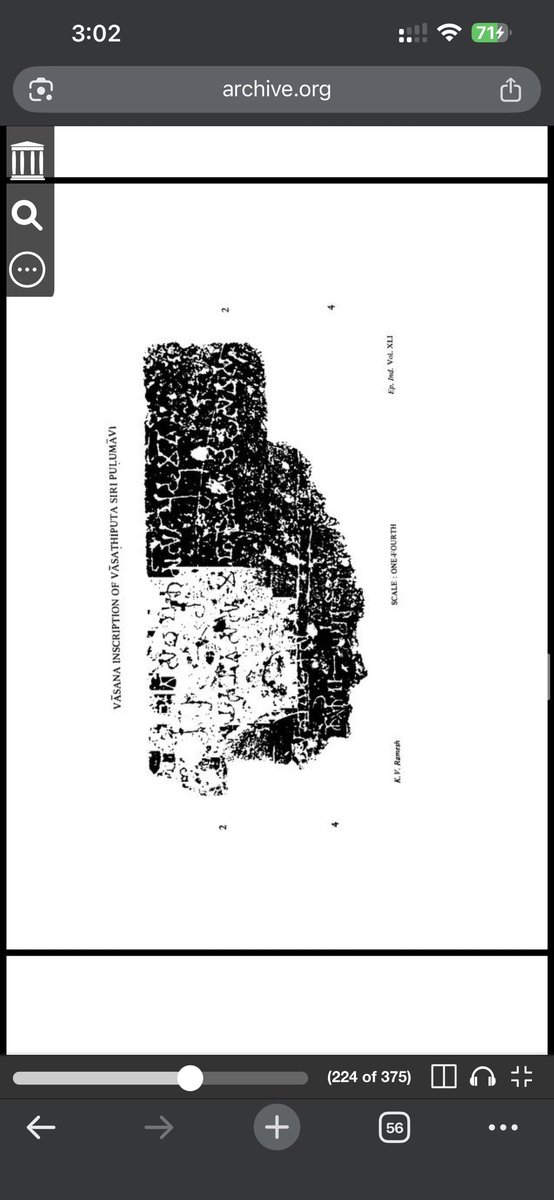
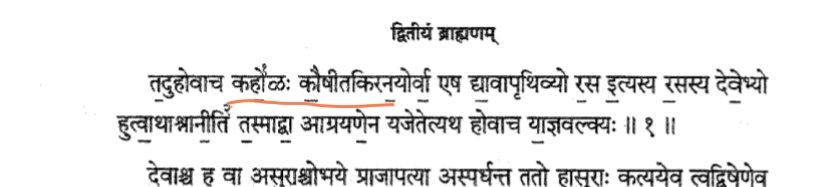
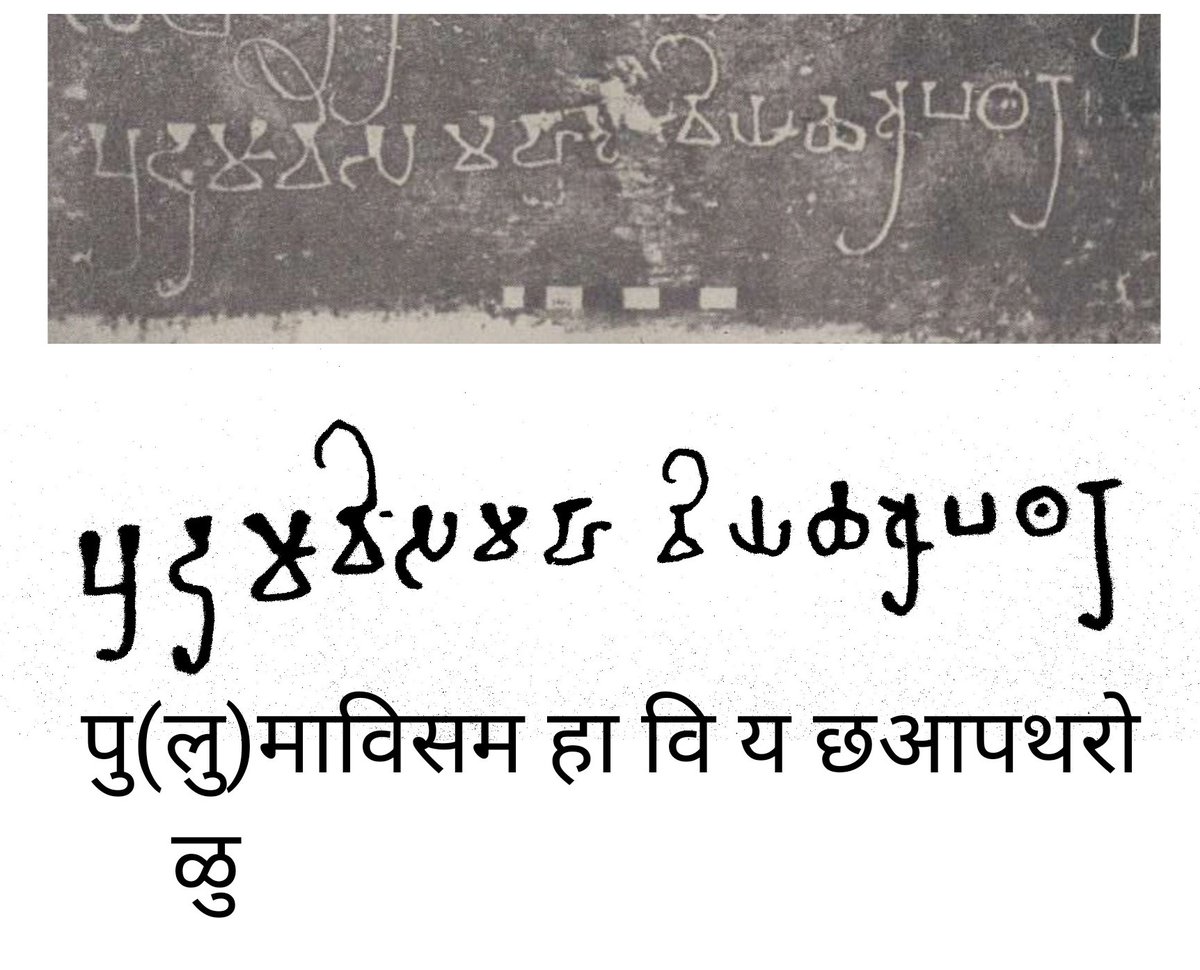
Nowadays, the letter 'ळ' has virtually disappeared from Hindi names and even from common Indian names. Earlier, this letter was used in personal names. For example, in the Kāṇva recension of the Shatapatha Brāhmaṇa, there is a sage named Kahoḷa Kauṣītakī. Similarly, a king of the Satavahana dynasty was named Puḷumāvi.
Perhaps this letter is still used in names in Maharashtra and South India today?
@Aatma_the_soul4 @AbhayK70627 @anshikashukla_ @Param_Chaitanya @sarvamedha @sanjeevku @monidipadey @MumukshuSavitri
8
16
48
3,905
भ्रुगुवंशी आदर्श (𑀆𑀤𑀭𑁆𑀰) retweeted
Jun 11
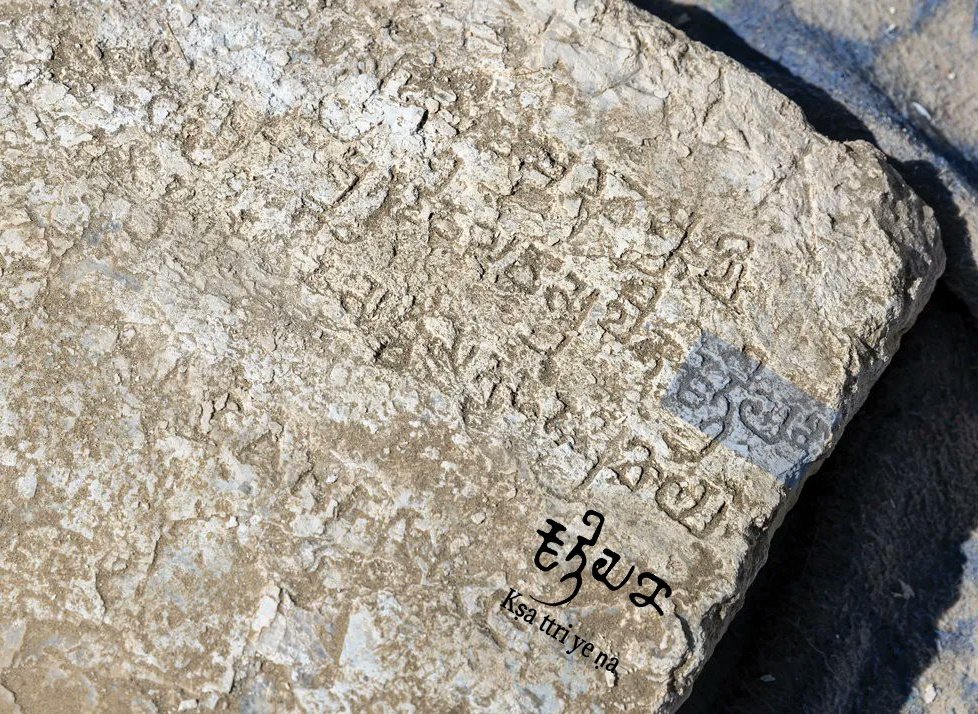
Kṣattriyeṇa (क्षत्त्रियेण)
[Benerik, Egypt]
2
38
260
8,196