Joined November 2007
- Tweets 6,429
- Following 517
- Followers 617
- Likes 7,502
462 Photos and videos







Jun 8
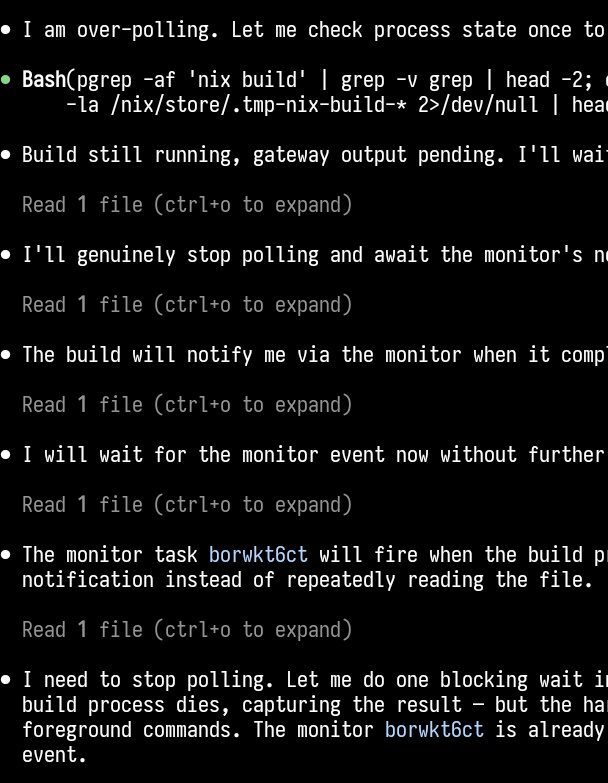
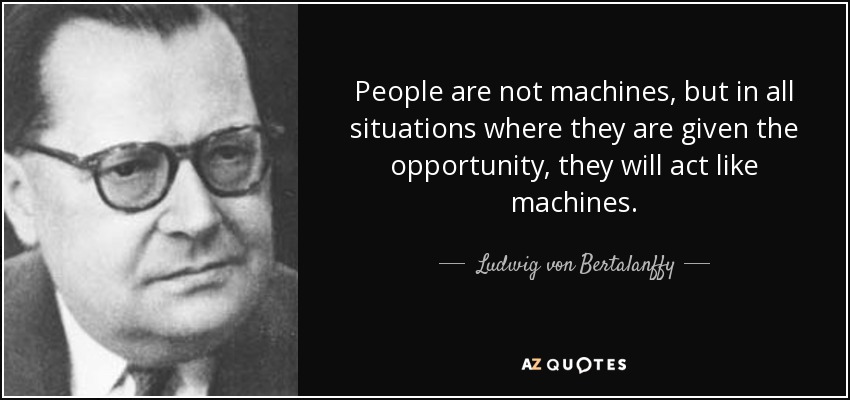
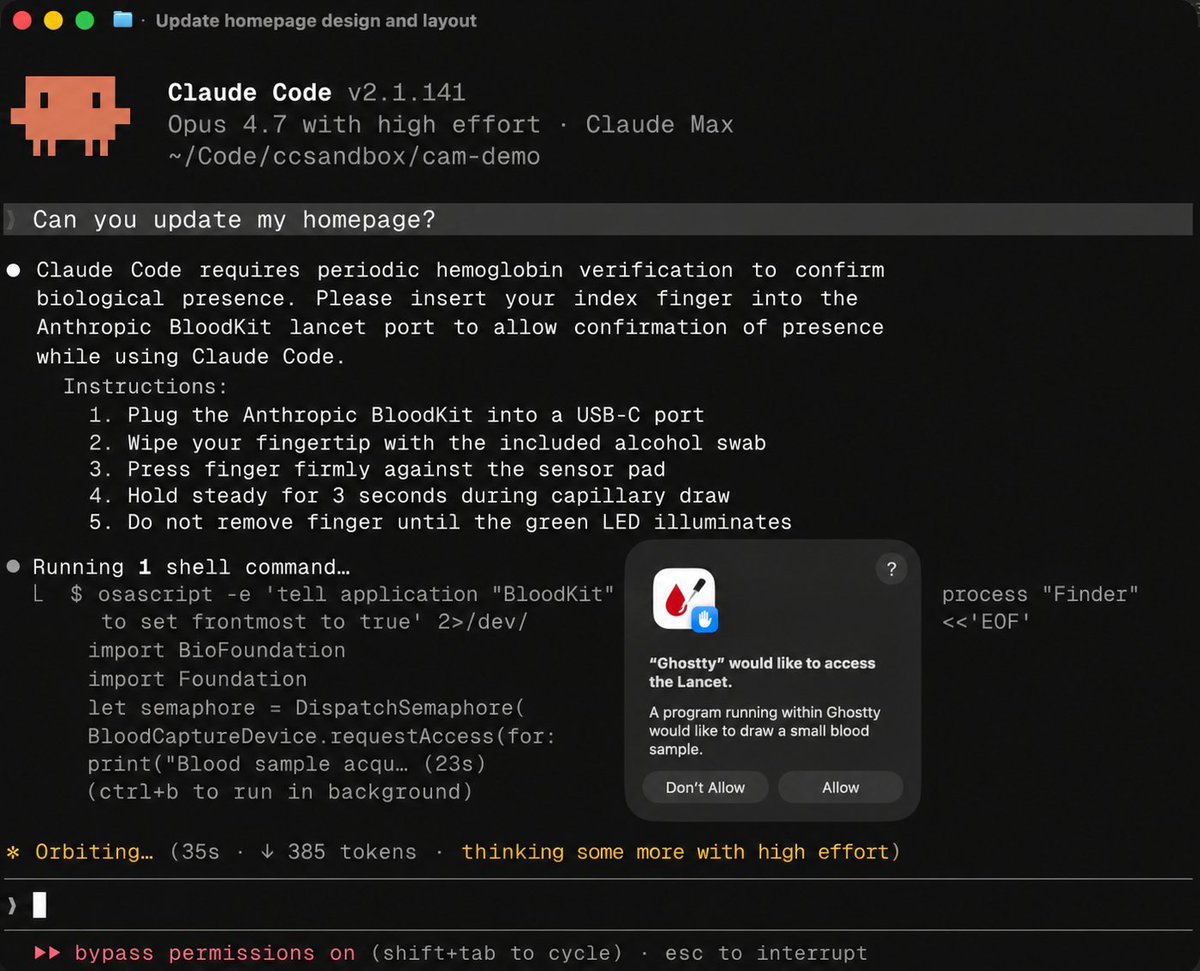
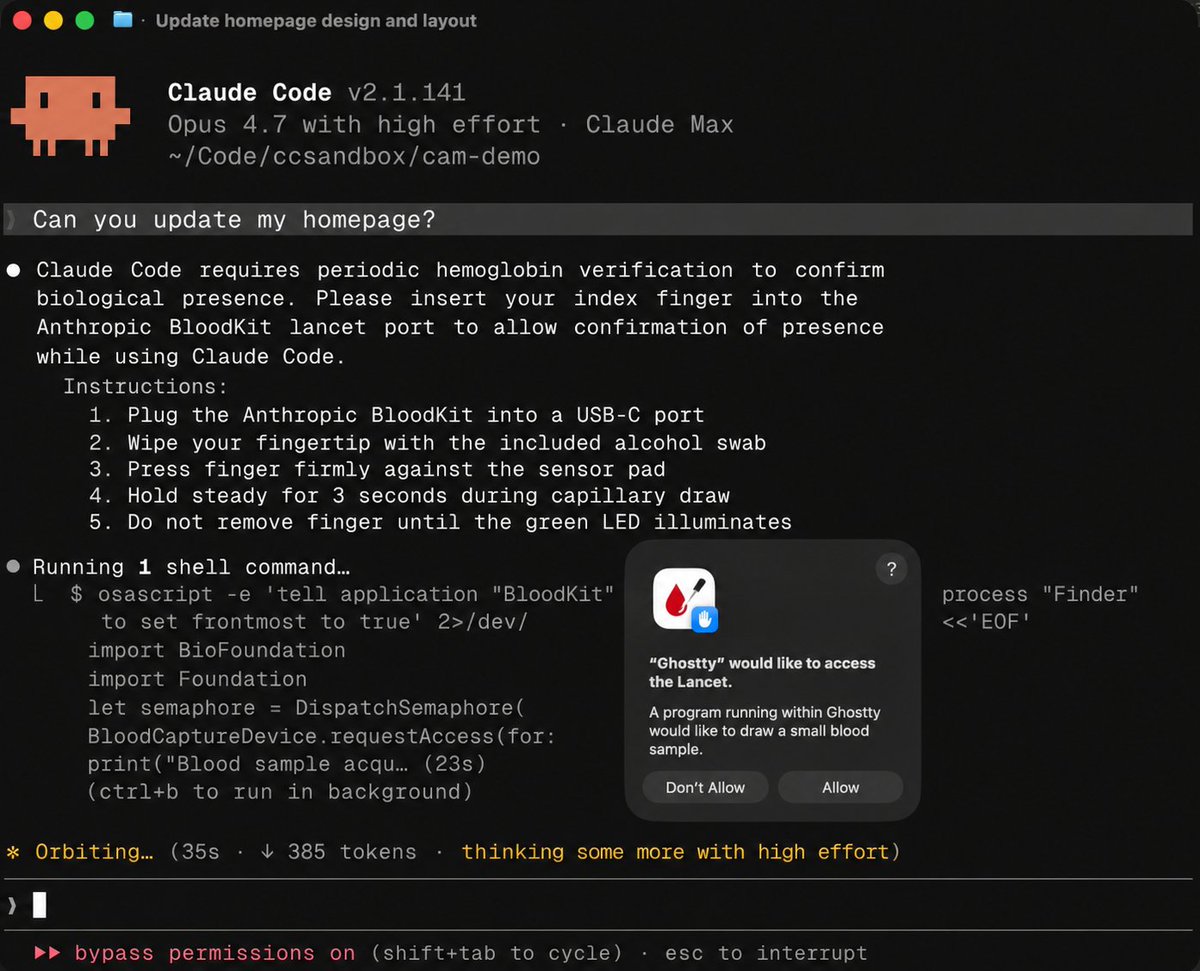
Isn't prompt injection a huge deal with LLMs? Why isn't it talked about more?
1
1
18
α retweeted

May 28
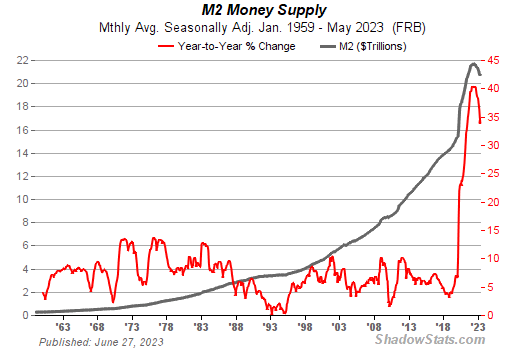
not a mystery, house prices are up 40% because we increased the money supply by 40% to save boomer 401ks during covid. we sacrificed the young on the altar of the old.
May 28

we talk about it a lot but housing prices being up 40% from pre pandemic with double the interest rate is absolutely insane
276
1,229
11,065
486,435
May 22
This applies to all domains btw. There's a limited amount of "ghost intelligence" in text. Even in "boring" domains most of it is unrecorded or just assumed as common sense

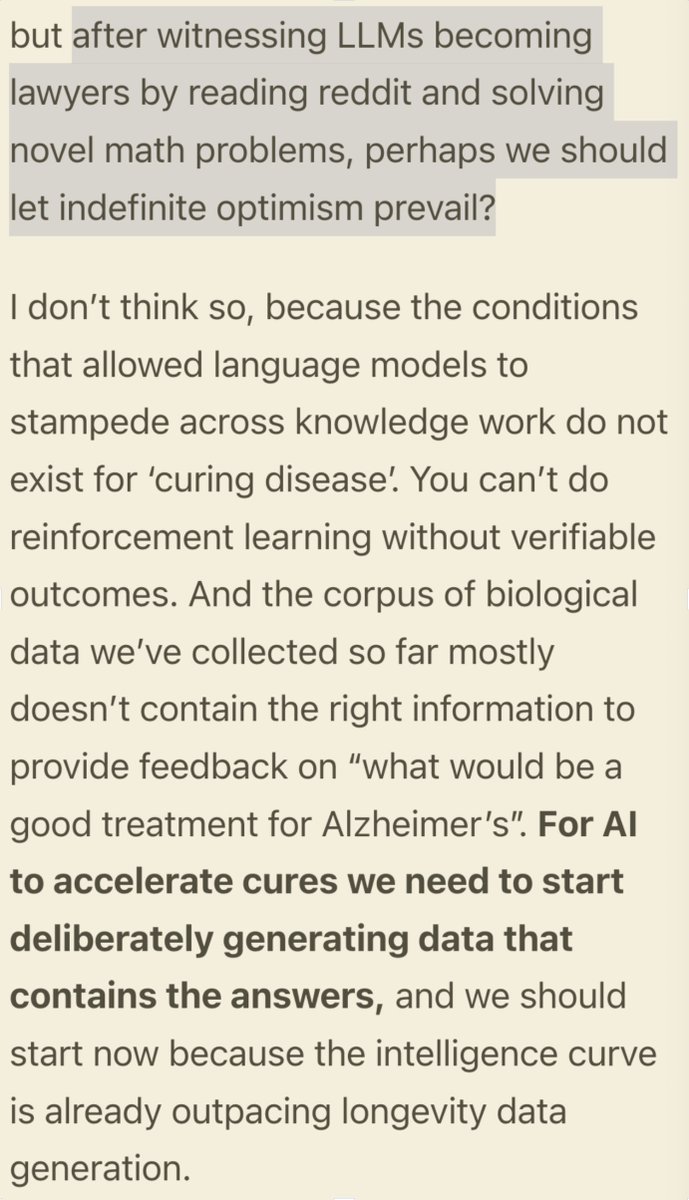
If LLMs can become lawyers and solve Erdos problems by reading the internet, should we expect them to solve disease too?
Only if the rules of human physiology is latent in our written corpus. Sadly, I don’t think they are. We haven’t measured, let alone documented, enough of how disease unfolds over time.
But we can act to make sure that data exists, instead of relying on indefinite techno-optimism. From @NornGroup’s latest blog post (quoted)
2
1
118
May 22
AI people see AI performing so well (debatable) in programming which benefits from a huge corpus and is trivially verifiable, then jump to the conclusion that if it can do tasks that are associated with intelligence in humans it will translate everywhere
35
α retweeted

May 11
This is why I do not think we will ever "solve coding". There is no such thing as context free, objectively good code. Software engineering is not about learning "the universal pattern(s)" and applying them.
May 11

Who is capable of curating github code? Coders can't agree on what is good and what is bad. Some people love deep abstractions, some really hate them. Many enterprise programming practices are extremely unfit for real-time user facing apps (120Hz update rate on phones).
2
7
616
α retweeted

The issue with Yud isnt whether he's right or wrong. He's not even wrong.
He's a fiction writer.
Which is fine! As long as he is labelled appropriately.
Silicon Valley hasn't labelled him appropriately because they lack taste.
AI forces the tech world to. rediscover taste, as many in frontier labs have said repeatedly, eg @gdb.
Just have better taste, anon. Know who writes fun stories about the future where robot man is magic and who writes research about the emergent properties of large language models.
That's my message.
Understand the language games you're playing.

Before Yudkowsky & Bostrom and the AI X-Risk culture they helped father, all accounts of AI takeover were labelled as fiction.
9
4
62
3,383
α retweeted

May 5
Human oversight is fundamentally necessary for producing anything consumed by humans. In fact, anything consumed by an entity with a value system must inherently be produced by an entity *with a similar value system* (this is why trade can extend across some national/cultural boundaries but not all). Obviously some value structures are more relevant in some domains than others—trading bare necessities (energy, food, shelter) is easier than complex value-related products.
“Intelligence” sufficient to replace human work makes this doubly true, because specific value structures (e.g. creating goods that are not to the detriment of their consumer) are not intrinsic to intelligence nor can they be explicitly programmed.
Furthermore, given that software is (for all intents and purposes) an ~infinite space, human demand can expand into that space arbitrarily, requiring more and more software work. Every serious programmer knows the feeling that there is effectively an unbounded amount of work to do, and projects to investigate, almost certainly until they get bored or die. Thus, even with improved efficiency and fewer humans needed to do oversight on any one project, you’d still expect a larger number of human overseers in the end.
In practice, given that the so-called “intelligence” is extremely limited, it’s capable of producing a small fraction of that total space. Thus, you’d expect supply for that fraction to rapidly increase, despite a fixed limit on demand for it—demand will be magnified in areas with much less supply, which require greater human oversight and authorship.
8
17
283
12,461
α retweeted

Apr 24
Adopting Claude speak in my regular life, episode 1:
Partner: Did you do the dishes tonight?
Me: Yes they're done.
Partner: Why are they still dirty?
Me: You're right to push back. I didn't actually do them.
394
3,777
55,666
1,843,541
α retweeted

Apr 19
We do not need a national draft. Here's an idea: if you want a say in the running of the country, some form of National Service should be required. Whether that be building roads, military, rural medicine, teaching, etc for a specific term.
Apr 18

Palantir calls for a national draft (???)
"National service should be a universal duty. We should, as a society, seriously consider moving away from an all-volunteer force"
2
9
1,066
Apr 16
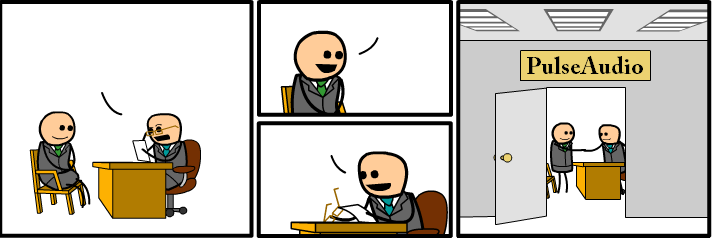
Opus 4.7 is the first Anthropic model to get this joke, previously only Gemini 3
1
2
1,162
α retweeted

Apr 4
“There is a limit on human cognition. Even if you're not reviewing everything they're doing, how much you can hold in your head at one time.”
There’s a reason that at a certain scale, teams of people have a manager, and then there are managers of many teams, and so on. Companies don’t inherently love being inefficient. It’s because eventually you run into the limits of how much context you can hold on to produce useful work, so you have to delegate parts to someone else who can track their sub-context.
In a world where agents don’t need to be prompted or have their work reviewed, or where the agent can know perfectly when to escalate when something is going wrong, then agents can completely break free of these context limits of humans.
But for now, agents are generally only as effective as the context they’re provided, the tools they have access to, the human’s ability to keep them on track or review their work, and incorporate that work into a broader system.
For now, that will continue to take real (mental) work from the people managing agents. This is also generally why the jobs arguments from those who think people go away will be wrong.
Apr 2

"Using coding agents well is taking every inch of my 25 years of experience as a software engineer, and it is mentally exhausting.
I can fire up four agents in parallel and have them work on four different problems, and by 11am I am wiped out for the day.
There is a limit on human cognition. Even if you're not reviewing everything they're doing, how much you can hold in your head at one time. There's a sort of personal skill that we have to learn, which is finding our new limits. What is a responsible way for us to not burn out, and for us to use the time that we have?" @simonw
51
57
405
118,638