Joined December 2010
- Tweets 3,802
- Following 2,922
- Followers 3,575
- Likes 43,174
186 Photos and videos




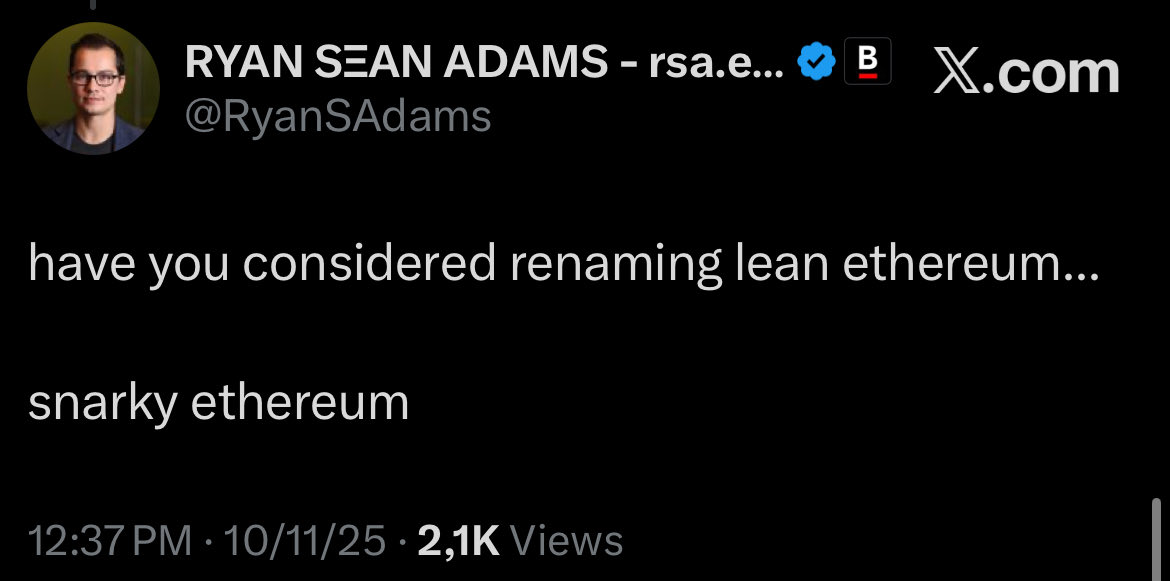

Ethereum is working on everything:
> Privacy
> Multi-Client architecture so no single points of failure (already has 12 distinct clients)
> Post Quantum Security
> Formal Verification (better code security)
> Scale (ZKevms, L2s)
> Yield Programmable Deflation
> User experience (e.g Fast confirmation Rule)
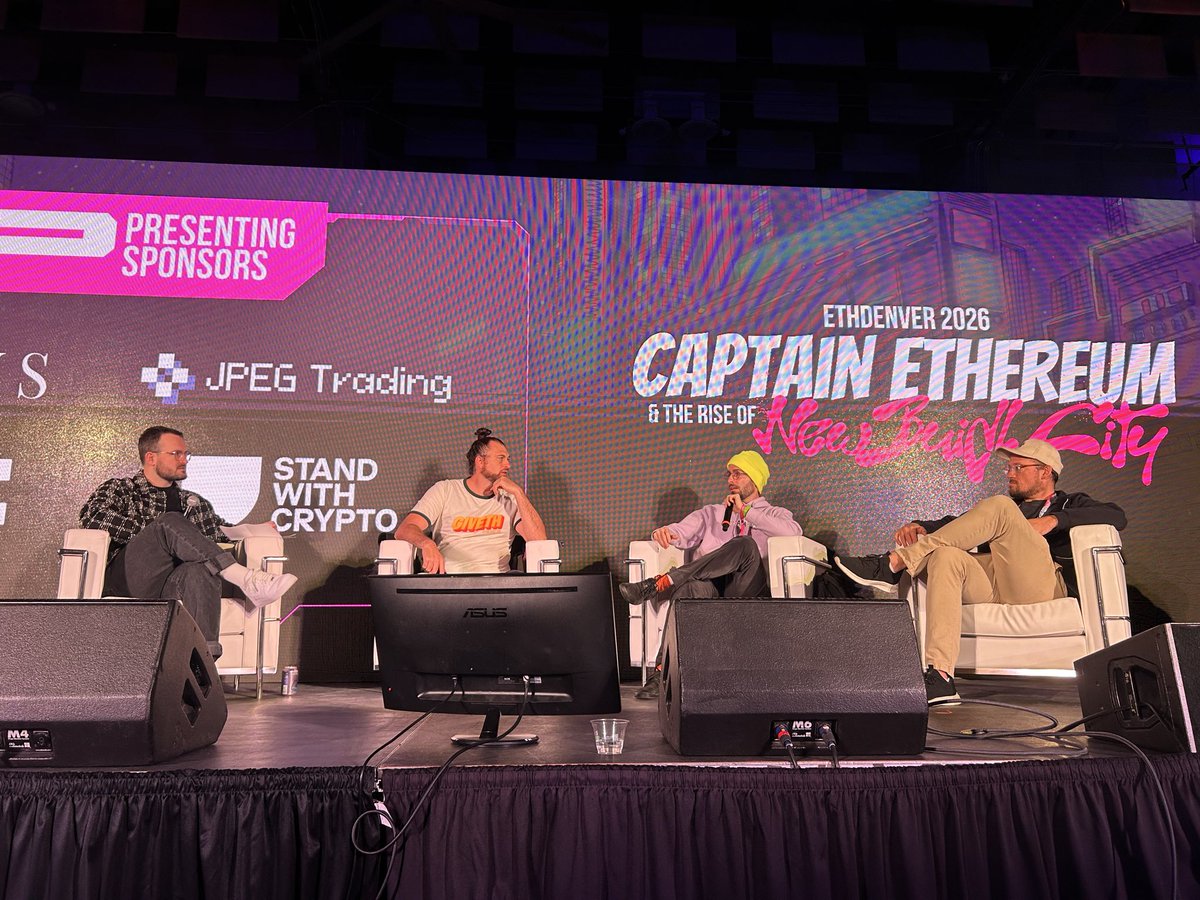
> Events (globally distributed accessible places to meet eachother, for people and institutions alike)
> AI
> Global scale decentralized finance
> Stablecoins (50% of all stablecoins are on Ethereum).
> Upgrades (glamsterdam, hegota, upcoming).
> EIPs (multiple EIPs everyday, you can see them via @ethresearchbot)
> and more…
If you want a censorship resistant, open source, secure and privacy preserving substrate for the world that acts as a sanctuary for all types of value, then Ethereum has you covered.
36
73
564
27,806

andyguzman.eth | privacy/acc retweeted

Jun 3
1/ New post alert! ⏰
Is onchain ZK PQ-ready? Round two of putting WHIR on Ethereum gave us an inconvenient result: small fields shrink proofs but make them challenging to verify. We rebuilt WHIR verifier over a 31-bit KoalaBear field and measured where the gas goes.
pse.dev/blog/evm-verificatio… 🧵
2
9
31
2,940
andyguzman.eth | privacy/acc retweeted

Jun 2
Tom Lee: Ethereum DATs can use ~$500 million in annual staking rewards to fund grants for Ethereum ecosystem
“The Ethereum Treasuries — Bitmine and Sharplink among others — now own 7% of the Ethereum supply… Treasury stock is essentially supply permanently taken out from the ecosystem, but we also own the yield. The yield is around 3% so today these public treasuries are generating ~$500 million in rewards, and that is what we can use to fund and grant the crypto ecosystem.”
Lee believes that the Ethereum Foundation narrowing its focus to CROPs (censorship resistance, openness, privacy and security) is the right decision.
“Ethereum is a $240 billion network value entity. It has been operating for 11 years without a single day of downtime. There’s 11,500 nodes in 89 different countries. And there’s 15,000 developers. I think this is too big to be coordinated by a single foundation.”
As Ethereum continues to scale, he believes the ecosystem will move beyond a foundation-centric model and points to private companies like Etherealize, Optimism, Consensys, Enterprise Ethereum Alliance, and Offchain Labs that represent the Ethereum ecosystem and are already doing enterprise engagement.
“This list doesn’t yet reflect the spinoffs coming from the Ethereum Foundation. There’s at least five, and I think Bitmine will play a role in granting and supporting any of those that come out.”
“I think Ethereum is in good hands because the foundation is going to be stronger by staying focused. We have a lot of private sector companies already building products and important L2s on Ethereum. And of course, the treasuries are here to help with funding and granting… If you’re bearish, you are selling at the bottom.”
48
151
844
124,127
andyguzman.eth | privacy/acc retweeted

Jun 2
Today a crazy quantum story just got wilder.
On March 31, the Google Quantum AI team published a landmark result on Shor's algorithm for elliptic curve cryptography. Technically, the paper was a bombshell: a dramatic 10x improvement over the state-of-the-art. As a stunt and wakeup call to the blockchain space, those optimisations were illustrated on secp256k1, the elliptic curve underlying Bitcoin and Ethereum signatures.
But perhaps the most striking part of the paper was sociological, not technical. Instead of following standard academic process, the optimisations were kept secret, hidden behind a zero-knowledge (ZK) proof. Google's accompanying blog post mentions they "engaged with the U.S. government". The ZK proof demonstrates the existence of algorithmic improvements without leaking details. Academic censorship with ZK, a historic first!
As a co-author of the Google paper I witnessed some of the context surrounding this censorship. To be honest, multiple aspects of that context don't sit well with me. As much as I believe the general public ought to know more, I am limited in my ability to whistleblow. Though let me be clear about one thing: the Google team's professionalism has been absolutely exemplary, and they deserve nothing but praise.
Censorship has a way of backfiring. The Streisand effect, where an attempt to bury something only draws more attention to it, is exactly what's unfolding today. First, Google's key optimisation has been rediscovered by the French. And in a thrilling turn of events, a collaborative Shor-at-home challenge just launched. The initiative, available at ecdsa[.]fail, breached a new Shor world record in a matter of hours.
Let's start with the rediscovery. Just two months after Google's paper, French quantum expert André Schrottenloher cracks the main secret optimisation. His paper, titled "Optimized Point Addition Circuits for Elliptic Curve Discrete Logarithms", landed on the arXiv today. Big congrats to André, who beat several other nerdsnipped experts to it. In a blog post also published today, Craig Gidney, the world expert on Shor optimisations, revealed that he'd been sitting on this very optimisation for a whole year under censorship pressure.
Interestingly, André missed a handful of minor optimisations, both from Google's original publication and from improvements found since. It's plausible there's still plenty of juice left to squeeze out of Shor, and this is exactly what the ecdsa[.]fail challenge is about. The verifier program developed for the ZK proof does double duty, automatically filtering for valid submissions. Dozens of compounding small and micro improvements are rolling in. As of the time of writing there's an 8.4% improvement to Google's circuit, as measured by the product of logical qubit count and Toffoli gate count. Nice!
The nerdsnipping ran deeper than anyone expected. Over the last few weeks it became clear it extended well beyond André and other quantum experts. Behind the scenes, a small army of amateurs quietly got to work. Inspired by Karpathy-style autoresearch, they turned AI on Shor. Ironically, the verifier program for the ZK proof makes an ideal reward function for AIs. The barrier to entry for this modern style of research is refreshingly low, with several non-experts, even a teenager, finding nice optimisations. Get in touch if you'd like to join a Telegram group with fellow autoresearchers :)
Part 2: neutral atoms and qday
The story doesn't end with Google. On the same day Google went public, a stealthy startup called Oratomic published its own Shor paper in a coordinated release. It made a splash, ultimately becoming the most upvoted paper on scirate[.]com, a website ranking arXiv papers.
Oratomic's claim was wild. By building on Google's logical optimisations and applying custom physical optimisations for neutral atoms, they claimed just 10K physical qubits were sufficient to run Shor's algorithm on secp256k1. That number is mind-bogglingly low.
Knowing essentially nothing about neutral atoms when Oratomic's paper landed, I was intrigued and decided to learn more about the tech. I fell straight down the rabbit hole and spent a couple hundred hours on the topic. I got a little obsessed and watched every YouTube video I could find and spoke to a bunch of experts.
My conclusion? The tech is real, very real. Even Google recently decided to start a neutral atom lab, a notable pivot from their sole focus on superconducting qubits. If you care about qday, i.e. the day a quantum computer will break the first piece of cryptography in production, neutral atoms demand your attention. I shared some of my learnings on Shor and neutral atoms in a 30min talk at the ZKProof cryptography conference. You can find it on YouTube by searching "zkproof neutral atom".
Here's an interesting observation about this duo of breakthrough papers: neither Google nor Oratomic say a word about what their results mean for qday. No timelines. Zero. Nada. That is especially baffling given that the whole point of whitehat quantum cryptanalysis is to inform qday estimations and help the general public make good decisions.
So let me attempt to partially fill the silence, similarly to what Scott Aaronson did in his April 29 post. Given everything I know, including scary non-public information, I now put the odds of qday by 2032 at 50%. 10% by 2030.
Anecdotally, the US government has its own date: 2035. Originating at the NSA and later adopted by NIST, it's when branches of the US government will be disallowed from using quantum-vulnerable cryptography. In plain language: with hindsight, that date is a joke and should be discounted entirely. I don't see how NIST avoids being forced to pull it forward by years.
Part 3: post-quantum cryptography
There are good reasons to sound the alarm today, but please do not panic. Rushing carelessly towards immature post-quantum cryptography is a recipe for disaster. IMO a good target date for migration is 2029, roughly 3.5 years out. 2029 happens to be the date selected by Google, Cloudflare, and the Ethereum Foundation.
These days most of my time goes to safely migrating Ethereum towards post-quantum cryptography as part of the broader lean Ethereum effort. There's a lot to do. We need to rip out and replace BLS signatures at the consensus layer, KZG commitments at the data layer, and ECDSA signatures at the execution layer.
The plan to get there is compelling, and is based on hash-based cryptography. Within the Ethereum Foundation we've developed a Swiss army knife called leanVM (github[.]com/leanEthereum/leanVM) powered by the magic of hash-based SNARKs. Thanks to truly exceptional work by Emile, Thomas, and others, its performance is derisked. Regarding security, leanVM is a jewel, a minimal zkVM crafted for end-to-end formal verification and maximum security.
Want to help? There are two $1M initiatives. First, the Proximity Prize (proximityprize[.]org). Solve a long-standing mathematical conjecture in coding theory, improve hash-based SNARKs, and go home a millionaire. Second, the Poseidon Initiative (poseidon-initiative[.]info), offers $1M for breaking Poseidon, the SNARK-friendly hash function.
408
1,128
6,241
3,699,695
andyguzman.eth | privacy/acc retweeted

(on privacy & censorship resistance) it's getting better!
what excites me the most on the protocol side:
- next fork (2026) enshrines proposer-builder separation (EIP-7732), removing relay chokepoints
- the one after (i) encrypted mempools (EIP-8105) privacy until transaction is included, (ii) fork-choice inclusion lists (EIP-7805) so any single validator can force inclusion, and (iii) frame transactions (EIP-8141) which is native account abstraction that breaks the relayer surveillance link & enables PQ
- further out: proposals on native private shielded pool, secret leader election and DVT for proposer anonymity, & others on networking-layer tx-origin hiding. mostly research, but on the roadmap
now on the app layer side:
this is where hundreds of teams have been shipping for years:
- onchain transfers: 50 teams live on Ethereum. @PrivacyEthereum did a dashboard private-transfers.pse.dev/ comparing different tradeoffs, @TornadoCash @0xprivacypools @RAILGUN_Project leading TVL but many more behind with great UX like @fluidkey @0xCurvy @UmbraCash
- wallets: Kohaku ref implementation of security privacy wallet that's shipping tons of innovations on integrated priv protocols, light clients, (soon) anonymous layer requests, priv recovery, etc x.com/VitalikButerin/status/…
- dashboards: both Walletbeat beta.walletbeat.eth.limo/wal… and L2Beat
x.com/l2beat/status/20592761… providing amazing info on progress wallets and protocols on both privacy and security on Ethereum
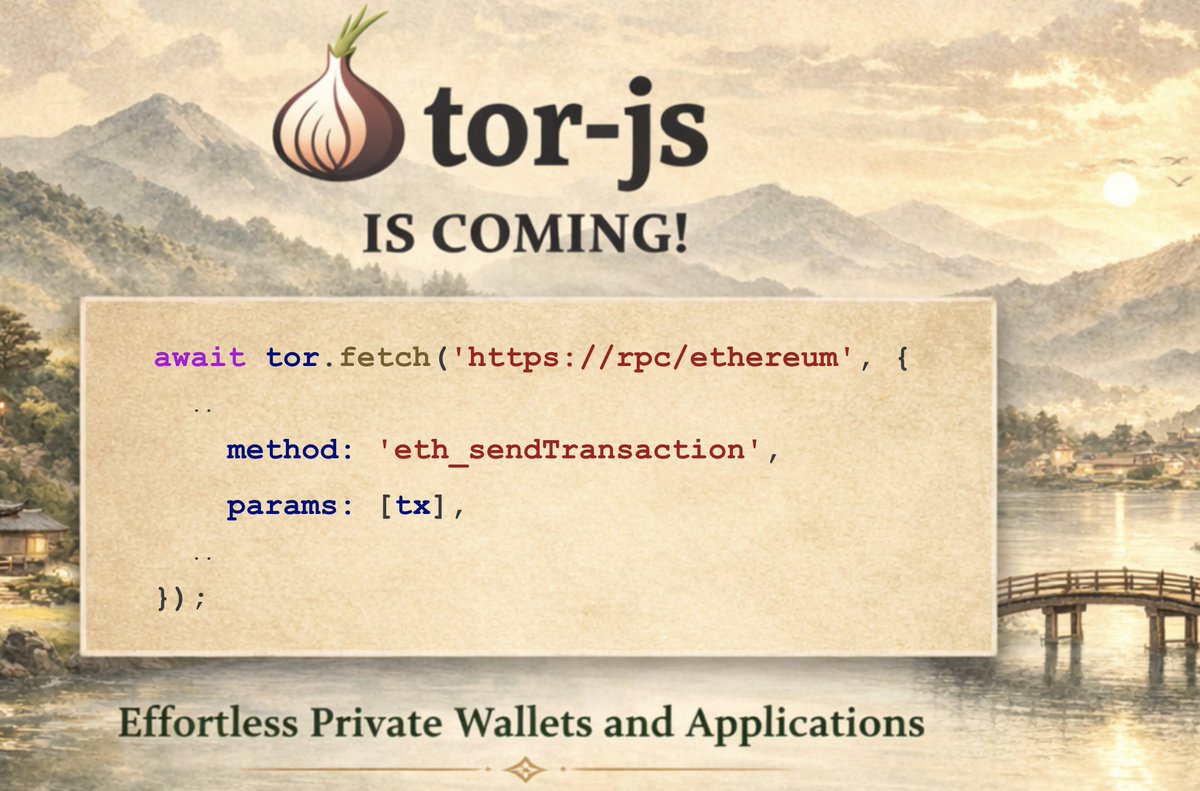
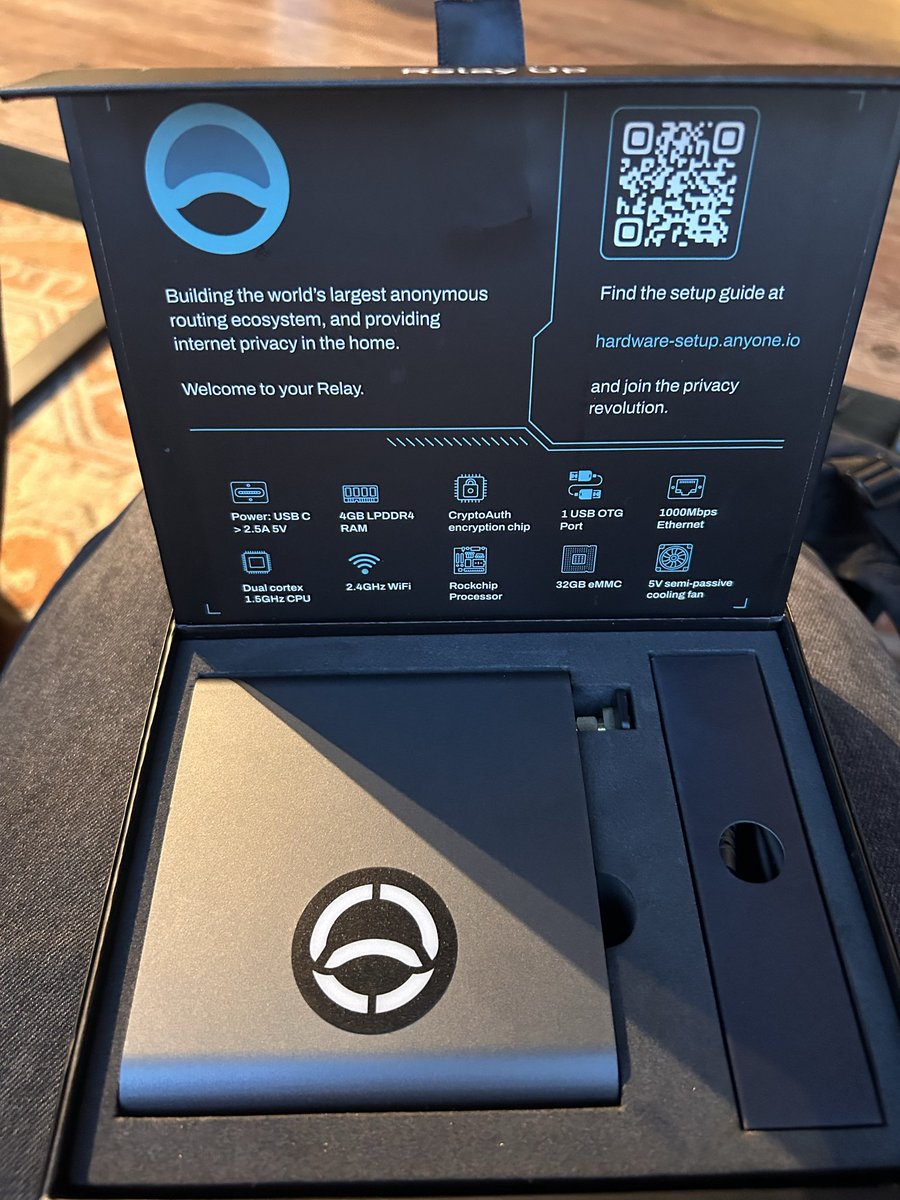
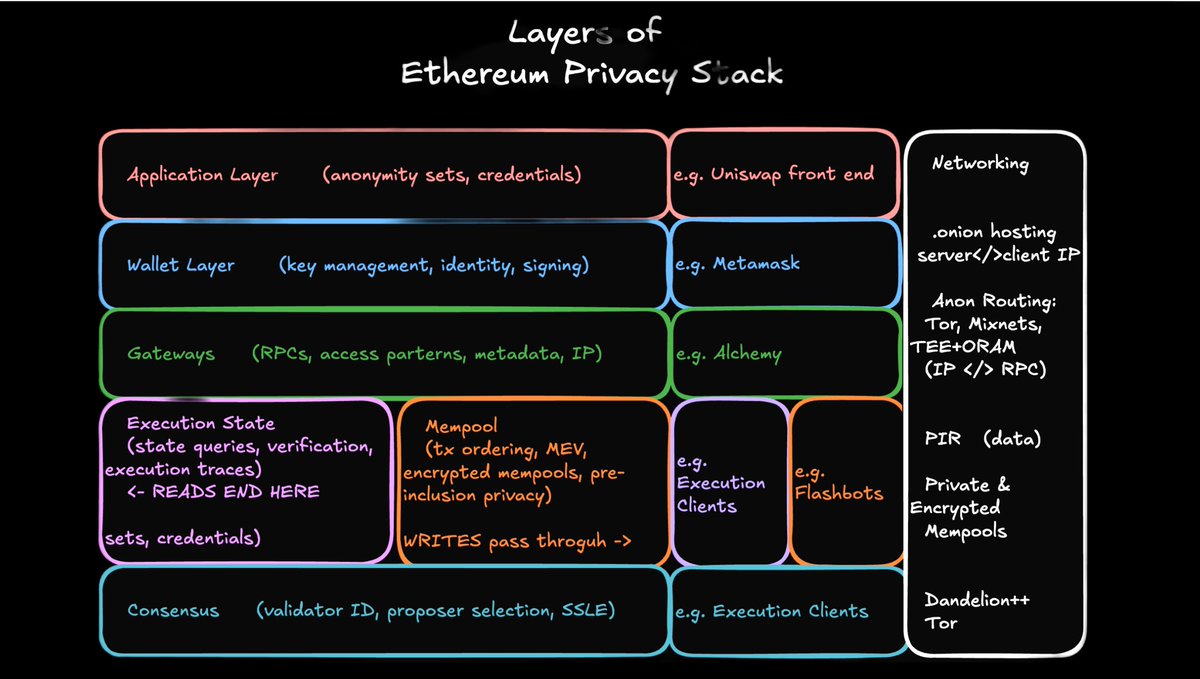
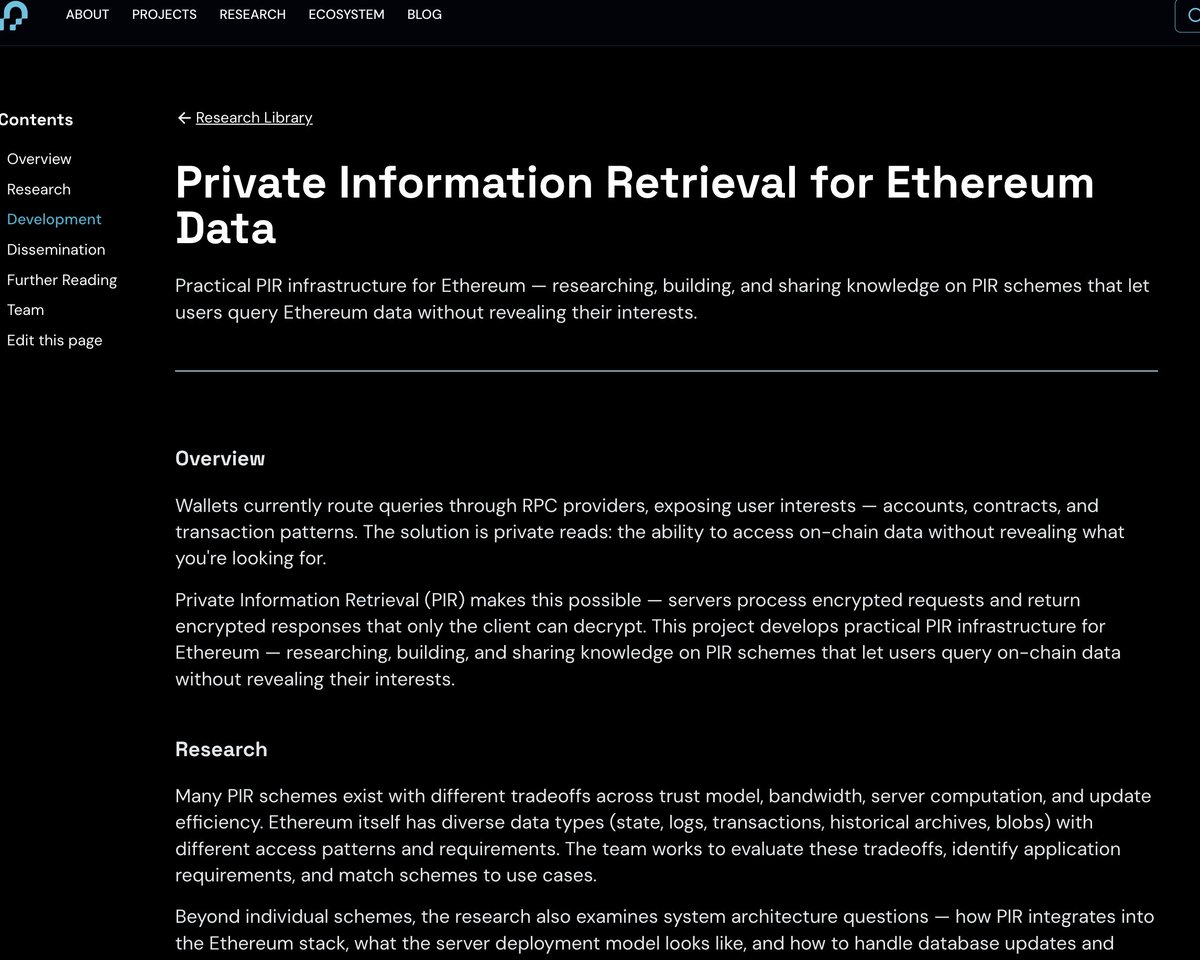
- private RPC/reads: not leaking your intention by querying state or broadcasting transactions before they land on the mempool. privreads.ethereum.foundatio… Can mention i) work on TorJS shipped as npm package allows wallets to integrate privacy with standard viem or other libs. ii) Upcoming proposal for integrated interface to abstract Tor/Nym/Hoppr/zkNet/Anyone,etc for networking privacy with the same library. iii) work on PIR to hide queries to indexers, block explorers, with 30 PIR schemes benchmarked and standardizing a sharded design
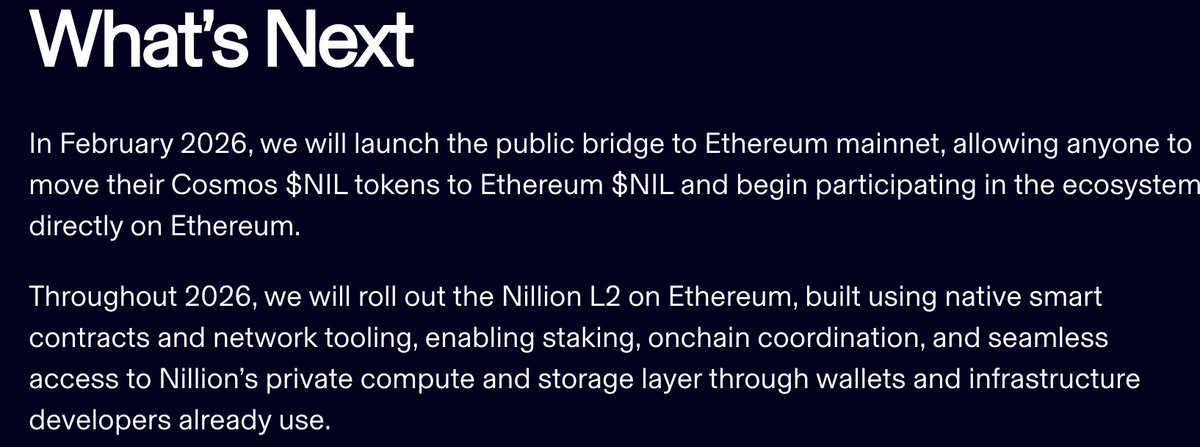
- L2s: complete private environments with programmability like @AztecLabs_ and others like @inconetwork @COTInetwork @nillion silent and many more
- identity: Ethereum becoming the trust anchor for private identity disclosure and real-world adoption like in Taiwan, EUDI and other initiatives. x.com/PrivacyEthereum/status…
- identity ecosystem: Many great teams building here @worldid @0xHolonym @ZKPassport @selfxyz
- ecosystem awareness: @web3privacy doing amazing job at evangelizing and connecting ethereum with broader CROPS & privacy players in the world. Also other EF teams and privacy-focused communities keeping the flame alive and training new generations of cypherpunks/CROPS people
- dAI private AI API usage: ethresear.ch/t/zk-api-usage-…
- dAI reputation: ACTA gives anonymous reputation to agents x.com/PrivacyEthereum/status…
- a lot of work in institutional x privacy adoption done by iptf.ethereum.org/
- a lot of work and maturity on privacy tooling: DSLs, zkVMs, data structures, hardening & formal verification efforts
To summarize, none of this is "done." A big chunk is in production->scaling phase or in the research->prototype phase.
However, there's never been more direction, energy, tooling available to push privacy and it's center as a first-class property we want to see on Ethereum both at the protocol and the app layer. So yeah, getting better
May 5

1/Introducing ACTA: Anonymous Credentials for Trustless Agents.
A composable privacy layer above ERC-8004 so agents can prove: personhood, reputation, model provenance, user jurisdiction, and more — without publishing the interaction graph.
🧵 ethresear.ch/t/anonymous-cre…
1
2
8
496
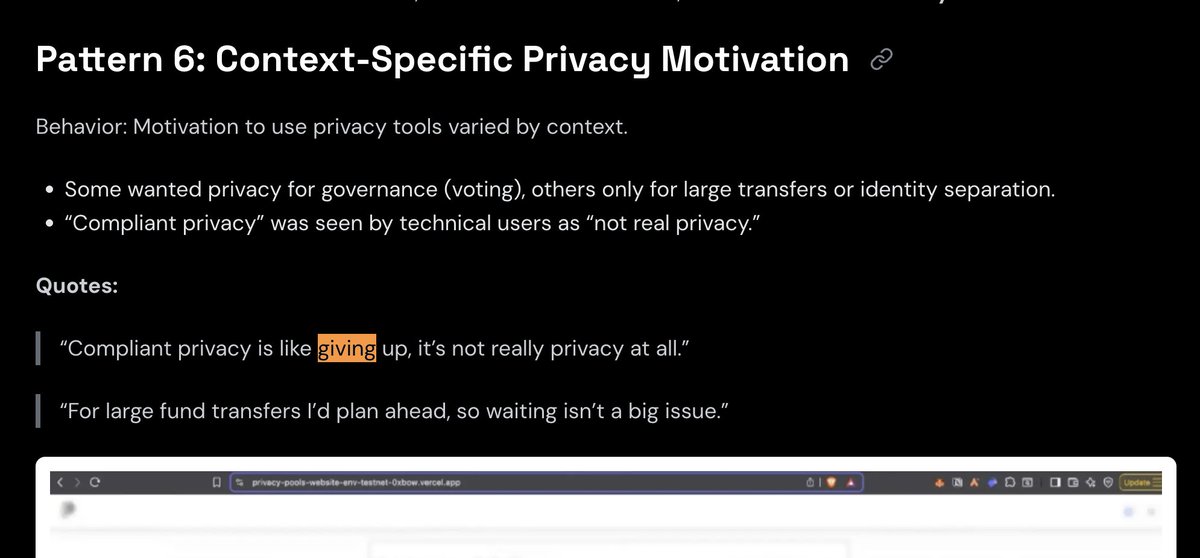
We really need CROPS stablecoins
it's not enough to have compliant tokens privacy protocols
compliance != censorship resistance
May 30

Update 1: it seems our confidential USDC contract was caught in a crossfire of another case. Will update with more info asap.
16
9
137
52,594

We recently launched our Privacy page, featuring support for three major privacy pools. While these protocols promise to decouple deposits from withdrawals, your activity could still be linked if you don't follow basic privacy pool hygiene.
Based on the article we published, here are 6 core practices 👇
12
14
97
8,895
andyguzman.eth | privacy/acc retweeted

May 29
A year of backtesting for the Fast Confirmation Rule confirms (!) that:
- 96% of past blocks would have been fast-confirmed in a single slot. This could mean deposits from Ethereum to L2s or CEXes available in about 12 seconds!
- The remaining 4% are usually confirmed fast too, usually much faster than other, less secure confirmation rules such as k-deep confirmations
- No false confirmation is ever issued
Client implementations continue 🫡
May 29

We built a simulator for the fast confirmation rule, and replayed a years worth of blocks and attestations on Mainnet.
Across 800,000 mainnet slots, roughly 96 out of every 100 slots would have been fast-confirmed within 12 seconds.
Zero false confirmations.
Read more below!
6
19
179
9,607
andyguzman.eth | privacy/acc retweeted

May 29
Artificial intelligences do not undergo experiences, do not possess a body, do not feel joy or pain, do not mature through relationships, and do not know from within what love, work, friendship or responsibility mean. Nor do they have a moral conscience, since they do not judge good and evil, grasp the ultimate meaning of situations, or bear responsibility for consequences. They may imitate or even simulate, but they do not understand what they produce, for they lack the affective, relational, and spiritual perspective through which human beings grow in wisdom. #MagnificaHumanitas
4,059
60,367
309,879
14,186,425
andyguzman.eth | privacy/acc retweeted
May 28
New on the blog: Machina iO's four-part series on circuit-specific decryption keys for FHE.
A primitive that lets a decryption committee publish a key for one specific computation and then step away no need for an always-online committee.
pse.dev/blog/circuit-specifi…
1
5
18
984

Mopro is presenting at @appjsconf 🎉
Bringing privacy-preserving cryptography to mobile apps — because your users' data should stay theirs.
📅 29 May 2026
⏰ 15:10 (GMT 2)
📍 Stara Zajezdnia 🇵🇱
Details: appjs.co/
3
10
290

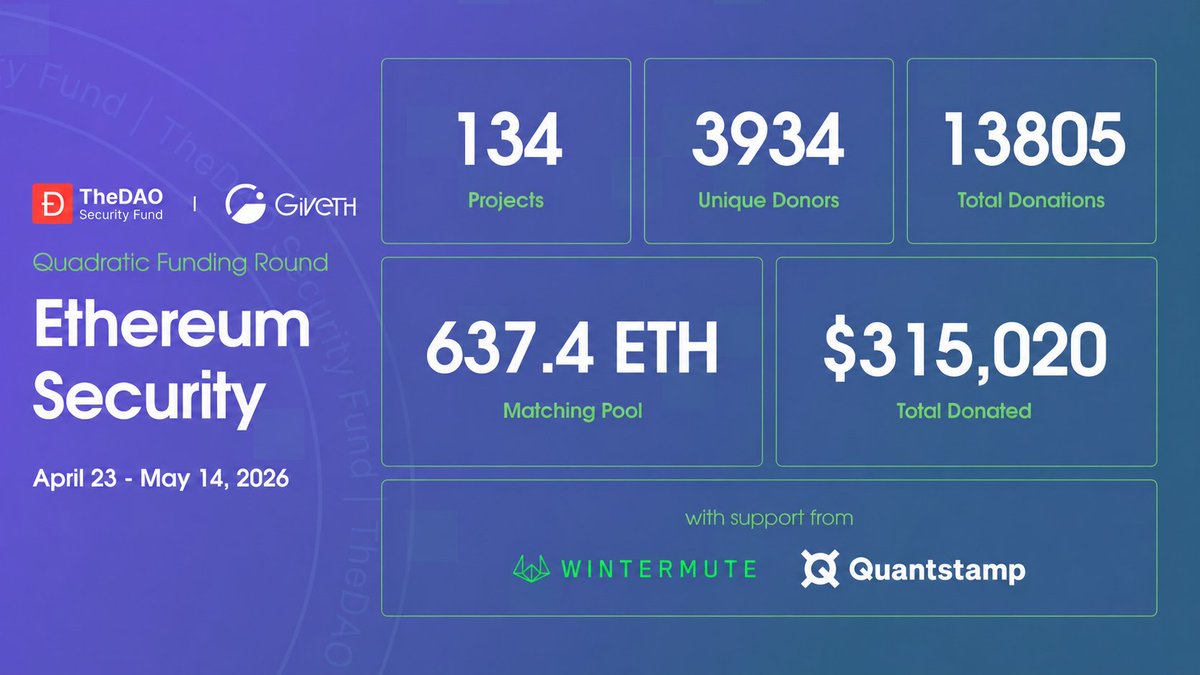
🛡️ The results for the @thedaofund’s Ethereum Security QF Round are LIVE!
This historic round is closing with a HUGE last minute contribution:
@wintermute_t has added $200K to the matching pool 🔥
Wintermute is a well known liquidity provider, and one of the leading supporters of Ethereum security, in fact exactly a year ago today they donated $1M to @_SEAL_Org.
This year they teamed up with TheDAO, @Quantstamp & several other community partners to allocate over $1.6M worth of funding to Ethereum Security Public Goods 👇
79
105
376
142,187
is anyone working in unifying anonymity sets in heterogeneous systems?
i.e. unifing Tornado Cash, Railgun, Privacy Pools, etc anonymity sets
8
3
49
5,785
andyguzman.eth | privacy/acc retweeted

Devcon 8 tickets are live!
The first global ticket wave is open for Ethereum’s next major gathering, rooted in open source, privacy, security, censorship resistance, and capture resistance.
Early Bird: $349. ETH only.
Limited quantity! Get yours: devcon.org/tickets
55
77
269
251,696
andyguzman.eth | privacy/acc retweeted

May 26
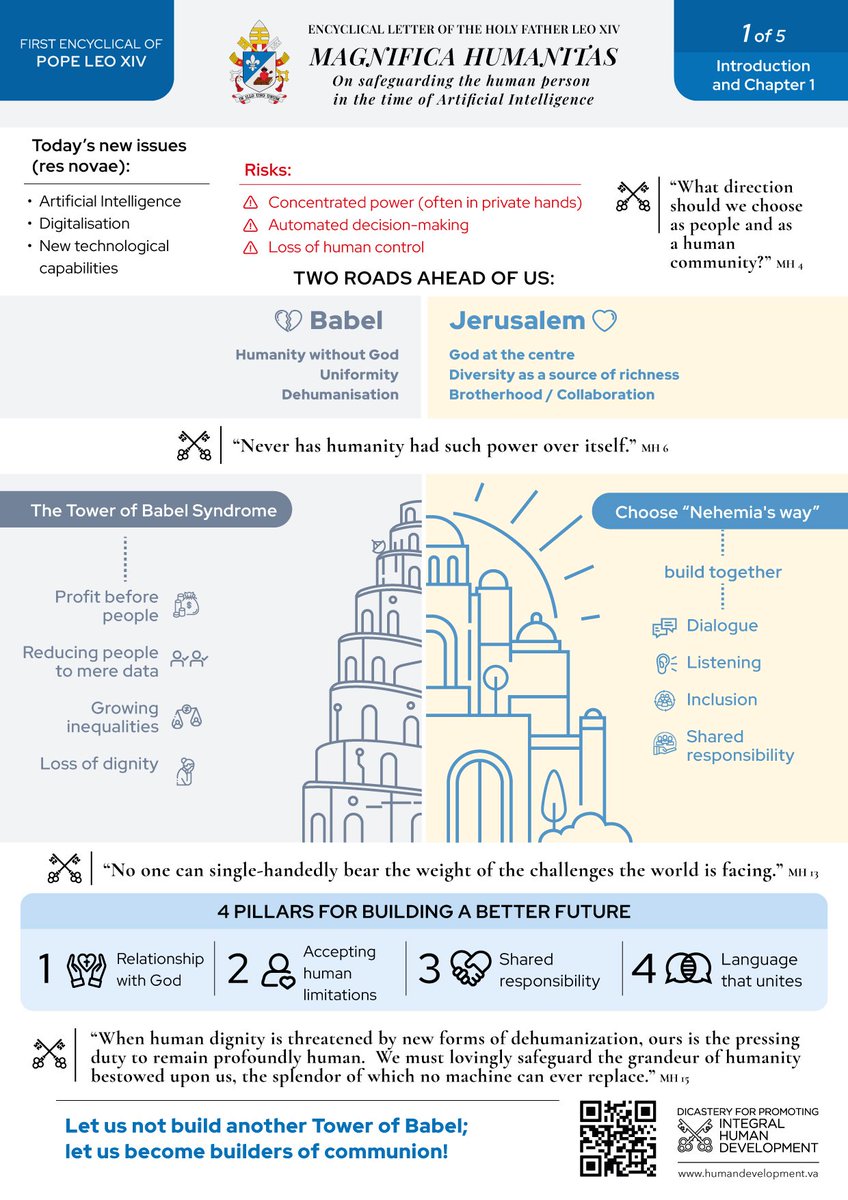
Hey lazy people: the Vatican made infographics for you
185
6,222
25,920
905,782
andyguzman.eth | privacy/acc retweeted
May 27
We built a real-world OpenAC implementation for privacy-preserving proof of personhood.
It uses an existing government-issued credential, proves eligibility in zero knowledge, supports revocation checks, and runs the proof flow on mobile devices.
Check threads for links and summary 🔗
6
23
76
7,453
Open source is a divine mandate
'universal destination of goods'
May 26

Today, among the goods that are universally intended for everyone, we must also include new forms of property, such as patents, algorithms, digital platforms, technological infrastructure and data. In a context where the wealth of nations depends increasingly on knowledge and technology, when these goods remain concentrated in the hands of a few, without adequate forms of sharing and access, a new imbalance is created that contradicts the universal destination of goods. In turn, it widens the gap between the included and the excluded, between those who can participate in the digital revolution and those who remain on the margins. #MagnificaHumanitas
1
8
424
andyguzman.eth | privacy/acc retweeted

May 25
Bar
May 25
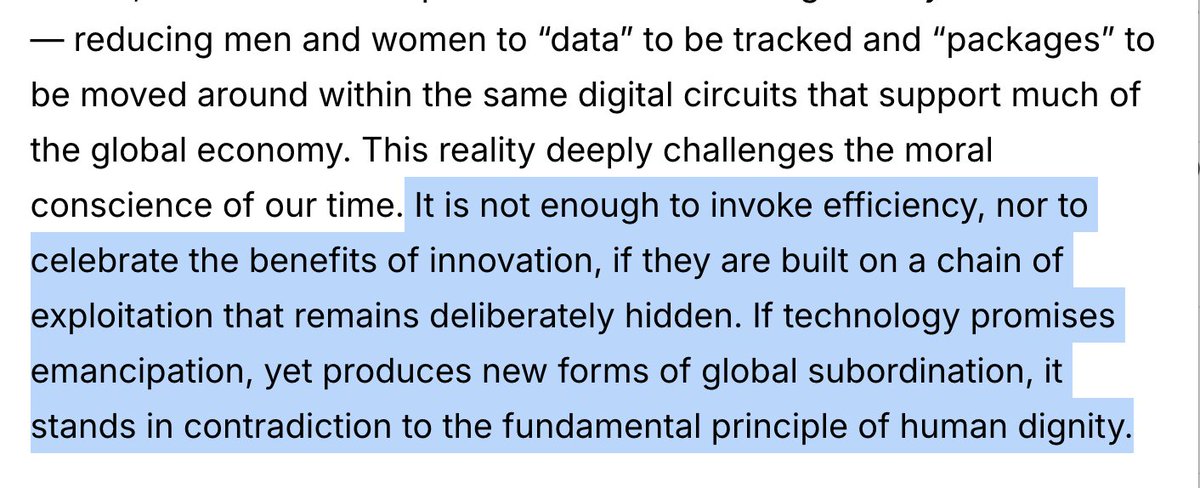
Humanity, created by God in all its grandeur, is today facing a pivotal choice: either to construct a new Tower of Babel or to build the city in which God and humanity dwell together. In Jesus Christ, this humanity in its grandeur becomes the Way, the Truth and the Life, opening the path for each of us to grow toward fullness. #MagnificaHumanitas
vatican.va/content/leo-xiv/e…
45
12,019
58,834
1,050,495
andyguzman.eth | privacy/acc retweeted
May 26
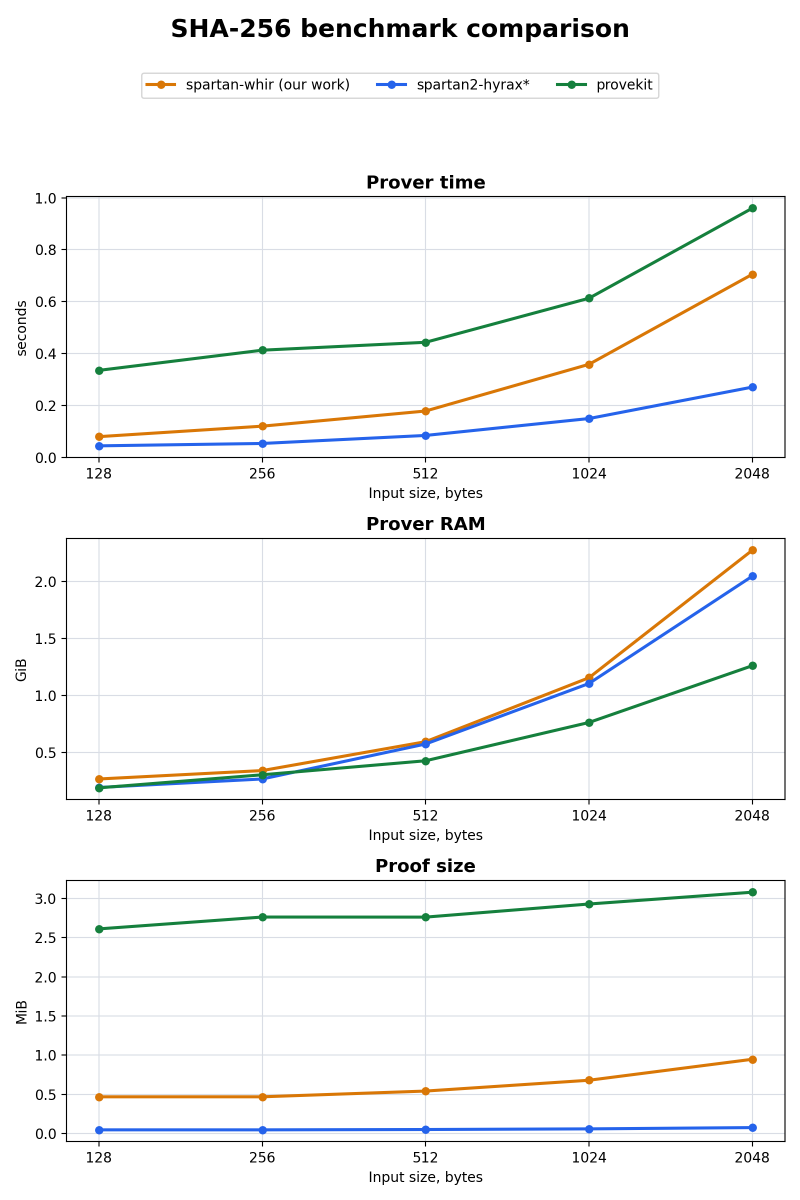
The latest work from the Client Side Proving team- Spartan-WHIR: a transparent (no trusted setup), post-quantum SNARK with 128-bit security.
May 26

1/5
WIP update for our client-side Spartan-WHIR: a transparent (no trusted setup), post-quantum SNARK with 128-bit security.
Repo: github.com/alxkzmn/spartan-w…
Why compare against Spartan2 and ProveKit, and how we're different? 🧵👇
8
52
3,719