aka brad smith. Lover of live music, especially jazz (though I wander). Worked on Firelight Films' Sun Ra: Do The Impossible.
Joined May 2019
- Tweets 9,928
- Following 2,081
- Followers 1,379
- Likes 10,133
1,923 Photos and videos







Pinned Tweet

Mar 22
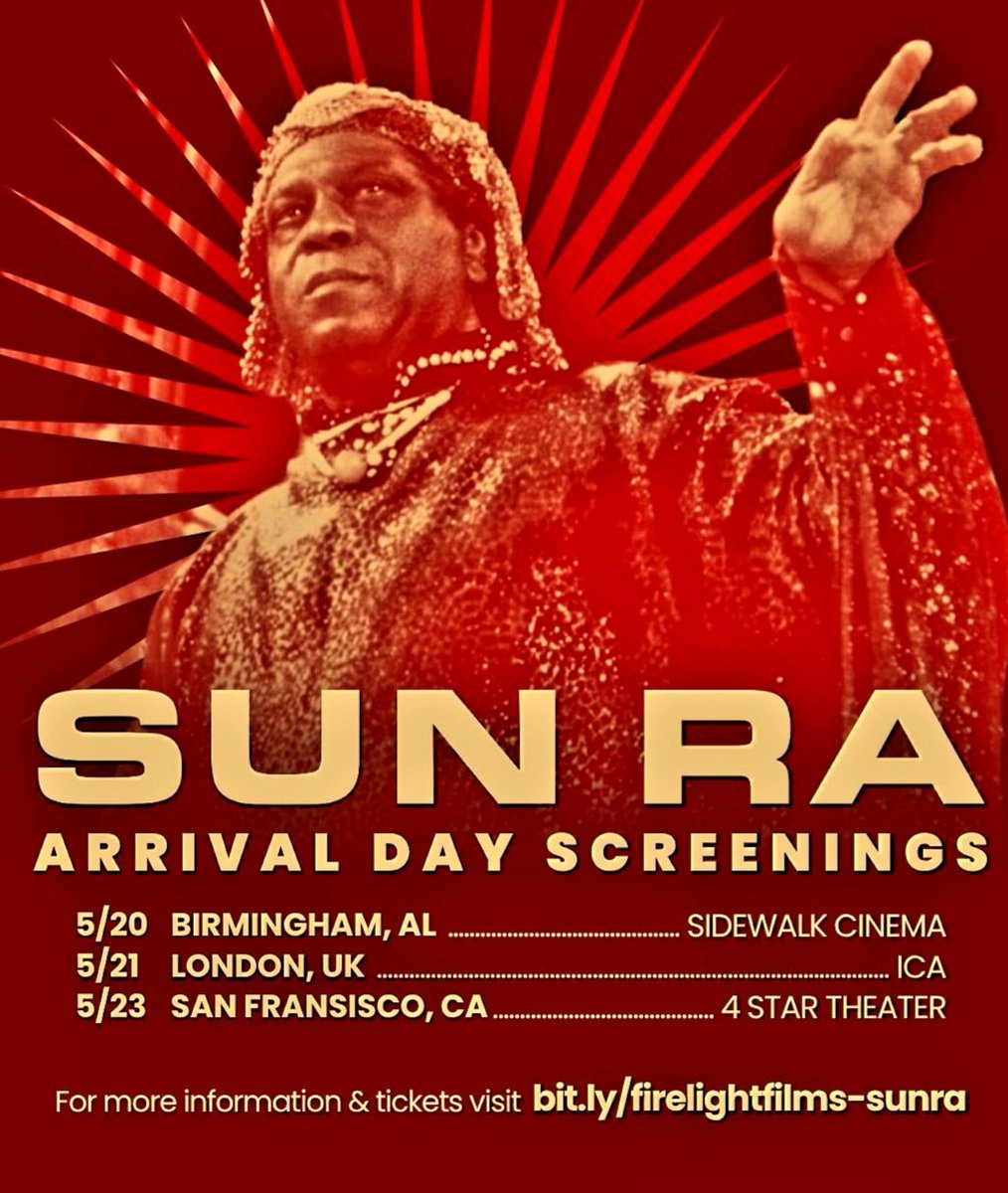
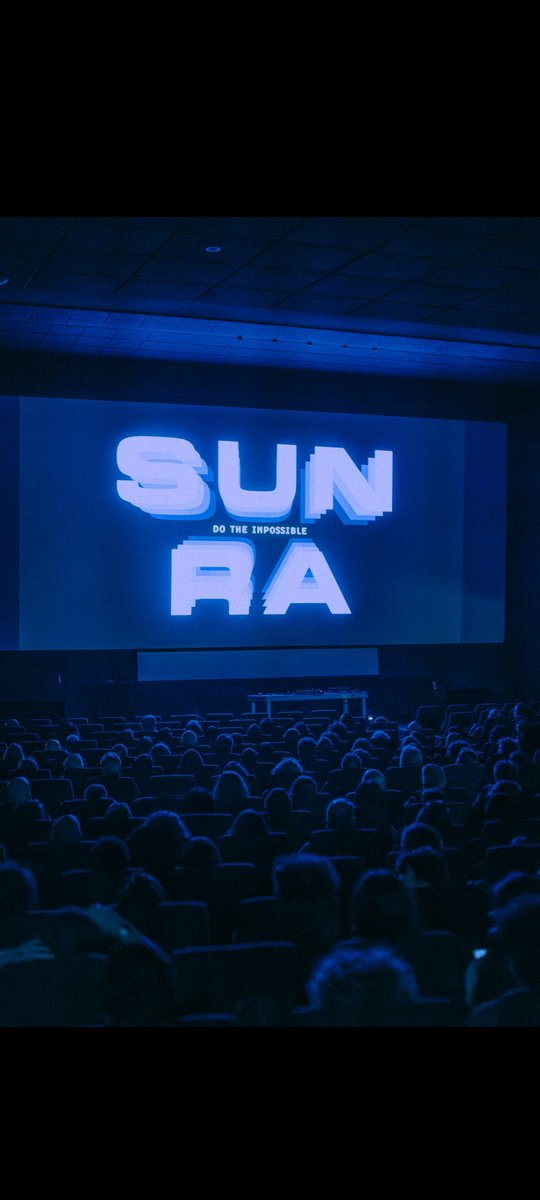
Thanks to all who watched @FirelightFilms Sun Ra: Do The Impossible during the @PBSAmerMasters premiere month. Can still be streamed via @PBS Passport and seen on the big screen in Europe, South América and the USA.
1
4
13
760
AnimateJazz retweeted

Jun 15
Sun RaのOther Planes of There…中古でも宇宙感じたくてたまらない。ジャズって不思議
(CD)Other Planes of There/Sun Ra
jp.mercari.com/item/2JSTKPFb…
1
1
23
AnimateJazz retweeted

Jun 13
Héctor Lavoe leading the crowd through "Mi Gente" with the Fania All Stars. Live at Coliseo Roberto Clemente in Puerto Rico, 1974.
5
67
210
7,822
AnimateJazz retweeted

Jun 14
#Jazz #ジャズ #CharlesMingus
Charles Mingus Sextet - Peggy's Blue Sky Light
(Live in Belgium, 1964)
I'm walking under the "Blue Sky" now.
Charles Mingus – Double Bass
Eric Dolphy – Alto Sax
Johnny Coles – Trumpet
Clifford Jordan – Tenor Sax
Jaki Byard – Piano
Dannie Richmond – Drums
1
77
213
3,807
AnimateJazz retweeted

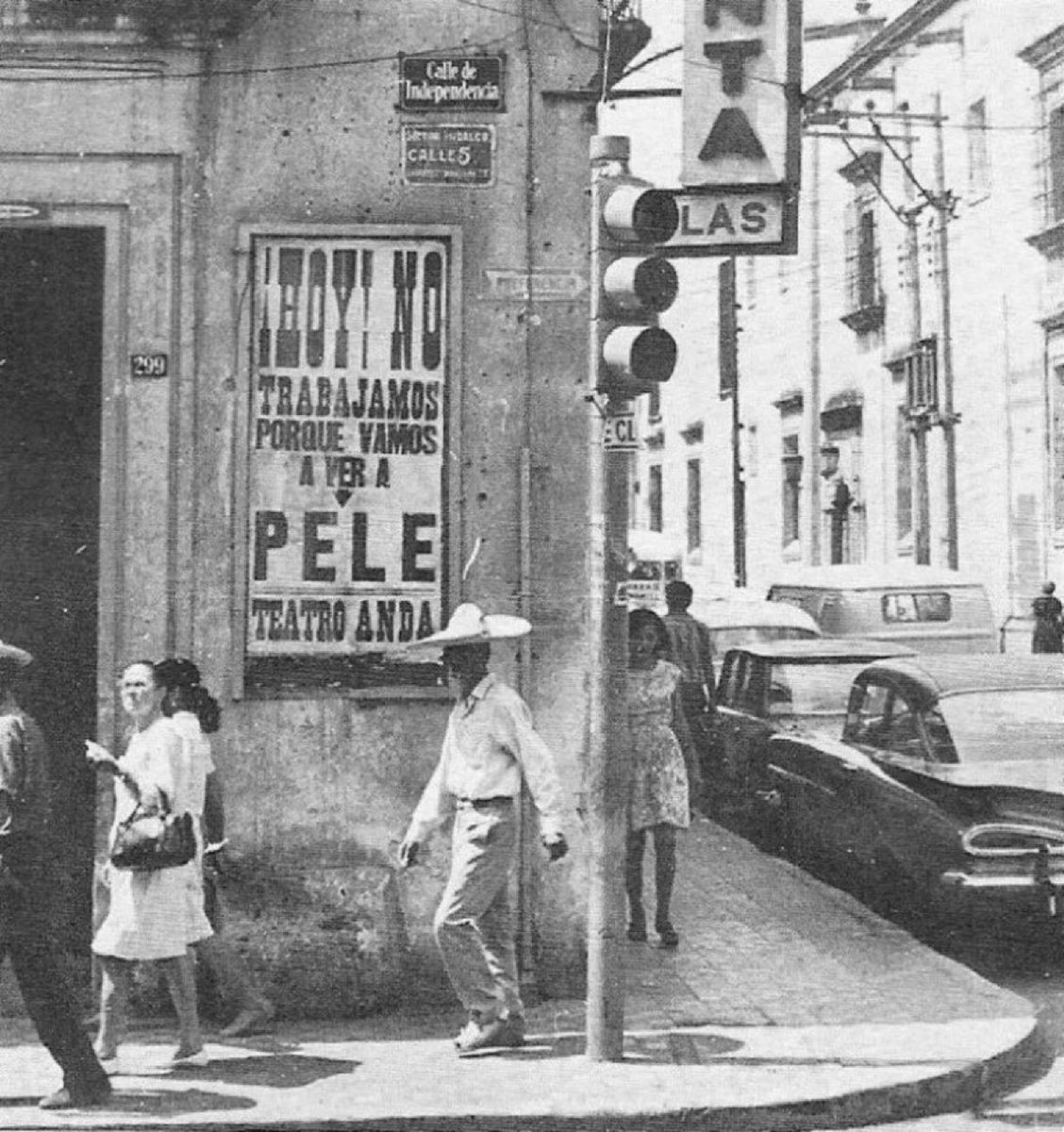
"Hoje não trabalhamos porque vamos ver Pelé" - Cartaz colocado em um Teatro do México durante a Copa do Mundo de 1970.
Nostálgico!
43
2,499
17,290
206,013
Jun 11
Now all we need is for #NYC to finally rename the Williamsburg Bridge, the "Sonny Rollins" bridge.
Jun 10

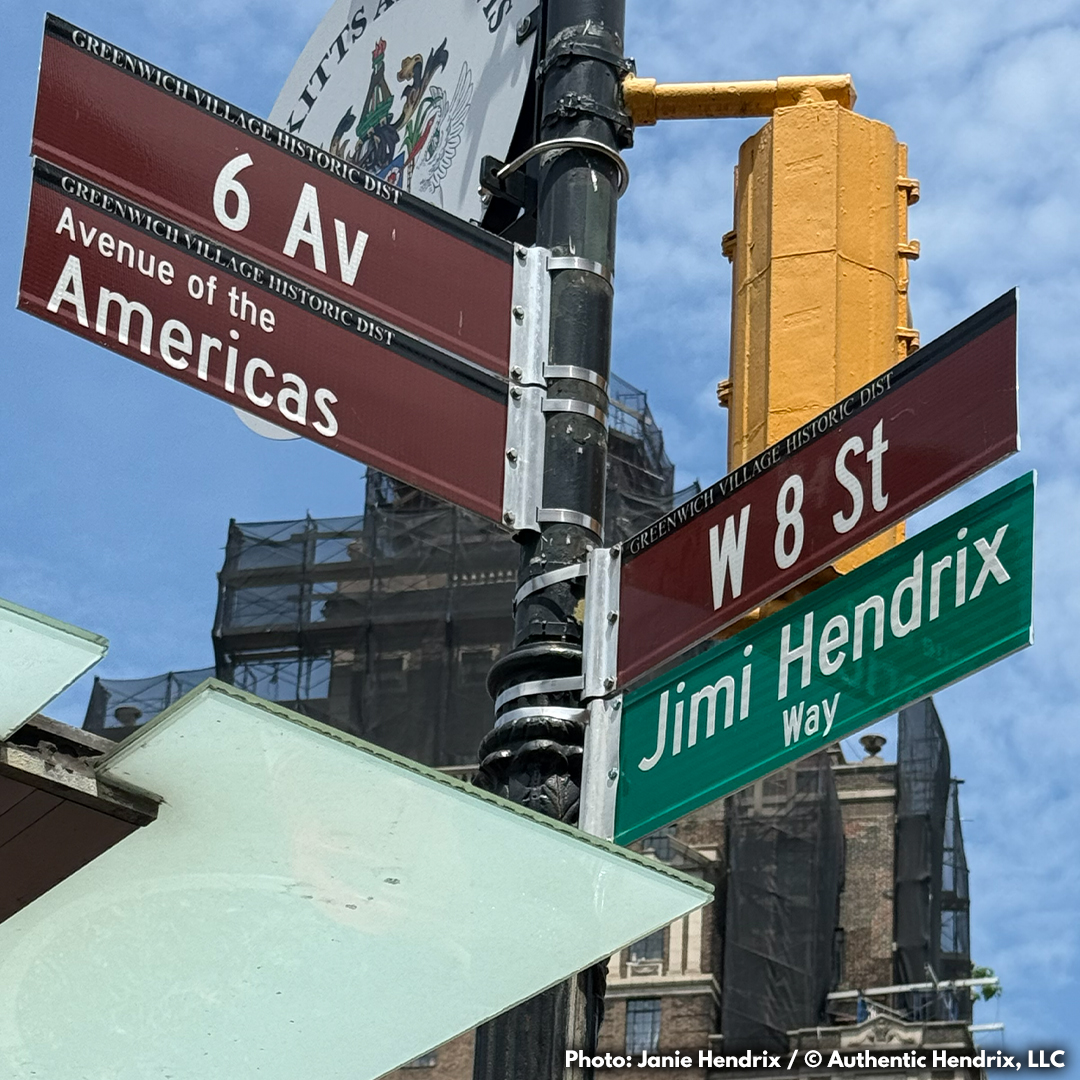
It's official... This morning New York City officially and permanently co-named West 8th Street as Jimi Hendrix Way. 💜 The new street sign unveiled today at the corner of 6th Avenue and West 8th Street is just down the street from Jimi Hendrix's landmark Electric Lady Studios in the heart of Greenwich Village. Stay Experienced!
6
15
804
AnimateJazz retweeted

Thelonious Monk - Caravan
(Live in Berlin, 1969)
1
53
198
4,496
AnimateJazz retweeted

Jun 10
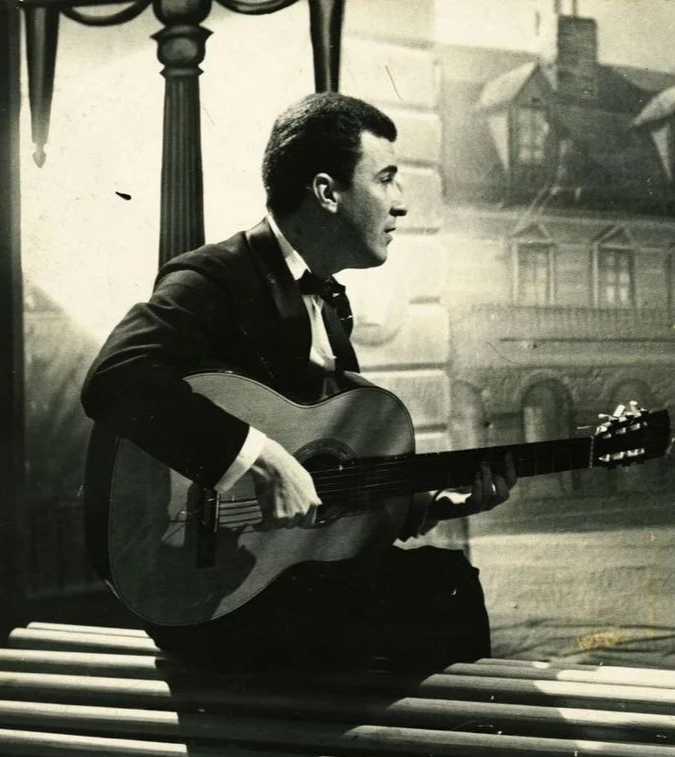
Em 10 de junho de 1931 nascia João Gilberto | 🇧🇷
1
26
272
3,211
AnimateJazz retweeted

Jun 10
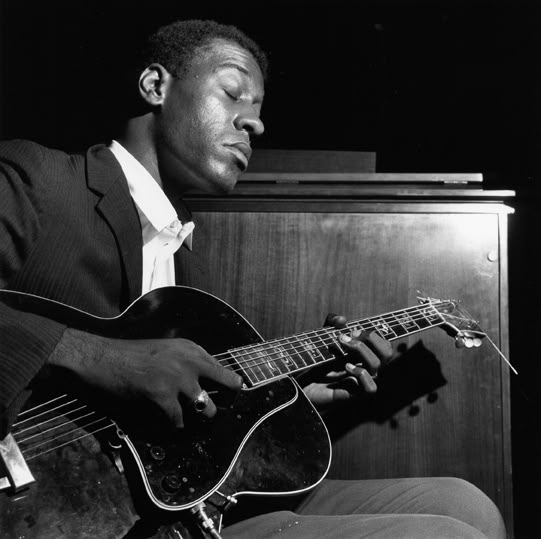
“Jazz, R&B, soul, rock and roll — it’s all just the BLUES, man!”
Remembering one of my favourite guitarists, Grant Green, born June 6th 1935 in St Louis, Missouri.
3
14
52
793
AnimateJazz retweeted

Jun 10
Love this essay by @MarcusJMoore on my favorite producer, the almighty @madlib & his "warped horn phrases, staggered bass lines, and drum breaks"
"The music moves with a crooked logic that feels equally unruly and purposeful, rickety yet calculated."
pioneerworks.org/broadcast/m…
1
2
2
219
AnimateJazz retweeted

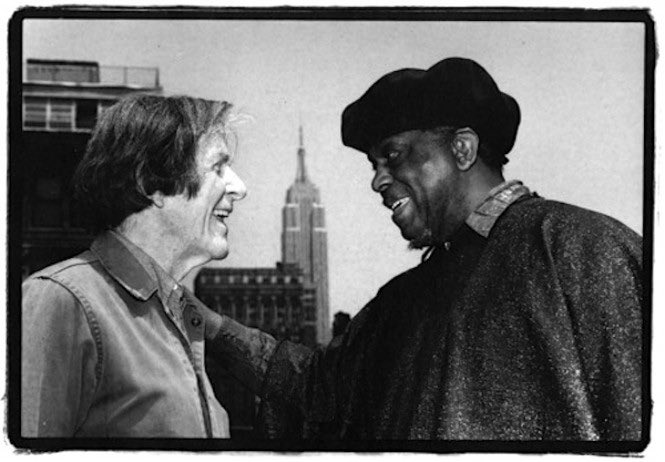
Sun Ra and John Cage performed together at Coney Island NY on this day June 8 1986
51
284
6,516
AnimateJazz retweeted

Jun 8
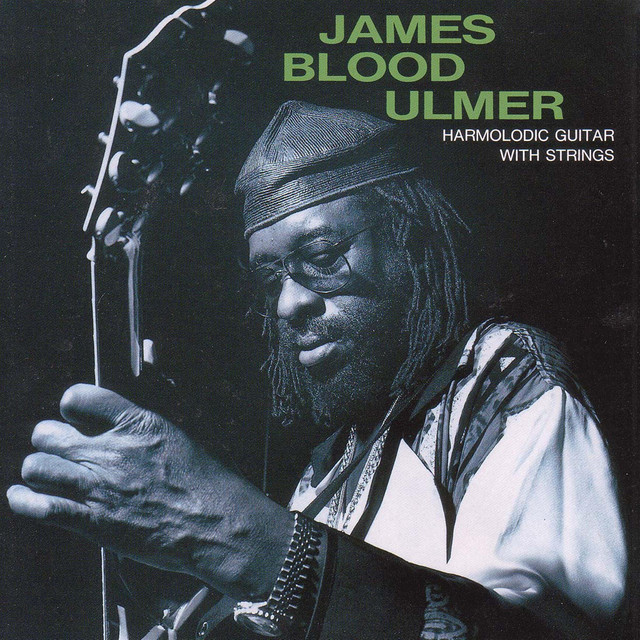
At the family’s behest, this sad news is finally being shared. I’ve known since Friday that he left this plane on Wednesday morning.The feeling of loss, for me, & many in my circle, is profound. Blood was 1 of 1. He was made of the stuff that Blues is made of. Raw. Pure. Elemental.
Jun 8

Visionary American guitarist James Blood Ulmer has died - he was 86 years old.
A true one-off - his family have shared a beautiful word statement...
clashmusic.com/news/james-bl…

90
275
1,573
220,589
Jun 8
Spent a great afternoon at SAMM- the Smithsonian American Art Museum -- seeing Nick Cave's elephantine instalation "Mammoth" and works like... americanart.si.edu/artwork/e…
72
Jun 4
It takes an omniverse: great orgs teaming up to screen Sun Ra: Do The Impossible, Friday, June 5, in D.C. @woollymammothtc panel and reception to follow. homerulemusicfestival.com/su…
1
1
125
AnimateJazz retweeted
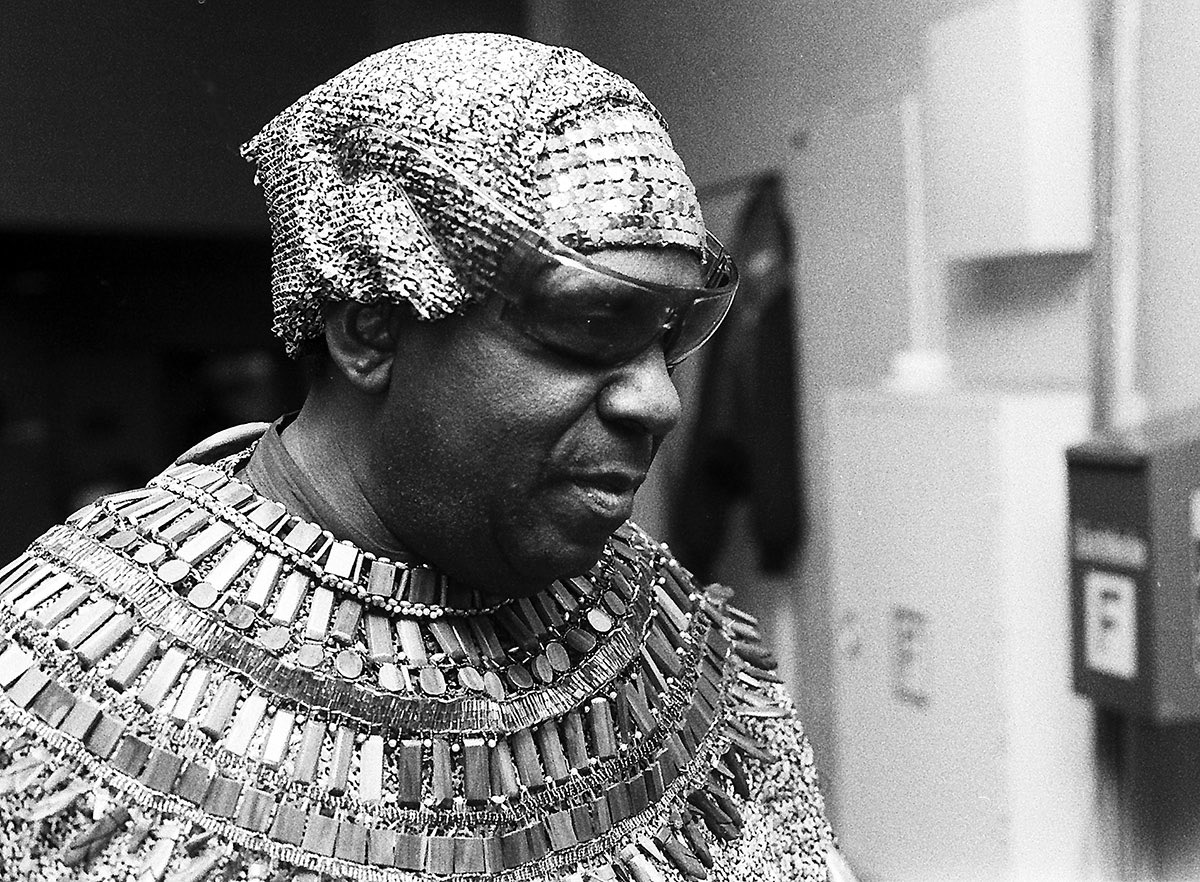
I think of myself as a complete mystery. To myself.
(Sun Ra)
2
91
483
8,979
AnimateJazz retweeted

"Memories of Underdevelopment" (1968) premiered in 1968, but the Cuban film could not be seen in the USA until it was included in the 1972 edition of the New Directors/New Films series, presented by the Museum of Modern Art and the Film Society of Lincoln Center. A month after it was screened, Federal agents seized the prints before it could be shown at the festival New Cuban Films, which had already been disrupted by Anti-Castro exiles.
The film finally opened in 1973 at a small theater. It received glowing reviews and was selected for an award from the National Society of Film Critics. The US State department denied Tomás Gutiérrez Alea's request for an entry visa.
A visa application for Saul Yelin, director of Cuba's National Film Institute, who had asked to accompany Mr. Gutierrez as an interpreter was also turned down.
Hollis Alpert, The Chairman of the critics group said that he had been warned by an US Treasury official that it would be a violation of the Trading With the Enemy Act, 1917 for anyone to accept the award on behalf of Mr. Gutierrez.
Andrew Sarris, speaking at the awards ceremony which Alea couldn't attend, hailed the director as a courageous dissident.
("U.S. Refuses Visa To Cuban Director To Get Film Award", David Binder, The NY Times, 1974 & "Outside Cuba’s Revolution, Looking In", J. Hoberman, The NY Times, 2018)
P.S: On this day, 58 years ago, Memories of Underdevelopment" (1968) premiered at the Pesaro Film Festival, Italy.
6
108
596
41,554
AnimateJazz retweeted
May 28
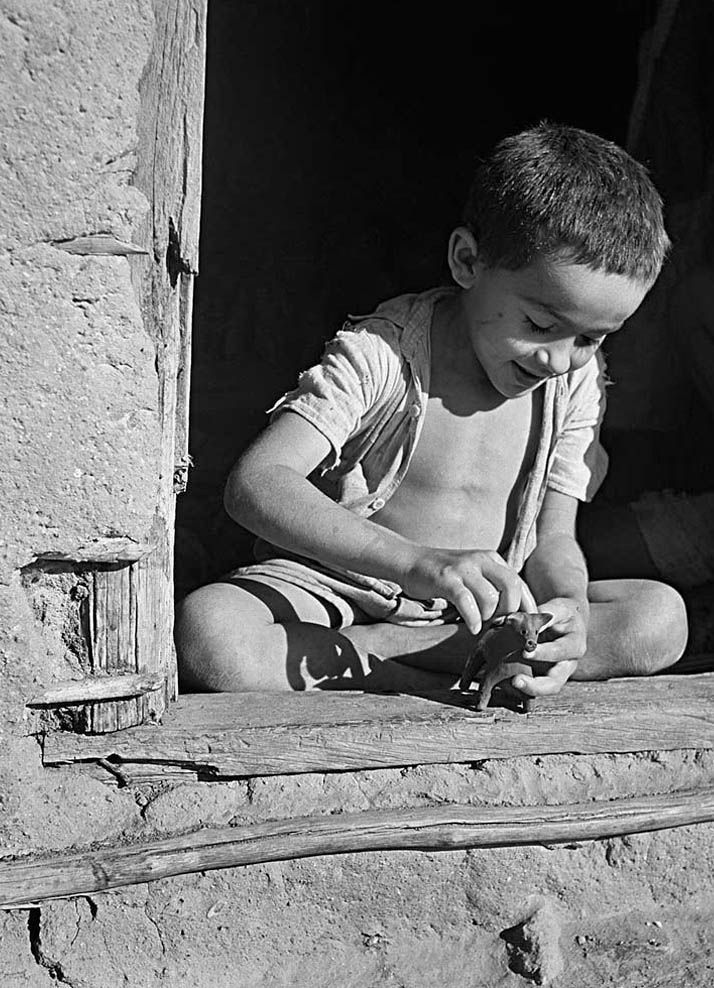
Casa do Mestre Vitalino, foto de Pierre Verger | 🇧🇷
16
187
2,147