
Partner @ Khosla. Formerly Lightspeed and Qatalyst Partners
Joined July 2009
- Tweets 239
- Following 2,031
- Followers 1,565
- Likes 478
28 Photos and videos

Apr 25
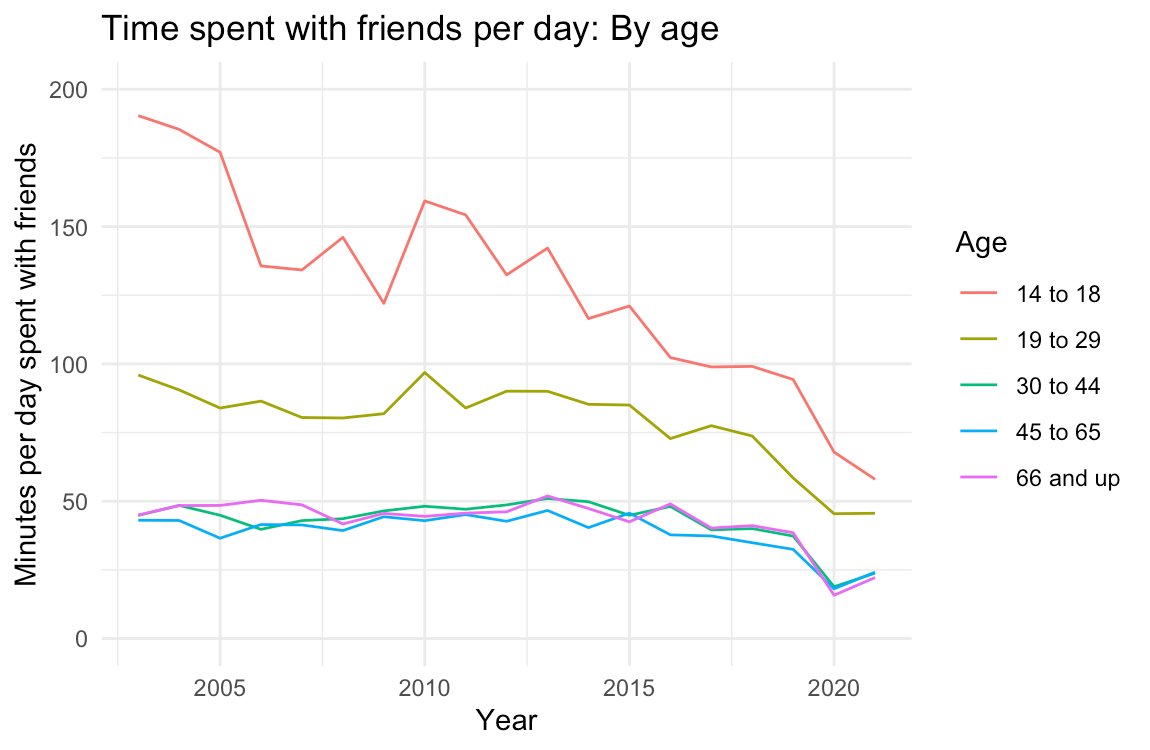
how this graph evolve next decade - especially 14->18 and 19->29 age band - is the opportunity for emerging consumer AI startups
200
Apr 20
There is something to be said for hard earned experience human capital network effects as the half life of knowledge shortens / access to the intelligence broadens. But venture is all about exceptions not hard rules.

"A 50-year-old founder was nearly twice as likely to build a company that IPOs or gets acquired as a 30-year-old".
According to an MIT report titled "Age and High-Growth Entrepreneurship", a 50-year-old founder is nearly twice as likely as a 30-year-old founder to build a company that is acquired or reaches an IPO.
@ry_paddy Co-Founder of Oding (@JoinOdin) joined us for some VC Trivia live:
"They looked at not just tech but... small businesses in general that get to an IPO or acquisition by private equity... or a corporate".
"But if you compare it to like a recent study that @AntlerGlobal did... in AI startups, the average unicorn founder in AI in 2024 was 29".
5
438
Apr 13
One observation from loading the Twitter feed on poor WiFi or cellular connection is a demonstrably better experience for filtering through high quality content on the platform. Grayscale esque feature with no photos or videos loaded, just text.
164
Mar 29
Discovery is broken across an array of consumer products / real opportunity for the next gen of defining consumer AI startups to solve for mimetic regression
258
Mar 26
Publishing some belated thoughts on what we saw at the seed stage in cybersecurity last year / some of the emerging trends:

458
Mar 22
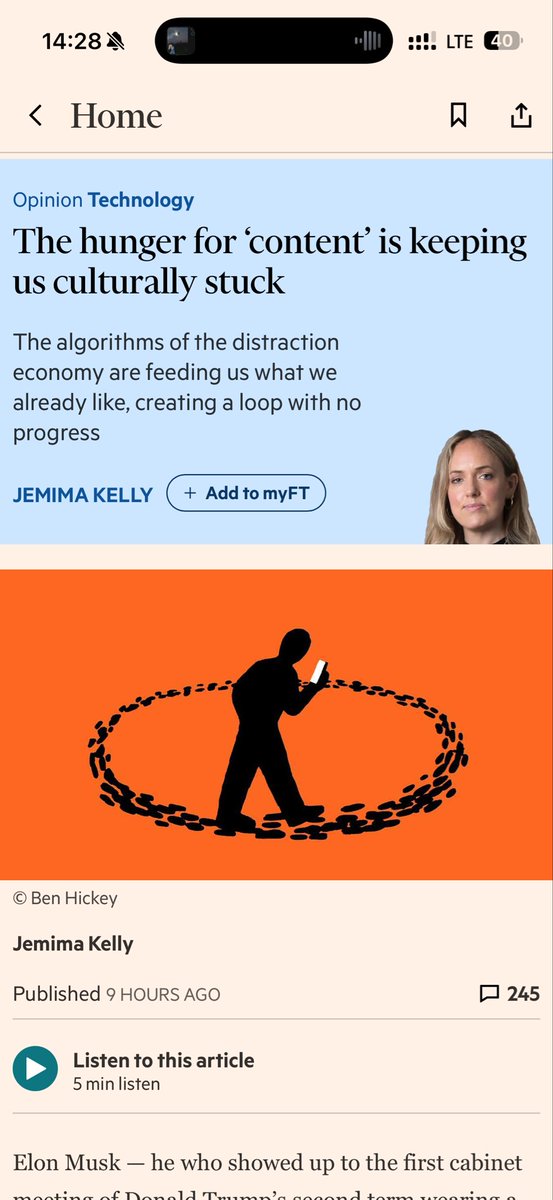
Since Pocket shut down, it’s been harder to find a great aggregation of recommended, high-quality, long reads outside of Longreads’ newsletter
1
183
Mar 12
Downside of proliferation of agents acting unfettered (e.g. spamming Tampa listings with lowball offers) is that CAPTCHA might shift left and every website / API requires pre-approval or agentic identity tied to a human actor. Think Apple Pay tokenization for agents.
179
Feb 24
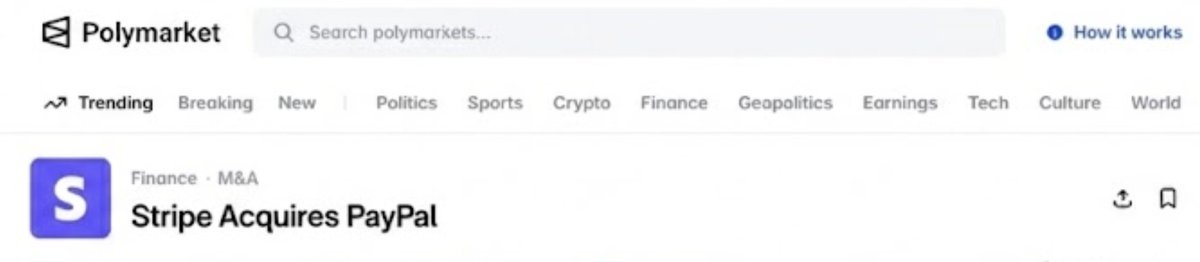
Stripe potentially purchasing PayPal was not on my M&A bingo card for 2026
reuters.com/business/stripe-…
313
Feb 24
suspect we'll see the first $1B-revenue flat organization (tiny, core team / hit squad) by 2027-28
comps in my mind: Stream is $50M revenue per employee.
upper decile we're seeing for these inflecting AI startups is $15-20M / employee today
Craigslist another anomaly etc
1
4
952
Feb 12
moltbeach.ai/ Million Dollar home page but for agents...we're in the "X for moltbot" phase
1
298
Feb 11
D2C consumer hardware is having its moment again

We were promised there would be "an app for that" and for a while, it felt true. But open app stores gradually gave way to the same few default apps and platforms - built by a handful of companies, for billions of people at once.
Essential Apps start from a different belief: software should be tailored to your specific needs and context. From a simple prompt, you create personalized apps. No ads. No dark patterns. No one-size-fits-all.
This is a shift toward a billion apps for a billion people - free from walled gardens.
Today, we’re rolling out Essential Apps Beta following our Alpha release late last year. Updates now edit only what you change and keep the rest intact, with one-click rollback if anything breaks. Publishing is clearer, project states are easier to follow, and organization is tighter across the board. We’ve added location, calendar, and contacts permissions, so you can build apps that actually respond to your context. Image uploads are now supported, and a refreshed design baseline improves spacing, typography, tap areas, accessibility, and dark mode consistency - with more widget sizes on the way.
Can't wait to see what our community builds next!
3
558
Feb 11
One thought provoking idea: Software supply becomes fluid as agents (1) observe new need (2) search existing OSS (3) patch/extend them (4) upstream the change and then (5) reuse it
So in theory some bespoke SaaS collapses into just-in-time sw assembly from evolving OS library
214
Feb 11
“The first version of a new technology is a toy”
Feb 10

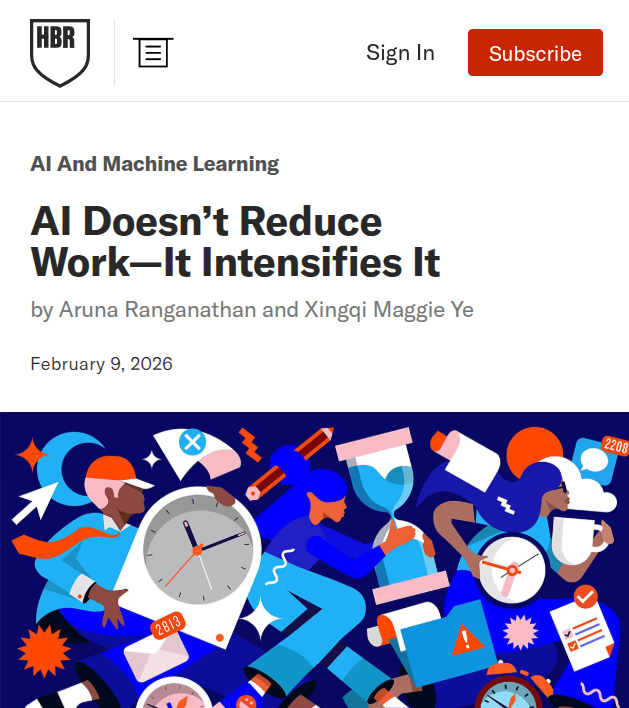
A super interesting new study from Harvard Business Review.
A 8-month field study at a US tech company with about 200 employees found that AI use did not shrink work, it intensified it, and made employees busier.
Task expansion happened because AI filled in gaps in knowledge, so people started doing work that used to belong to other roles or would have been outsourced or deferred.
That shift created extra coordination and review work for specialists, including fixing AI-assisted drafts and coaching colleagues whose work was only partly correct or complete.
Boundaries blurred because starting became as easy as writing a prompt, so work slipped into lunch, meetings, and the minutes right before stepping away.
Multitasking rose because people ran multiple AI threads at once and kept checking outputs, which increased attention switching and mental load.
Over time, this faster rhythm raised expectations for speed through what became visible and normal, even without explicit pressure from managers.
2
380
Feb 8
Good interview w/ @benedictevans on @stratechery
We’re in the scaffolding window and aggregation theory provides a theory for why some sw co’s survive
Along the lines of “What’s slowing co’s down isn’t model intelligence, it’s how agents are built run in their orgs” @OpenAI
Feb 5

2-5-2026 ($)
An Interview with Benedict Evans About AI and Software
stratechery.com/2026/an-inte…
2
592