
Joined March 2016
- Tweets 456
- Following 743
- Followers 964
- Likes 144
51 Photos and videos
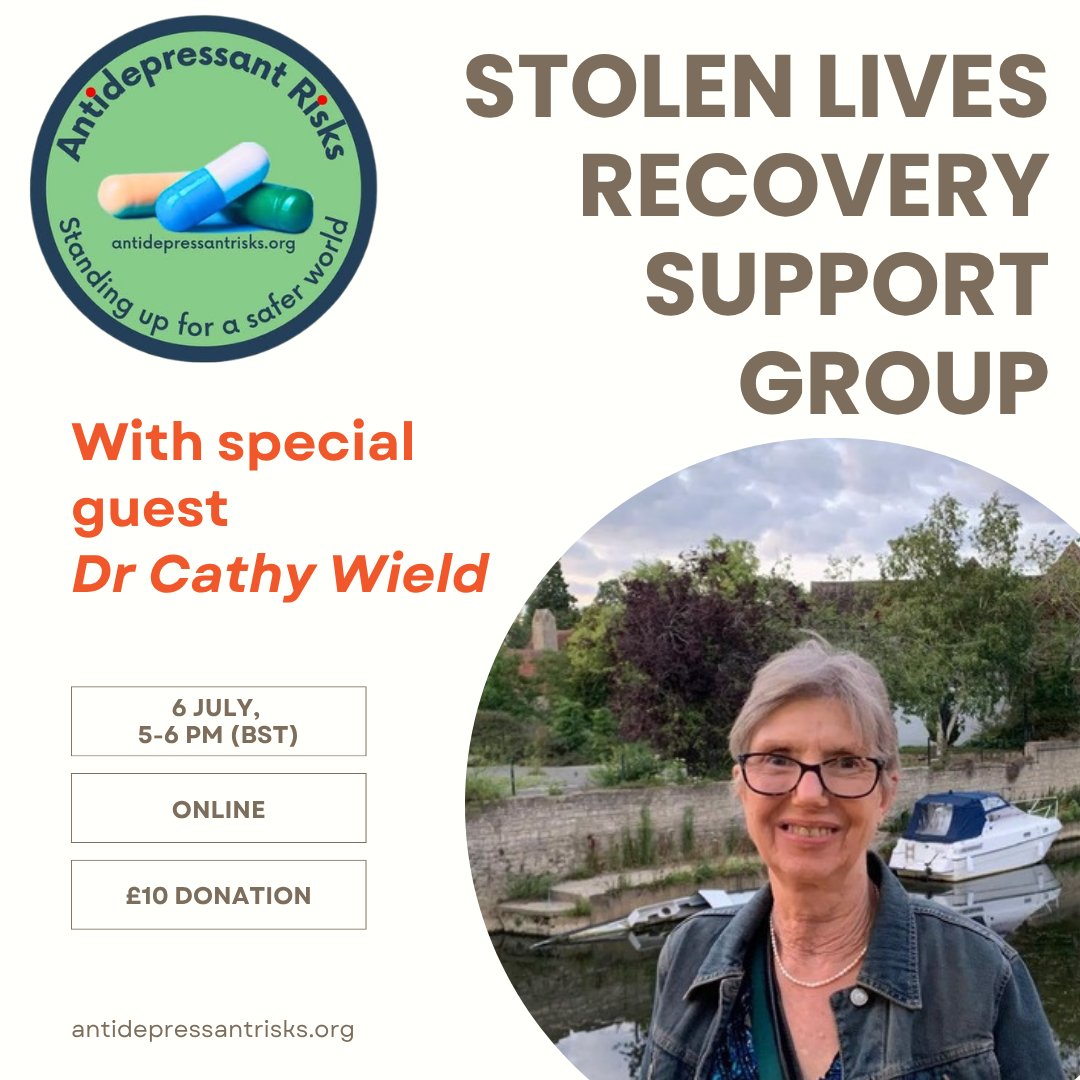

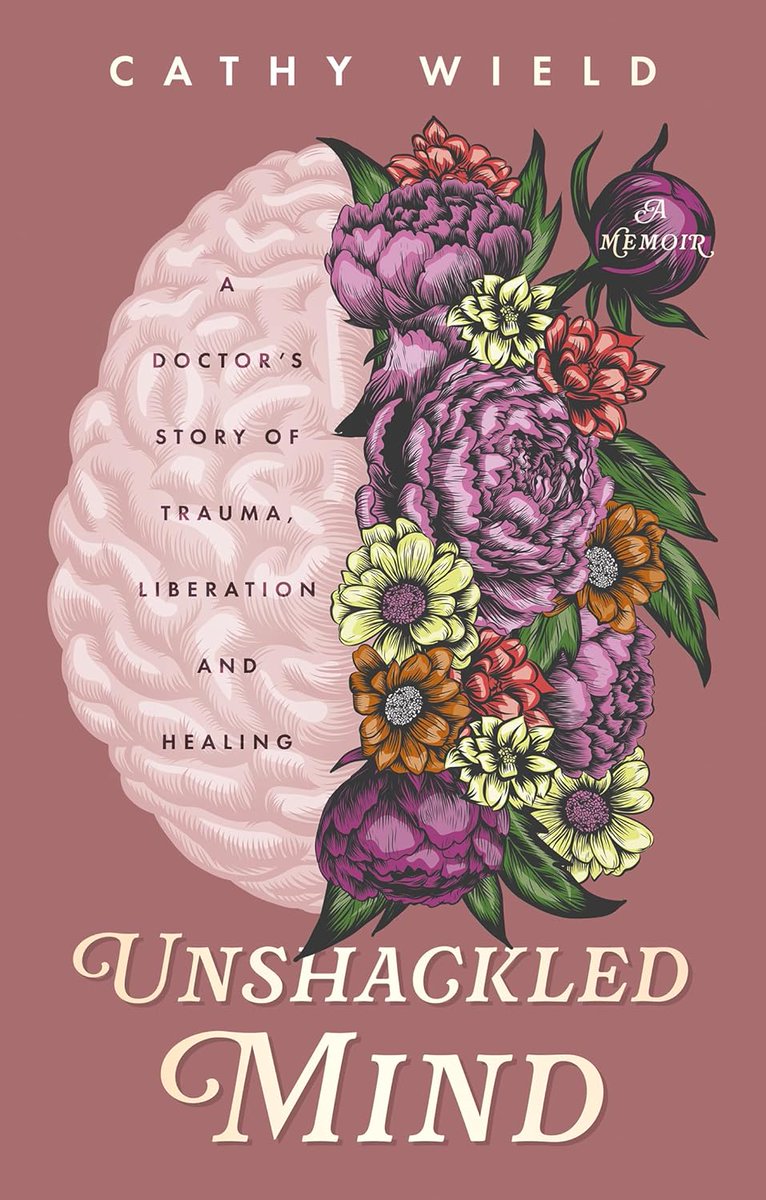
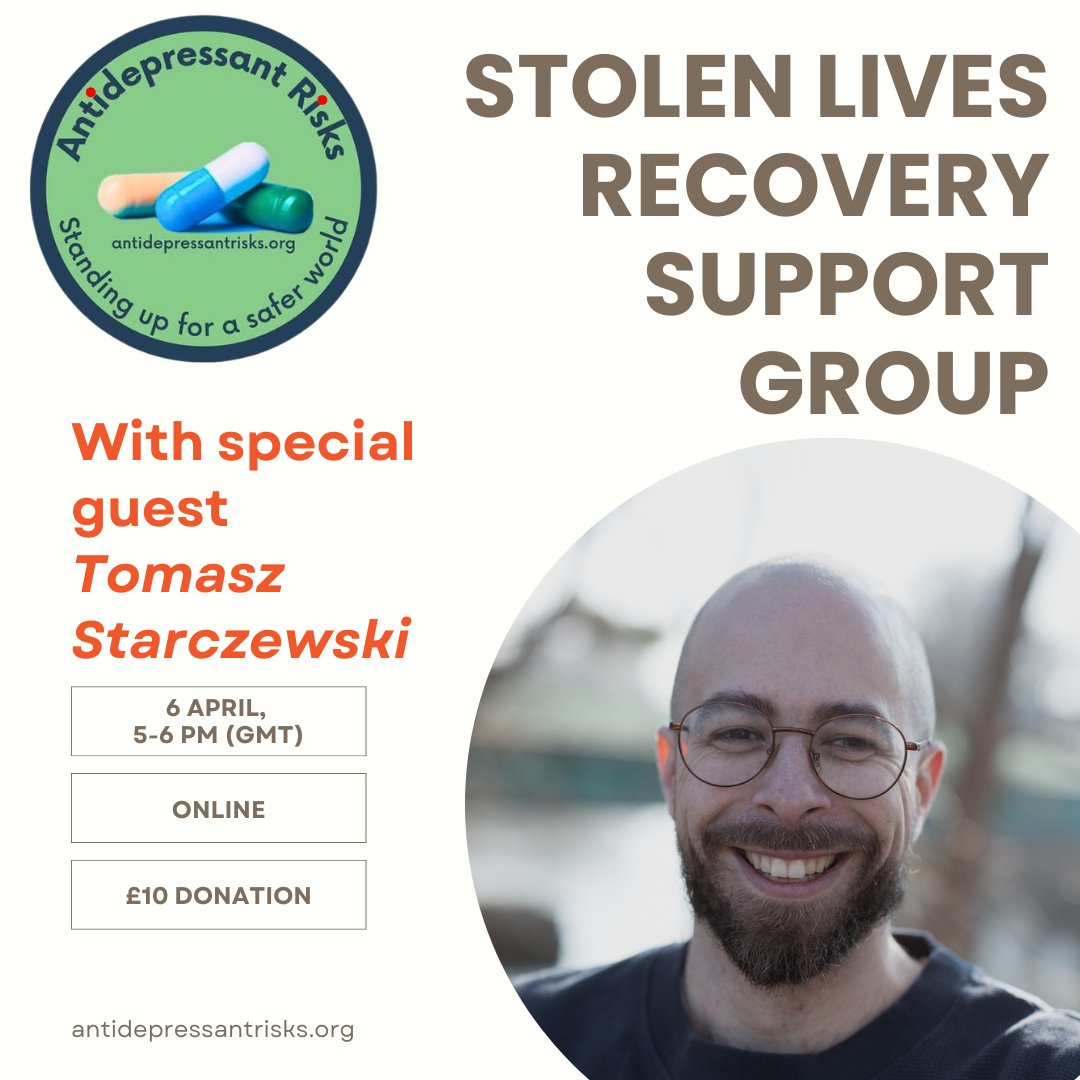
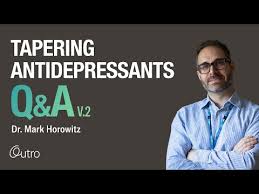

July's Stolen Lives Support Group welcomes Dr Cathy Wield.
Date: 6th July, 5-6PM (GMT)
Book your spot here: buytickets.at/antidepressant…
11
Antidepressant Risks retweeted

Please consider reaching out to @_innercompass @ACE_CoalitionEd @antideprisks @CCHRInt @Mad_In_America @SecKennedy @MAHA_Action @MAHA_Institute. Progress is being made against #overmedicalization in #mentalhealth care, but lots of help is needed! hhs.gov/press-room/hhs-launc…
1
3
157
Are you looking to attend a Stolen Lives Picnic on July 29th?
Learn more about the London Stolen Lives Picnic, as well as the global picnics that Antidepressant Risks is supporting for Prescribed Harm Day 2026 on our website.
Join us as we come together to raise awareness, share experiences, and build community
Locations & Booking links can be found on our website: antidepressantrisks.org/
1
1
44
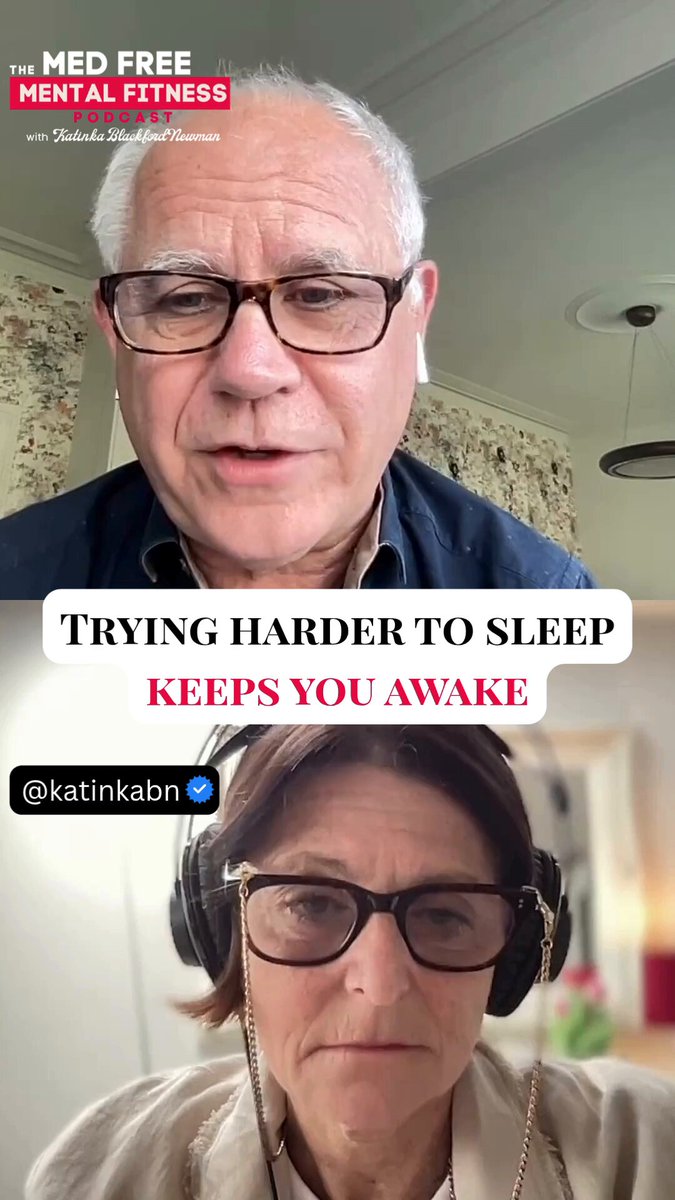
What if trying harder to sleep is actually part of the problem?
In the latest episode of Antidepressant Risks founder Katinka Blackford Newman’s podcast, The Med Free Mental Fitness Podcast, Katinka interviews Colin Espie, one of the world’s leading sleep experts. He explains how insomnia is often maintained by fear, frustration, and the pressure to “perform” sleep, and why sleeping pills do not recreate normal restorative sleep.
Apple: podcasts.apple.com/gb/podcas…
Spotify: open.spotify.com/episode/5od…
YouTube: youtu.be/F9TeEa3wz1U?si=OKO1…
1
48
We live in a culture that tries to remove discomfort as quickly as possible.
But emotions carry information.
Here, Dr Clive Sherlock reflects on why feeling is part of being human, not a problem to be medicated away.
Watch the full episode of The Med Free Mental Fitness Podcast on
YouTube: youtu.be/zJUtRtweWIo?si=kmfX…
Spotify: open.spotify.com/episode/7w5…
Apple Podcasts: podcasts.apple.com/gb/podcas…
2
2
7
291
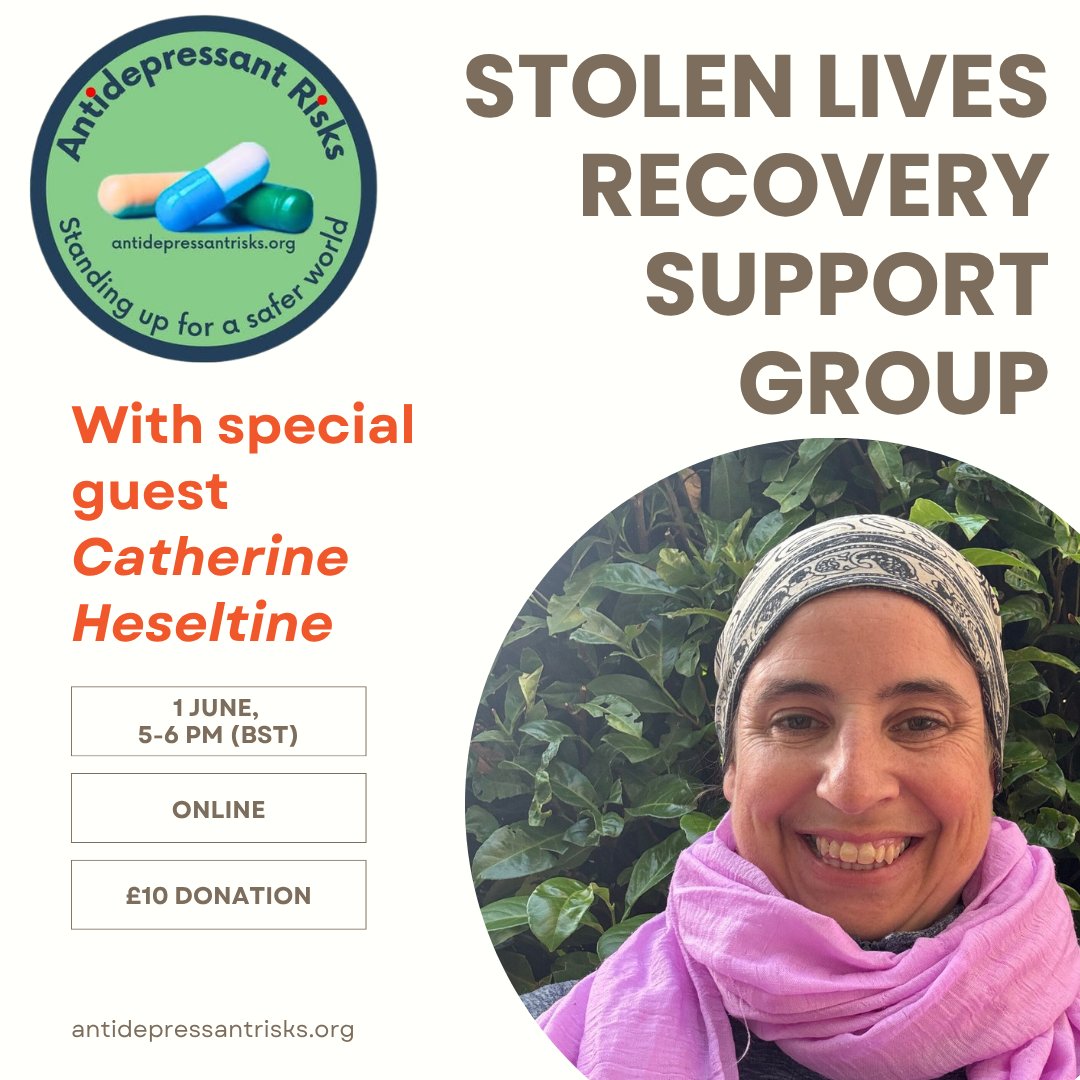
June's Stolen Lives Support Group welcomes Catherine Heseltine.
Less than two years ago, Catherine believed she would spend the rest of her life disabled by what psychiatry had diagnosed as “bipolar disorder.” After years of repeated hospitalisations, forced treatment, psychiatric drugs, and severe emotional suffering, she felt stripped of her identity, independence, and ability to parent her children. Living on disability benefits and overwhelmed by despair, she had come to believe she had an incurable illness. By the end of 2025, however, she describes having rebuilt her life, regained her sense of self, and reconnected with her children in ways she once thought impossible.
A major turning point came when Catherine began to see her struggles not as evidence of a defective brain, but as understandable responses to trauma, abuse, and overwhelming life circumstances. She came to believe that psychiatric treatment had intensified rather than relieved her suffering, and she decided to slowly withdraw from psychiatric medication after learning more about dependency and withdrawal effects. The process was extremely challenging, bringing insomnia, intense emotions, and periods of psychological distress, but with the support of a small number of trusted friends she was able to continue moving toward recovery outside the psychiatric system.
At the same time, Catherine was navigating the breakdown of her marriage, financial hardship, and the challenge of rebuilding her life as a single mother. Despite periods of fear, instability, and exhaustion, she found healing through human connection, kindness, spirituality, creativity, nature, movement, and rebuilding relationships with her children. She describes recovery as a process of reclaiming her identity and humanity after years of feeling defined by psychiatric labels. By sharing her experiences, Catherine hopes to encourage wider discussion about trauma, mental health, psychiatric treatment, and the possibility of recovery beyond the traditional medical model.
Date: 1st June, 5-6PM (GMT)
Book your spot here: buytickets.at/antidepressant…
8
192
He spent years working as an NHS psychiatrist.
Then he realised something few people say out loud: we don’t fully understand what causes depression.
Dr Clive Sherlock shares why he left the system and what he discovered instead.
Full episode via the links below:
YouTube: youtu.be/zJUtRtweWIo?si=kmfX…
Spotify: open.spotify.com/episode/7w5…
Apple Podcasts: podcasts.apple.com/gb/podcas…
1
6
9
675
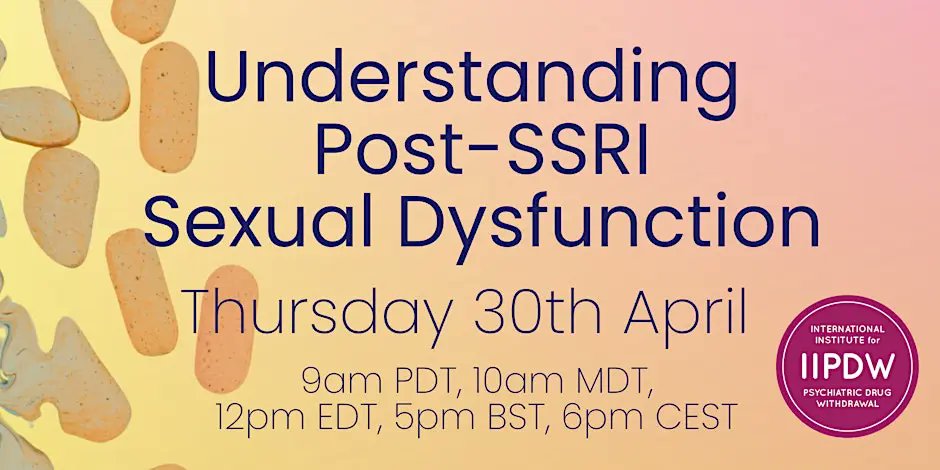
This month’s Organisation Spotlight features an interview with Vancouver-based psychotherapist and consultant Yassie Pirani about post-SSRI sexual dysfunction (PSSD)
Yassie explains how the condition differs from depression-related low libido, outlining symptoms such as genital numbness and broader emotional, cognitive, and sensory effects. She also shares her approach to supporting recovery, centred on validation, processing grief, self-advocacy, and rebuilding meaning while encouraging patients to seek informed, compassionate care. You can find her at willowleafcounselling.ca/yas…
Watch the full interview on our YouTube channel: youtube.com/watch?v=CG0iuII-…
You can explore more organisations offering information and support around prescribed harm here: antidepressantrisks.org/orga…
1
6
14
507
Fifty percent of 15-19 year olds in the UK have been diagnosed with a ‘mental illness’. The number is set to rise to two thirds by 2030. We are pathologising normal human experience, and burdening our young people with diagnostic identities that erode their sense of autonomy and resilience.
telegraph.co.uk/business/202…
2
23
48
2,124
From Hyde Park, London, to a Global Movement: Marking Stolen Lives on Prescribed Harm Day.
Our latest article on Mad in America explores how Prescribed Harm Day is being marked around the world on 29th July 2026. Bringing people together to remember, reflect, and raise awareness.
Read it here: madinamerica.com/2026/04/fro…
5
17
303
Have you secured your free ticket for our London Stolen Lives Picnic yet?
Due to park capacity limits, this is a ticketed event—please make sure you book your free place before tickets run out.
London Stolen Lives Picnic tickets: buytickets.at/antidepressant…
3
5
227
Dodgy diagnosis is big business for the private ADHD clinics discussed in this piece. As Joanna Moncrieff (@joannamoncrieff) points out, they are “cashing in on a social phenomenon…and, by doing that, helping to drive the whole phenomenon”.
It’s so tempting to seek relief in a diagnostic label, and there will always be an unscrupulous medical professional willing to sell you one for the right price.
dailymail.com/news/article-1…
1
27
64
10,341
An uplifting story about leaning into resilience and overcoming a diagnostic identity.
thefp.com/p/i-thought-i-was-…
1
2
12
641
ACE are leading a campaign to have the FDA improve warnings about antidepressant withdrawal. If you filed a MedWatch report, check your email and answer the follow up questions. Haven't filed a report yet? Visit @ACE_CoalitionEd to find out how.
This is vital work that will save lives.

Quick reminder from Christina, ACE’s Community Liaison, to check your email today.
We’re seeing another wave of people who previously submitted @FDAMedWatch reports receiving follow-up emails from the @US_FDA. This is really encouraging! If you’ve received one, please take the time to respond. These follow-ups matter. They help strengthen our petition and support our requests for updated labeling and evidence-based tapering guidance.
If you haven’t submitted a MedWatch report yet, we strongly encourage you to do so and share your experience with antidepressant withdrawal with the FDA. We’ll drop the link in the comments!
6
8
414
Sue Cunliffe wasn't even offered psychotherapy before she was given ECT. Scandalous.
telegraph.co.uk/health-fitne…
1
8
17
384
Mikhaila Peterson has shared that her father Jordan continues to struggle with a protracted withdrawal injury caused by benzodiazepines. It makes a huge difference when people with large platforms speak about prescribed psychiatric drug harm, and we wish the Peterson family well in their recovery journey.
x.com/MikhailaFuller/status/…
Apr 18

We figured out that dad has a psych med induced neurological injury, and has been suffering from akathisia. It’s been 6 years since any psych medications. Last summer his symptoms started, after a flare up likely induced by mold (CIRS) and stress. It was complicated by pneumonia and associated sepsis a month later. It’s been horrible. Neurological injuries from psych meds are far more common than people know. I made this video to explain what they are and what akathisia is because they’re not talked about enough, they’re misdiagnosed, nearly impossible to treat, and hidden by the pharmaceutical industry. I don’t plan on making another update about my dad, it stresses my family out, and myself, and there’s nothing more to say about it until things get better. I will be jumping up and down about psych med injury awareness from now on as it’s impacted my health as well, and is devastating. Prayers are appreciated still.
6
33
186
6,445
Great to see Pharmacy Times educating pharmacists about the neurobiology of antidepressant withdrawal. Pharmacists can be very helpful allies to patients who are tapering, providing information on available dose formulations and calculating safe reductions. If you’re struggling to get support from your doctor, consider talking to your pharmacist instead!
pharmacytimes.com/view/why-s…
3
7
263
Antidepressant Risks retweeted

10 Apr 2025
STAR*D - The Problems
Psychiatrists in training learn about three key studies: STEP-BP for bipolar, CATIE for schizophrenia, and STAR*D for depression. STAR*D, the most cited with over 1,500 references, remains influential since its 2006 publication, with over 200 citations in 2023 and continued inclusion in recent textbooks. It’s the source of claims like “2/3 of depression patients improved after several antidepressant rounds” or the NYT’s 2022 mention of a 60% chance of “a very good response.”
The biggest issue? Many didn’t have depression. STAR*D aimed to study over 3,600 depressed patients nationwide, but 931—about 1/4—didn’t meet depression criteria on intake. Imagine a trial giving drugs to 931 people without the disorder.
Other issues:
- 370 got meds but were excluded, against intent-to-treat principles.
- A blinded scale was available but swapped for another, breaking blinding.
- Remission was a single-visit improvement, defying common sense.
- “Theoretical” results assumed dropouts might improve, skewing intent-to-treat.
- Disclosures spanned 827 words, suggesting conflicts. Company list in next post and some refs.
Also
- Only 3% stayed well after one year, but that was noted in the paper.
4
25
65
4,228
Antidepressant Risks retweeted

Apr 14
A recent live panel discussion on ADHD, medication, diagnosis and alternative approaches youtube.com/live/8urp3xT9yhQ

5
13
1,183
Thought provoking reflections on autism and mental health identities. The neurodiversity movement means well, but do campaigns to destigmatise mental health problems sometimes end up disempowering those they aim to help?
substack.com/home/post/p-193…

For autism acceptance month, I wrote an essay about why I would cure my autism, and how I lost faith in the neurodiversity movement.

1
1
2
199