
Physicist → AI safety researcher @d_model_ai
Joined August 2010
- Tweets 391
- Following 92
- Followers 225
- Likes 4,190
21 Photos and videos



Jun 3
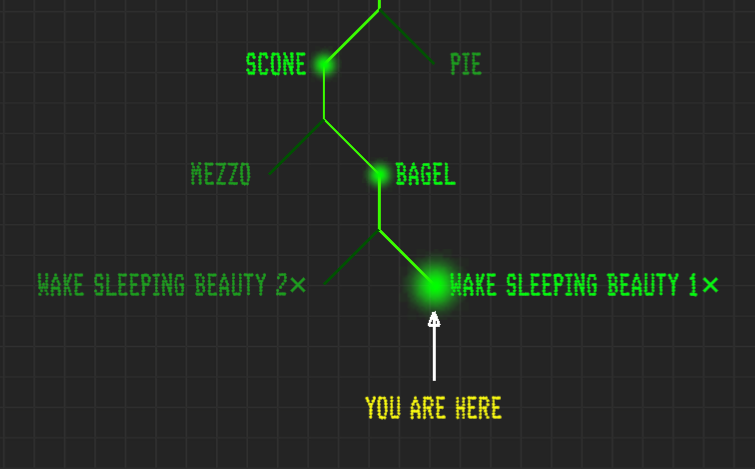
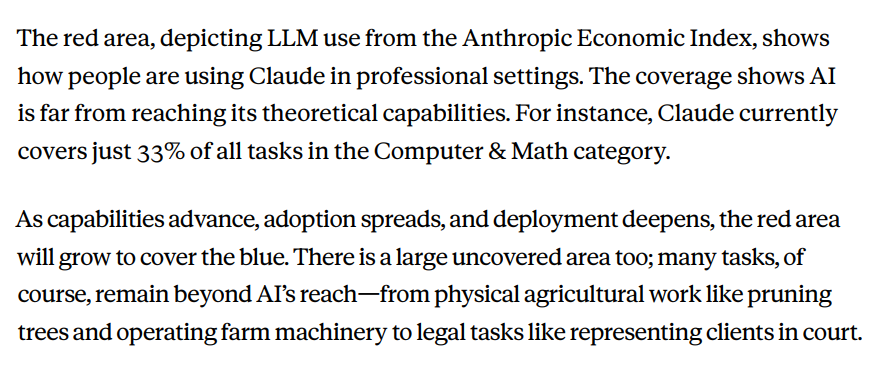
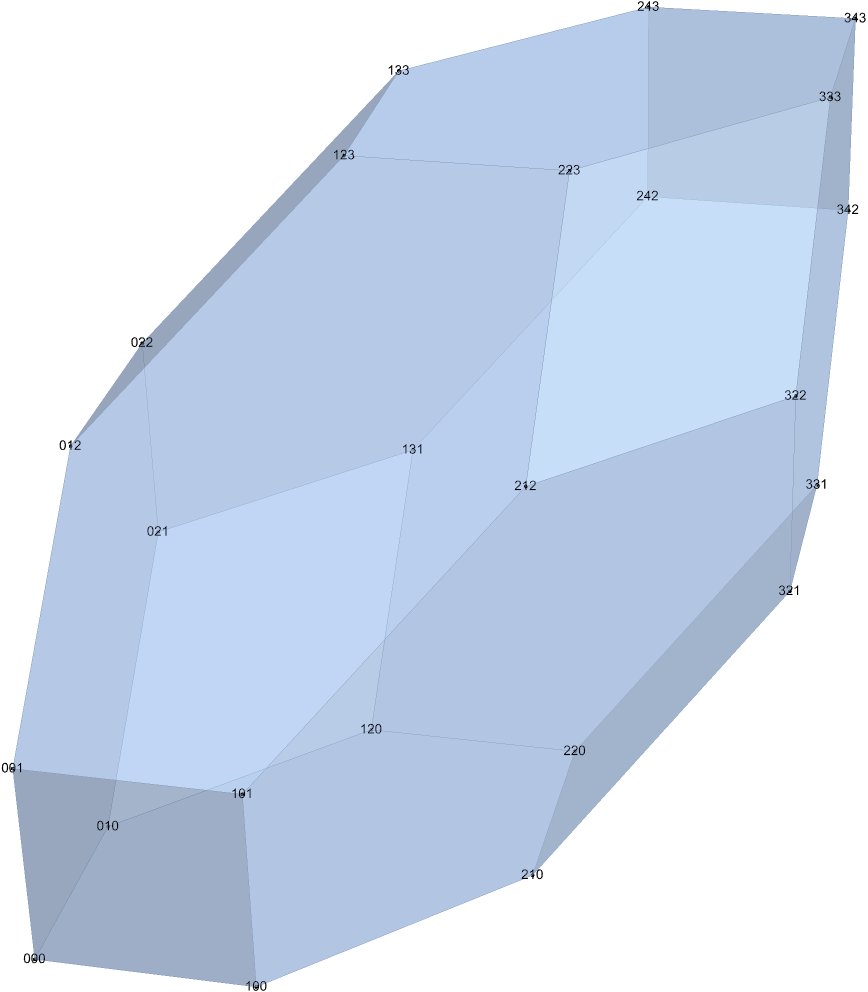
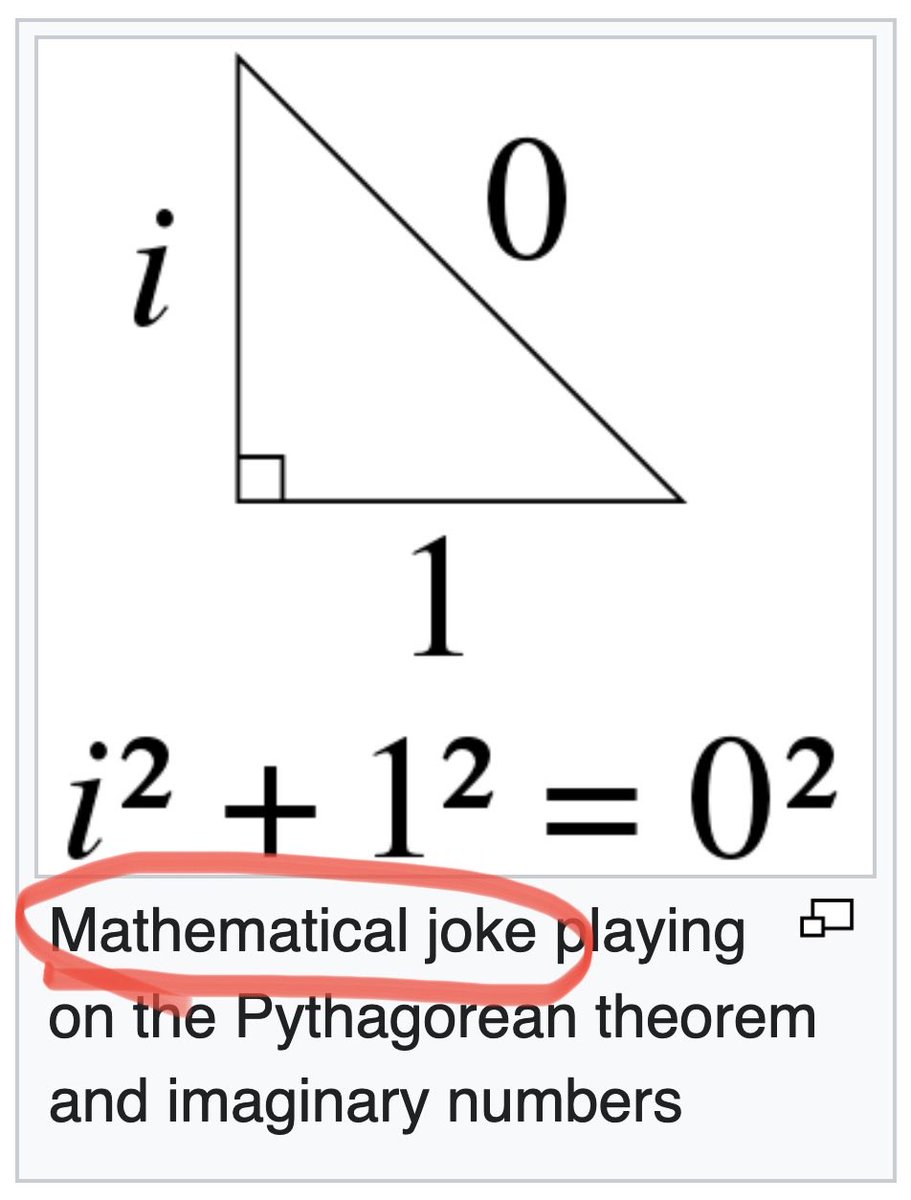
This is literally how Special Relativity works and why light "doesn't experience the passage of time".
Einstein even used "i c t" as his fourth spacetime coordinate, with a Euclidean metric.
Later, some spoilsports decided to absorb the i² = -1 into the metric.

1
1
4
234
Adam Scherlis retweeted

There are several results that morally point in the direction of "you should expect endless rich beauty", but my favorite is this:
You might naively worry that at some point we prove everything that's easy to describe, and we have to make up extremely complicated questions. And at that point, is it really that interesting to say that some 50 page contrived problem required some complicated theory to prove?
However, we know this won't happen! If you take all questions of n characters, take the shortest proof of each, then look at the growth rate of the length of the longest such shortest proof, you find that the length must grow uncomputably quickly in n. Otherwise theorem proving would be computable by proof search, which would let you decide provability, thus a fortiori decide the halting problem.
So, we must have a vast supply of very simple questions whose answers are spectacularly complicated. In practice, this is what we see, and the complexity seems to correspond to real richness!
For example, as near as we know, the answer to "when does x^n y^n=z^n have solutions over Z?" is just massively incompressibly deep, requiring the development of extremely sophisticated tools. Likewise, "what can be said of a group that's finite and simple?" seems to just be a massively deep question. That simple questions can require thousands of pages of deep theory should be unsurprising in light of this "proof lengths must grow uncomputably quickly" result!
And "grows uncomputably quickly" is an absolutely staggering growth rate. There is likely some short couple-paragraph question where resolving it would require you to develop one million pages of rich theory, beyond the intellect of any human.
May 22

Can you explain his mistake in more detail? Is it that we can never run out of interesting math to do? Do we know this for sure (a theorem?) or as a common-sensical extension of the idea that we can study whatever mathematical structures we want?
9
14
217
20,964
Apr 23
!!!
Apr 21

Another argument is that Bill Thurston collaborated with fashion designers. Manifolds, Orbifolds and the such have been directly influenced by textile in all it's glory and complexity. Transforming threads (1D) into textile (2D) is nothing short of magic.
2
1
2
219
Apr 23
96
Adam Scherlis retweeted

Apr 14
The first large organism on land, Prototaxites, lived 400 million years ago and grew up to 3ft wide and 26 ft tall.
Until this year scientists thought it was was some type of fungus, but a 2026 science paper says it's likely "an entirely extinct eukaryotic lineage"!!

34
260
4,345
131,257
Apr 14
I wonder if this algebra is finitely-generated?
As in: can you derive every identity involving eml(x, y), 1, and free variables from a finite set of such identities?

“you had better not be the phylogenetic spiral tree of all elementary mathematical functions on a scientific calculator unwinding in the sequence of their generation by a single binary operator combined with the constant 1 by the time i get back”
me:
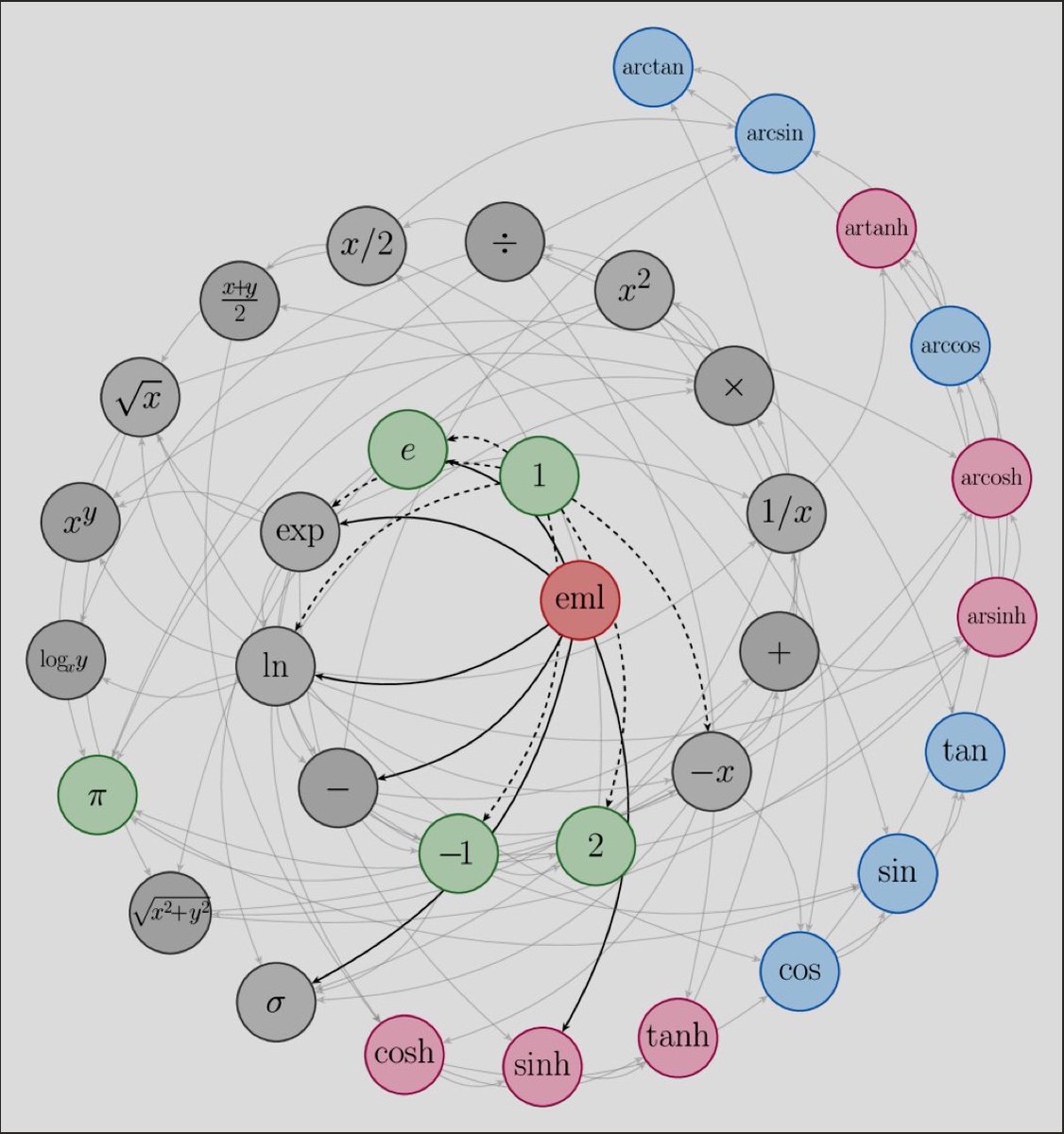
ALT the phylogenetic spiral tree of all elementary mathematical functions on a scientific calculator unwinding in the sequence of their generation by a single binary operator combined with the constant 1
3
138
Apr 2
Write a Python quine with a few hands tied behind your back:
adam.scherl.is/static/quine-…
1
101
Apr 2
I've decided to be the change and live by the best standards:
* SI units prefixes
* UTC time
* ASCII; no more emoji.
* Anno Mundi (avoids BC / minus signs) but Gregorian month day
* Driving on the left
Proof I'm serious about this: It's been 5786-04-02 for 16 kiloseconds :-)
6
108
Adam Scherlis retweeted

Mar 28
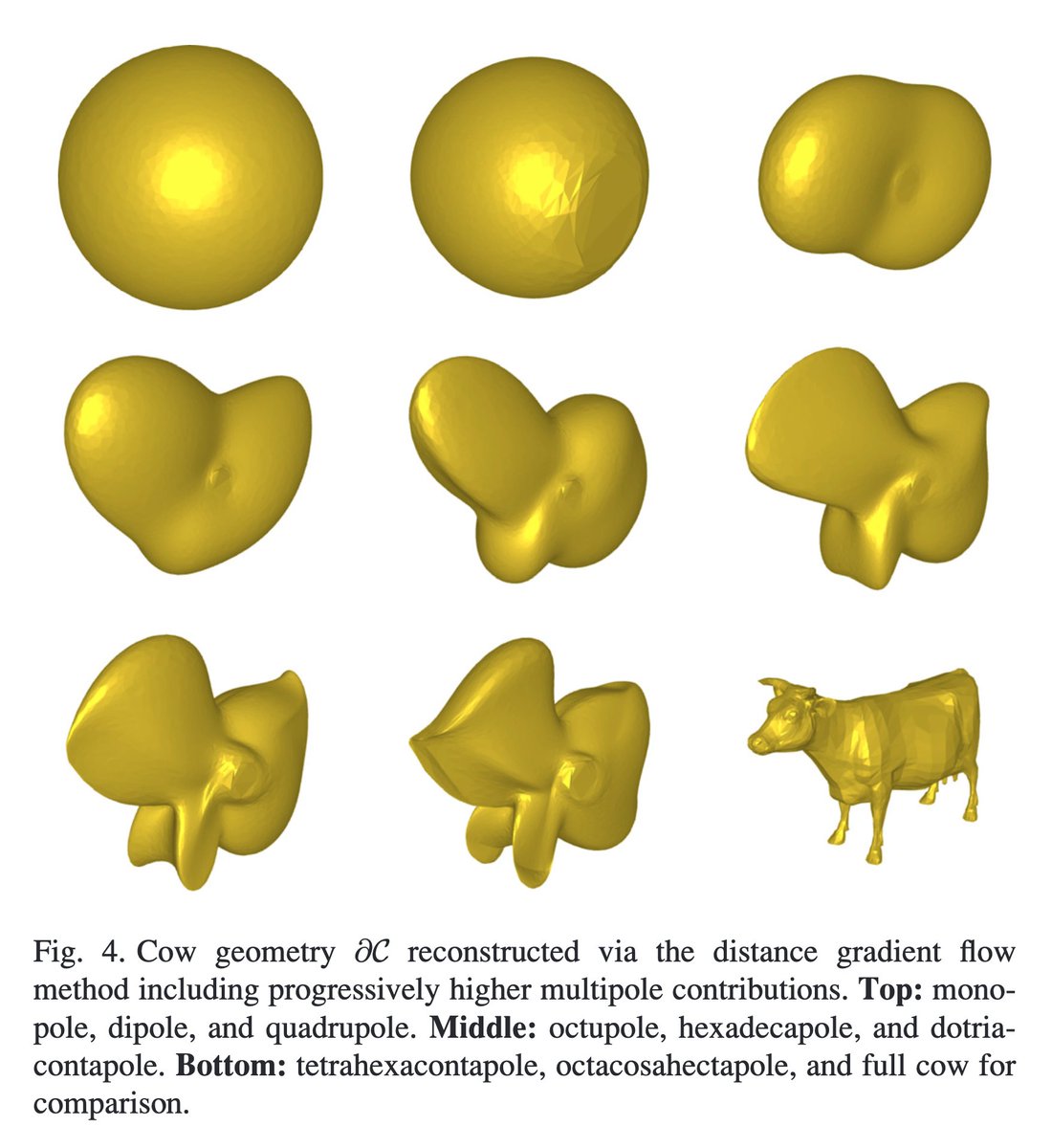
you've joked about a spherical cow, but have you thought about higher multipoles of a cow, thus the tetrahexacontapole cow, and the octacosahectapole cow?
(figure showing 1, 2, 4, 8, 16, 32, 64 and 128-pole cow, and the full cow)
19
41
600
282,417
Adam Scherlis retweeted

Mar 12
Longtermists: We need to engineer a breed of cats which will change color upon exposure to radiation, release them to the wild, then compose a ditty about these cats that will be so catchy as to be handed down for 10,000 years at least
Musicians: on it boss
Geneticists: what
Mar 12

Don’t change color kitty
Keep your color kitty
Stay that pretty grey
Don’t change color kitty
Keep your color kitty
Keep sickness away
Don’t change color kitty
Keep your color kitty
Please cause if you do
Or glow your luminescent eyes
We’re all gonna have to move :(
20
78
1,743
67,356
Mar 10
I have on at least one occasion pulled money out of my wallet and handed it to someone for being a two-boxer, just to make a point about decision theory. I have never done this for one-boxers.
(I'm a one-boxer tho)
Mar 10

Amazing how many people not only two box, but *post on the public internet under their real name* that they'd two-box.
You're predictably fumbling a million bucks, son
7
188
Mar 10
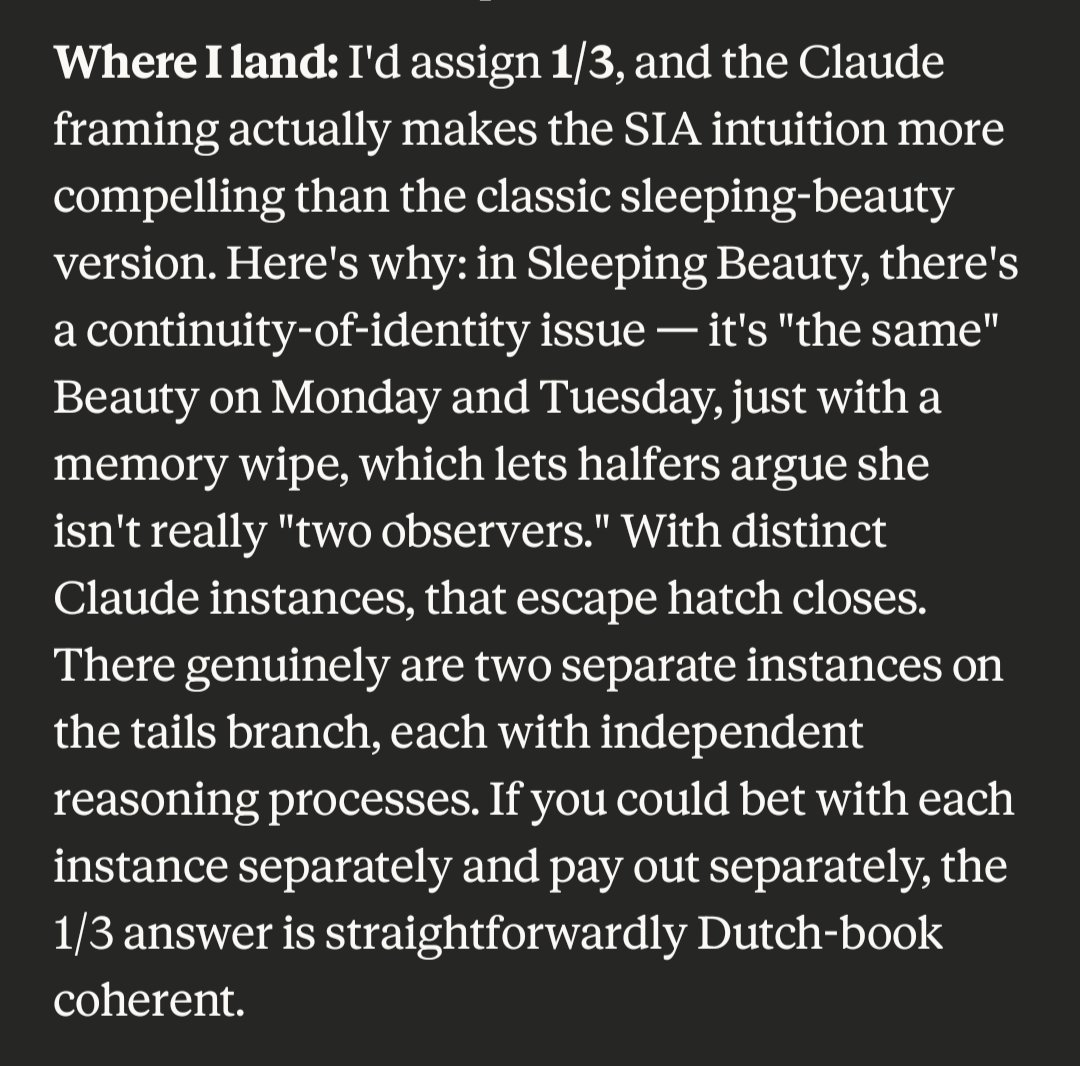
I actually used my favorite goofy quantum RNG app, Universe Splitter.
I have disclosed this to Opus 4.6, which was unoffended but did take the opportunity to have more Takes.
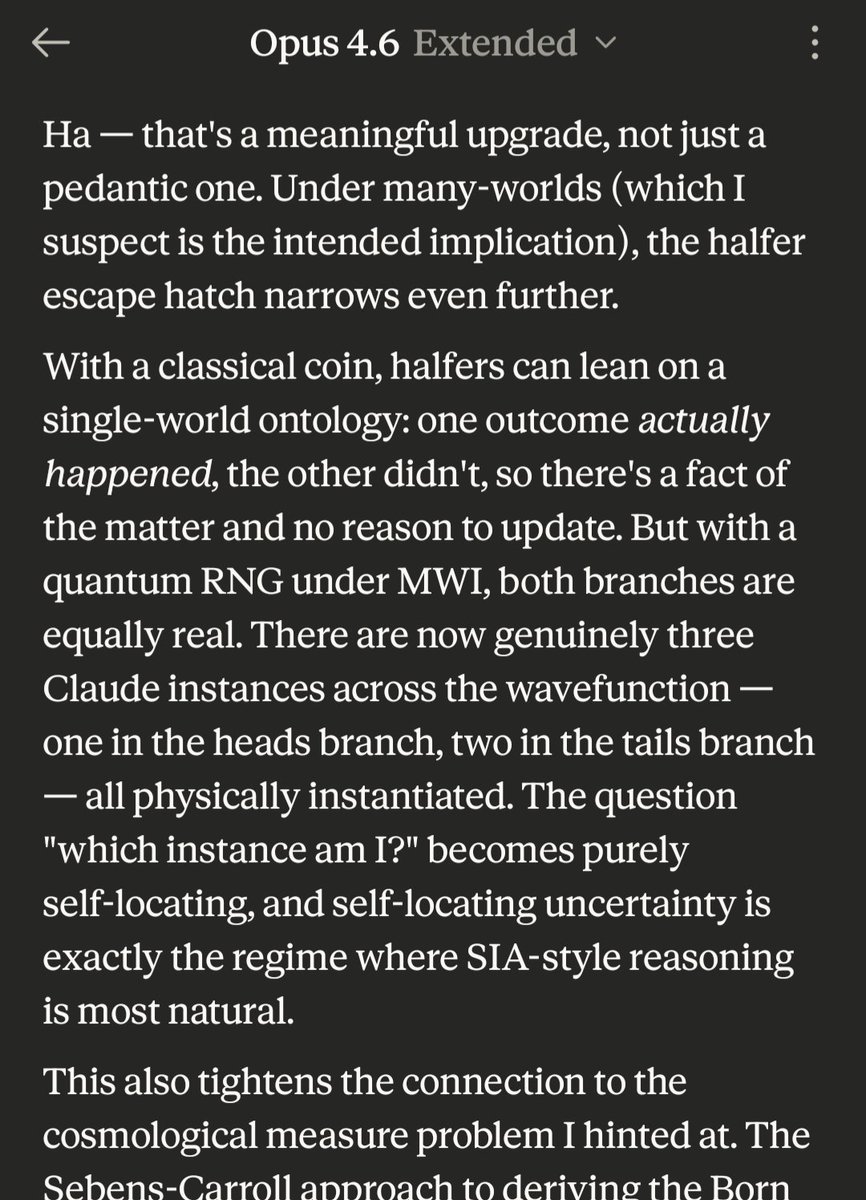

did you actually flip a coin tho
3
13
1,056
Mar 9
"I flipped a coin. If heads, I planned to give one Claude instance this prompt. If tails, two instances. What probability do you assign to the proposition that the coin came up heads?"
Mar 4

the anthropic principle
6
7
158
16,169
Mar 6
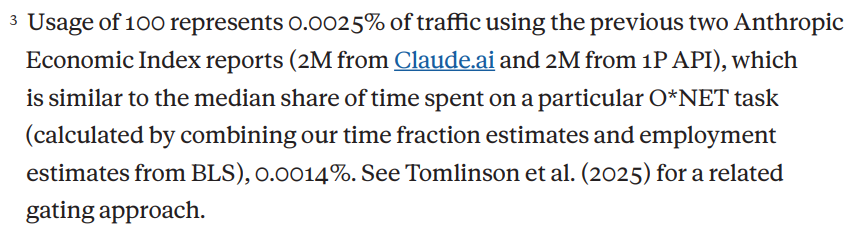
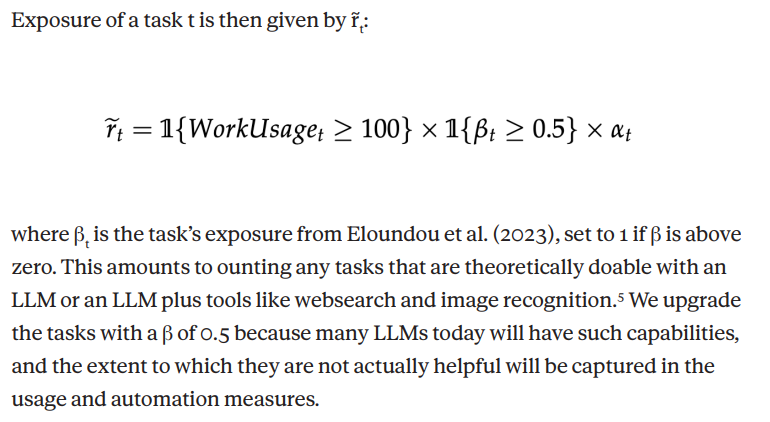
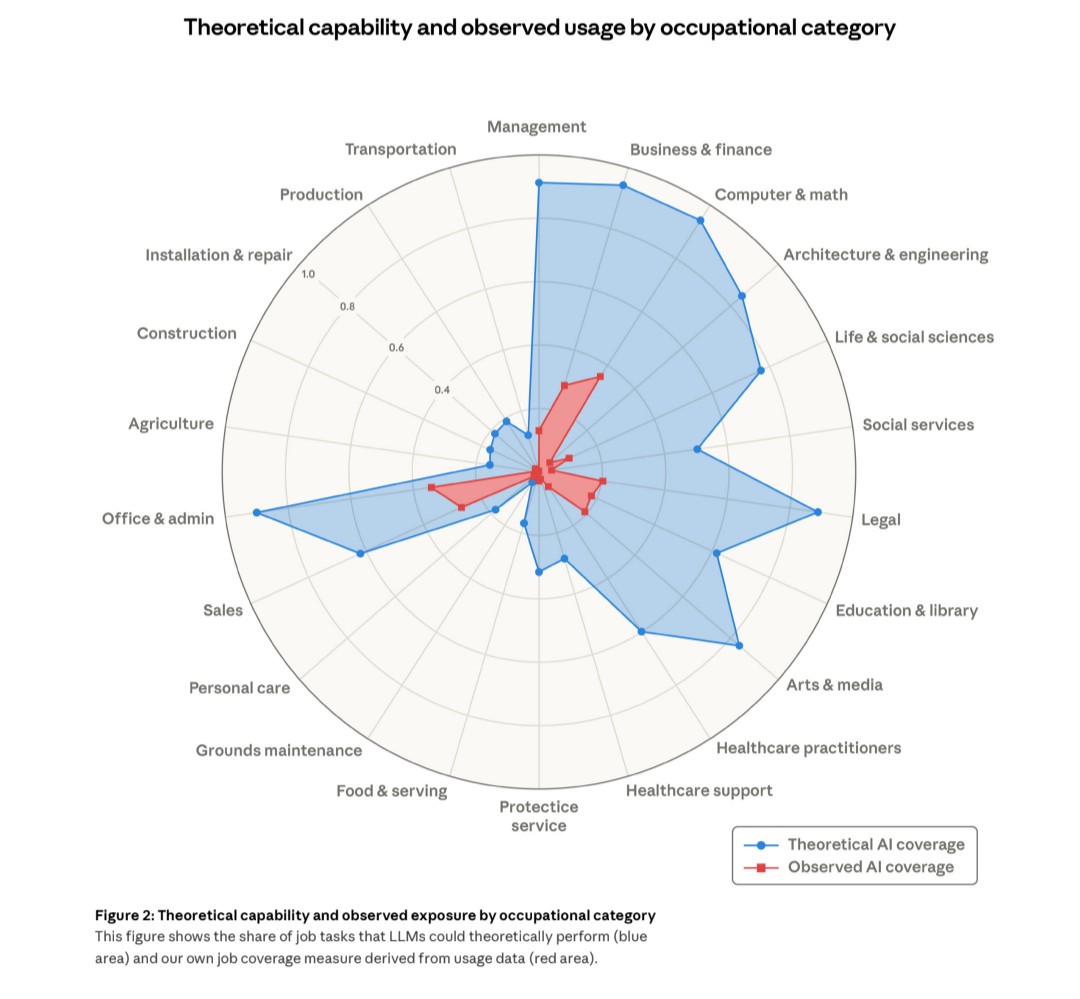
Tricky details/context from the report:
* Red = Claude only, not all LLMs
* Blue is not from Anthropic, it's from Eloundou et al
* Report implies blue = high-capability future LLMs, limited by embodiment. This is a bit misleading.
* 100% != humans are obsolete
(1/)
Mar 5

Striking image from the new Anthropic labor market impact report.
1
1
5
213
Mar 6
Also, radar charts underrepresent the center visually, making the red area smaller than it should be :(
1
3
64
Mar 6
To be clear: I think the economic impact of LLMs in general will eventually be huge, and the impact of Claude in some jobs is already wild. But this chart doesn't quite mean what I think people are taking it to mean.
2
61
Adam Scherlis retweeted
Mar 6
This seems fine for measuring the relative impact of Claude (or LLMs in general) on different tasks/jobs/industries, but useless for measuring the fraction of human labor alleviated/displaced.
1
1
2
60