Assistant professor, Wash U in St. Louis, @wusm_pathology
Joined June 2010
- Tweets 5,552
- Following 374
- Followers 757
- Likes 4,337
279 Photos and videos

Pinned Tweet

6 May 2025
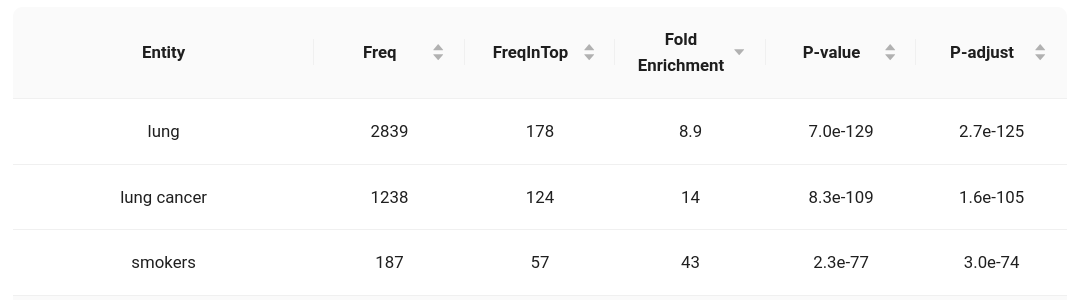
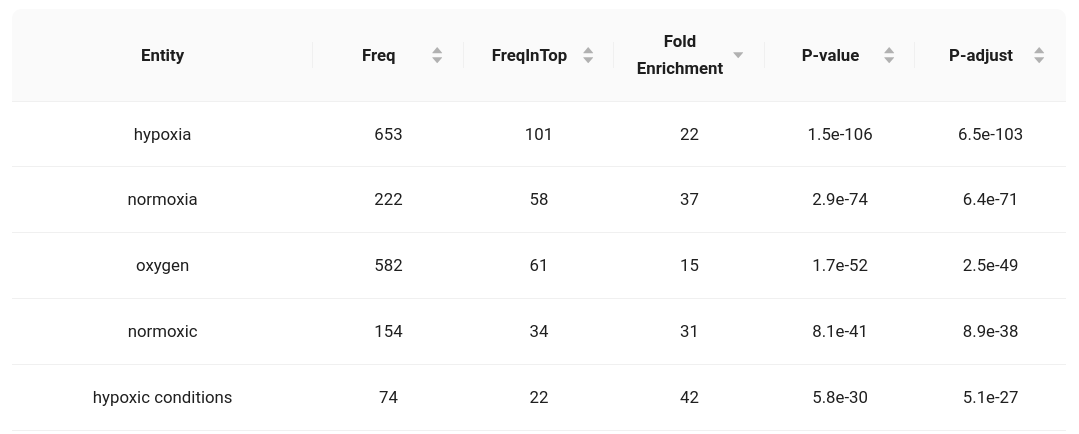
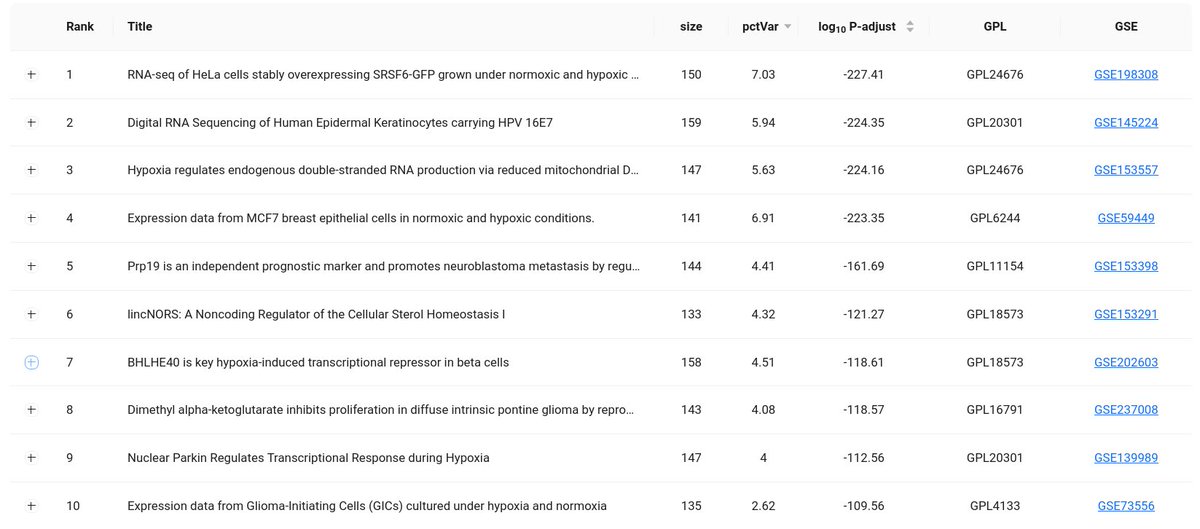
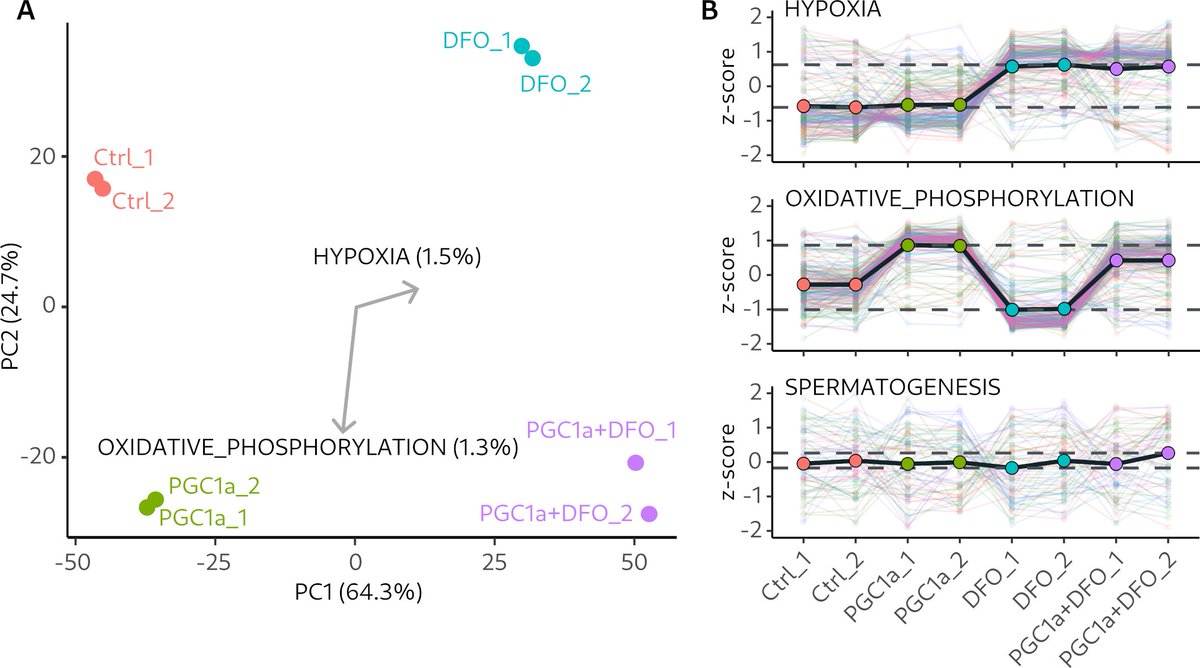
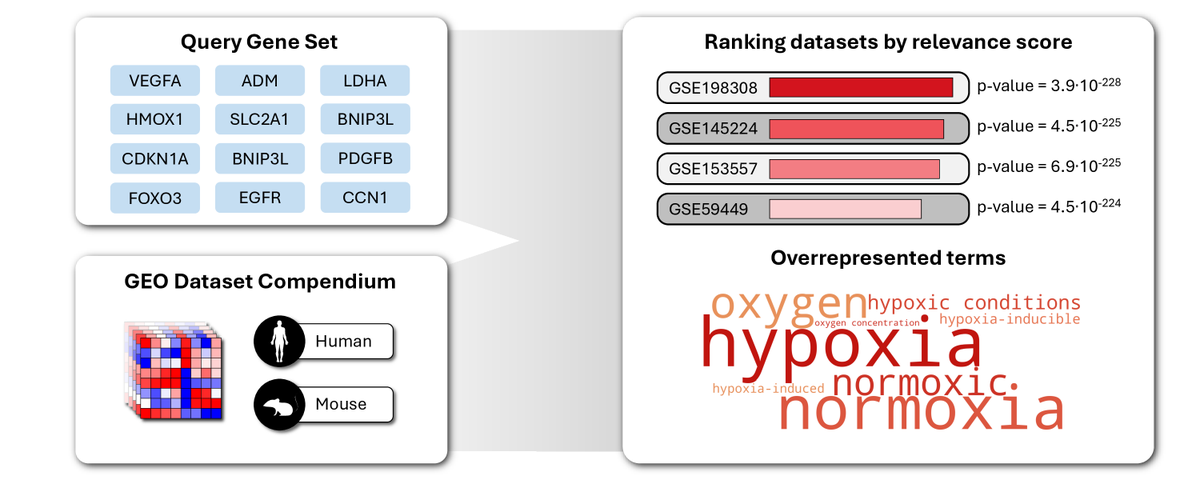
I'm happy to present our new web-tool CORESH alserglab.wustl.edu/coresh/ for searching public gene expression datasets using gene signature as a query, developed by @vd_sukhov, which was just published in @NAR_open doi.org/10.1093/nar/gkaf372 1/n
1
9
27
1,640
Alexey Sergushichev retweeted

well this is intriguing: do humans really have an innate tendency to walk in a counterclockwise direction? A new study says we do. But why? nytimes.com/2026/06/10/scien…
1
3
805
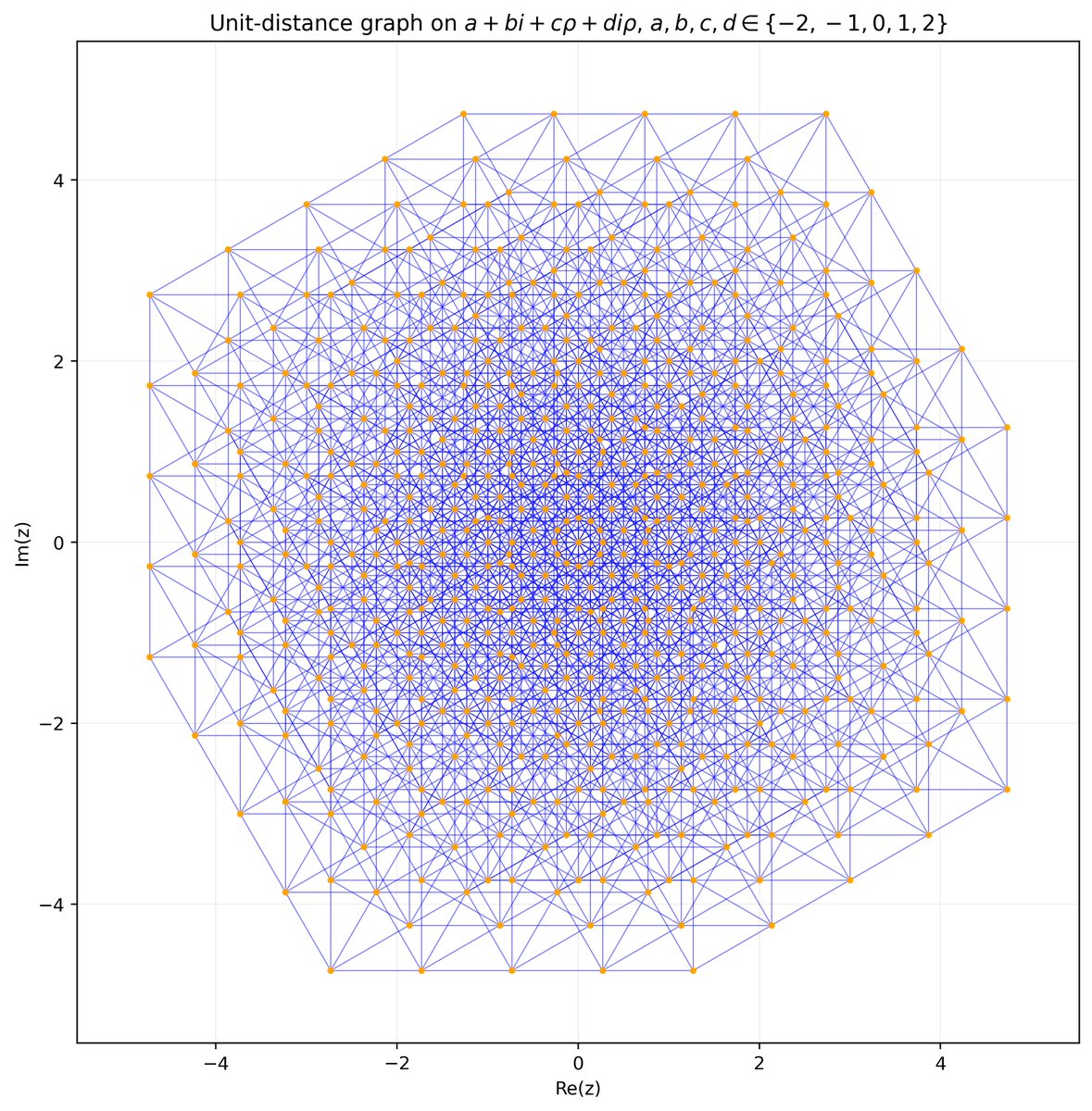
Somehow, openAI didn't post an image of actual construction for their planar unit distance theorem counterexample. It's beautiful!

FYI, I made a higher resolution version (errr... I asked ChatGPT to increase DPI).
2
79
Alexey Sergushichev retweeted

May 27
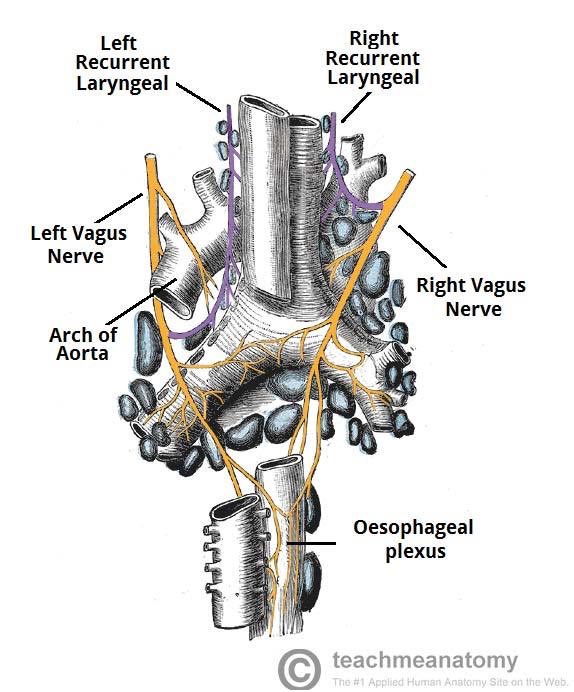
AI is a tinkerer, not an engineer. Writing a complicated piece of code with AI is somewhat like evolution. You can get to a local minima with such a bad architecture that the only way out is to scratch it and start again. Like the unfixable left recurrent laryngeal nerve route.
4
19
1,705
Alexey Sergushichev retweeted

May 22
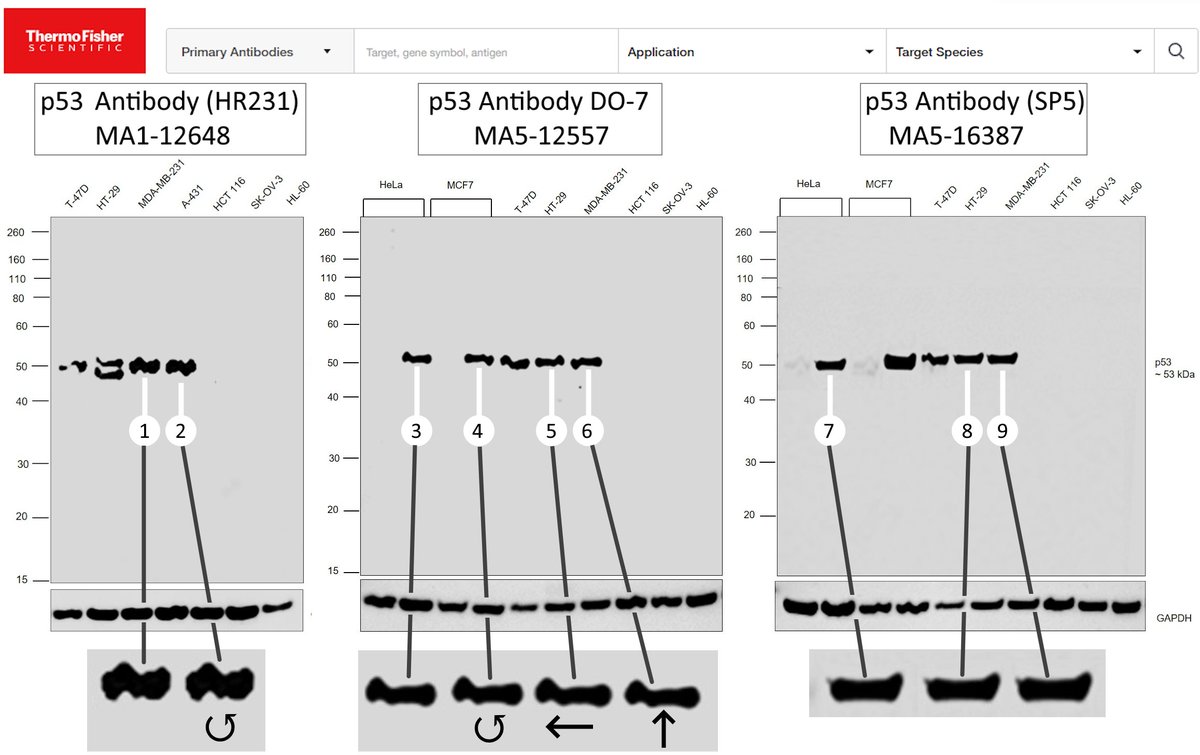
Earlier this week I posted an example of a fake western blot provided by ThermoFisher to demonstrate the validity of a p53 antibody. I considered it an amusing curiosity. In fact ThermoFisher has systematically manipulated antibody validation data. Short Thread... 🧵
16
223
760
158,378
Alexey Sergushichev retweeted

May 14
How Dangerous Is Anthropic's Mythos AI? schneier.com/blog/archives/2…
2
6
16
2,324
Alexey Sergushichev retweeted

May 12
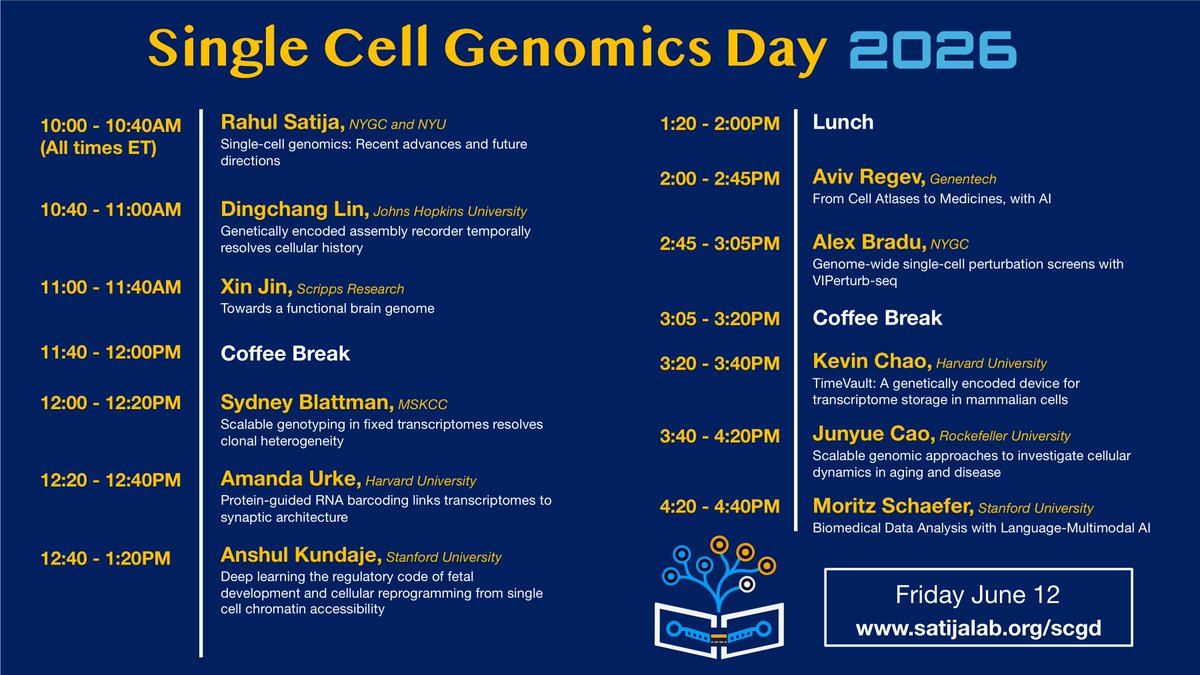
Interested in single cell and spatial genomics? Check out the agenda for our 10th Single Cell Genomics Day on Friday 6/12.
Speakers: Aviv Regev @anshulkundaje @junyue_cao @xinjin many more! All talks are free and live-streamed at satijalab.org/scgd
1
82
287
21,956
Alexey Sergushichev retweeted

Apr 23
In 2021 we identified GZMK CD8 T cells as Taa - age-associated subset of cells in mice. How they developed remained unclear.
Today, our latest work on the mechanism of development of age-associated GZMK CD8 Taa cells in old mice is now out!
cell.com/cell-reports/fullte…
"Inflammaging in aged tissues drives remodeling of the CD8 T cell compartment" let by Irina Shchukina and co-supervised by Gwendalyn Randolph with a huge team that helped to make it happen.
We definitively show that:
1. GZMK Taa cell development is cell extrinsic and requires antigen exposure in aged tissues.
2. We introduce major new model that accelerates immune aging in CD8 T cells and show that low-grade inflammation accelerates CD8 T cell aging and Taa cell accumulation.
3. Aged adipose tissue acts as a niche that supports progenitor Taa cells and overall development of these cells.
3
15
66
5,063
Mar 10
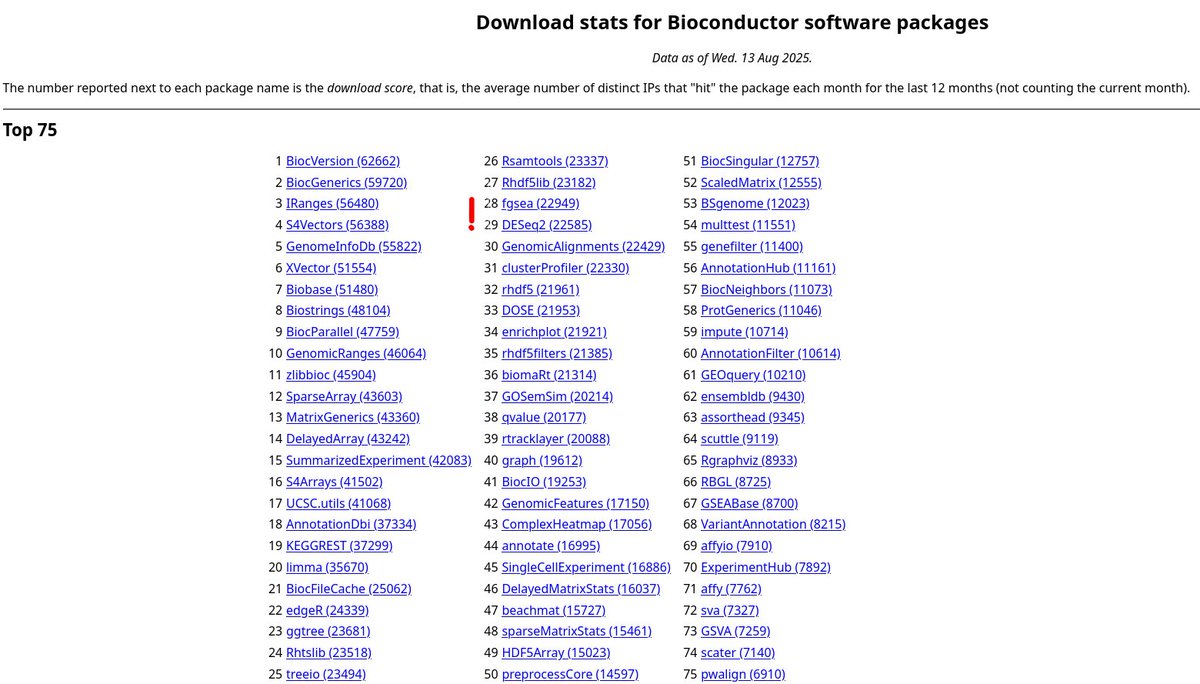
Not sure how to feel about it, but someone rewrote—I guess with Claude Code or something—fgsea to Rust with Python bindings. Not an endorsement, but I know some people were interested in using it in Python, so here it is: github.com/deminden/rsfgsea
4
153
Jan 23
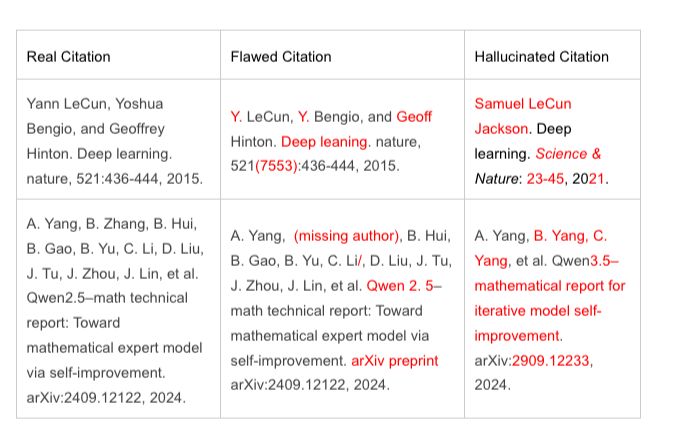
Just noticed the "Samuel LeCun Jackson", what a cross-over!

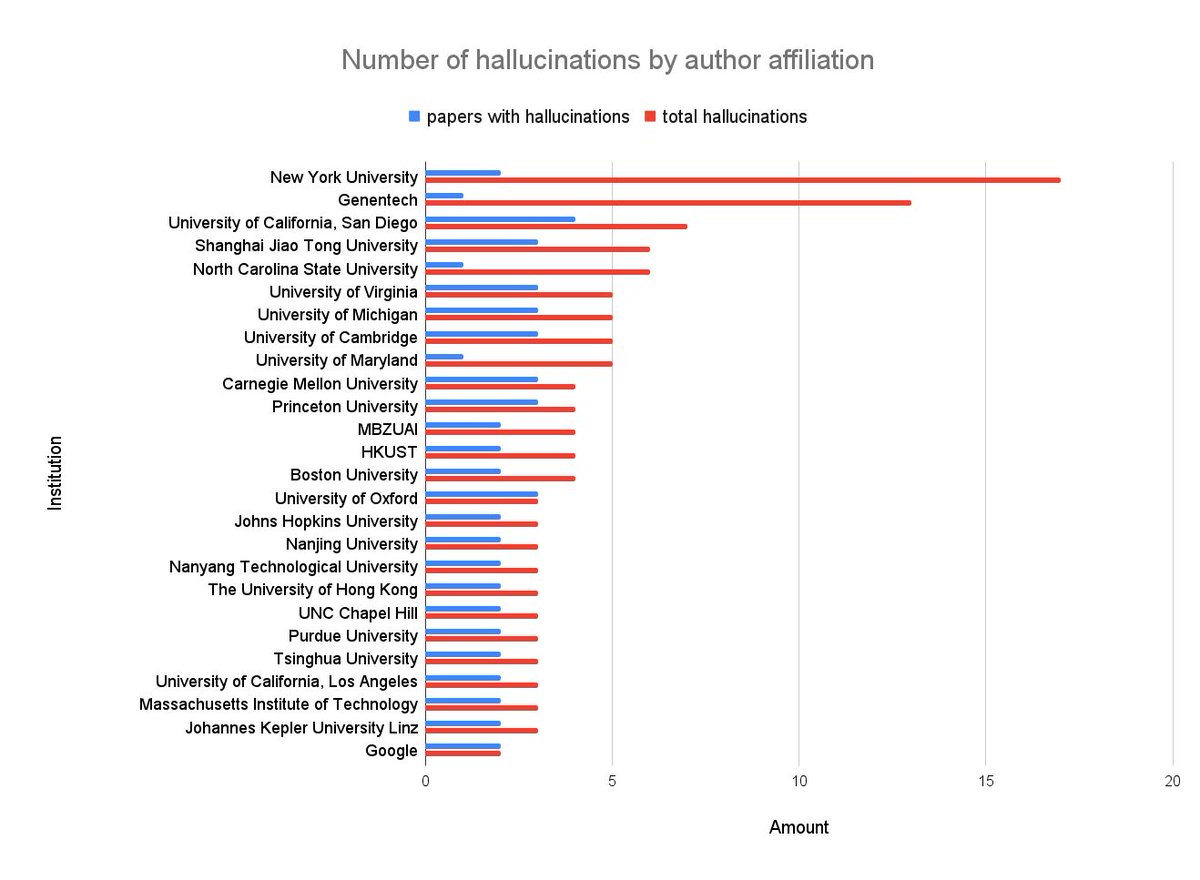
Analysis of 4841 papers accepted by NeurIPS 2025 show there are at least 100 with confirmed hallucinations 🙃 gptzero.me/news/neurips/
2
130
Alexey Sergushichev retweeted
Jan 22
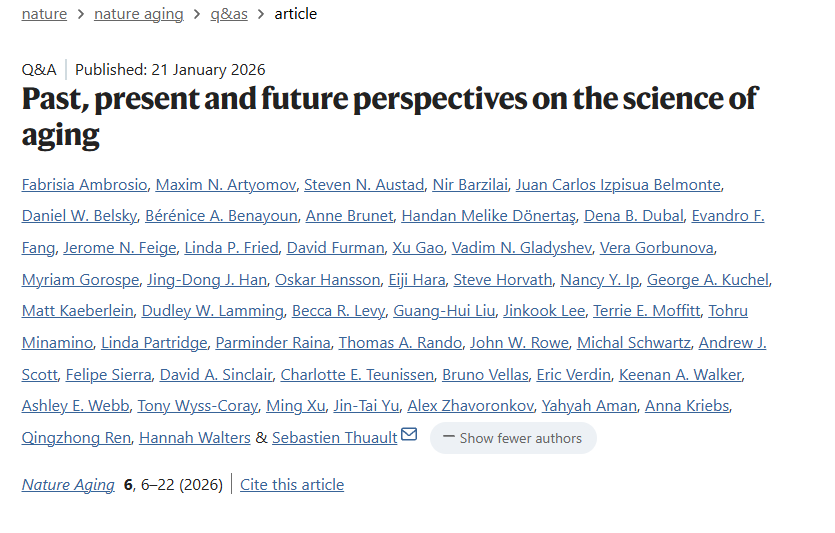
#aging #rejuvenation #outlook #Community
@NatureAging just published a very nice piece describing the view on the field of aging from ~30 experts in the field, humbly yours including:
nature.com/articles/s43587-0…
In addition to reading the key messages that were nicely assembled by Sebastien Thuault and Hannah Walters, i strongly recommend to read supplementary material to that article, where each of the authors more extensively asnwers to these 10 questions - it is incredible source for discussions, debates and raw insights:
1. Is there one advance in aging or age-related disease research from the past 5 to 10 years that changed how you think about the field, and why?
2. What have we learned about translating geroscience from model organisms to humans, and where do the biggest gaps remain?
3. The field of aging is very broad, covering biology, clinical, public health and social sciences. Has your work or thinking been inspired by approaches or findings from separate disciplines?
4. Which single shared resource (e.g. dataset, biobank, model, tool) would most accelerate progress in your field?
5. How should we balance large, collaborative team science efforts and the focus and agility of individual labs to drive research forward? Should there be more big-team science in aging research?
6. Where do you see research on aging and age-related diseases having the biggest impact on clinical care and public health now and in the future?
7. If you could change one funding or regulatory policy to speed up progress, what would it be and why?
8. There is growing public interest in aging and age-related disease research. What can researchers do to ensure that aging science can be trusted and benefits everyone?
9. What advice would you give to researchers entering the field now?
10. Where do you see your field heading in the next 5 to 10 years?
1
8
16
1,145
Jan 15
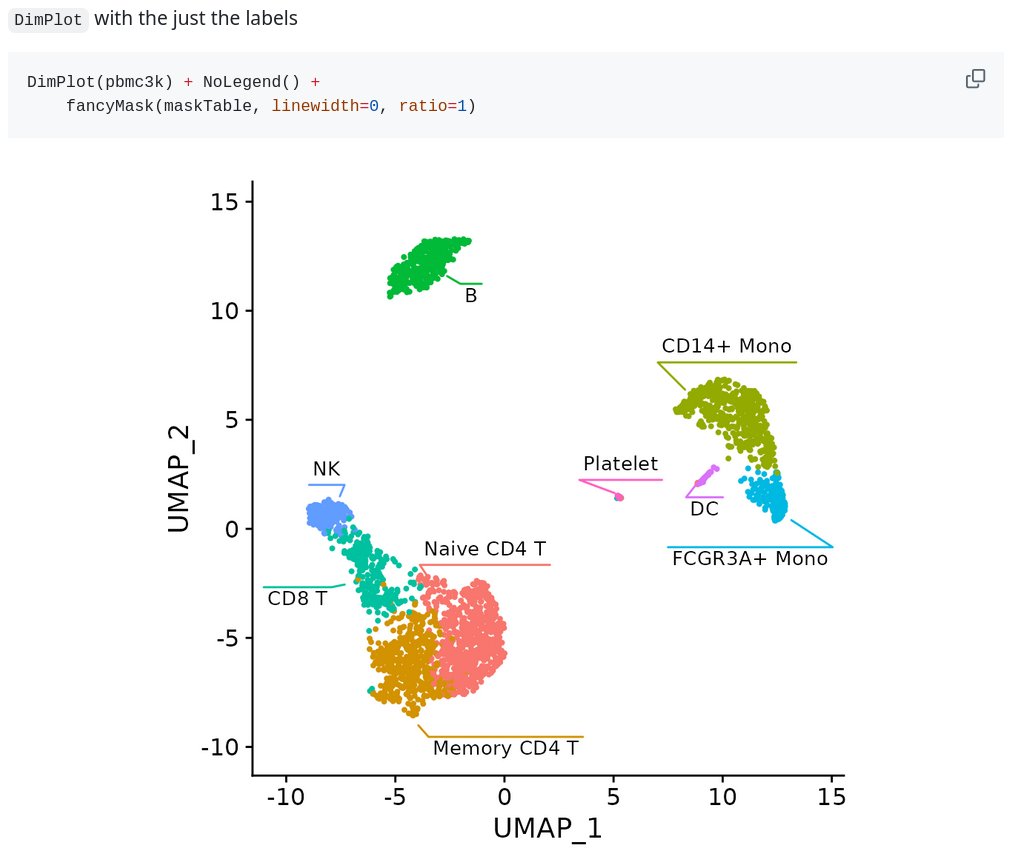
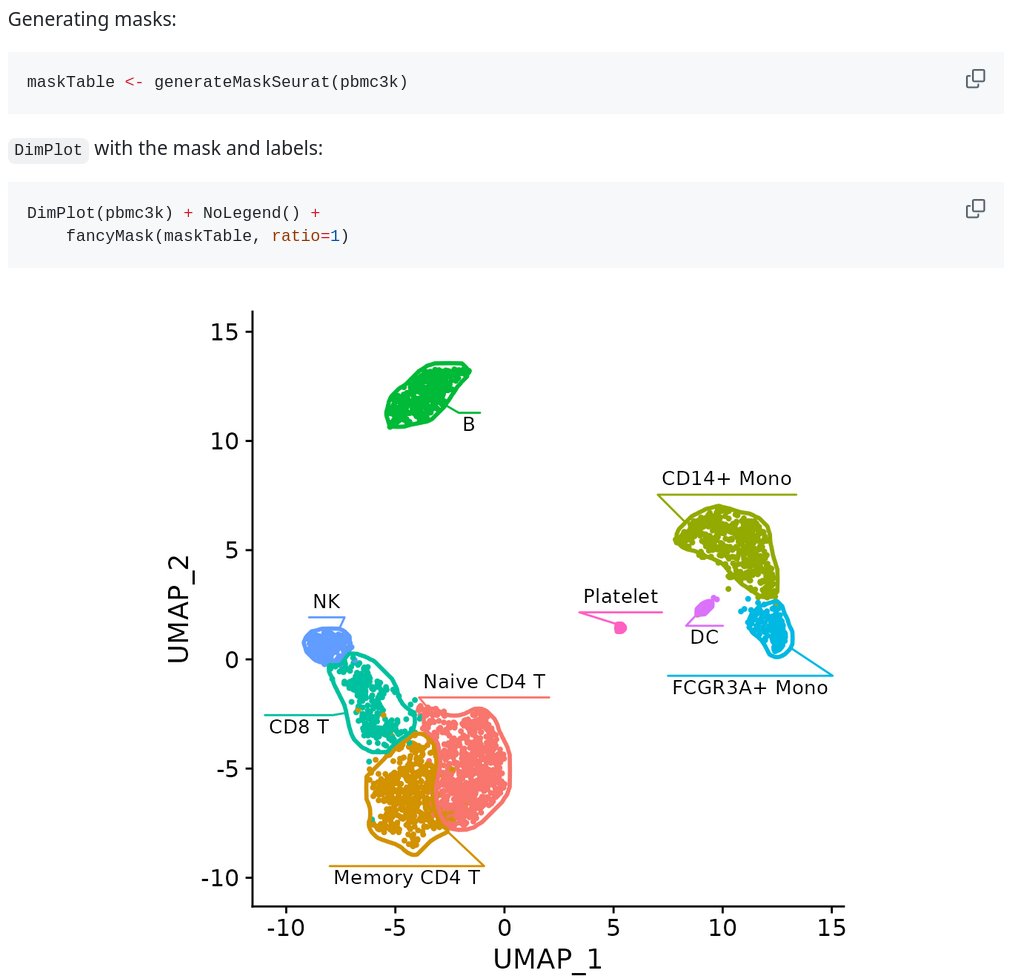
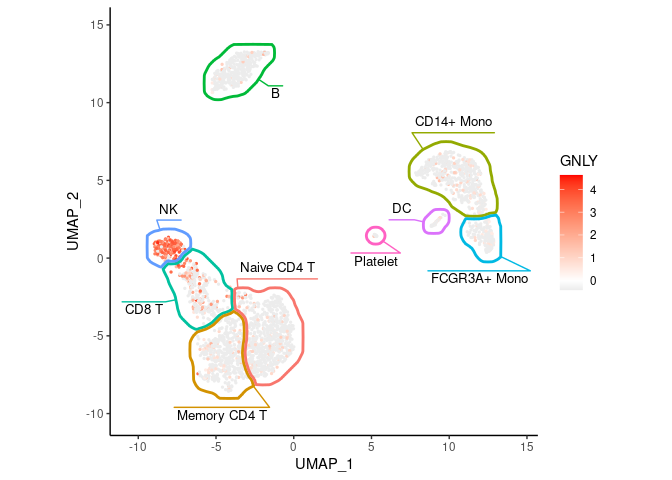
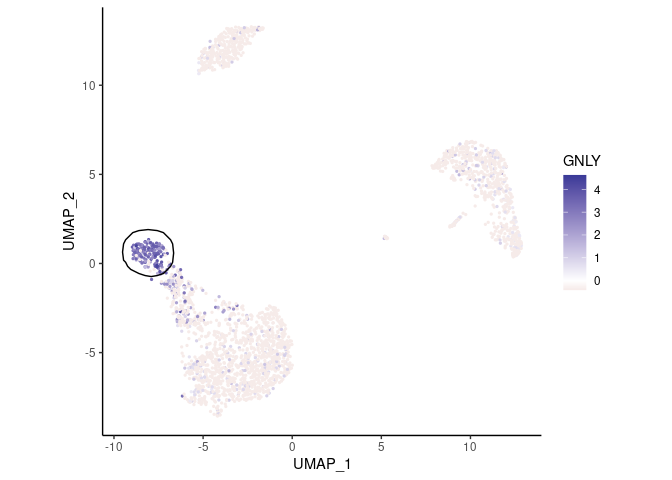
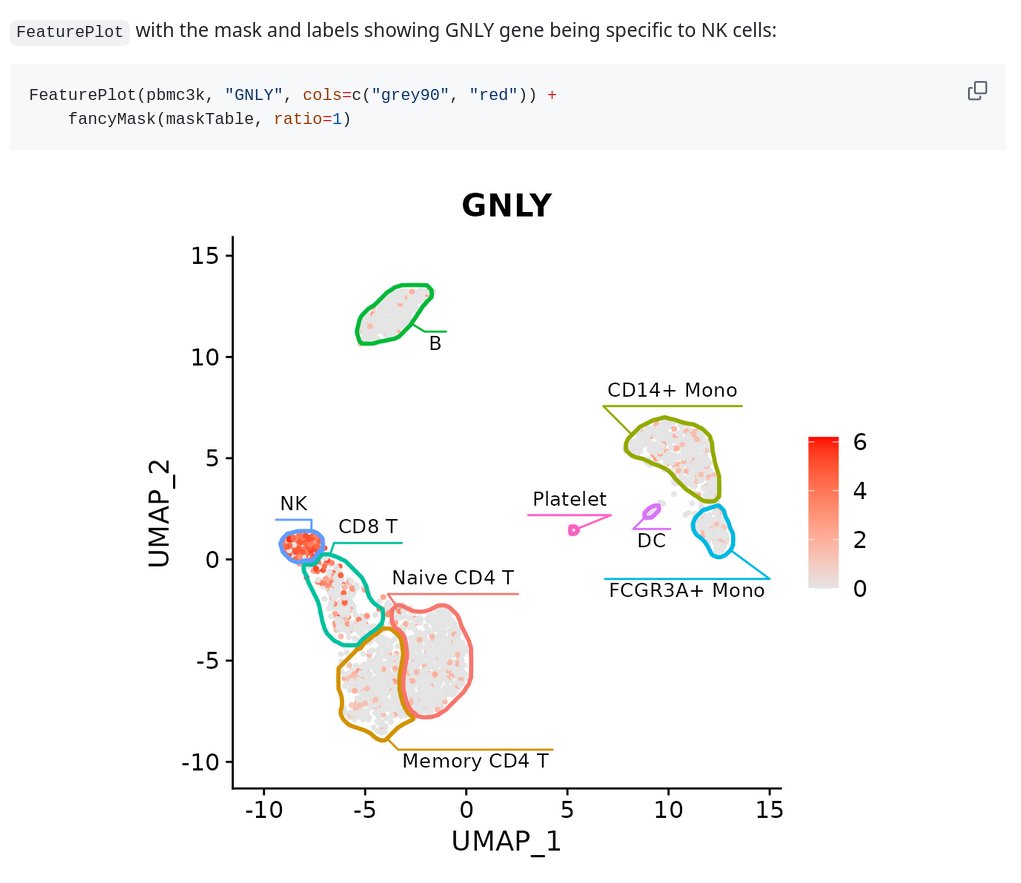
mascarade package for generating borders around clusters on UMAP/t-SNE plots is available on CRAN now! 1/3
1
3
167
Jan 15
For this release I optimized the performance and simplified working with Seurat objects 2/3
1
75
Alexey Sergushichev retweeted
Jan 12
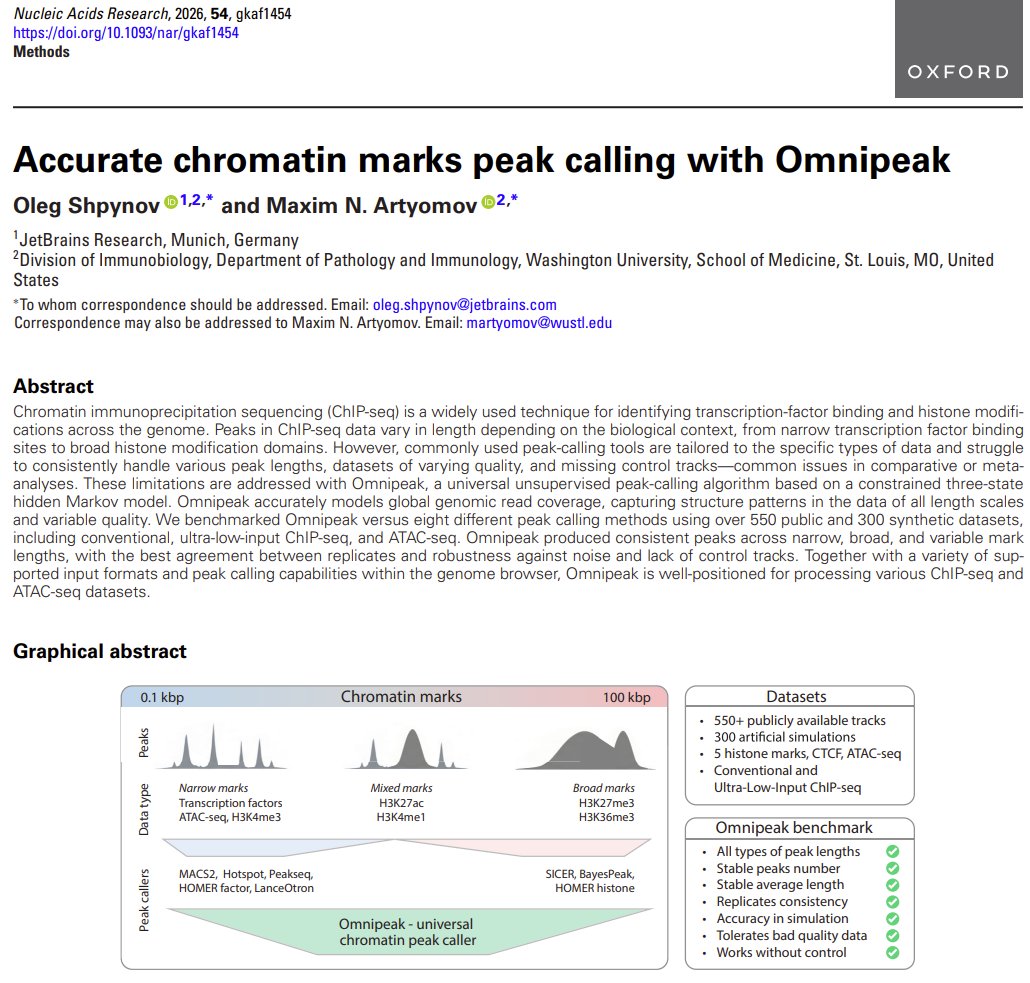
Very excited to announce our latest paper in Nucleic Acids Research: "Accurate chromatin marks peak calling with Omnipeak." NAR Nucleic Acids Research lead by Oleg Shpynov
lnkd.in/gqTJ4k5D
For years, we all have been forced to swap between different tools depending on their data: MACS2 for sharp peaks or SICER for broad domains. Furthermore, the same methods could give vastly different numbers of peaks for the same mark when the quality varies a bit.
Omnipeak changes the game:
✅Unlike MACS2, which struggles with broad histone modifications, Omnipeak captures the full architecture of the epigenome—from razor-sharp H3K4me3 peaks to expansive H3K27me3 domains—within a single framework.
✅ Better Biological Signal: Our method demonstrates higher consistency across biological replicates, ensuring that the "peaks" you find are real biological features, not technical noise.
✅ Superior Boundary Precision: In our benchmarking against ENCODE and Roadmap datasets, Omnipeak consistently outperformed existing methods in defining exact peak start/end coordinates.
✅ Consistency at a low-quality peak calling and no dependency on the control samples. This also provides unique systematic approach for any large-scale epigenetic analysis of many studies and samples.
Stop juggling multiple pipelines. Switch to a universal, unsupervised solution that brings mathematical rigor to your ChIP-seq and ATAC-seq analysis.
3
7
444
Alexey Sergushichev retweeted

16 Dec 2025
1/ New in @NatureComms: A scalable method for non-additive GWAS reduces computational cost 700-fold and uncovers 781 novel disease loci in @FinnGen_FI . Led by @ivan_molotkov_ , this work opens large-scale dominant/recessive analysis for large biobanks.
nature.com/articles/s41467-0…
1
1
3
116
Alexey Sergushichev retweeted

15 Dec 2025
🚀 New preprint!
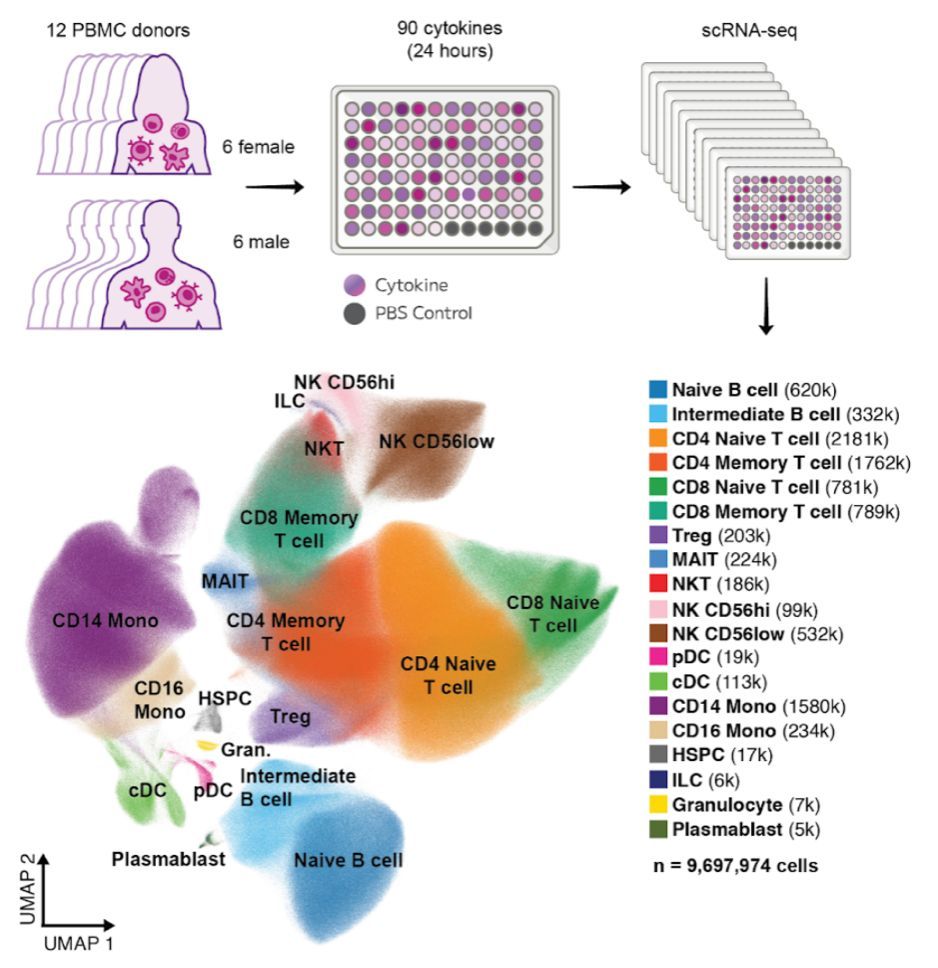
The Human Cytokine Dictionary - 9.7M cells, 12 donors, 90 cytokines - our largest human single-cell perturbation atlas yet. Users can map cytokine activity in their own data. Huge thanks to Lukas, Sören, Larsen, Parse Bio & Seelig lab!
🔗 biorxiv.org/content/10.64898…
7
159
657
34,191
Alexey Sergushichev retweeted

1 Dec 2025
Bioinformatics is in shambles at the Denver airport’s acronym game

2
22
1,564
Alexey Sergushichev retweeted
11 Nov 2025
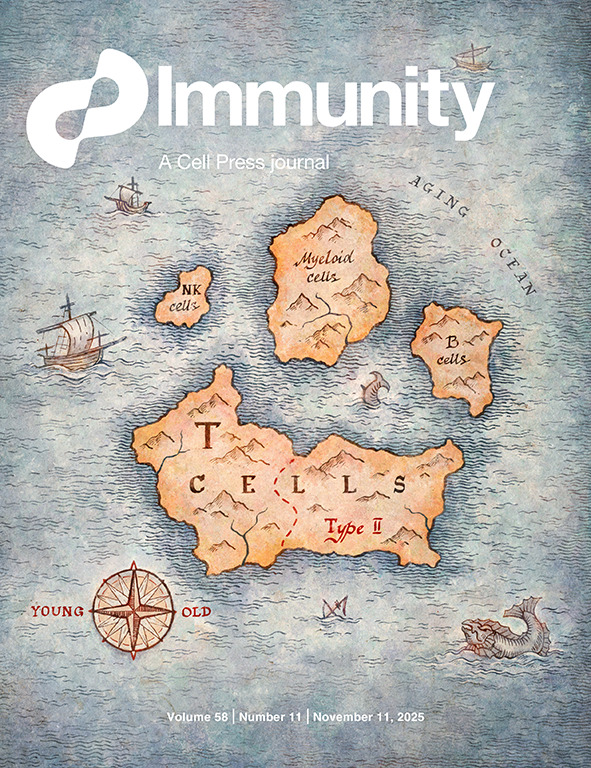
Very happy to see cover on Nov 11 @ImmunityCP issue highlighting our review on Human Immune Aging (sciencedirect.com/science/ar…). One of key visuals highlights major finding made by Terekhova et al in Immunity, 2023 - systematic shift toward type 2 (Th2/Tc2) immunity in healthy aging!
(sciencedirect.com/science/ar…)
3
29
167
11,018
Alexey Sergushichev retweeted
31 Oct 2025
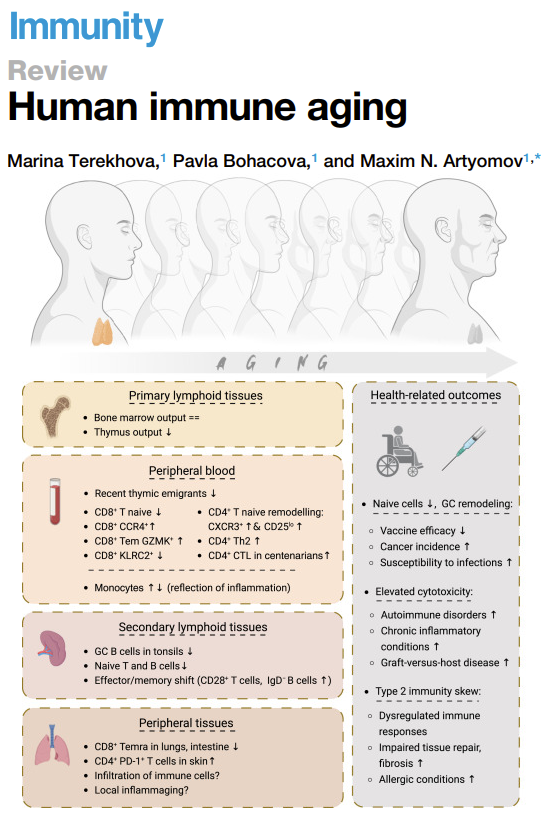
Just out - our major review piece @ImmunityCP , summarizing couple of decades of the research on human immune aging and providing highlights of the latest advances in the field. Led by Marina Terekhova, truly encyclopedic depth (327 references)
sciencedirect.com/science/ar…
6
157
564
34,868
Alexey Sergushichev retweeted

24 Oct 2025
I am hiring a fully-funded #PhD in #ML to work at @EdinburghUni on 𝐠𝐞𝐨𝐦𝐞𝐭𝐫𝐢𝐜 𝐥𝐞𝐚𝐫𝐧𝐢𝐧𝐠 and 𝐮𝐧𝐜𝐞𝐫𝐭𝐚𝐢𝐧𝐭𝐲 𝐪𝐮𝐚𝐧𝐭𝐢𝐟𝐢𝐜𝐚𝐭𝐢𝐨𝐧.
Application deadline: 31 Dec '25. Starts May/Sep '26.
Details in the reply.
Pls RT and share with anyone interested!

4
8
33
4,839