
Joined December 2008
- Tweets 89,267
- Following 2,888
- Followers 223,774
- Likes 16,203
18,030 Photos and videos

Pinned Tweet
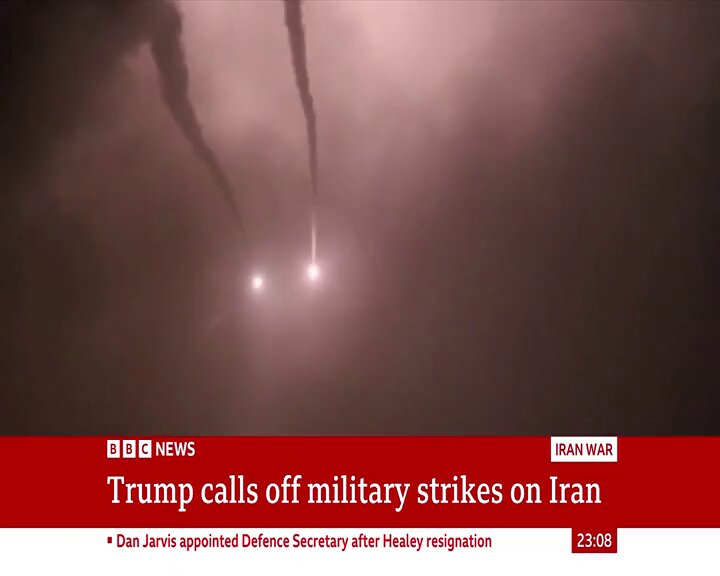
On Sunday evening, US President Donald Trump announced that the United States had reached an agreement to end the war with Iran.
Atlantic Council experts share their insights on what we know—and still don’t know—about the deal.
THREAD 🧵
atlanticcouncil.org/dispatch…
3
2
5
1,110
On Sunday evening, US President Donald Trump announced that the United States had reached an agreement to end the war with Iran.
Atlantic Council experts share their insights on what we know—and still don’t know—about the deal.
THREAD 🧵
atlanticcouncil.org/dispatch…
3
2
5
1,110
These are the big questions markets—and US allies—will now want answered
Don’t expect markets to celebrate a deal-signing for too long. The news, announced just as Asian markets opened, sent futures higher and oil prices lower—for the moment. Over the past month, as news of each potential deal has rocketed around Bloomberg terminals, energy traders have priced in the likelihood that sooner or later a deal will actually materialize. That means markets, which are by design forward-looking, have already been pricing in today’s outcome.
If you had been wondering why oil is trading at under $90 a barrel instead of $120 given the prolonged closure of the Strait of Hormuz, it’s precisely because this outcome has been well-telegraphed. Markets want answers to two key questions going forward to turn the rally into momentum: 1) Does the strait actually open as promised? and 2) How much will transiting the strait now cost relative to before the war? The risks of mines, drones, and another flare-up all have to get rolled into those calculations. Until there’s more hard evidence regarding both questions, markets will only see the signing of the peace deal as one more data point.
These aren’t just market questions; these are the questions Group of Seven (G7) leaders will ask Trump when he arrives in Evian, France on Monday for this year’s G7 summit. The bloc’s economies have been hit with higher inflation thanks to the war—with the European Central Bank raising interest rates last week for the first time in three years. The global economy has experienced too much whipsawing in the past 100 days of war to breathe easy based on a deal with no details, and the first test of those details will come as Trump is pressed by French President Emmanuel Macron and others gathered for the summit. Trump likely wanted to come to the meeting with a deal in place. Now he has set the terms for the leaders meeting—and they will be reacting to him.
— @joshualipsky is vice president and chair of international economics at the Atlantic Council and the senior director of the @ACGeoEcon Center. He previously served as an advisor at the International Monetary Fund.
1
2
491
The war’s tactical achievements have not amounted to strategic success
The Iran deal is likely the best possible outcome, but it is perhaps no better than what could have been achieved had the United States pursued diplomacy rather than war in the first place.
The Trump administration can rightfully claim that it decimated key elements of Iran’s military power. But despite these tactical successes and the elimination of key Iranian leaders, the war was a strategic failure. The regime remains in place, and it is emboldened after its retaliation throughout the Gulf. Rather than convince Iran to abandon its nuclear program, the war may have persuaded the Iranian leadership that a nuclear deterrent is the best way to safeguard its future.
Since the United States launched this war, its strategic objectives have changed. It has ultimately failed to bring regime change and instead strengthened the hand of the hardliners.
While the deal will reportedly reopen the Strait of Hormuz, Iran has demonstrated that its longstanding threats to close the strait are not just bluster and it can wreak havoc on the global economy. The ability to close the strait is a potent weapon that Iran will threaten to wield in the future.
There is a possibility that this ceasefire could pave the way for a more permanent deal, but it is more likely this will be a temporary and fragile understanding that will, in the best-case scenario, prevent renewed war through the end of this administration.
— @VictoriaT_ J. Taylor is director of the Atlantic Council’s Iraq Initiative. She served most recently as deputy assistant secretary of state for Iraq and Iran during the Biden and Trump administrations.
3
674
Atlantic Council retweeted

Until the text of the US-Iran deal is signed and released, there is going to be a lot of spin on both sides. But here is my initial take.
This war was a mistake, and it needs to end. The President thought that the Iranian regime would collapse quickly, but it did not. In fact, it has been strengthened strategically by its survival against a heavy US-Israeli assault and carrying out some effective counterstrikes. Many countries in the region are now courting Iran and looking to deescalate and rebuild ties. A sign of which way the wind is blowing.
Getting the Strait of Hormuz open is the most important outcome of this MOU. Of course, the Strait was open before the war. Now we are paying to reopen it with sanctions relief. Iran has taken a theoretical point of leverage and turned it into a very real and powerful one, imposing costs across the global economy and rattling President Trump.
As for the nuclear issues, there really is no agreement, other than to negotiate over the HEU stockpile and an enrichment moratorium. Iran knows how to drag out those negotiations, and try to pocket concessions along the way. It is possible that no deal will every be reached, and very likely that if one is reached, it will be worse than what we could have achieved through diplomacy before the war.
Iran is not likely to take seriously that the US would return to war, certainly before the US midterms. So that means we will be conducting diplomacy without a credible threat of force.
If any agreement ultimately reached actually safely puts Iran's nuclear ambitions out of reach, I'll acknowledge it. It's just too early to make that judgment.
Trump is mainly focused on comparing his deal favorably to the JCPOA. But we are a long way from being able to make that comparison, and it may end up no better, or weaker than that deal.
But in some ways, Trump's deal and the JCPOA are already similar. Nothing on ballistic missiles, nothing on proxies, nothing on weakening the regime or helping the Iranian people. And plenty of sanctions relief that will strengthen the regime, and be poured into the missile program and proxy network. Honest critics of the JCPOA will not twist themselves into pretzels to defend Trump's approach.
Israelis are deeply disappointed in this outcome, but they should not be surprised. After some initial overlap of Trump's and Netanyahu's interests, there was a strong divergence. The United States needed this war to end. Netanyahu wanted to continue.
Trump's claim to include Lebanon in the ceasefire and his harsh shutting down Israeli attacks on Hezbollah is also a win for Iran. After the JCPOA was signed, Obama and Netanyahu worked together to strengthen Israel's campaign of strikes in Syria to intercept Iranian weapons shipments to Hezbollah in Lebanon.
So let's hope we see the removal of Iran's enriched uranium and a long-term suspension of enrichment, with full verification. But to achieve those goals, Trump's team is going to need to engage in far more sophisticated diplomacy, backed by qualified experts, than they have to date. If it is a phase one splash with no follow-up on implementation of later phases, like in Gaza, we will be much worse off after, and because of, this war.
155
545
1,844
811,110
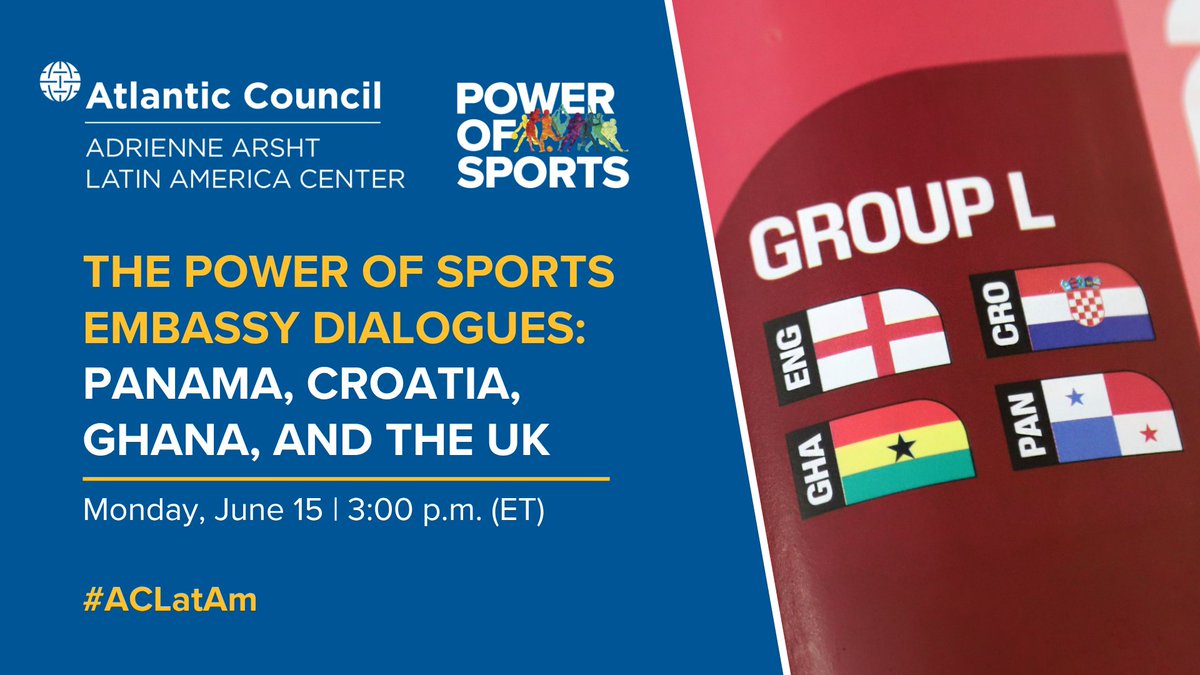
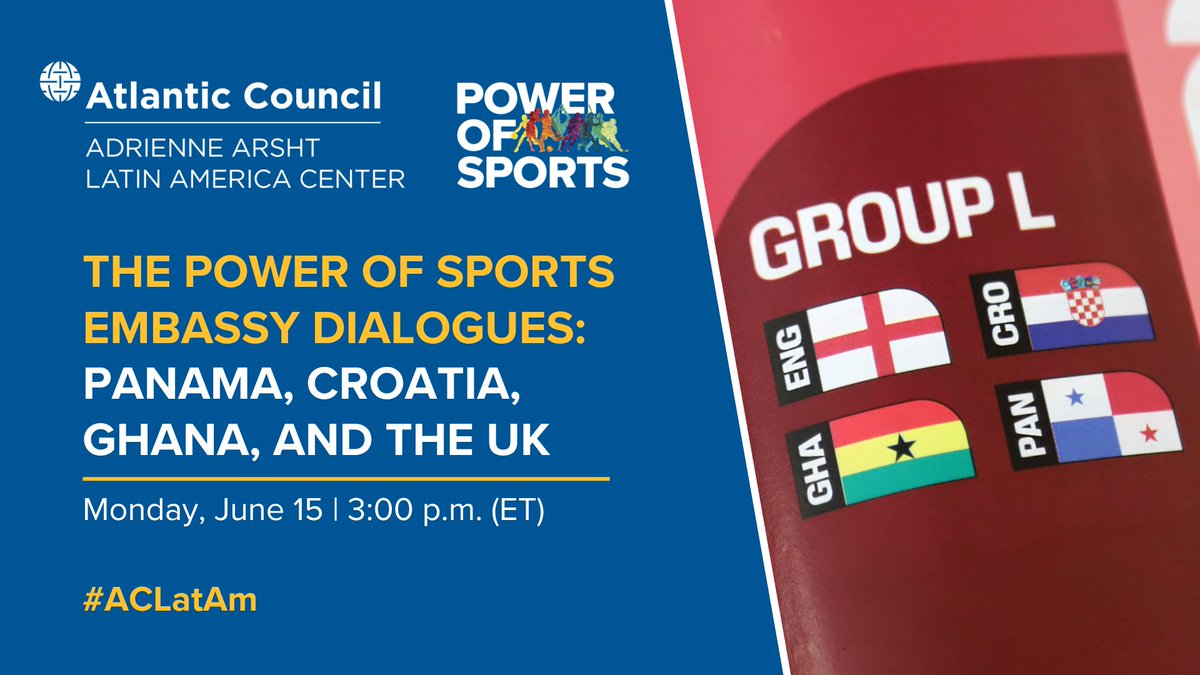
🗓️ TOMORROW | 🕒 3:00 p.m. ET
Join the @AtlanticCouncil as we host the ambassadors from Panama, Croatia, Ghana, and the UK to discuss sports diplomacy before each country kicks off its World Cup run.
Register today ➡️ bit.ly/4w5E8WD
2
1
1,104
Atlantic Council retweeted

Israeli deterrence takes another hit as Trump dictates limits.

Trump: "This morning’s attack on Beirut should not have happened... Israel has the right to defend itself against threats, but the attack it was responding to was very small & meaningless... There should be no more attacks by Israel anywhere in Lebanon."
truthsocial.com/@realDonaldT…
2
4
1,570

Jun 13
🇹🇷 Turkey hosted its second Zero Waste Forum in Istanbul this past weekend.
@ACClimateCenter’s @nidhi_u examines what the forum achieved and why Ankara is championing the zero waste agenda ahead of COP31:
atlanticcouncil.org/dispatch…
1
2
1
1,424
Jun 13
Over one million drones are operating in the US, and the number is rising.
Security around the World Cup only underscores the need for wider efforts to ensure safety against the increasing risks from drones, writes @ACScowcroft’s Peter Gautier.
atlanticcouncil.org/dispatch…
1
2
7
1,775
Atlantic Council retweeted

Jun 13
Good analysis by @jpanikoff. Getting back to Palestinian/Israeli issues in a serious way would also help re-build trust with Gulf states. Will require sustained, serious, and quiet diplomacy.
Jun 12

As the US and Iran close in on a memorandum of understanding, the US should maximize its leverage for nuclear talks by maintaining its military footprint and coordinating with European and Gulf allies, writes @ACMideast’s @jpanikoff.
Read more ⤵️
bit.ly/3S9kH0c
1
1,582
Jun 13
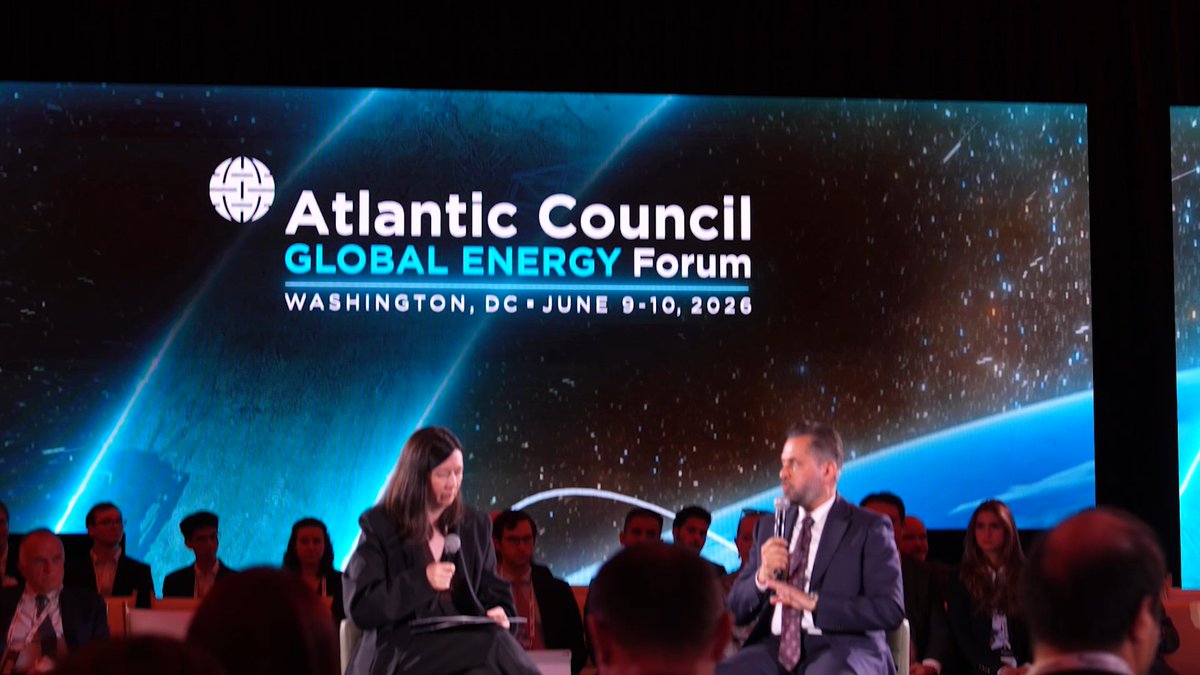
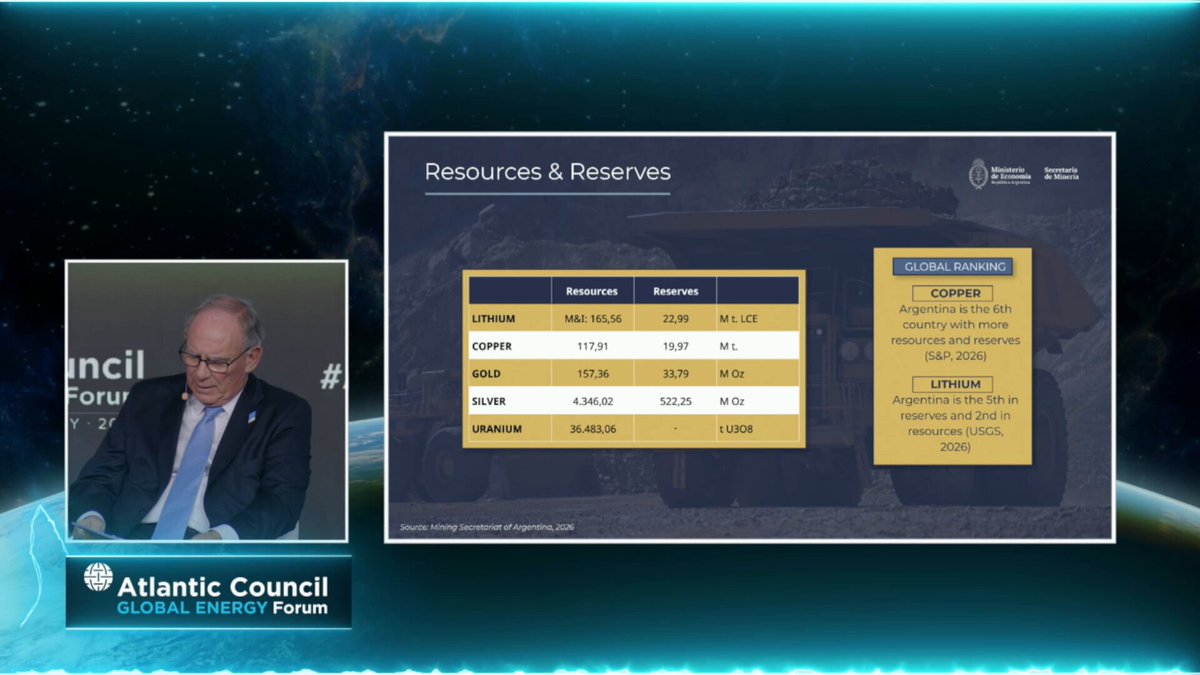
At the Global Energy Forum this week, @ENERGY @SecretaryWright said that “the price” of the Iran crisis “will be wildly worth paying,” if it means that Iran eventually ceases to be “a constant threat to its neighbors.”
Read more from his conversation with @SullyCNBC:
atlanticcouncil.org/blogs/en…
1
1
1,159
Atlantic Council retweeted
Jun 12
As the US and Iran close in on a memorandum of understanding, the US should maximize its leverage for nuclear talks by maintaining its military footprint and coordinating with European and Gulf allies, writes @ACMideast’s @jpanikoff.
Read more ⤵️
bit.ly/3S9kH0c
3
3
8
4,015
Atlantic Council retweeted

Jun 12
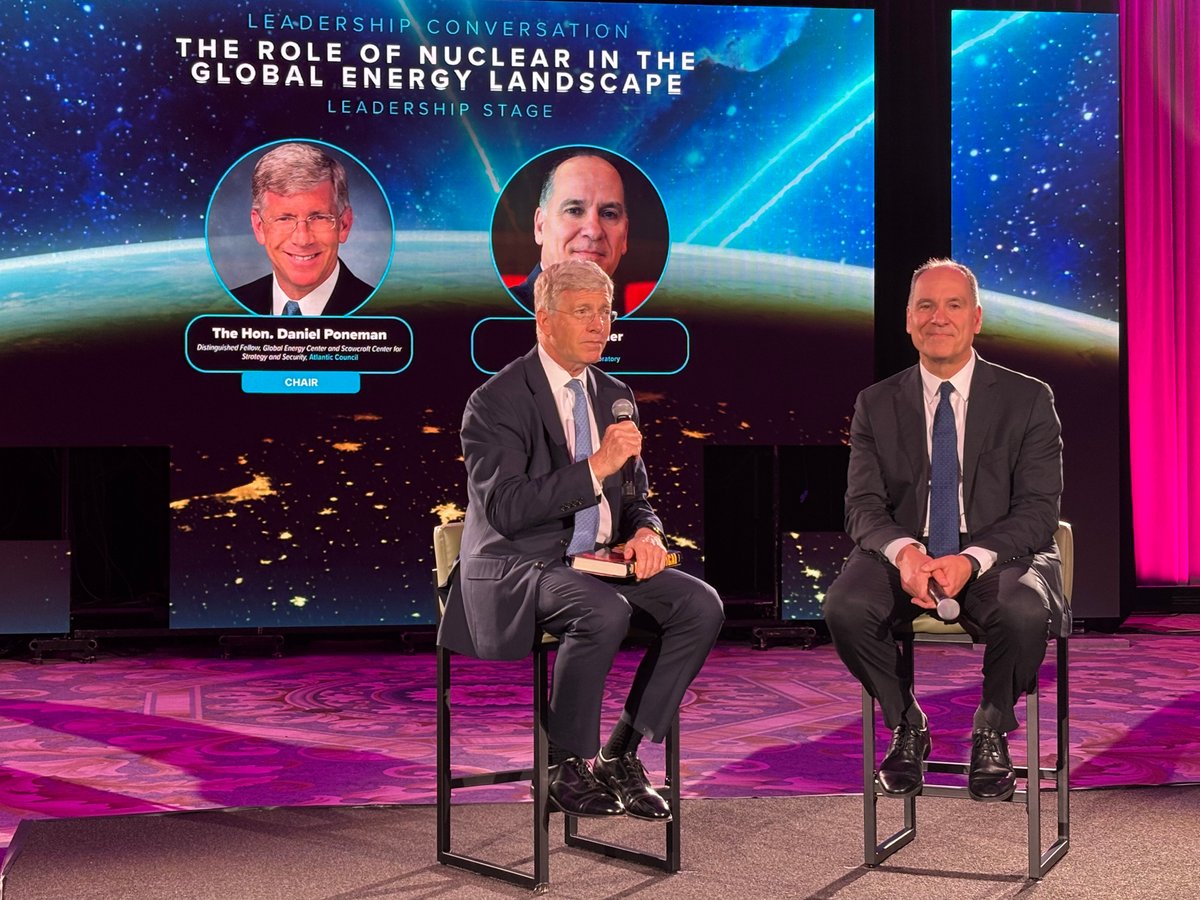
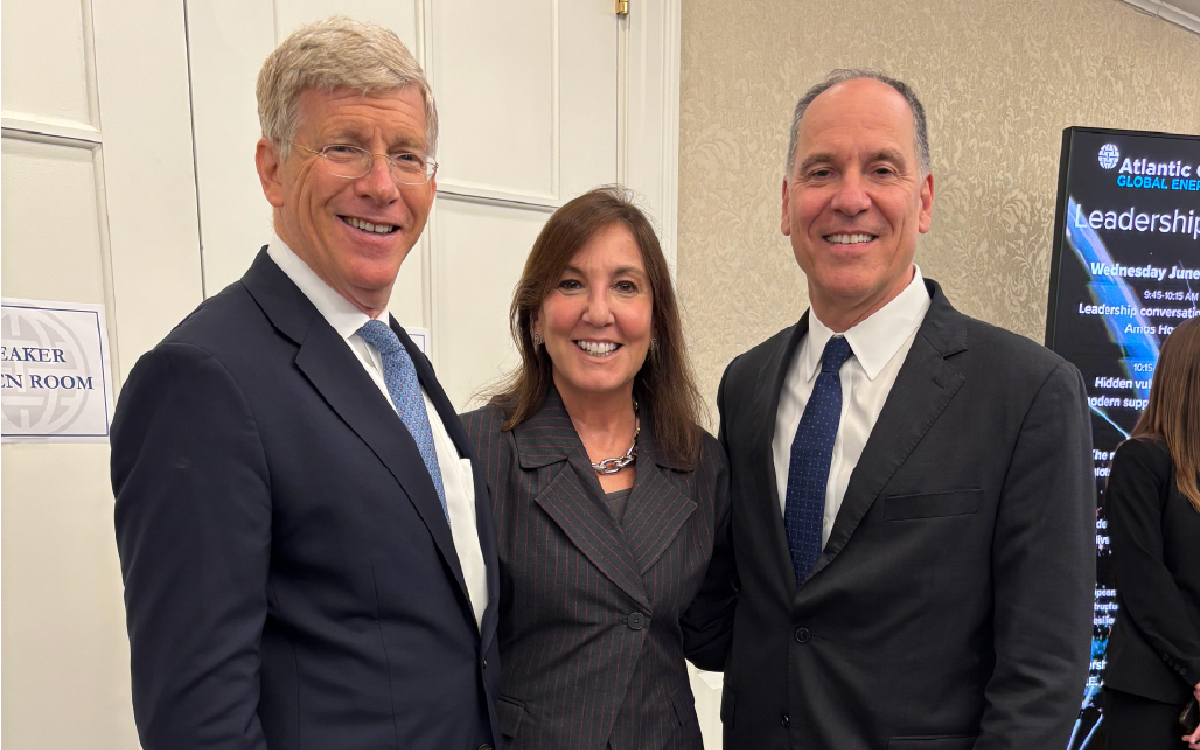
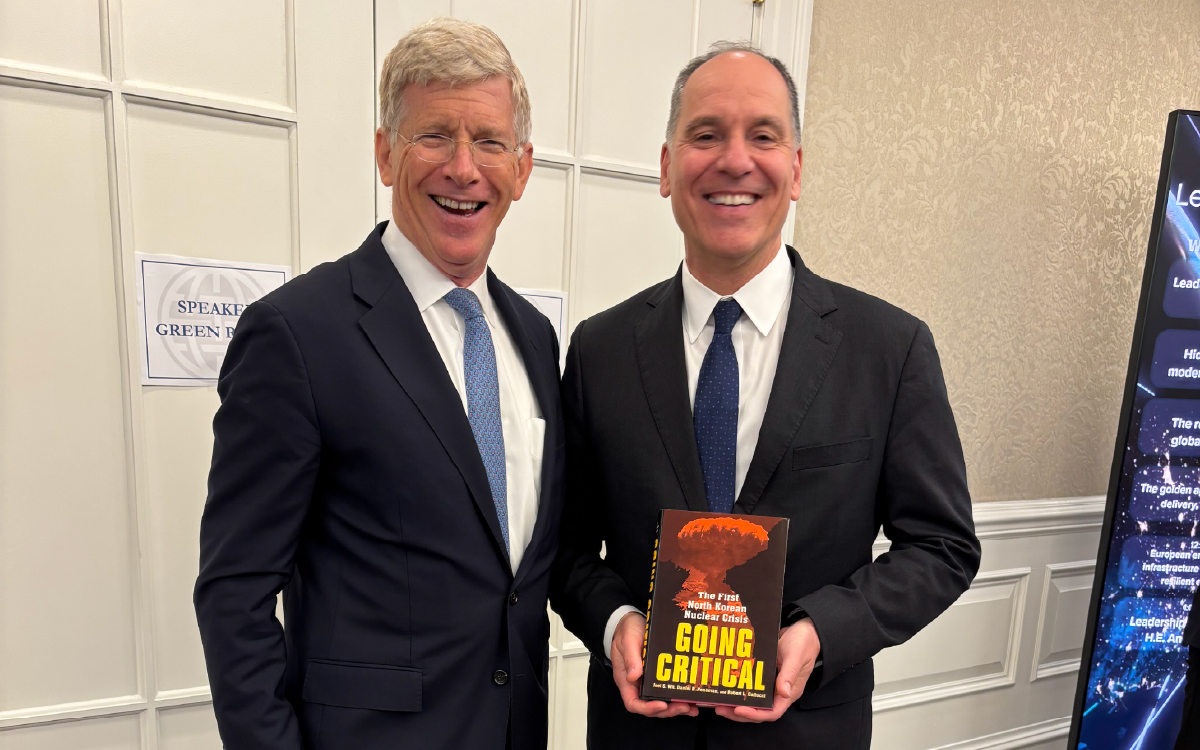
Honored to join the @AtlanticCouncil Global Energy Forum this week for a leadership conversation with Dan Poneman on what America's #nuclear resurgence looks like in practice — from the Reactor Pilot Program to the @AntaresNuclear criticality @INL last week.
Concept-to-criticality is no longer aspirational. It's happening.
#NuclearEnergy #AdvancedNuclear #NuclearRenaissance
1
2
11
1,567
Jun 12
🗓️ June 15 | 🕒 3:00 p.m. ET
Join the @AtlanticCouncil as we host the ambassadors from Panama, Croatia, Ghana, and the UK to discuss sports diplomacy before each country kicks off its World Cup run.
Register today ➡️ bit.ly/4w5E8WD
892
Jun 12
Ukraine’s recent drone strikes on St. Petersburg provided arguably the most visible indication to date that Vladimir Putin’s invasion is not going according to plan, write @Max_Beznosiuk and William Dixon.
Read more ⤵️
atlanticcouncil.org/blogs/uk…
1
5
12
1,176
Jun 12
⚽️ The @FIFAWorldCup 2026 kicks off this week across the US, Mexico, and Canada.
What measures are in place for security, transportation, visa processing, and more?
🎧 @AndrewHGiuliani unpacks the @WhiteHouse’s playbook in our #ACFrontPage podcast:
atlanticcouncil.org/commenta…
4
998
Jun 12
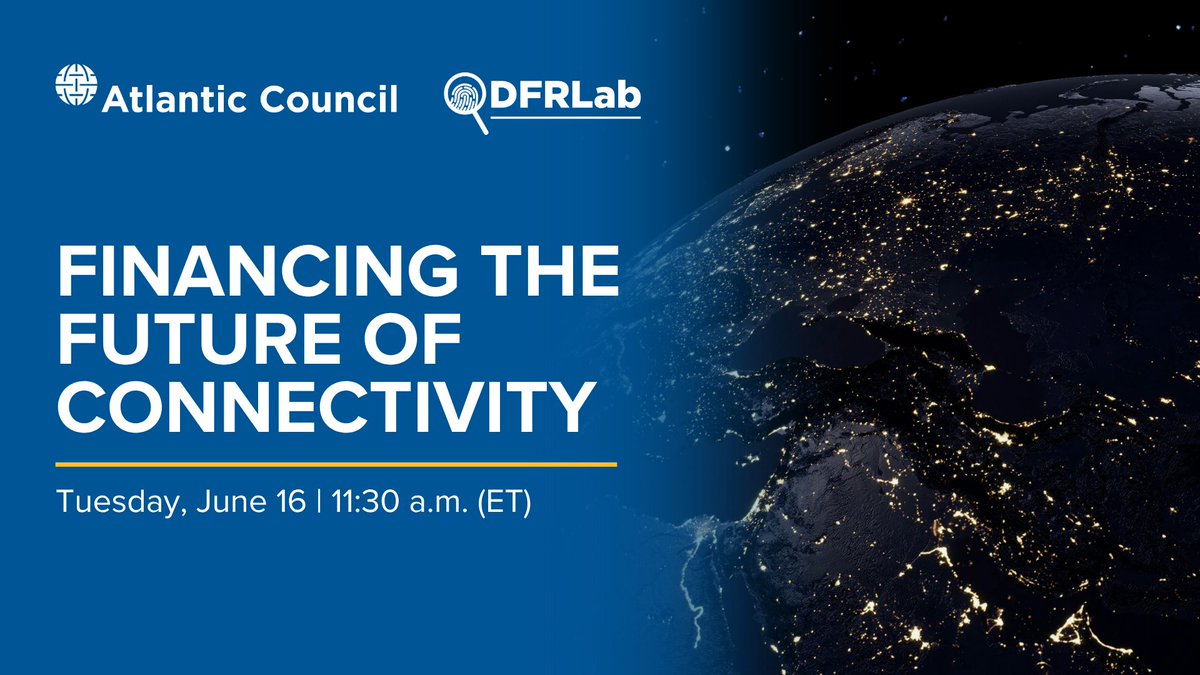
🗓️ June 16 | 🕦 11:30 a.m. ET
Join the @AtlanticCouncil's Democracy Tech initiative as they launch a new report examining the future of global connectivity financing and strategic competition over digital infrastructure.
Register today ➡️ bit.ly/4oqcq3V
1
3
3
812
Atlantic Council retweeted

Jun 12
There’s a major event happening this weekend between heavyweights. I’m talking about the G7 summit, of course. Our team @ACGeoEcon has the 7 charts you need to get ready:
atlanticcouncil.org/dispatch…
2
3
883