
Joined July 2022
- Tweets 399
- Following 690
- Followers 1,839
- Likes 1,623
23 Photos and videos










ATS (ats.eth) retweeted

May 19
Have punks become the safe haven of ETH whales while yield protocols keep blowing up?
60 sales this week alone… and no signs of slowing down

14
12
137
3,588
ATS (ats.eth) retweeted

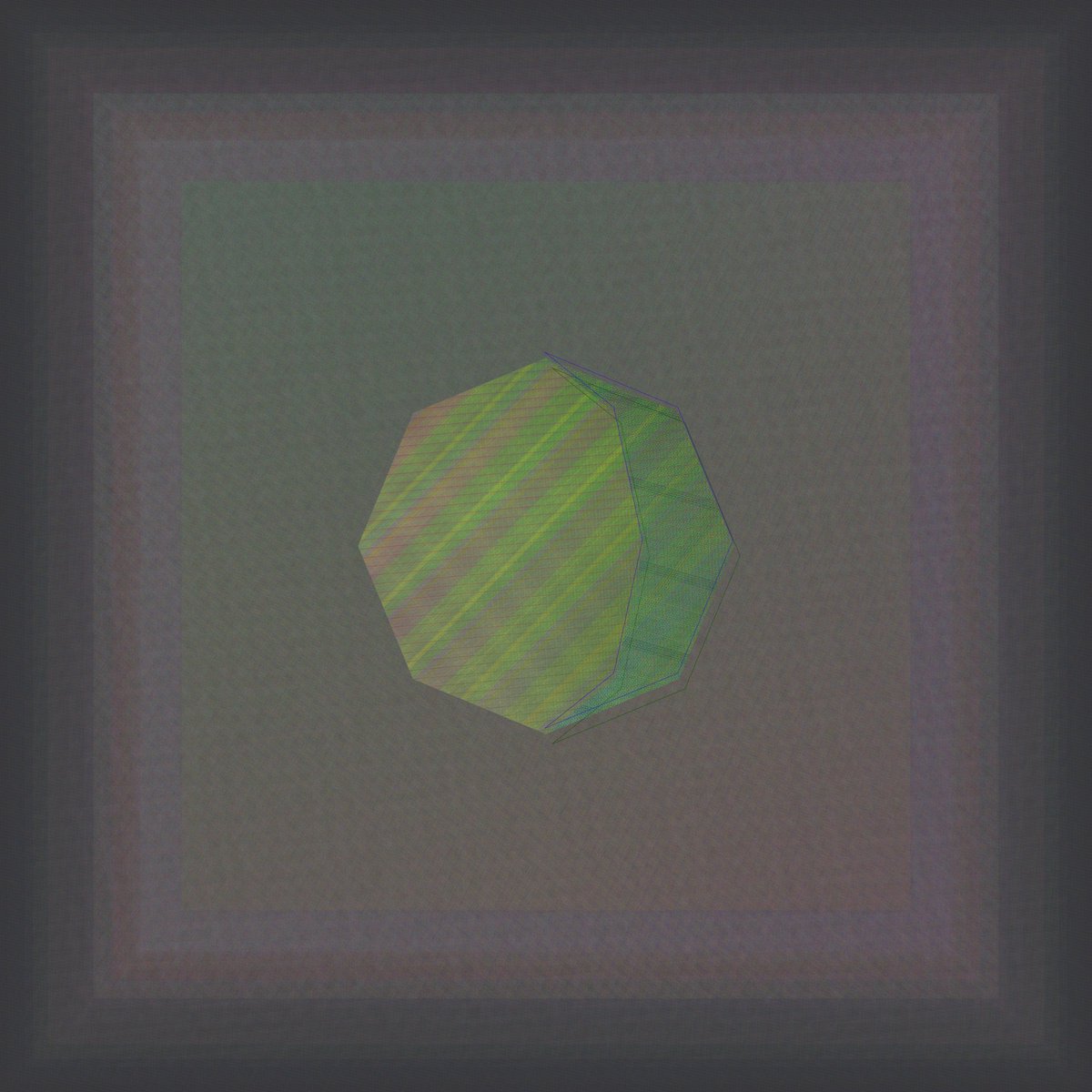
Gazers #189 has been collected by @opensea to become part of the OpenSea Flagship Collection. 👇
🌜: gazers.art/nft/189/

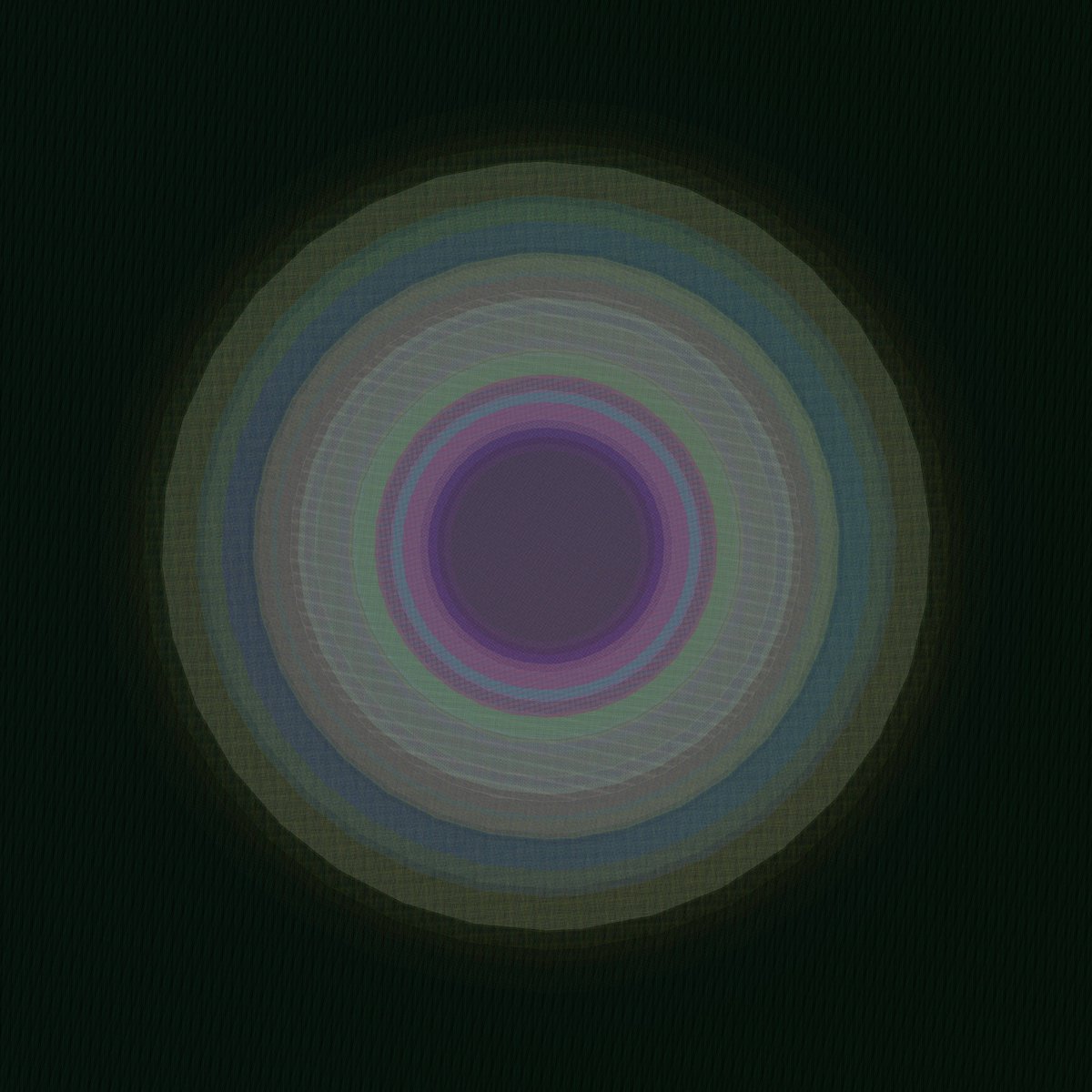
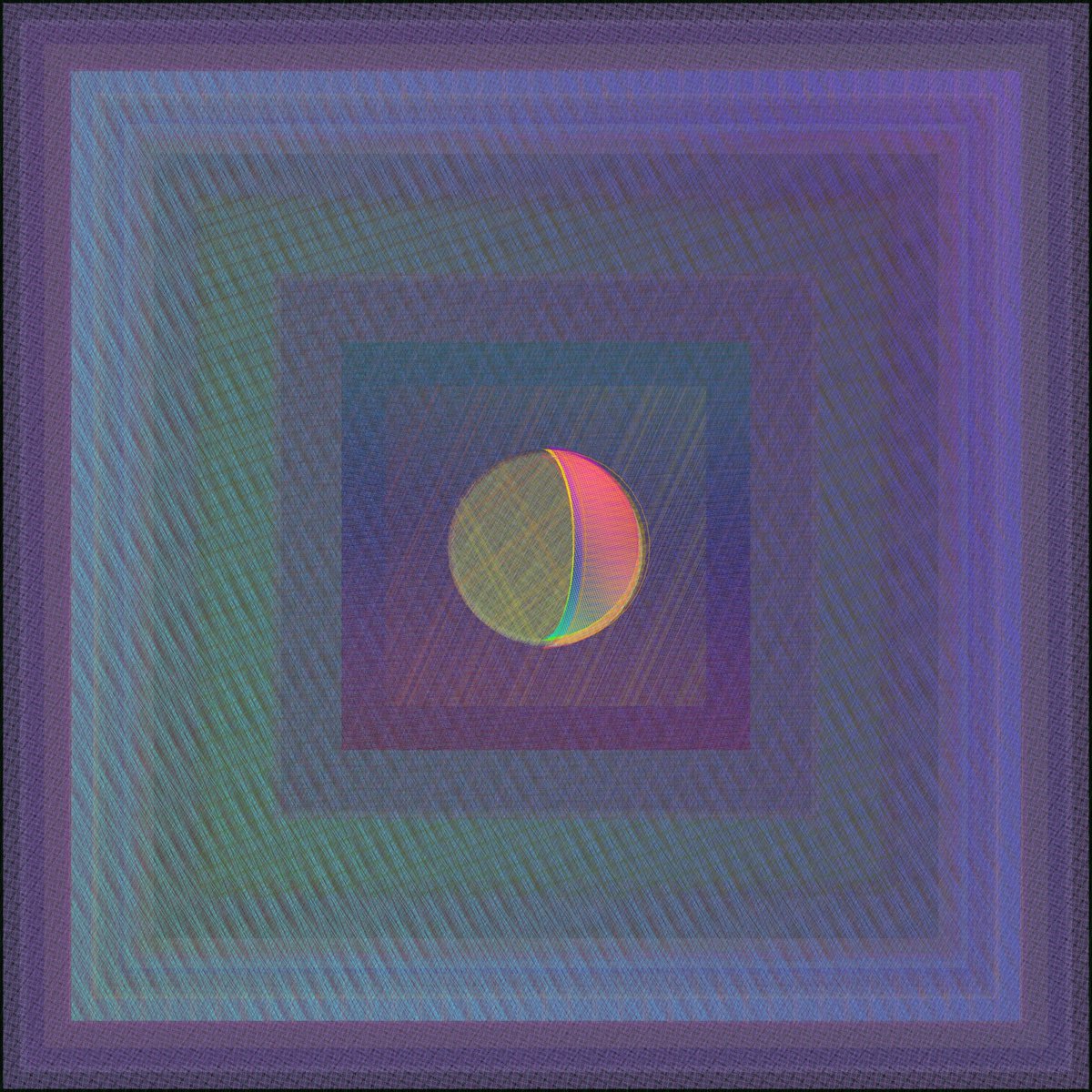
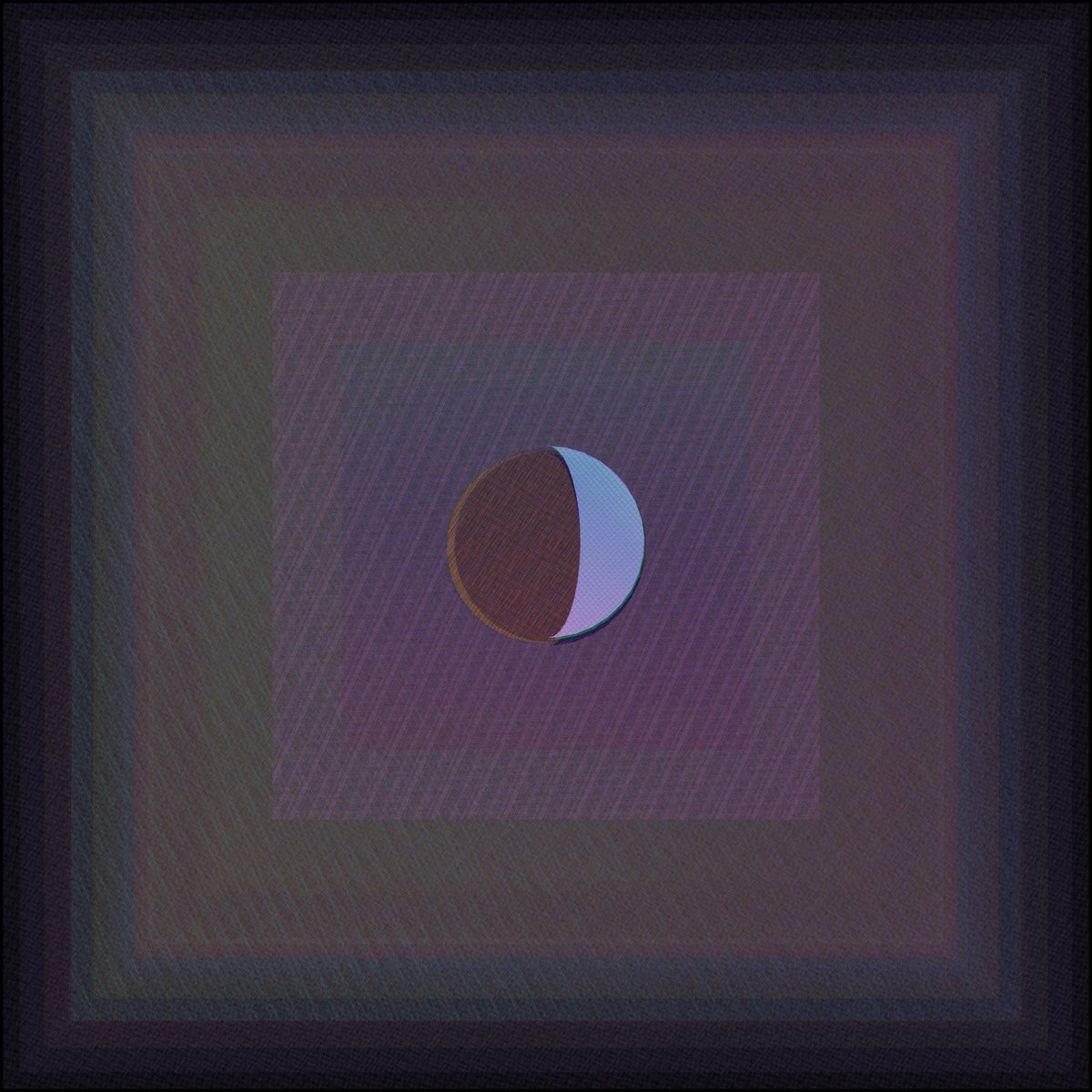

Joining OpenSea's Flagship Collection...
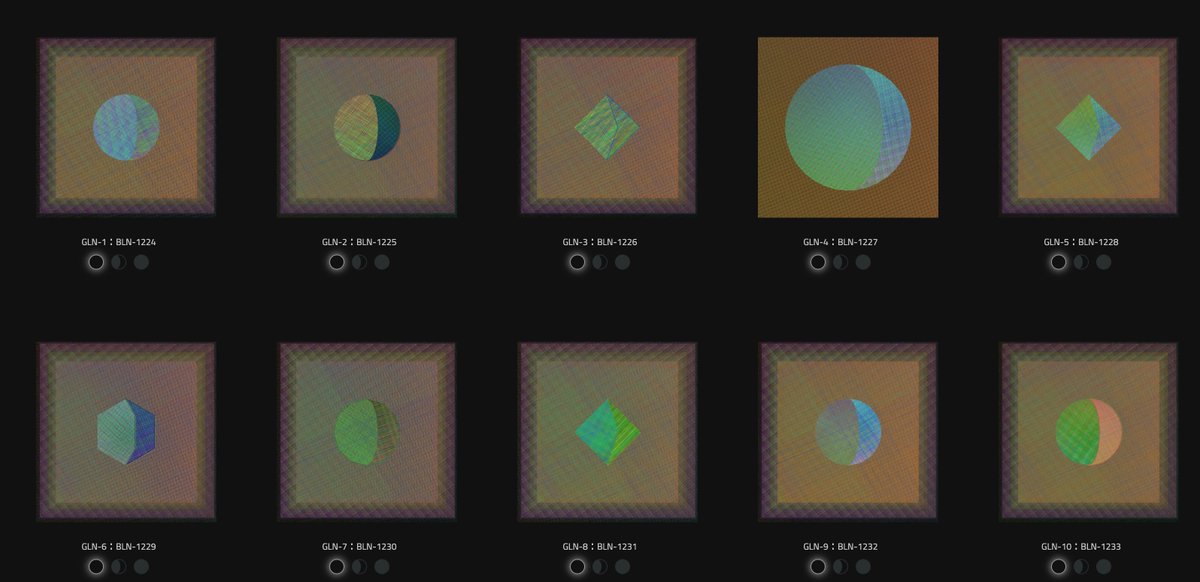
Gazers by @MattKaneArtist — a 1,000-piece generative moon-phase calendar launched on @artblocks_io, synced to real lunar cycles and accelerating with every passing New Moon.
More below 🧵

4
5
69
3,528

Joining OpenSea's Flagship Collection...
Gazers by @MattKaneArtist — a 1,000-piece generative moon-phase calendar launched on @artblocks_io, synced to real lunar cycles and accelerating with every passing New Moon.
More below 🧵
16
31
203
20,543
ATS (ats.eth) retweeted

Apr 22
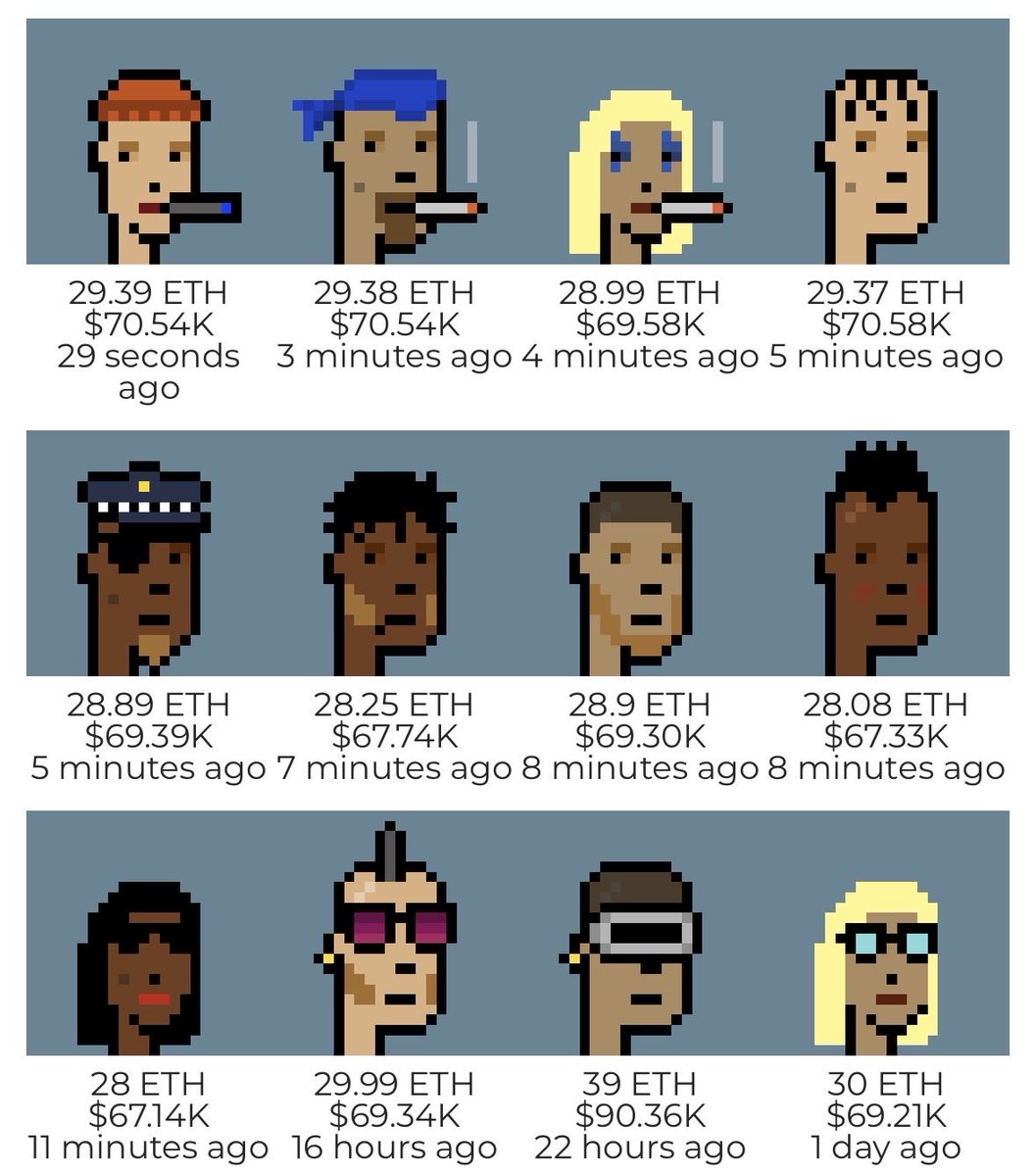
GM @mrghostinvblog loads up 200E and sweeps 7 off the floor.
GM to @punksOTC as well🫡
6
3
49
2,332




ATS (ats.eth) retweeted

Apr 14
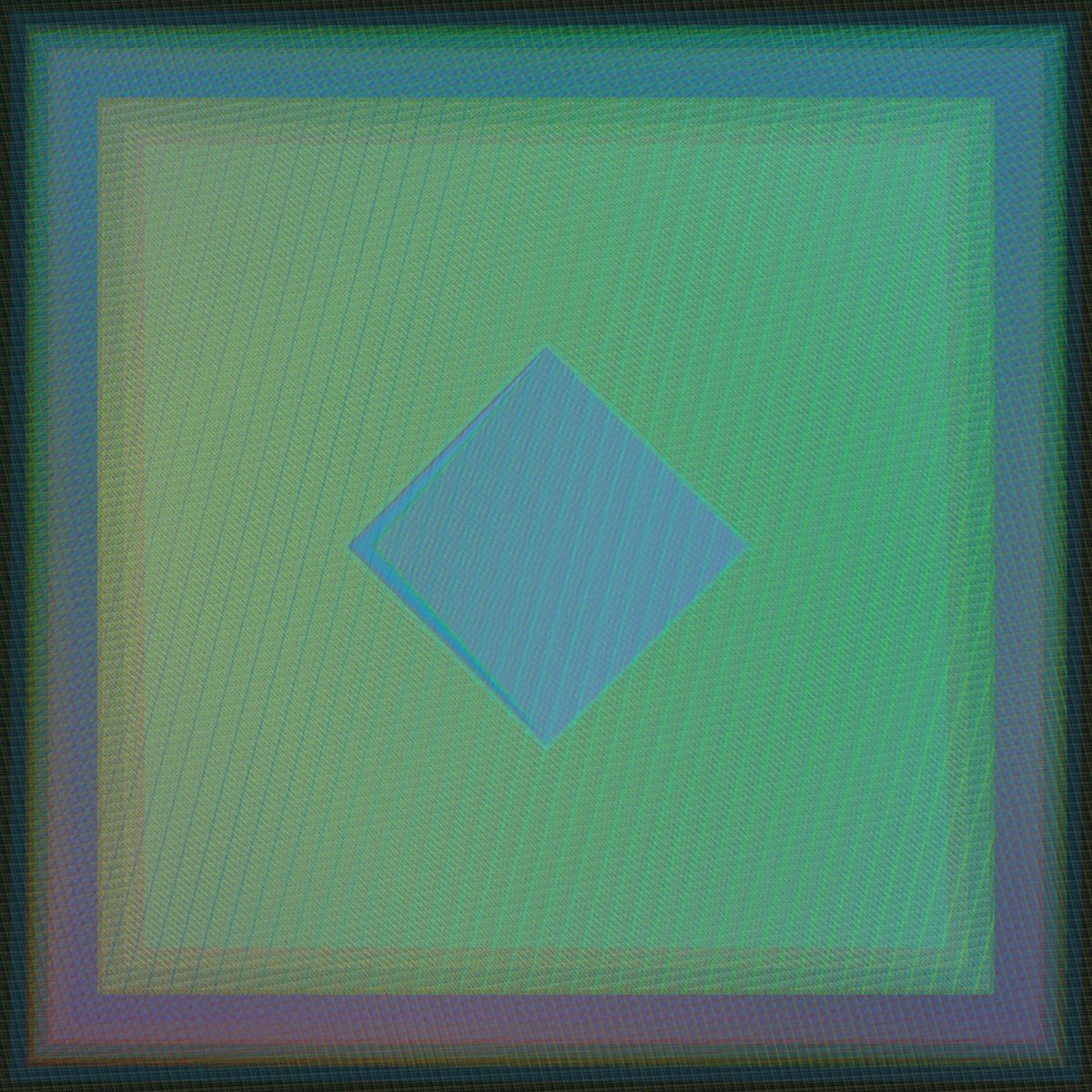
The beautiful minute timer Gazer #21 from the Pella Collection 💚💜
11
10
102
2,524


Mar 31
What a beautiful triplet!

Gazers #457, #586, #975 have been collected by @Jediwolf for 16 WETH ($33,164)
8
2
16
437
ATS (ats.eth) retweeted

22 Nov 2025
It finally happened. After months of hunting and learning from the fine community in @MattKaneArtist 's Gazers I was able to acquire this stunner. Major thank you to @ats_eth for letting this go. #955 is under fine stewardship I promise. LGF!!!!!!
10
5
66
3,349
ATS (ats.eth) retweeted

21 Nov 2025
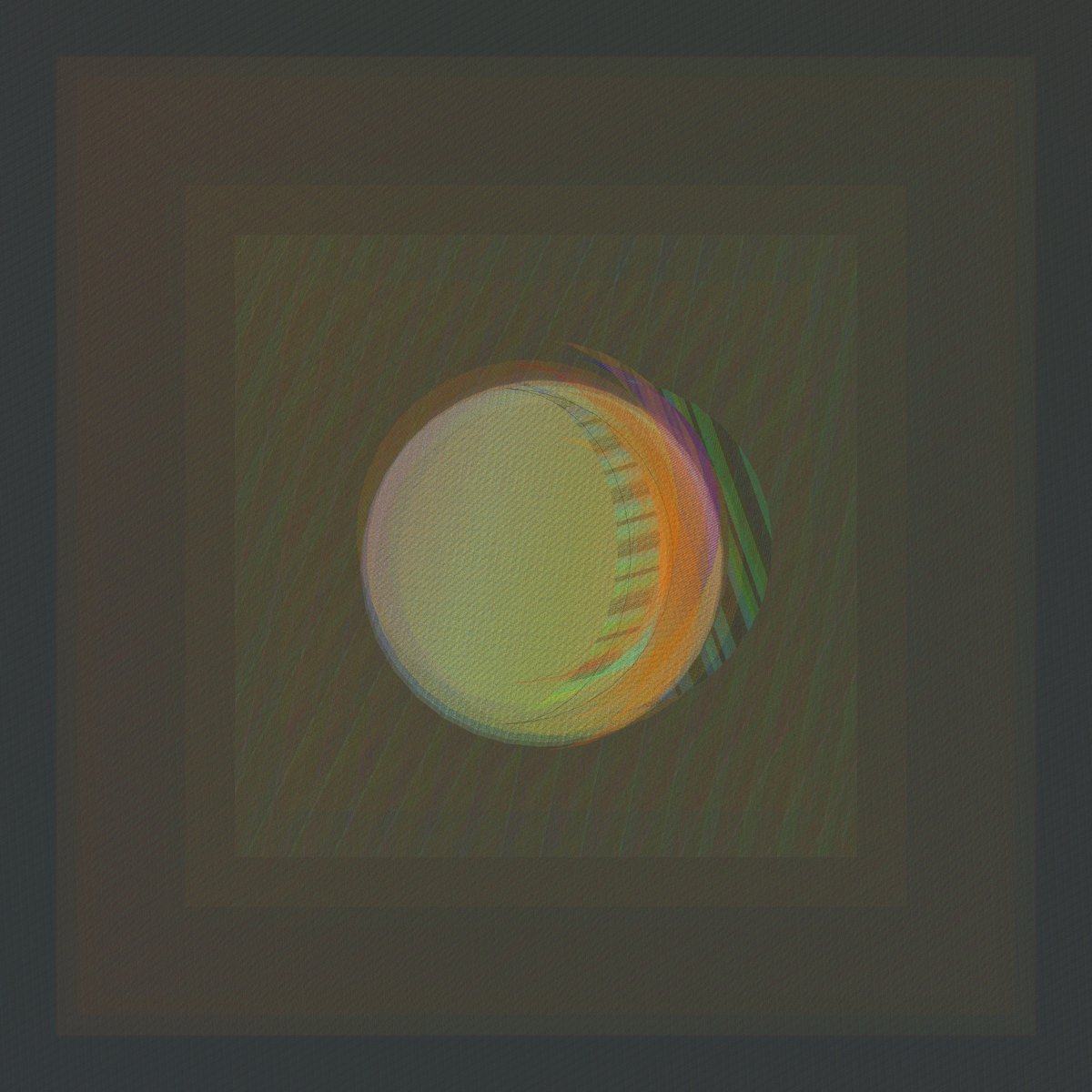
✨t8chy0n✨ REFLECT GAZER THESIS 💭🧵🪡
Across human history, we’ve longed to witness the sky our distant ancestors saw — the exact moons that governed their nights and measured their sense of time. That sky is irretrievable. And yet, within the logic of @MattKaneArtist’s algorithm, the Reflect trait quietly reverses this human limitation.
Gazers is not only a generative artwork, but a conceptual one: it transforms astronomical cycles into a system of memory, inheritance, and temporal continuity.
Only 120 of the 1,000 Gazers possess the Reflect trait, and these works do not store images of the past; instead, they regenerate past lunations with astronomical fidelity, complete with eclipse timestamps and orbital irregularities.
When a Reflect Gazer eventually unlocks — whether after 12 moons or 144,000 moons (12,000 years) — the collector of that far future moment will be able to scroll backward through the exact lunations experienced by every previous steward. The work becomes a device through which the past is not remembered, but reconstructed.
And in a fitting conceptual coincidence, just as tachyons — hypothetical faster-than-light particles — would appear to move backward through time, a Reflect Gazer allows its holder to reverse the temporal arrow, viewing moon after moon in descending order, as if time itself could be rewound.
In this light, Reflect Gazers generate a new category of provenance: experiential provenance, in which ownership history and perceptual history collapse into the same structure. Unlike traditional cryptoart, where provenance is merely transactional, a Reflect Gazer links its owners through a shared cosmological experience, a continuity of moon and sky rather than merely a continuity of possession.
Consider t8chy0n’s Gazer #317, whose Reflect unlocks after 60,000 moons (~5,000 years). When its dormant capacity activates millennia from now, the artwork will become an intergenerational time instrument, allowing an unknown future viewer to witness the exact lunar phases seen today in the early blockchain era.
In doing so, Gazers collapses the boundary between past and future, treating time itself as a medium. Each transfer of ownership folds another lifetime of skies, moons, and celestial phenomena into the work’s conceptual architecture, creating a single, patient instrument of cosmic memory — a device that preserves not just who owned it, but how the world looked while they lived.
6
10
46
2,552

Traders as a species are approaching extinction. No human can outcompete AI fueled by infinite capital and the data of exchanges and market makers each optimizing for extraction at godlike speed. The only play left is (simply) holding provably scarce assets.
54
54
531
43,921
28 Oct 2025
4
5
267
ATS (ats.eth) retweeted

7 Sep 2025
Happening Now: TOTAL LUNAR ECLIPSE for all Gazers - even in 🇲onet mode!
9
20
109
5,222
4 Sep 2025
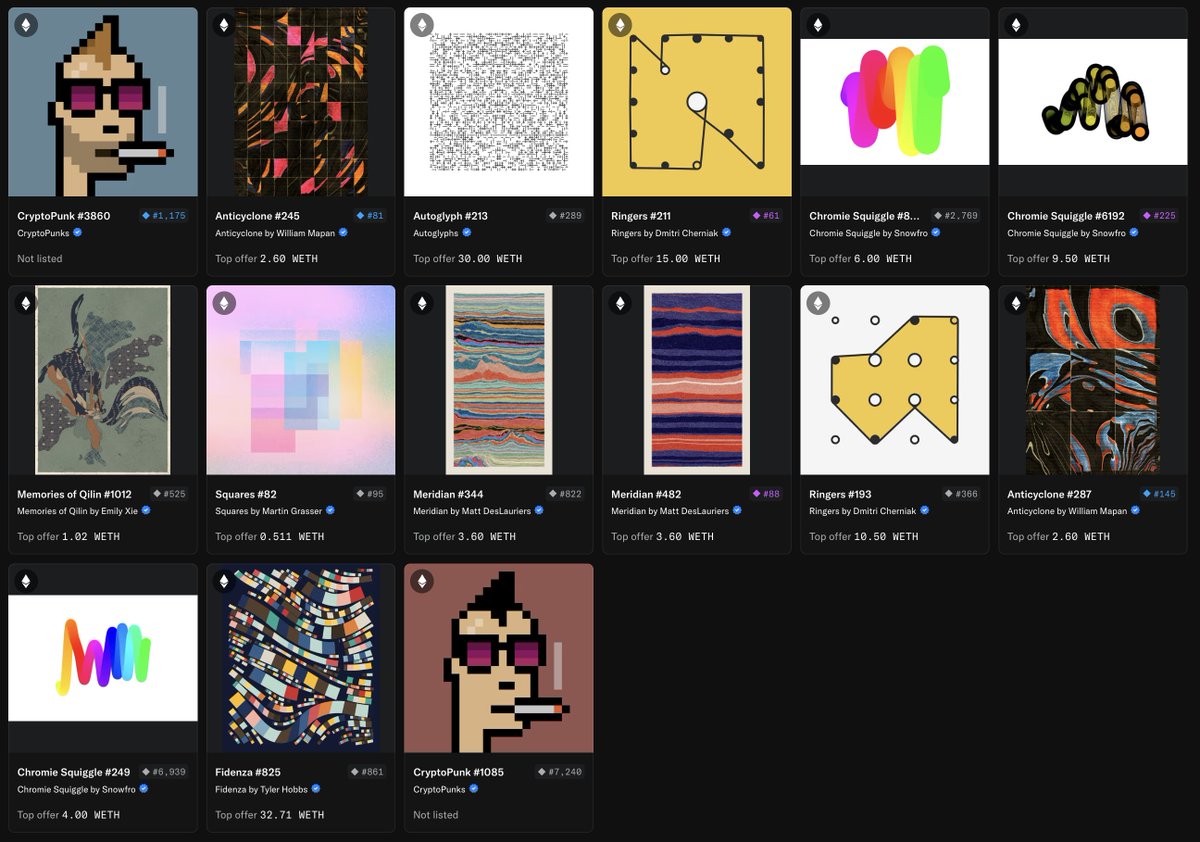
I was thinking they needed some Gazers in there and they seem to have just added #228.

There is a new wallet that has been buying grails only recently.
He started with a Punk a little over a month ago and has been buying new grails weekly ever since.
- 2 Punks
- 1 Fidenza
- 2 Ringers
- 1 Autoglyph
- 3 Squigles (Bold, Pipe & Normal CS16)
- 2 Meridians
- 2 Anticyclone (both Night time)
- 1 Memories of Qilin
- 1 Squares
An impressive collection in the making.
7
3
50
3,185

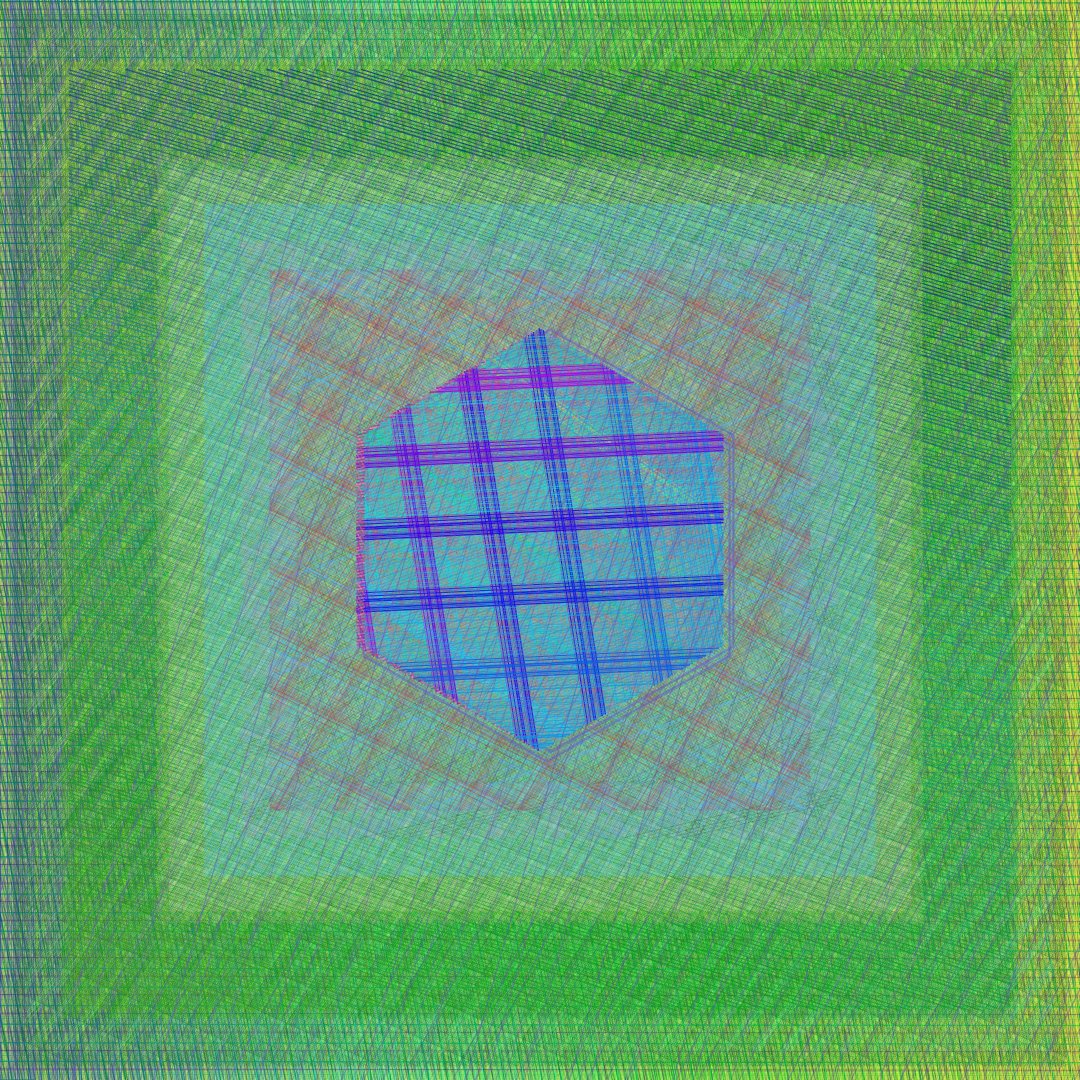
I usually go back and look at @MattKaneArtist #Gazers at least every new moon. Does this ever get a bit tiring? No, it is always exciting. Because every Gazer displays a different new moon every single month. Forever.

7
10
46
3,979
ATS (ats.eth) retweeted
22 Aug 2025
Gm from Gazers #822 in the collection of @ats_eth . Black Moon Soon! What?! This time it's the third of four New Moons within a single season. It can also be the second New Moon within a single month. Rarities at the intersection of Gregorian, Meteorological, & Lunar. 🌚tonight!
18
9
66
1,373

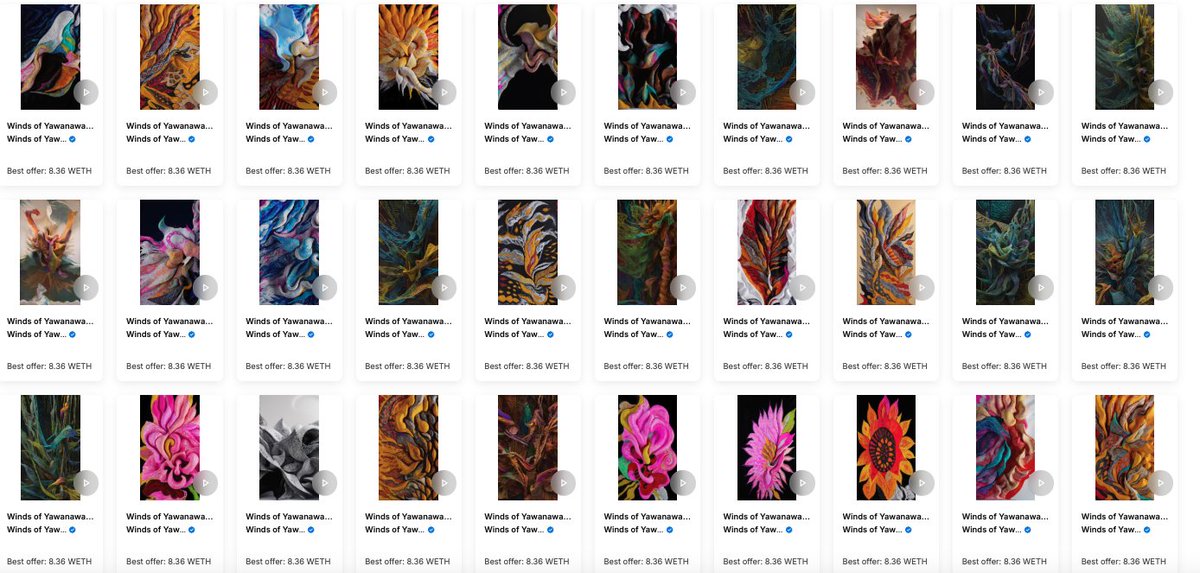
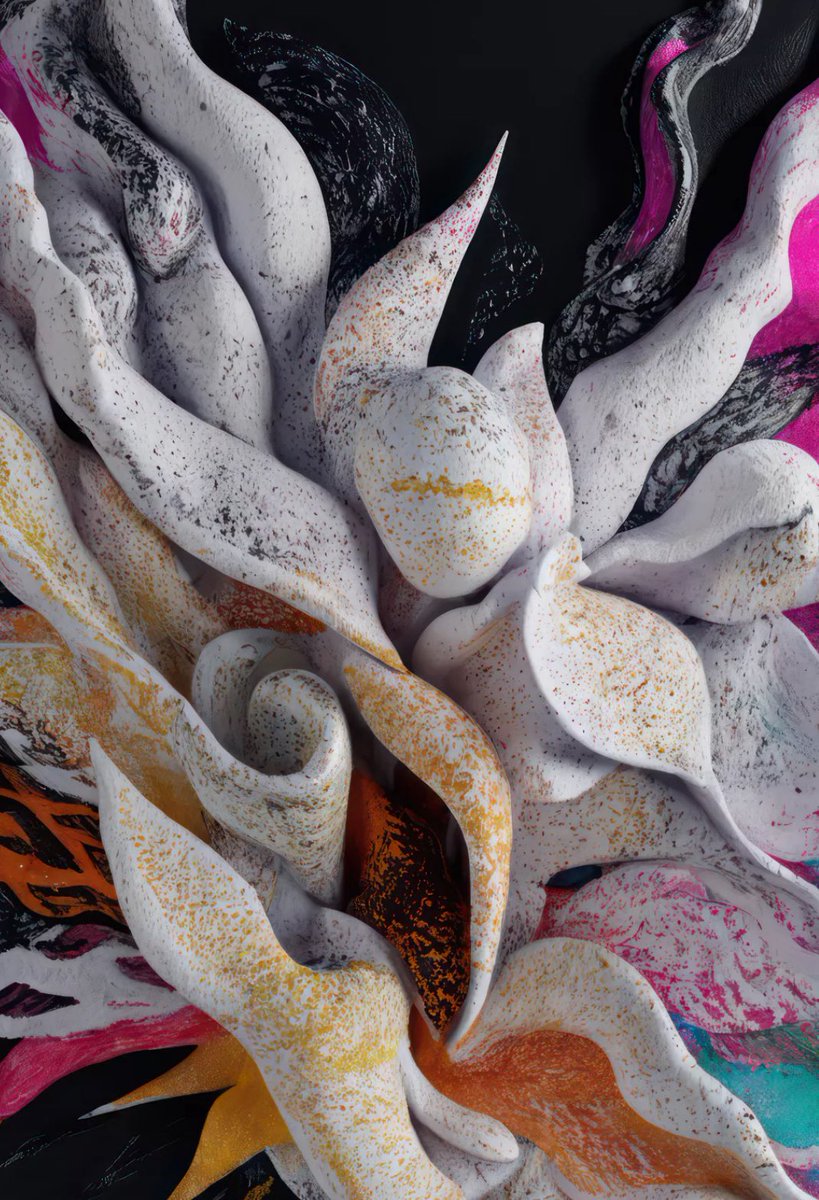
Winds of Yawanawá by @refikanadol picked up with 5 sales in the last few hours. Collectors seeking meaning and impact won’t go wrong. Over $4M has been donated to the Yawanawá tribe.
Heartfelt thanks to all who believe in the cause ❤️🍃
3
6
57
7,932
ATS (ats.eth) retweeted

2 Aug 2025
Love to see @MattKaneArtist and Gazers get some love. This is truly a one-of-a-kind gen art, or any art, collection… unique, technically complex, aesthetically beautiful, and Web3 to its core.
It is an absolute masterpiece. Gazers will be studied in art classes and displayed in museums across the globe… likely sooner rather than later 🌒🌗🌕
2 Aug 2025
🚨Double Tap Alert! 🚨
Gazers #518: 15 ETH ($52,200)
Gazers #922: 11.5 ETH ($40,020)
Welcoming both these Gazers to their collection is @bloxperts
🌜: gazers.art/nft/518/
🌜: gazers.art/nft/922
8
7
86
4,156
30 Jul 2025
Strategic Punks Reserve accumulated over the years.
49
9
344
17,654