
Axonis brings AI to the data—secure, real-time, federated. Built for DoD-grade environments, now powering enterprise AI. 🧠➡️💾
Joined November 2025
- Tweets 61
- Following 9
- Followers 9
- Likes 5
35 Photos and videos



Jun 12
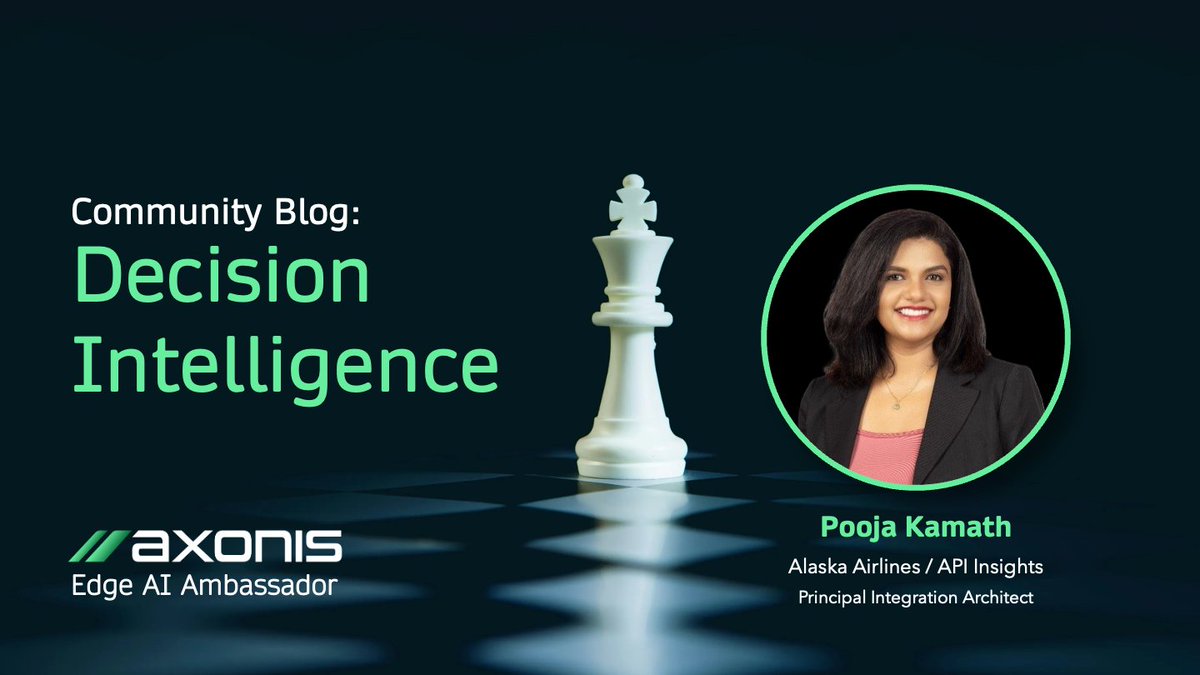
Human-in-the-Loop AI is not about asking experts to rubber-stamp a recommendation.
It's about giving them the context, evidence, trade-offs, and authority to make better decisions.
Axonis Ambassador Pooja Kamath explores why active human engagement is a safety requirement in Decision Intelligence.
🔗 medium.com/p/e58e4e72ebda?po…
#DecisionIntelligence #HumanInTheLoop #EnterpriseAI
5
Jun 11
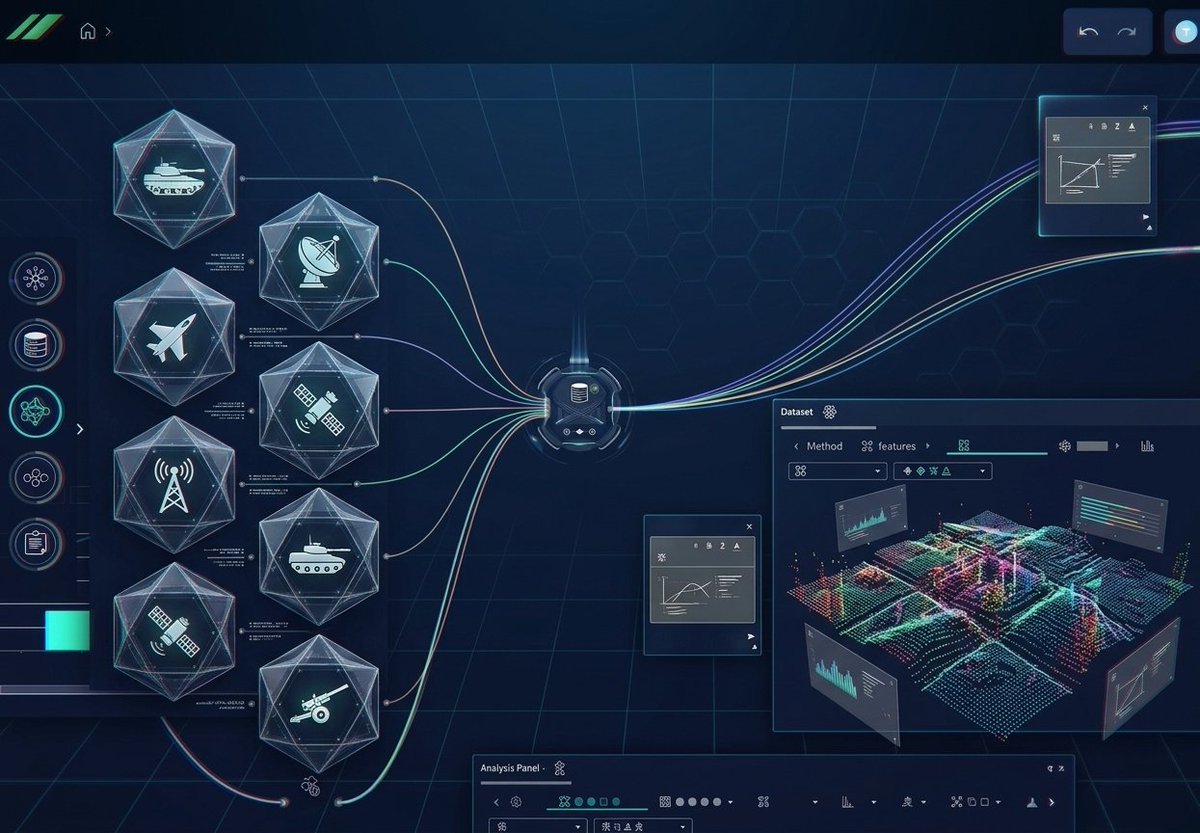
Axonis was born in defense and national security environments.
That experience taught us something many organizations are only now beginning to realize:
The value of AI isn't understanding what happened. It's understanding what happens next.
In high-consequence environments, insight alone isn't enough. Leaders need to connect fragmented signals, anticipate outcomes, and act before events unfold.
Whether it's critical infrastructure, healthcare, cyber defense, public safety, or military operations, the challenge is the same:
How do you turn information into foresight?
That's the problem we're solving.
Learn more: axonis.ai/platform
#AI #DefenseTech #DecisionIntelligence #NationalSecurity
2
Jun 10
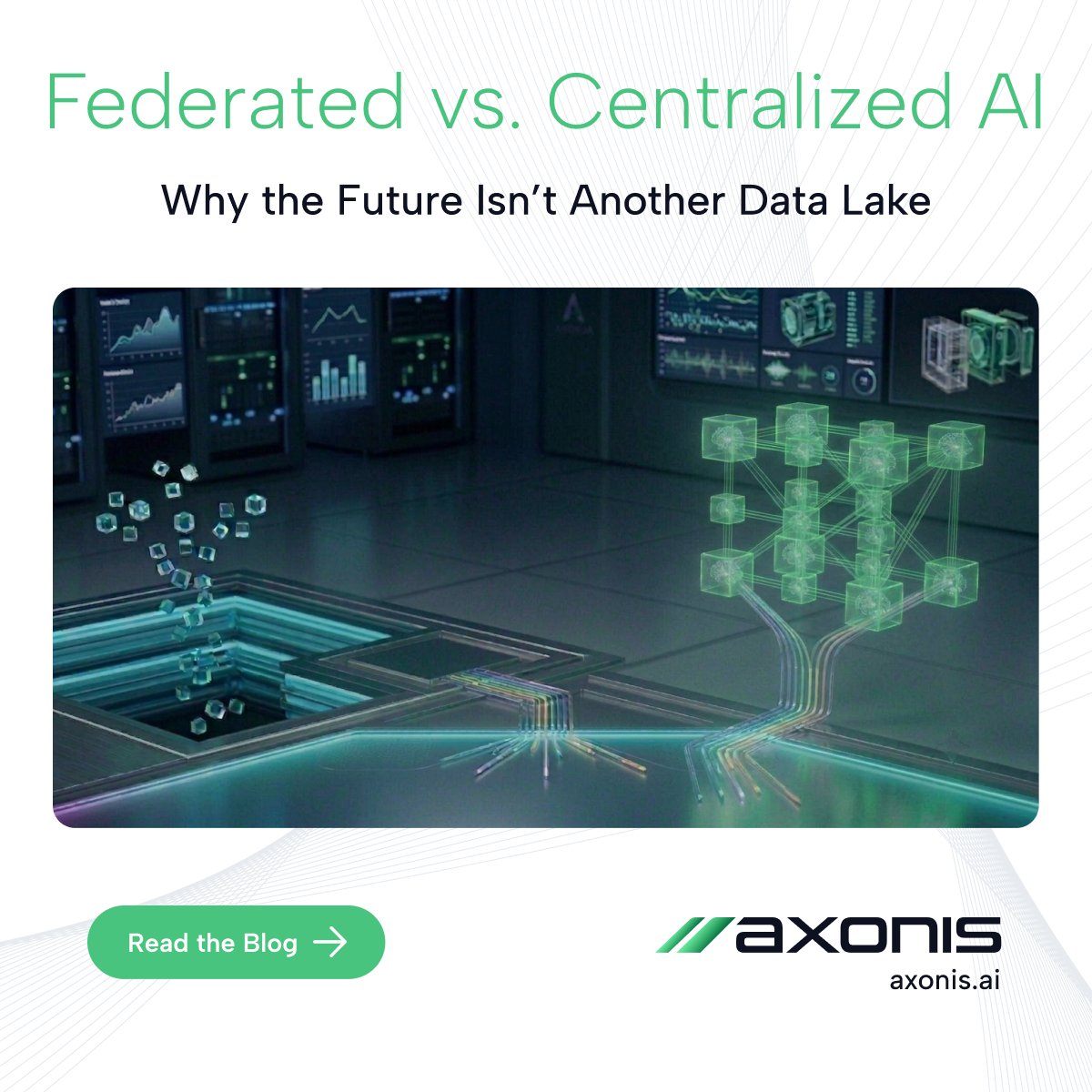
The premise of agentic AI is autonomy.
The premise of most enterprise architectures is "wait for the data."
That's a problem.
If agents must wait for data to be copied, synchronized, and centralized before acting, the architecture is working against the intelligence.
Your architecture needs to bring AI to the data.
🔗 axonis.ai/blog/centralized-v…
#AgenticAI #FederatedAI #EnterpriseAI
8
Jun 9
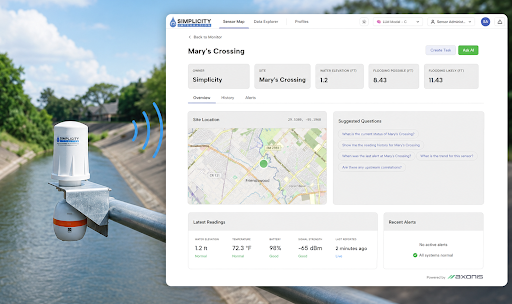
Investors: Here's what real-world AI adoption looks like.
A group in Galveston County is using AI to combine sensor data, weather patterns, and historical flooding information into actionable intelligence that helps officials make faster decisions and improve community resilience.
The bigger story: AI is creating value from existing infrastructure rather than replacing it.
Route Fifty coverage:
🔗 route-fifty.com/artificial-i…
#AI #Infrastructure #GovTech #SmartCities
13
Jun 4
Everyone has seen an impressive AI demo.
Far fewer companies have successfully deployed AI at enterprise scale.
Axonis CTO Dr. David Bauer joins @VitLyoshin on “An Hour of Innovation” to discuss why the gap between proof of concept and production remains one of the biggest challenges in enterprise AI and how federated architectures are helping close it.
🎧 youtube.com/shorts/5BrtyKiFW…
1
1
17
Jun 3
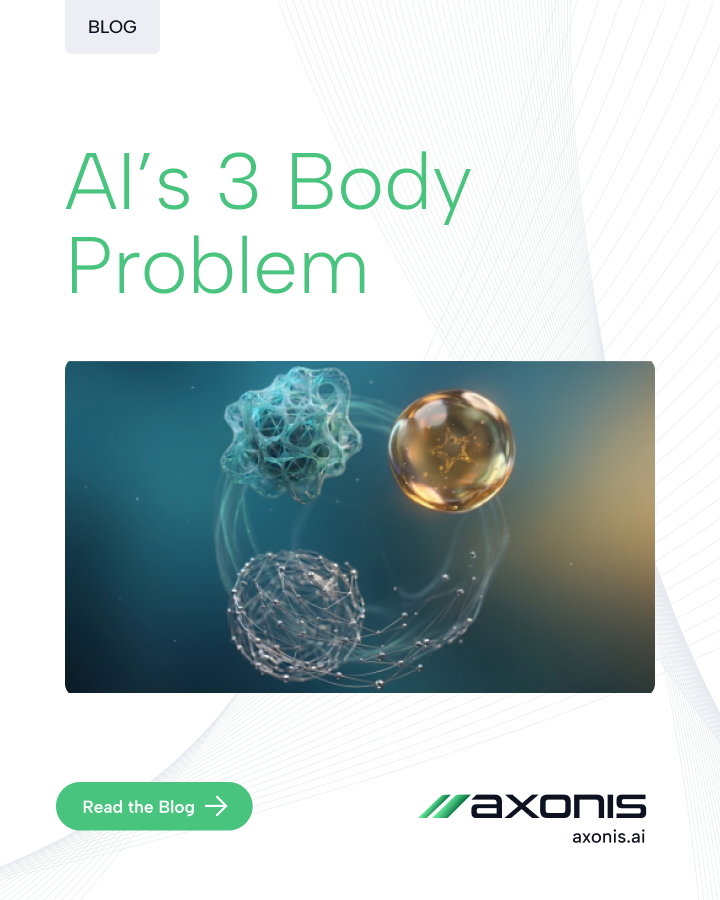
Enterprise AI is forcing data into a 3 Body Problem.
• Data increasingly resists centralization
• AI requires more context to create value
• The cost of moving data keeps rising
For years, the assumption was simple: centralize data, then apply AI.
But as AI moves from demos to production, that model is colliding with economic, regulatory, and physical constraints.
The next wave of AI infrastructure will not be built around moving data.
It will be built around bringing intelligence to where the data already lives.
Hear from Axonis CCO @SSheth on why Data Gravity could become one of the defining investment themes in enterprise AI.
🔗 axonis.ai/blog/data-gravity-…
1
14
Jun 2
From concept to community impact.
@KPRC2 recently featured the Galveston County deployment of the Simplicity Integration flood intelligence solution powered by Axonis Decision Intelligence.
Real-world AI. Live deployment. Public safety outcomes.
click2houston.com/news/local…
#AI #EdgeAI #DecisionIntelligence #CriticalInfrastructure
10
May 28
Enterprise AI has become very good at generating answers.
What many organizations still can’t explain is how those answers influenced real decisions.
In this @TheAIJournal1 article, Axonis CTO Dr. David Bauer explores the emerging blind spot in enterprise AI: decision context — and why preserving AI-assisted reasoning may become essential for governance, trust, and operational learning.
🔗 aijourn.com/the-enterprise-a…
#EnterpriseAI #AIGovernance #DecisionIntelligence
7
May 27
Edge AI isn’t about deploying more sensors. Most industries already have the data.
The opportunity is turning fragmented edge signals into operational intelligence people can actually act on across infrastructure, healthcare, telecom, logistics, and public safety.
Axonis Edge Ambassador and Cisco Engineer Edgar Moran breaks down why this shift matters.
#EdgeAI #AI #IoT #CriticalInfrastructure
linkedin.com/pulse/how-new-f…
7
May 26
Last week we announced a new AI-powered flood intelligence deployment in Texas with Simplicity Integration. @FierceSensors covered how AI-enabled sensors are helping communities respond faster when conditions change.
The bigger shift: most critical infrastructure already has sensors and data.
The challenge is turning fragmented signals into operational decisions fast enough to matter.
That’s where AI at the edge changes everything.
fiercesensors.com/sensors/te…
#AI #EdgeAI #IoT #Sensors #CriticalInfrastructure
#AI #EdgeAI #IoT #Sensors #CriticalInfrastructure
7
May 21
Healthcare still depends on too many phone calls.
📟A page triggers a call.
📞That call leads to another call.
🧩Then another for verification, context, or access to information.
That operational friction represents one of the biggest infrastructure opportunities in healthcare AI.
Read the interview with privacy Expert, Vince Albanese, on why fragmented communication and disconnected systems still dominate healthcare and how trusted AI infrastructure will finally change that.
Link to Vince interview blog in next post ⬇️
1
1
1
16
May 20
Most communities already have flood sensors, weather feeds, infrastructure monitoring systems, and years of historical data in place.
The real challenge is turning fragmented signals into a unified operational picture that helps people make decisions fast enough to matter.
Axonis customer, Simplicity Integration, is using edge AI to turn fragmented sensors into real-time public safety action.
Watch the interview: youtu.be/4VjoFjp_gF8
8
May 19
Now live in Texas: SI-Ai, Simplicity Integration’s intelligent flood warning solution powered by Axonis Decision Intelligence.
The deployment combines IoT sensors, live weather and water-level data, historical patterns, and local infrastructure insights into a real-time operational picture that enables:
✅ Earlier decisions
✅ Automated warnings
✅ Targeted community response.
The bigger story: federated AI is becoming the intelligence layer between distributed edge systems and real-world operators, especially in critical infrastructure environments where speed, trust, and resilience matter most.
Flood warning is the first deployment. The broader opportunity is environmental intelligence at scale.
axonis.ai/blog/axonis-and-si…
#AI #CriticalInfrastructure #DecisionIntelligence #IoT #AIforGood
12
May 14
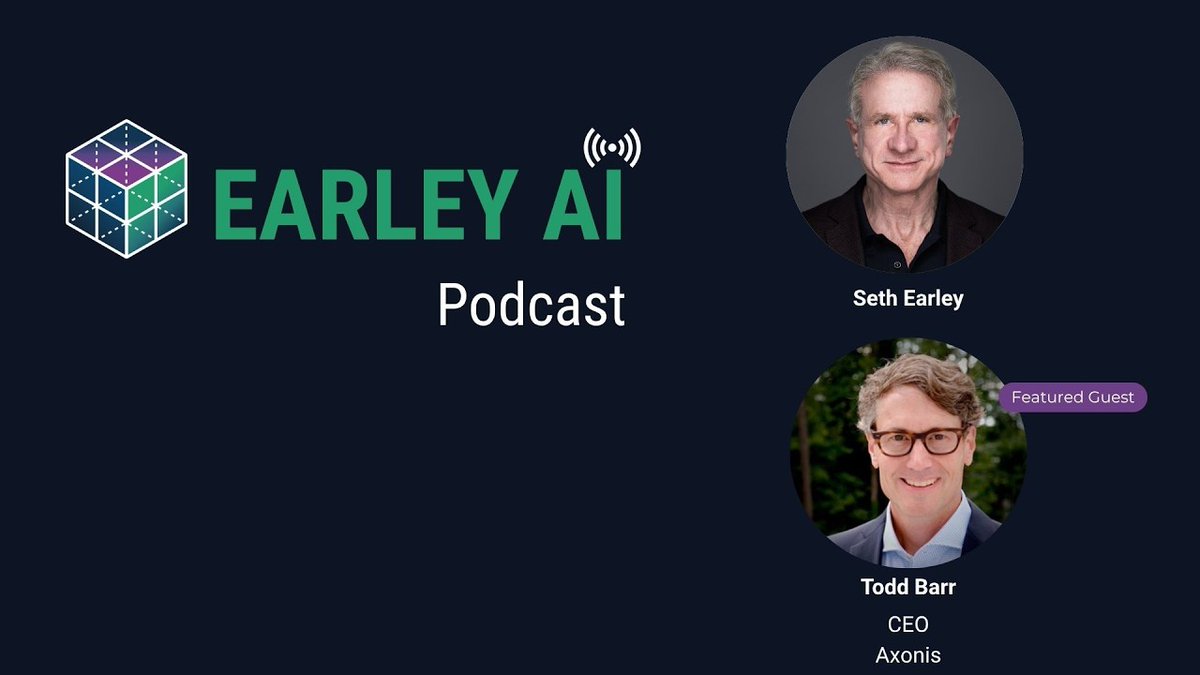
Enterprise AI fails when we force it into centralized architecture.
In the latest Earley AI Podcast, Axonis CEO @tbarr joined @sethearley to explain why centralization is the wrong foundation for real-time agentic AI.
If autonomous agents have to wait for data to synchronize, the entire premise of autonomy is broken.
Real-time AI needs decentralized access to operational context, not a dashboard.
How your organization makes decisions is its most proprietary asset. Don't externalize it.
Listen to Ep. 90 here: earley.com/insights/earley-a…
15
May 13
In this Unite.AI article, Axonis CTO Dr. David Bauer explains why “moving AI to the data” is the architecture pattern for real-world enterprise AI.
Distributed organizations can’t centralize the data needed for coordinated decisions — resulting in incomplete visibility and AI operating without full context.
🔗 unite.ai/unlocking-the-last-…
#MoveAItotheData #EnterpriseAI #AIArchitecture #DataGovernance
9
May 12
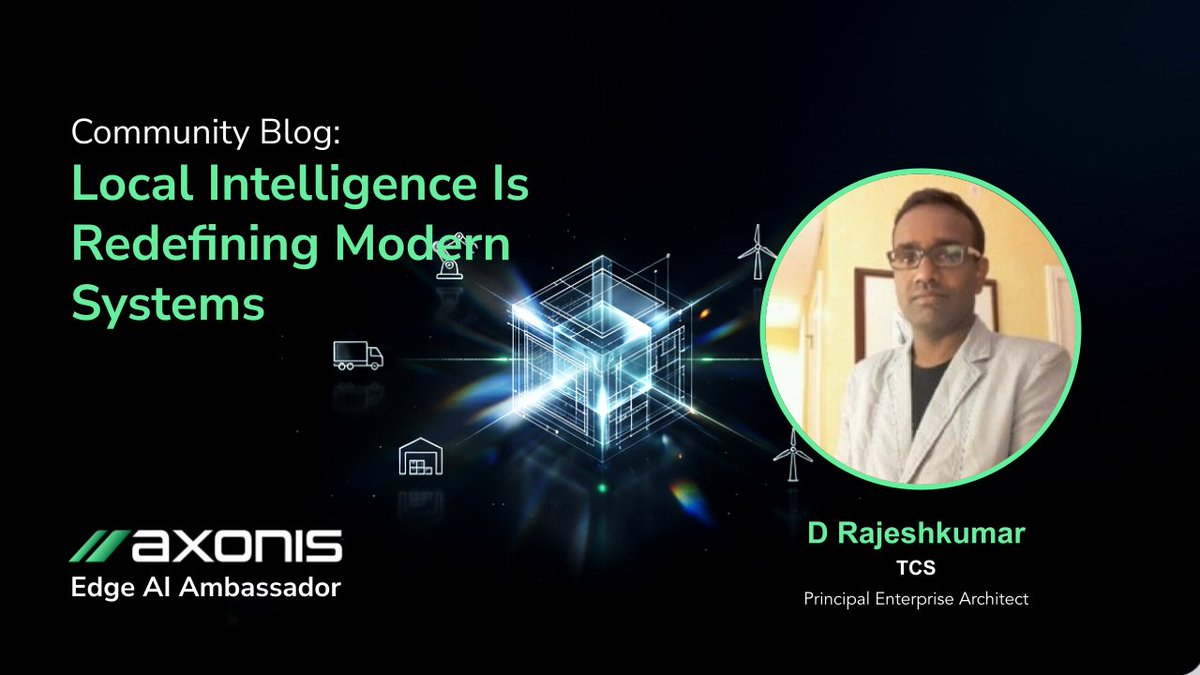
Great article from our Axonis Edge Ambassador D Rajeshkumar on why “moving AI to the data” is becoming the new enterprise architecture pattern.
The article explores:
- Why centralized AI models are breaking down
- The rise of distributed AI across cloud, edge, and regulated environments
- How local intelligence improves speed, compliance, and decision quality
A strong look at the future of enterprise AI. medium.com/@rajesh.dns/why-m…
#EnterpriseAI #EdgeAI #DataArchitecture #DecisionIntelligence
12
May 7
Edge AI is here, and it is reshaping IoT at scale.
@iotbusinessnews shows how AIoT is moving from connected data to intelligent automation across manufacturing, logistics, and energy.
At Axonis, the key signals are:
📷 IoT without AI is a data pipeline, not an operating layer.
📷 Edge AI that is not governance‑ready will not scale in regulated industries.
📷 The real edge advantage comes from AI‑native systems, not just AI‑enabled devices.
📷 Success is auditable automation that aligns with business outcomes.
📷 Read the AIoT shift here: iotbusinessnews.com/2026/04/…
20
May 6
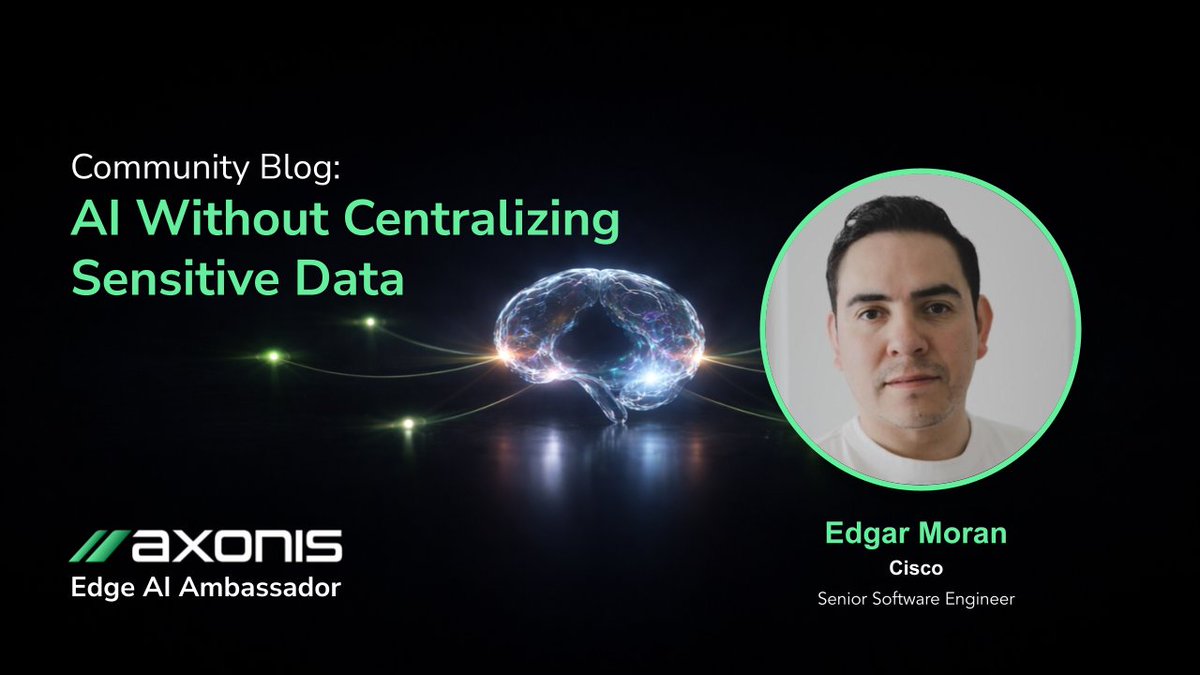
Enterprise AI can’t scale safely if every project depends on centralizing sensitive data.
In his latest article, Axonis Edge AI Ambassador Edgar M. breaks down how to build AI that learns from distributed, highly sensitive data without creating a massive honeypot for attackers.
Key challenges include:
▪️Compliance across regions and systems
▪️Single points of failure
▪️Data gravity and long-term lock-in
▪️Increased exposure from massive data stores
This is exactly the kind of real-world, architecture-first perspective our Edge AI Ambassadors bring to the AI conversation.
Read more here ➡️ linkedin.com/pulse/how-think…
1
20
May 5
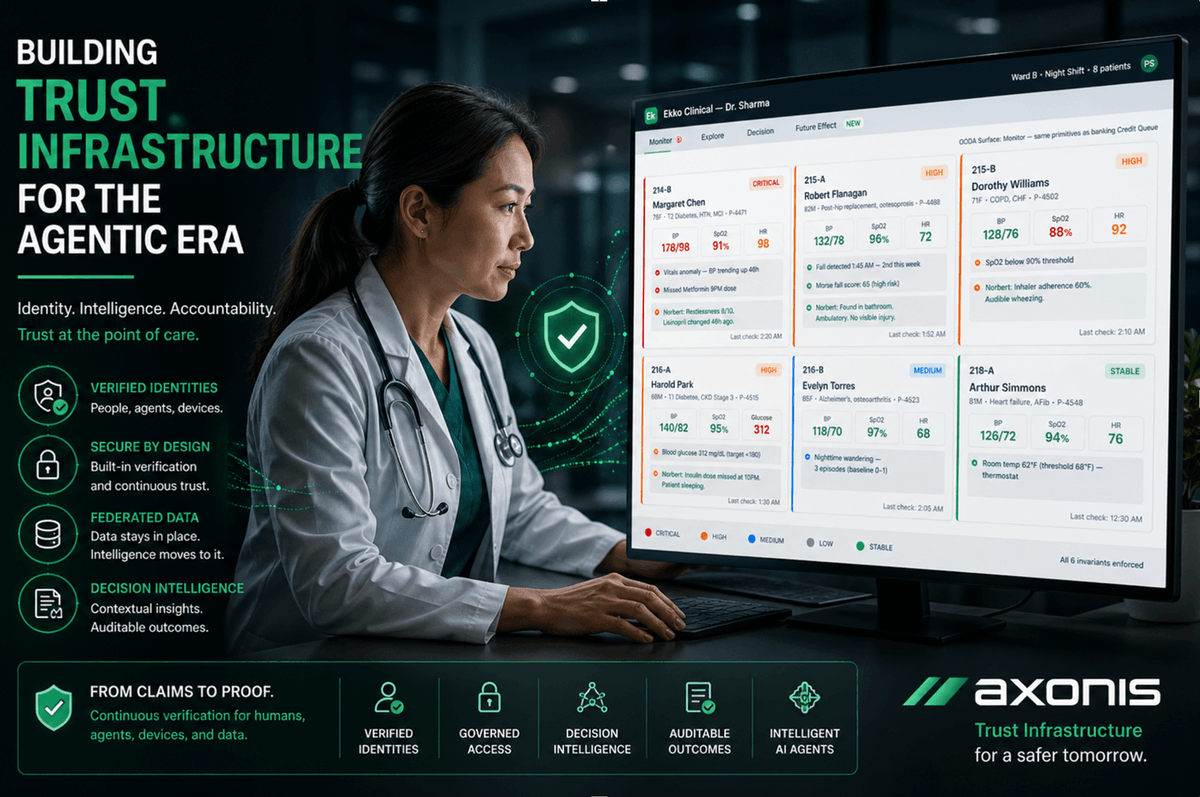
Trust is becoming the gating factor for AI in healthcare.
In a conversation with @valbanese (CEO, EKKO | Board Member, DirectTrust) and Axonis CCO @SSheth, one thing is clear:
➡️ Claims-based systems are breaking
➡️ Identity can be simulated
➡️ Proof is the new baseline
At the same time, healthcare still runs on fragmented workflows—pagers, calls, disconnected data.
The opportunity isn’t just AI. It’s trusted AI infrastructure for regulated markets.
That’s where the next wave of value will be built.
Worth a listen: axonis.ai/blog/ai-trust-safe…
#AI #HealthcareAI #AIGovernance #Investing
1
45