Working on ecosystem resilience and tipping points
Joined December 2010
- Tweets 237
- Following 344
- Followers 139
- Likes 1,397
17 Photos and videos
Bert Wuyts retweeted

16 Jun 2025
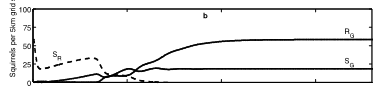
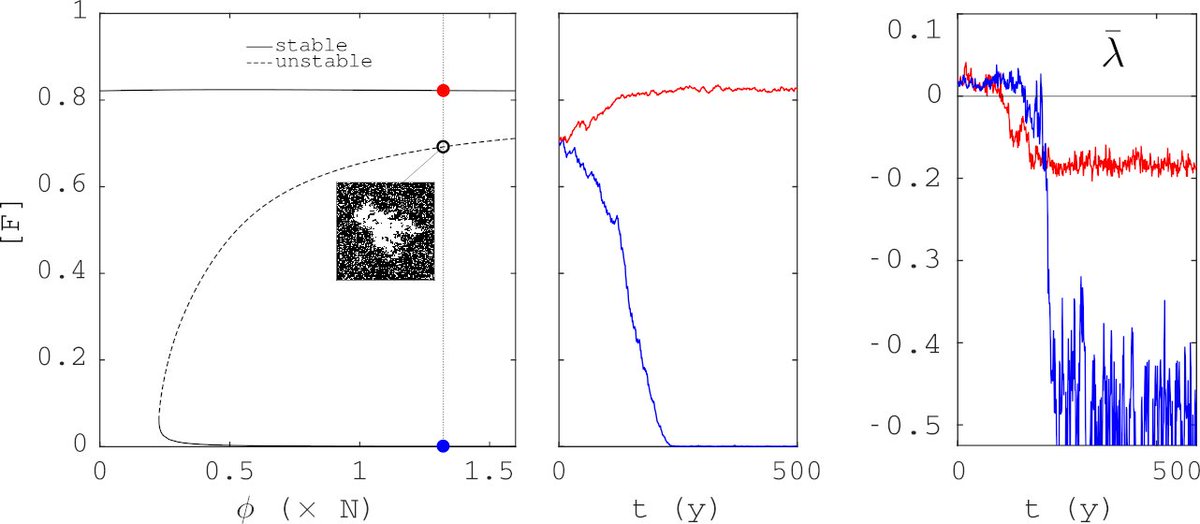
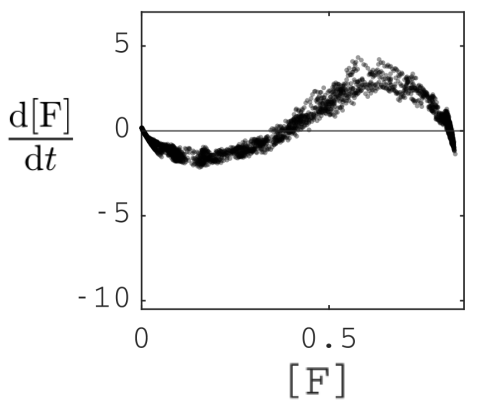
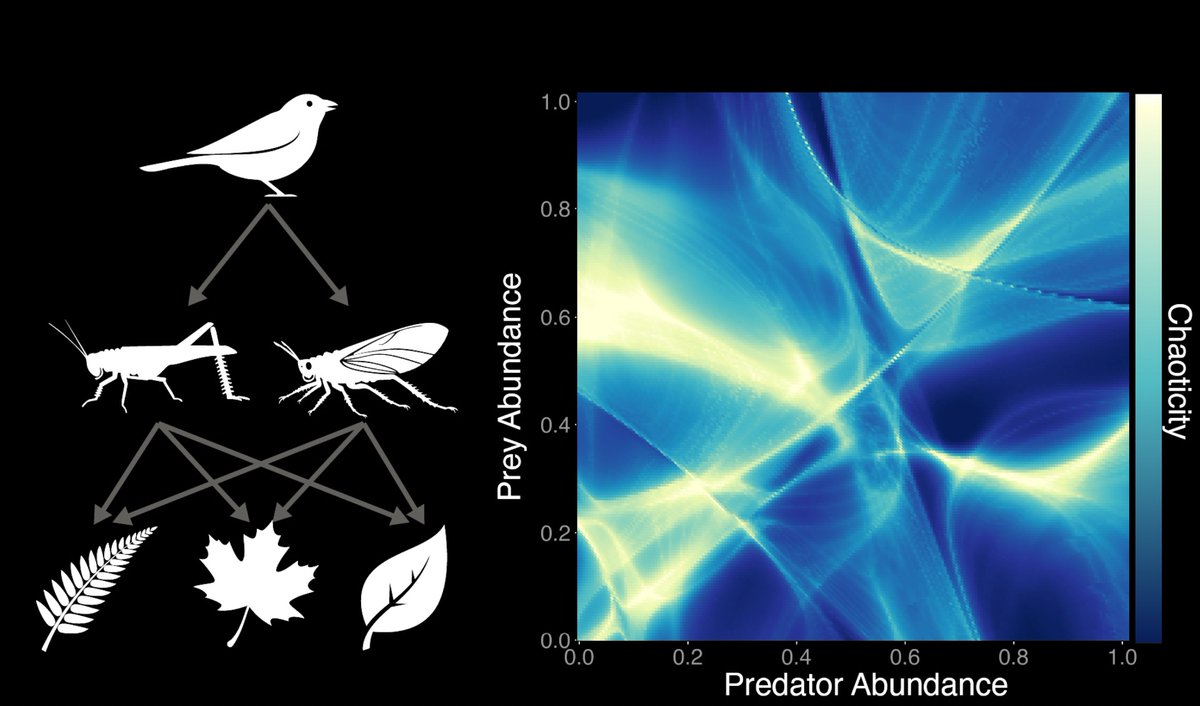
Does stability matter in biology? My article on the cover of this month’s @PLOSCompBiol explores how large ecosystems develop supertransients, a manifestation of computational hardness (1/N)
doi.org/10.1371/journal.pcbi…
6
68
371
22,728
Bert Wuyts retweeted

3 Jun 2025
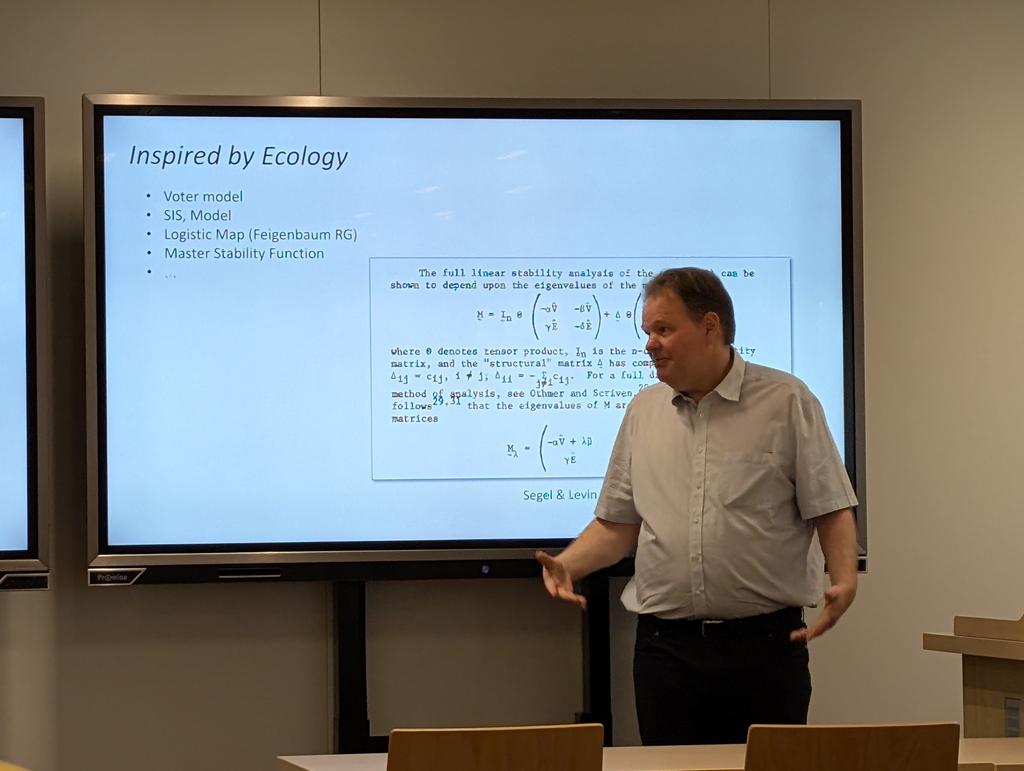
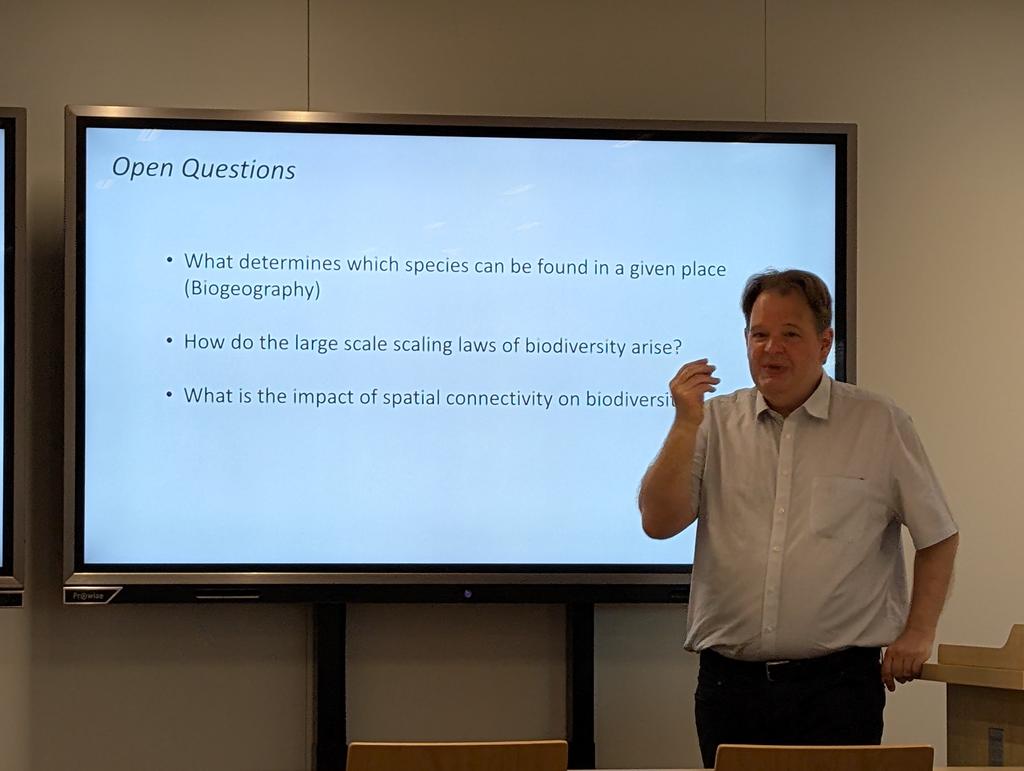
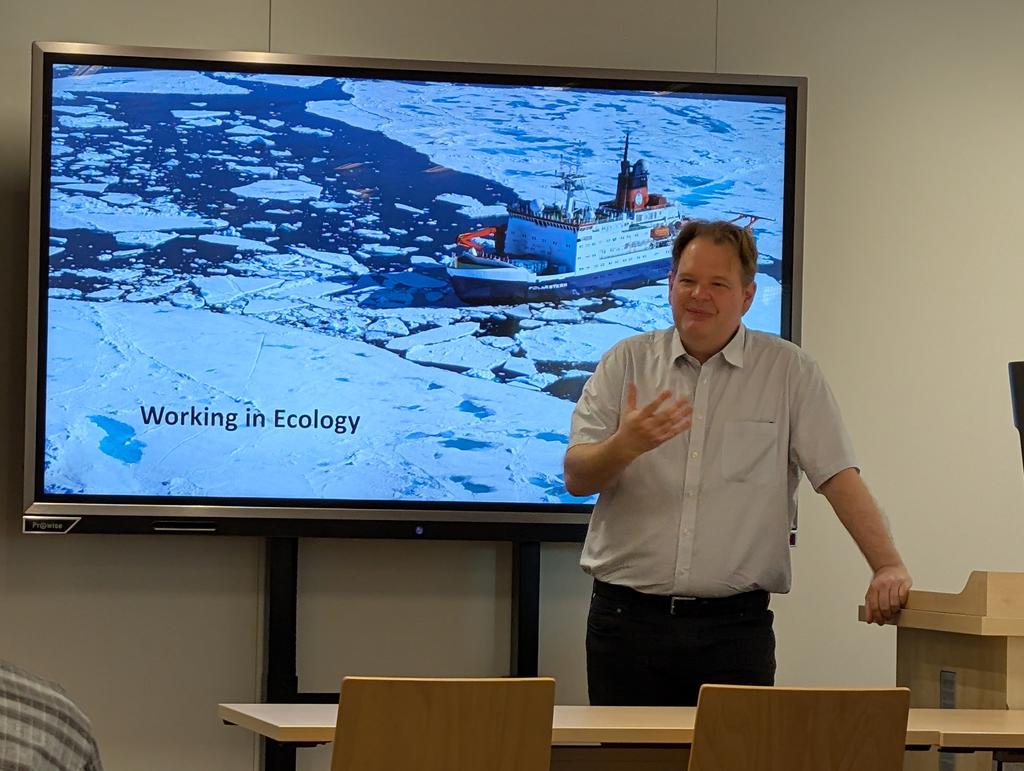
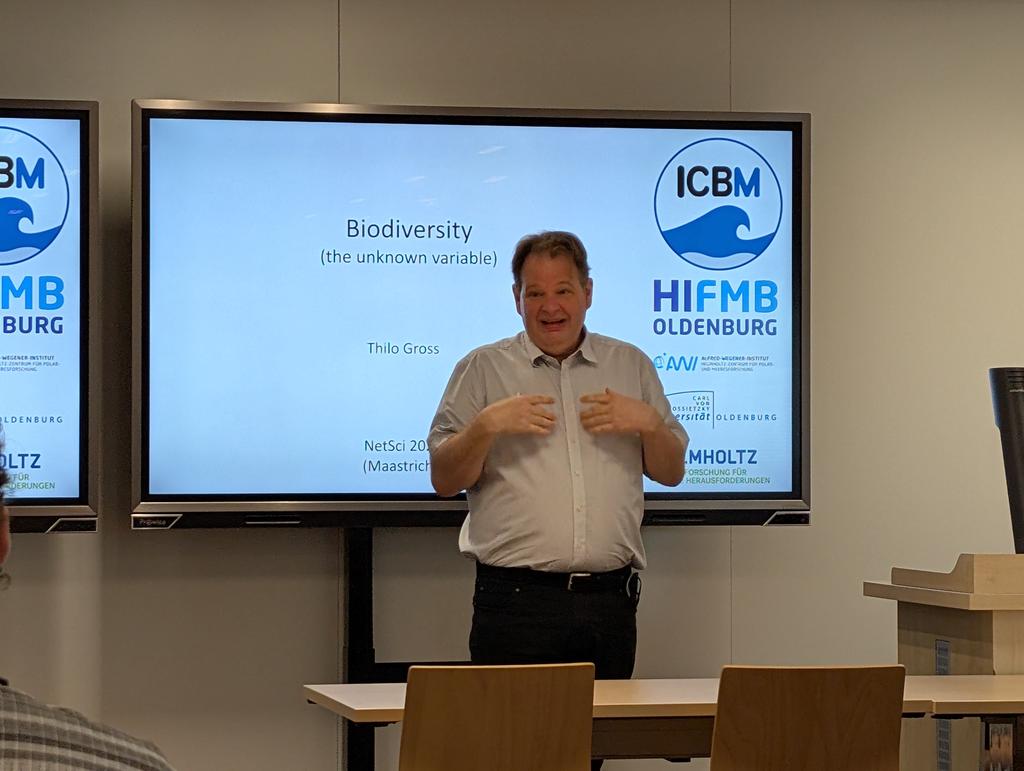
#NetSci2025 MIX-NEXT keynote Thilo Gross invites network scientists to ecology and biodiversity research
@NetSciConf
3
7
472
Bert Wuyts retweeted

23 Apr 2025
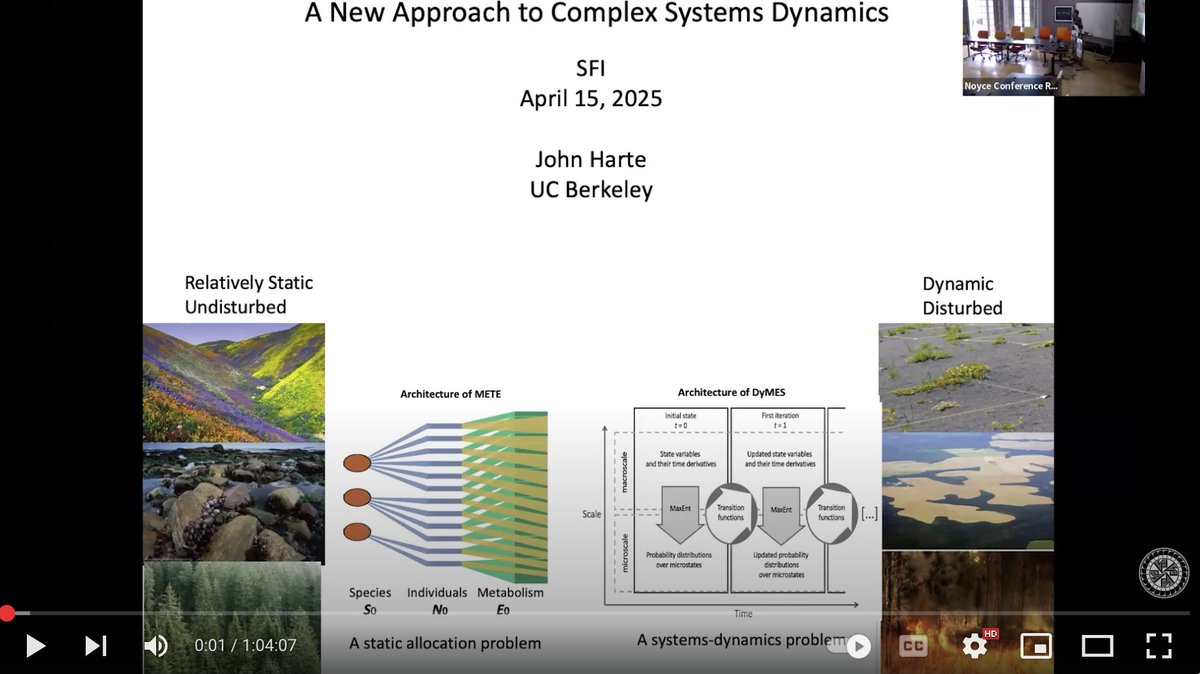
Complex systems often exhibit bi-directional, cross-scale causation. External Professor John Harte's recent seminar explored work on combining top-down statistical approaches with bottom-up process modeling for a new theory of complex systems dynamics. youtu.be/rxznTwBm2wU?si=pbfj…
3
31
157
8,343
Bert Wuyts retweeted

5 Apr 2025
Guys I made a breakthrough

77
623
15,733
432,795
Bert Wuyts retweeted

24 Mar 2025
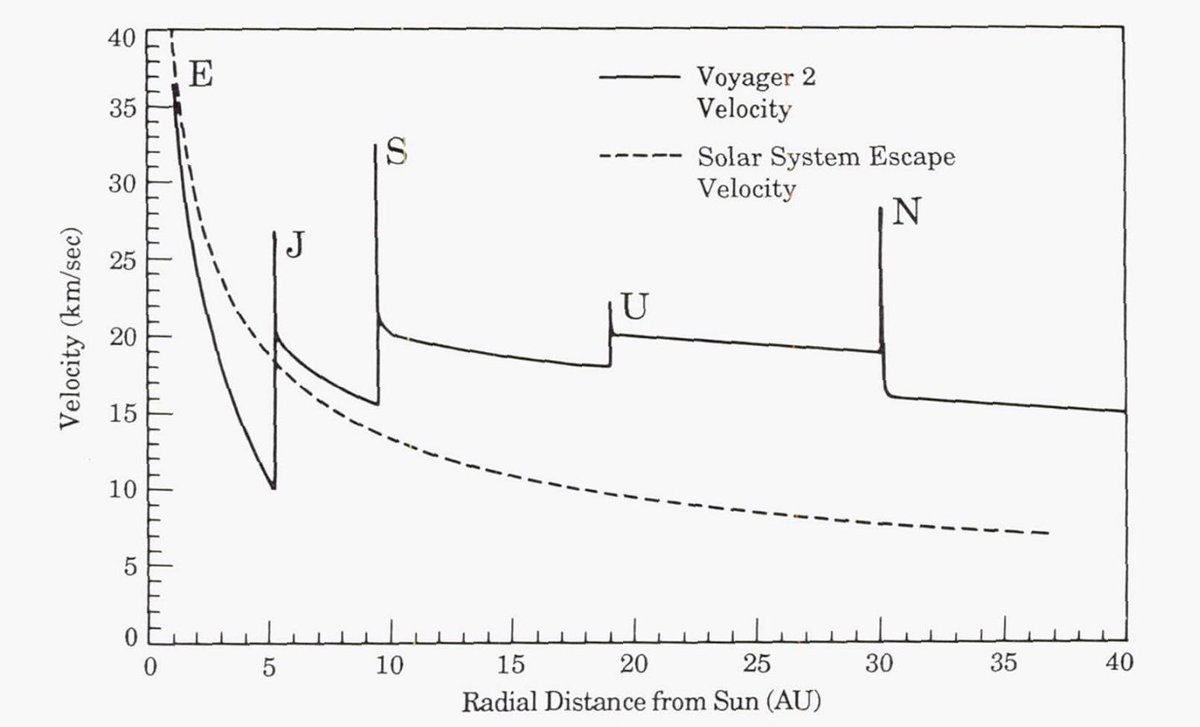
Velocity of Voyager 2 relative to the sun, showing the effects of gravitational assists from each of the outer planets.
5
18
138
25,266
Bert Wuyts retweeted

24 Feb 2025
.@DavidDeutschOxf: “I spoke to [Richard] Feynman—a great highlight of my life, I only spoke to him once—for a few hours. And we had a wide ranging conversation, mostly about quantum theory and computation, but we deviated a bit to talk about physics generally.
And I said that physics seems to have slowed down, and he said, “There will be no more great physicists.” And I was like, “Oh, what makes you say that?” Because I wasn’t thinking like that at all, because I was lucky enough to be among several of them and learning from them.
And he said, there will be no more of them. So I said, why? And he said, “Well, because of physics education.” He didn’t put it in exactly the way that I would today, but it was that it was very narrow, and everybody was taught to do the same thing.
I don’t think he had any objection to this concept of being taught a thing or to have a curriculum, but he thought it was becoming narrower and narrower. And the reason it’s becoming narrower is because that’s the only way you can base it on exams. And if you want to have a world in which most people go to university, let’s say, then you need to have standards for going to university. And these standards have to be determined by exams, otherwise it’s unfair. And if they’re determined by exams, they have to be determined by a uniform curriculum.
When I was in school, there was no national curriculum. Every school had its own curriculum. There were dozens of different examination boards that set exams, and each school could choose: we’ll have this board for physics, and we’ll have this board for history, according to what the teachers in the school thought was a good idea to force their pupils to learn.
So that part of it wasn’t the way I would have it. But the state didn’t take a view, and most importantly, it didn’t take a uniform view that everybody in the country had to learn this thing. And that was the thing that Feynman was objecting to—that everybody in the country learning the same thing. And by the time they get to university and by the time they’ve done an undergraduate degree, they’ve learned to become proficient. I mean, those that pass through the sieve and eventually get to become physicists or something, they have all learned how to do the same thing in the same way. And that’s going to put a damper on doing things a different way, a new way.
Of course, Feynman, in his life and in his research career, was constantly doing things in a new way, in ways that people didn’t approve of. And I think, well, I’m not a pessimist, so I don’t think there aren’t going to be any more great physicists. I’m expecting that there are, because I’m expecting that the Enlightenment will spread to educational theory as it has spread to many other aspects of life.”
14
95
562
32,662
Bert Wuyts retweeted

18 Jan 2025
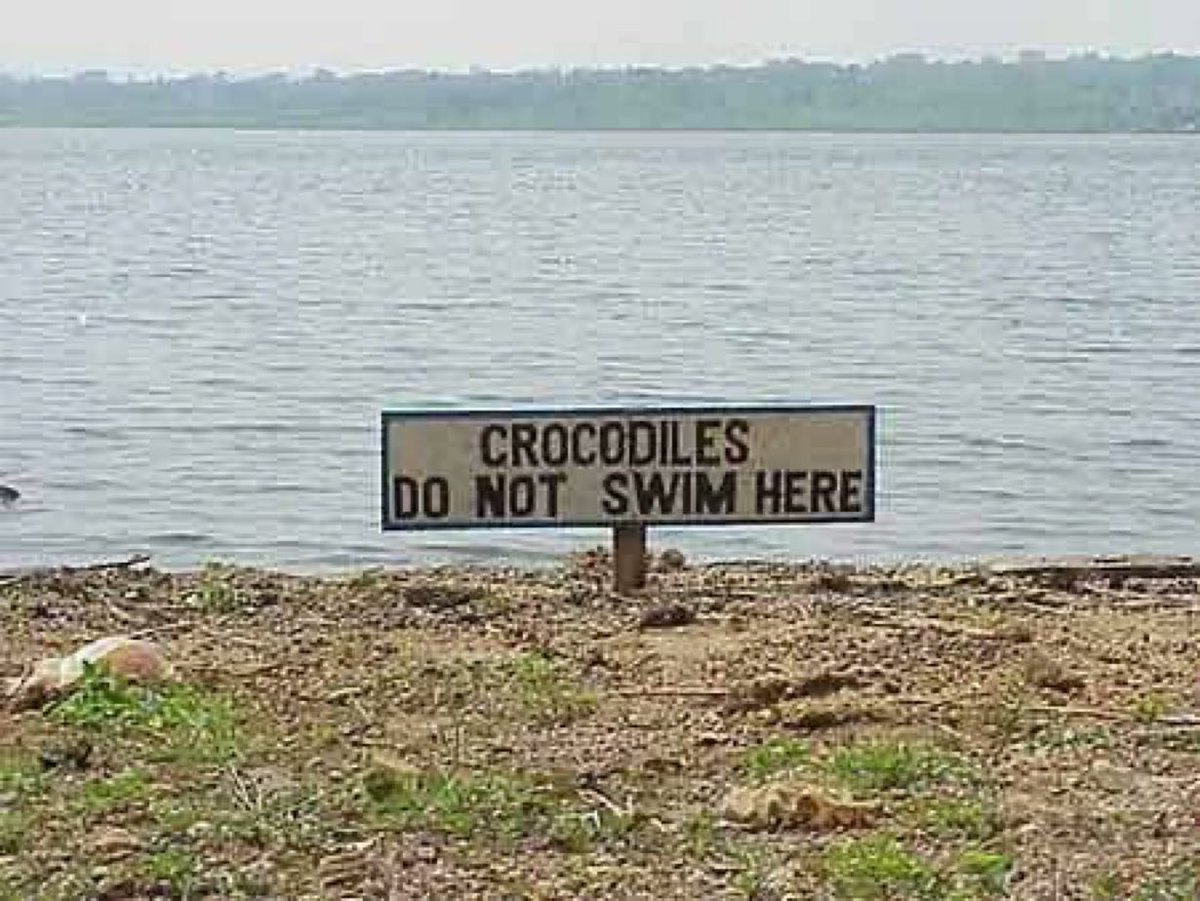
Why punctuation matters
232
573
5,052
295,275
Bert Wuyts retweeted

27 Aug 2024
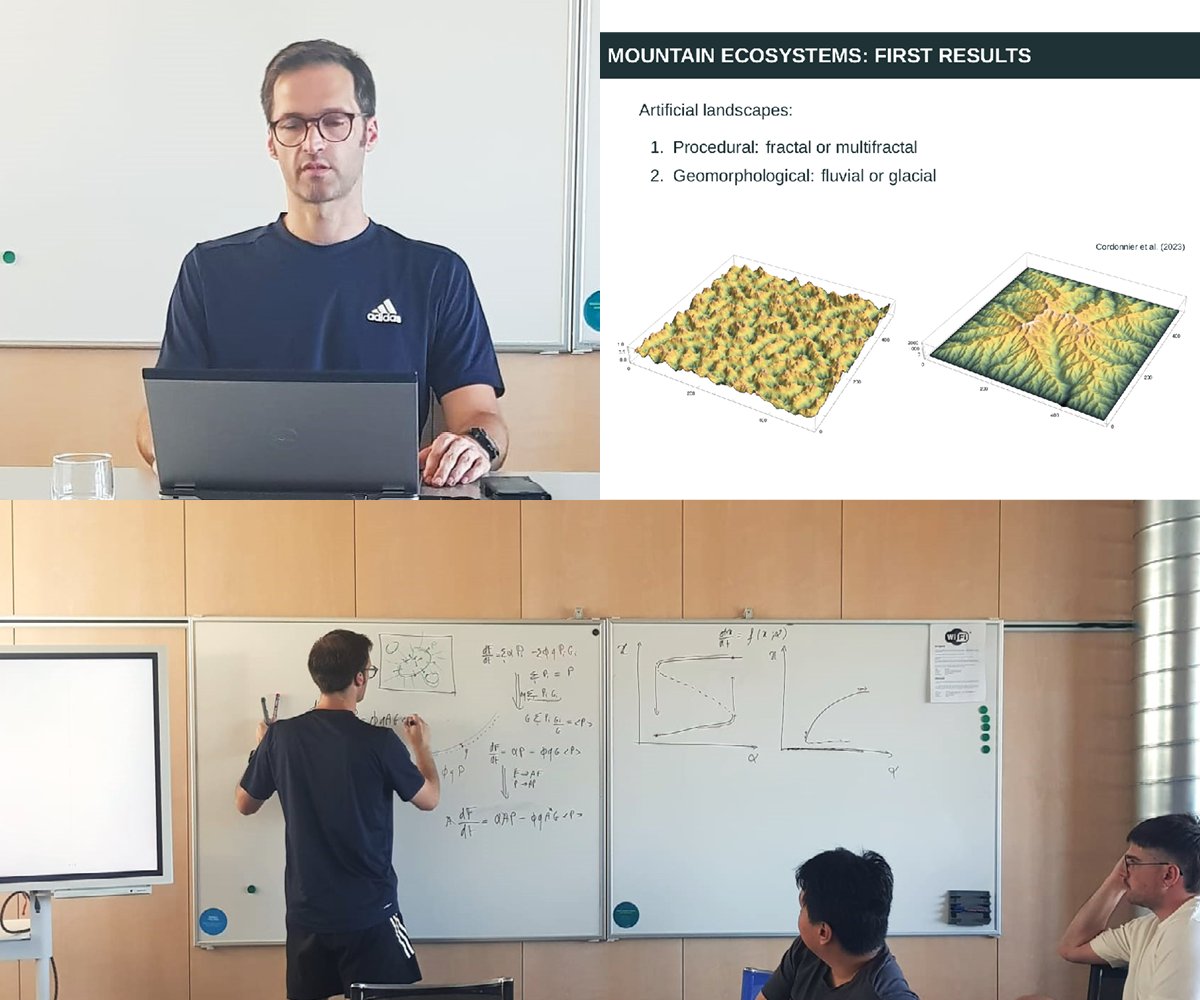
Our new staff scientist Bert Wuyts @b3wu8 gave an impressive presentation during the group #science meeting about his previous work on #forest #tippingpoints and his current work on #extinction thresholds in #mountain #ecosystems. @WSL_research
1
7
477
Bert Wuyts retweeted

12 Jul 2024
We have another set of 3yr Postdoc positions, including one that will look at phase transitions in spatial networks of ecological communities ...
1
21
25
5,336
Bert Wuyts retweeted

5 Jul 2024
Hear, hear. This is so important yet so widely misunderstood.
5 Jul 2024

Strongly disagree. This is FPTP at its *best*, allowing the electorate to mete out proper punishment and let another team have a proper go of it without having to bend to fringe parties that hardly anybody at all wants.
10
19
142
14,058
Bert Wuyts retweeted

19 Apr 2024
Physics - Uncovering Networks in Rainforest Plants ! @pvgongora @tommasogili & Andrea Gabrielli physics.aps.org/articles/v17…
16
36
2,726
Bert Wuyts retweeted

8 Apr 2024
PhD position on Antarctic Climate Causality
Join us in unraveling links between the components of the Antarctic climate system and their variability
Joint PhD of UCLouvain and KU Leuven
kuleuven.be/personeel/jobsit…
5
10
3,391
Bert Wuyts retweeted

"Theoretical tools for understanding the climate crisis from Hasselmann’s programme and beyond" (by Valerio Lucarini & Mickaël D. Chekroun, in Nature Reviews Physics): nature.com/articles/s42254-0…
8
22
4,218
Bert Wuyts retweeted

9 Nov 2023
Tropical forests may face the risk of abrupt dieback pnas.org/doi/abs/10.1073/pna… @cinea_eu
1
1
1
217
Bert Wuyts retweeted

8 Nov 2023
Persistence can lead to success! Roeland van der Vijsel, former NIOZ PhD student, publishes one of the nicest papers from his thesis in Nature Communications!
nature.com/articles/s41467-0…
6
13
1,849
Bert Wuyts retweeted

4 Nov 2023
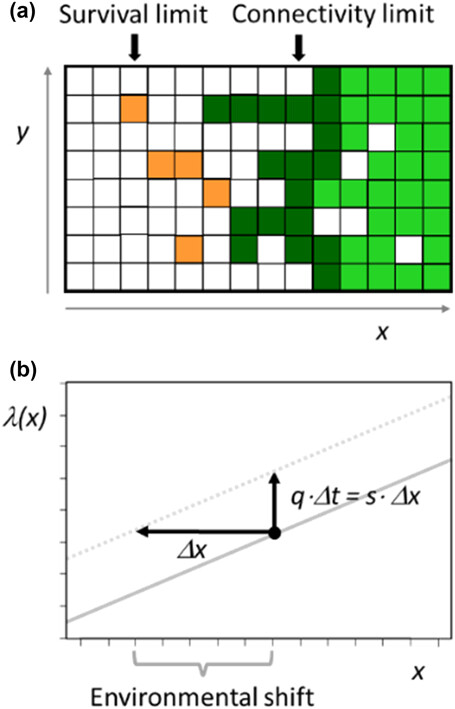
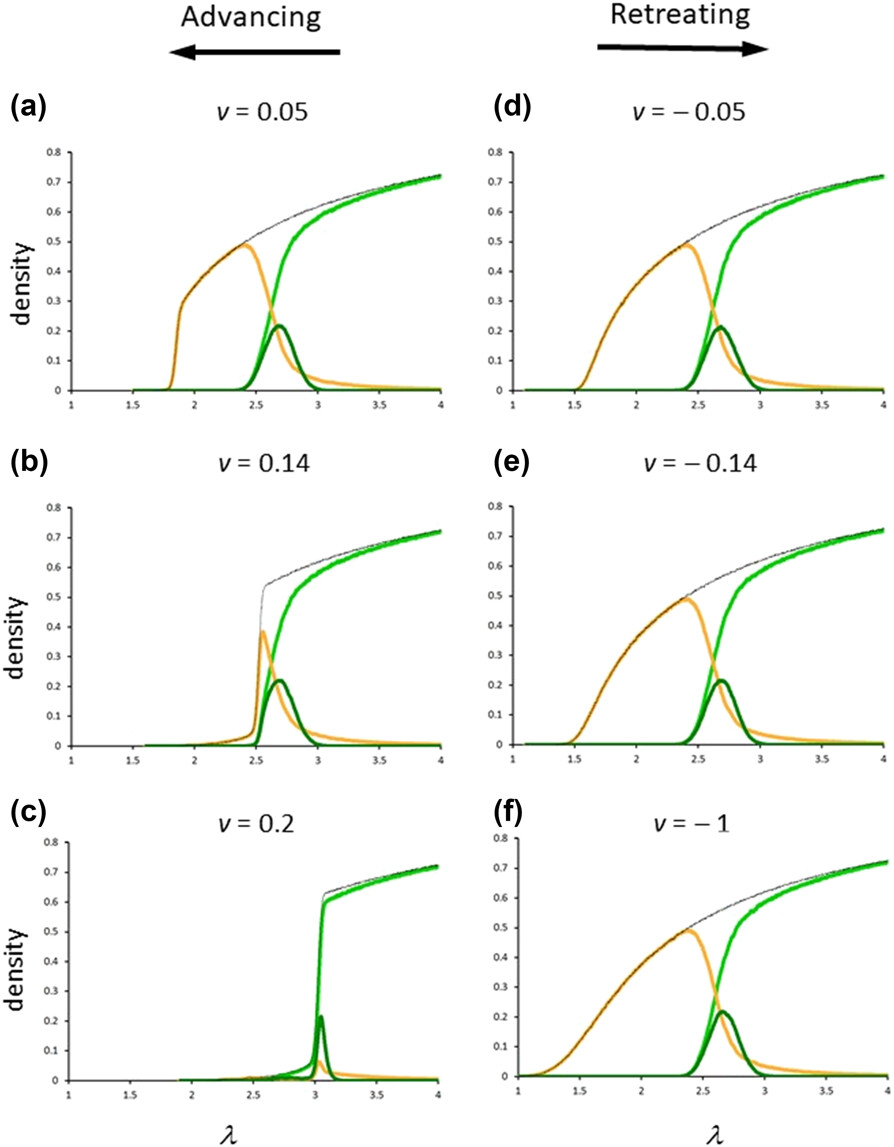
Editor's choice: Advancing and retreating fronts in a changing climate: a percolation model of range shifts
onlinelibrary.wiley.com/doi/…
#climatechange #range #treeline @WileyEcolEvol @NordicOikos
10
38
6,294
Bert Wuyts retweeted

4 Nov 2023
We are hiring!
100% Postdoc position
2024-2026 (3 years)
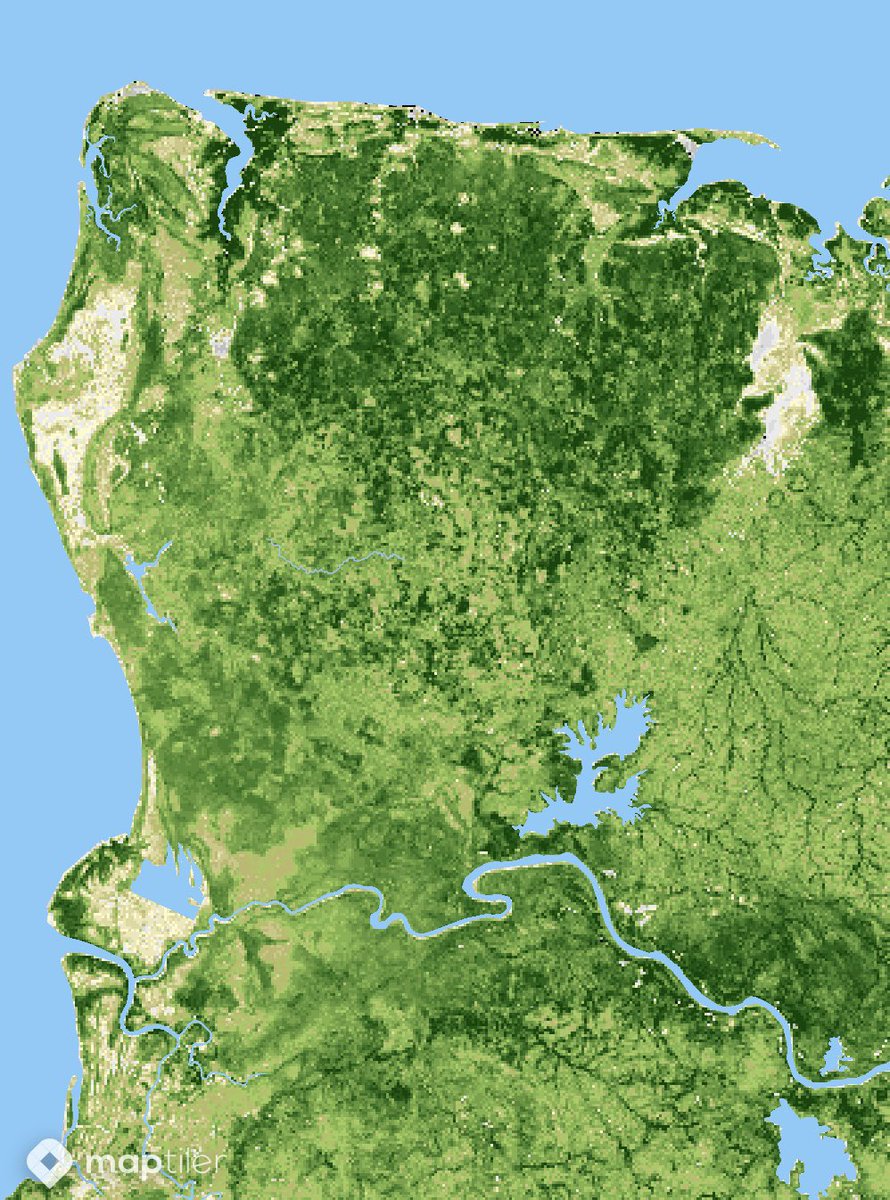
“Scaling-up island ecosystem monitoring with remote sensing ”
#satellite #dronephotography #lidar
#EarthSystemScience #ecology #biodiversity
unine.ch/consbiolab/conserva…
1
135
270
44,321

31 Oct 2023
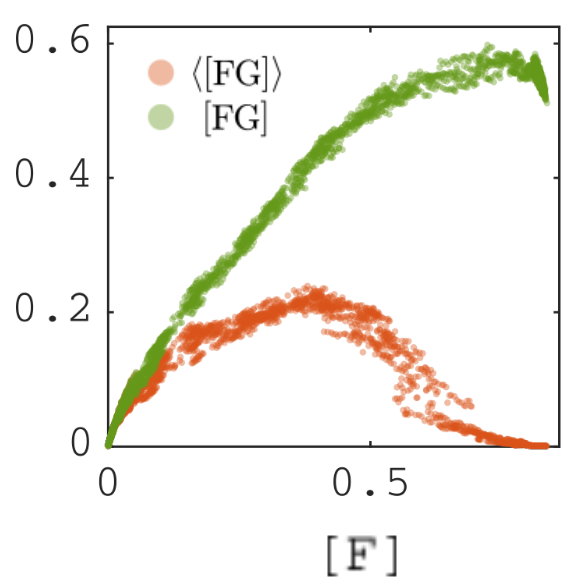
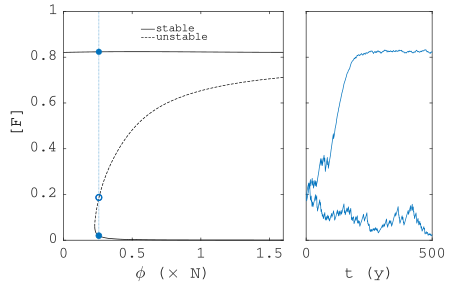
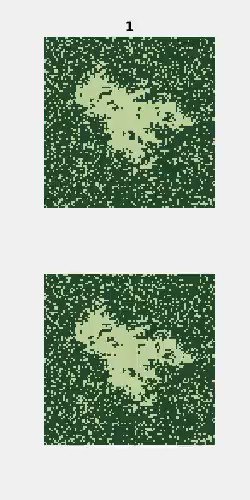
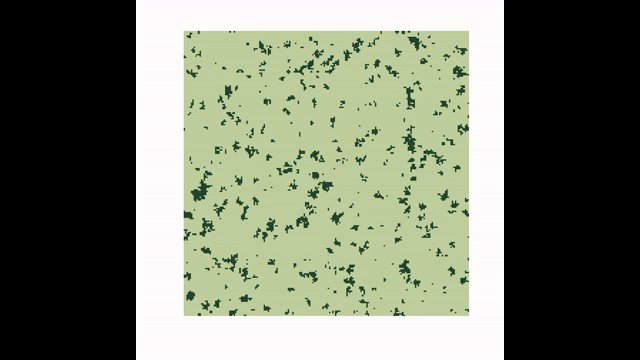
What spatial structure and dynamics emerge in tropical forests affected by fires at their edges? We explored this question theoretically by modelling fire and forest spread as contagion processes on grass patches. 1/n pnas.org/doi/10.1073/pnas.22…
1
4
18
2,803
2 Nov 2023
To gain progress, we need models that fully implement the relevant mechanisms and that yield testable predictions at multiple scales. Our study takes the first steps towards this goal. /THE END
1
126
2 Nov 2023
PS: I've aimed for simplicity in this summary; the paper itself delves deeper into the models and methods.
pnas.org/doi/10.1073/pnas.22…
In closing, immense thanks to the brilliant Jan Sieber! Also thanks to Andrew Berdahl and @LHDnets for making me aware of their cellular automaton.
125