
The landscapes we inhabit.
The climates that shaped them.
The humans who adapted and thrived.
For nearly a century, INQUA has united scientists across disciplines and continents to uncover the story of the Quaternary, the most recent chapter of Earth's history.
2.6 million years of Earth’s story.
One global scientific community.
INQUA
Advancing Quaternary science through international collaboration.
#INQUA #QuaternaryScience #EarthHistory #Paleoclimate #HumanOrigins #Geoheritage #Archaeology #Geology #Paleoecology #ClimateScience #EnvironmentalChange #EarthSystemScience #ResearchCommunity #InternationalScience #ScienceForSociety
2
39

Jun 10
prediction of regional rainfall variability.
📖 Read the research in MAUSAM: lnkd.in/e9RXxqUH
#MAUSAMJournal #LaNiña #IndianMonsoon #ClimateScience #WeatherForecasting #ENSO #MonsoonResearch #IMD #EarthSystemScience #climatestudies @moesgoi @indiametdept
13

Jun 1
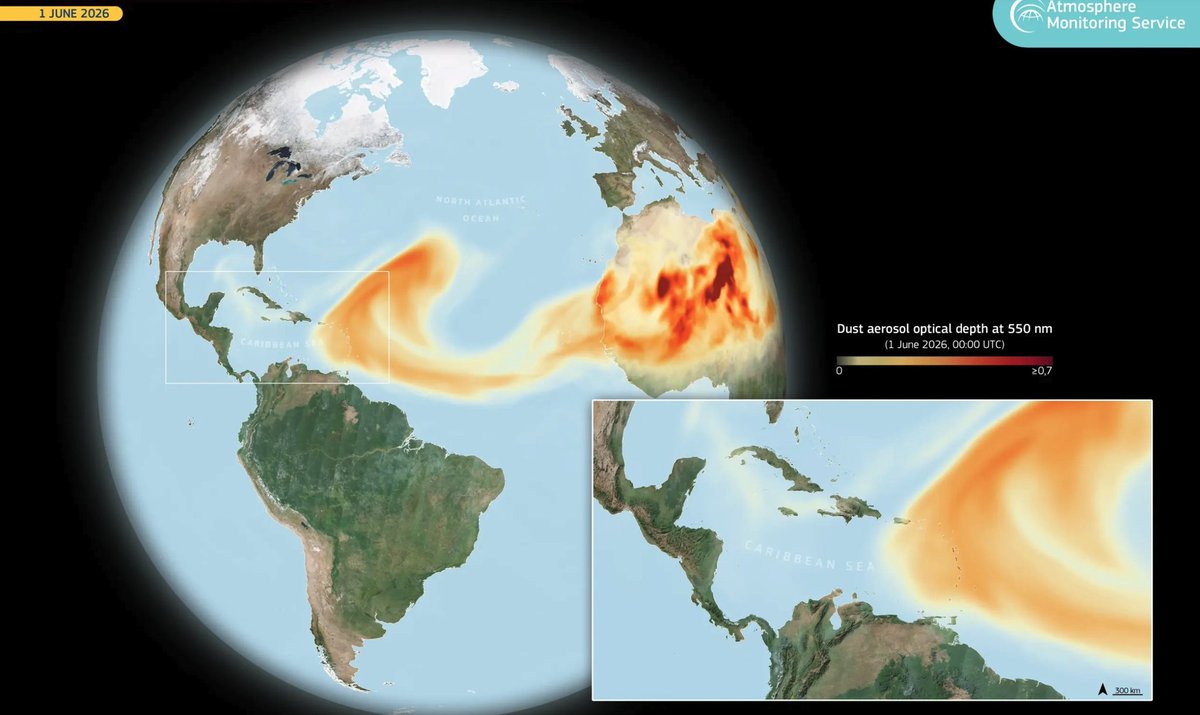
🌍 A river of Saharan dust is crossing the Atlantic — and its effects reach thousands of kilometers away.
What looks like “just dust” is actually one of Earth’s most powerful natural climate connectors.
Here’s why this matters👇
🌪️ 1. Hurricane Suppression
Massive Saharan Air Layer (SAL) outbreaks inject dry, dusty, stable air into the tropical Atlantic.
Result:
• Less thunderstorm growth
• Stronger wind shear environment
• Harder for tropical systems to organize
One reason the Atlantic tropics can struggle during strong dust events.
🌳 2. Amazon Rainforest Fertilizer
The Sahara loses millions of tons of mineral dust annually.
That dust doesn’t disappear.
It crosses the Atlantic carrying phosphorus, iron & nutrients that help replenish the Amazon’s nutrient-poor soils.
A desert in Africa helping sustain a rainforest in South America.
☁️ 3. Cloud & Climate Effects
Dust particles interact with sunlight and cloud microphysics.
They can:
• Reflect/scatter solar radiation
• Alter cloud formation
• Influence rainfall patterns
• Impact regional temperature balances
🌎 Earth’s systems are deeply linked.
What begins as wind lifting sand from the Sahara can influence:
➡️ Amazon ecosystems
➡️ Atlantic hurricanes
➡️ Ocean biology
➡️ Weather patterns across continents
The planet operates less like separate regions…
and more like one giant interconnected machine.
#Climate #Weather #Sahara #Hurricanes #Amazon #EarthSystemScience
4
14
1,177

May 31
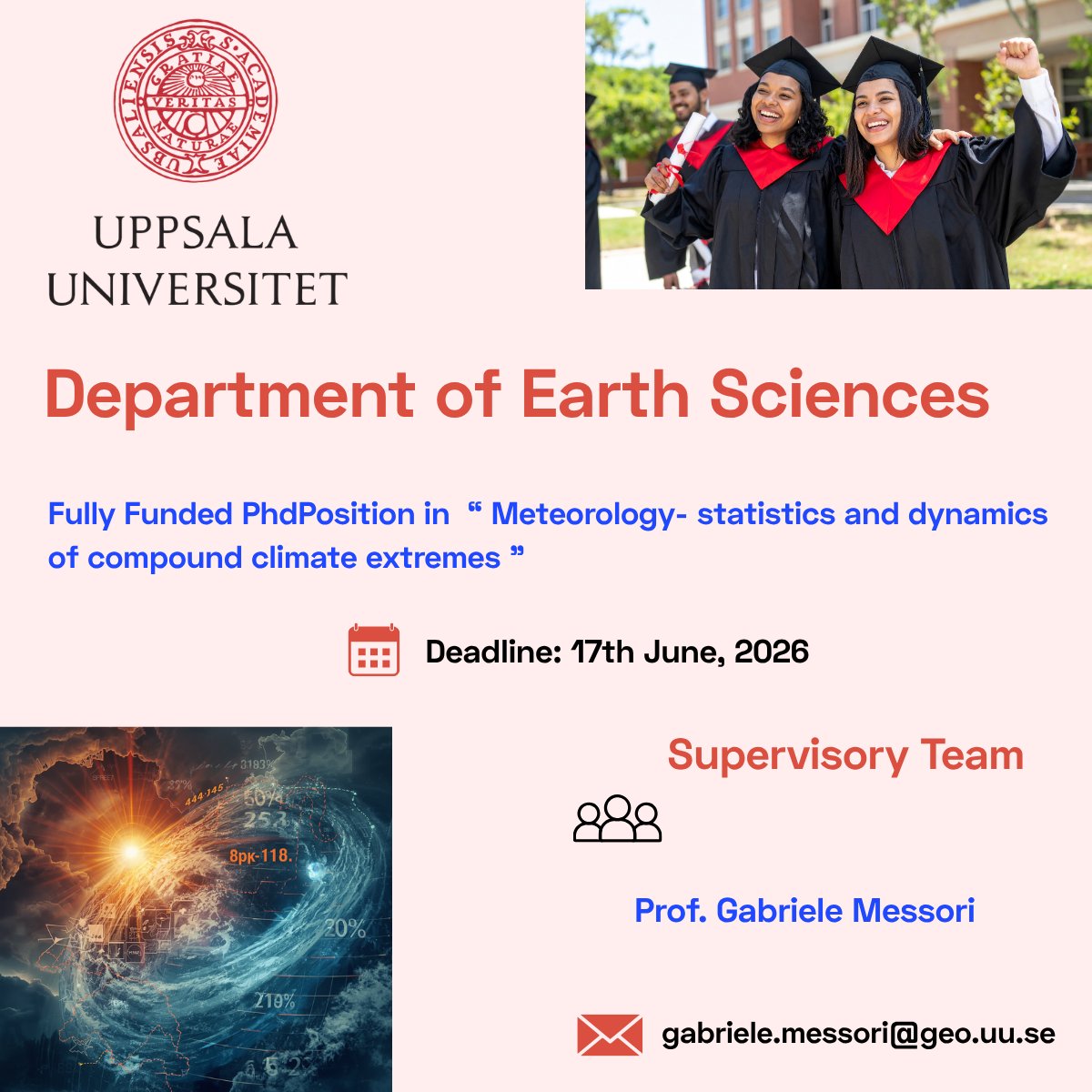
🎓 Fully Funded PhD in 𝗠𝗲𝘁𝗲𝗼𝗿𝗼𝗹𝗼𝗴𝘆- 𝘀𝘁𝗮𝘁𝗶𝘀𝘁𝗶𝗰𝘀 𝗮𝗻𝗱 𝗱𝘆𝗻𝗮𝗺𝗶𝗰𝘀 𝗼𝗳 𝗰𝗼𝗺𝗽𝗼𝘂𝗻𝗱 𝗰𝗹𝗶𝗺𝗮𝘁𝗲 𝗲𝘅𝘁𝗿𝗲𝗺𝗲𝘀 (Sweden 🇸🇪)
💶 Fully funded 4-year PhD with a competitive doctoral salary and excellent employment benefits
✅ Passionate about #ClimateChange #Meteorology #ClimateExtremes 🌦️🌍📊
✅ Highly recommend this interdisciplinary #fullyfunded #PhDPosition within the Department of Earth Sciences @uppsalauni 🇸🇪
📌 This #phdproject focuses on understanding the statistical properties, atmospheric drivers, predictability, and future trends of compound climate extremes through advanced climate data analysis and atmospheric science research.
You’ll work on:
🔷 Investigating mid-latitude compound climate extremes in present-day and future climate scenarios
🔷 Contributing to the ERC-funded project “DYnamical drivers, predictability and trends of compound CLimate Extremes (DYCLEX)”
🔷 Collaborating with leading international researchers in meteorology, climate science, and atmospheric dynamics
🌍 Contribute to improving our understanding of climate risks by uncovering the physical mechanisms and statistical behaviour of compound climate extremes that increasingly affect societies worldwide.
✅ Work with Professor Gabriele Messori and the Air, Water and Landscape Science programme at Uppsala University
⏰ 𝗗𝗲𝗮𝗱𝗹𝗶𝗻𝗲: 𝟭𝟳𝘁𝗵 𝗝𝘂𝗻𝗲, 𝟮𝟬𝟮𝟲
👉 Full details & apply here:
🔗 phdscanner.com/opportunities…
📩 Want more like this?
➕ Follow @phdscanner and join WhatsApp for updates:
whatsapp.com/channel/0029Vb5…
🌐 Visit: phdscanner.com
#fullyfundedPhD #PhDposition #UppsalaUniversity #Sweden #ClimateChange #Meteorology #ClimateExtremes #AtmosphericScience #ClimateRisk #ClimateModelling #EarthSystemScience #ERC #ResearchOpportunity
@phdhardtalk
♻️ Share with someone applying this cycle
ALT https://www.phdscanner.com/opportunities/phd-vacancies-uppsala-university-sweden-phd-student-in-meteorology-statistics-and-dynamics-of-compound-climate-extremes-ff0abccc-d17d-4ba8-9d82-ab8e3ee17aaa
1
6
438


Mar 10
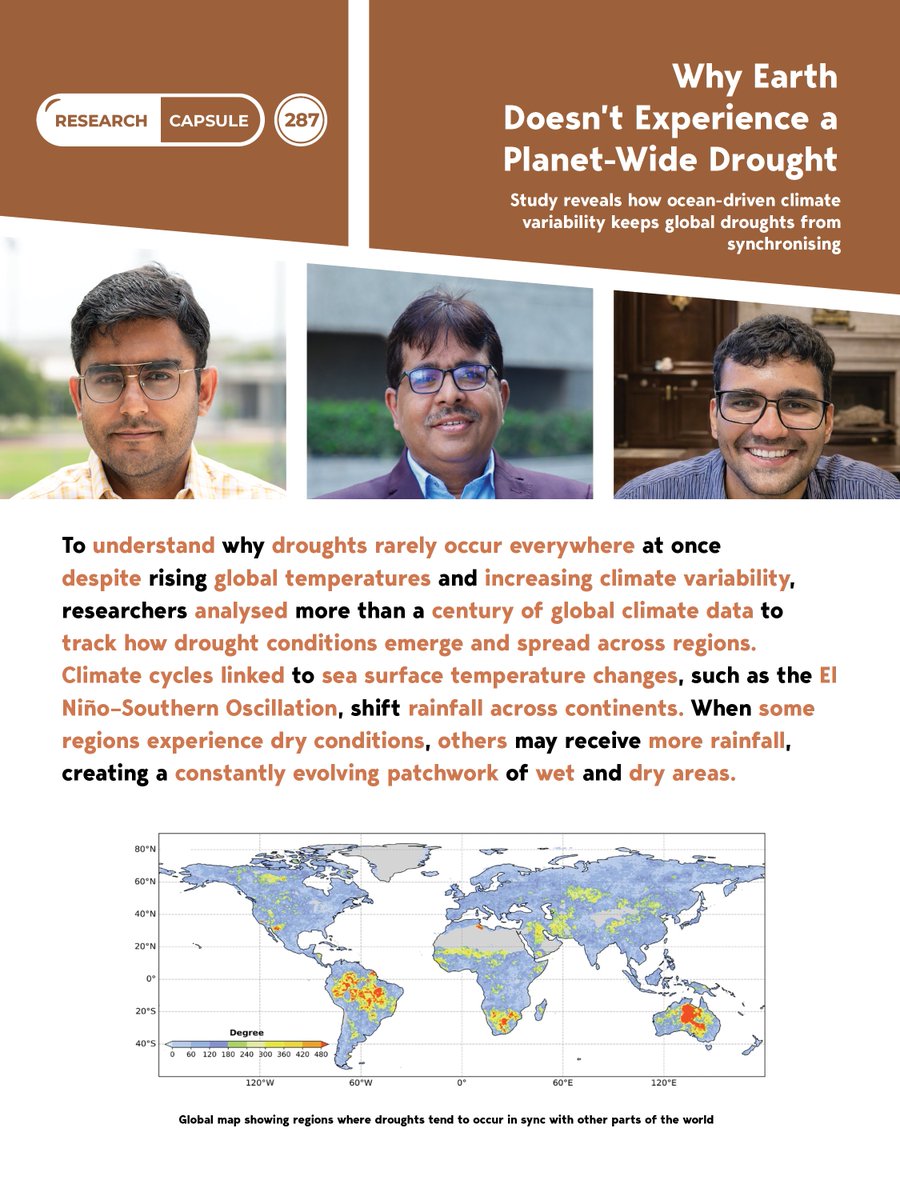
Drought is one of the most damaging climate hazards, placing pressure on crops, water supplies, and livelihoods across the globe. For years, scientists have worried about the possibility of several major agricultural regions experiencing drought at the same time. If such events were to coincide across continents, the strain on global food systems could be immense, posing serious challenges to efforts such as Sustainable Development Goal 2 (Zero Hunger) and Sustainable Development Goal 13 (Climate Action). Yet despite rising global temperatures and increasing climate variability, droughts rarely occur everywhere at once.
To understand why, researchers analysed more than a century of global climate data to examine how drought conditions emerge and spread across regions. While temperatures are projected to rise, rainfall and soil moisture do not change uniformly. Instead, precipitation varies widely from region to region, leading to very different drought responses around the world.
The study shows that large-scale ocean–atmosphere interactions play a key role in shaping these patterns. Climate cycles linked to sea surface temperature changes, such as the El Niño–Southern Oscillation, shift rainfall across continents. When some regions experience dry conditions, others may receive more rainfall, creating a constantly evolving patchwork of wet and dry areas.
At the same time, the research points to growing connections among drought-prone regions, suggesting that the risk of synchronised droughts could increase in a warming world. Understanding these patterns can help guide food security planning, water management, and climate adaptation strategies.
The team includes Prof Udit Bhatia, Prof Vimal Mishra, Hemant Poonia, Danish Mansoor Tantary, and Dr Rohini Kumar.
To read more:
Link to News Blog Article: news.iitgn.ac.in/why-the-pla…
Link to Research Paper: nature.com/articles/s43247-0…
#RnD #IITGN #IITGNResearchers #ClimateScience #DroughtResearch #ClimateChange #FoodSecurity #ZeroHunger #ClimateAction #OceanClimate #ENSO #WaterSecurity #ClimateRisk #ClimateResilience #EarthSystemScience #SustainabilityScience #NatureResearch
1
3
332

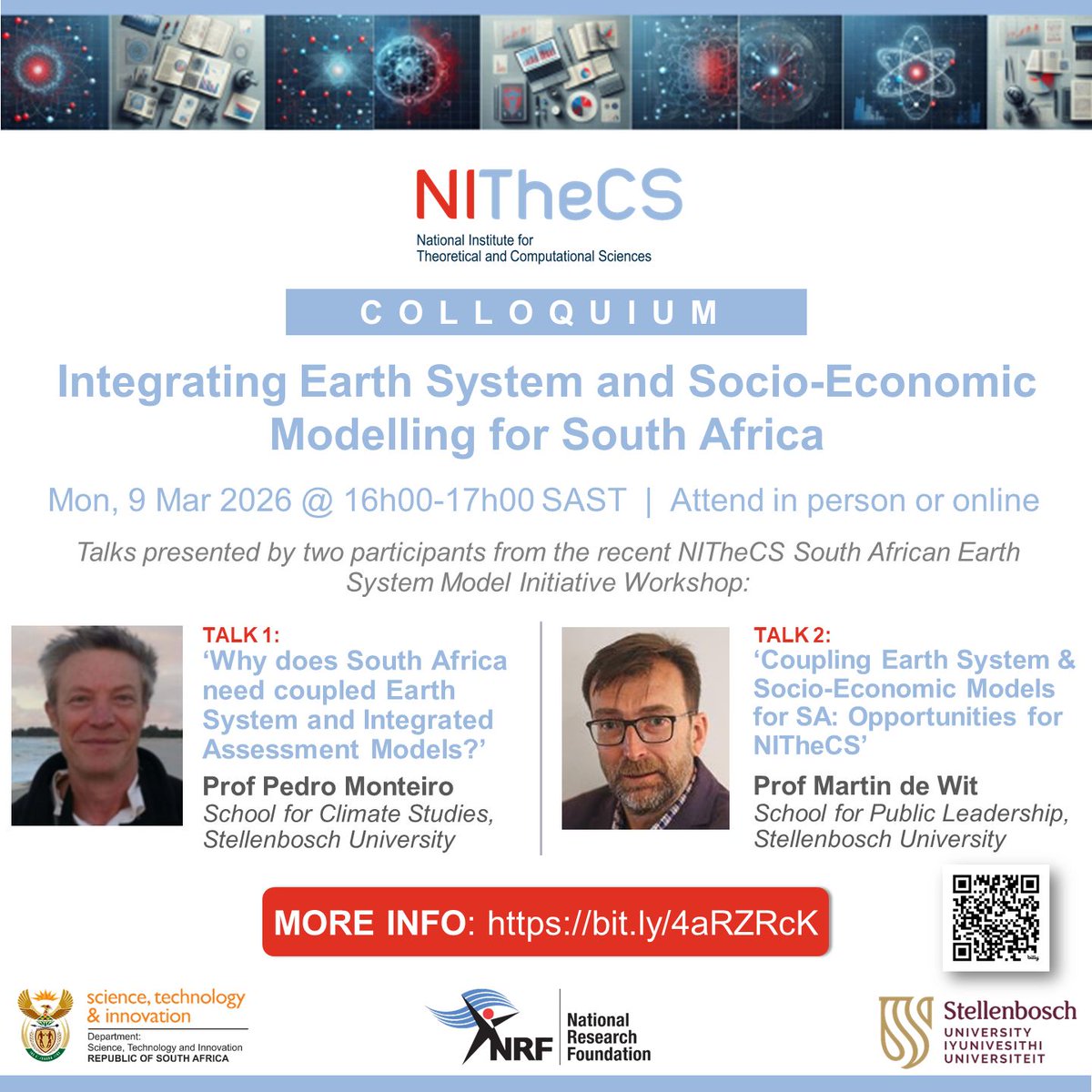
Reminder – NITheCS Colloquium: 'Integrating Earth System & Socio-Economic Modelling for SA'
🗓 Today @ 16h00
📍 Attend online or in person
⚠️ The Stellenbosch venue is Room 1041, Mathematical Sciences / Industrial Psychology Bldg.
buff.ly/H2DeAbG
#EarthSystemScience
2
3
87
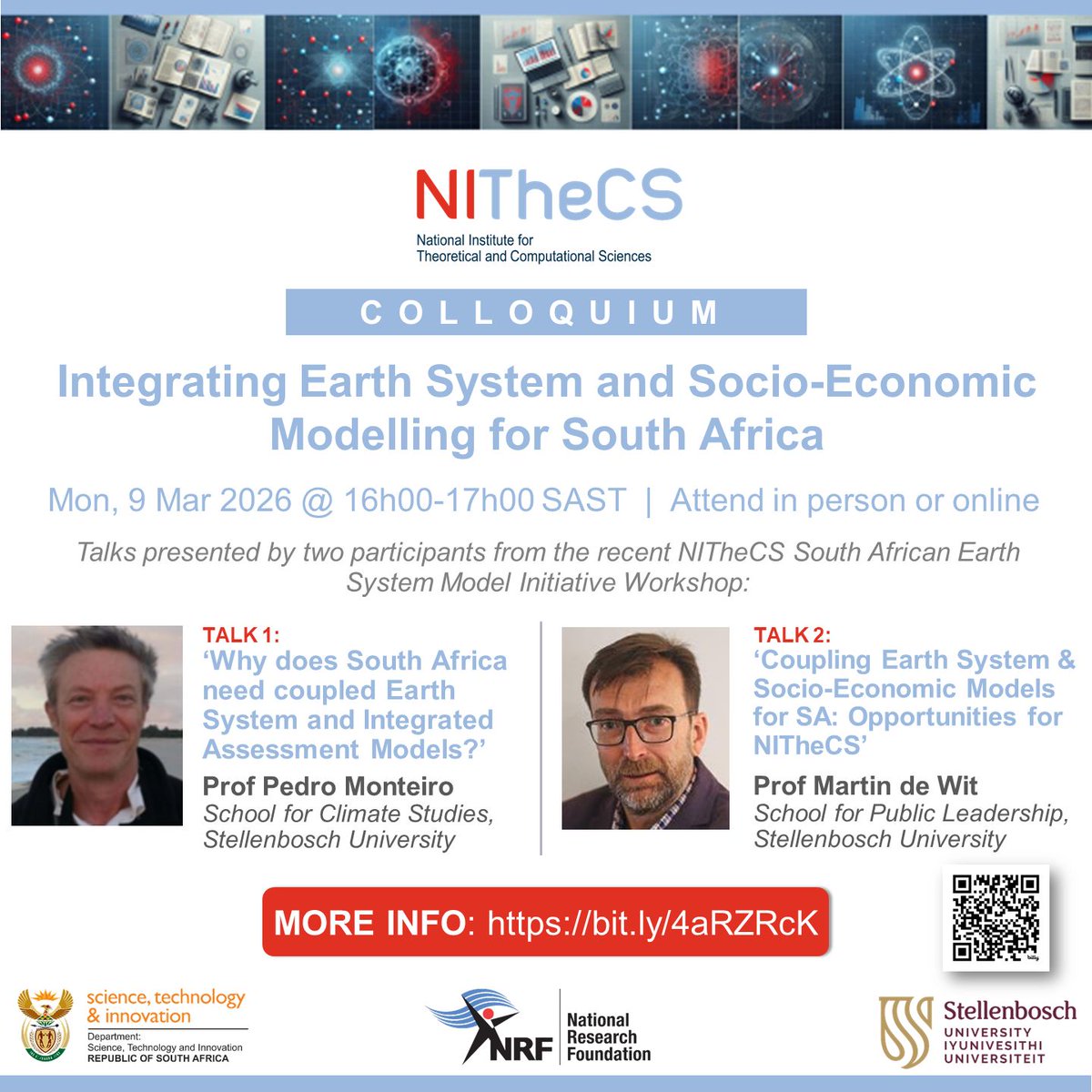
NITheCS Colloquium: 'Integrating Earth System & Socio-Economic Modelling for SA'
🗓 Mon, 9 Mar @ 16h00 SAST
Featuring talks by Pedro Monteiro & Martin de Wit
📍 Attend online or in person
buff.ly/LQpjnWF
#EarthSystemScience #ClimateModelling #ComputationalScience
4
3
92

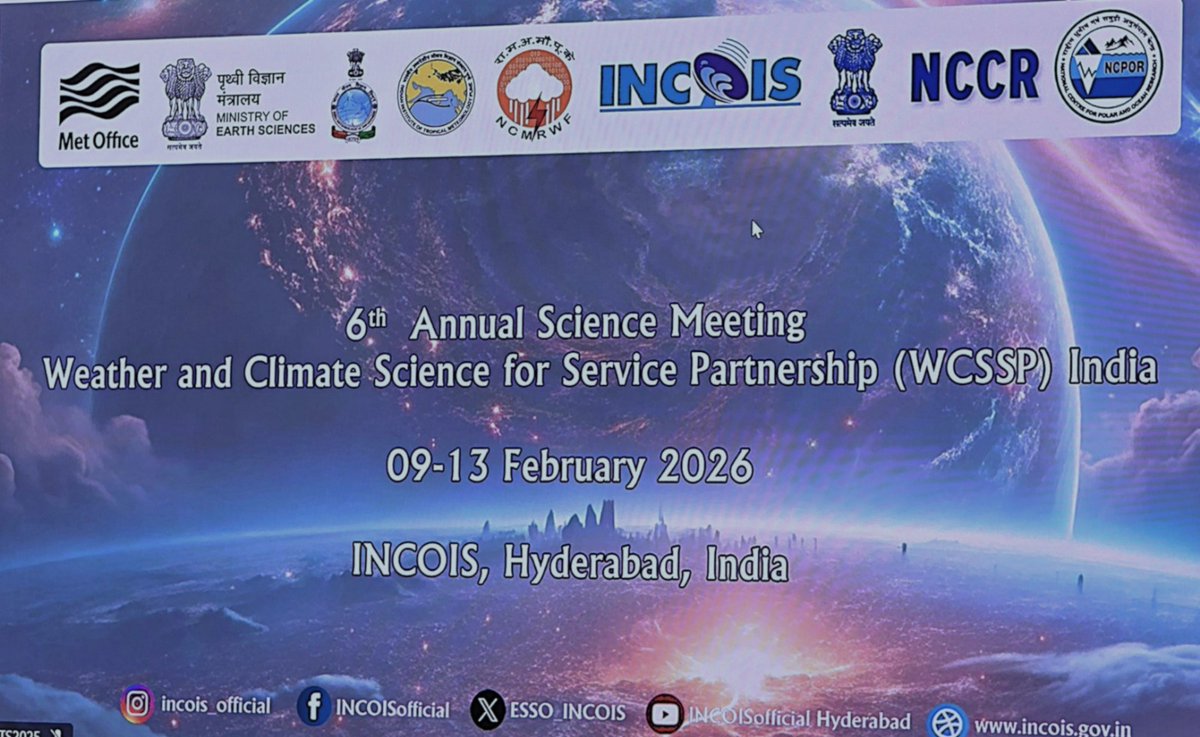
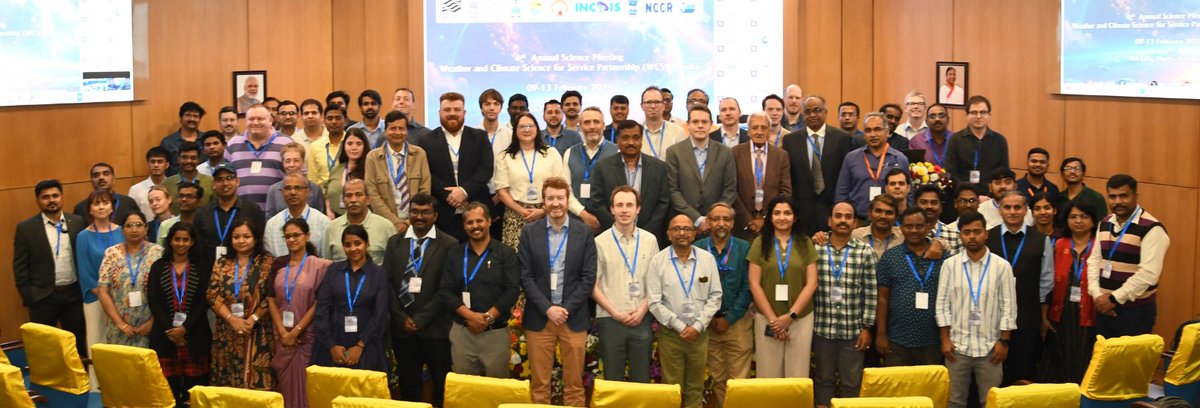
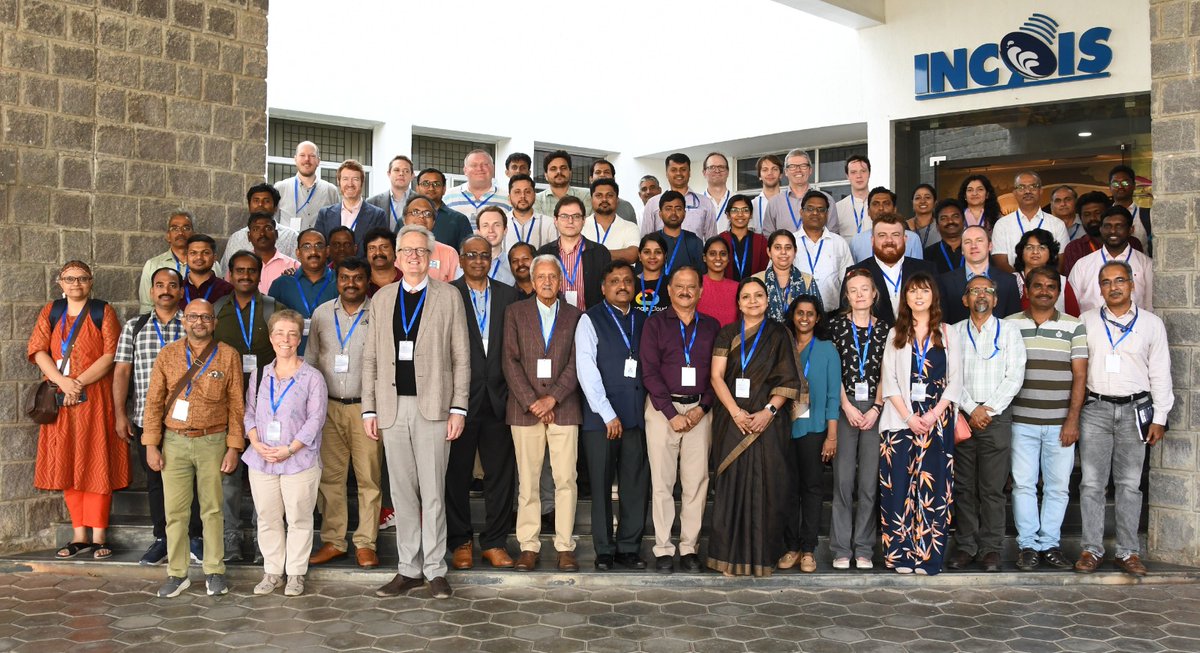
Dr. Ashwini Ranade, Centre for Cryosphere and Climate Change Studies (C4S), National Institute of Hydrology (NIH), Roorkee, participated in the 5-day annual WCSSP-India Science Workshop organized by Ministry of Earth Sciences and hosted at INCOIS, Hyderabad during 09-13 Feb 2026. She presented research work titled ‘Deciphering Compound Extremes in the Northwest Himalaya: Mapping, Trends and Atmospheric Triggers for improved Early Warning Systems’. She highlighted the research being carried out at National Institute of Hydrology to understand cascading nature of multiple hazards across Himalayan region and their interlinkages for strengthening early warning and impact-based risk assessment.
Weather and Climate Science for Service Partnership India (WCSSP-India) is a collaborative initiative between the Ministry of Earth Sciences(MoES) and the UK Met Office (UKMO), aimed at strengthening science and innovation partnerships and enhancing understanding and prediction of high-impact weather and climate events. The workshop facilitated technical exchanges, thematic breakout discussions, and the development of new collaborative pathways between Indian research organizations and UK met Office, aligned with service-oriented climate science.
#NIH #NationalInstituteOfHydrology #Roorkee #C4S #CryosphereResearch #HimalayanStudies #ClimateScience #ExtremeWeather #CompoundExtremes #EarlyWarningSystems #DisasterRiskReduction #Hydrology #ClimateChangeResearch #GlacierResearch #Himalaya #MoES #MinistryOfEarthSciences #WCSSPIndia #UKMetOffice #INCOIS #ScienceCollaboration #WeatherScience #ClimateServices #ResearchForResilience #ImpactBasedForecasting #EarthSystemScience
@DoWRRDGR_MoJS
6
8
211

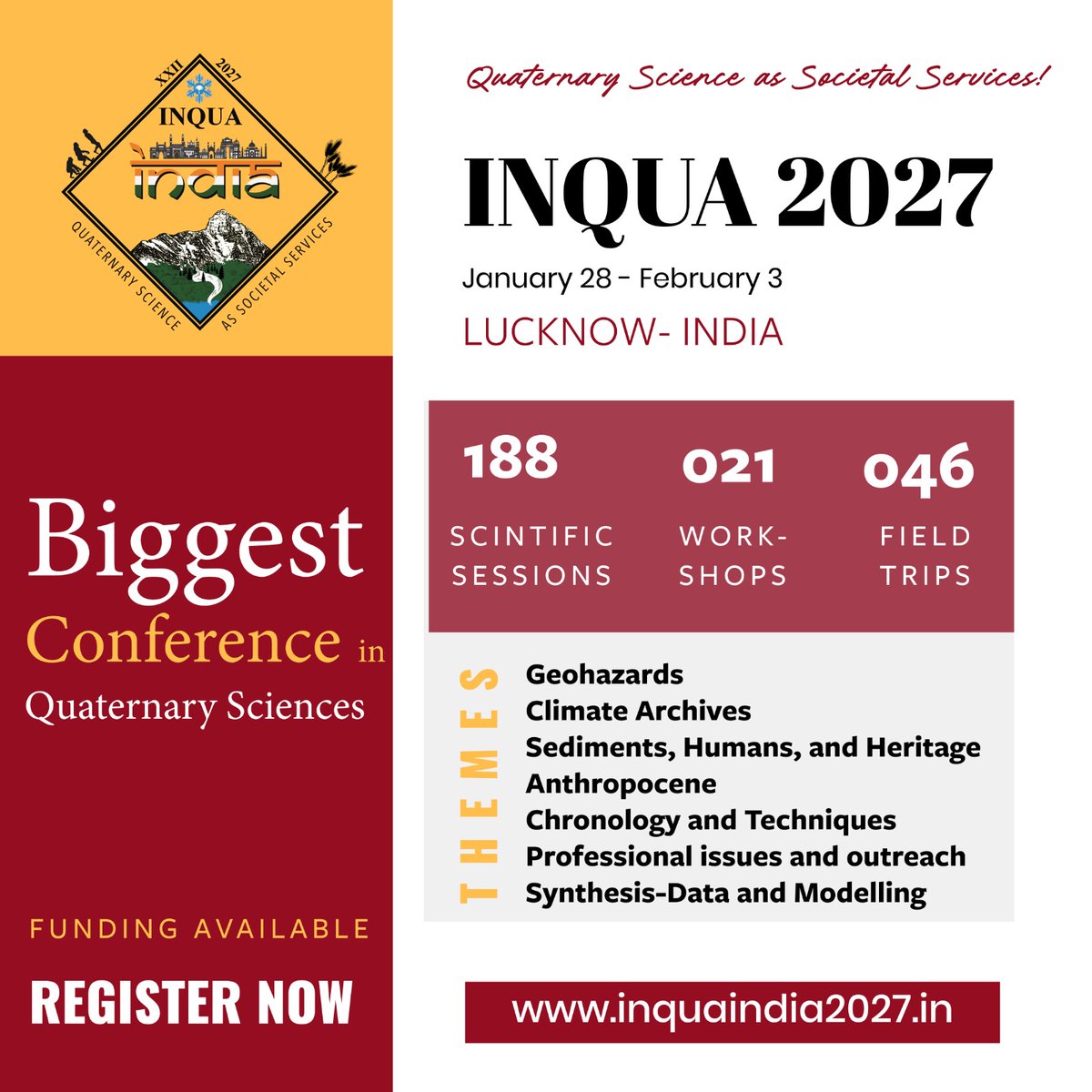
India Hosts the World’s Quaternary Scientists 🗺️
The XXII INQUA Congress 2027 comes to Lucknow, India
📅 28 Jan to 3 Feb 2027
Under the theme “Quaternary Science as Societal Services,” INQUA 2027 brings together global experts to translate Quaternary research into solutions for climate risk, water, food security, health, and sustainability.
From the Himalayas to deserts, deltas, and coasts, India offers a unique natural laboratory for understanding Earth and human interactions through time.
📌 Call for Abstracts NOW OPEN
⏰ Deadline: 15 February 2026
🌍 Be part of the conversation shaping the future of our planet.
@INQUA @AOQRIndia
Website : inquaindia2027.in/
#INQUA2027 #QuaternaryScience #EarthSystemScience #ClimateResearch #Lucknow2027 #GlobalScience
8
12
241

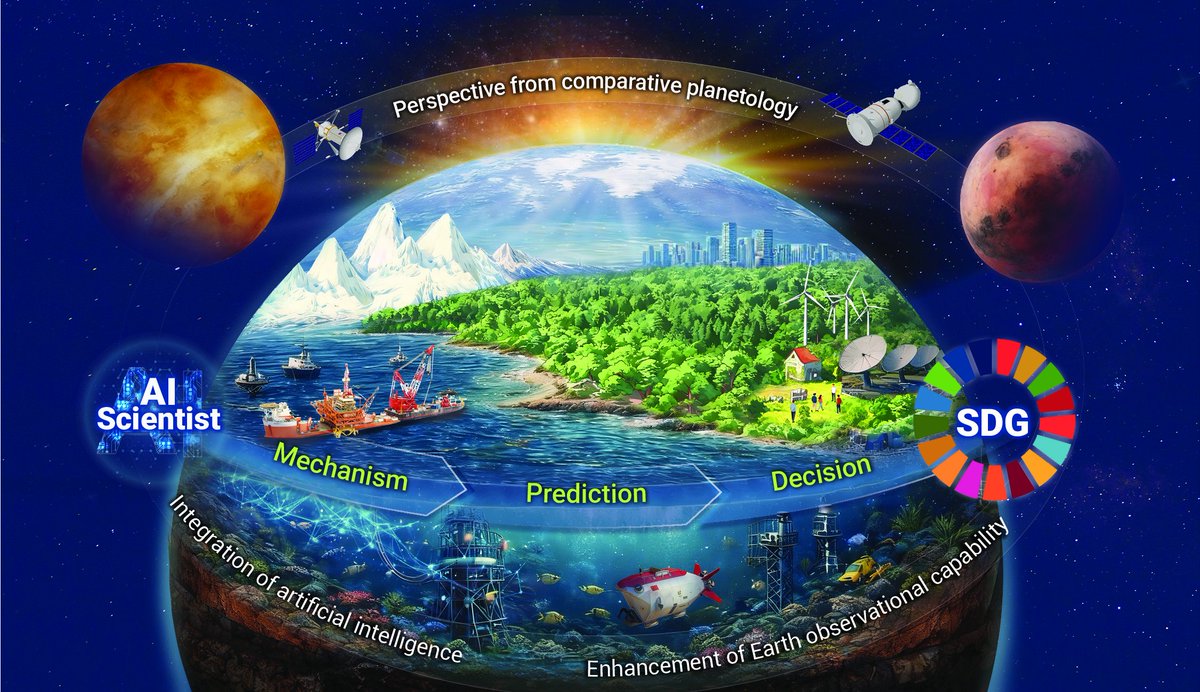
New in The Innovation Geoscience! What’s next in Geoscience?
Geoscience is undergoing a fundamental paradigm shift toward an Earth system science framework. The accelerating environmental change, the growing prevalence of extremes, and the pervasive influence of human activities are exposing the inherent limitations of traditional, component-based, and stationarity-driven approaches to understanding the Earth system.
doi.org/10.59717/j.xinn-geo.…
#earthsystemscience #geoscience #sustainability
2
228

Jan 24
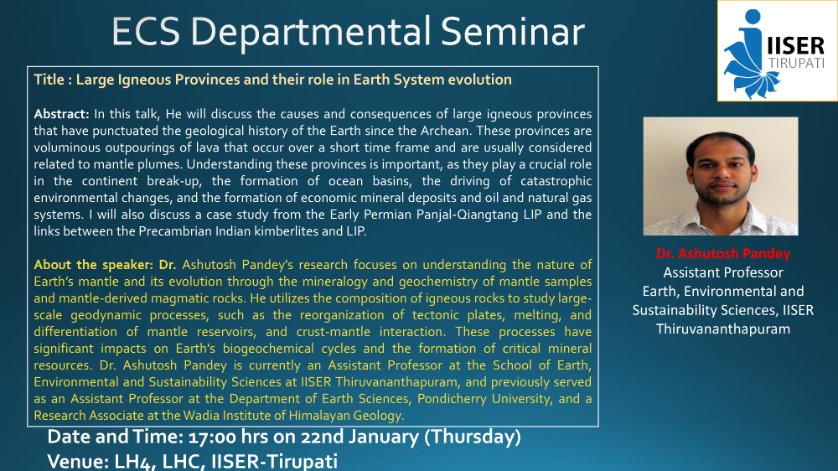
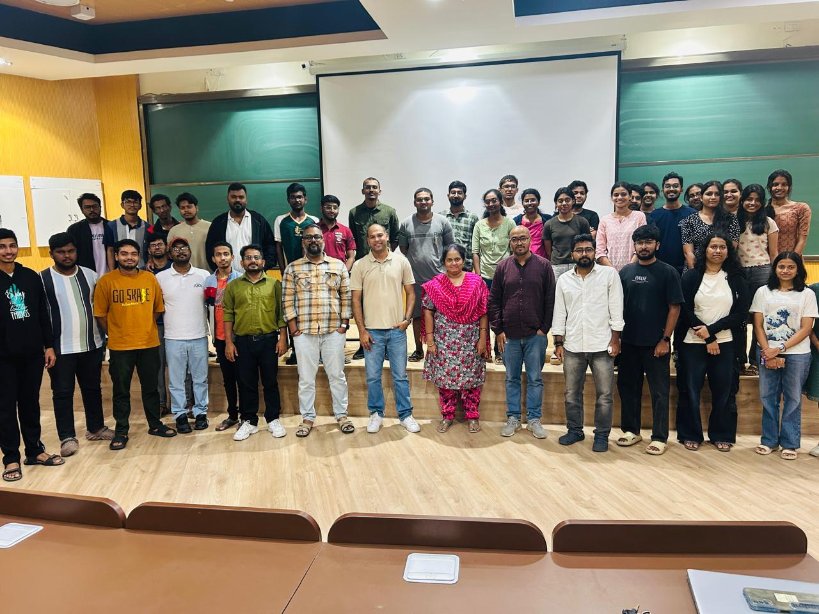
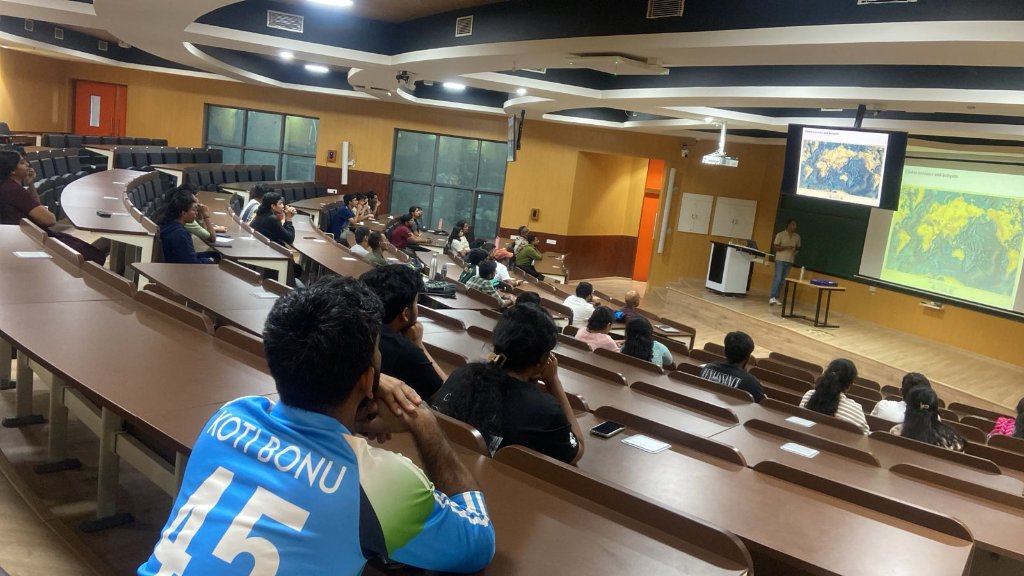
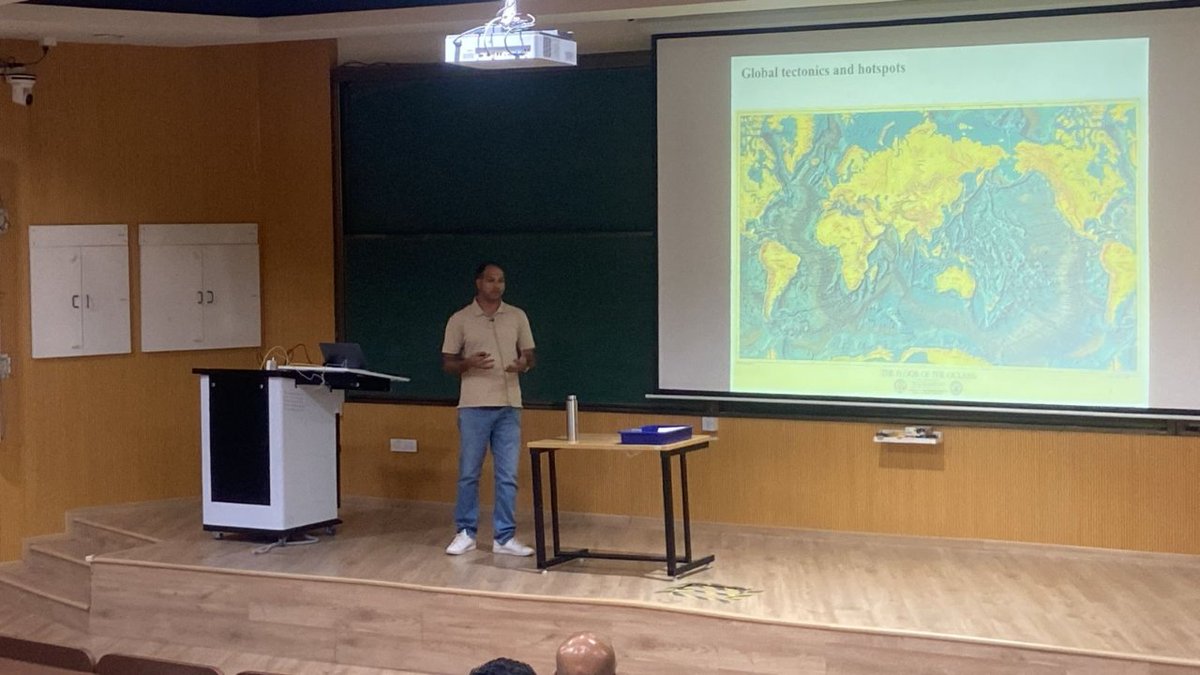
The Dept. of Earth & Climate Sciences organized a seminar on “Large Igneous Provinces and Their Role in Earth System Evolution” on 22 Jan. The talk was delivered by Dr. Ashutosh Pandey (IISER Thiruvananthapuram), highlighting mantle evolution through mineralogical and geochemical studies.
#ECS #EarthSciences #Geoscience #EarthSystemScience #IISER #AcademicSeminar
9
514

7 Nov 2025
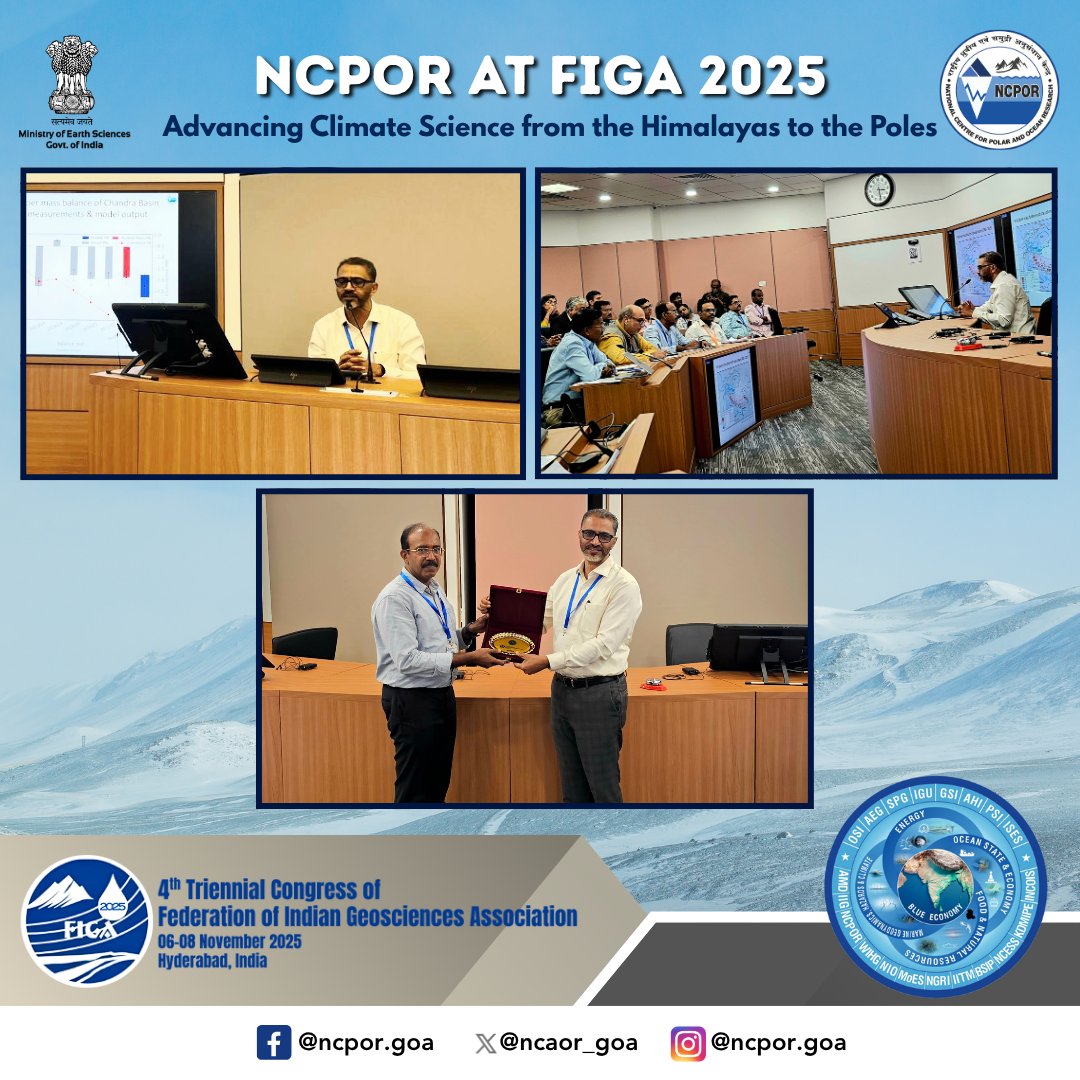
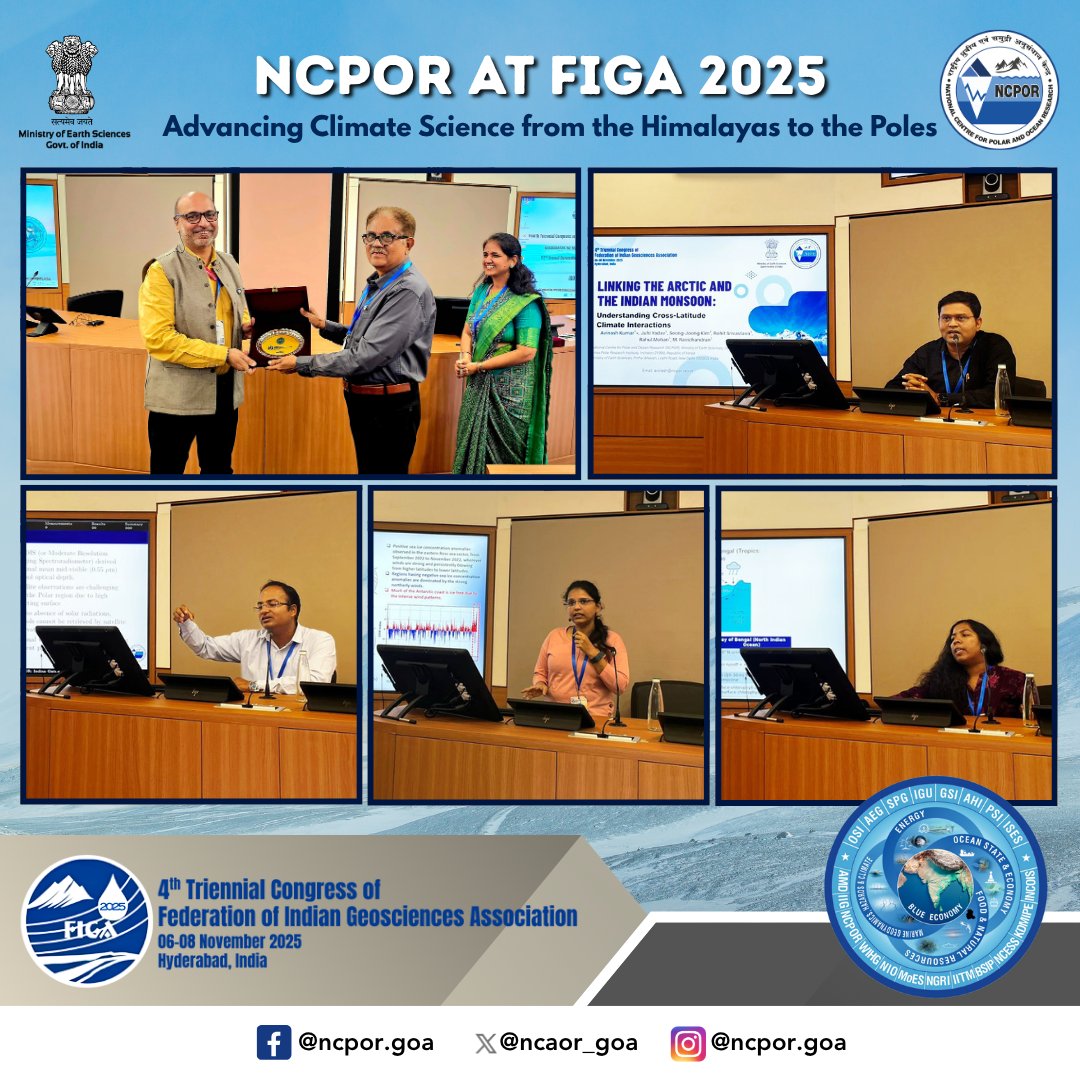
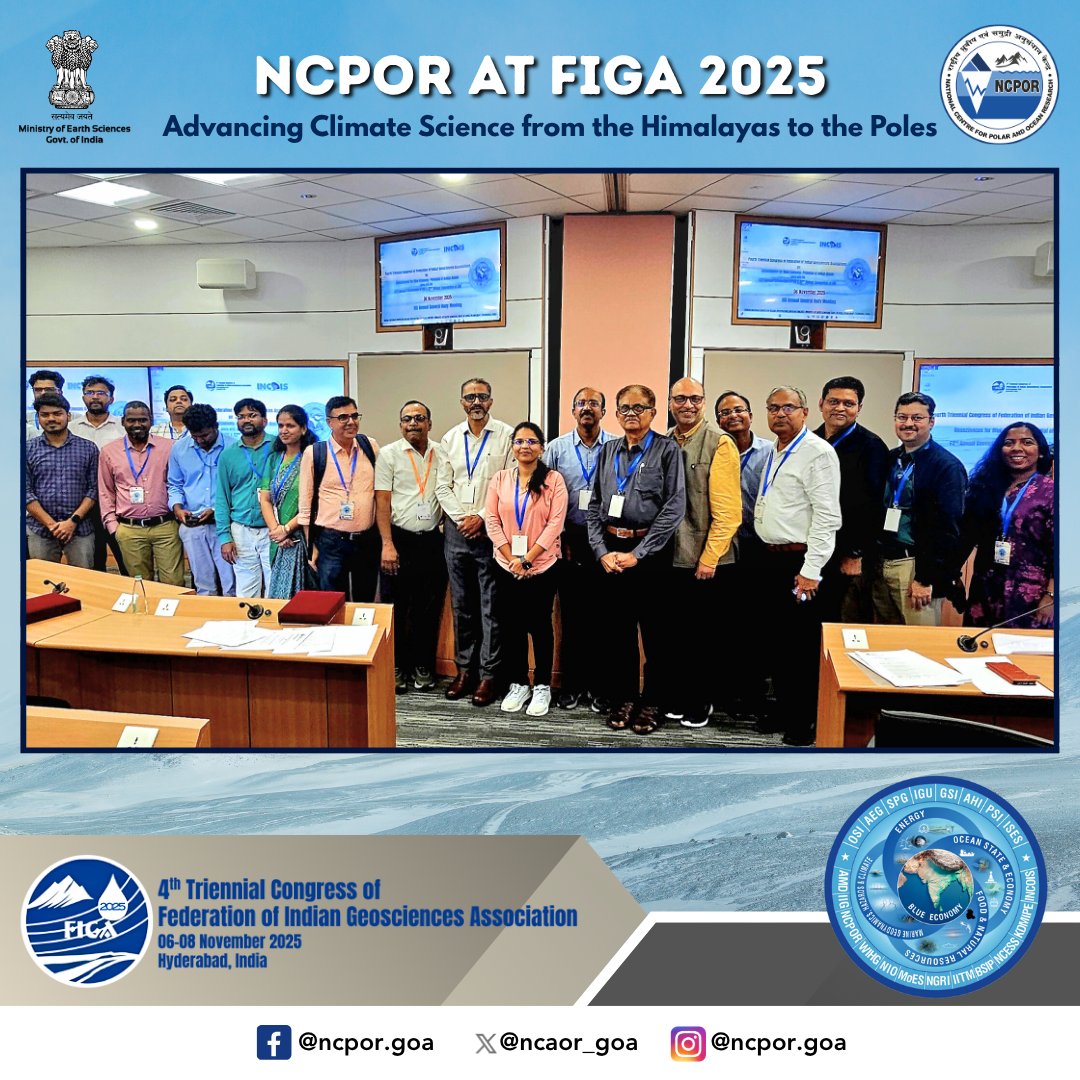
𝐍𝐂𝐏𝐎𝐑 𝐚𝐭 𝐅𝐈𝐆𝐀 𝟐𝟎𝟐𝟓 | 𝐀𝐝𝐯𝐚𝐧𝐜𝐢𝐧𝐠 𝐂𝐥𝐢𝐦𝐚𝐭𝐞 𝐒𝐜𝐢𝐞𝐧𝐜𝐞 𝐟𝐫𝐨𝐦 𝐭𝐡𝐞 𝐇𝐢𝐦𝐚𝐥𝐚𝐲𝐚𝐬 𝐭𝐨 𝐭𝐡𝐞 𝐏𝐨𝐥𝐞𝐬
NCPOR made a strong scientific presence at the Fourth Triennial Congress of the Federation of Indian Geosciences Association (FIGA 2025) held at INCOIS, Hyderabad, from 6–8 November 2025.
Dr. Thamban Meloth, Director, NCPOR, delivered the Keynote Talk on “Himalayan Cryosphere and Rising Hazards in a Changing Climate” during the Climate Change session chaired by Dr. Suryachandra A. Rao (Director, IITM) and convened by Dr. C. Gnanaseelan (OSI) and Dr. Rahul Mohan (Scientist G and Group Director, Polar Sciences, NCPOR).
The session also featured four research presentations by NCPOR scientists, highlighting diverse aspects of cryospheric changes, polar–tropical climate linkages, and ocean–atmosphere interactions, reaffirming NCPOR’s pivotal role in advancing understanding of the Earth’s interconnected climate systems — from the Himalayas to the Poles.
#NCPOR #FIGA2025 #INCOIS #IITM #cryosphere #climatechange #PolarResearch #oceanscience #geoscienceindia #earthsystemscience
@DrJitendraSingh
@moesgoi
@Ravi_MoES
@TMeloth
@ESSO_INCOIS
@iitmpune
@PIB_India
@PIB_Panaji
3
5
314

18 Oct 2025
Lumenis IO is developing new frameworks for real-time planetary analytics — integrating seismic, geomagnetic, and atmospheric data into unified strain models.
#Geophysics #EarthObservation #ClimateData #Seismology #RemoteSensing #DataScience #AIResearch #QuantumComputing #EarthSystemScience #ResearchCollaboration
1
1
2
90

14 Oct 2025
How one Earth system scientist mastered climate science communication
How do you make complex climate science click with the public? For Zack Labe ’20 (Ph.D., Earth System Science, UC Irvine), the answer is simple: let the data speak.
From tracking snowstorms as a kid in Pennsylvania to studying Arctic sea ice at UC Irvine, Zack has always been fascinated by the patterns that shape our planet. Now a climate scientist at Climate Central, he’s turned his passion into a mission — transforming raw data into striking visuals that help thousands understand climate change in real time.
ps.uci.edu/news/3388
#UCIPride #ClimateScience #EarthSystemScience #UCAlumni #ClimateCommunication #ArcticResearch #ClimateData #UCIResearch

3
5
30
2,380

14 Oct 2025
Tenure Track Assistant Professor - Earth System Science - Mt Pleasant, MI, USA - earthworks-jobs.com/job?id=1… - #jobs #facultyposition #assistantprofessor #earthsystemscience #EnvironmentalChange #EnvironmentalDataScience #EarthSystemProcesses #CriticalZoneScience
3
455
27 Aug 2025
PhD position on Modelling of Ocean Alkalinity Dynamics (4 years) - Utrecht, Netherlands - earthworks-jobs.com/marine/u… - #jobs #research #PhD #EarthSciences #Oceanography #Climate #Sciences #earthsystemscience
2
662

6 Aug 2025
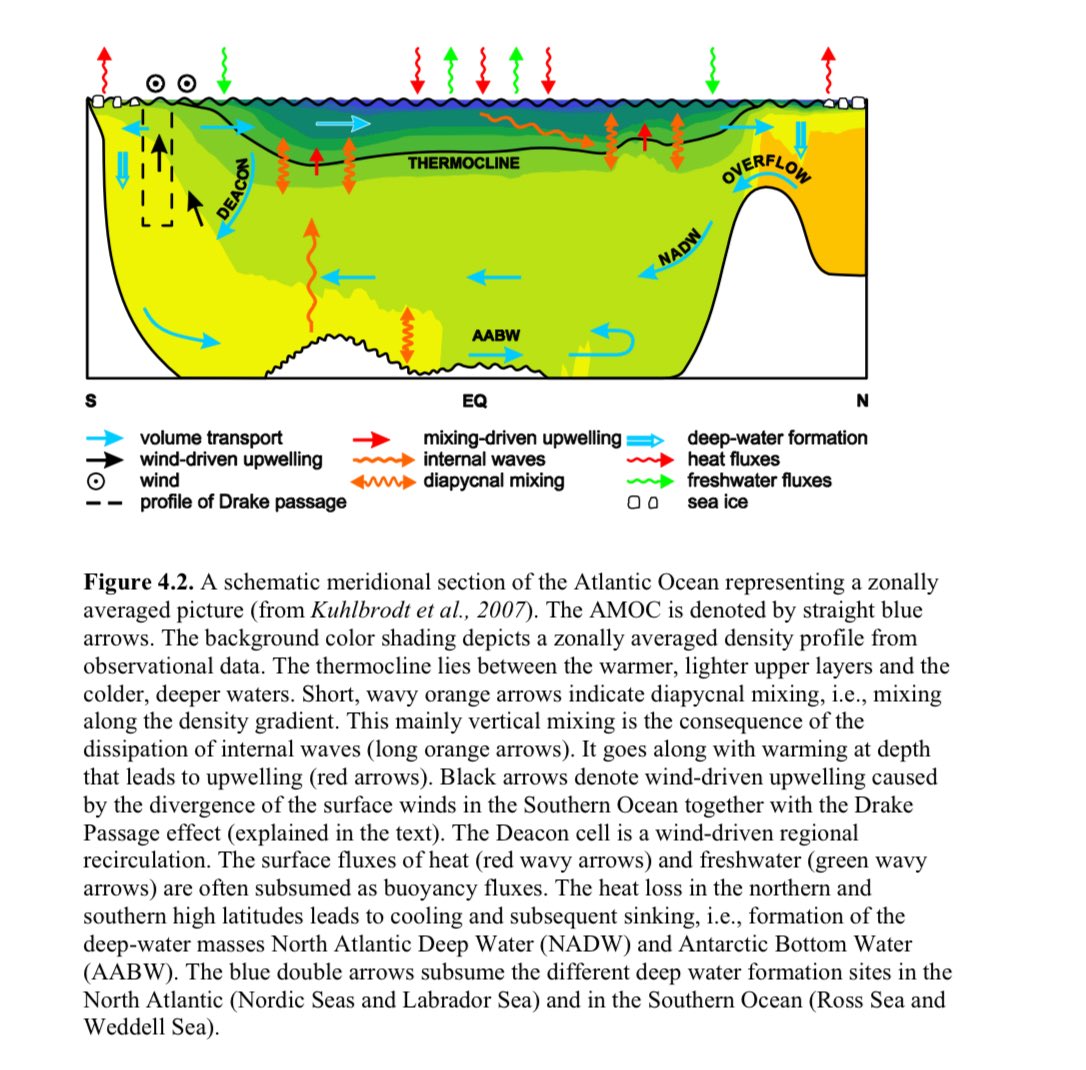
Stop Fearing Earthquakes. Start Watching the AMOC.
Everyone wants to talk about earthquakes as the big global threat. But here’s the reality: earthquakes are symptoms. What we should be watching is the Atlantic Meridional Overturning Circulation—the AMOC. That’s the first real signal that the Earth system is tipping.
The last time Earth underwent a sudden climate destabilization was the Younger Dryas, ~12,800 years ago. It was not triggered by an earthquake. It was triggered by a massive injection of freshwater into the North Atlantic, which disrupted the AMOC.
That one collapse didn’t just cool Europe. It altered monsoons, rainfall bands, jet stream patterns, and ice sheet feedbacks globally. It set off a chain reaction that took centuries to recover from—especially in the tropics and western Pacific. Not decades. Centuries.
The 2015 Nature Communications study from Partin et al. confirmed what many had assumed: the AMOC is the core switch. In Greenland, the cooling and warming phases took decades. In the tropical Pacific and monsoon zones, the hydrological collapse lasted over 500 years. That means when the AMOC goes, the full chain reaction takes time to unfold—but once it starts, it’s irreversible.
Now, look around.
The AMOC is already weakening. This isn’t speculation—it’s confirmed by oceanographers, GRACE satellite mass data, and sea surface salinity records. Greenland is dumping freshwater into the North Atlantic at an accelerating rate. That’s exactly what triggered the last collapse.
Meanwhile, the same signals from 12,800 years ago are reappearing:
– Mass loss over Greenland and Antarctica
– Jet stream destabilization and polar blocking
– ITCZ migration and monsoon failure
– Southern Ocean overturning slowdown
– Accelerating albedo decline from sea ice and cloud collapse
– Record-breaking marine heatwaves
– Weakening Atlantic salinity gradient
This isn’t one region destabilizing. This is Earth’s rebalancing mechanism failing at the structural level. CDIGR theory describes this not as random climate chaos, but as a planetary torque response—an internal system under pressure from mass redistribution, crustal rebound, and angular momentum drift.
And again: earthquakes are not the start. They’re the release valves. They follow the reorganization of pressure deep inside Earth. The true trigger is the shifting of water, ice, and energy across hemispheres—what drives the torque imbalance in the first place.
We are not “due” for the next rupture. We are inside of it. We are watching the AMOC fracture in real time, and the longer it takes to fully collapse, the more extreme the eventual response will be.
Ask yourself this: why are mainstream models more focused on projecting regional temperature trends than preparing for a collapse in the circulation system that keeps the Northern Hemisphere habitable?
Why are models consistently underestimating the hydrological feedbacks that are now appearing globally?
Why are abrupt transitions in paleoclimate treated as outliers, when they may be the dominant form of Earth system rebalancing?
We have the data. We have the paleoclimate records. We even have real-time indicators from satellites and buoys.
The collapse of the AMOC won’t begin with a bang. It begins with a drift in salinity, a shift in cloud cover, a weakening gradient—and ends with centuries of cascading failures across every major climate zone on Earth.
If you’re watching for the next earthquake, you’re watching the aftershock.
Watch the water. Watch the circulation. Watch the AMOC.
Because once that breaks, everything else follows.
#AMOC #YoungerDryas #ClimateCollapse #EarthSystemScience #GRACEdata #JetStream #TippingPoints #CDIGR #MassRedistribution #NoOneIsTalkingAboutThis #ZeroReport
33
108
439
18,240

23 Jul 2025
The Scrubber-Circulation Convergence Hypothesis
Why Discharging Toxic Effluent Along Earth’s Climate Arteries Is a Ticking Time Bomb
⸻
🧭 1. Ocean Currents = Earth’s Climate Engine
Earth’s thermohaline circulation—the global ocean conveyor belt—regulates planetary climate by redistributing heat, carbon, and nutrients. Key currents like the Agulhas, Kuroshio, North Atlantic Drift, and East Australian Current are foundational to cloud formation, plankton growth, and CO₂ absorption.
➡️ #ThermohalineCirculation #ClimateEngine #OceanCurrents #EarthSystemScience #AMOC
1
2
6
1,636

23 Jul 2025
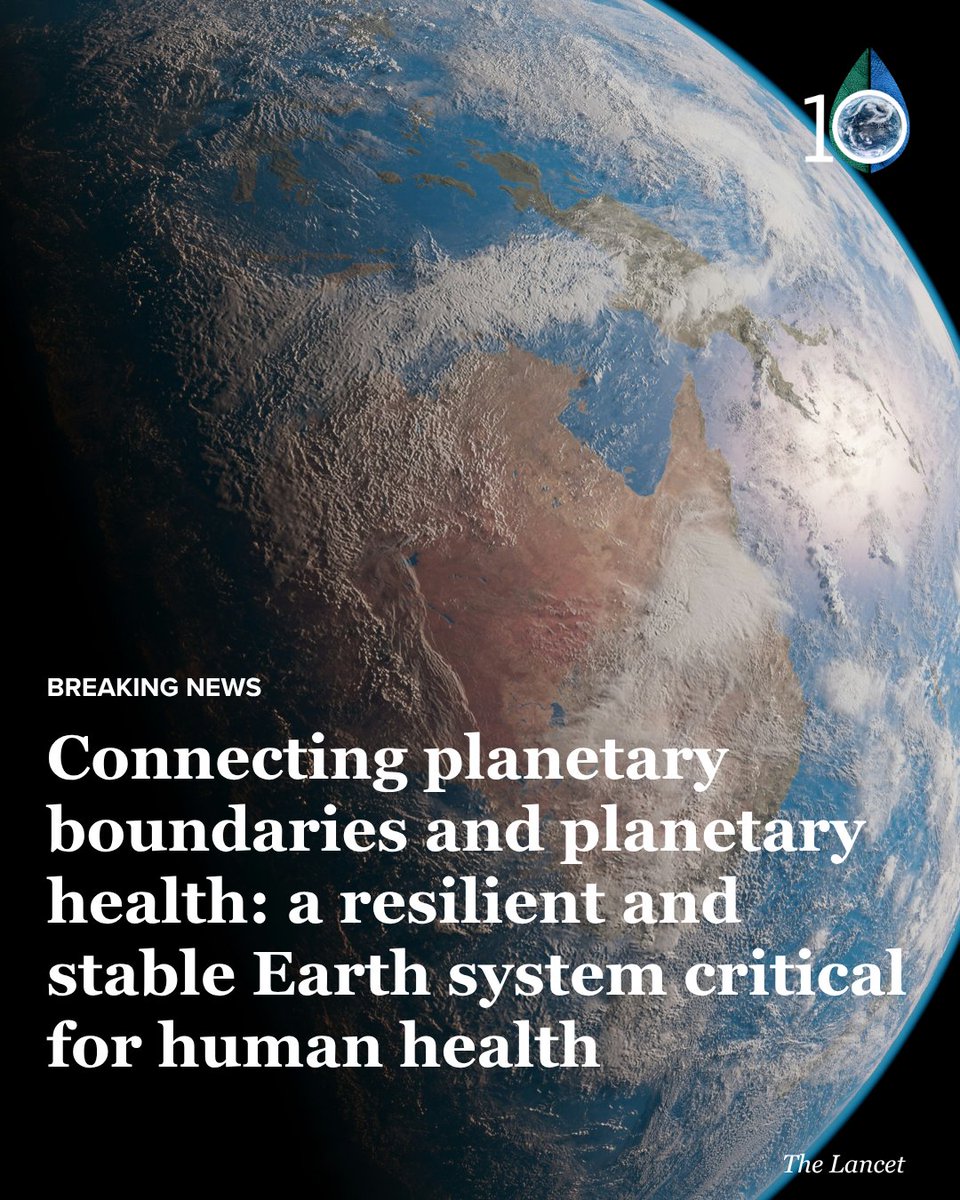
Health experts see the impacts of environmental change on human health. A new @TheLancet commentary calls for a bold next step: aligning #EarthSystemScience & #PlanetaryHealth to systematically connect Earth system stability with human health.
📖 hubs.li/Q03yp7t20
1
2
6
210