
The AI-native Banking OS | Turn fragmented systems into a Unified Frontline where customers, agents and employees work together as one.
Joined July 2008
- Tweets 4,909
- Following 250
- Followers 4,426
- Likes 257
1,848 Photos and videos







AI in Banking news rundown:
1. Robinhood Launches AI Agents for Stock Trading and an Agentic Credit Card
Robinhood on May 27 launched two agentic products: an AI trading agent that can autonomously execute equity trades on a customer's behalf, and a credit card whose spending decisions can be delegated to an AI agent. The move puts Robinhood ahead of every major retail bank in deploying autonomous, customer-facing financial agents at scale. Users set parameters and the agent acts without requiring per-transaction approval. This is the first mainstream US brokerage to hand execution authority - not just recommendations - to an AI model.
2. ING Is Using Vibe Coding AI to Build Its New Trading Systems
ING disclosed on May 26 that it is using so-called vibe coding - where engineers describe intent in natural language and AI generates working code - to build production trading infrastructure. The bank has not named the specific model stack but confirmed the approach is live in development pipelines, not a pilot. ING joins Goldman Sachs and JPMorgan in deploying AI-generated code in core financial systems, but is the first European bank to publicly confirm vibe coding at the trading-system level. The shift compresses delivery cycles that historically ran 12-18 months for comparable infrastructure.
3. BNP Paribas Partners With Mistral to Prepare for Mythos-Class AI Models
BNP Paribas confirmed on May 26 it is working with French AI lab Mistral to build internal infrastructure capable of running frontier reasoning models comparable to Anthropic's Mythos. The partnership is positioned as a sovereignty play - keeping sensitive banking data on European models rather than routing through US hyperscaler APIs. BNP has not disclosed contract value, but the tie-up directly mirrors the Anthropic Mythos story from May 19, when US regulators delayed bank cyberattack tests because Mythos outperformed the red-team scenarios. BNP's move signals that Tier 1 European banks are racing to have model-ready architecture before the next generation of reasoning AI ships.
4. Alipay Launches AI Wallet and Token Pay to Power Agentic Economy
Alipay on May 26 announced AI Wallet and Token Pay, a next-generation payment infrastructure designed explicitly for AI agent-to-agent transactions rather than human-initiated payments. Token Pay allows AI agents to hold, spend, and transfer funds autonomously within permissioned bounds set by the account holder. The infrastructure targets the emerging agentic economy where software agents book services, pay invoices, and settle micro-transactions without human confirmation at each step. Alipay serves over 1.3 billion users and the move positions Ant Group as the default payments rail for agentic commerce in Asia before Western incumbents have published specs.
5. Anthropic Mythos Prompts US Regulators to Delay Bank Cyberattack Tests
US bank regulators postponed scheduled cyberattack simulation exercises in mid-May after Anthropic's Mythos reasoning model demonstrated capabilities that exceeded the assumptions built into existing red-team scenarios, according to Bloomberg reporting on May 19. The delay affects multiple large US banks that were due to run DFAST-adjacent resilience tests. Regulators have not given a rescheduled date and are reportedly consulting with AI labs to rebuild threat models. It is the first documented case of a new AI model forcing a formal pause in US bank supervisory activity.
#news #banking #aibanking #artificialintelligence
113
Backbase retweeted

13 Jun 2025
Legacy systems, siloed data, and slow rollouts hold banks back. Marc Corbett of @backbase explains how smart AI strategy can turn these obstacles into growth drivers. Watch the latest episode here: youtu.be/JJ6IrHKBufg
3
4
4
1,066
Backbase retweeted

22 May 2025
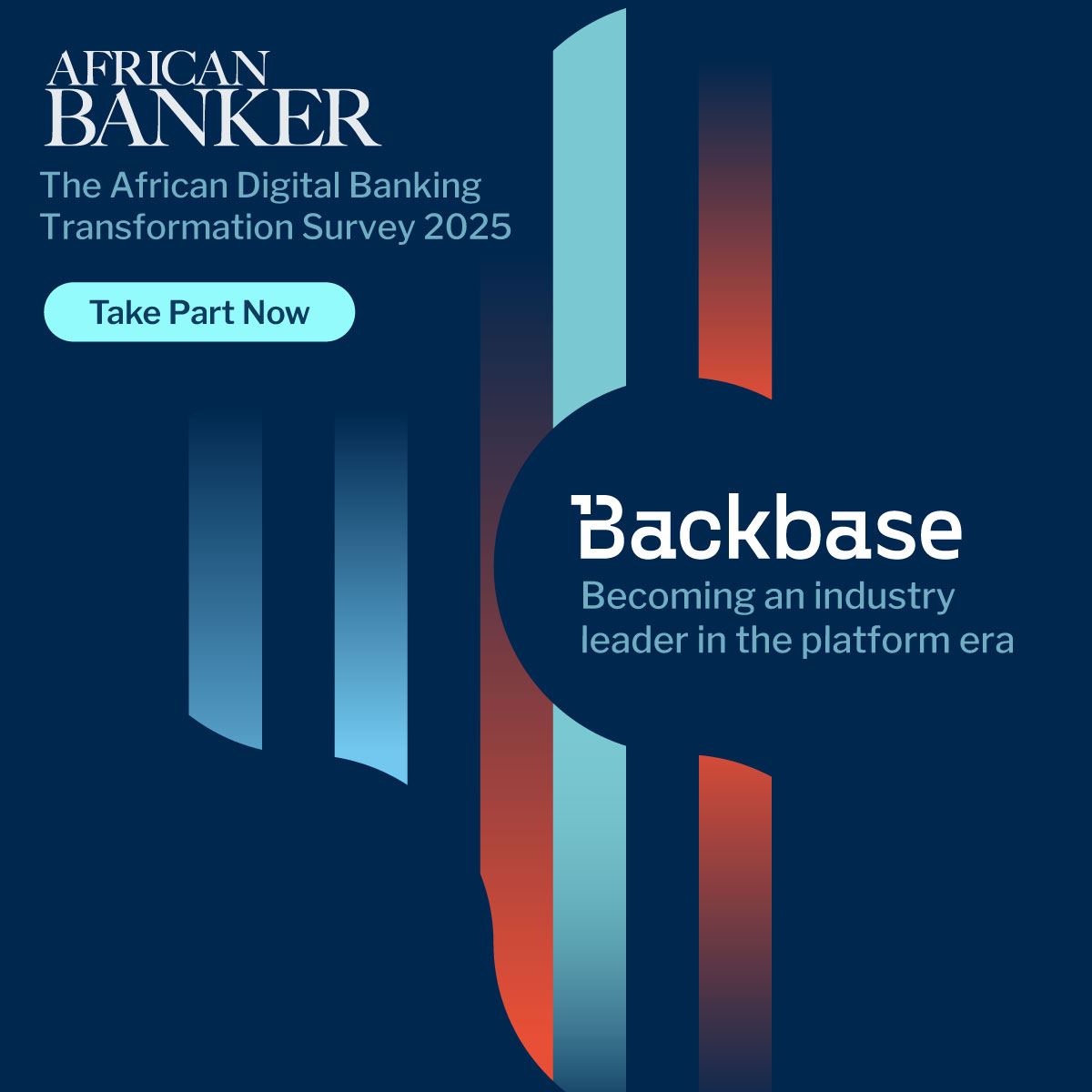
Help shape the future of digital banking in Africa.
@BankerMagazine, in collaboration with @backbase, is conducting the African Digital Banking Transformation Survey 2025.
Your insights will help benchmark progress and guide the next wave of innovation.
📊 Participate now: lnkd.in/eTRaYTxg
#DigitalBanking #AfricanBanking #Fintech #Innovation #BankingTransformation
1
5
77,457
Backbase retweeted
22 May 2025
Commercial and wealth clients are often overlooked in the digital banking revolution. Alex Jimenez of @backbase explains why that needs to change fast. Watch the full episode: youtu.be/a4nwsOWx6eo
1
2
2
761
Backbase retweeted
24 Apr 2025
[New Episode] Unlocking Banking's Growth Mode with Tim Rutten, CMO of @backbase. Watch the full episode here: youtu.be/FUJDzUTQnUg
1
4
2
930
For many banks, the challenge isn’t just adopting AI—it’s adopting it responsibly, within regulatory frameworks, and aligning it with business goals. Want to learn more about how AI is changing the game for banks and gain insights from Microsoft backbase.com/blog/innovation…
1
477
What is agentic AI? How are banks using it? And how can you implement it at your bank? Listen to Episode 29 of 'Banking Reinvented' to find out! backbase.com/insights/podcas…
2
389
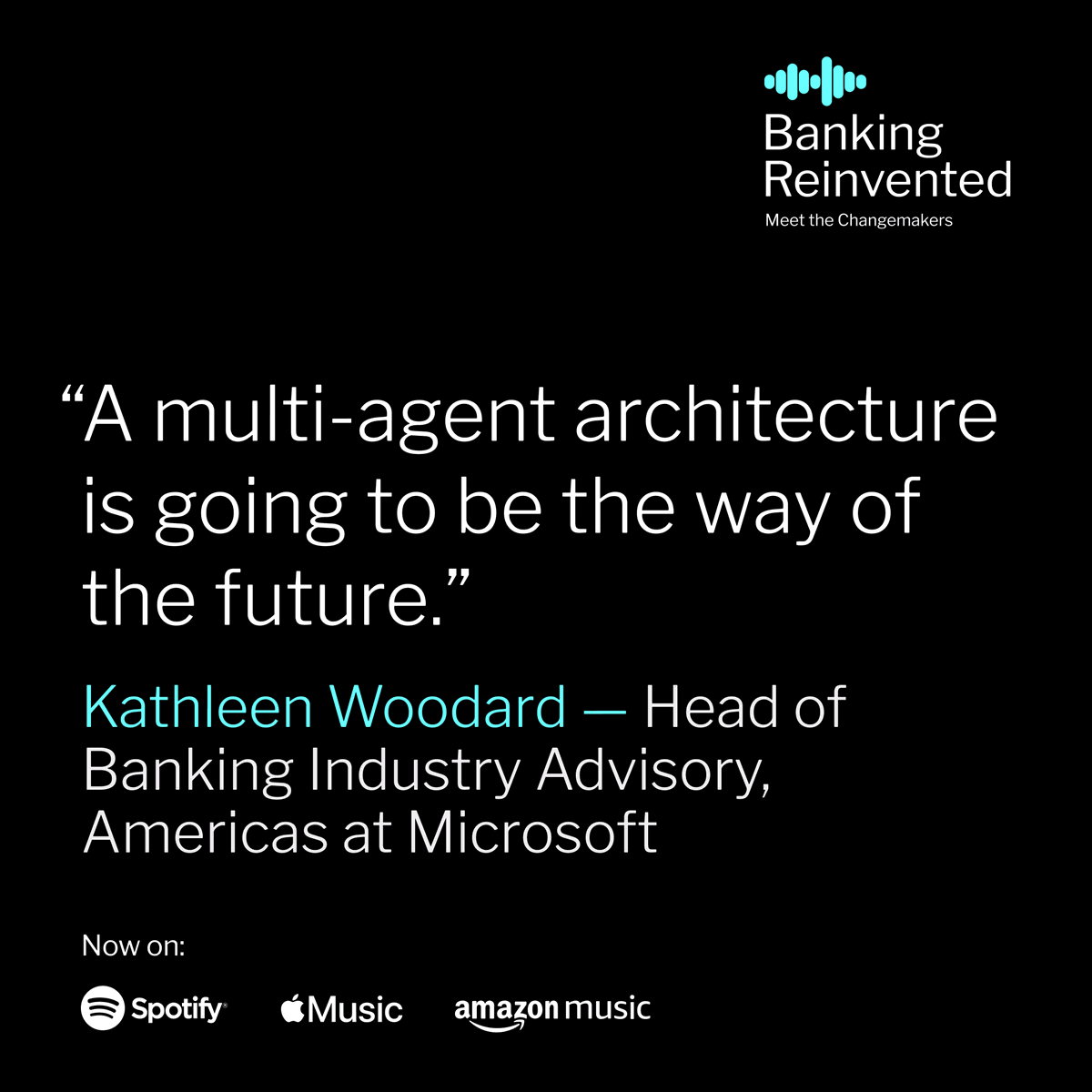
The debate has always been about “buy vs. build” — but not anymore. We asked Kathleen Woodard, who leads Microsoft’s industry advisory team for banking in the Americas, how adopting a platform approach enables more build capabilities backbase.com/insights/podcas…
2
340
In the latest episode of Banking Reinvented, Tim Rutten sits down with Kathleen Woodard, Head of Banking, Industry Advisory, Americas at Microsoft, to explore the transformative power of AI in banking. 🎧 Listen now backbase.com/insights/podcas…
1
1
318
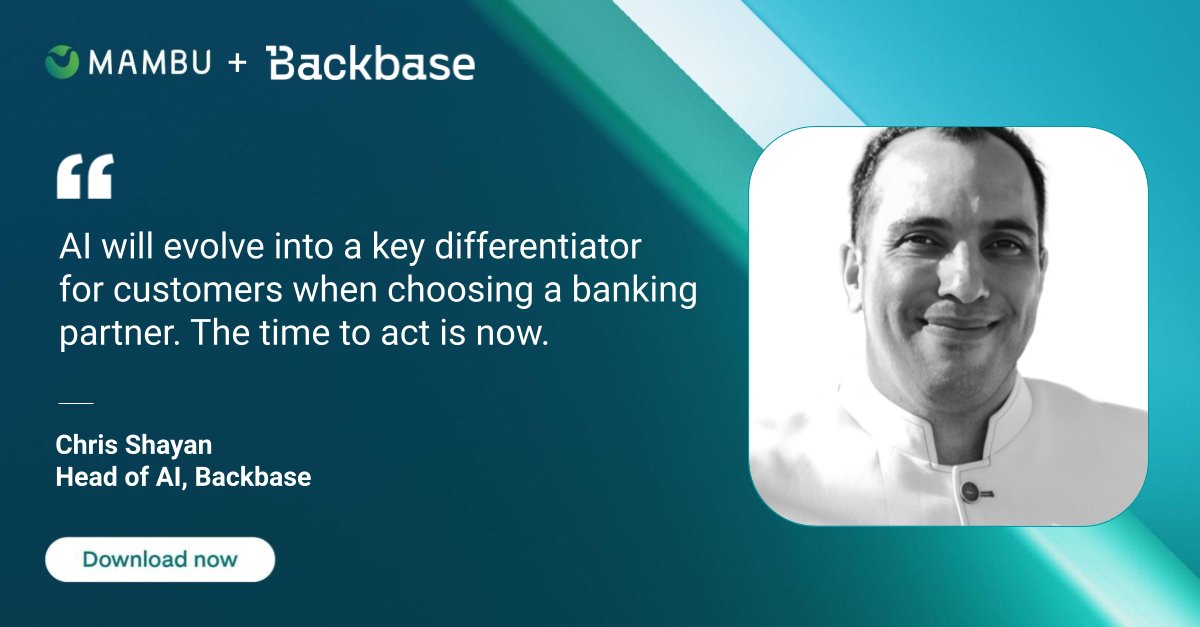
🔍 How can banks stand out in 2025? Chris Shayan, Backbase's Head of AI, shares his take in Mambu's 2025 Partner Predictions Report 👉 hubs.ly/Q02_6ccR0 #fintech #predictions2025
1
365
💥 1 day to kickoff! Banking leaders from the Middle East and Africa are gathering in Dubai to reimagine customer experiences. With bold keynotes and panels, this is where banking innovation comes alive. See you tomorrow! #BackbaseENGAGE backbase.com/events/backbase…
1
372
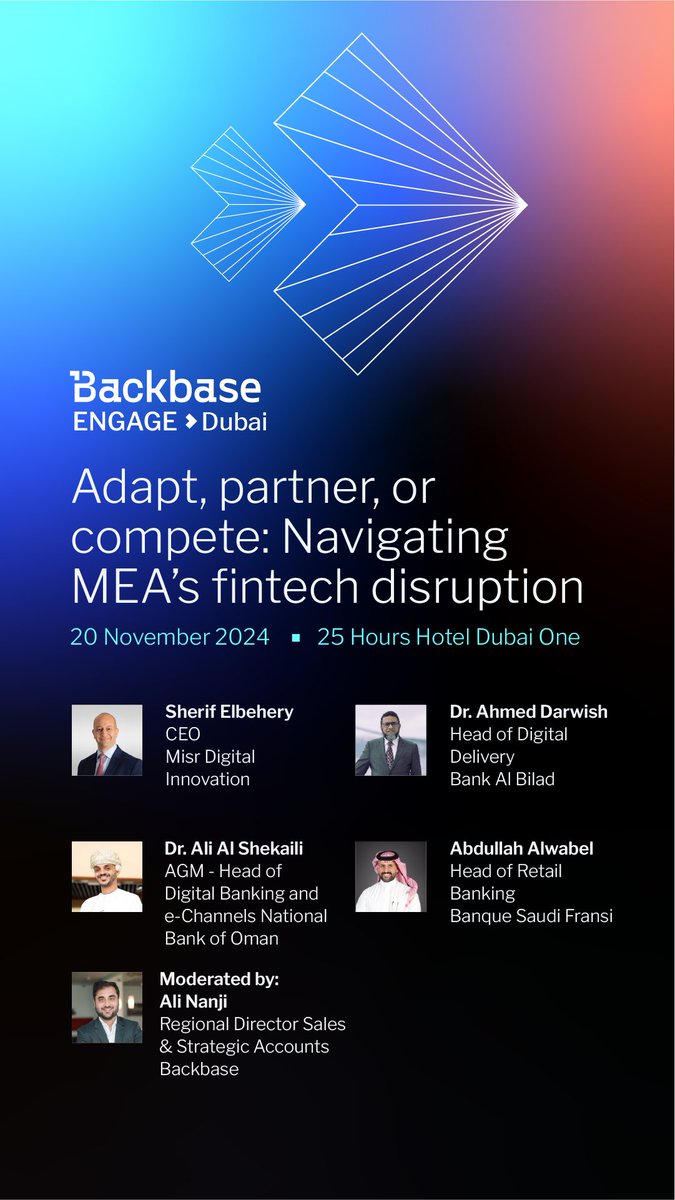
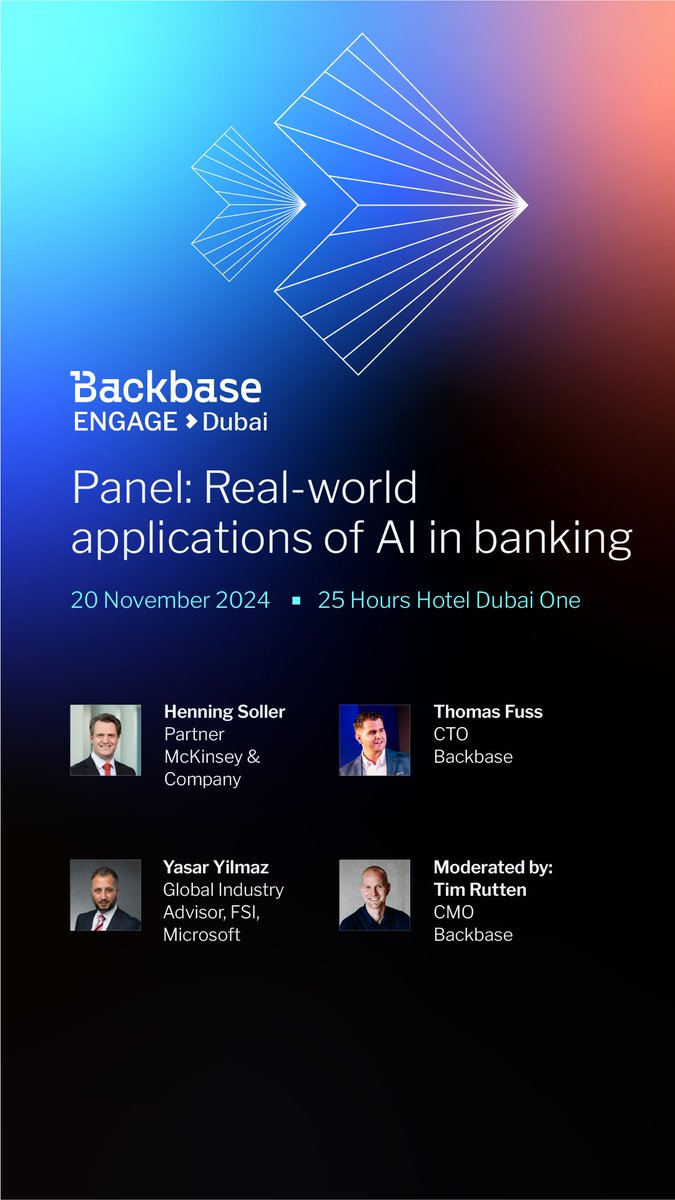
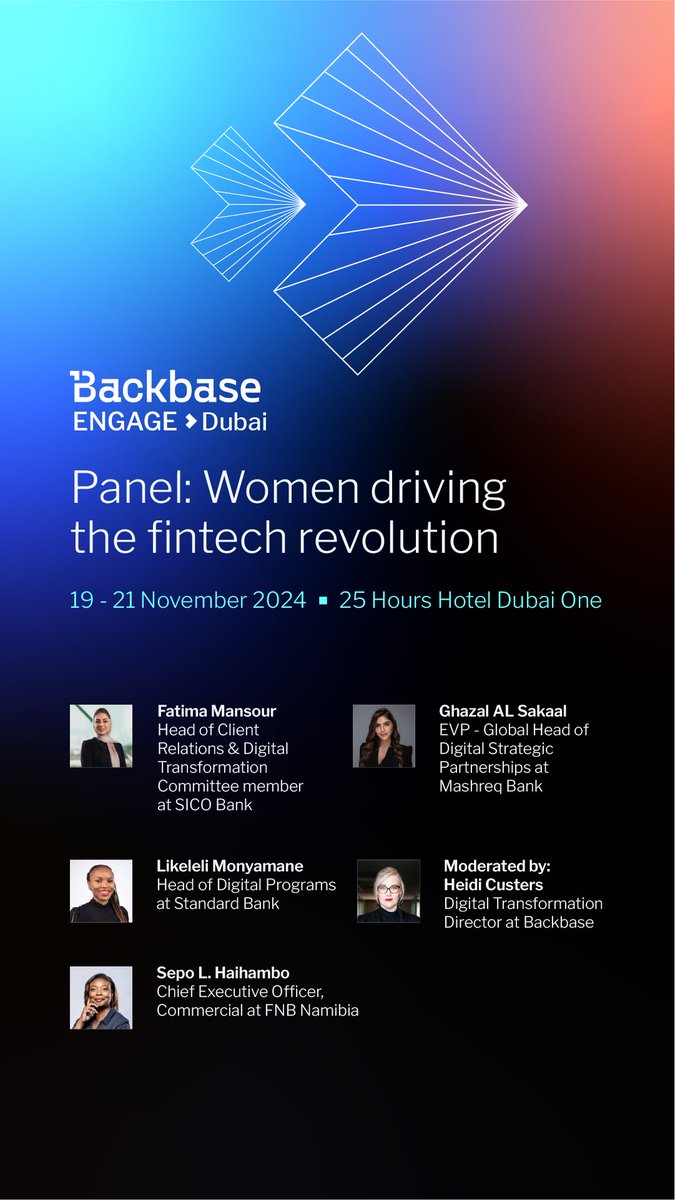
🚨 One week to go! #ENGAGEDubai packs three insightful panels into a single day, with leaders discussing AI, fintech, and SME banking strategies for MEA. Be part of the conversation on 20 November—register today! backbase.com/events/backbase…
1
2
306
Our journey with I&M Bank continues! 💪 From pioneering digital onboarding to seamless SME solutions, we’re thrilled to drive even more customer-focused innovation across all banking segments.
Check out the press release: ow.ly/2VUx50TUsMa
1
2
279
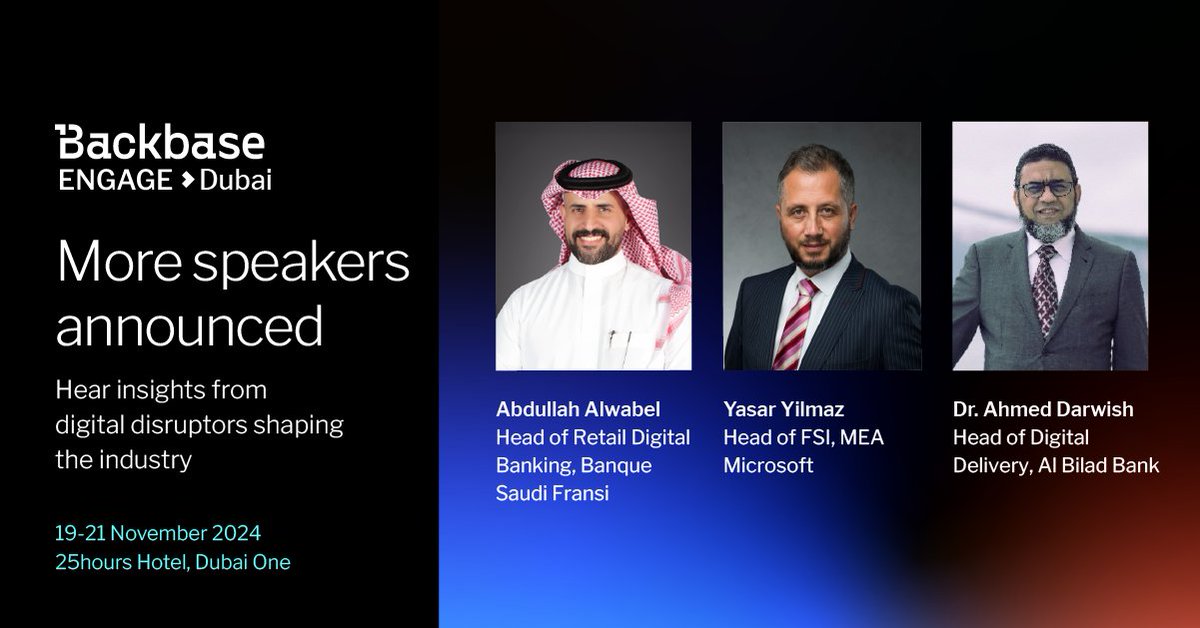
Big names, bold ideas 🔥 We're bringing industry leaders to ENGAGE Dubai 2024 to share their insights on digital transformation, customer engagement, and the next era of banking.
👉 Don’t miss out—register now: backbase.com/events/backbase…
1
223
Yalla, Dubai is calling! ✈️ On Nov 19-21, ENGAGE Dubai 2024 will bring together the boldest minds in banking. Get ready for fresh insights, innovations, and connections that’ll elevate your bank. 🎟️ Secure your spot now! ow.ly/rMiM50TQuXu
1
1
268
We're headed to Serbia as gold sponsors for #Technobank2024! 🎉 Learn about #progressivemodernization with Backbase & see how we empower banks to innovate with speed. ⚡
1,723
Thomas Fuss, CTO of Backbase, provides exclusive insights into the shift from Traditional to Engagement Banking. Learn why Backbase is extending its reach to SMBs and the seamless compatibility of their platform. 🌐💻
thefr.com/news/the-ethos-and…
#DigitalTransformation
1
2
1,269
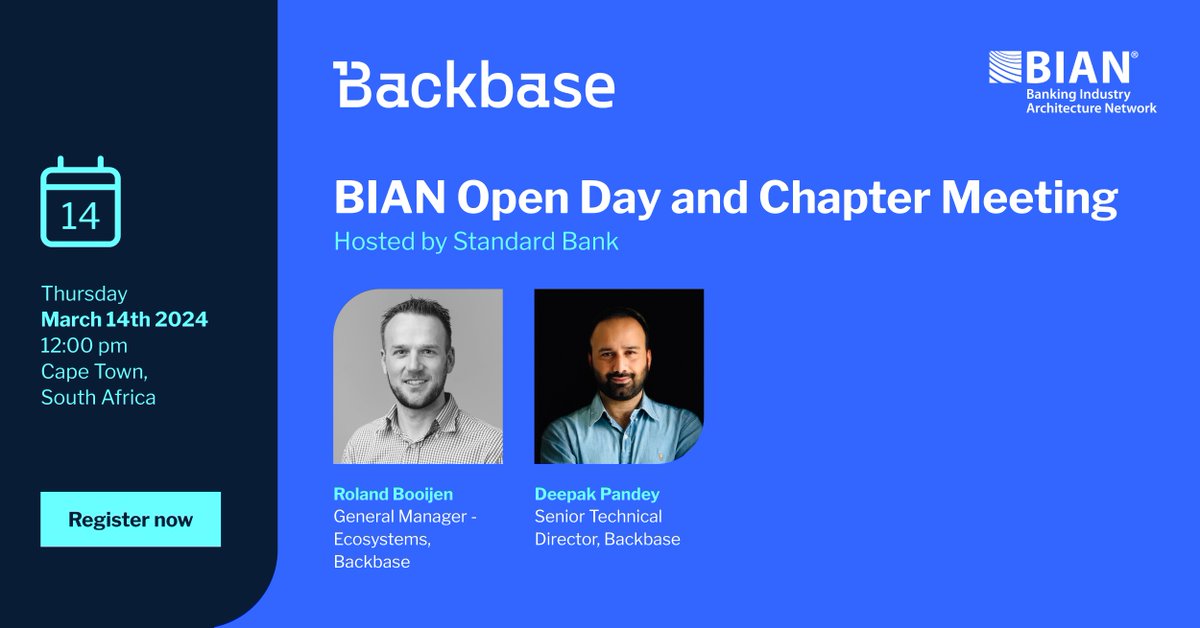
Catch us in Cape Town! 🇿🇦 Join Roland Booijen & Deepak Pandey at the BIAN Open Day to discover how we're helping banks tackle integration challenges head-on.
Grab your spot before it's too late – registration ends 29 February! ow.ly/KVs650QIhp3
664
Curious about the highlights from our recent webinar, "Banking in Europe: Navigating the Digital Imperative for Modernization"? Explore our latest blog post for a detailed summary of key takeaways. backbase.com/blog/perspectiv…
1
496