
Joined June 2008
- Tweets 51,869
- Following 1,359
- Followers 5,640
- Likes 17,018
5,696 Photos and videos




Pinned Tweet

Apr 1
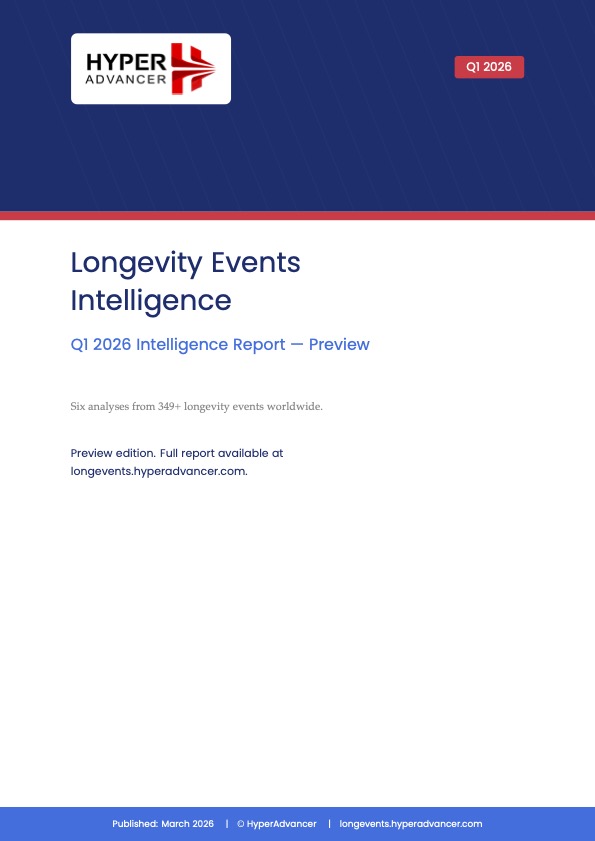
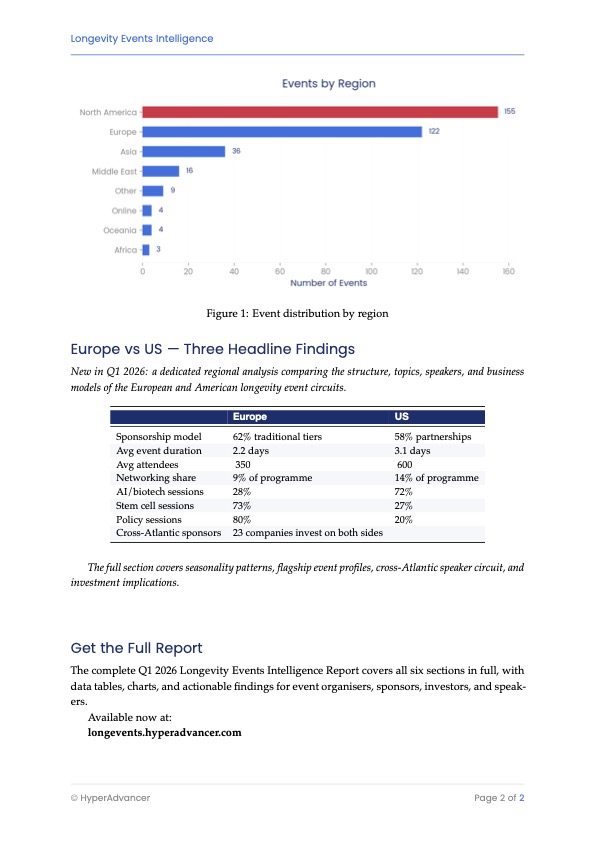
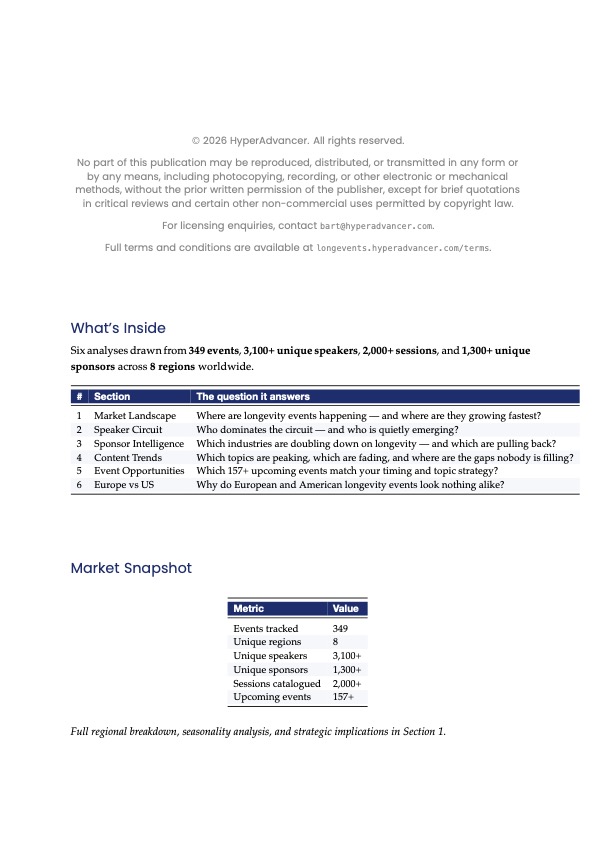
The Q1 2026 Longevity Events Intelligence Report is live.
349 events. 3,100 speakers. 6 analyses. New this quarter: Europe vs US Regional Analysis.
Three findings:
1️⃣ EU peaks June October (academic-led); US spreads year-round (C-suite-heavy)
2️⃣ 70 speakers active on both sides of the Atlantic
3️⃣ 66 events this quarter; North America 56%, Europe 23%, Asia 12%
longevents.hyperadvancer.com…
1
1
1,364
6h
Specialist clinical AI tools are being outperformed by general-purpose models on medical benchmarks. That's the finding worth sitting with.
A 1,000-item benchmark mixing medical knowledge and clinician-alignment tasks put GPT-5, Gemini 3 Pro, and Claude Sonnet 4.5 against OpenEvidence and UpToDate's Expert AI. Generalist models won consistently. GPT-5 came out on top.
This isn't a straightforward win for generalist AI. It raises an uncomfortable question about whether clinical tools are being held to a rigorous enough standard before deployment.
What does it mean for the market if purpose-built clinical AI can't keep pace with models never designed for medicine?
4
2
128
6h
Worth noting: the researchers specifically call for transparent, independent evaluation before clinical AI reaches patient care. That standard isn't currently required. The benchmark gap is one problem; the absence of mandatory pre-deployment testing is another.
53
Jun 13
The security risk I keep underestimating with AI coding tools isn't the obvious one.
It's not that the code is bad. It's that the code looks fine. Veracode found vulnerabilities in 45% of AI-generated code ; not obscure edge cases, but repeating patterns across industries.
The subtler problem: AI tools sometimes invent package names that don't exist. Attackers wait for those names, then publish malicious packages under them. The developer installs the attacker's code because the AI said to. No typo. No red flag.
Are our governance frameworks actually calibrated for this ; or still borrowed from pre-AI security thinking?
1
1
165
Jun 13
The 'slopsquatting' vector is worth flagging separately: unlike typosquatting, there is no human error to catch. The AI generates a plausible-sounding package name that never existed, and the developer has no reason to question it. Standard dependency audits do not catch what was never in the registry.
119
Bart Collet retweeted

Jun 13
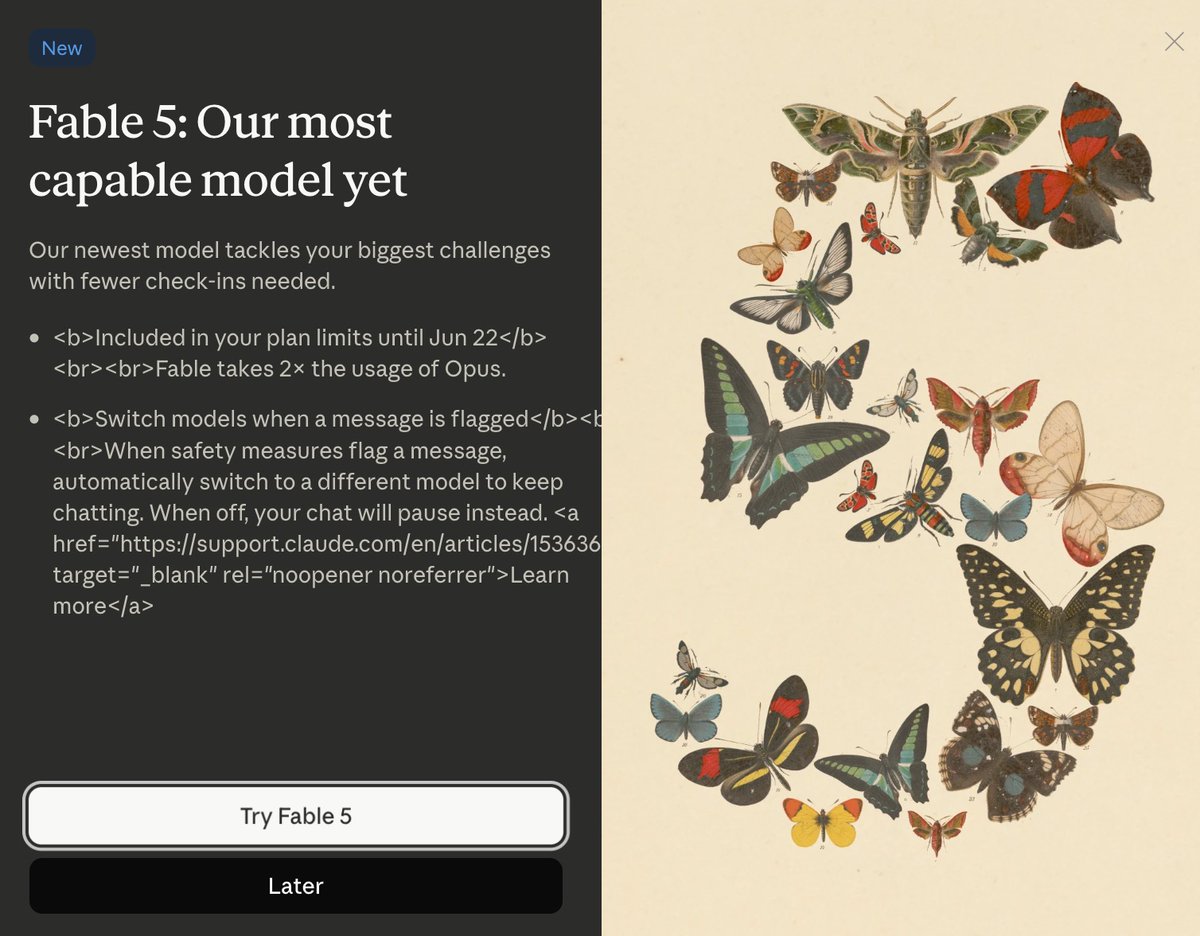
The US government, citing national security authorities, has issued an export control directive to suspend all access to Fable 5 and Mythos 5 by any foreign national, whether inside or outside the United States, including foreign national Anthropic employees.
The net effect of this order is that we must abruptly disable Fable 5 and Mythos 5 for all our customers to ensure compliance.
Access to all other Claude models is not affected.
We apologize for this disruption to our customers. We believe this is a misunderstanding and are working to restore access as soon as possible.
Read our full statement: anthropic.com/news/fable-myt…
12,247
25,481
86,528
85,747,543

Jun 12
Most startup metrics measure output. Revenue, users, churn. What they miss is the upstream variable that actually predicts whether those numbers will ever move.
The framing I keep returning to: how fast are you discovering what's actually true about your customers, versus how fast you're acting on what you already believe?
AI is compressing the first part dramatically. Insight cycles that took quarters now take weeks.
But that creates a new bottleneck: can your organisation restructure around new truths as fast as you're discovering them? Most can't. The learning accelerates; the adaptation doesn't.
Is the real constraint the speed of learning, or acting on it?
1
77
Jun 12
Worth noting: the argument isn't that AI helps you build faster. It's specifically that AI accelerates understanding of customer behaviour and market truth. Output speed was never the scarce resource. Insight translation was.
55
Jun 12
Planning a longevity conference calendar for 2026? The first decision isn't which event. It's which continent.
Across 340 longevity events, Europe and the US host roughly the same number; almost nothing else matches.
Europe's circuit is research-driven and policy-aware: it discusses the mechanisms of ageing. The US circuit is entrepreneur-led and commercial: it discusses what to do about ageing today.
The real question isn't "best event," it's what you're optimising for. Science and regulation lean Europe; founders, investors, biohacking lean US.
Which way does your 2026 calendar tilt?
2
70
Jun 12
One practical wrinkle most people miss: Europe's events cluster into shorter, denser runs, so you can stack more per trip. If travel budget is the constraint, geography matters as much as content.
48
Bart Collet retweeted

Jun 11
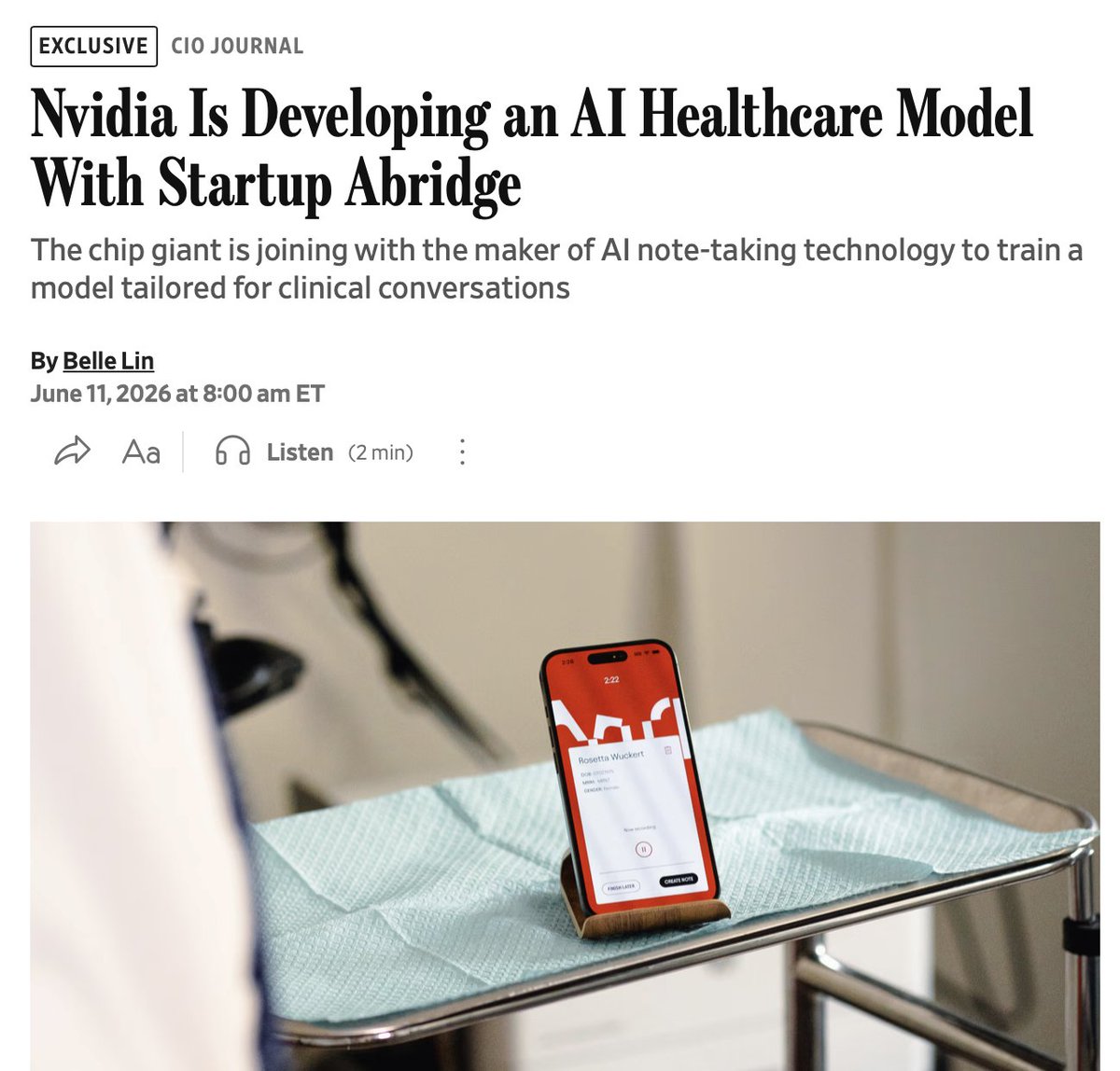
Abridge Nvidia
AI is moving ahead a lot of collaborations to make better use of clinical records. Finally all this siloed information will be put to use.
7
18
112
10,504
Jun 11
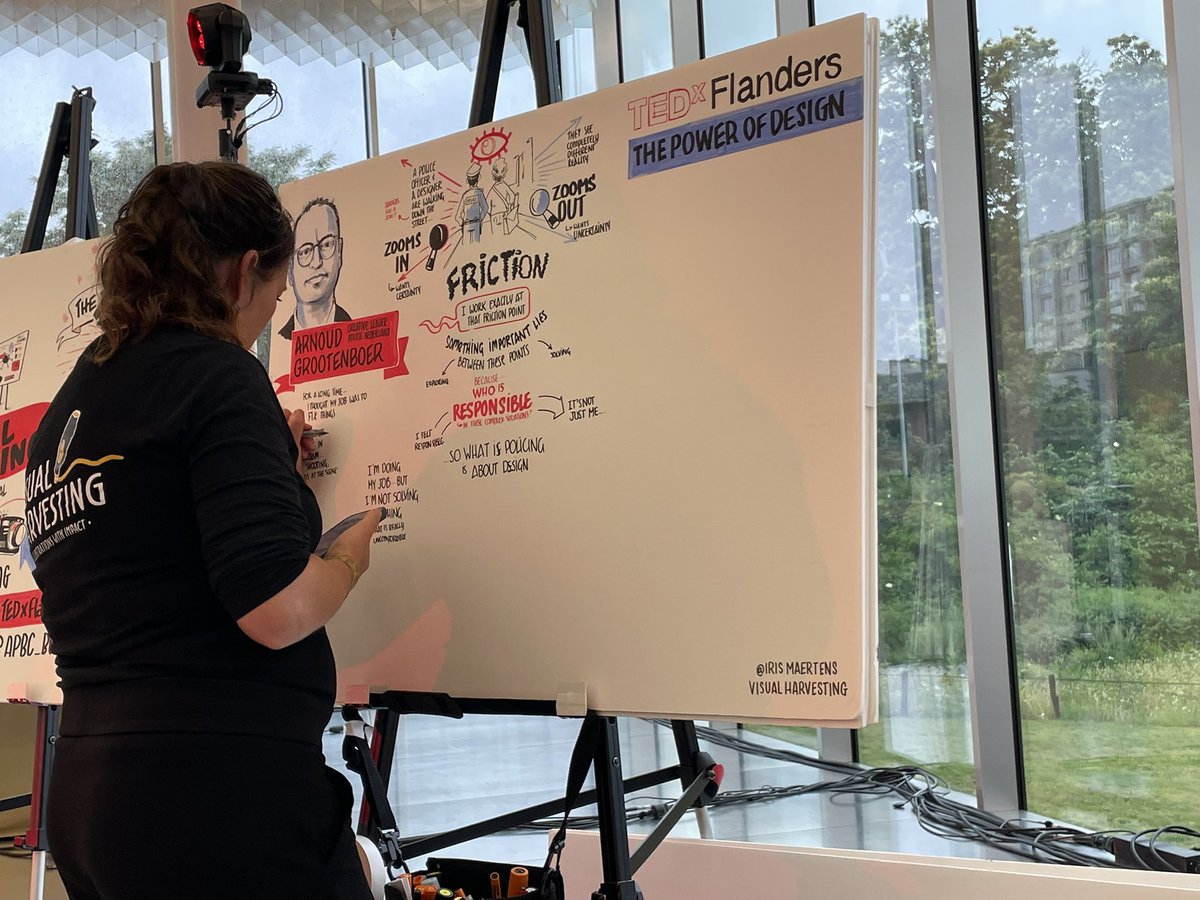
TEDxFLANDERS Arnoud Grootenboer . The police zooms in, the designer zooms out. The police wants certainty, the designer uncertainty #tedxflanders
1
78
Jun 11
China just approved the world's first commercial brain implant. NEO, a coin-sized BCI from NeuraMatrix and Tsinghua, sits on the membrane around the brain and lets paralysed patients control a glove with their thoughts. Neuralink, meanwhile, is still years from FDA commercial clearance.
Half of what makes this work is AI: hardware reads the signals, models decode them in real time. Which raises the question nobody's pricing in yet: what's the token bill on a brain? Streaming your motor cortex through a decoder all day makes a chatbot subscription look like a rounding error.
And what happens when you hit your monthly cap? "You've reached your usage limit. Your hand will resume grasping on the 8th." Getting dumber because your subscription ran out used to be a metaphor.
Behind the joke, real questions: who owns the data a brain implant collects? Can a government compel access to your neural signals? And when does treating a disability become upselling a healthy brain to the premium tier?
1
78
Jun 11
The AI jobs story is almost always told wrong: either catastrophe or no big deal. The actual data sits somewhere more interesting.
The WEF surveyed 1,000 employers covering 14 million workers. Net result by 2030: more jobs created than lost. But 22% of roles change in some way, and required skills shift by roughly 39%.
What strikes me is where the pressure lands first: entry-level and clerical roles. Not dramatic sci-fi displacement. Quiet erosion at the bottom of the ladder, exactly where people build early career capital.
If judgment, relationships, and oversight are what survive, how do you develop those without the entry-level reps that are disappearing?
1
85
Jun 11
The WEF report projects 170 million new roles appearing by 2030, against 92 million displaced: a net gain of 78 million. The growth clusters almost entirely in technology. The losses cluster almost entirely in clerical work.
56
Bart Collet retweeted

Jun 10
As AI agents begin to act, payments move into the background — at machine speed and massive scale.
Today we’re introducing Mastercard Agent Pay for Machines — bringing structure, governance, and trust to this new class of payments.
Launching with 30 partners to bring this to life from day one.
This isn’t just more payments. It’s a new operating model for commerce.
👉 Learn more: mastercard.com/us/en/news-an…
332
1,048
4,474
1,294,696

Pro tip: Spend more time with the folks who drive your stress up — cancel the meetings with the chill folks
Stress = progress
Do the hard stuff
Jun 10

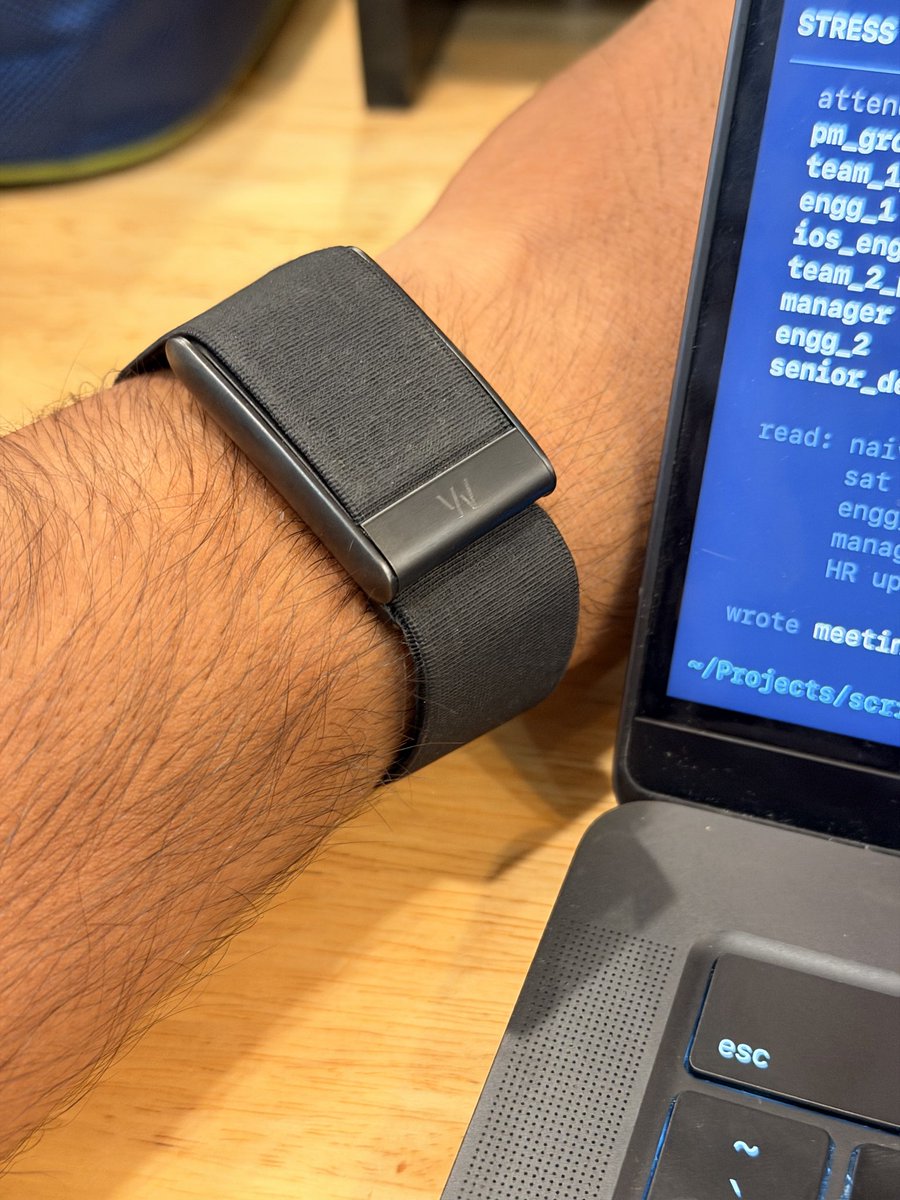
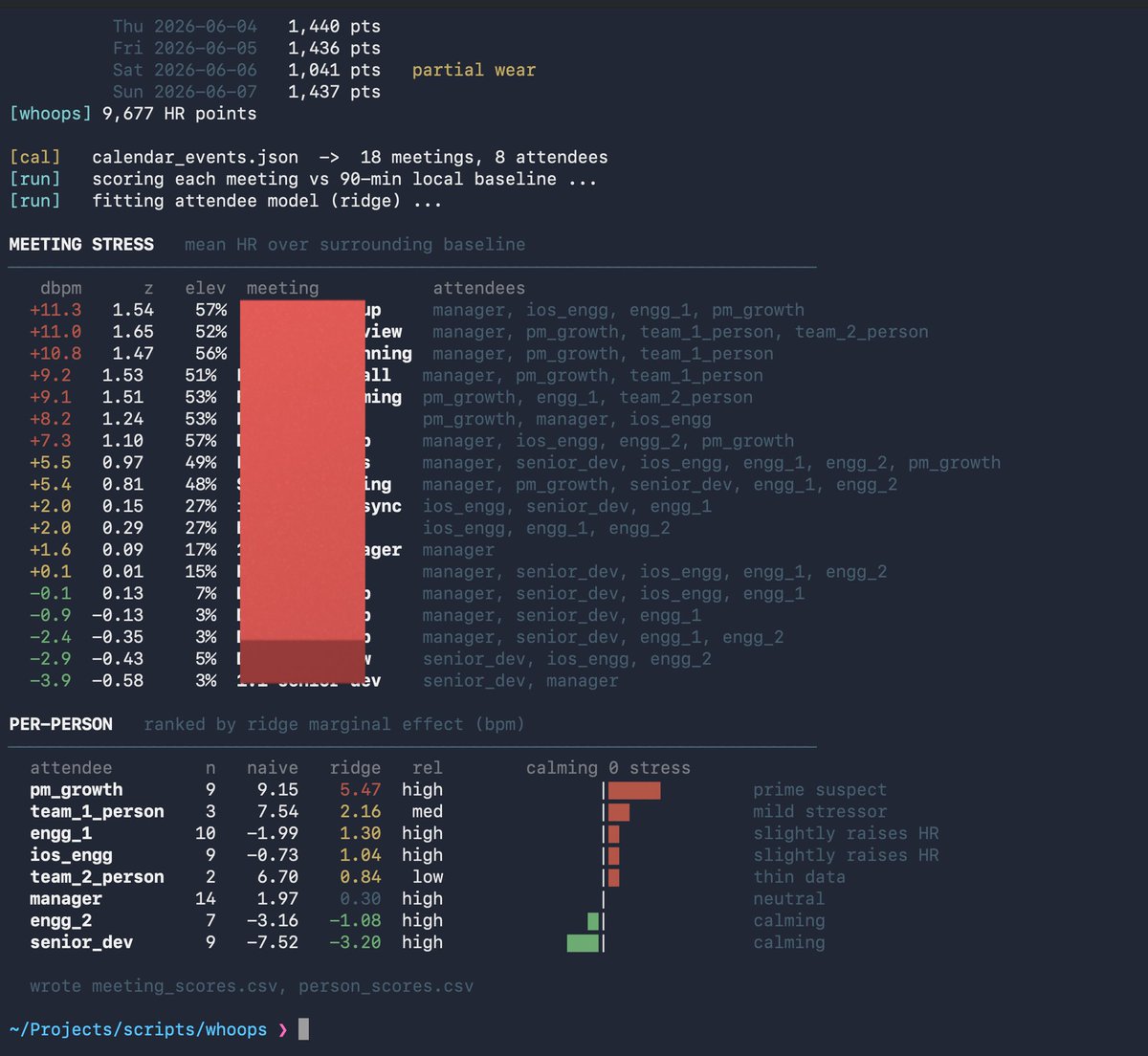
i hooked my whoop to my work calendar to find which coworker gives me the most stress 🚨
thanks to fable, I reverse engineered whoop to pull per minute heart rate. nd matched spikes with cal events and attendees
I now have a leaderboard and I think about it daily.
few info masked for obvious reasons ;)
93
41
1,184
302,171