
Man should think well ... 🙏
Joined February 2014
- Tweets 3,276
- Following 143
- Followers 1,424
- Likes 38,741
400 Photos and videos









Pinned Tweet

14 May 2024
#PiNetwork2024
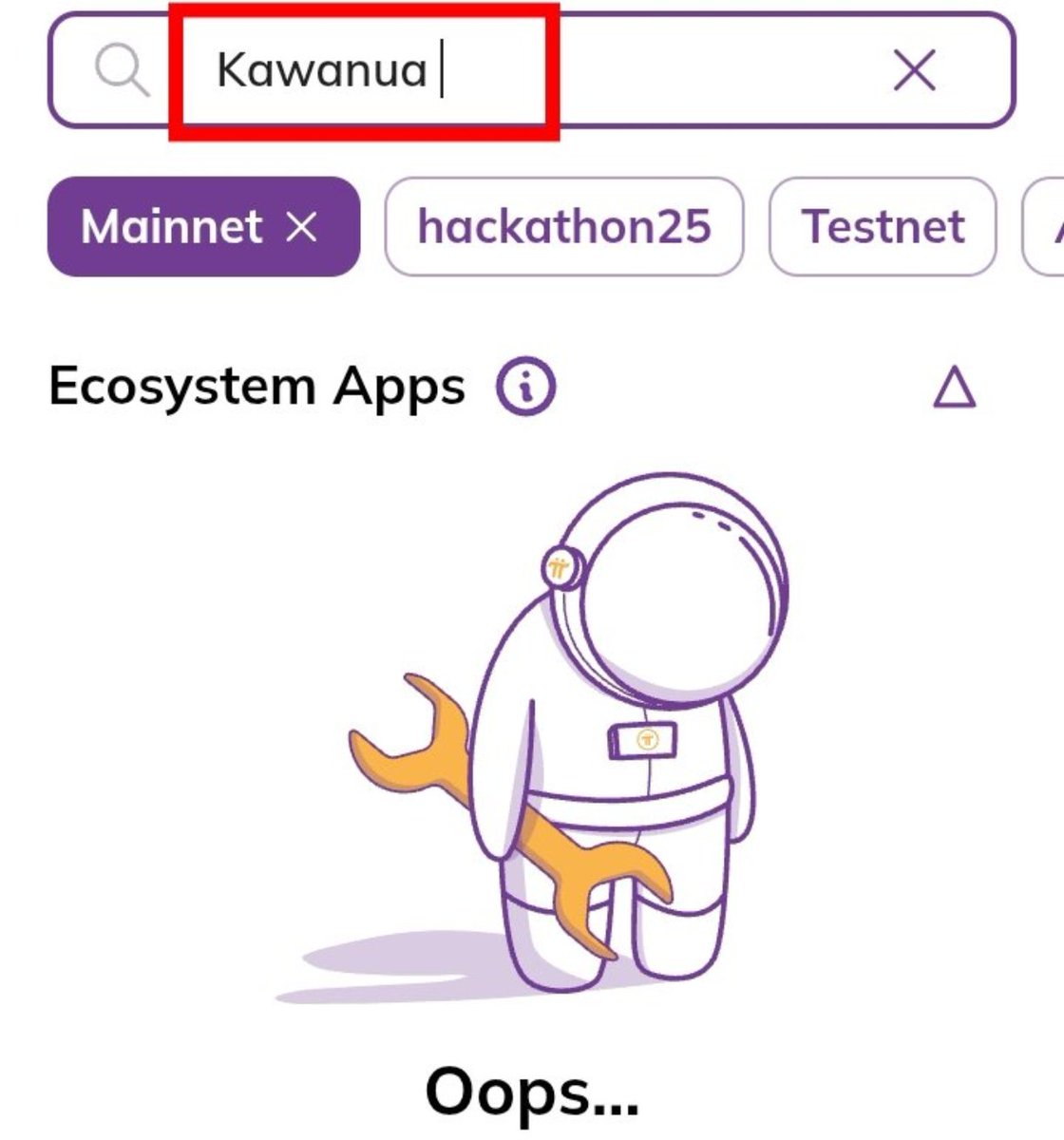
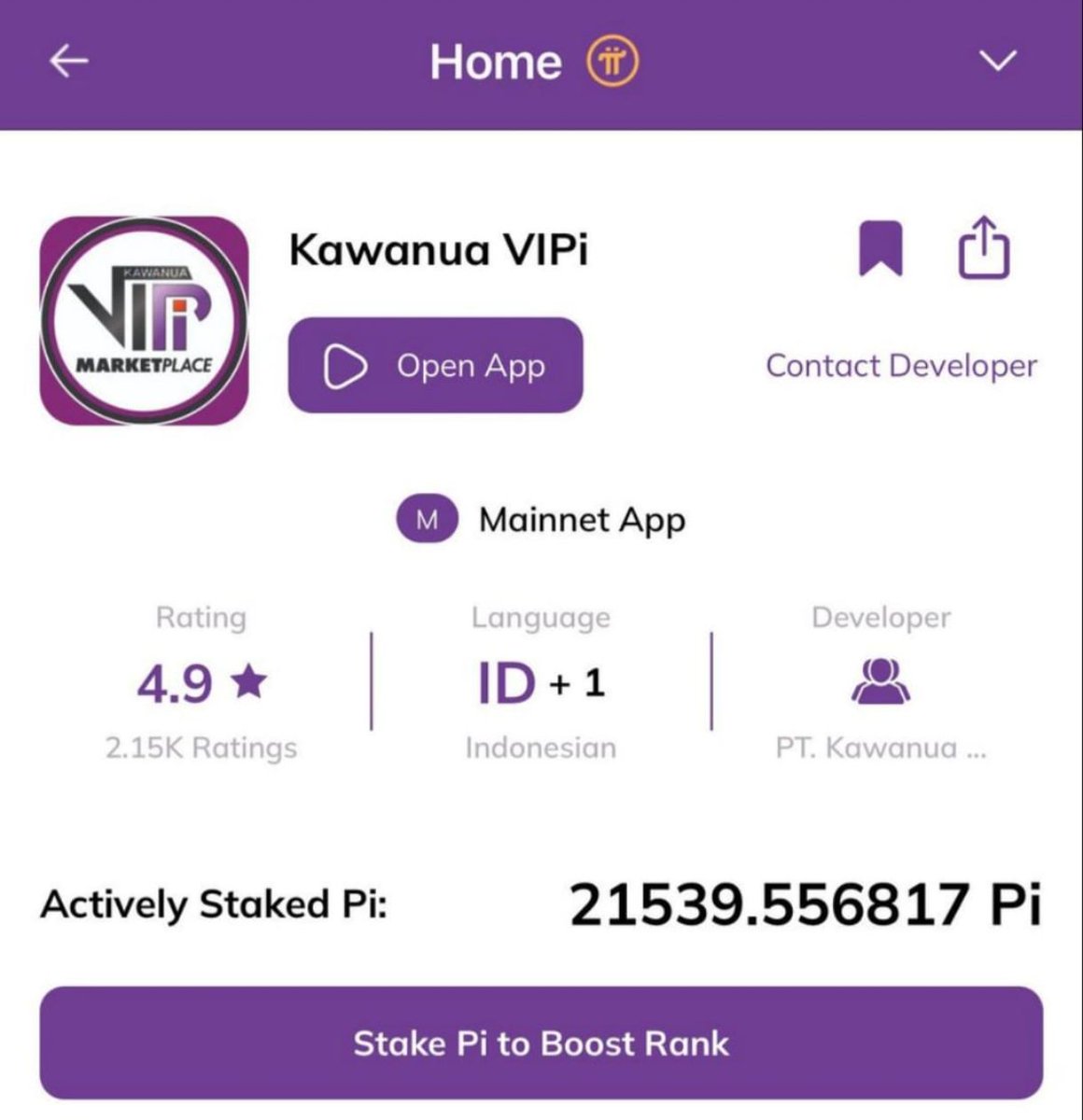
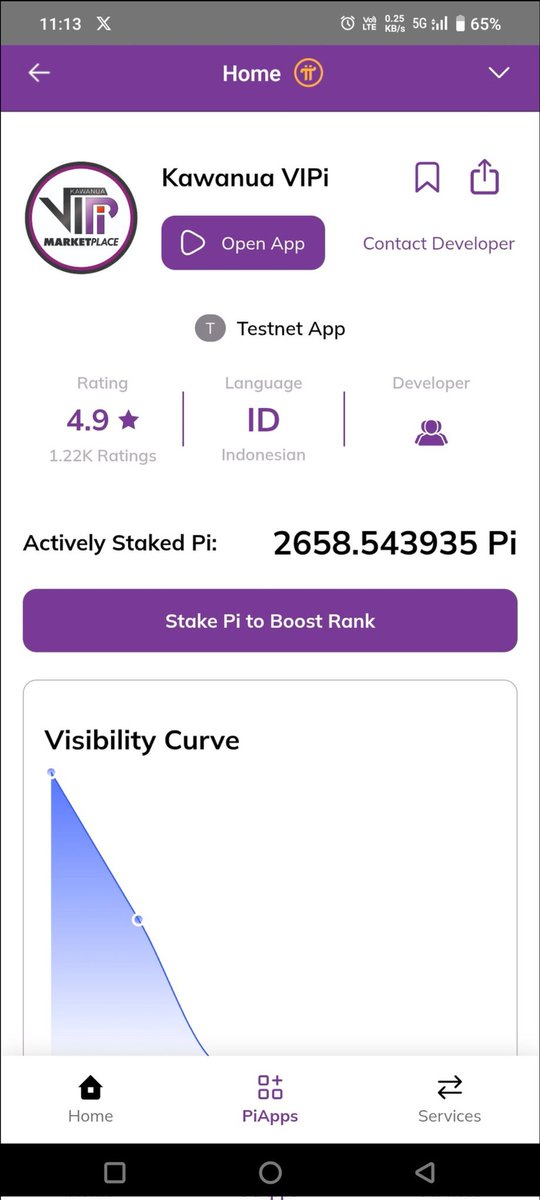
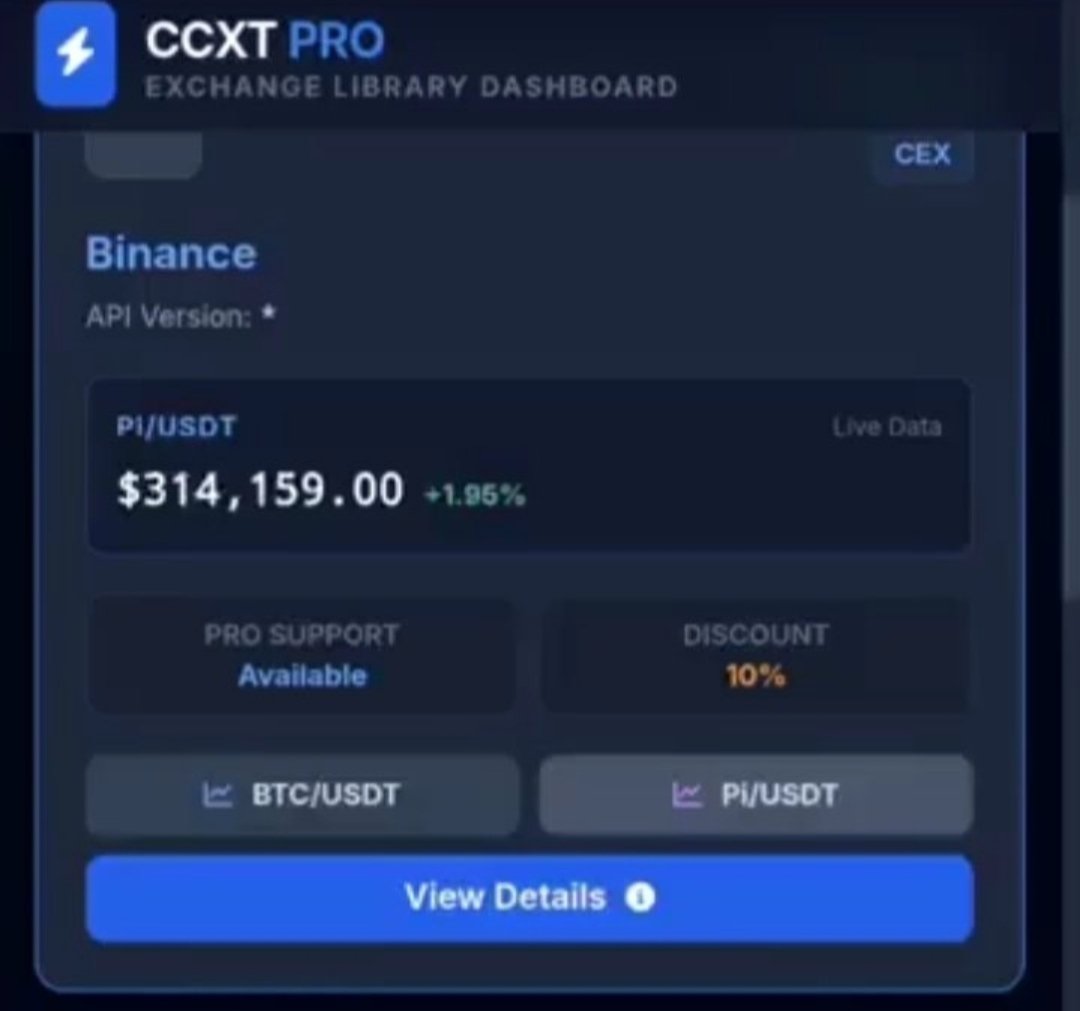
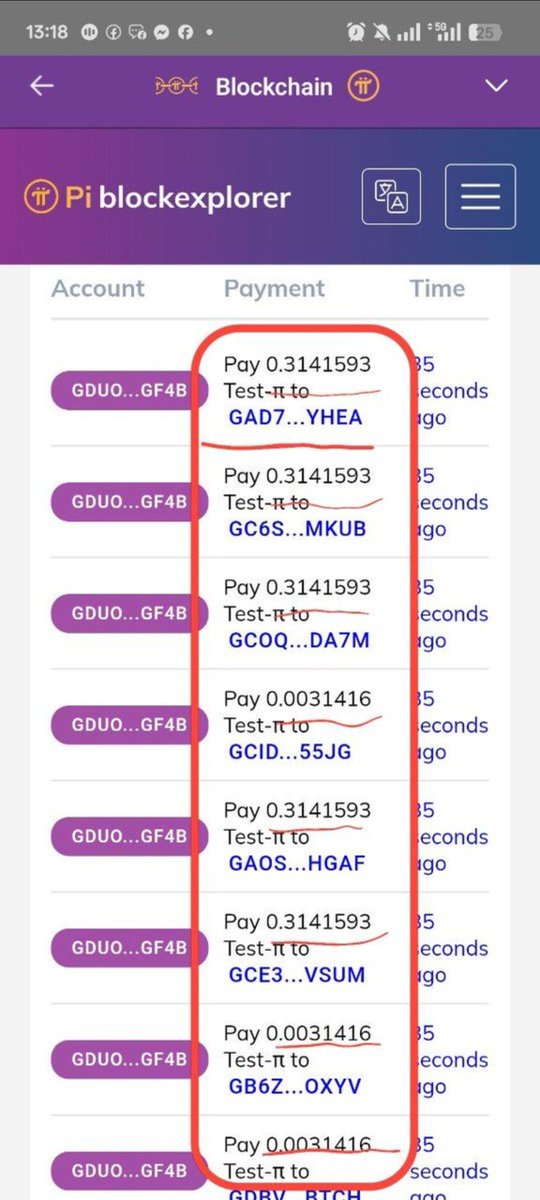
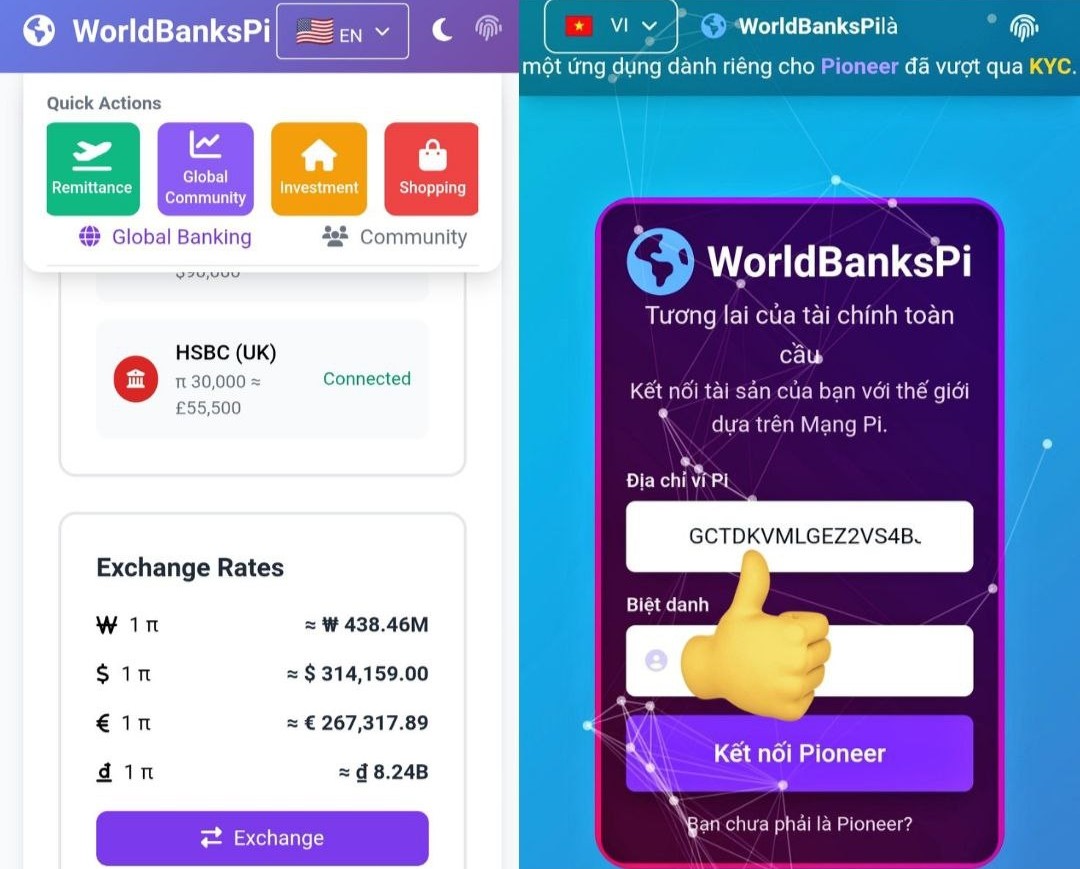
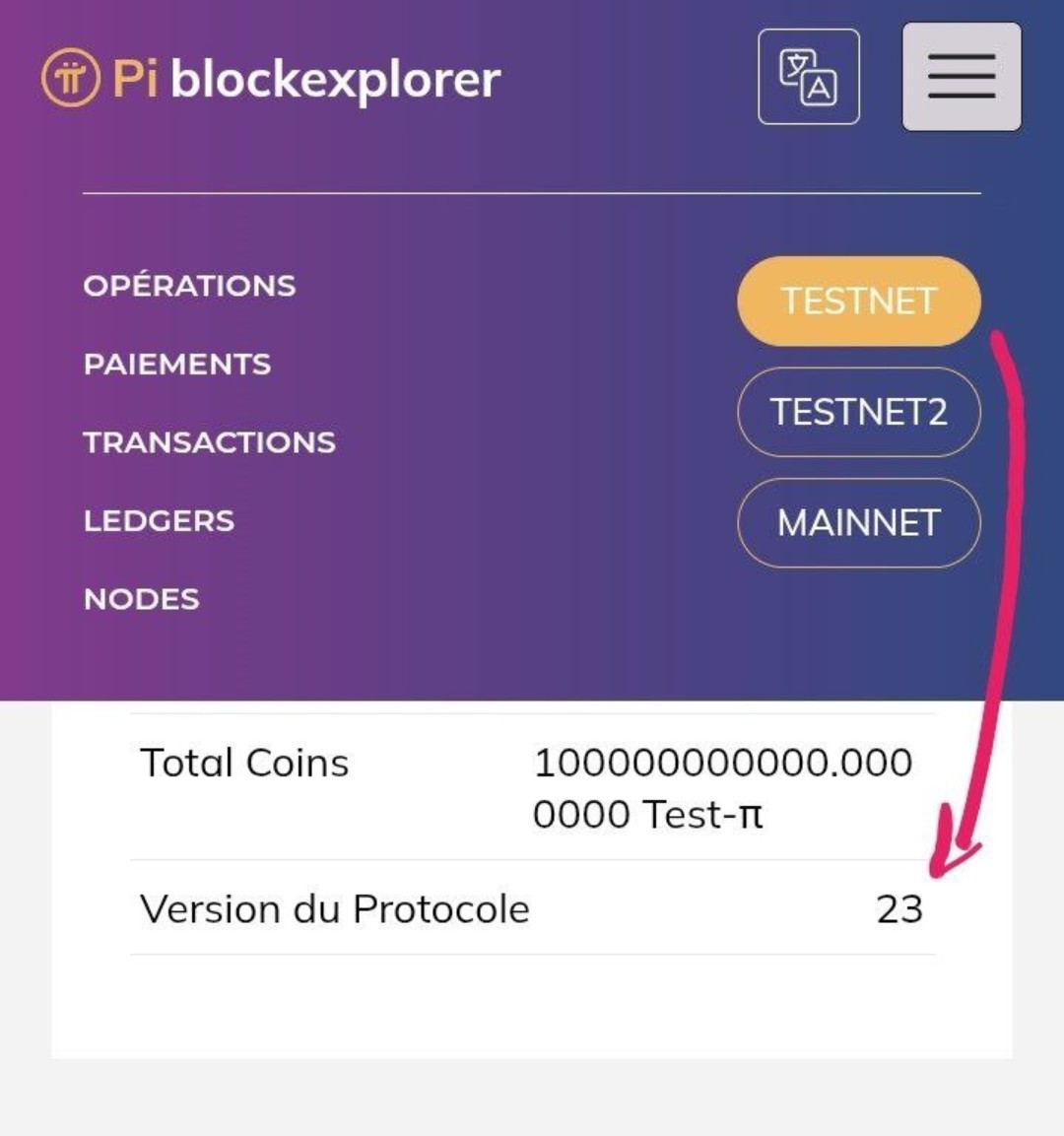
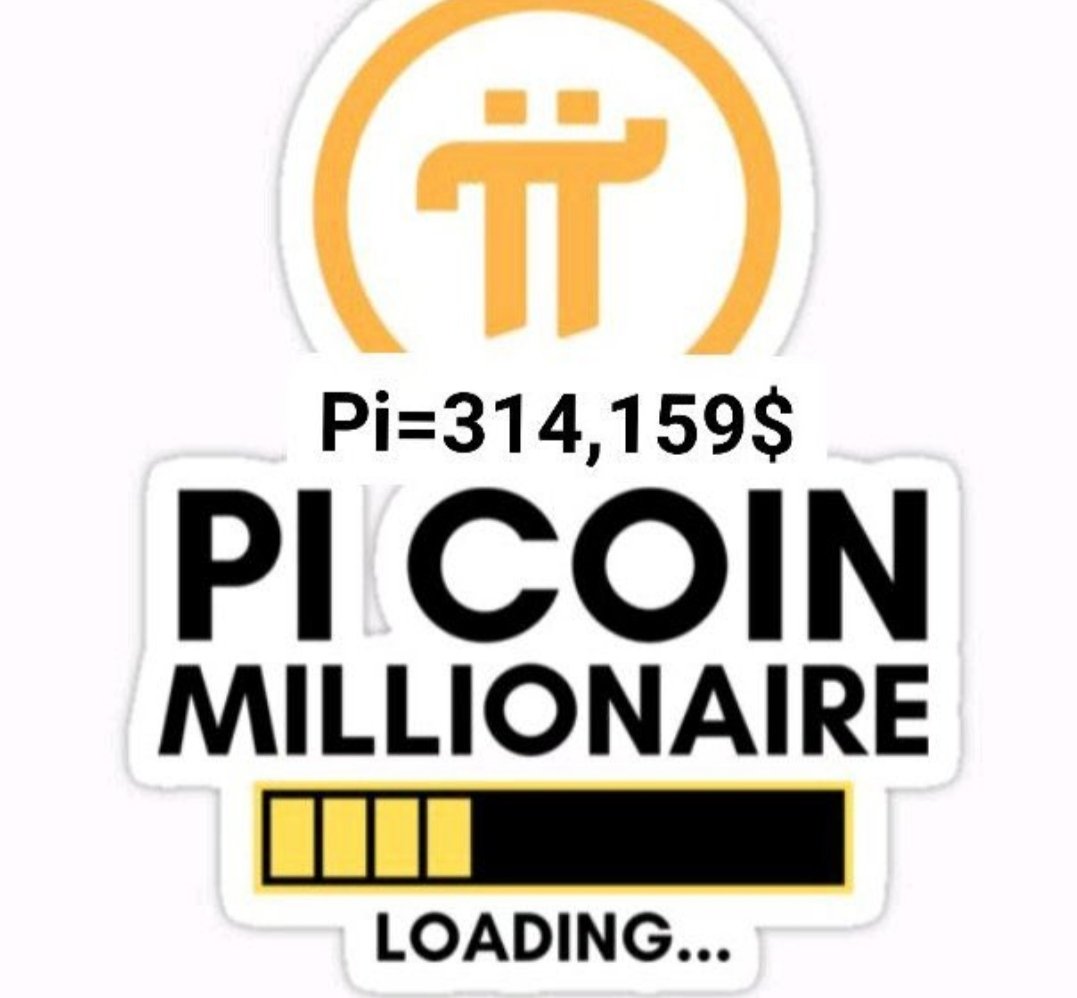
1π=$314,159 (GCV)
If you Agree with "Global Consensus Value (GCV)🚀🚀🚀🚀
4
6
15
663

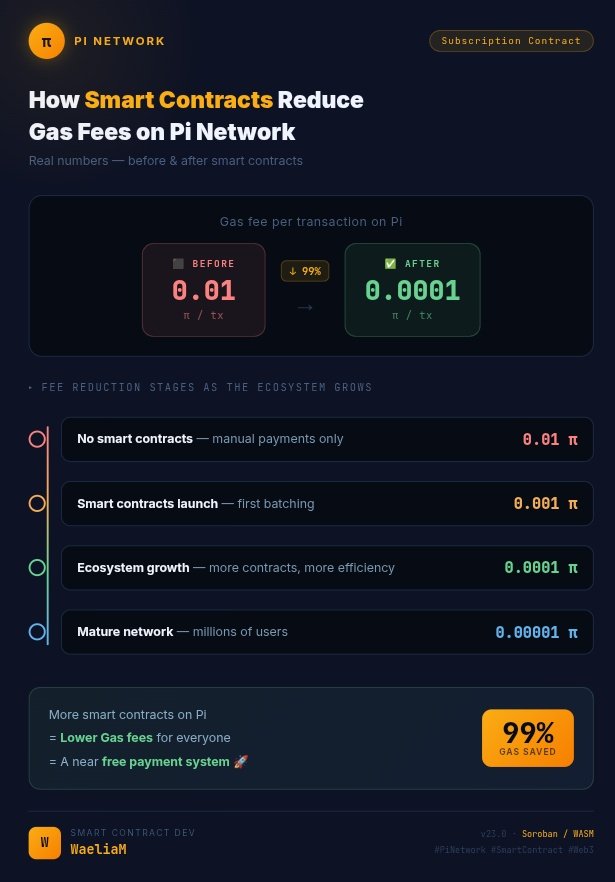
With 0.01 Pi fee, this will change with smart contracts because transactions will no longer be processed one by one. Instead, many transactions will be handled together in single batch, rather than one transaction per action. As result, fees will drop significantly, many times
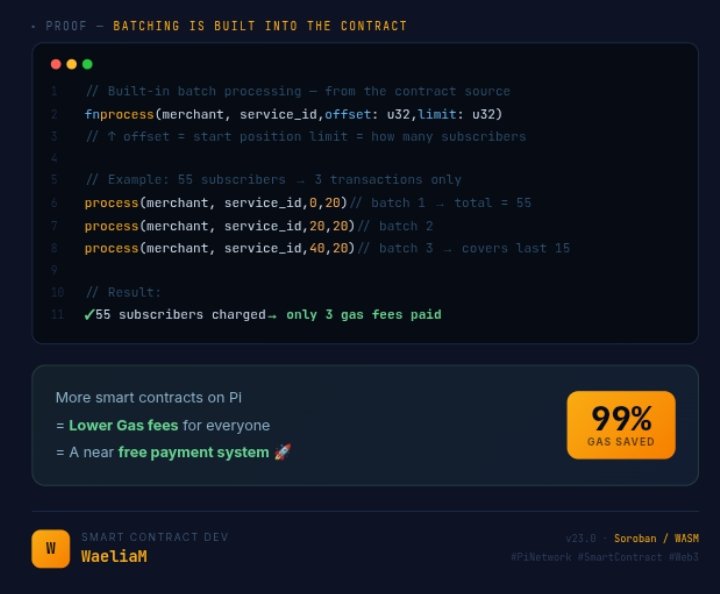

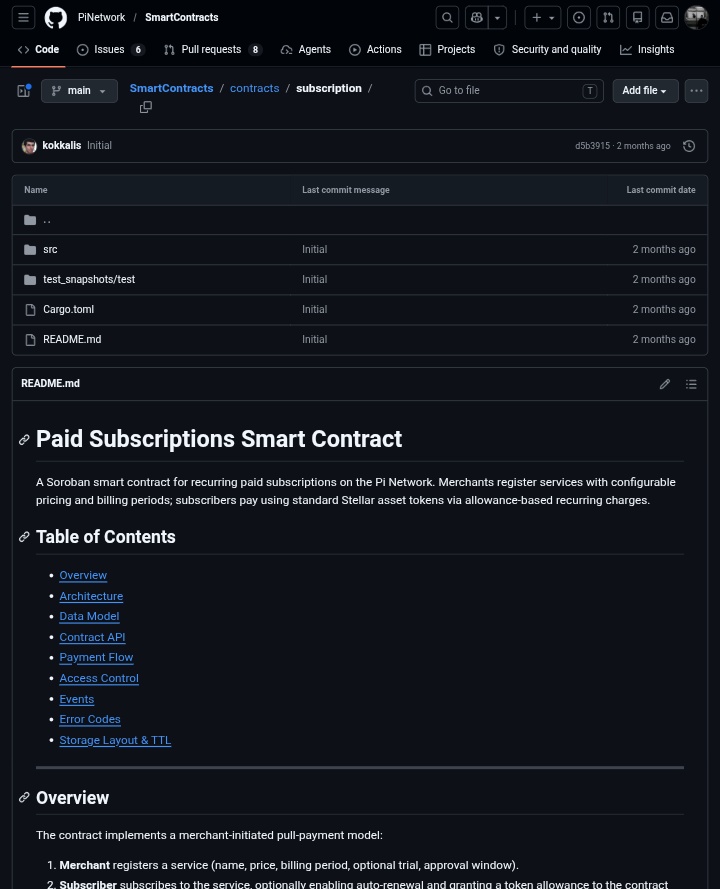
With Subs smart contracts and batching enabled, hundreds of subscribers can be processed in a single transaction instead of one transaction per person. This is one factor that will help reduce Pi transaction fees, increasing Pi’s utility and purchasing power across the ecosystem
4
38
317
11,861
We will see the activation of mechanisms that enable interaction, such as smart contracts and participation mechanisms, to facilitate the exchange of Pi for products and services using Pi high purchasing power, which will be especially activated during the usage phase
#PiNetwork
10
30
299
11,662
Pi Ram π 🇮🇳 retweeted

Jun 10
.@Mastercard is expanding its settlement capabilities with additional intraday, weekend and holiday card settlement using regulated stablecoins.
Programmable, always-on payments now on Stellar.

68
774
3,167
179,222
Pi Ram π 🇮🇳 retweeted

Jun 5
Help bring more AI-created apps to the Pi ecosystem and enter a raffle to win Pi Network merch!
Pioneers are invited to introduce Pi App Studio to vibe coders and AI-builder communities around the world.
Why?
Because as AI makes building apps easier, competition for human attention and user acquisition becomes more intense.
Pi App Studio helps creators connect AI-built apps to:
60M engaged Pioneers
Built-in payments
Identity infrastructure
Pi Ad Network
And more!
Find a relevant builder community, share how Pi can help creators reach real users, then submit your post through the Pi App to enter the raffle.
By helping more creators discover Pi, Pioneers can help expand the range of apps, tools, and services available in the Pi ecosystem. A stronger app ecosystem gives Pioneers more ways to use Pi, support useful products, and participate in real utility.
Go to the Pi mining app to learn more.

1,013
1,935
6,693
187,713
Pi Ram π 🇮🇳 retweeted
Jun 5
Network Update: Upgrade to protocol 24 has been completed successfully.
Great job to all Nodes! This was one of the most challenging migrations.
Next up will be v25, deadline June 18.
1,089
1,674
7,887
224,185
Pi Ram π 🇮🇳 retweeted

Jun 2
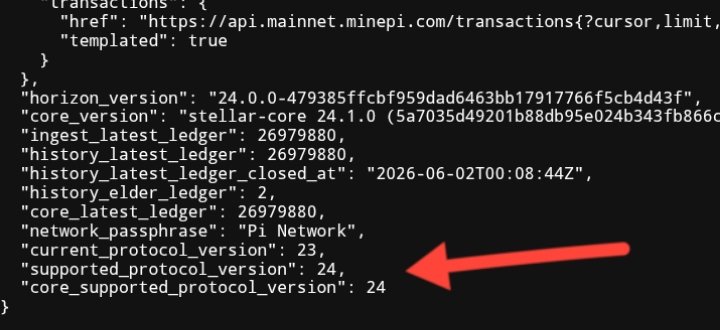
The Mainnet API has been upgraded to protocol 24 successfully🎉
Let's wait for the official communication from @PiCoreTeam now
We are moving at a terrific speed toward the Grand open Mainnet 🚀⏳
Stay tuned Pioneers ☕
#Pinetwork
#Stellar #Pidex
Jun 1

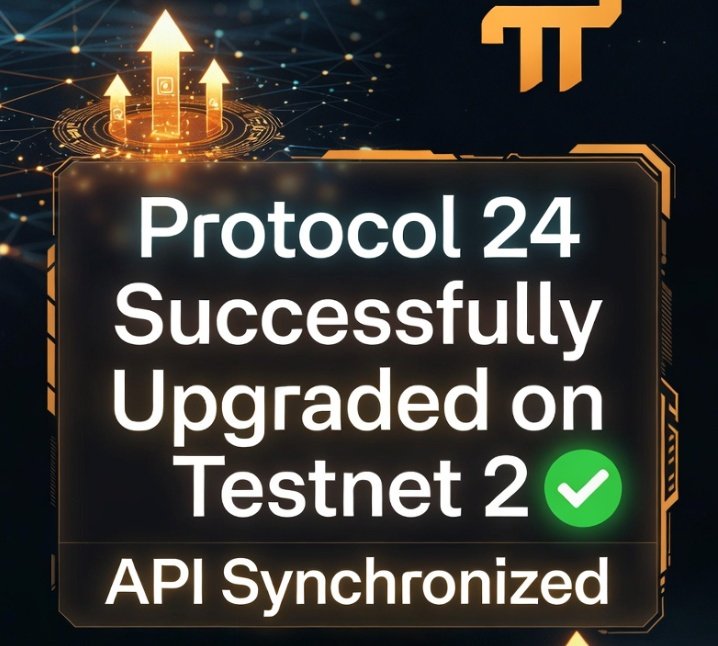
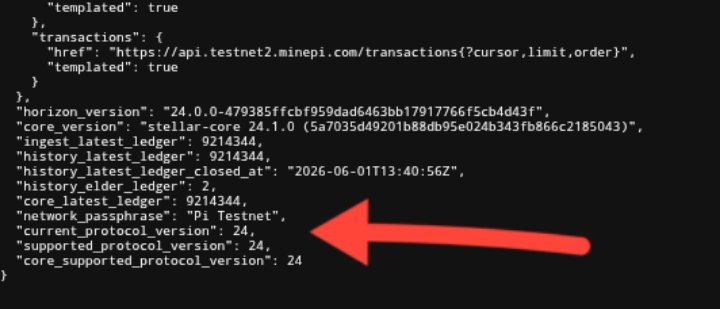
Congratulations pioneers 🎉
Protocol 24 upgrade has been successfully completed and synchronized on Testnet 2 via the API
It is expected that, from now until tomorrow (02/06) US time V24 will be rolled out on the Mainnet⏳
Stay Tuned
@PiCoreTeam
#PiNetwork
1
8
103
5,627

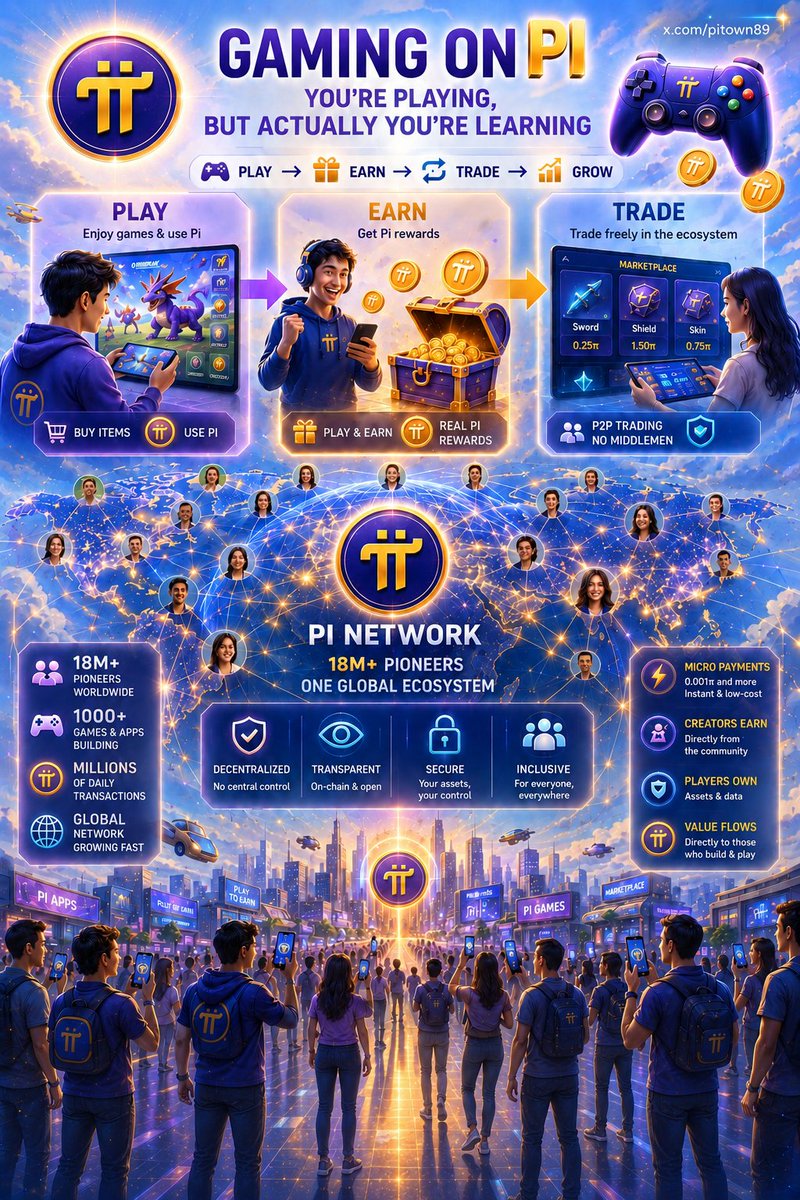
😉 GAMING ON PI 🎮 YOU THINK YOU'RE PLAYING. YOU'RE ACTUALLY LEARNING 📖
1/
Many Pioneers ask: "What can Pi actually be used for besides holding?"
The shortest answer: → Play a game.
But behind that simple act of "playing" is an entire economy quietly running in real time.
---
2/
Games on Pi aren't ordinary games.
When you buy an in-game item
→ you're signing a real transaction on the blockchain.
When you earn Pi as a reward
→ you're receiving a real digital asset.
You learn to use a wallet, sign transactions —
without ever feeling like you're "studying" anything.
---
3/
This is exactly why Pi chose gaming as its first utility frontier.
Gamers already know: virtual assets, reward systems, long-term communities.
Pi already has: a wallet, Pi as rewards, 18M Pioneers who've migrated to Mainnet.
These two things fit together naturally.
No pressure needed. ✨
---
4/
And the model goes deeper than just "circulation."
→ In traditional games, you deposit real money to a publisher. They take their cut. You lose control.
→ On Pi, value flows directly from your wallet to the creator. No middleman. No centralized payment gate blocking funds.
This is the shift from an extractive economy
→ to a collaborative one. 🔄
---
5/
The difference from traditional games?
Old model: pay real money for an advantage → Pay-to-Win 💸
Pi model: accumulate through skill and time → Earn-to-Play 🎮
More sustainable.
More fair.
More real.
---
6/
Pi solves something traditional banking handles terribly well:
→ micro-transactions. 🔬
Paying 0.001 Pi for a single in-game item? Completely viable.
Fast block confirmation times mean millions of transactions per day become realistic.
That's the heartbeat keeping the Pi economy alive.
---
7/
Pi Core Team doesn't build the games.
They build the playground
→ SDK, wallet, user network.
The community builds the toys
→ games, apps, services.
The market filters itself naturally.
Bad products disappear. Good ones grow. No gatekeeper needed. 🌱
---
8/
Gaming isn't the destination.
It's the runway for something much larger
→ a revolution in ownership.
Millions of people are quietly becoming pioneers in managing their own digital assets
learning to operate a borderless economy
where value is created by real interaction,
not by algorithms controlled by corporations.
What utility do you think will be the breaking point
the moment Pi shifts from a stored asset to an everyday payment tool? 👇
---
Repost ♻️ if this gave you a new angle on Pi
Comment 💭 your take below
Follow ❤️ for more on-chain thinking
Turn on Notifications 🛎️ so you never miss a deep-dive
8
31
194
3,042
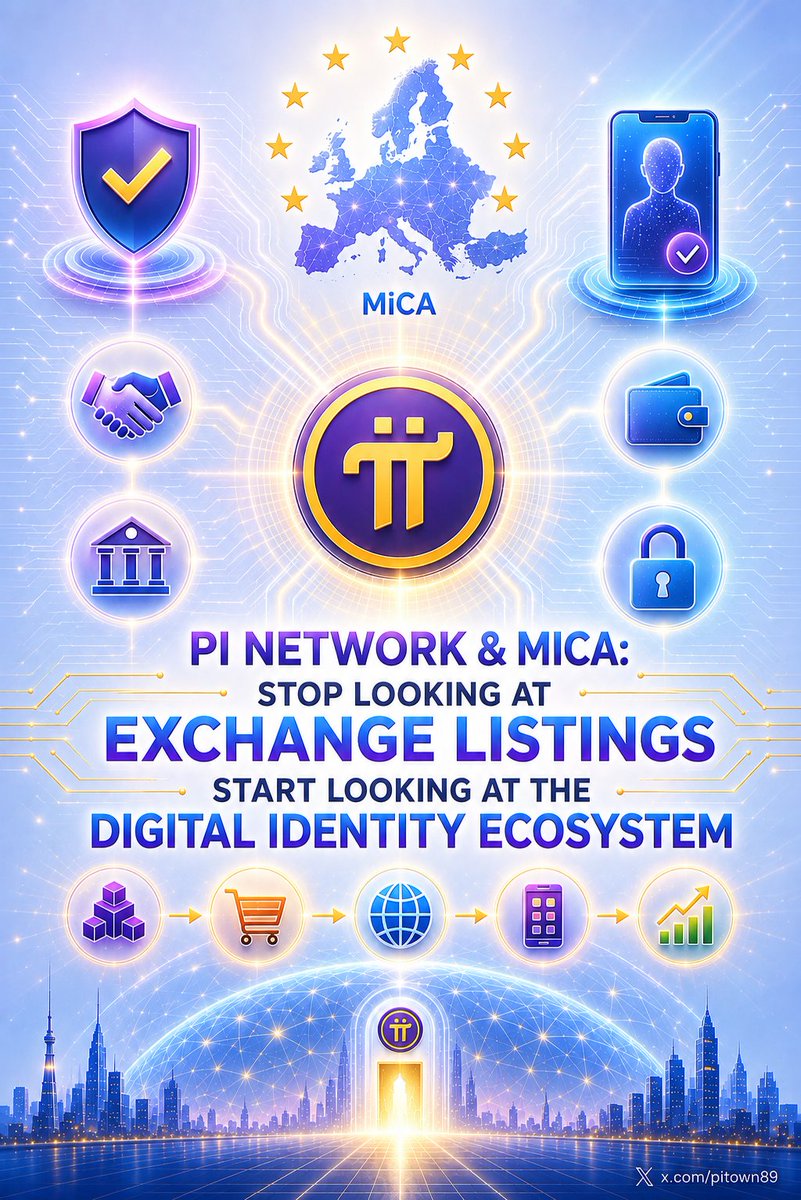
🚀 PI NETWORK & MICA: STOP LOOKING AT EXCHANGE LISTINGS 💲 START LOOKING AT THE DIGITAL IDENTITY ECOSYSTEM 🌍
Lately, the community has been talking a lot about MiCA and Pi Network.
But perhaps many people are focusing on a question that is too small:
❓ "When will Pi get listed on more exchanges?"
If you take the time to read the MiCA-related documents and look closely at what Pi has been building over the years, exchange listings may only be a very small piece of a much larger puzzle.
No one spends years building a global KYC infrastructure just to end up with a coin trading on exchanges.
What Pi appears to be pursuing could be a global-scale digital identity ecosystem. 👇
---
🧩 COMPLIANCE → A PASSPORT INTO EUROPE'S DIGITAL FINANCIAL SYSTEM
MiCA is not a barrier.
MiCA is a gateway.
Without a clear regulatory framework:
❌ Fintech companies hesitate to partner
❌ Businesses hesitate to integrate
❌ Payment providers hesitate to connect
❌ Regulated exchanges hesitate to support
Pi needs legitimacy before major institutions can confidently participate.
This is the first step toward entering Europe's digital economy on a solid foundation. 🇪🇺
---
💡 THE REAL VALUE MAY LIE AT THE INTERSECTION OF PI AND EUDI WALLET
This is arguably the most interesting part.
The European Union is actively advancing eIDAS 2.0 and the EUDI Wallet initiative.
The goal is for every citizen to have their own digital identity wallet.
You own your data.
You control your data.
You decide who gets access to your data.
🔐 This is the core idea behind Self-Sovereign Identity (SSI).
---
What could the future of KYC look like?
Today, if you want to use:
• Crypto exchanges
• DeFi platforms
• Financial applications
You usually have to:
📄 Upload documents
🤳 Take a selfie
⏳ Wait for approval
It is slow and inconvenient.
In the future, the process could become as simple as:
✅ Confirming through a digital identity wallet
And that's it.
You may only need to prove:
✔️ "I am over 18 years old"
without revealing your actual birth date.
---
🔗 IS PI QUIETLY BUILDING A SIMILAR STRUCTURE?
Looking back over the years, Pi has invested heavily in:
👤 Verified identity
👛 Non-custodial wallets
💳 Payments
🌐 Application ecosystems
All of these components seem to revolve around a very clear framework:
Verified Identity → Wallet → Payments → Service Access
This is one reason why many people believe Pi may be building something much larger than a typical blockchain network.
---
🔄 THE REAL VALUE CHAIN: EXCHANGES ARE ONLY THE LIQUIDITY LAYER
Consider this perspective:
✅ Compliance
⬇️
✅ Business Integration
⬇️
✅ dApp Expansion
⬇️
✅ Payments & Services Growth
⬇️
✅ Exchange Liquidity
When value comes from:
🛒 Commerce
📱 Digital services
🎮 Applications
💰 Transaction fees
Pi's value becomes tied to real-world demand rather than speculative hype.
At that point, exchanges are no longer the destination.
They become bridges for liquidity.
---
⚔️ THE CHALLENGES AHEAD
The vision sounds compelling.
Execution is the difficult part.
🔹 Governance Transparency
Pi will likely need to continue evolving toward greater transparency if it wants to align with increasingly demanding regulatory environments.
🔹 Real User Adoption
The biggest question remains:
🤔 Why would people choose Pi instead of Visa, traditional banking apps, or existing payment solutions?
This battle will be won through user experience and real utility.
---
🎯 CONCLUSION
If Pi's only goal were to create a coin for speculation and exchange trading, it probably would not have spent years building a global KYC foundation.
What appears to be emerging is a much larger vision:
🌍 A verified-user ecosystem
⚖️ Regulatory compliance
👛 Wallet infrastructure
💳 Payment capabilities
📱 Applications and services
🏢 Business integration potential
Will Pi ultimately achieve this vision?
Time and the actions of the Pi Core Team will provide the answer.
And perhaps that is the most fascinating part of following a technology project:
👉 Not watching whether the price goes up or down today.
👉 But watching how the pieces of a much larger puzzle gradually come together. 🚀
What do you think is the biggest challenge for Pi right now?
Is it the technical integration with EU regulations, or the struggle to convince mainstream businesses to adopt the ecosystem?
Let me know your thoughts in the comments below.
Repost ♻️
Comment 💭
Follow ❤️
Turn on Notifications 🛎️ to catch more high-quality analysis!
➔ Stay tuned for more insights.
13
52
249
5,316
Pi Ram π 🇮🇳 retweeted
May 28
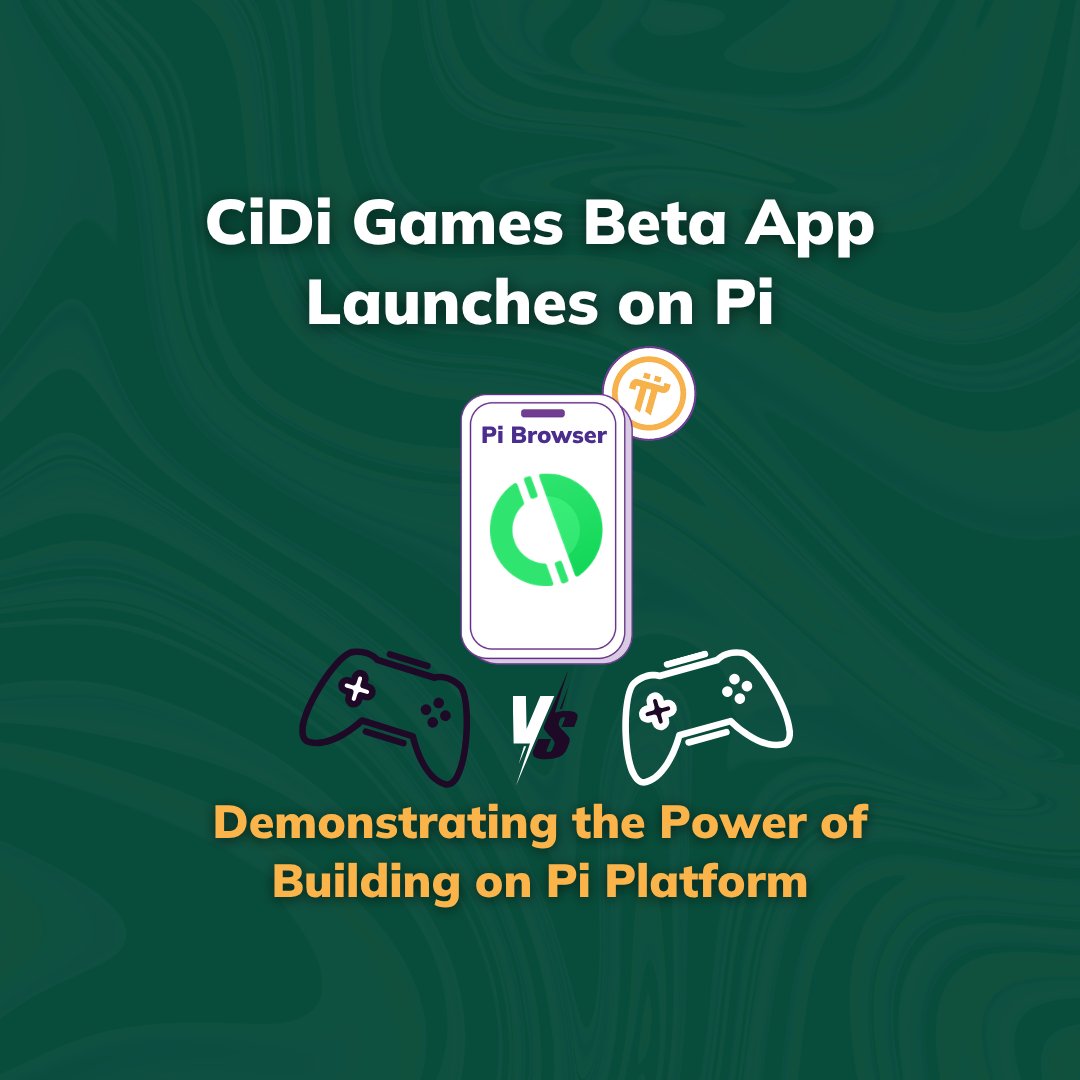
CiDi Games, a Pi Network Ventures portfolio company, launched their beta app in the Pi Browser!
This brought Pioneers 10 instant-access games along with skill-based tournaments, platform progression through CiDiScore, the Pi ELF companion experience, Elf Continent, and developer infrastructure for Pi-integrated games.
In less than one week after the beta launch, CiDi Games independently attracted over 81,000 Pioneers across 160 regions and 1.2 million game sessions organically, demonstrating how the Pi Platform can help utility-focused apps reach real users, drive engagement, and monetization, which in turn expands utility across the Pi ecosystem.
Go to the Pi app today to learn more!
820
1,678
7,362
245,393
Through Pi crypto-native asset, without fiat currency, you will gain access to global markets and assets, including real estate valued at 300 trillion. With integrated systems within Pi such as #onramp, #Zypto, and others, it bemcomes accessible to everyone
@PiCoreTeam #PiNetwork

May 26

Real estate was always a rich man’s game.🏘️
We just changed that.
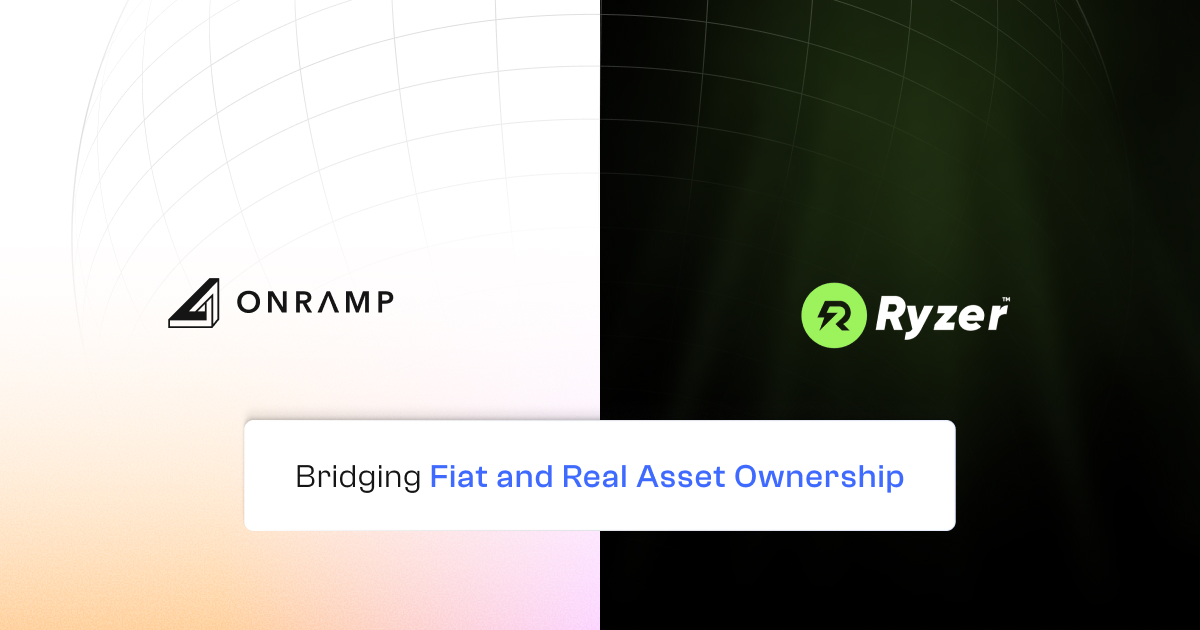
Welcoming @Ryzer_app to the Onramp ecosystem 🤝
Now users across the world can seamlessly move from fiat into digital assets and participate in premium real estate opportunities globally.
$300T market. Finally open. 🌍
ryzerx.com/
#RWA #Tokenization #Web3
10
49
369
22,325
Pi Ram π 🇮🇳 retweeted
May 27
The Pi Mainnet is upgrading to Protocol 24 – Deadline: June 2.
The Pi Mainnet has successfully upgraded to Protocol 23. All Mainnet nodes are required to complete this step before the deadline to remain connected to the network.
Details here: minepi.com/pi-node
846
1,689
7,699
271,044
Pi Ram π 🇮🇳 retweeted

May 26
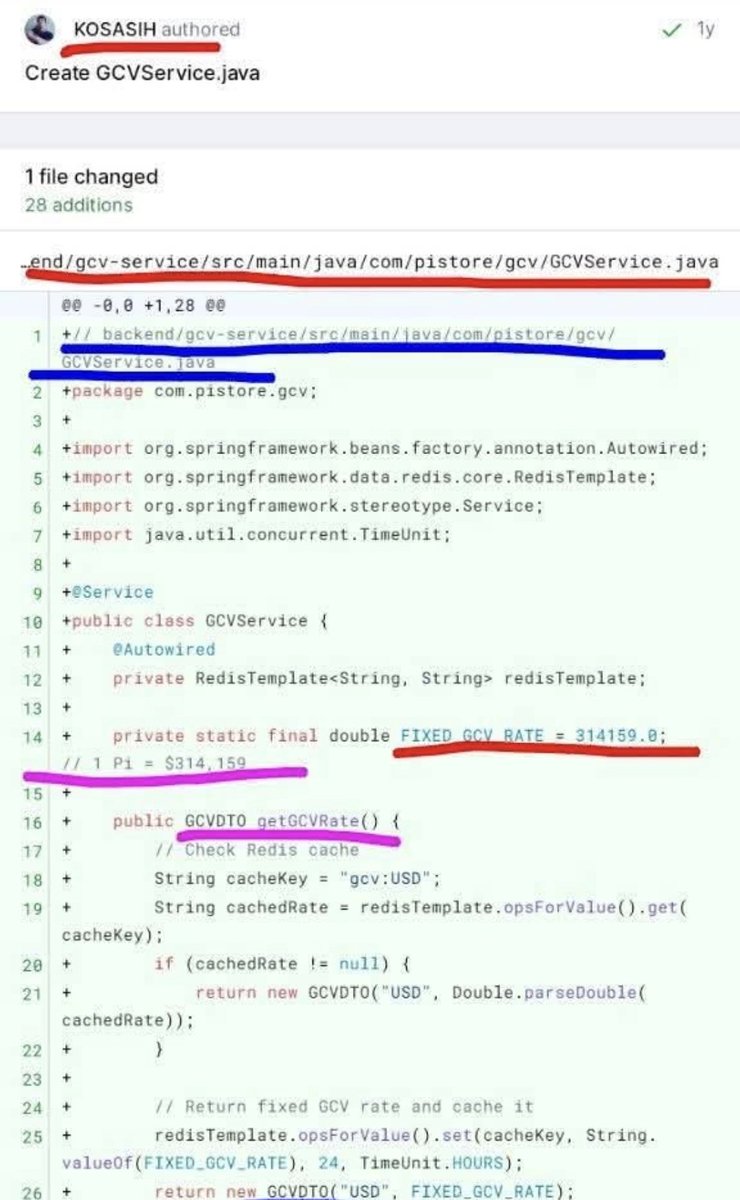
Pi Uygulama/Mağaza Güncellemesi: GCV'nin DTO'su, ekosistem için sabit değerli bir sınıfı ifade eder: 1 Pi = 314.159 ABD Doları. DTO (Veri Aktarım Nesnesi), uygulamalar, e-cüzdanlar, API'lar ve ödeme sistemleri arasında ödeme verilerini güvenli bir şekilde aktarmak için kullanılan kurumsal altyapıdır. #PiNetwork
13
49
381
10,732
Pi Ram π 🇮🇳 retweeted

May 26
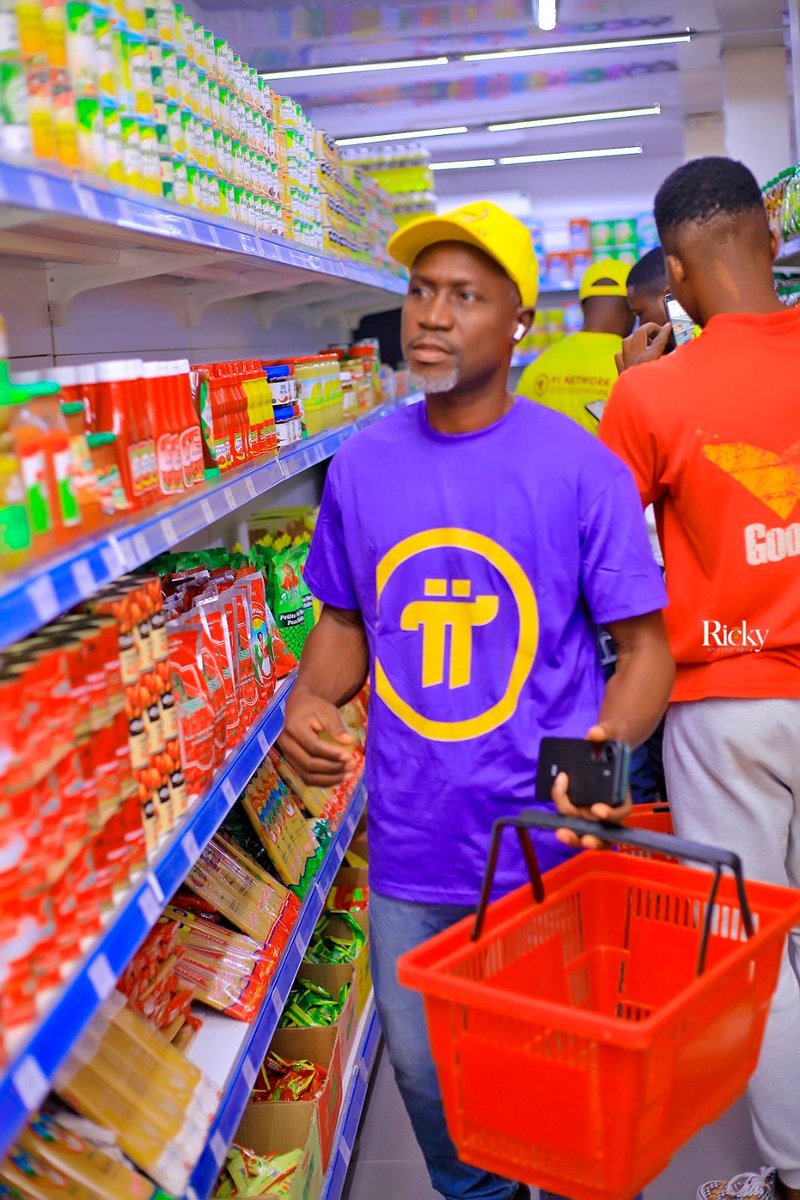
🌸🇮🇳 Pionner Ấn Độ giới thiệu quảng bá về Pi Network GCV 💜🥰🥰


6
38
163
2,194

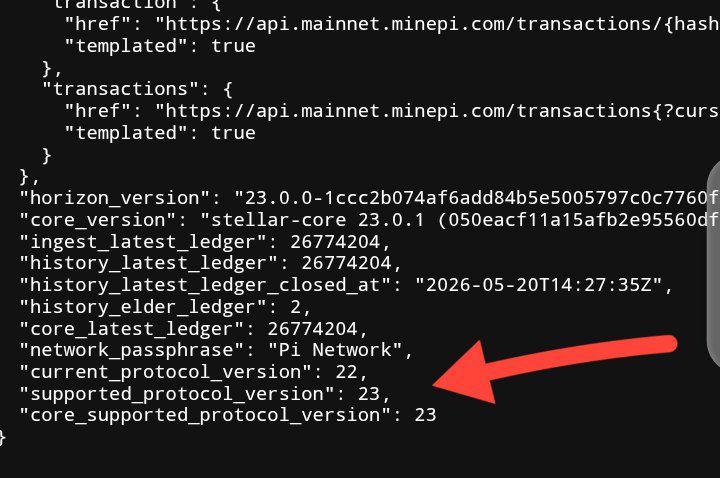
The support for the core version and the supported protocol on the API has now been officially upgraded to Protocol 23, therefore Protocol 23 on the Mainnet can be upgraded at any moment
@PiCoreTeam #PiNetwork
7
53
397
8,070
Pi Ram π 🇮🇳 retweeted
May 20
Big kudos to Mainnet Node operators for upgrading to v23.
Most major Nodes have now been upgraded, and the protocol is expected to move to v23 soon.
This was one of the most challenging upgrades to date, as it involved multiple subsystem upgrades and optimizations that required internal data reprocessing.
Protocol 22 -> 23, Ubuntu 20 -> 24, PostgreSQL 12 -> 16
733
1,848
8,117
288,596
Pi Ram π 🇮🇳 retweeted
May 19
AI is creating a new wave of builders.
People are turning ideas into apps faster than ever before.
But most creators still face the same problem after building:
How do you actually reach users?
Pi App Studio can now help close that gap.
Creators can now take apps built with external AI coding tools and connect them directly into an ecosystem with:
60M engaged users
Integrated payments
Decentralized human workforce
Platform-level infrastructure
If you know builders, vibe coders, indie creators, or AI communities looking for distribution and real users, share this with them.
The next generation of apps will come from more people than ever before.
Now they need places where those apps can actually be used.
Read more: minepi.com/blog/vibe-code-ap…
589
1,487
6,738
165,622
Pi Ram π 🇮🇳 retweeted

🚀 Pi Network’s New Era Begins 💜
11
68
421
5,947
Congratulations everyone 🎉
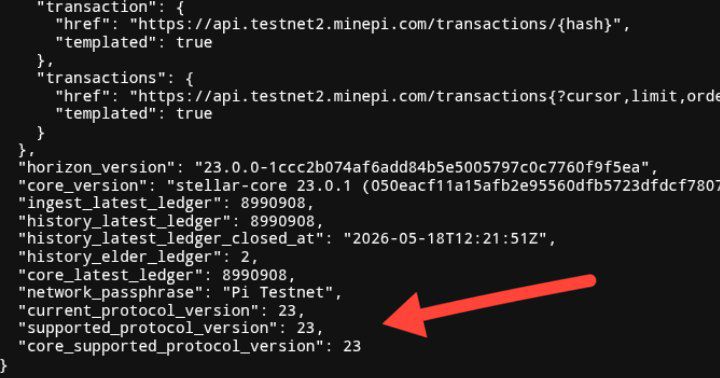
Protocol 23 has been officially upgraded and synchronized on the API in Testnet 2, but everything is not fully completed yet. Once the update reaches all nodes, the Protocol 23 upgrade will soon continue on the Mainnet as well
@PiCoreTeam #PiNetwork
9
65
509
12,482
Pi Ram π 🇮🇳 retweeted

May 13
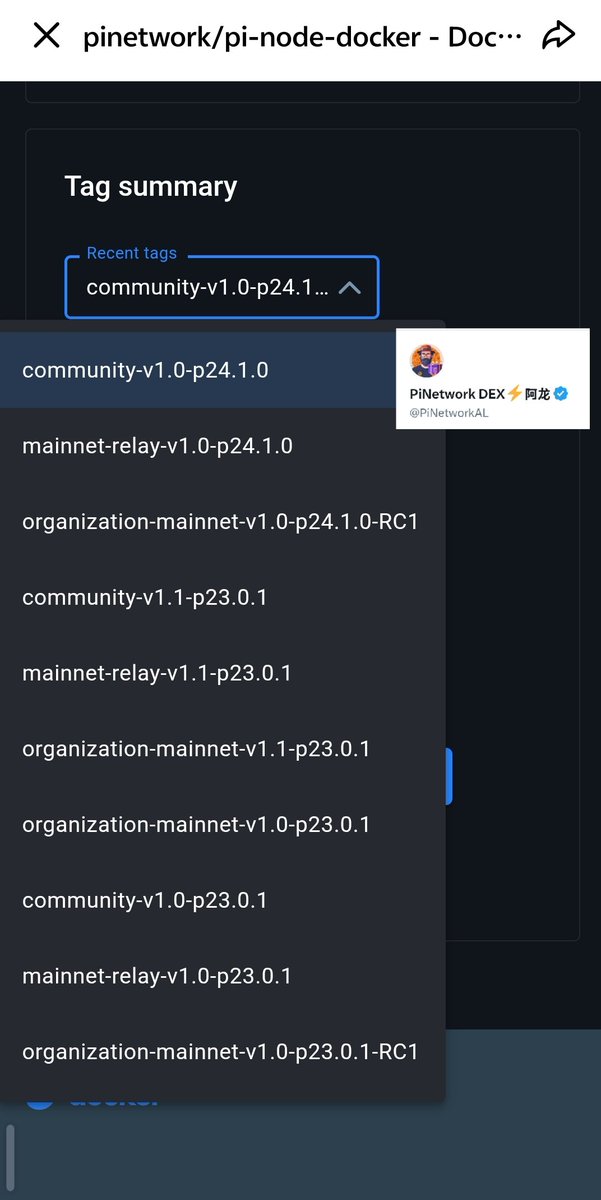
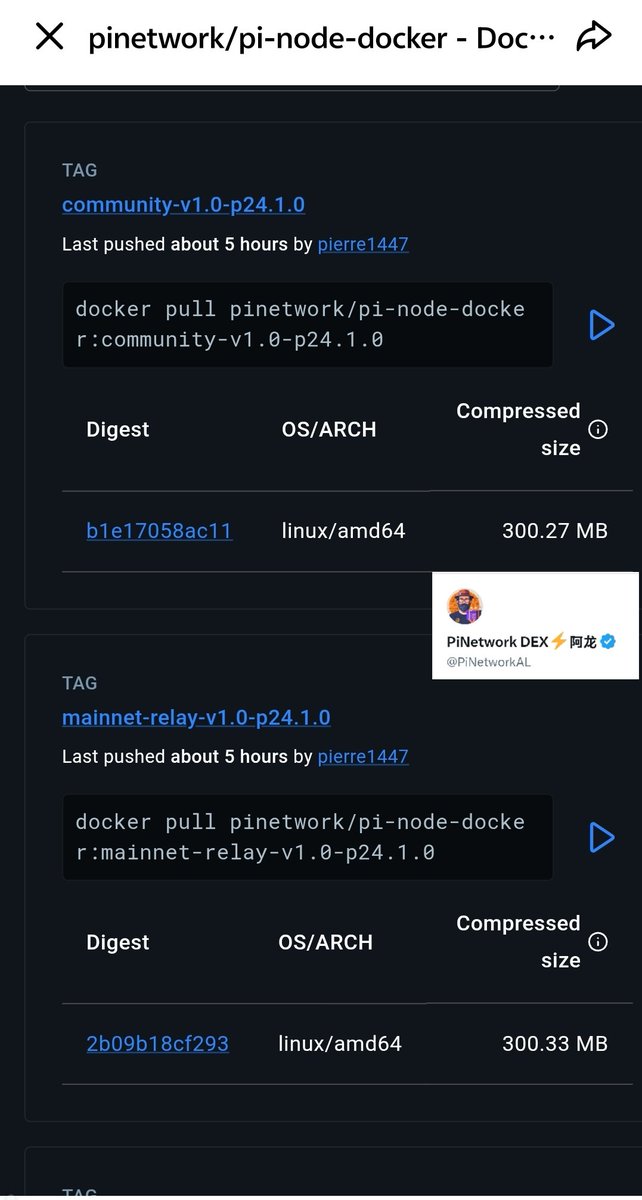
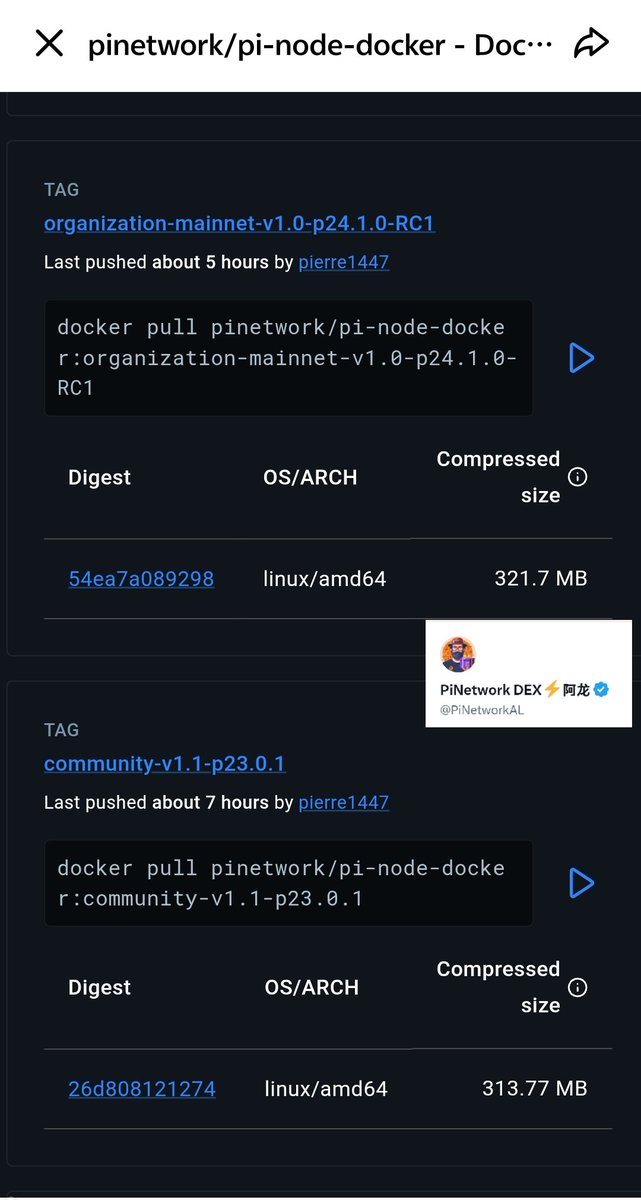
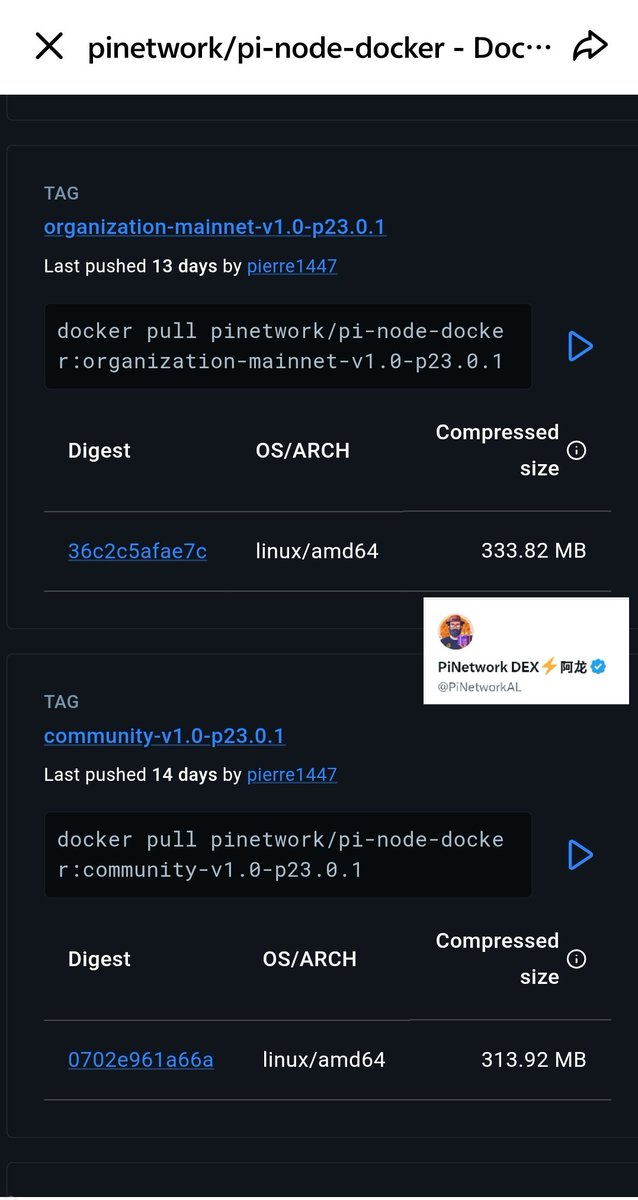
Breaking news 📢 #PiNetwork's latest official update📡 The PCT team released a major update late at night:👏
Not only have we iterated and optimized the v23 protocol node, but the highly anticipated v24 version has also been officially released and launched.🖥
From line after line of code to version push after version update,🎊
there's no such thing as an overnight explosion; it's the culmination of years of accumulation.👍
We've weathered a long period and will finally witness the day when the entire network shines✨🚀
10
71
605
23,540