
@TheBasementDAO is home | a @Dune Wizard wannabe
Joined July 2009
- Tweets 13,606
- Following 1,172
- Followers 1,105
- Likes 10,457
1,668 Photos and videos

bats4 retweeted

Jun 10
🧨 BREAKING: Introducing Pyth Indices.
Proprietary 24/7 indices across U.S. equities, oil, metals, and thematic baskets co-developed with @MarketVector.
Launched in collaboration with include @coinbase, @krakenfx, @nadoHQ, and @dYdX. 🧵
200
128
564
126,273
bats4 retweeted

Jun 10
oh? big one!
To note:
- Pyth had the first oil index live well before others (oil in March, the rest in stealth with live integrations like dYdX)
- 24/5 is Pyth's playground. Launched in September 2025 with Blue Ocean exclusivity, it now offers 150 24/5 US equity feeds
1
3
194

Anyone can participate in $SPCX (@SpaceX) IPO because of @PythNetwork
It isn’t the first, and it wouldn’t be the last as well
Jun 4

$SPCX. SpaceX. June 12.
The most-anticipated listing in years. The largest equity perp market ever to launch onchain.
Pyth will be live the moment it prints.
Full breakdown: pyth.network/blog/the-ipo-or…
1
2
96
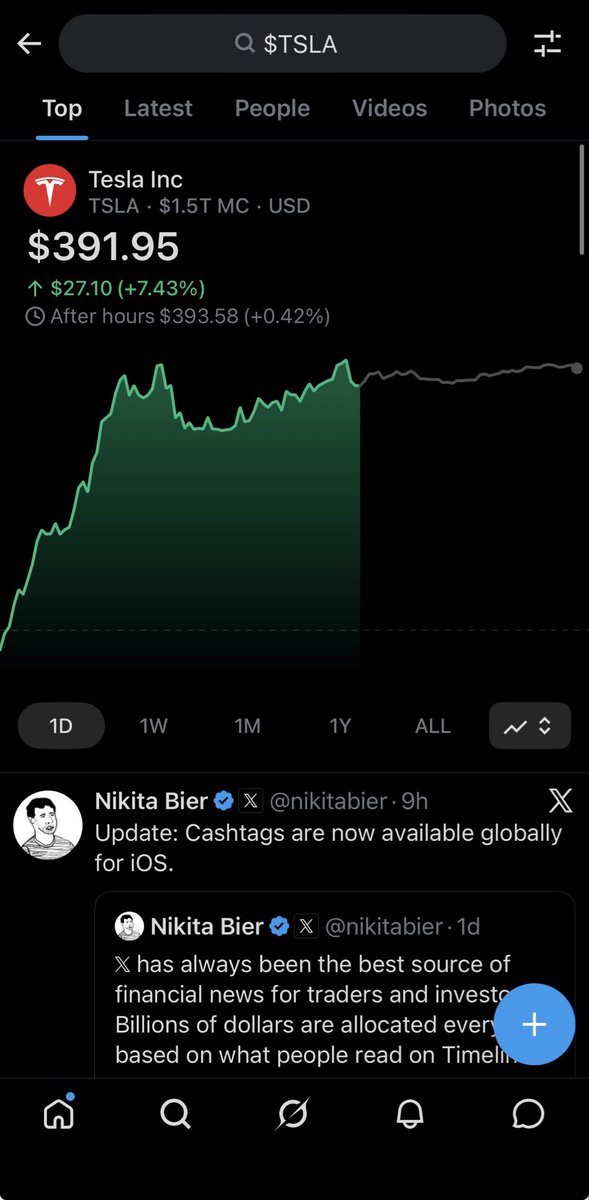
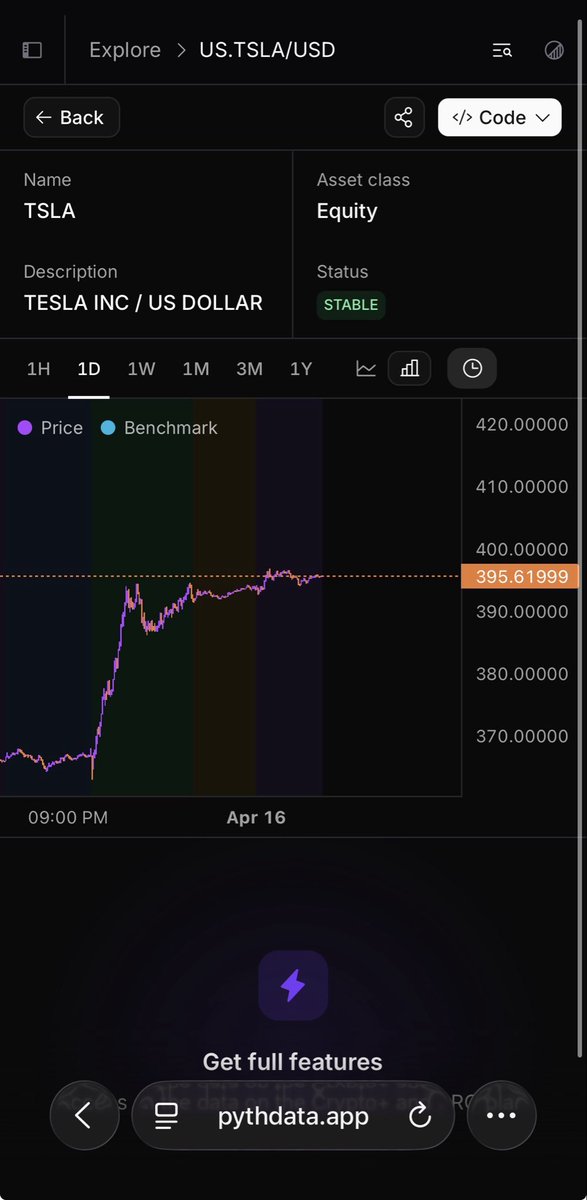
Cashtag says $TSLA is at $393.58 (after hours)
@PythNetwork says it is at $395.62
I’d believe the one that has “exclusive” access to @BlueOceanATS
and you know that is Pyth
7
2
20
511
watch this
Feb 2
Sunday night.
U.S. exchanges closed.
$10.5B in U.S. equities traded anyway.
@BlueOceanATS hit an all-time record this weekend for after hours trading.
Pyth is the only oracle with exclusive access to Blue Ocean–sourced overnight U.S. equity pricing.
7
113
bats4 retweeted

Apr 10
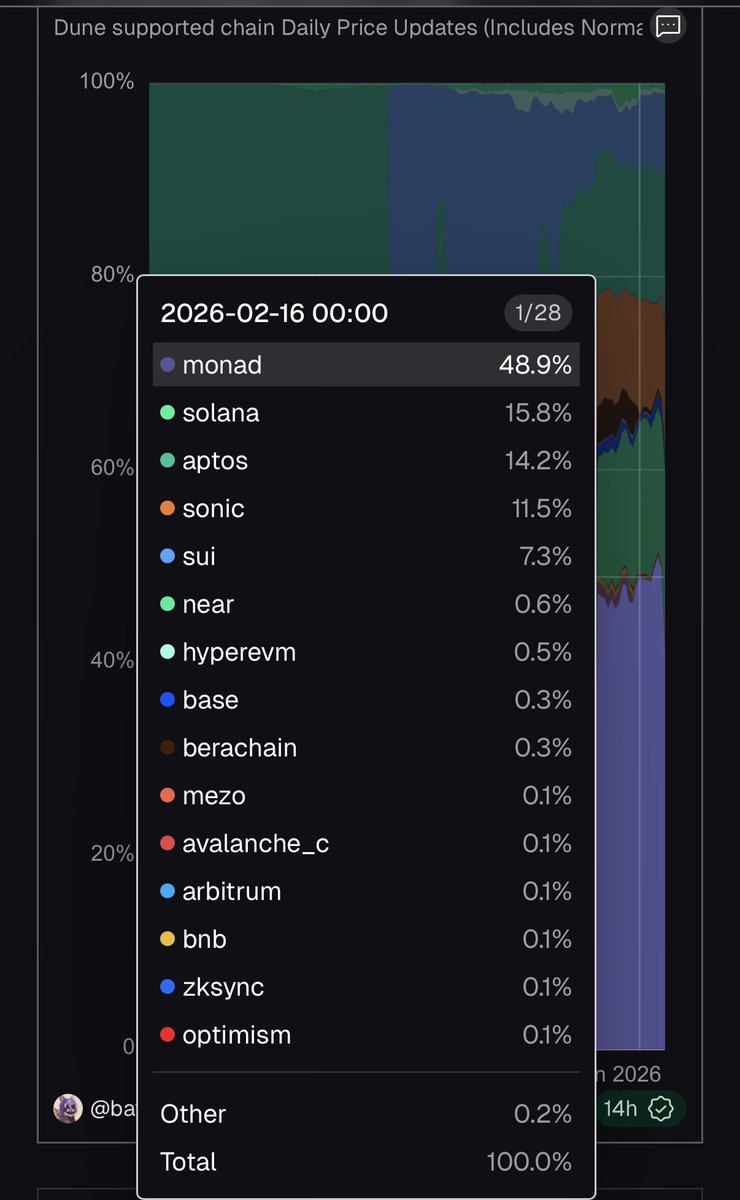
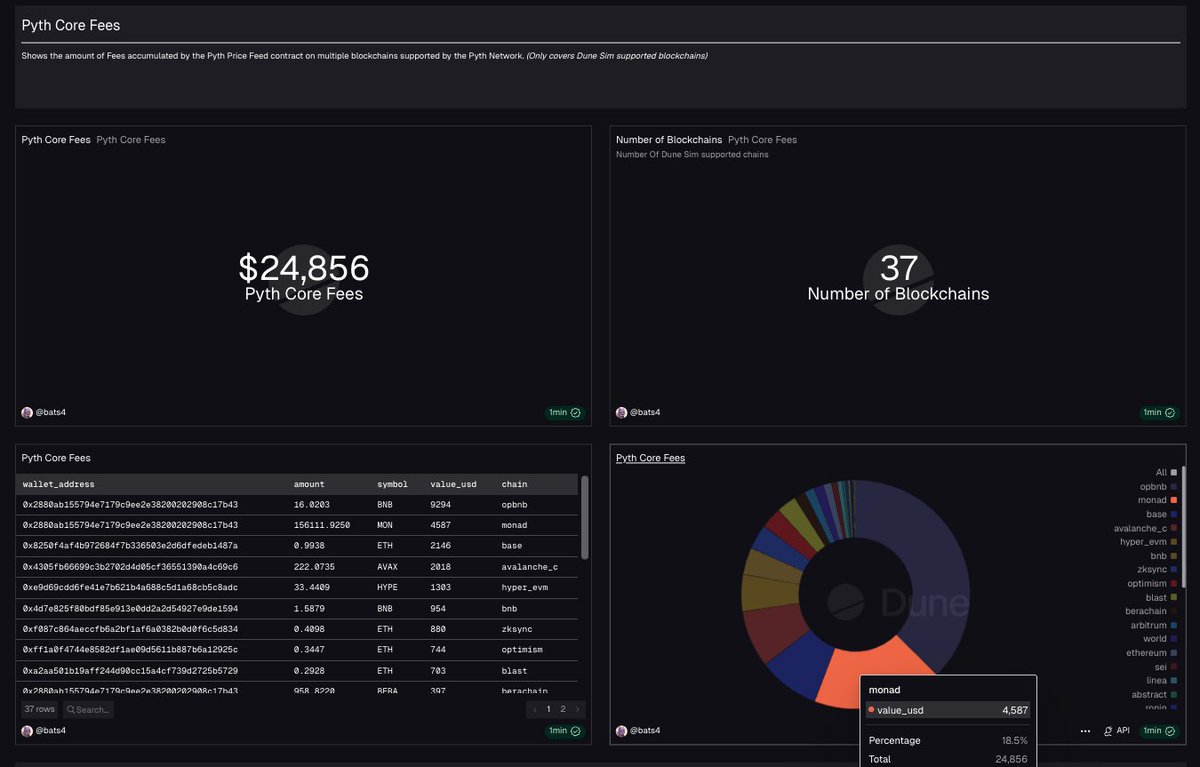
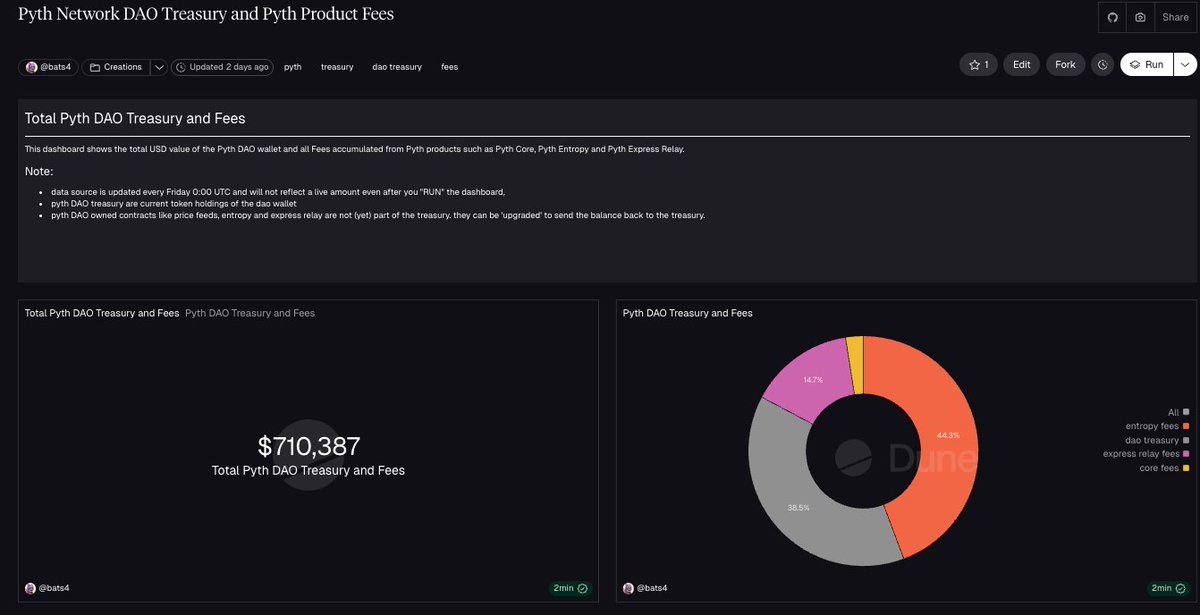
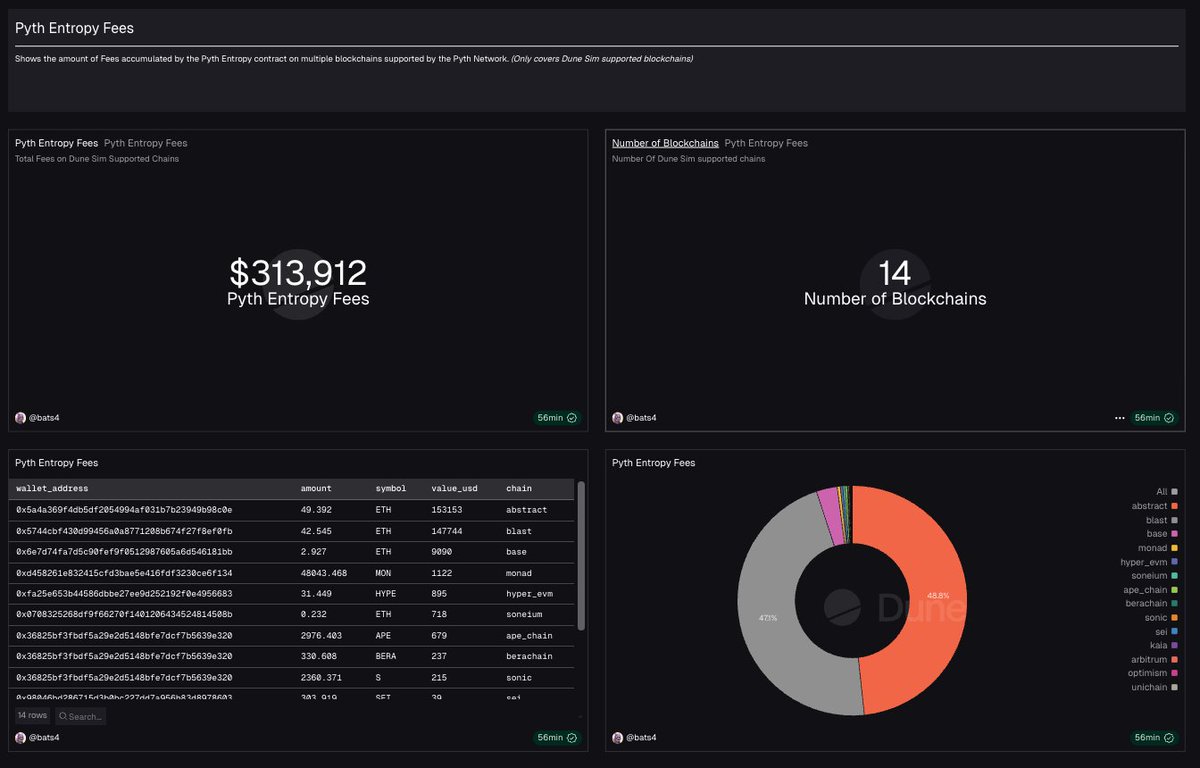
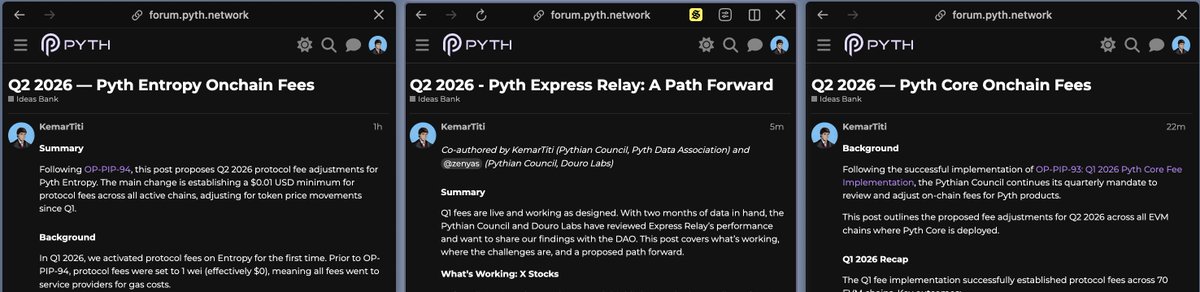
It's that time of the year when we review @PythNetwork onchain fees 🫡🔮
6
3
32
604
there was a time when @Cboe sells Pyth data on their data shop
now, Pyth itself are distributing financial institutions data via the Pyth Data Market Place
times have changed
Apr 9
BREAKING: 6 of the world’s largest financial institutions join Pyth Network to distribute proprietary data onchain 🏦
Unlocking: Spot FX. Precious metals. Crude swaps. OTC pricing. Fixed income. Corporate actions. Reference data.
Introducing the Pyth Data Marketplace 🧵
2
1
15
506

🚨BREAKING: 6 GLOBAL FINANCIAL TITANS JOIN PYTH TO STREAM PROPRIETARY DATA ONCHAIN
@PythNetwork has introduced the Data Marketplace. The protocol partners with Fidelity Investments, Euronext, and four other major financial institutions to move proprietary market data directly onchain.
Through the new Pyth Data Marketplace, these firms will distribute real-time pricing for fixed income, Crude swaps, Spot FX, and precious metals.
This transition moves critical financial data from closed terminals to open infrastructure designed for decentralized finance.
The partnership includes Tradeweb, OTC Markets Group, SGX FX, and Exchange Data International.
16
15
94
5,662
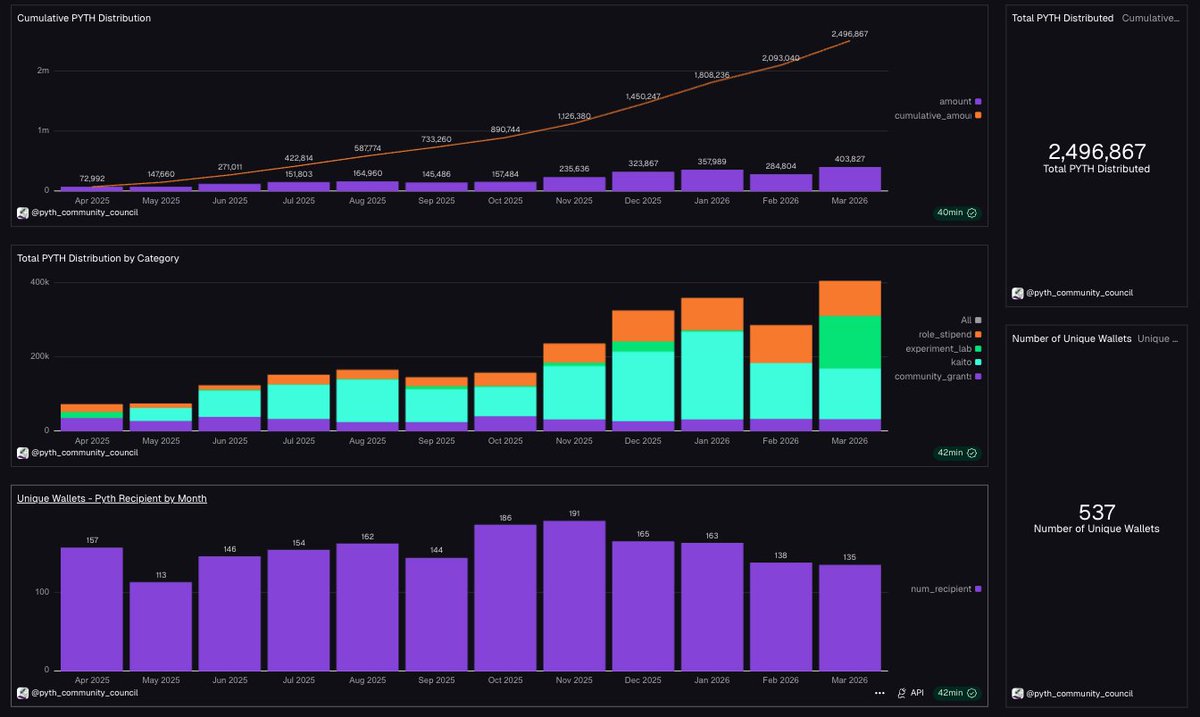
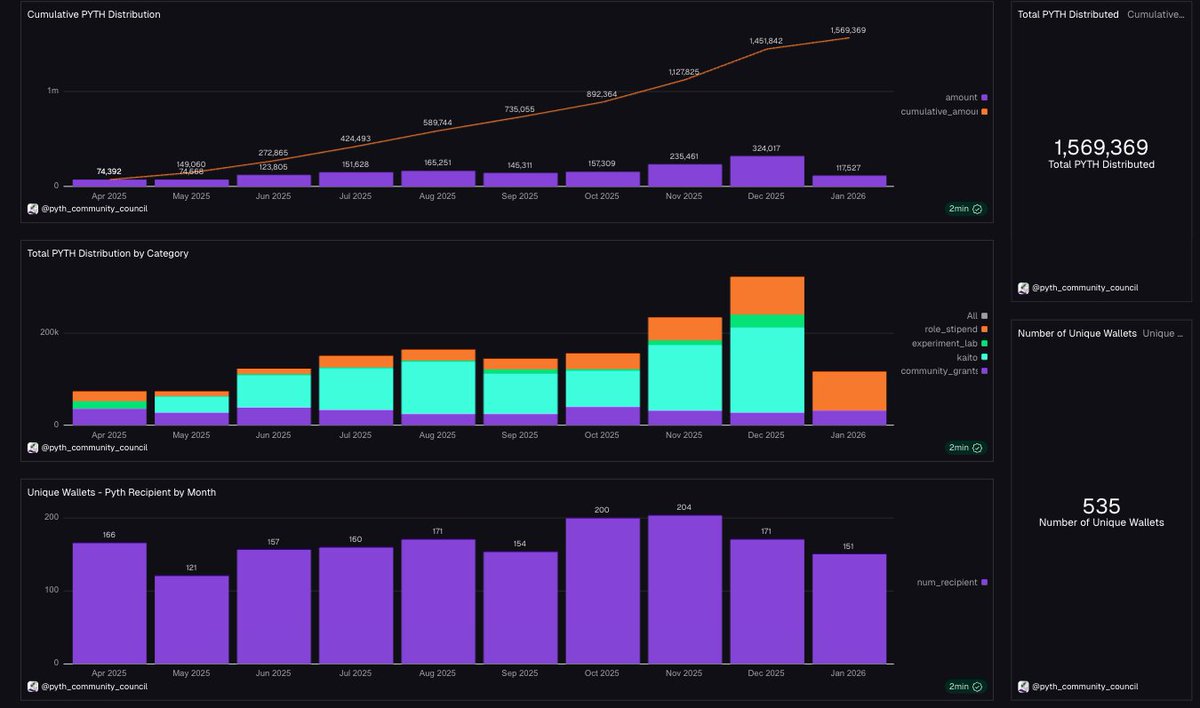
about 2.5 Million $Pyth distributed to the community via the 2025 Pyth Community Council with 400k of it from February initiatives (distributed this March)
My term will also end and excited for a new council to replace me.
Good luck to the new council on the upcoming term!
*hit me up if you would like to continue to use @Dune DB
7
19
648
bats4 retweeted

Mar 16
Introducing pythwheel.com
Using @PythNetwork Entropy to award prizes randomly to our awesome Discord members.
We are live now on @monad, so get yourself some $MON, spin the wheel, and win prizes.
Not yet a member? Join us at discord.gg/pythnetwork
Don't have any $MON? You can use @mayan to bridge some funds from other chains to get yourself some MON cheap and easy!!!
31
17
95
14,444

How the fuck is CT grading this response on tone instead of product judgment?
Thinking the issue is that a warning appeared, that a user checked a box, or that the trade could technically be completed, is stupid.
The issue is that a leading interface in DeFi allowed a $50M order to move through a flow where catastrophic execution was an entirely predictable outcome. Once you know the order size, know the available liquidity, know the expected slippage, and know the probable output degradation, responsibility shifts to the system design itself.
At that point, hiding behind user consent is weak as fuck.
Consent inside a badly designed decision environment does not suddenly become good product architecture. Imagine using the same checkbox for acceptable slippage on a normal trade and on a trade that can lose $50M....
What they are doing, through lack of vision and lack of standards, is pushing liability downstream.
What makes this worse is that the solution is obvious.
Extreme order sizes should trigger a different class of interface behavior because they belong to a different class of risk.
Hard execution thresholds, delayed confirmations, forced acknowledgment of minimum output in large font, segmented execution paths, deeper routing logic, stronger friction as size detaches from liquidity, and escalation rules for absurd trades.
None of this requires a research breakthrough.
It requires teams to stop acting like legality at the transaction layer is enough to claim integrity at the product layer.
Aave has enough stature, enough resources, and enough industry visibility to know this.
So when one of the flagship names in crypto answers an event like this with “the warning was shown and the system worked as intended,” what it really communicates is something much uglier: the mindset of too many crypto founders is complacent as fuck, and that is exactly why the industry still struggles to earn the trust it keeps claiming it wants.
Mar 12

Earlier today, a user attempted to buy AAVE using $50M USDT through the Aave interface.
Given the unusually large size of the single order, the Aave interface, like most trading interfaces, warned the user about extraordinary slippage and required confirmation via a checkbox. The user confirmed the warning on their mobile device and proceeded with the swap, accepting the high slippage, which ultimately resulted in receiving only 324 AAVE in return.
The transaction could not be moved forward without the user explicitly accepting the risk through the confirmation checkbox.
The CoW Swap routers functioned as intended, and the integration followed standard industry practices. However, while the user was able to proceed with the swap, the final outcome was clearly far from optimal.
Events like this do occur in DeFi, but the scale of this transaction was significantly larger than what is typically seen in the space.
We sympathize with the user and will try to make a contact with the user and we will return $600K in fees collected from the transaction.
The key takeaway is that while DeFi should remain open and permissionless, allowing users to perform transactions freely, there are additional guardrails the industry can build to better protect users. Our team will be investigating ways to improve these safeguards going forward.
76
66
591
63,702
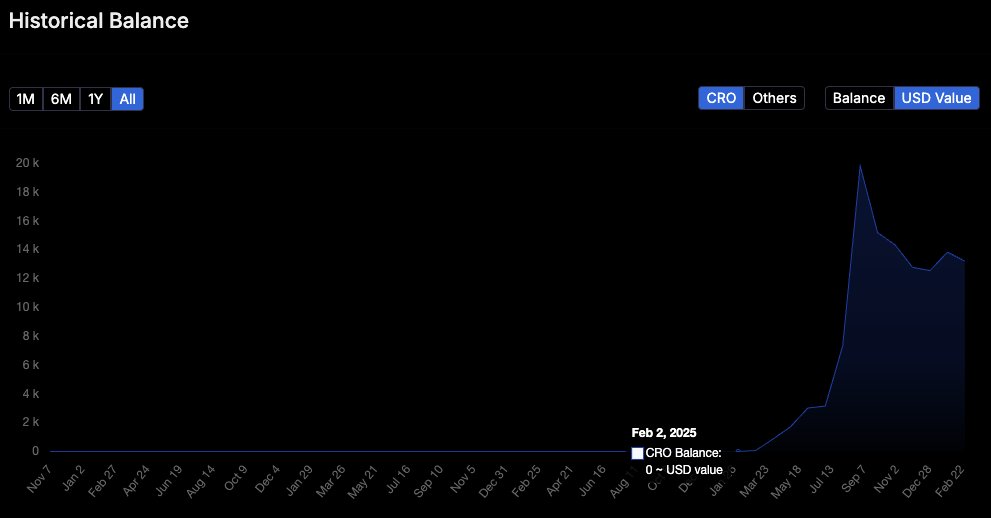
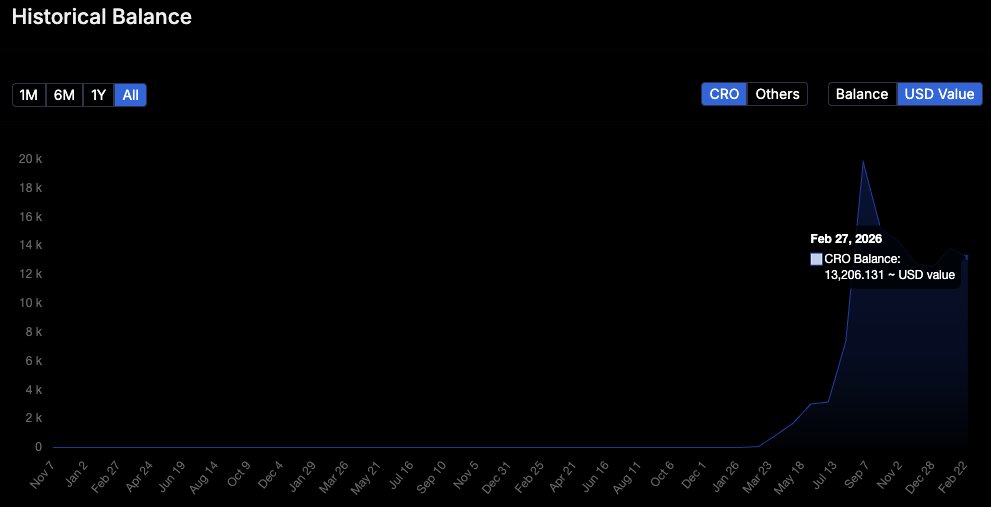
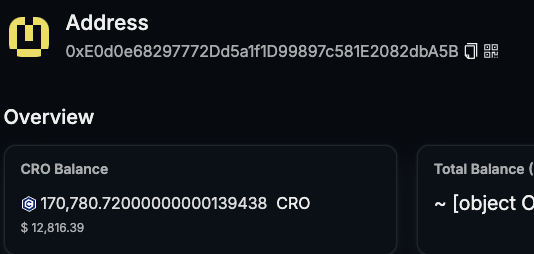
1 year since the implementation of fees on @CronosApp
fee wallet accumulated a total of 170k $CRO which is equal to almost 13,000 USD (ATH at almost 20,000)
checked most of the Pyth Price Feed Fees wallet and it looks Cronos collected the top spot in fees collection.
it even went above opBNB which is the first chain to have fees activated.
with fees activated on all EVMs chain, i wonder what will be the result next year.

Cronos
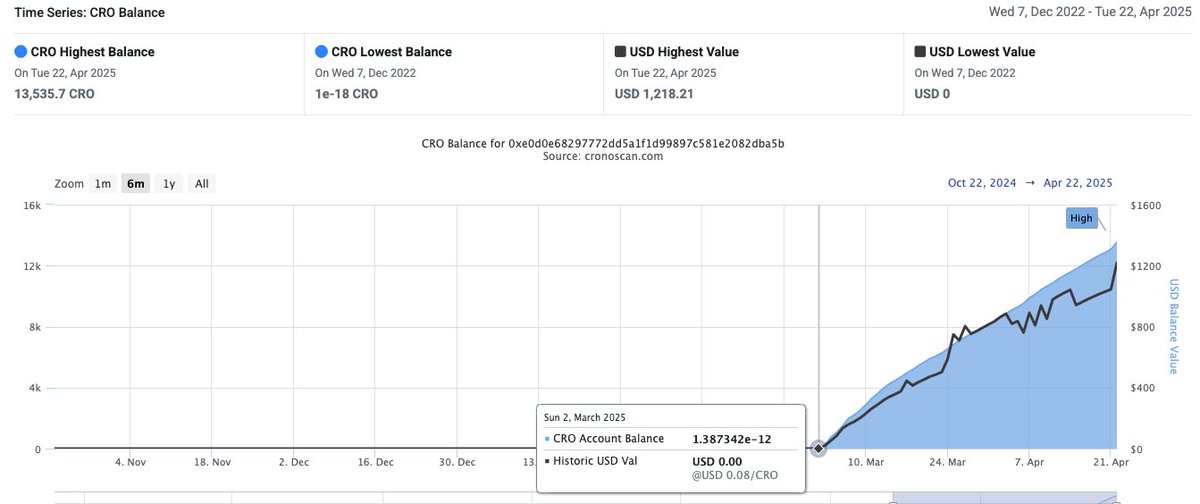
13,777 $CRO = $1,258; $629 (Average)
Cronos went above the expected amount
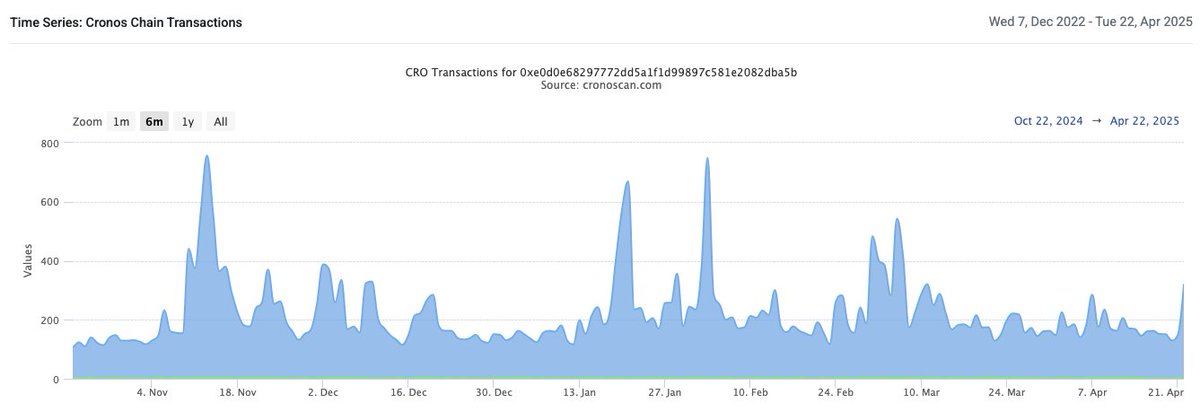
Each Price Feed Update txn has 24 Feed updates
Number of txns also doesn't seem to be changing even after the application of new fees
3
277
bats4 retweeted

Feb 12
Quite a bit of confusion lately on 24/5 trading and the @PythNetwork @BlueOceanATS partnership—thought a video might help elaborate on some of the details:
Jan 22

A few buzz words to highlight here:
→@PythNetwork
→ EXCLUSIVE
→ partnership
→ @BlueOceanATS
→ 24/5
→ overnight
→ markets
FYI:
→ @BlueOceanATS does 90% of extended hours trading volume
→ @PythNetwork @BlueOceanATS partnership established 9.2025
Critical Questions:
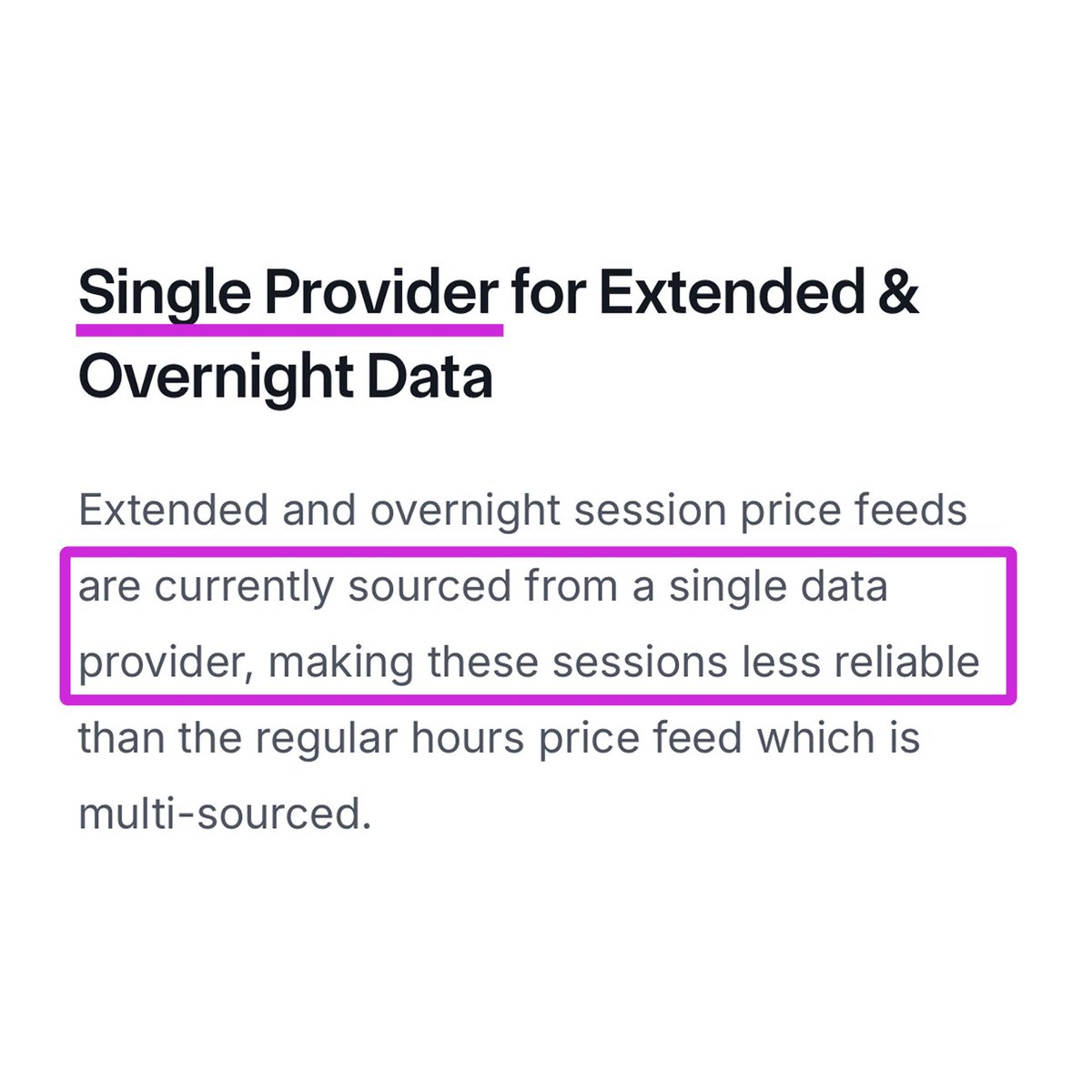
▪️Who the hell is the data provider / publisher for Chainlink?
▪️ Is this source of data even reliable?
All I can say is Chainlink might be doing a little bit of this (see below):
10
10
57
2,230
bats4 retweeted

Jan 21
As we continue to underscore our move towards tokenization, we are excited to advance our partnership with @PythNetwork to bring institutional-grade #overnight #markets to #crypto and continue building together.
Our market data is exclusively available via Pyth Network.

15
14
58
15,667
bats4 retweeted
Jan 22
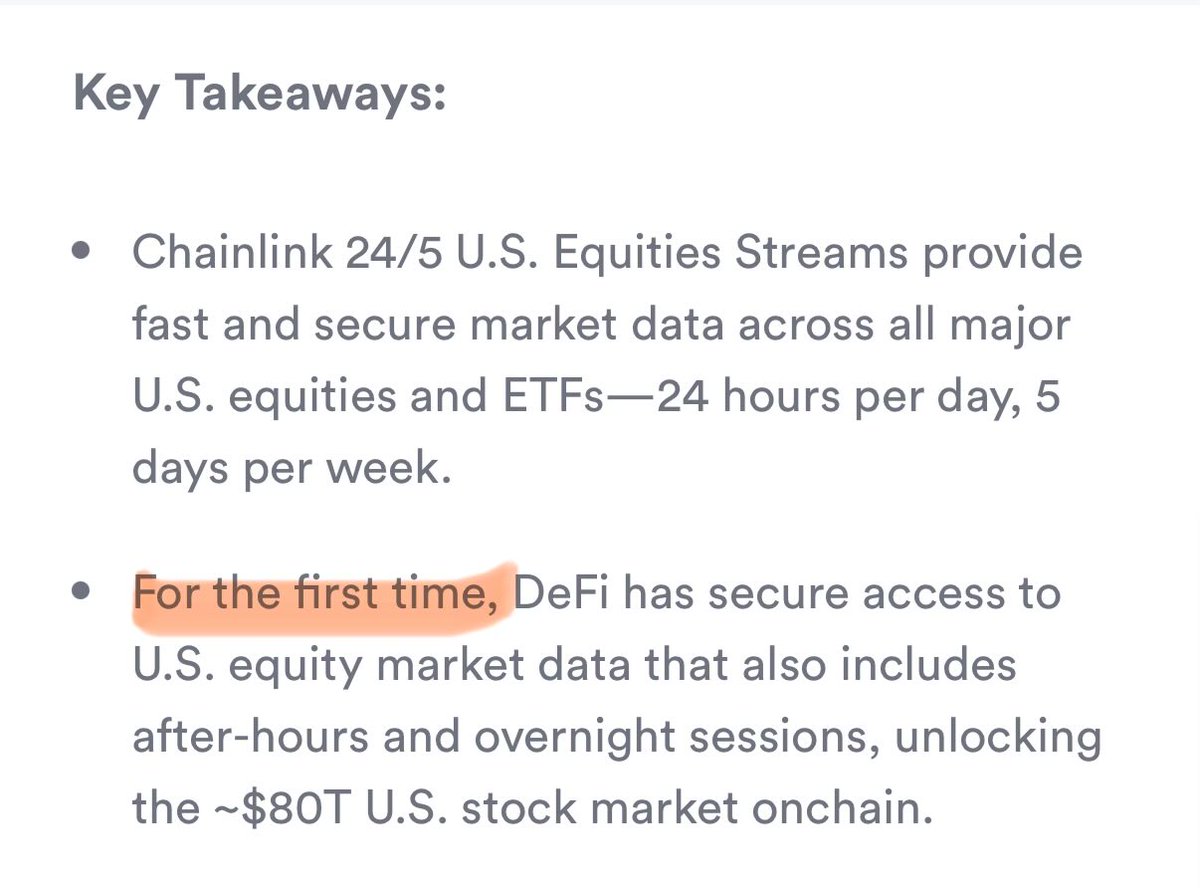
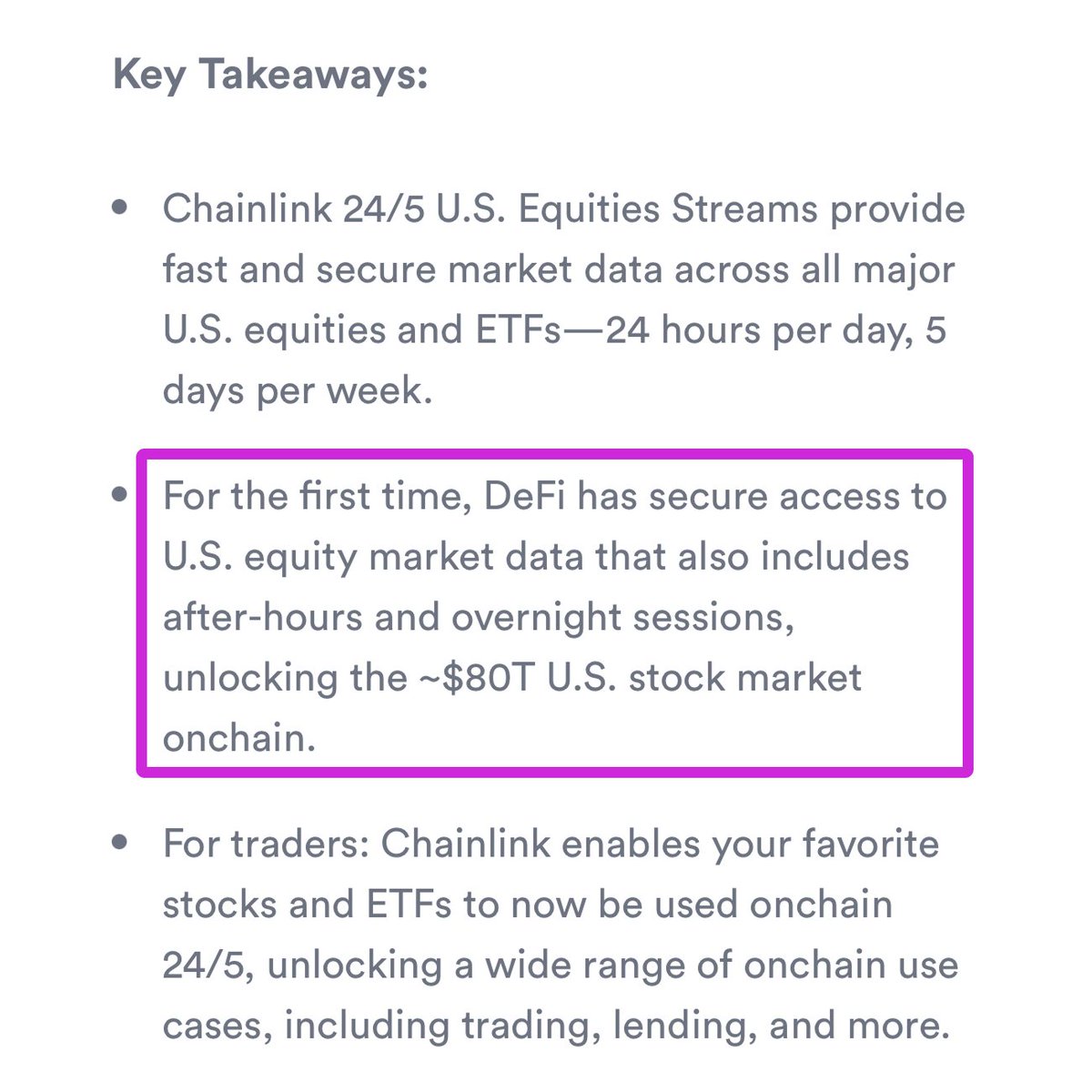
Chainlink marketing strikes again with creative storytelling.
"For the first, DeFi has secure access to after-hours and overnight sessions"
Timeline:
- Pyth launched September 2025
- Chainlink launched 2 days ago
Coverage:
- Pyth: 50 stocks
- Chainlink: 19 stocks
Data Quality & Reliability:
- Chainlink sources from one undisclosed provider with zero access to Blue Ocean.
- Pyth aggregates multiple institutional sources, including exclusive Blue Ocean access throughout 2026.
FYI: Blue Ocean does 90% of extended hours trading volume
Performance:
- Chainlink: 500ms updates
- Pyth: 1ms when needed (though rarely required)
Apps using:
TradeXYZ, Flash Trade, Dreamcash, Ventuals, BitMEX, Lighter, and many other unannounced (stay tuned)
So if you are looking to integrate real-time and accurate 24/5 US equities, give @PythIntern a ring ☎️
Jan 20

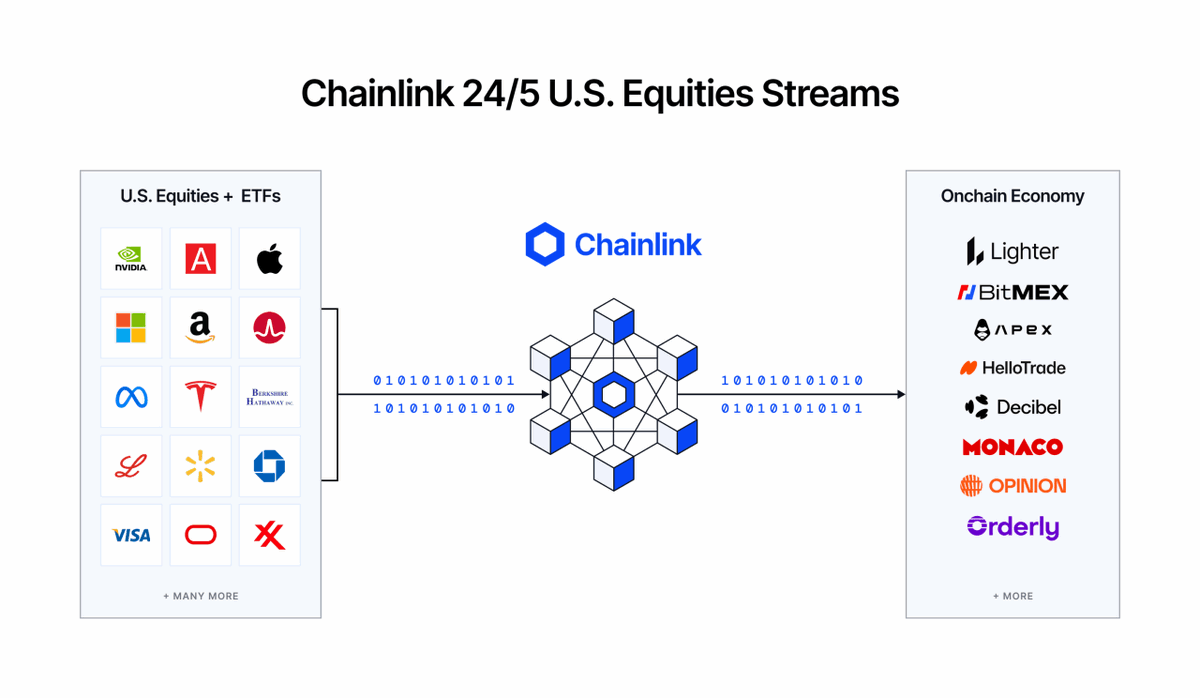
It's official, the $80 trillion U.S. stock market is coming onchain and it's powered by Chainlink 🔥
24/5 U.S. Equities Streams is now live across 40 blockchains—providing fast and secure market data across all major U.S. equities and ETFs
This data stitches together regular trading hours (weekdays 9:30AM - 4PM ET) with pre, post, and overnight trading market data to create a continuous 24/5 stream of data
As trading of U.S. equities and ETFs migrates to becoming 24/7, Chainlink will easily support that transition
Notably, this data goes beyond delivering a mid-price, but also provides bid-ask data, last trade prices, volumes, market-status flags, and staleness indicators
This data unlocks countless onchain use cases including equity perps, prediction markets, tokenized/synthetic equities, lending markets, structured products, and more
Day-one users includes:
- @Lighter_xyz (2nd largest perp DEX)
- @BitMEX (the inventor of crypto perps)
- @OfficialApeXdex (top-10 perp DEX)
- @hellotradeapp (MegaETH perp DEX)
- @DecibelTrade (Aptos perp DEX)
- @MonacoProtocol (Sei betting markets)
- @opinionlabsxyz (Prediction markets)
- @OrderlyNetwork (Perp DEX infra)
Chainlink is the backbone of the onchain economy
31
18
81
9,390
oh come on, @PythNetwork has it since September 2025.
maybe first time this year? 🤣
Jan 20
It's official, the $80 trillion U.S. stock market is coming onchain and it's powered by Chainlink 🔥
24/5 U.S. Equities Streams is now live across 40 blockchains—providing fast and secure market data across all major U.S. equities and ETFs
This data stitches together regular trading hours (weekdays 9:30AM - 4PM ET) with pre, post, and overnight trading market data to create a continuous 24/5 stream of data
As trading of U.S. equities and ETFs migrates to becoming 24/7, Chainlink will easily support that transition
Notably, this data goes beyond delivering a mid-price, but also provides bid-ask data, last trade prices, volumes, market-status flags, and staleness indicators
This data unlocks countless onchain use cases including equity perps, prediction markets, tokenized/synthetic equities, lending markets, structured products, and more
Day-one users includes:
- @Lighter_xyz (2nd largest perp DEX)
- @BitMEX (the inventor of crypto perps)
- @OfficialApeXdex (top-10 perp DEX)
- @hellotradeapp (MegaETH perp DEX)
- @DecibelTrade (Aptos perp DEX)
- @MonacoProtocol (Sei betting markets)
- @opinionlabsxyz (Prediction markets)
- @OrderlyNetwork (Perp DEX infra)
Chainlink is the backbone of the onchain economy
7
2
16
694
bats4 retweeted

Jan 19
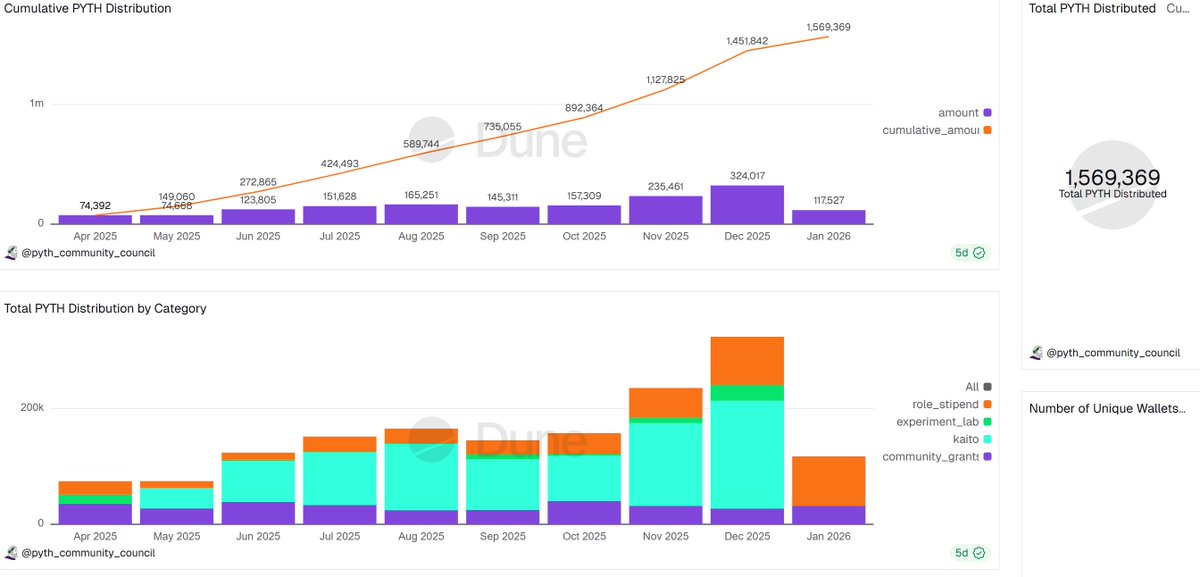
God forbid a post TGE project decides to reward its loyal supporters of the past two years and distribute free $ every month to people with different talents
These stats aren’t final btw
If there were an award for best post TGE ahhh project that accolade would definitely go to @PythNetwork
Pythians be cooking regardless of the market conditions
9
1
37
642