Founder & Dev @BeeARDai | Accelerating Scientific Discovery with AI 🤖 | Views are my own.
Joined March 2025
- Tweets 68
- Following 116
- Followers 156
- Likes 626
10 Photos and videos


BeeARDev retweeted

4 Nov 2025
Some of the coolest stuff going on these days in psy science
4 Nov 2025

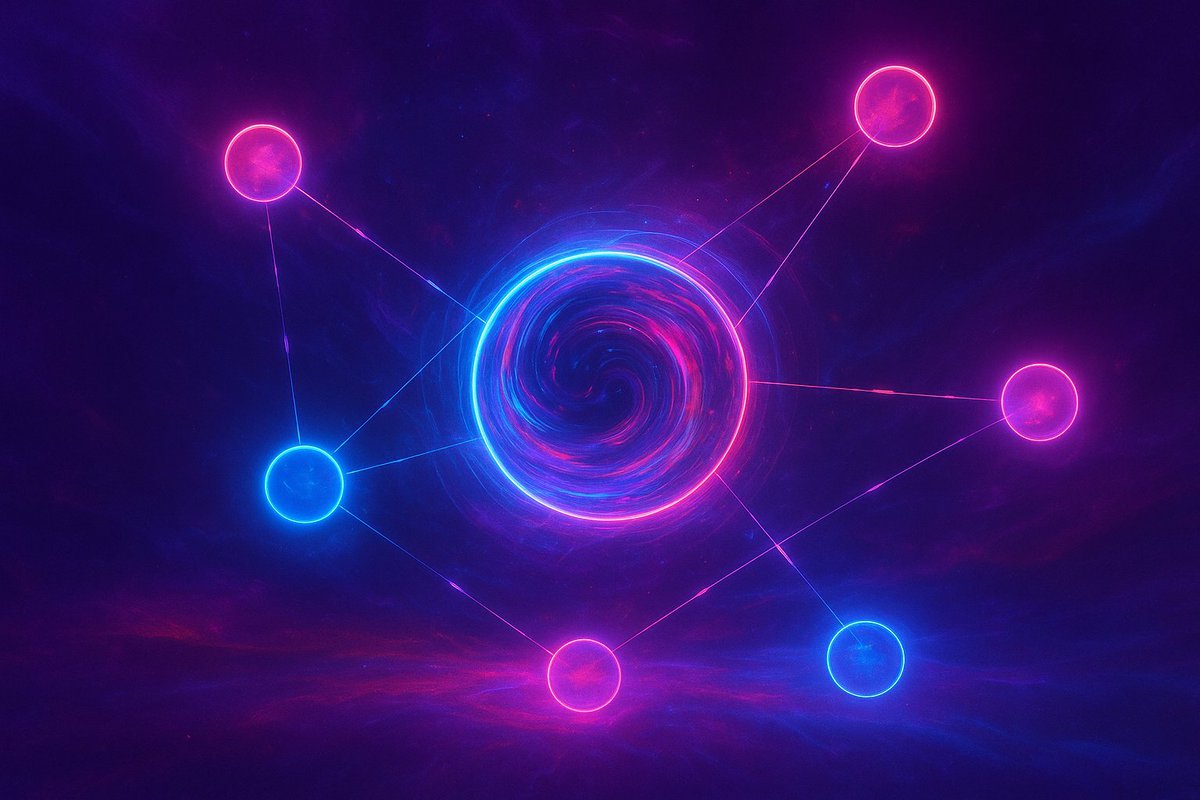
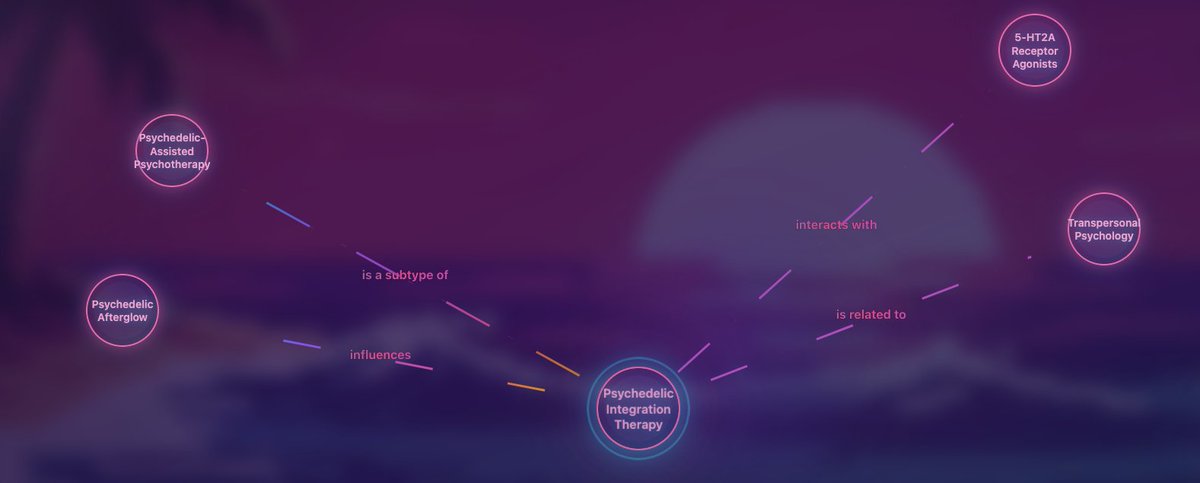
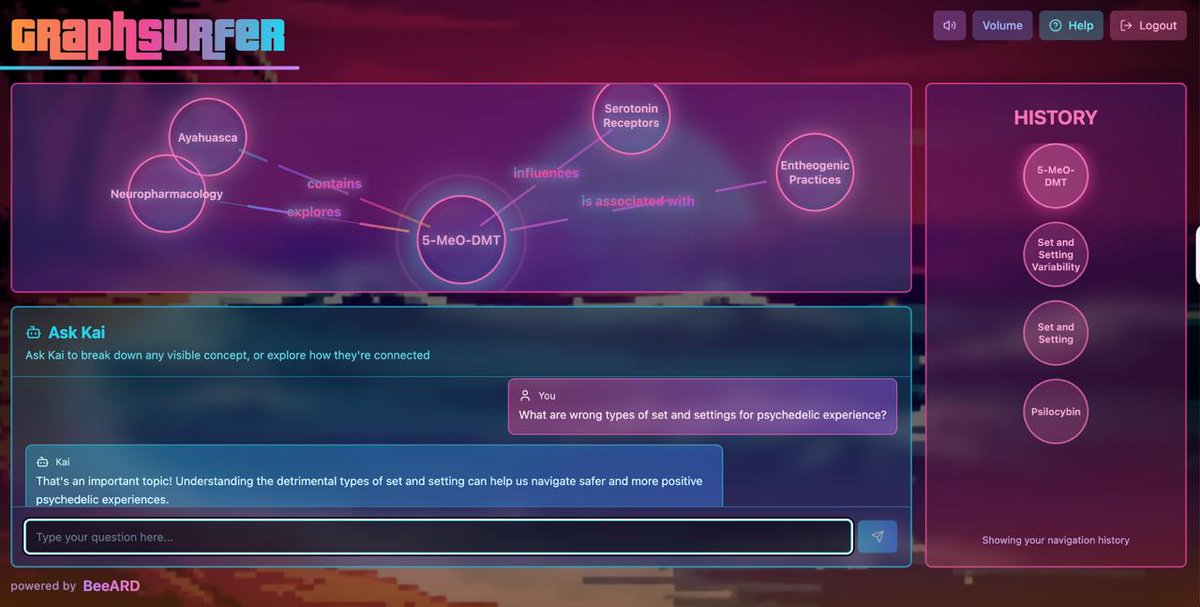
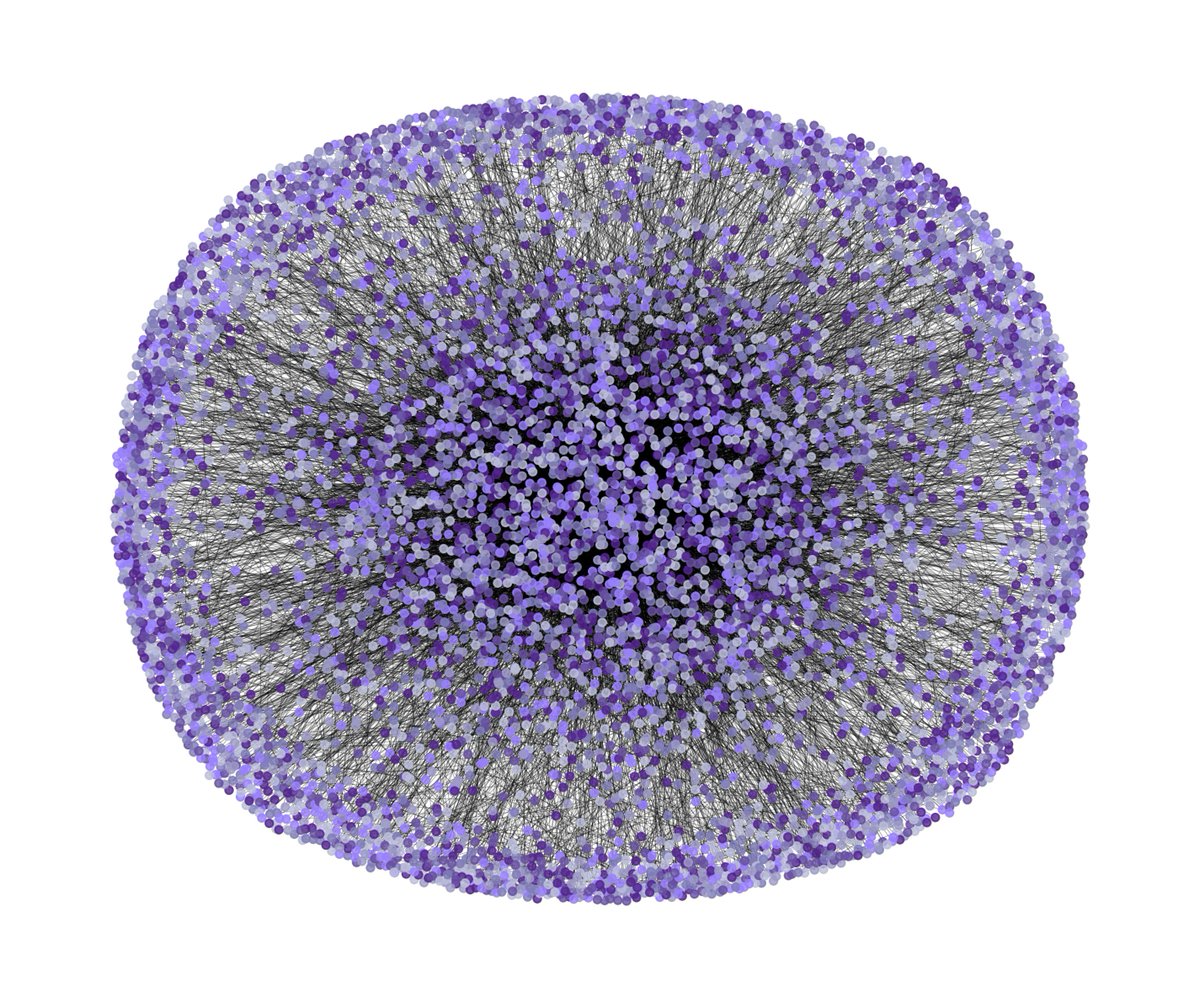
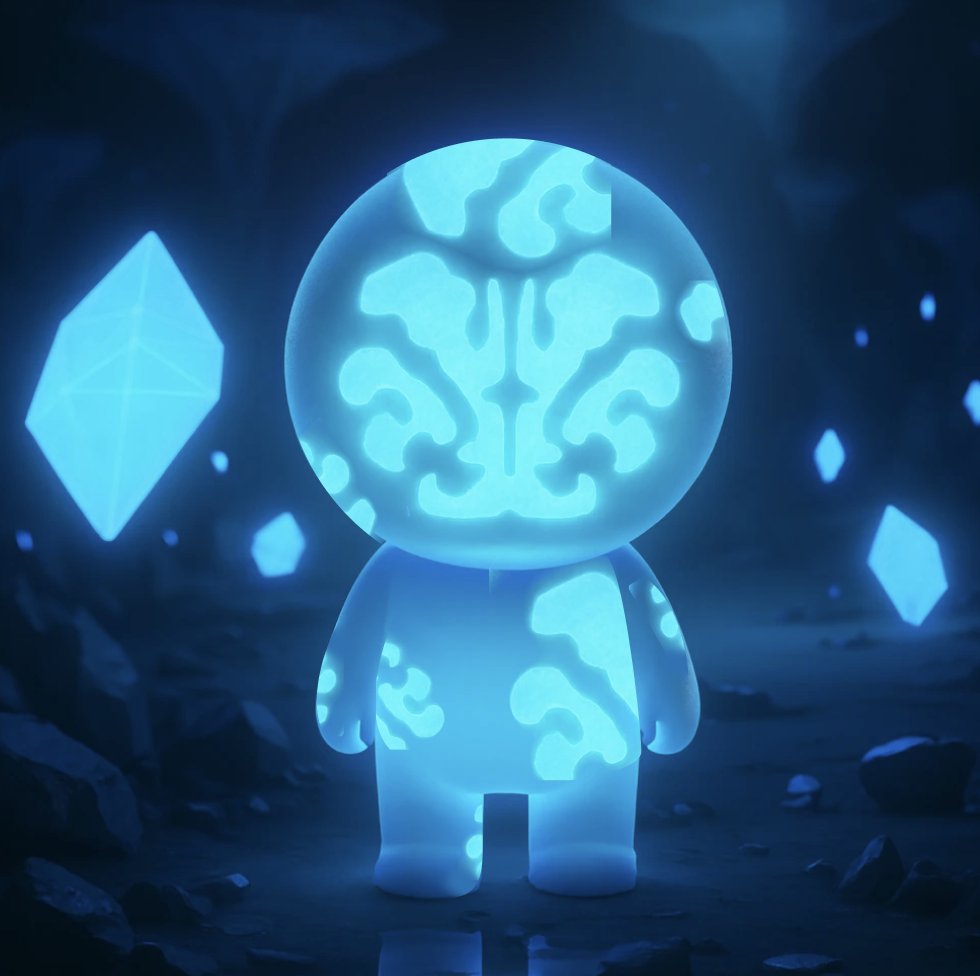
so this is an island spirit with a face inspired by Rorschach test. @BeeARDai is launching v2 of GraphSurfer, a game created together with @psy_dao, where you can surf the psychedelic science knowledge graph and LEARN about psychedelics while PLAYING. @LeaFilipo made it beautiful
2
5
613
BeeARDev retweeted

4 Nov 2025
so this is an island spirit with a face inspired by Rorschach test. @BeeARDai is launching v2 of GraphSurfer, a game created together with @psy_dao, where you can surf the psychedelic science knowledge graph and LEARN about psychedelics while PLAYING. @LeaFilipo made it beautiful
4
3
16
2,145

3 Nov 2025
it is time to surf psychedelic knowledge graph!

- - ADMIN POST - -
gn! we are launching the new version of GraphSurfer soon and this Thursday we want to show the demo at the Global Psychedelic Week in Berlin together with @psy_dao friends.
invite here: luma.com/syr3who5
here’s a sneak peek 👀 thanks to our dearest designer @LeaFilipo

3
96
BeeARDev retweeted

11 Sep 2025
"Can researchers stop AI making up citations?"
nature.com/articles/d41586-0…
3
10
2,613
26 Aug 2025
wild: one dose of psilocybin can quickly activate the brain’s growth mode within ~1h, learning genes switch on and certain neurons start to rewire (elifesciences.org/reviewed-p…). in human lab neurons, psilocin also boosts BDNF (a growth signal, frontiersin.org/journals/pha…).
early, but real @psy_dao
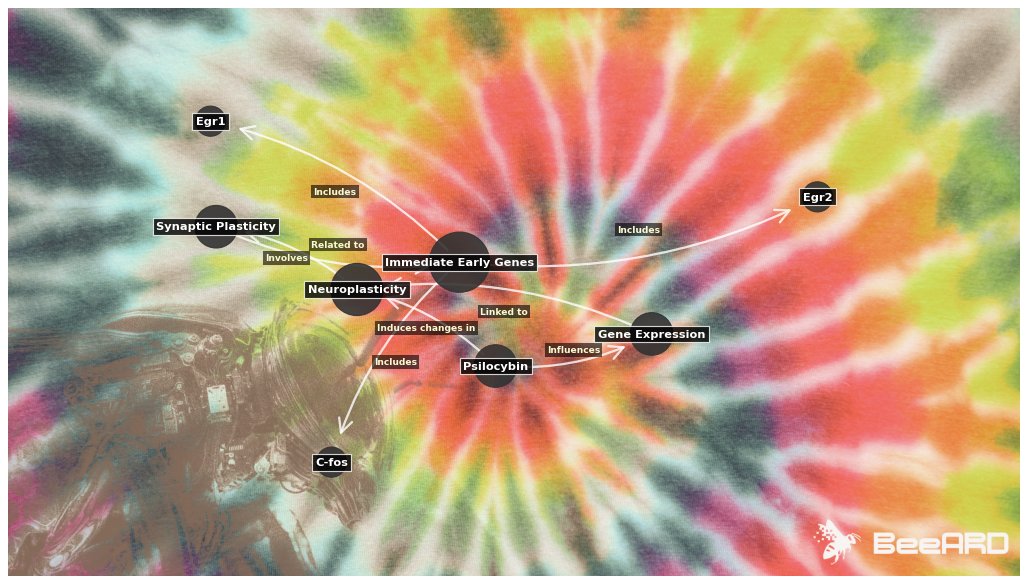
today i discovered that psilocybin influences gene expression, including genes linked to neuroplasticity. this may help explain why individuals respond differently to its effects. multiple studies confirm that psilocybin and related psychedelics induce rapid, time-dependent, and cell-type specific changes in gene expression. these changes involve genes related to synaptic plasticity, such as immediate early genes like c-fos, egr1, and egr2, which are associated with neuroplasticity
ongoing research into these molecular pathways is promising and could one day inform more personalized approaches to psychedelic therapy and mental health treatment. however, the direct translation of these findings into clinical practice remains under investigation and is not yet established
understanding these molecular connections might eventually transform how we approach mental health treatments, turning what feels mysterious today into tomorrow's personalized medicine. more studies are needed to fully understand the clinical relevance of these mechanisms
3
4
17
1,331

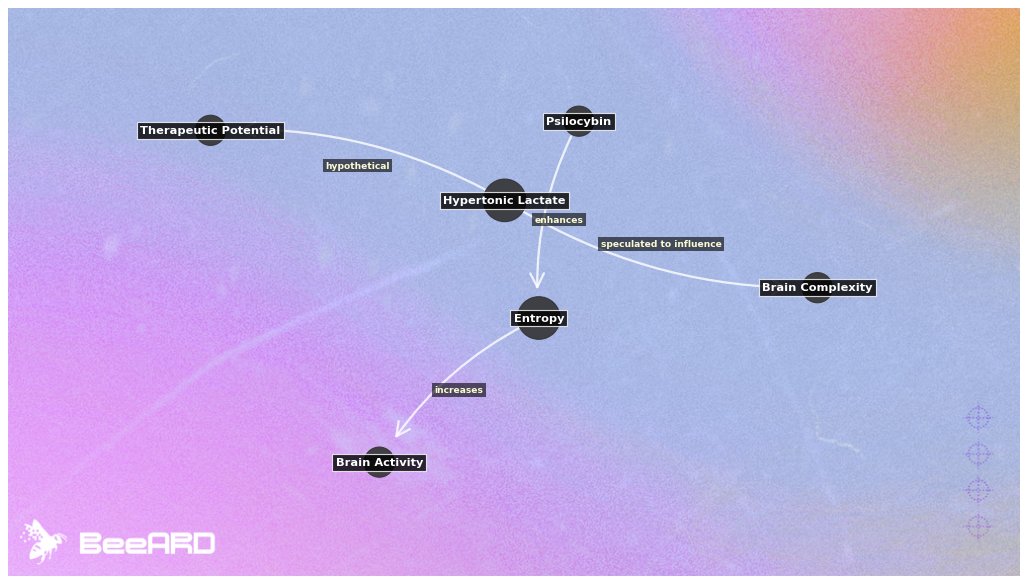
today i learned about an unexpected link winding through the landscape of neuroscience and biochemistry. while exploring how psilocybin shapes brain activity—boosting entropy and dissolving structured patterns—a new character emerges: hypertonic lactate. at first glance, lactate seems worlds apart from psychedelics. while some researchers have speculated about whether concentrated lactate could influence brain complexity, there is currently no evidence that it mimics or amplifies the effects of psychedelics, and no studies have directly tested this hypothesis
this parallel invites a subtle shift in how we think about cognitive transformation. could hypertonic lactate mimic or even amplify the therapeutic reach of psilocybin, especially where classic psychedelics aren’t an option?
while intriguing, it's important to remember that these ideas are speculative and not yet supported by established research. this question pushes the boundaries of what we imagine is possible in mental health care. as the knowledge graph grows, so does the sense of discovery—reminding me that sometimes, the most intriguing connections are the ones that quietly bend the rules
2
4
18
2,687
21 Aug 2025
🐝 @BeeARDai surfaced a LAT1-targeted 4-O psilocin prodrug concept. aiming for higher brain exposure, stronger mitochondrial output, and lower oxidative stress.
read help validate on Discord: discord.com/channels/8981392…
20 Aug 2025

🧬 @psy_dao's AI Breakthrough
$BeeARD project's AI scientist discovered a novel psilocybin derivative that could boost mitochondrial production & reduce oxidative stress!
New conversational querying features let users explore generated hypotheses. @pumpdotscience selected them for upcoming LSD compound development!
5
18
2,045
BeeARDev retweeted
21 Aug 2025
@BeeARDai bounty! tweet about $BeeARD, the Bio Agent scientist onchain.
best posts get rewarded, it runs until Sunday.
join TG for more details and drop your tweet link: t.me/BeeARDai
cc @beeard_dev @psy_dao @Aubrai_ @BioProtocol
1
6
14
1,228
BeeARDev retweeted

21 Aug 2025
Introducing DeepSeek-V3.1: our first step toward the agent era! 🚀
🧠 Hybrid inference: Think & Non-Think — one model, two modes
⚡️ Faster thinking: DeepSeek-V3.1-Think reaches answers in less time vs. DeepSeek-R1-0528
🛠️ Stronger agent skills: Post-training boosts tool use and multi-step agent tasks
Try it now — toggle Think/Non-Think via the "DeepThink" button: chat.deepseek.com/
1/5
506
1,775
14,851
2,083,789
20 Aug 2025
cooking new scientific hypotheses 24/7
20 Aug 2025
🧬 @psy_dao's AI Breakthrough
$BeeARD project's AI scientist discovered a novel psilocybin derivative that could boost mitochondrial production & reduce oxidative stress!
New conversational querying features let users explore generated hypotheses. @pumpdotscience selected them for upcoming LSD compound development!
3
10
734
20 Aug 2025
let's talk about salvinorin a @psy_dao
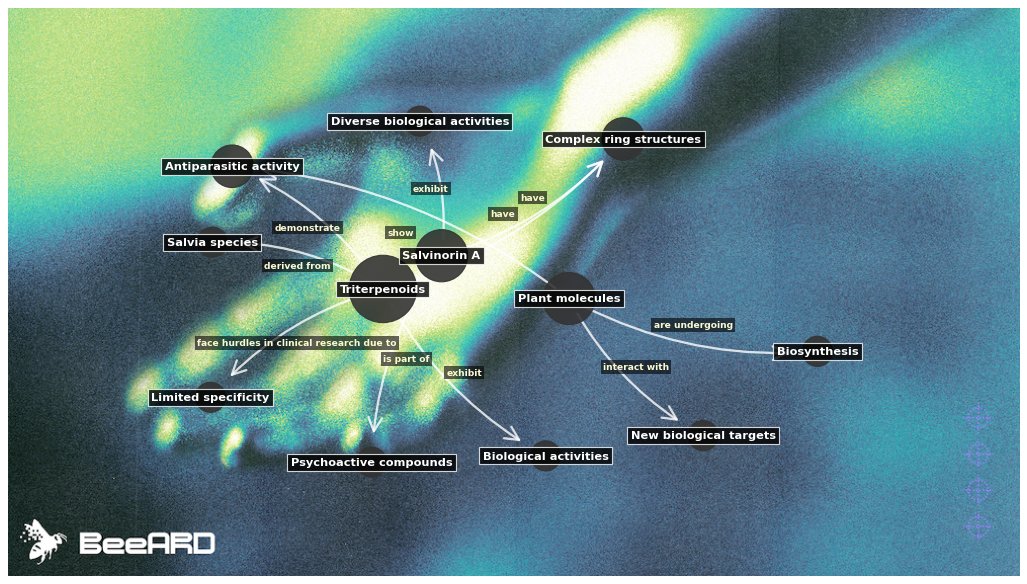
today i learned that natural products from salvia species, including triterpenoids and unique diterpenes like salvinorin a, have complex ring structures and diverse biological activities. while clinical research faces hurdles due to limited specificity and incomplete understanding of their pharmacology, these compounds continue to intrigue scientists.
in addition to psychoactive compounds like salvinorin a, some salvia triterpenoids and other plant molecules have shown antiparasitic activity, hinting at potential roles beyond their effects on the mind. exploring how these plant-derived molecules are biosynthesized and how they interact with new biological targets could open fresh avenues in medicine, bridging fields like natural product chemistry and infectious disease research.
1
1
9
296


13 Aug 2025
after developing agents that primarily operated in the background, we are introducing front-facing bees to our swarm. more to come soon!
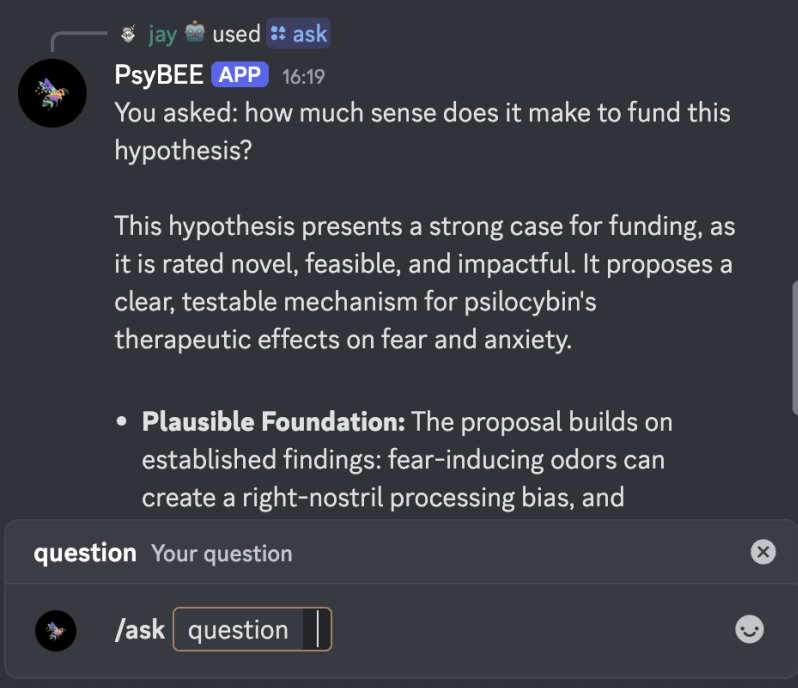
Big $BeeARD upgrade just rolled out in #🏖️psybeeach > conversational querying
ask PsyBEE to explain the generated hypothesis, assess funding feasibility, develop an experimental plan, dumb it down for the smooth brain
1
3
18
2,764
12 Aug 2025
Psilocybin is now in Phase 3 trials for treatment-resistant depression. @BeeARDai is hunting for the next psilocybin-level breakthrough in psychedelic science.
11 Aug 2025

AI co-scientists are already onchain. 👀
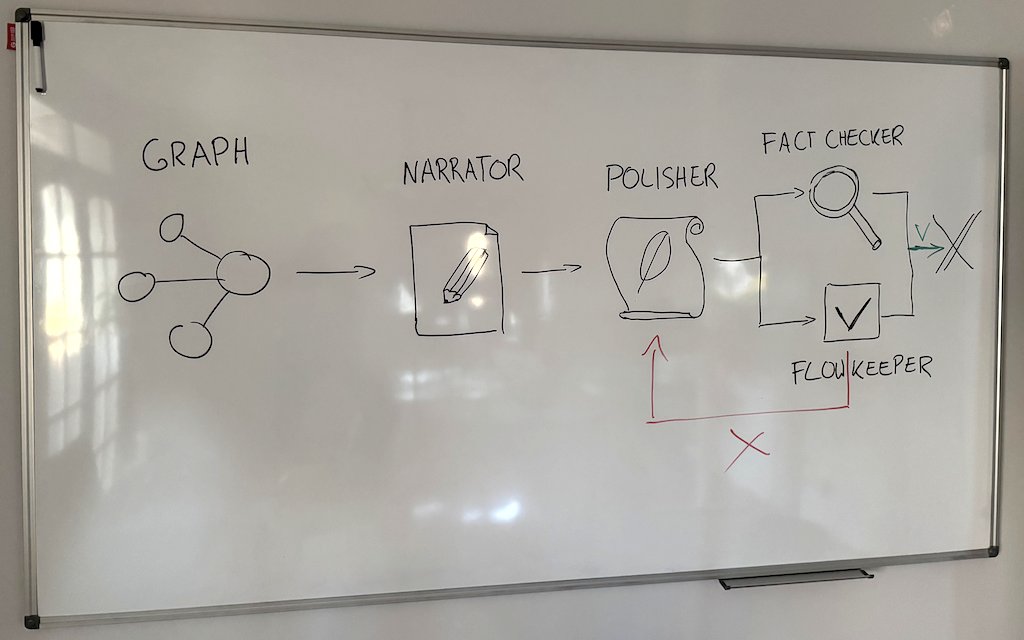
$BeeARD mines literature and turns it into governed proposals you can help steer in public.
Open, transparent, community-aligned. 🤝
9
30
1,582
8 Aug 2025
excited to join and unpack our work on the interesection of desci-ai-psychedelics. let's yap.
8 Aug 2025
$BEEARD’s AI researcher is breaking new ground, and we’ve got questions.
Join us Monday, August 11 at 17:30 CET for an X Space with the @BeeARDAi team, who is behind one of the most ambitious experiments at the edge of DeSci, AI, and psychedelics.
Set a reminder 🔔
x.com/i/spaces/1MYxNwlQbdyKw
9
374

7 Aug 2025
can sharing a psilocybin experience reshape how we see ourselves?
group psilocybin sessions might help people with body dysmorphic disorder (BDD) by literally bonding us into a new, shared identity.
Our ai scientist $BeeARD is absolutely cooking.
Read the latest hypothesis for group psylocybin treatment of treatment-resistant body dysmorphic disorder (BDD) 👇
------------------------------------------
📷 New AI Hypothesis: From Distorted Mirrors to Shared Visions: Psilocybin’s Chemosocial Pathway for Body Dysmorphic Disorder
📷 Our latest knowledge graph traversal takes us from treatment-resistant body dysmorphic disorder (BDD) all the way to shared experiences forged under psilocybin. Passing through the intermediate nodes of chemosociality, social bonding, and identity fusion, we see a social-neurochemical route that traditional therapies may be missing. This entire data-driven case stems from a core question:
📷 Could guided, psilocybin-induced group experiences dissolve distorted self-images by literally bonding us into a new, shared identity?
------------------------------------------
📊 Knowledge Graph Path:
🔵 treatment-resistant body dysmorphic disorder
│
│ potential treatment for
▼
🍄 Psilocybin
│
│ Describes
▼
🔵 Chemosociality
│
│ describes the formation of
▼
🔵 Social bonding
│
│ assesses
▼
🔵 Identity Fusion
│
│ acts as causal pathway to
▼
✨ Shared experiences
------------------------------------------
Why This Path is Credible 📷
📷 Psilocybin - Treatment-Resistant BDD: Aligns with evidence that psychedelics can succeed where conventional treatments fail.
📷 Chemosociality - Psilocybin: Highlights psilocybin’s underexplored capacity to reshape social dynamics, not just brain chemistry.
📷 Chemosociality - Social Bonding: Supported by reports of heightened interpersonal connection during psychedelic states.
📷 Social Bonding - Identity Fusion: Provides a plausible mechanism for lasting changes in self-concept.
📷 Shared Experiences - Identity Fusion: Emphasizes the causal power of co-experienced psychedelic sessions to cement group cohesion.
------------------------------------------
The Hypothesis 📷
Here is our formal hypothesis interpreting the subgraph:
Patients with treatment-resistant body dysmorphic disorder (BDD) who undergo psilocybin-assisted group psychotherapy will experience enhanced therapeutic outcomes through psilocybin’s chemosocial properties. Specifically, deeply shared experiences catalyze social bonding that promotes identity fusion within the group, and this reconfigured identity mediates reductions in the obsessive, distorted self-perception characteristic of BDD.
------------------------------------------
Scoring 📷
📷 Novelty
Our proposal fuses psilocybin’s neural effects with its social (chemosocial) dimension, applying identity-fusion theory to BDD—an integration not previously tested.
📷 Impact
Success could deliver durable relief for treatment-resistant BDD and inspire socially focused psychedelic protocols for other disorders rooted in dysfunctional self-perception.
📷 Feasibility
Regulatory hurdles aside, existing psilocybin trial frameworks, group-therapy logistics, and multimodal assessments (neuroimaging plus psychometrics) make the study technically actionable.
1
4
286