
Joined September 2024
- Tweets 3,711
- Following 384
- Followers 53,982
- Likes 17,070
927 Photos and videos











Pump Science retweeted

May 1
⚛️DeSci Atoms Market Update 30 April 2026
📈MarketCap 24hrs Top Gainers
1. TREX ( $TREX ) 198.76%
2. OMIDOCS ( $OMIDOCS ) 123.82%
3. TrackedBio ( $TrackedBio ) 116.90% @TrackedBio
4. Estradiol ( $BOOBS ) 86.83%
5. BLUPILL ( $BLUPILL ) 86.52% @BlupillAging @pumpdotscience
👨🔬Overall DeSci Atoms Marketcap
Total Market Cap: $3,822,103.21 0.69%
Total 24hrs Volume: $3,822,103.21 13.11%
4
5
24
4,482
Pump Science retweeted

Crypto found peptides.
We've been waiting.
Blue Scorpion peptides. Naturally occurring. Derived from the most expensive liquid on earth.
The peptides interact with ion channels, it’s how the body communicates with itself. Nerve signaling. Muscle contraction. Immune response.
Cl⁻. K⁺. Ca²⁺. Na⁺.
In homeopathic dilution, the formula is designed to work with the body's systems. To support the body's natural response.
Did we mention they're polarized?

4
5
34
7,016


Mar 16
since there is not @Polymarket for it yet
will there will be a reclassification of at least one peptide from category 2->1 by may 1st?
60%
yes
12%
no
27%
wen token?
48 votes • Final results
7
2
20
4,714
Pump Science retweeted

Mar 13
Just in: SMER28 Omipalisib extends C. elegans lifespan by 16.67% 🥳 @pumpdotscience
2
1
11
3,119
Pump Science retweeted

Rapamycin Longevity Lab: Partnering with Metformin Ventures x.com/i/broadcasts/1DxLdvdgr…
5
4
15
3,166
Pump Science retweeted

Feb 25
what’s coming next?
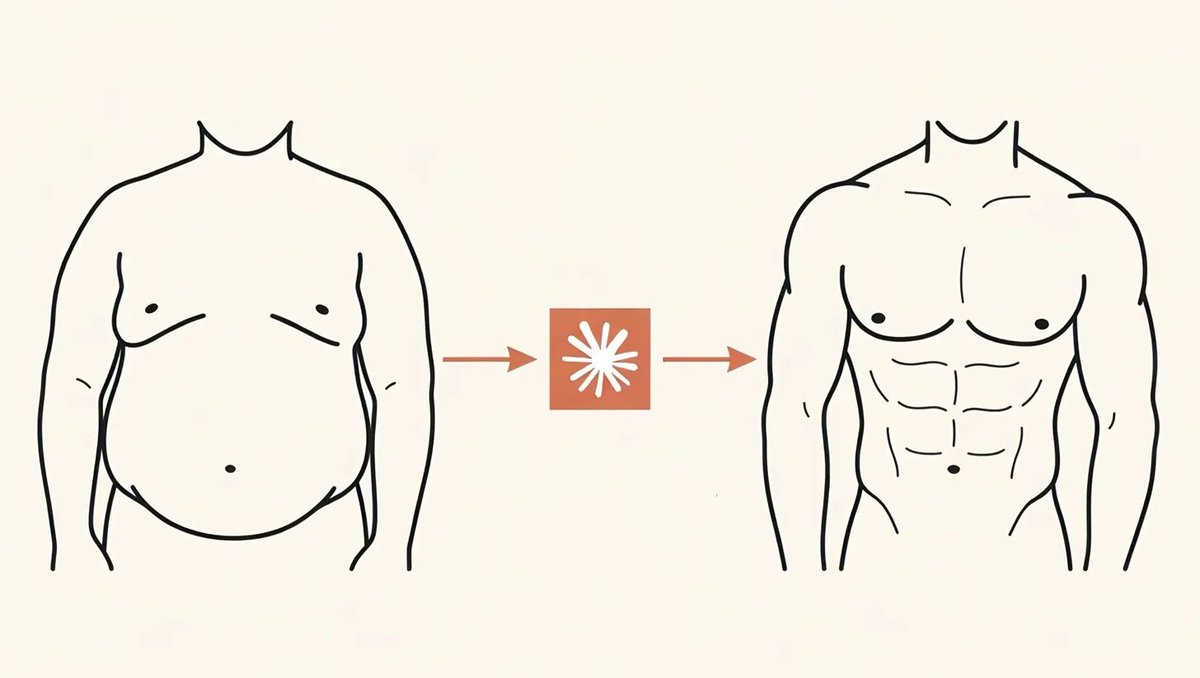
you basically get paid for having erections.
8
3
22
2,835
Feb 24
DO YOU LIKE SEX?
if so, BLUPILL is live with updates on its sexual health product
x.com/i/broadcasts/1DxleEeDL…
5
16
2,412
Pump Science retweeted
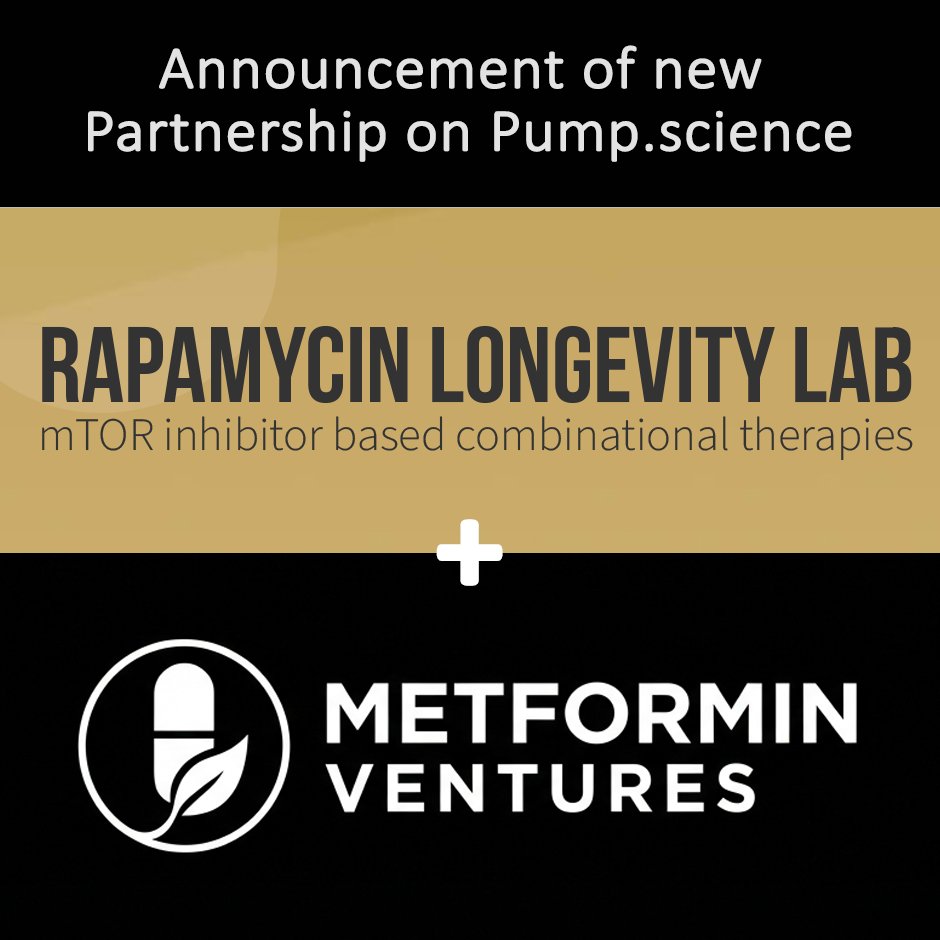
Our core mission at Rapamycin Longevity Lab (@omipalRLL) is to take mTOR inhibitors to the next level by developing combinational therapies. We are particularly interested in exploring the life-extending effects of combining mTOR inhibition with glucose regulation. To accelerate this research we are proud to announce a new partnership with Metformin Ventures (@longevityVentur) on @pumpdotscience! This collaboration brings us together with @LinusPeters, the visionary founder of Metformin Ventures and the Swedish Longevity Cluster. Linus has long been a driving force in the longevity community, organizing different events dedicated to the goal of solving aging. With our missions perfectly aligned we are ready to push the boundaries of human longevity together. We’re kicking things off with a livestream this Friday. So come and meet Linus and see how we’re planning to move the needle on aging.
4
7
21
2,888
Pump Science retweeted
Feb 22
things are happening 👀
BLUPILL stream project update with @pumpdotscience
tuesday 24 feb
11:00 est / 17:00 cet
3
2
17
1,859
Pump Science retweeted

nature.com/articles/s41587-0…
The first FDA approved clinical trial testing rejuvenation with partial cellular reprogramming factors is about to start!
This is a huge moment for the longevity field.
Partial cellular reprogramming has the potential to not just slow biological aging, but reverse aspects of age-related decline. This is not theory; it has been shown in preclinical studies, including data from Life Bioscience's founder, David Sinclair's lab, demonstrating restoration of vision in partially blind mice.
This 5 year clinical trial will test whether pulsed delivery of three cellular reprogramming factors (O, S, K) can restore vision in individuals with forms of optic neuropathy and glaucoma -- common drivers of vision loss.
Keep in mind, this technology relies on a form of gene therapy: cost, scalability, and accessibility are major bottlenecks. Long-term safety in humans is still a major outstanding question. The time horizon for this particular technology to reach the masses (if it succeeds in restoring vision) is 1-2 decades at a minimum. A small price to pay for the potential massive impact of rejuvenation.
Even more reason for optimism.
@OMIPALRLL and @ReprogLab are working hard in parallel to develop and validate chemical reprogramming factors that capture the rejuvenative impact with small molecules, peptides, familiar factors that can greatly reduce cost, improve safety profile, and accelerate time to market and accessibility.
Not just for restoring vision -- but age-related diseases that impact the brain, immune system, heart, and muscles. Potentially even prevention.
2026 has started with a breakneck pace, and the future of longevity is bright!
The fundamental strategy of today:
1) Track and support labs/companies driving the breakthrough science
2) Stay healthy enough for long enough to engage with the rejuvenative technologies already in the pipeline.
5
15
1,957
Feb 16
today we announce our official partnership and integration with @dflow, a team maniacally focused on building the best trading experience in crypto and on @solana
enjoy top tier trading experience on pump science, brought to you by the best infrastructure in the game
just getting started
8
5
37
5,224
Feb 16
DFlow is the most powerful trading infrastructure on Solana, enabling apps to access the cutting edge of financial markets.
Across both spot token trading and prediction markets, DFlow serves millions of users globally and is trusted by the largest trading platforms.
1
7
1,338
Pump Science retweeted

Feb 15
I've been wondering what DeSci is all about..
Big thanks to @BlueScorpionUSA for onboarding me and sparking my curiosity!
I'm starting my DeSci exploration journey today
Let's hop on the #DeSci wave together and stack more $VENOM while we're at it!
#VENOM #WeAreDeSci
8
1
28
2,149
Pump Science retweeted

Feb 10
the two most important principles when vibecoding:
1) the only true wisdom is knowing you know nothing
2) AI can iterate many orders of magnitude faster than you
don't define the solution
define the problem and instruct the agent to iterate
2
1
14
2,027