
Somewhere between Earth Science, open-source software development and music creation.
Joined June 2017
- Tweets 416
- Following 255
- Followers 547
- Likes 584
63 Photos and videos




Pinned Tweet

8 Jun 2022
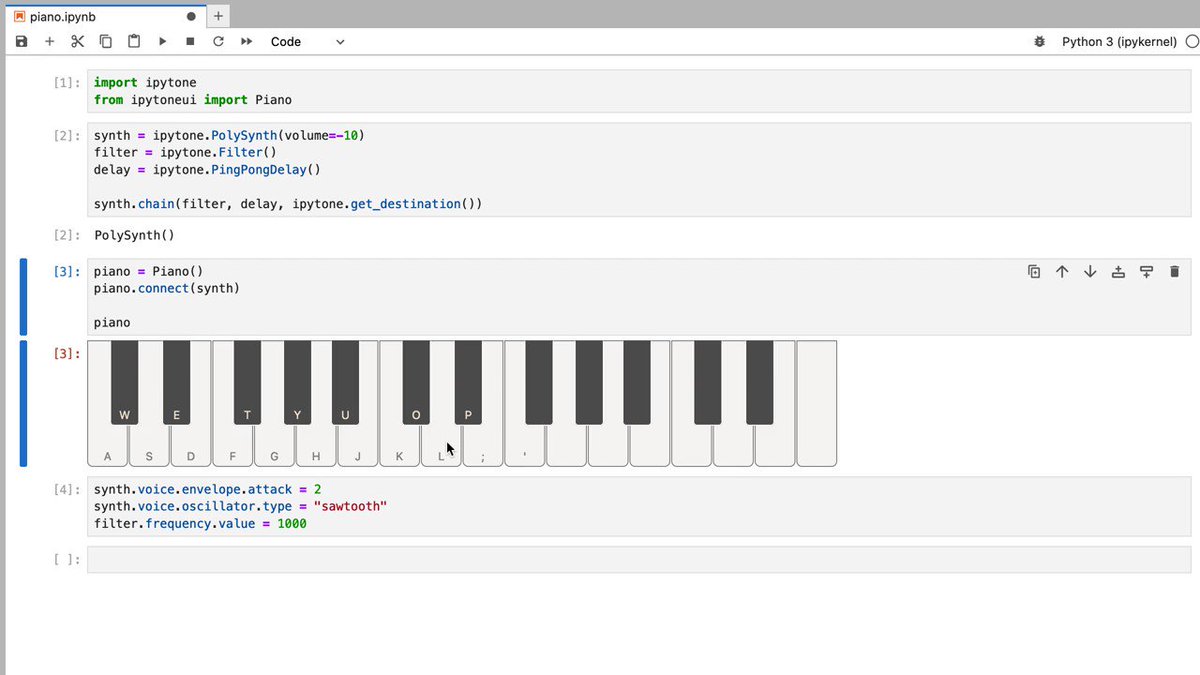
🚨 Excited to announce a new release of ipytone, a big one and the first “public” release!
More details below 🧵
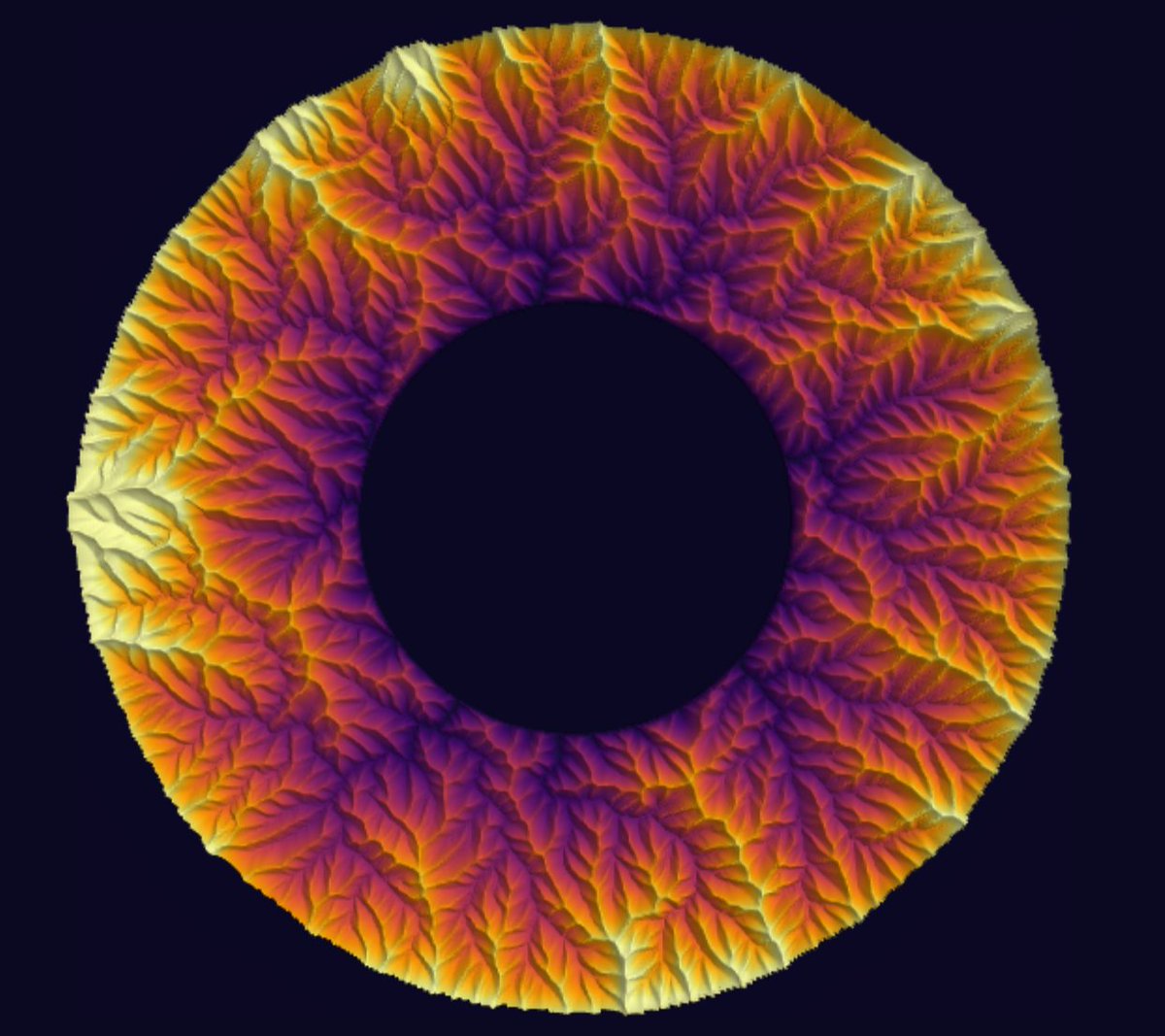
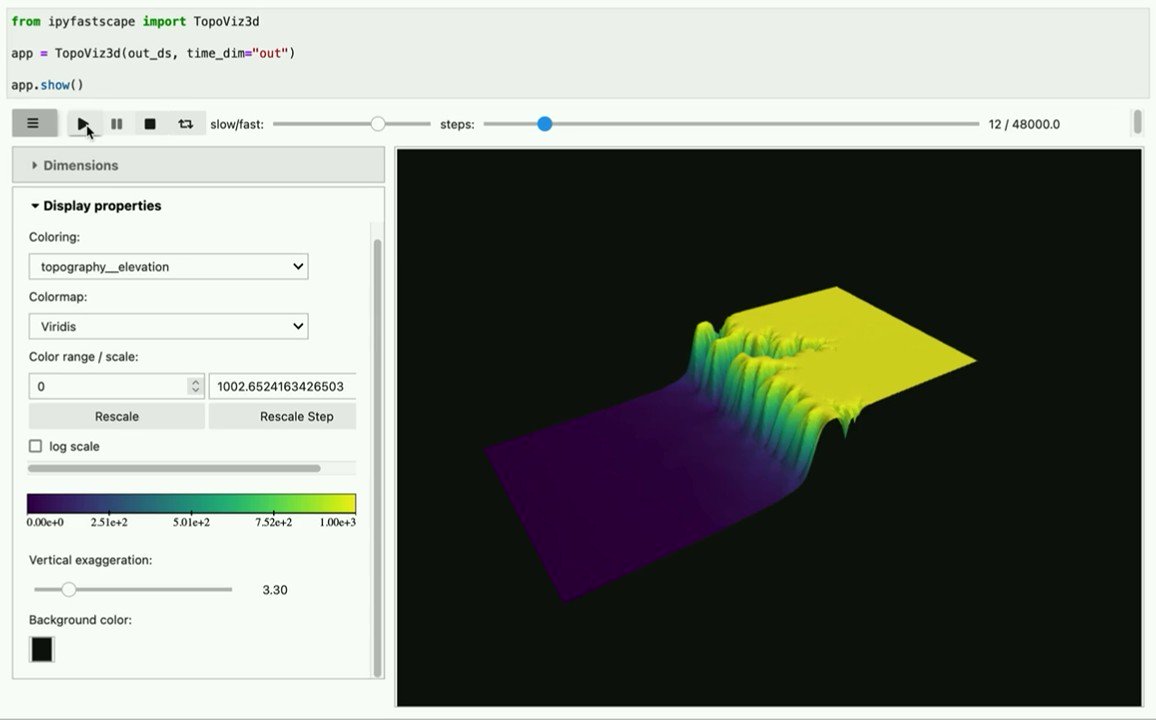
But let’s start with this little piece of music made entirely in a @ProjectJupyter notebook ( some “waving topography” made with pyvista / ipygany). 🔊🔊🔊🌍
1/N
6
71
284
22 Nov 2024
I can't say I've been very active on social networks so far... Here I won't be at all. You can find me there:
bsky.app/profile/benbovy.bsk…
fosstodon.org/@benbovy
59
Benoît Bovy retweeted

15 Oct 2024
🚀 We are thrilled to announce the release of the Icechunk storage engine, a new open-source library and specification for the storage of multidimensional array (a.k.a. tensor) data in cloud object storage.
Read our blog post about Icechunk here: earthmover.io/blog/icechunk
2
27
82
29,316
Benoît Bovy retweeted

2 Nov 2023
I am hiring! I am looking for a PhD student to work with myself, @ChrisAndermann, Micha Dietze and Niels Hovius to study the connectivity between groundwater, surface water, and sediment yield. The job will involve code development and field work in the beautiful Eifel mountains.

2
34
55
7,859
18 Oct 2023
Thanks to all contributors to this release!! @HSophiaDavies, Guillaume Cordonnier, @AdrienDelsalle and people at @QuantStack for their contribution and advice on the design of the library (also for #xtensor!)
It is supported by @GFZ_Potsdam (Jean Braun’s section @GFZ_SurfMod).
18 Oct 2023

It took a long time, but finally I’m glad to announce a new release (re-written from scratch) of Fastscapelib: a core library for landscape evolution modelling
Some highlights 🧵 (1/8)
3
11
1,217
18 Oct 2023
It took a long time, but finally I’m glad to announce a new release (re-written from scratch) of Fastscapelib: a core library for landscape evolution modelling
Some highlights 🧵 (1/8)
1
15
89
9,433
18 Oct 2023
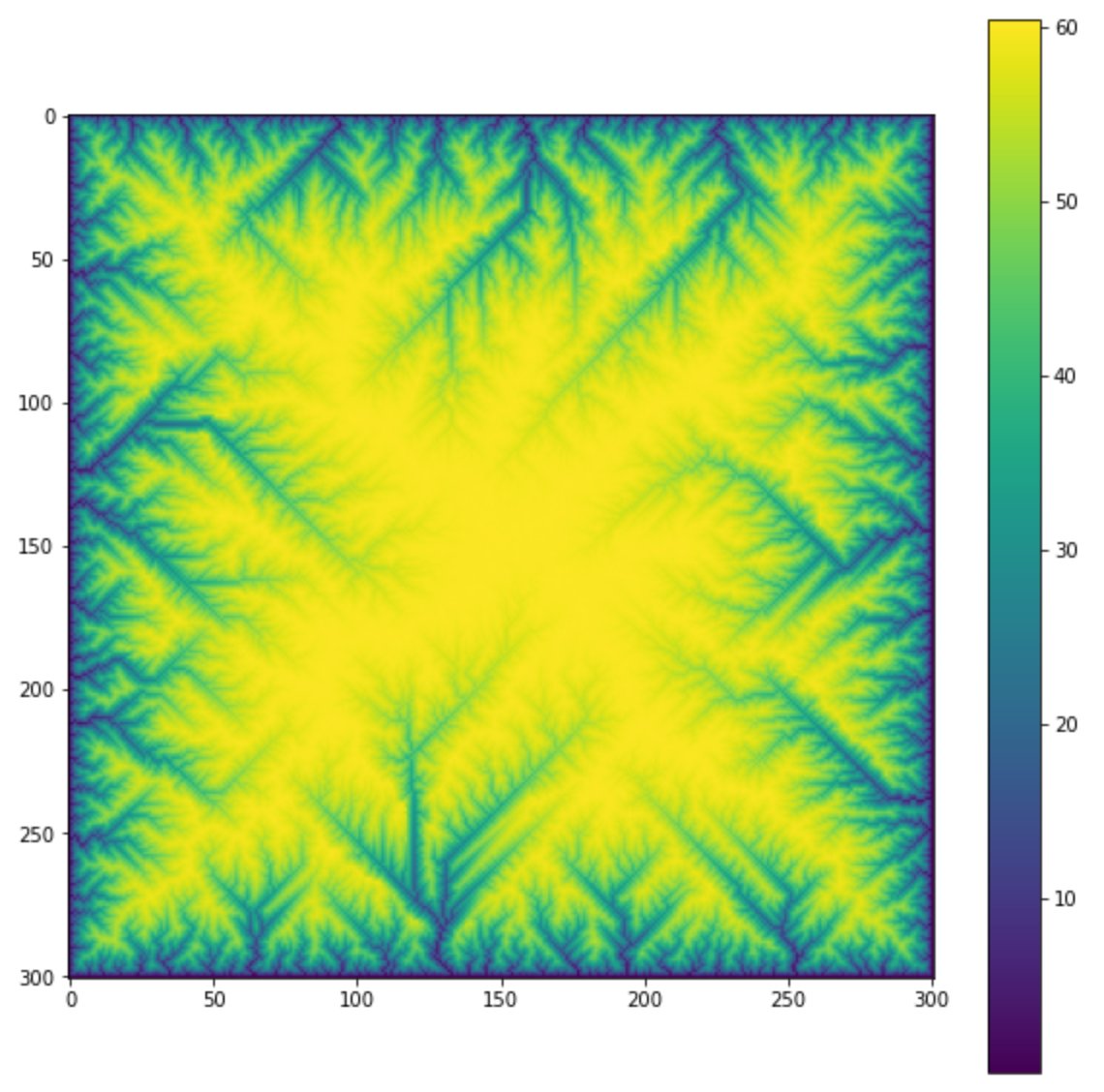
Base levels nodes (for flow routing) can be set anywhere inside a grid or mesh, dynamically. (7/8)
1
1
349
18 Oct 2023
… And more features in the next releases, hopefully soon(-ish)!
Give it a try! There are pre-compiled packages on Conda-forge and PyPI for the Python bindings.
Repository is here: github.com/fastscape-lem/fas… (8/8)
6
362
Benoît Bovy retweeted

27 Sep 2023
Last summer for @GFZ_SurfMod's contribution to LNDW23, #fastscape was used together with Jupyter widgets to create a special kind of photo booth. A fun way to show how landscape evolution models work!
1
3
9
1,480
17 Sep 2023
Based on my 15 last journeys, the chance of my train being cancelled or delayed 2h is nearly 100%. @DB_Bahn would it be possible to directly book my next journey for half the price?
2
4
733
15 Sep 2023
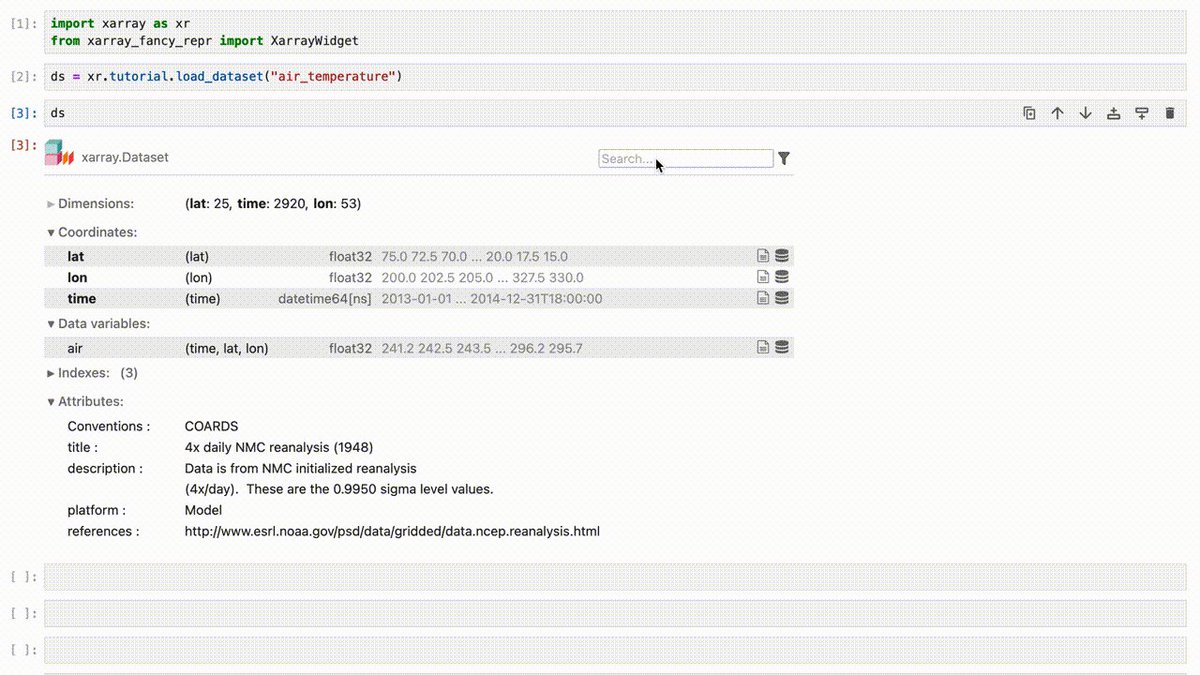
Experimenting with @trevmanz #anywidget to see how we can make @xarray_dev outputs more dynamic and interactive (e.g., filtering content).
2
3
22
1,992
Benoît Bovy retweeted

25 Aug 2023
“Scientists used to love Twitter. Thanks to Elon Musk, they’re giving up on it”
Scientists do seem to be leaving.
I’ve noticed a huge drop in engagement for scientific content. It’s maybe as low as 10% of what it once was.
latimes.com/business/story/2…
65
117
595
132,786
9 Aug 2023
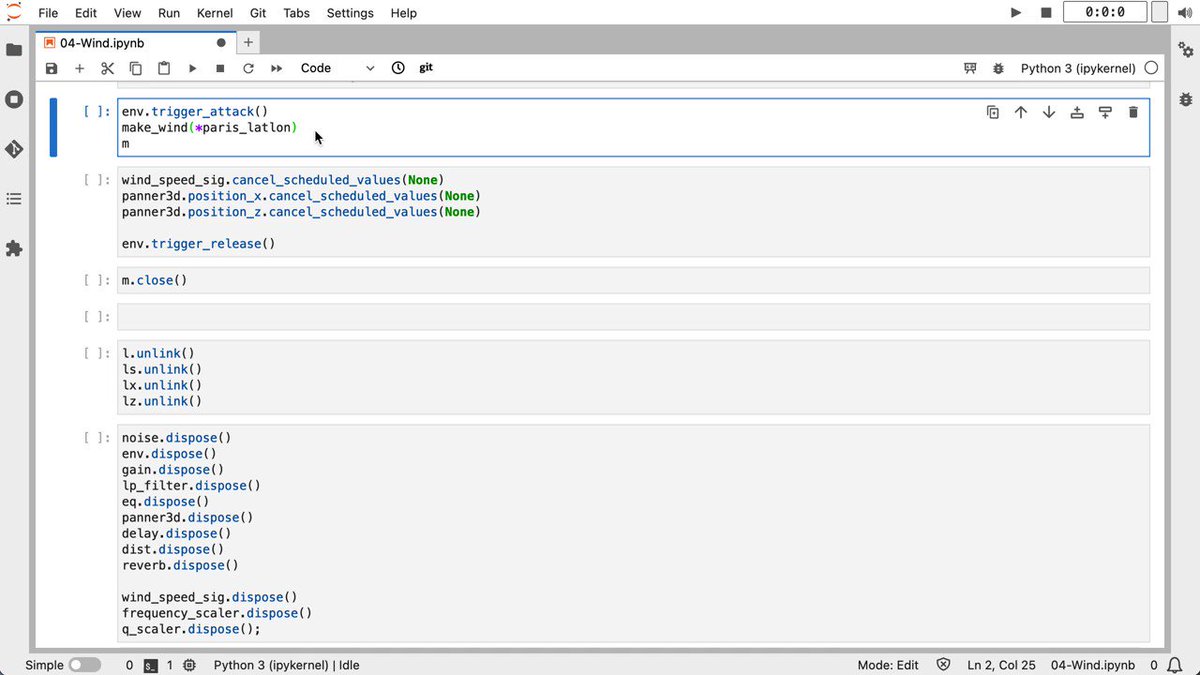
No, these sounds are definitely not "recorded" from the nebula, but it is fun playing with sound using space image data! And it can be done in @ProjectJupyter notebooks!
youtube.com/watch?v=en4MlnaQ…
Notebook here: github.com/benbovy/ipytone-j…
8 Aug 2023

These sounds were recorded from 30 trillion km away, of 'Pillars of Creation' Nebula by NASA.
Community note
Misinformation Caption.
This is Not recorded sound.
Its scanning across an image (any image) and playing a note depending on brightness/color of the image pixel. A different sound heard if scan across differently.
Sonification does have its uses, the correct interpretation,
nasa.gov/content/explor…
1
2
239
Benoît Bovy retweeted

10 May 2023
New blog post by @canyon289, @OriolAbril, and @aloctavodia discussing how @arviz_devs uses Xarray to support better Bayesian workflows. xarray.dev/blog/introducing-…
7
24
2,824