Joined October 2019
- Tweets 92
- Following 235
- Followers 194
- Likes 61
10 Photos and videos


19 Jun 2025
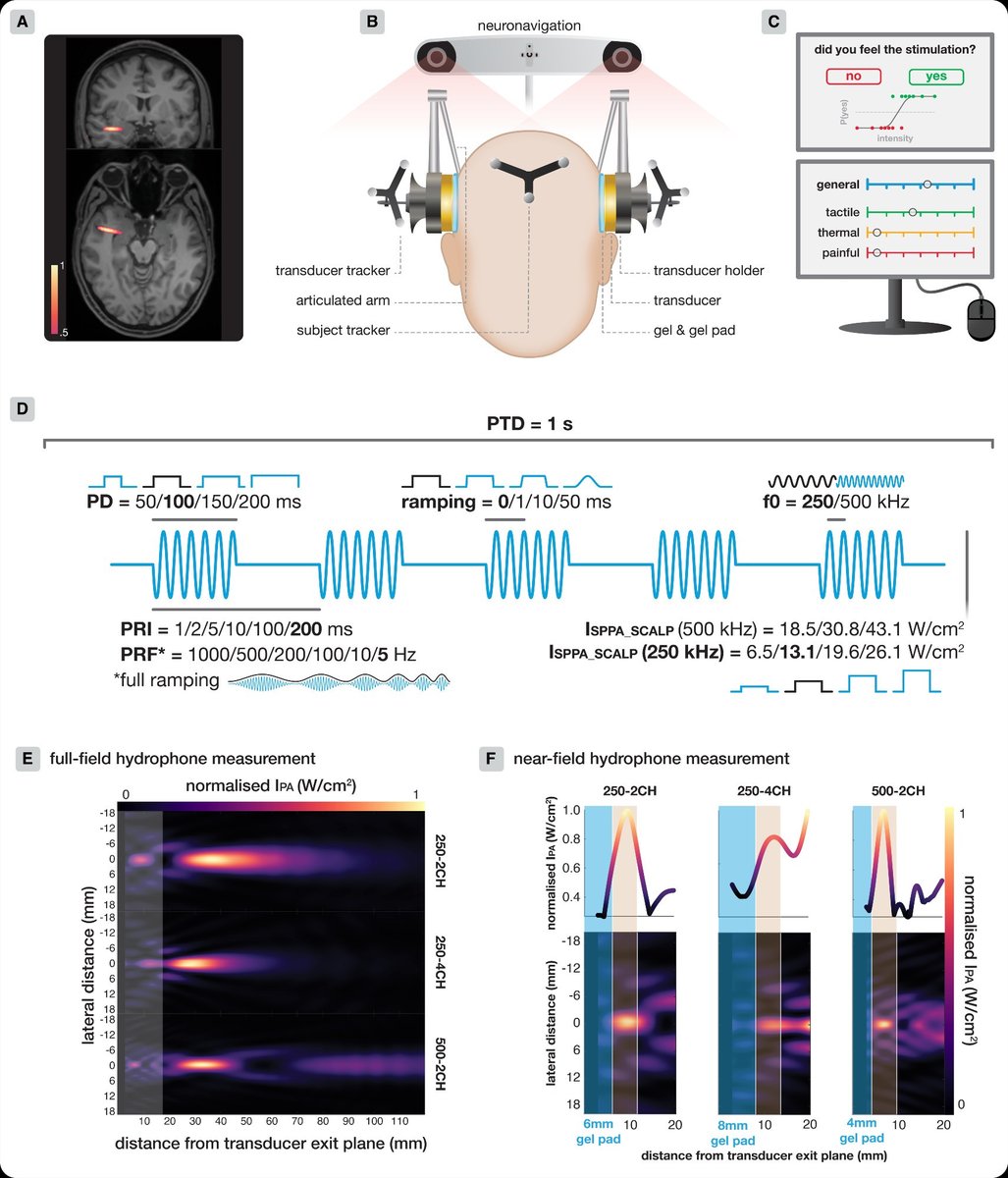
Hold on to your transducers TUS community! We've focused on managing what participants can hear during stimulation, but how about what they feel?! We've mapped tactile, thermal, & painful sensations during TUS - and revealed how to minimize them. Thread👇
brainstimjrnl.com/article/S1…
1
42
19 Jun 2025
Our results also provide preliminary evidence that particle displacement is a primary biophysical driving force underlying somatosensory co-stimulation. In the future, we may be able to leverage such insights to maximise CNS neuromodulatory efficacy while minimizing confounds.
1
30
19 Jun 2025
This work shows that TUS can indeed be felt, provides a roadmap for managing participant burden, and supports proper experimental blinding to enhance the validity of TUS research. Thank you to my collaborators @LennartVerhagen, @HannekedenOuden, Kim Butts Pauly, & Linda de Jong!
31
28 Nov 2024
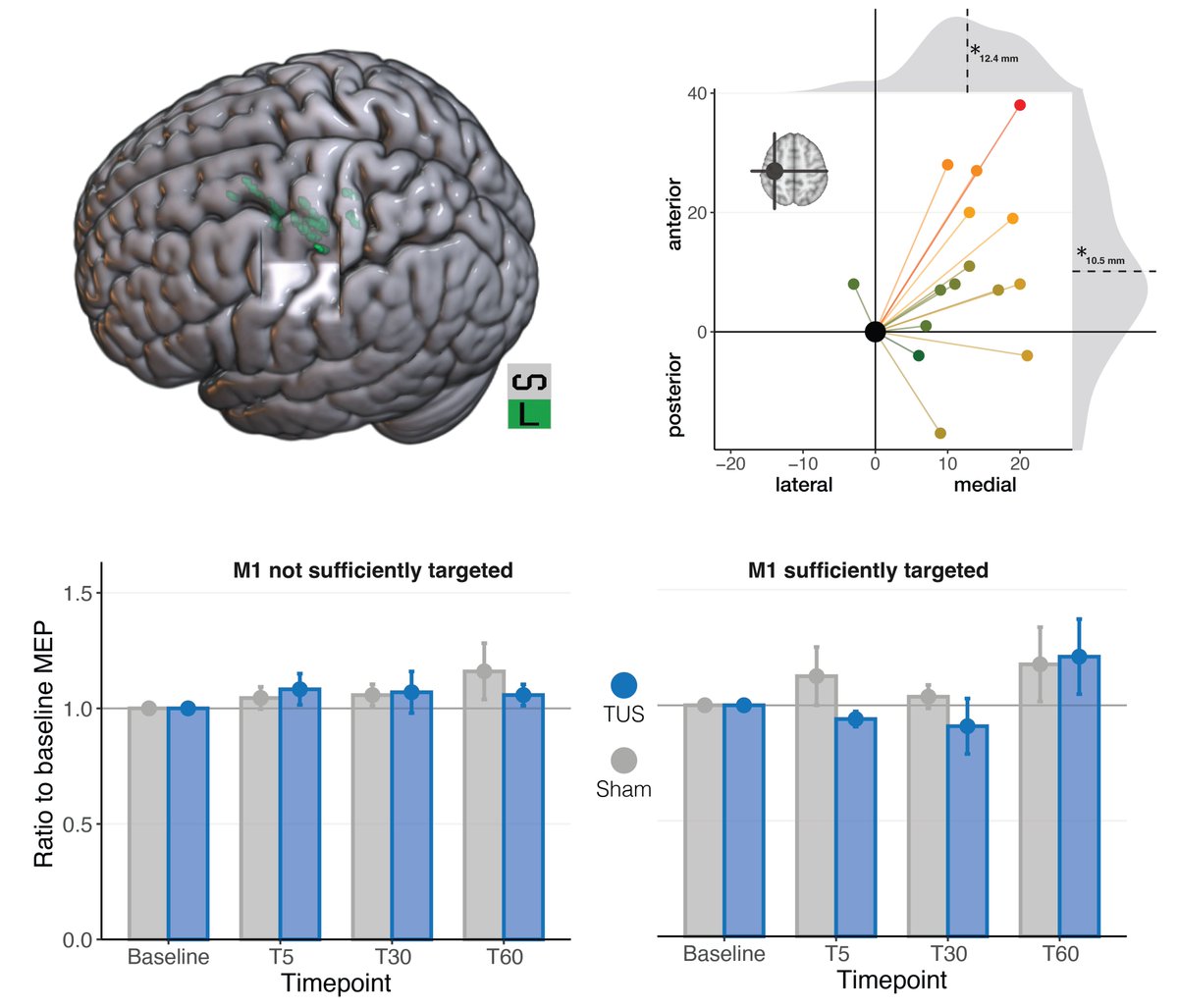
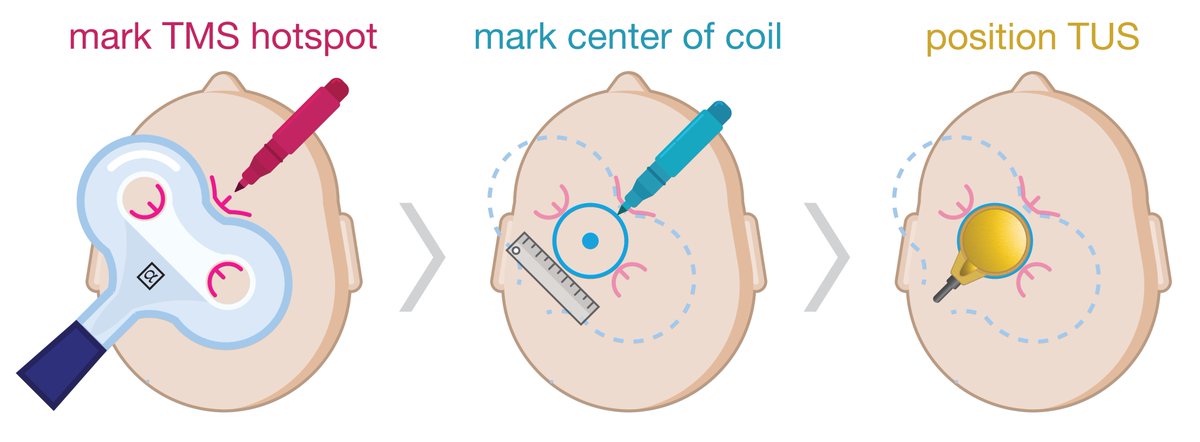
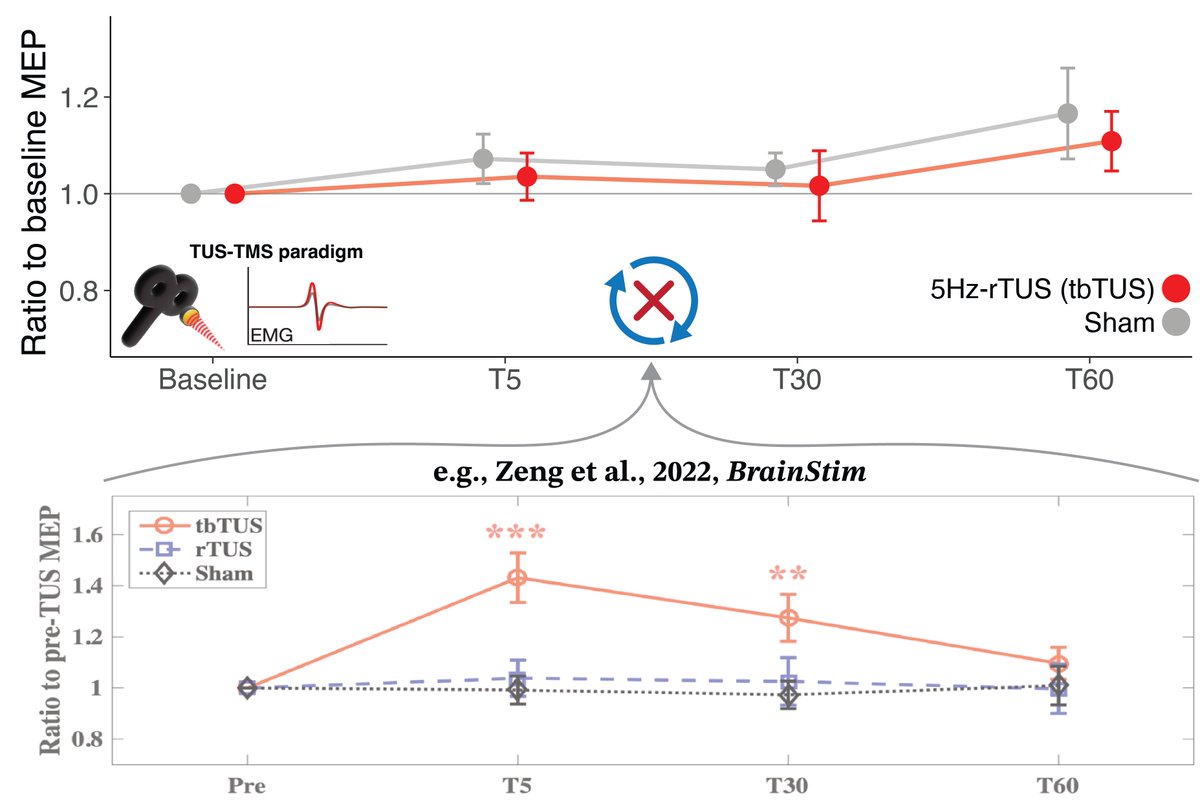
Effects of 5Hz-rTUS (tbTUS) on corticospinal excitability are less robust than we initially thought. Check out my new preprint with @drcarysevans and Po-Yu Fong showing that offline excitatory TUS-TMS effects don't replicate. Thread below 👇 doi.org/10.1101/2024.11.25.6…
2
7
17
1,732
28 Nov 2024
For those of you now concerned about using this protocol, don't worry! There are still multiple convincing studies using 5Hz-rTUS/tbTUS with promising results, so there's no need to abandon it. Instead, let's focus our efforts on reproducibility in this quickly expanding field!
1
1
167
28 Nov 2024
We speculate on why prior findings don’t replicate in our manuscript, but one thing is clear: double-blinding, TUS (& TMS) neuronavigation, and acoustic simulations are key to supporting the replicability required for TUS to truly make waves!
1
1
178
Benjamin Kop retweeted

31 Oct 2024
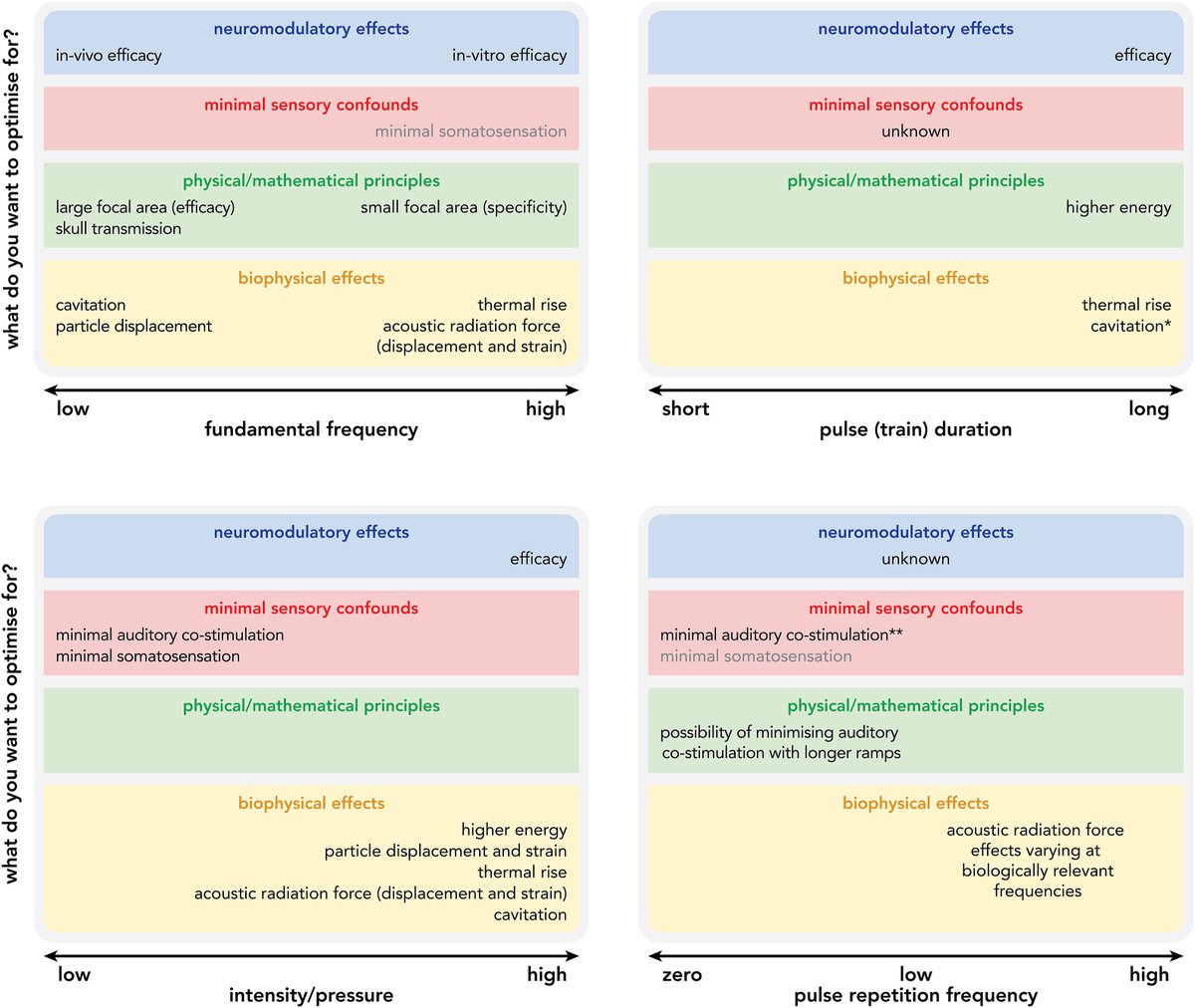
When selecting transcranial ultrasonic stimulation (TUS) parameters, what are you optimising for? The reviewers prompted us to put some more thought into this! Here's a new and improved version: sciencedirect.com/science/ar…
@benjamin_kop @LennartVerhagen Kim Butts Pauly @cjstagg
4 Jul 2024

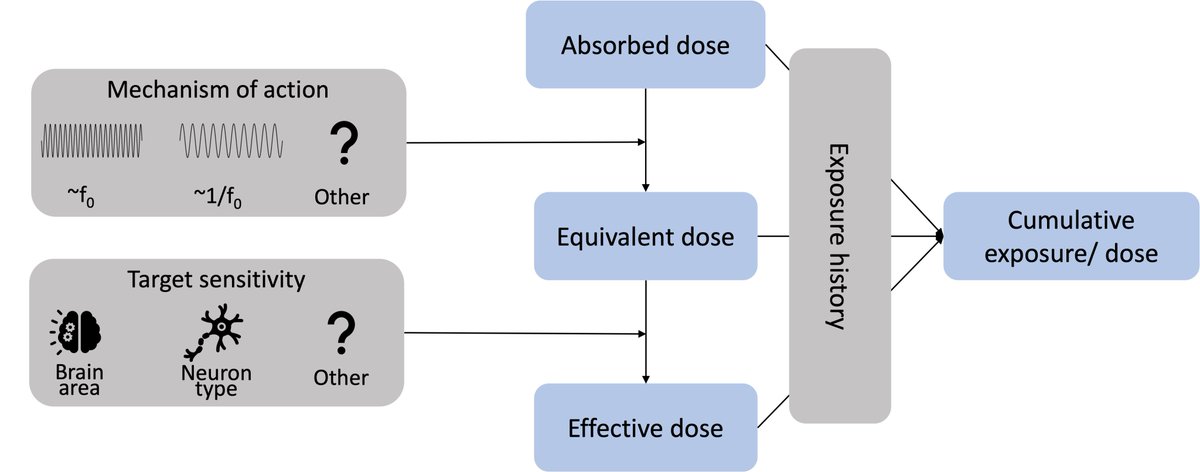
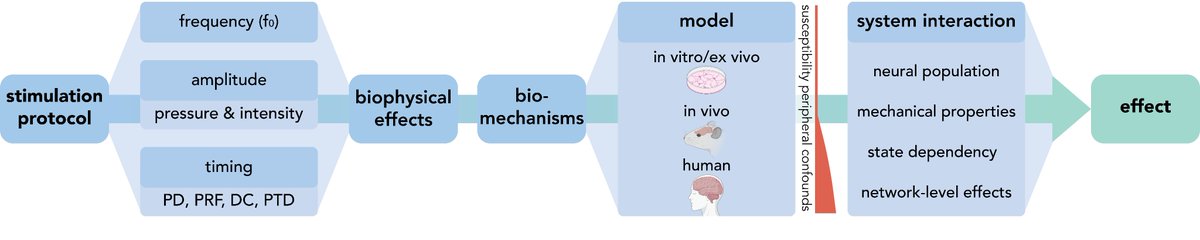
Are you planning a transcranial ultrasonic stimulation (TUS) study and are not sure what stimulation parameters to use? In these papers we address this issue using a first-principled theoretical approach and a comprehensive review of empirical parameter-mapping studies. (1/4)
6
12
1,684
31 Aug 2024
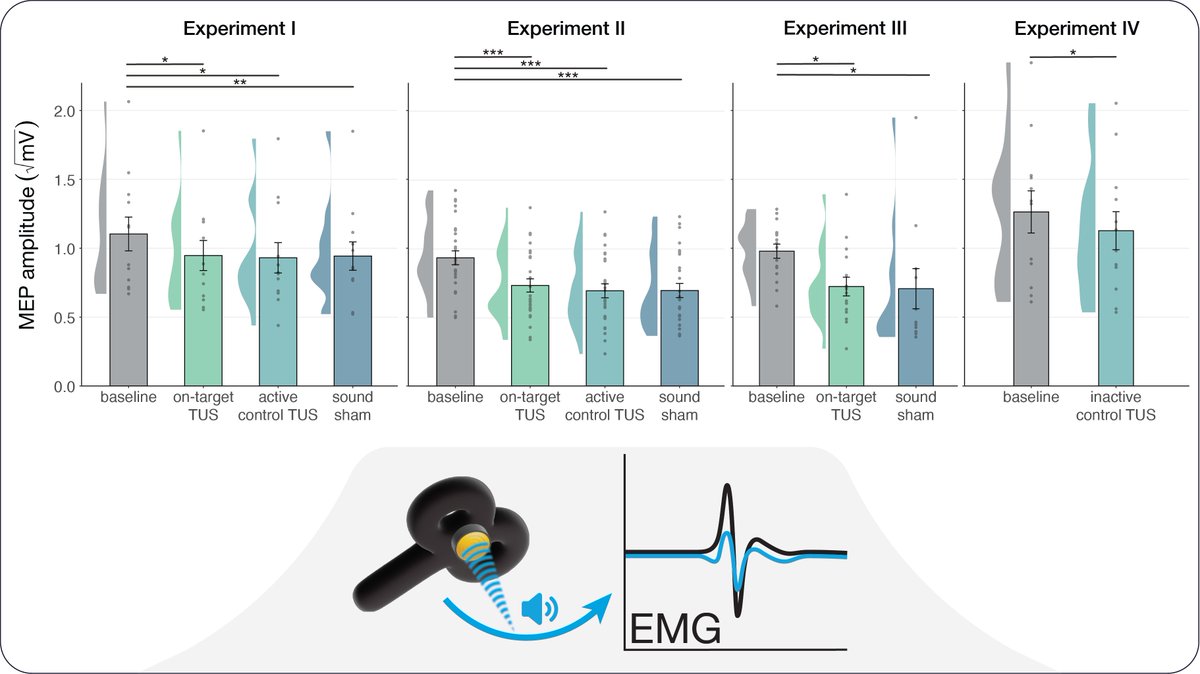
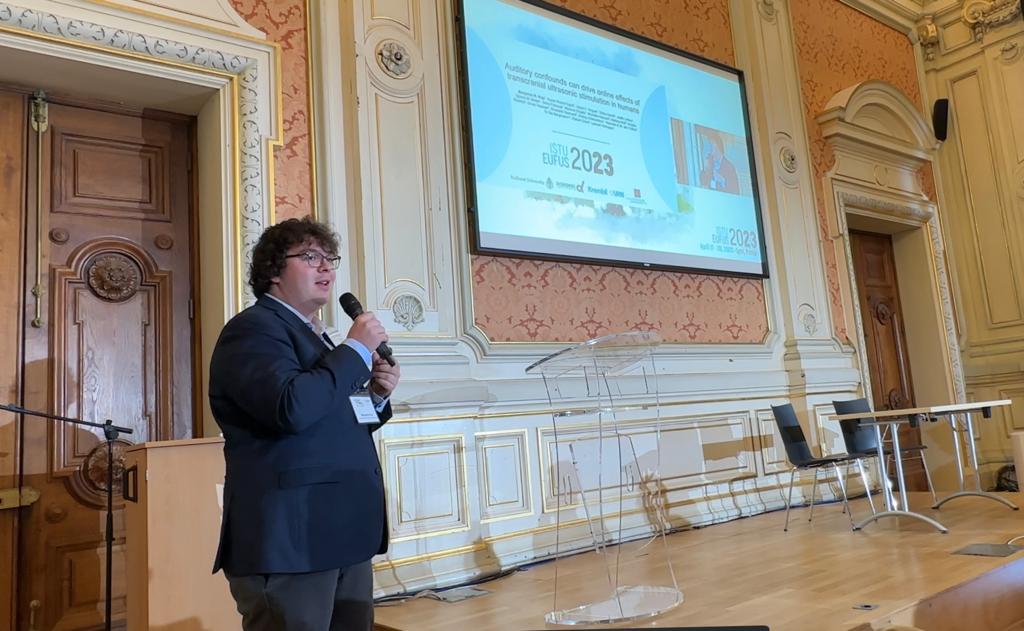
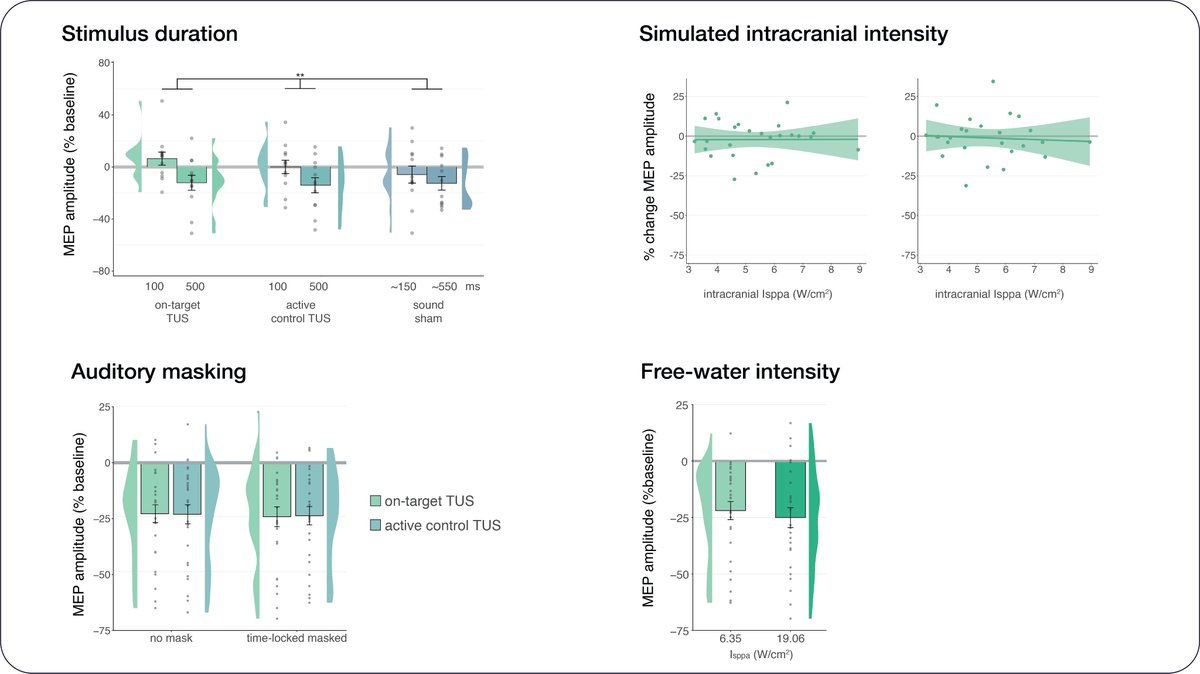
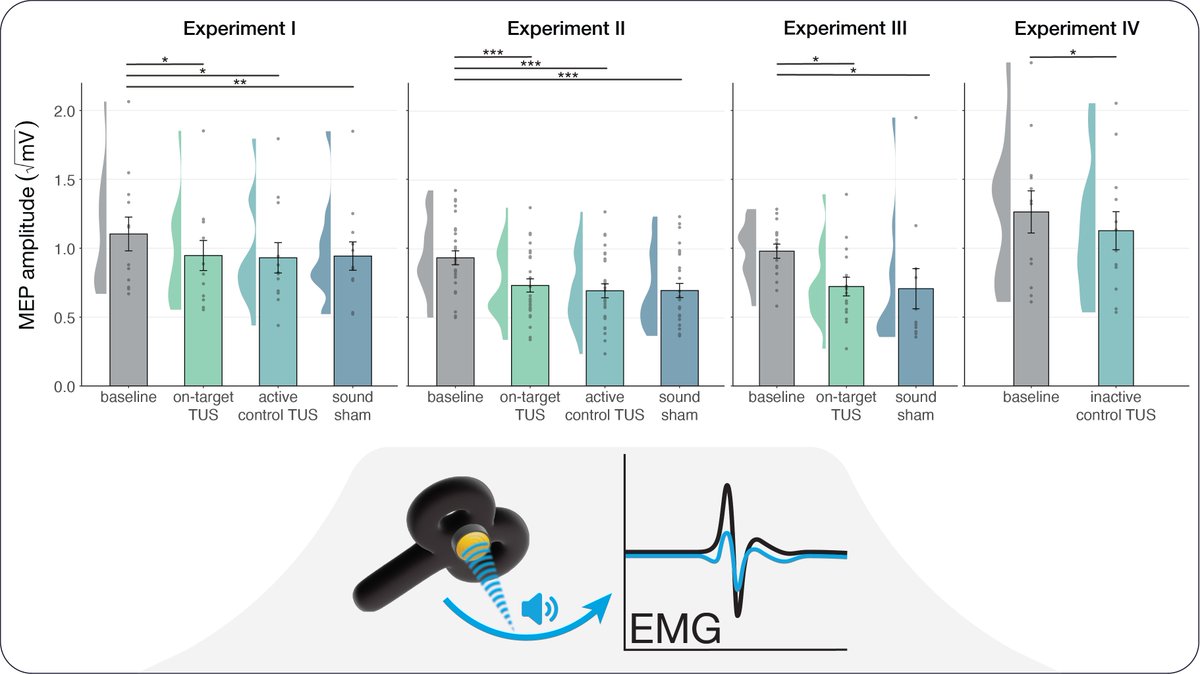
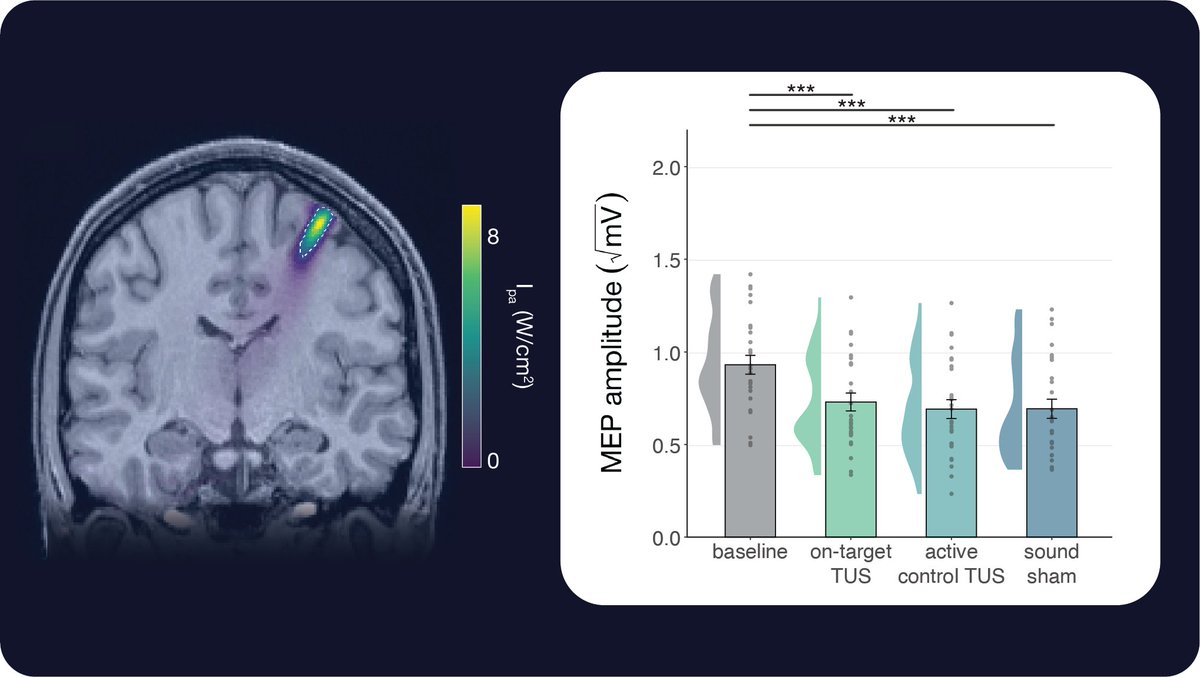
TUS holds great potential for neuroscience and clinical applications, but its success requires careful control for peripheral confounds. Let’s ensure noise doesn’t derail this powerful technology! Check out our eLife paper: doi.org/10.7554/eLife.88762.… Thread below 👇
2
19
44
7,759
31 Aug 2024
Moving forward, amplitude modulation (ramping), improved auditory masking, and carefully constructed (active) control conditions will form the strong foundation required for TUS to realize its full potential 🚀
1
1
473
31 Aug 2024
A big thank you to @LennartVerhagen @HannekedenOuden @tobergmann @TulikaNan @SohaFarboud @Sjoerd_Meijer_ @ARadetz @neuro_engineer @ralfer and all the co-authors!
1
2
247