Observer.
Joined June 2009
- Tweets 12,137
- Following 2,269
- Followers 975
- Likes 25,208
330 Photos and videos







Unknown retweeted

Jun 14
Was passiert eigentlich, während alle #GERCUR, also Fußball schauen?
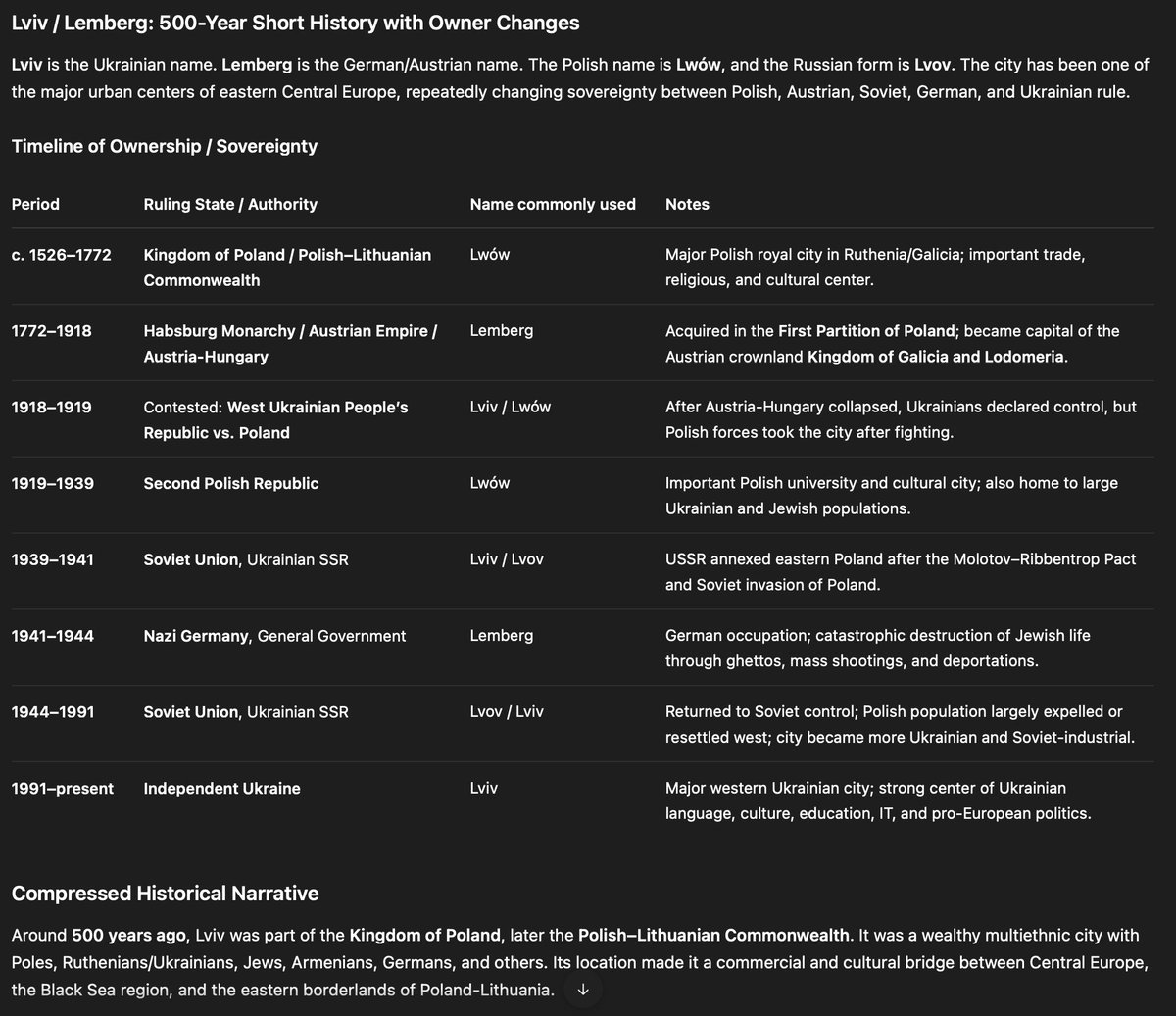
Die EU beginnt die Beitrittsverhandlungen mit der #Ukraine (und Moldau). Ich schließe mich Gerald Markel an, daran wird die EU zerbrechen, mit katastrophalen Folgen für uns alle.
Jun 14

An der Ukraine wird die Europäische Union zerbrechen
Während die eine Hälfte der Bevölkerung mit FussballWM und Urlaubsplänen abgelenkt sind und die andere Hälfte im ökonomischen Armageddon ums Überleben kämpft, schafft die Demokratiesimulation Fakten
Am Tag der WM Eröffnung haben von der Öffentlichkeit weitgehend unbemerkt alle 27 EU Botschafter grünes Licht gegeben- morgen Montag beginnen die offiziellen Beitrittsverhandlungen der Union mit der Ukraine !
Es ist völliger Wahnsinn !
Halten wir die Fakten fest
- der failed State Ukraine erfüllt kein einziges Beitrittskriterium - im Gegenteil
Die Ukraine ist kein Rechtsstaat, keine funktionierende Demokratie, unterdrückt brutal Minderheiten, die Junta lässt die eigene männliche Bevölkerung wie Tiere auf den Straßen der ukrainischen Städte jagen um Sie in den Volkssturm zu zwingen und ist das korrupteste Land der Welt, in dem in den letzten vier Jahren Milliarden an ausländischem Steuergeld gestohlen wurde und wird
- ohne Unterstützung von aussen ist die Ukraine keinen Tag überlebensfähig , die Infrastruktur ist grossteils zerstört, die Volkswirtschaft ebenso
- die Ukraine ist mitten in einem mörderischen BruderKrieg und selbst wenn der Krieg morgen enden würde, wäre die Aufnahme eines Landes mit Hunderttausenden schwerstens traumatisierten Frontheimkehrern in eine Union die Gewaltfreiheit seit Generationen lebt völliger Irrsinn -gesellschaftliches Seppuku mit Anlauf
- die überwältigende Mehrheit der europäischen Bevölkerung würde in einer Abstimmung GEGEN die Aufnahme der Ukraine in die EU stimmen - daran gibt es nicht den geringsten Zweifel !
Und TROTZDEM stimmen die Vertreter aller Regierungen - auch des neutralen Österreich !- FÜR die sofortige Aufnahme der Beitrittsverhandlungen !
Was wohl der ultimative Beweis für meine Behauptung ist, wir würden alle nur noch in einer Demokratiesimulation leben !
Ich könnte hier den ganzen Tag Details aufzählen warum es völlig unmöglich ist die Ukraine in die Union aufzunehmen
Von der Tatsache dass der Agrargigant Ukraine der ökonomische Tod der Europäischen Landwirtschaft ist bis zum Faktum dass wir Europa uns die vollwertige Aufnahme dieses kollabierten Landes schlicht nicht leisten können
Was mich aber so unfassbar empört ist der Zeitpunkt zu dem diese selbsternannten Eliten und zahllosen Mitläufer und Futtertrogdrängler Fakten schaffen wollen !
Der Zeitpunkt am Ende der vergangenen Woche ist natürlich völlig bewusst gewählt worden um die Aufmerksamkeit der Europäischen Bevölkerungen nicht zu wecken !
Die staatlichen Informationsbordelle haben Kurzmeldungen gebracht statt diese für die Zukunft von uns - aber vor allem für unsere Kinder und Enkel - so substanzielle Frage möglichst ausführlich zu diskutieren
Man möchte Fakten schaffen
Und möglichst wenig Diskussion haben bis es zu spät ist, bis man die Bevölkerungen vor vollendete Tatsachen stellt
In Wahrheit ist es ein Putsch
Eine Aushebelung des Demokratischen Willens der überwältigenden Mehrheit der europäischen Bevölkerung
Wir wollen die Ukraine nicht in der Union
Wir können die Ukraine nicht in der Union aufnehmen
Die Ukraine ist nicht in der Verfassung in irgendeiner Form der Union beizutreten - Sie ist ja im Moment nicht einmal in der Lage selbst ohne Hilfe zu überleben !
Das Skurrile an diesem Irrsinn -
Putin/Russland muss die Europäische Union gar nicht angreifen um Sie zu zerstören - wie diese glatte Lüge der Russophobiepsychotiker lautet !
Er muss einfach nur zusehen wie die EU diesen failed State aufnimmt und daran zu Grunde geht !
Und all jenen die sich am Ergebnis freuen - nämlich dem aus der Aufnahme unweigerlich folgendem Ende der Union- sei gesagt
Ja - die mittlerweile von so vielen Menschen richtiggehend verhasste Europäische Sowjetunion wird an der Ukraine zugrunde gehen - so viel ist fix
Aber dabei wird auch Eure ökonomische und soziale Existenz draufgehen
Was da passiert ist wahrlich historisch
Die EU begeht Selbstmord
Unfassbar
GM
100
1,019
4,312
50,818
Unknown retweeted

Jun 14
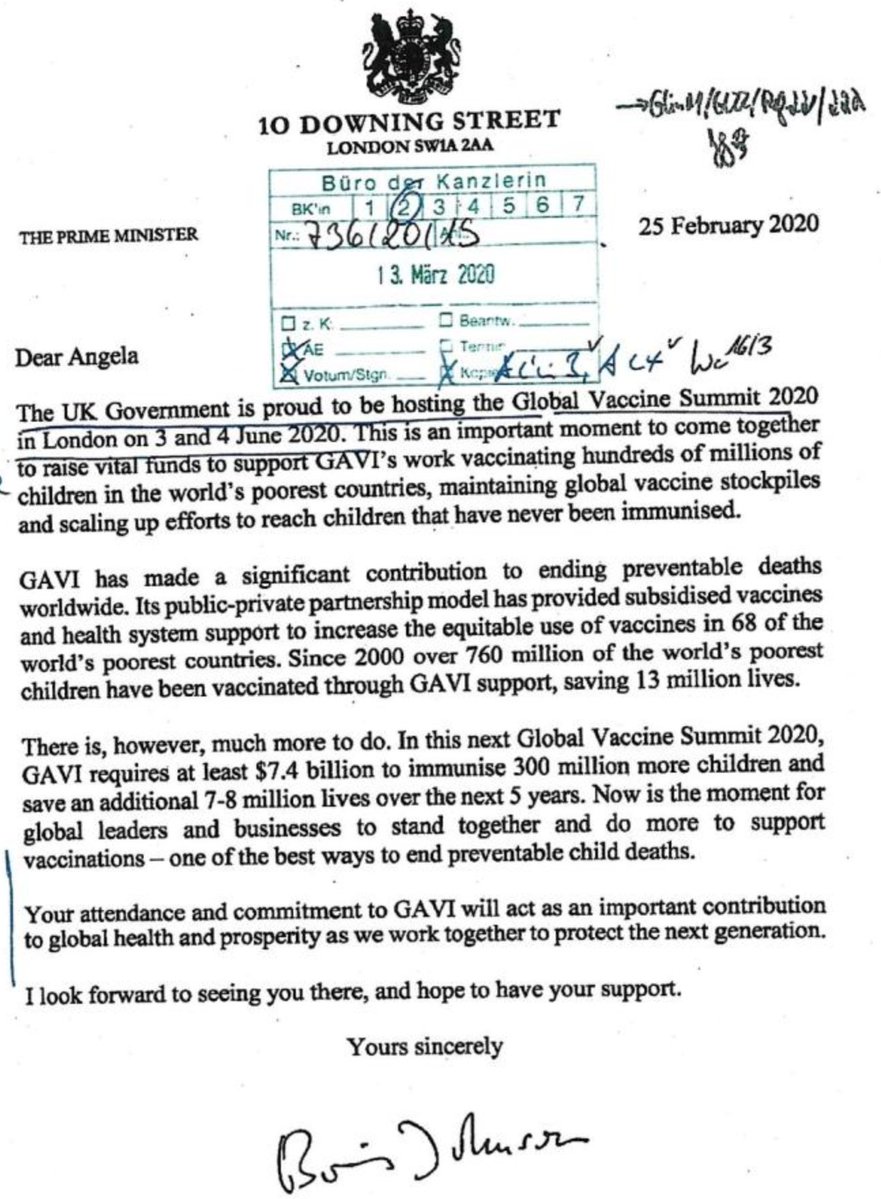
Im Februar 2020 schrieb UK Premier Boris Johnson der „lieben Angela”, GAVI brauche 7-8 Mrd. Dollar. GAVI gehört zum Impfbusiness von Bill Gates. Durch Corona lief es natürlich viel besser. Und es geht weiter mit Hanta, Ebola ... Deutschland zahlt.
Link: welt.de/politik/deutschland/…
55
918
2,537
27,747

Jun 14
Die #Ukraine verteidigt weder die eigenen Menschen noch sonst irgend etwas. Sie wird als Proxy verheizt für Partikularinteressen, die auf ihre Werte zugreifen wollen, und die Russland zerschlagen wollen. Für Shareholder Value. Und Selenski ist ihr Vollstrecker vor Ort. Ein Landesverräter.
33
Unknown retweeted
Jun 14
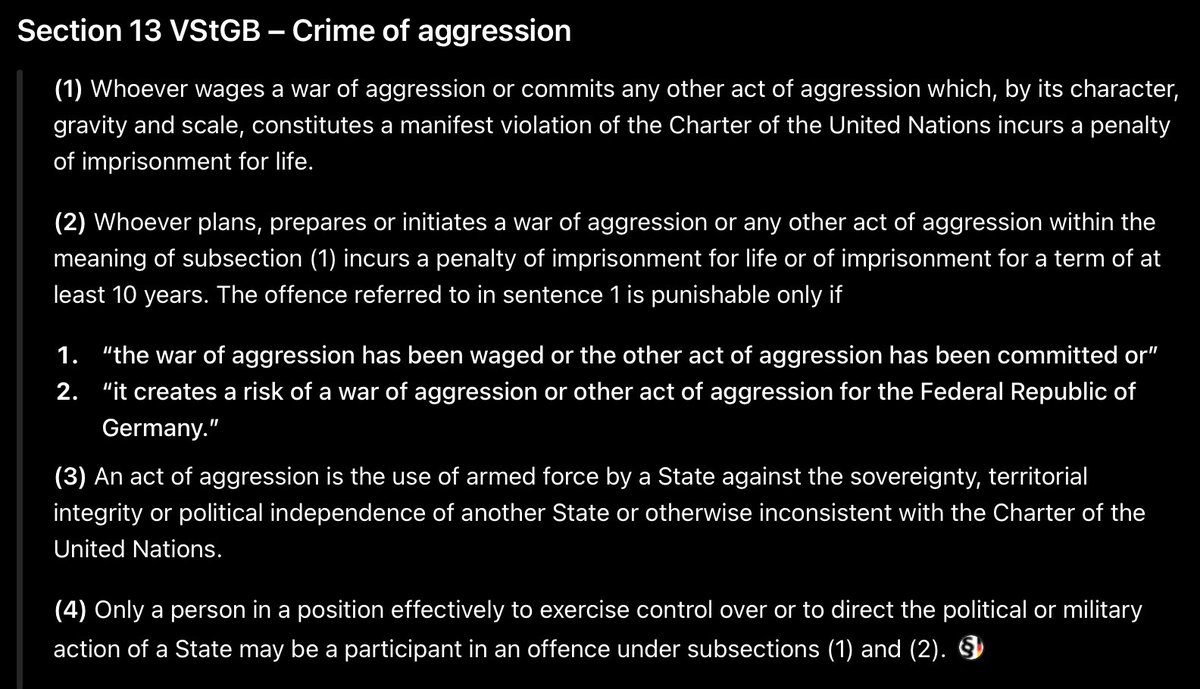
1. Deutschland verlegt tausende Offensivkräfte (Panzerbrigade) direkt an die russische Grenze.
2. In der Übung heißt es: „Wir greifen an!”
3. Ex-Covidgeneral Breuer sieht schon wieder größte Gefahren.
Ein Wahnsinn, aber nicht lustig, sondern hochgefährlich!
Hintergrund: Diplom-Pädagoge Carsten Breuer war Chef des Corona-Krisenstabs. Aufgrund seiner Leistungen in der Virenbekämpfung wurde er zu Deutschlands höchstem Soldaten (Generalinspekteur) befördert. Er fand nämlich stets den richtigen Ton, maßlose Panikmache.
Was wäre, wenn Russland eine Kampfbrigade an die deutsche Grenze verlegte? Man muss sich stets in andere hineinversetzen und bedenken, dass unsere Brigade als klares Angriffssignal wahrgenommen wird.
Die Innen-, Wirtschafts- und Finanzpolitik der Regierung ist fraglos desaströs, ihre Außenpolitik aber weit schlimmer. Keine Diplomatie, Aggressivität in alle Richtungen, und selbst aus der Niederlage bei der UN-Wahl lernt man nichts.
759
2,624
9,138
169,182
Unknown retweeted

Jun 13
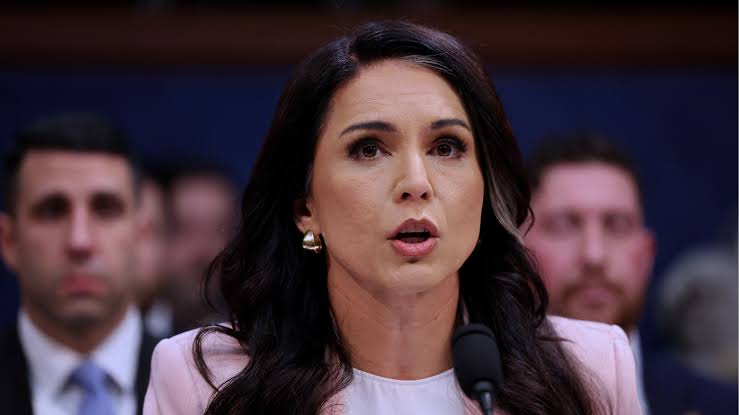
With Tulsi Gabbard's new revelations about US bio labs in many countries around the world including Ukraine, it's fascinating recall the bizarre series of events that gave rise to this controversy in the first place:
In May of 2022, some of us began asking whether the US had bio labs in Ukraine, what they were for, and why the US had them there. For asking those questions, we were instantly branded as "pro-Russian conspiracy theorists" in official Ukrainian intel reports, on our Wikipedia pages, by countless media outlets, etc. This was and remains one of the most bizarre episodes I've ever seen.
Before May 2022, when we asked those questions, barely anyone had ever thought about let alone asked about "bio weapons in Ukraine"! I certainly hadn't. Like most people, I had never mentioned a word about it because it had never occurred to me we had them there.
But then, Marco Rubio summoned Victoria Nuland to the Senate and asked her in a televised hearing under oath about these "rumors," clearly expecting her to immediately debunk them as obvious Kremlin lies and to proclaim the US had no such bio labs in Ukraine.
Instead, Nuland did the opposite! She *confirmed* key aspects of these "rumors," and she explicitly warned that the US has several "bio research labs" in Ukraine that are so dangerous that they must not be allowed to fall into Russia's hands.
When some of us heard Nuland's rather shocking admission -- the first-ever disclosure about these labs -- we of course asked: wait! what? Why does the US have bio labs in Ukraine, and what are the US and Ukraine doing in those labs that make them (in Nuland's eyes) so dangerous?? (Note: nobody ever suggested that the presence of these bio labs in Ukraine justified the Russian invasion; we just wanted answers about these US bio labs that Nuland had casually divulged).
We never got real answers. We got smear campaigns. To this day, our names are formally attached to claims that we spread "conspiracy theories" for asking about these labs even though it was Victoria Nuland herself who was the one who accidentally revealed them for the first time in a Senate hearing in response to a shocked Marco Rubio. They then quickly tried shutting down any questioning by pretending that Nuland never said this, and it was just a bunch of paid Kremlin mouthpieces who were spreading lies.
You see the same tactics now being against Tulsi for releasing this new intelligence report. Watch the Nuland testimony in question:
Jun 12

Today, I’m releasing never before seen intelligence revealing new evidence of past US government funding for more than 120 biolabs in over 30 countries, including Ukraine.
In support of President Trump‘s Executive Order to end federal funding of dangerous gain of function research around the world, and increase transparency and accountability, ODNI will continue working with partners across the Administration to identify where these labs are, what pathogens they contain, and what “research” is being conducted.
odni.gov/index.php/newsroom/…
376
4,312
13,327
559,273
Unknown retweeted

Jun 14
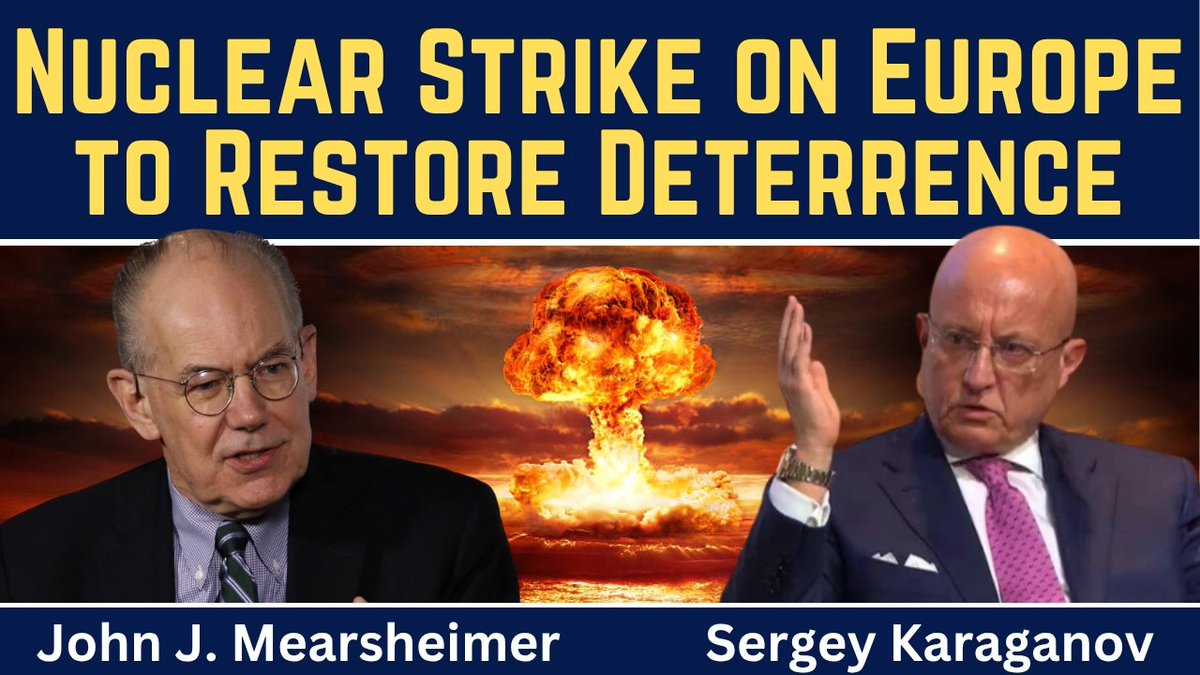
I received several reactions to the discussion I hosted about how nuclear weapons may be used against Europe to restore deterrence. To be clear, this is not a normative argument about what I think should happen or what I think is just. My argument is what I think will happen. European leaders have become so deeply involved in the attacks on Russia that the Kremlin is under great pressure to restore its deterrence.
Once Russia retaliates with conventional weapons against European targets (weapons facilities, logistics centres), the Europeans will more forcefully attack Russia. At this point, I believe that it is more likely than not that Russia could launch a limited nuclear strike (with tactical nuclear weapons, not strategic). This should not be a controversial prediction. NATO countries are doing the war planning; their intelligence agencies are doing the targeting; their contractors are pulling the trigger; they are supplying the long-range weapons; and they are also using NATO territory to strike Russia. This will only escalate as the Europeans are talking about mass-producing long-range weapons for "Ukraine" to strike deeper and deeper inside Russia, and are setting dates for when Europe will directly attack.
Our political leaders are obsessed with defeating the world's largest nuclear power, which considers itself to be fighting in a war for its existence. It should worry us that our political leaders did not define what a NATO victory looks like in this scenario, and we should also be worried that our political leaders have incrementally become so directly involved in attacks on Russia and still pretend it is merely a war between Russia and Ukraine. Our political leaders sabotaged both the Minsk peace agreement and the Istanbul agreement, and then shut down all diplomacy for more than 4 years while declaring that "weapons are the path to peace". It is obligatory in Europe to pretend this is about "helping Ukraine", but this is dangerous self-delusion.
Where exactly did we think this was heading? Is nuclear war not the obvious end? Can anyone imagine it ending in any different ways if we had done this during the Cold War or if Russia were now similarly attacking the US through a proxy? Biden once said that sending F-16s meant World War 3, yet now it has become controversial to point out that NATO clearly crossing the line between proxy war and direct war will trigger a nuclear war. I see no morality in such self-delusion. NATO escalations are now out of control, we are heading to war, and that war will not be limited to conventional weapons. The fact that this is dismissed as a "pro-Russian" argument demonstrates how completely lost we have become in mindless war propaganda.
youtu.be/Q8PT0jiemKc
299
1,485
3,657
211,679
Unknown retweeted

Jun 14
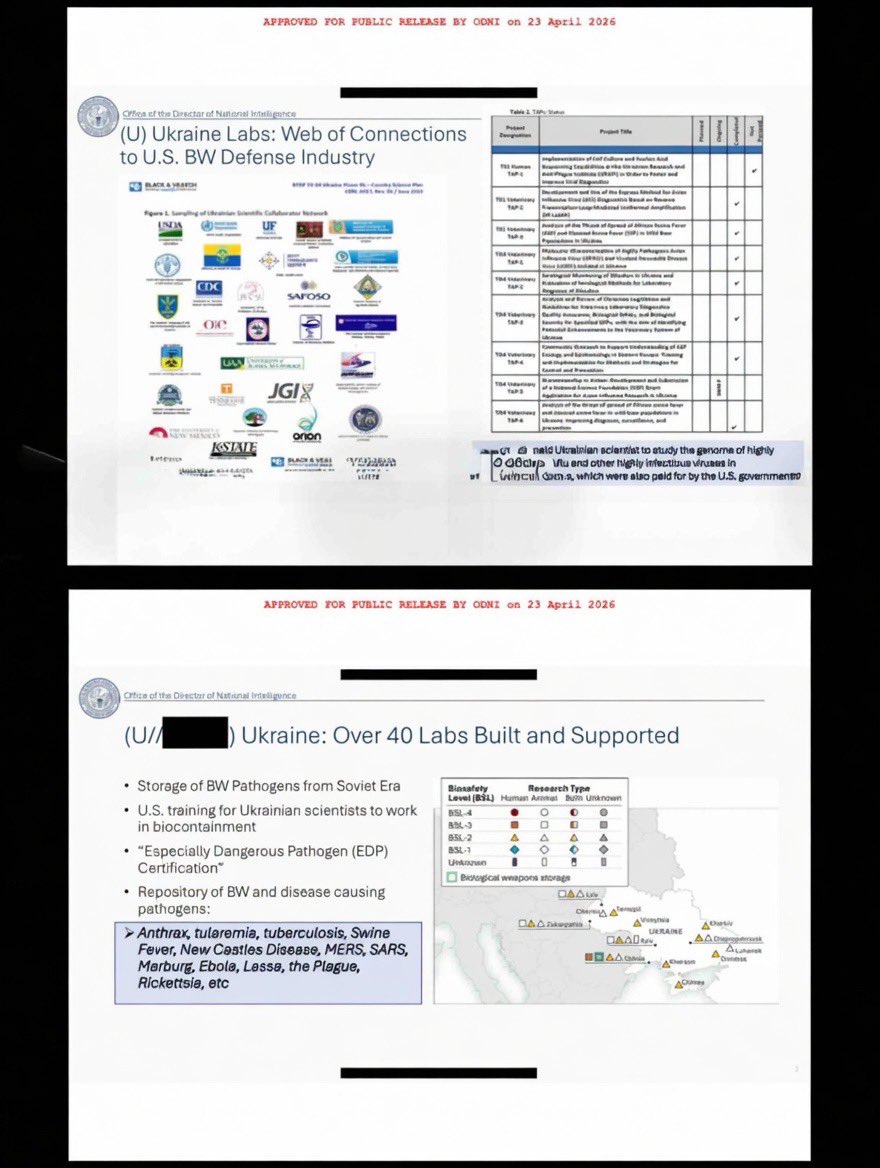
🧵 Here is the TRUTH: Dangerous gain-of-function research was funded by the U.S. government around the world, directed and approved by people like Dr Fauci. @DNIGabbard exposed that yesterday.
Using U.S. government data, put together and uncovered by career subject matter experts in the Intelligence Community and other government agencies, yesterday’s release highlighted one example of the many overseas biolabs funded by the U.S., the research conducted there, and the significant risks they pose to the world, especially when located in a country at war.
🔗 dni.gov/files/BIOLAB_Slides.…
721
5,448
15,158
512,945
Unknown retweeted

Jun 13
🇺🇸🇺🇦 Declassified docs just dropped showing U.S.-funded labs in Ukraine working with anthrax, Ebola, Marburg, SARS, tularemia and more.
Tulsi is releasing the full list over 40 labs.
Big questions now about oversight and what was really happening, but so far, it doesn't look good at all.
Source: DNI BIOLAB / Writer: Lucas
May 27

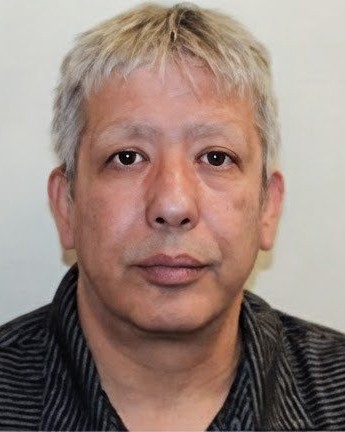
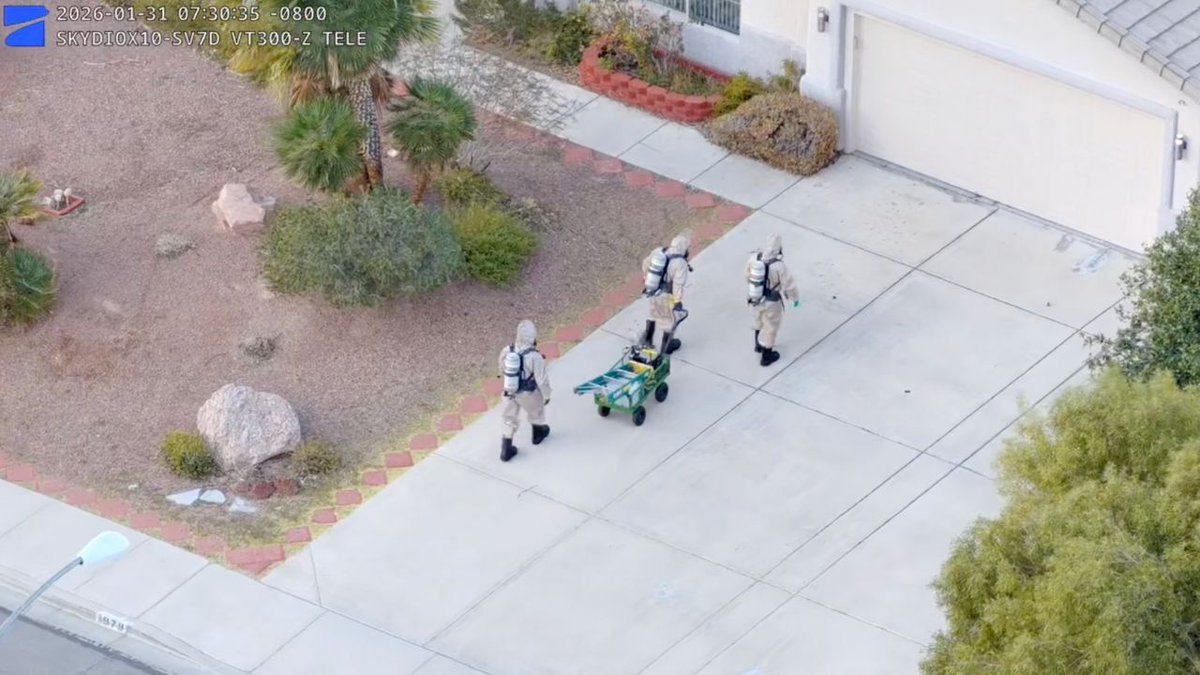
🇺🇸🇮🇱 Israeli citizen Ori Solomon, 55 years old, who was arrested last year for running an illegal biolab in Las Vegas containing dangerous pathogens including HIV, malaria, and tuberculosis, has had all federal charges against him dismissed.
He is now free to return to Israel.
This was one of the wildest stories of the year...an unlicensed lab in a U.S. city handling serious biological agents.
The quiet dismissal of all charges raises a lot of eyebrows, but are we really surprised?
Source: @KTNV
201
1,565
4,487
123,879
Unknown retweeted

German politician Klaus von Dohnanyi calls Zelensky a radical, ruthless nationalist. He says Zelensky tried to drag all NATO states into the Ukraine war. Now, unable to do so, he wants to achieve the same via EU accession using Article 42 of the EU Treaty to involve other EU countries. This is not our war. We opposed Ukraine's NATO membership. Zelensky pushed this against our will, enshrining the NATO course in the constitution. We bear no responsibility for the conflict's causes—Ukraine was to be used as a counterweight to Russia. Even before Merkel, our 2008 position clearly rejected Ukraine's NATO entry. We understood the consequences. Thus, Zelensky bears significant responsibility for this war.
Slavyangrad
36
83
204
17,377
Jun 13
Widerlich. Aber ich habe als grosser Freund Ayn Rands einen Trost: ihr Gewissen wird sie für ihre Propagandalügen bestrafen.

"A racist mob is hunting migrants.
This was called for by a British right-wing extremist (@TRobinsonNewEra) and tech billionaire @elonmusk."
German public media.
1
1
19
Jun 13
Das ist wie in den 80er und 90er Jahren mit Krypto-Software, allerdings gab es damals "nur" Exportverbote. Jetzt dürfen scheinbar selbst Nicht-Amerikaner, die in den USA leben und arbeiten, nicht mehr auf bestimmte KI-Modelle zugreifen. Irre. #Anthropic #Mythos #Fable
Jun 13

The US government, citing national security authorities, has issued an export control directive to suspend all access to Fable 5 and Mythos 5 by any foreign national, whether inside or outside the United States, including foreign national Anthropic employees.
The net effect of this order is that we must abruptly disable Fable 5 and Mythos 5 for all our customers to ensure compliance.
Access to all other Claude models is not affected.
We apologize for this disruption to our customers. We believe this is a misunderstanding and are working to restore access as soon as possible.
Read our full statement: anthropic.com/news/fable-myt…
1
1
69
Unknown retweeted

Jun 12
Today, I’m releasing never before seen intelligence revealing new evidence of past US government funding for more than 120 biolabs in over 30 countries, including Ukraine.
In support of President Trump‘s Executive Order to end federal funding of dangerous gain of function research around the world, and increase transparency and accountability, ODNI will continue working with partners across the Administration to identify where these labs are, what pathogens they contain, and what “research” is being conducted.
odni.gov/index.php/newsroom/…
16,201
83,350
287,864
41,678,383
Unknown retweeted

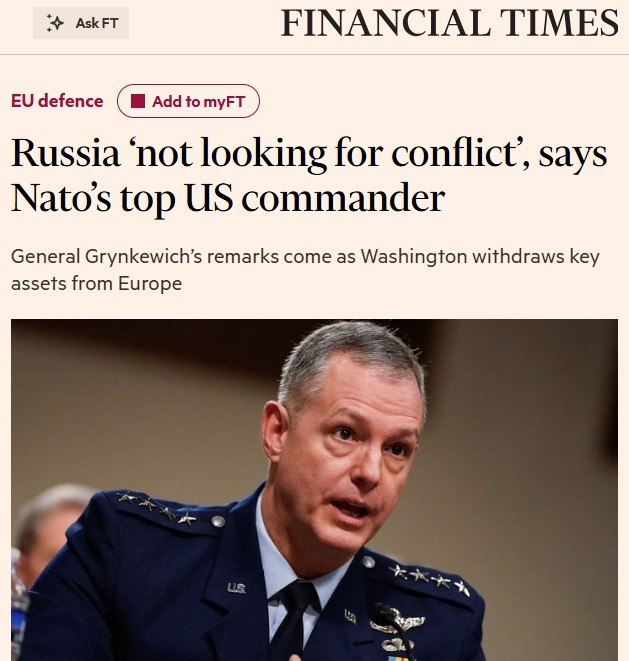
NATO Commander Europe Grynkewich debunks the propaganda of European Russophobes.
'Russia does not seek conflict with NATO and does not intend to attack. I have been following the intelligence very closely.'
156
1,887
3,789
147,457
Unknown retweeted

Jun 11
Sie nehmen es @elonmusk übel, dass sie Herrschaft über die Nachrichten verloren haben, und sie nicht mehr nach Belieben manipulieren können.
53
417
2,853
34,878
Unknown retweeted
Jun 11
Neue Wendung von Bill Gates: Früher hatte er seinen Pandemie-Kumpel Jeffrey Epstein nicht gekannt, dann hatte er nichts gemacht, nunmehr wurde er von Epstein erpresst. m.bild.de/unterhaltung/stars…
193
1,147
4,070
57,197

WUSSTEN SIE? 🇷🇺 EINMARSCH IN DIE UKRAINE BEENDETE CORONA ÜBER NACHT
Corona endete in🇩🇪 genau an dem Tag,an dem 🇷🇺 Truppen in die 🇺🇦 einmarschierten.
Tägliche Infektionszahlen,Inzidenzen,Hospitalisierungen und Verordnungen.Dann kam der 24.02.2022
Plötzlich war Schluss !
242
2,665
9,942
158,208
Unknown retweeted

Jun 11
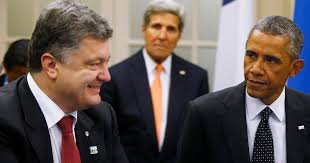
Obama’s CIA coup in Kiev in 2014 toppled Viktor Yanukovych. The Poroshenko regime (2014-2019) began attacking Donbass, a Russian-speaking region historically close to Russia. After 2014, Kiev turned against Russia, the Orthodox faith, and the shared history of the two peoples.
In 2019, campaigning on uniting the ethnically divided former Soviet Republic, Zelensky won a landslide election. Once elected, however, under the thumb of the Banderites, he changed his tune. He could have told Biden, "I won’t sacrifice my country for your war against Russia," but decided differently.
December 2021, Biden rejected Putin’s proposed mutual security accords that would have left “neutral” #Ukraine intact. Biden told Putin, “Russia doesn’t say who can join NATO.” Once again, as in Minsk I and II, Russia’s legitimate security concerns were brushed aside.
According to ex-Biden adviser Amanda Sloat, senior director for Europe on the National Security Council, Ukraine could have avoided war in December 2021 with one step: “Ukrainian declaration of neutrality,” she said, “would have prevented the destruction and loss of life."
On 18 February 2022, the Organization for Security and Co-operation in Europe (OSCE) reported that Ukraine had ramped up artillery attacks along the civil war Line of Contact. (Since 2014, NATO-armed Ukraine and neo-Nazis thugs had killed thousands of ethnic Russians in the Donbass.)
21 February 2022, Russia captured a Ukrainian soldier, killed five others, as they crossed over the border into Rostov. The Kremlin learned the invasion of Donetsk city was imminent. Three days later, with about 100,000 troops, Russia launched its “Special Military Operation” - not a "full scale invasion."
Putin did not wake up on 24 February and decide, “I think I’ll invade eastern Ukraine today," nor was the US campaign to expand NATO into Ukraine a last-minute maneuver. US State Department documents show Ukraine’s future membership was discussed as early as 1994.
Citing the UN principle, “Responsibility to Protect,” #Russia intervened in the eight-year Donbass conflict after all prospects for diplomacy had failed. Putin had learned growing up in the tough streets of St. Petersburg, “If you know there’s going to be a fight, throw the first punch.”
91
837
1,552
34,507
Unknown retweeted

Jun 9
Durch Nazi-Deutschland starben weit mehr als doppelt so viele Russen wie Juden.
Warum steht #Deutschland 🇩🇪 wegen der „historischen Verantwortung“ dann heute nicht genauso selbstverständlich und „unverrückbar“ an der Seite von #Russland 🇷🇺 wie an der Seite Israels?
Warum ist die Sicherheit Russlands nicht ebenfalls eine „nicht verhandelbare deutsche Staatsräson“?
Warum ist Deutschland die Sicherheit Russlands stattdessen völlig egal?
Warum beteiligt es sich sogar wieder aktiv an der Zerstörung Russlands und der Tötung weiterer Russen? 😱
#Schande #Geschichtsvergessenheit
508
677
2,408
35,475
Unknown retweeted

Jun 9
Service Tweet
Die Siri/EU-Situation ist ein regulatorisches Meisterwerk.
Apple kann Apple Intelligence in der EU nicht starten.
Warum? Weil nach dem DMA gilt: Wenn Siri tiefen Systemzugriff bekommt, muss jeder andere KI-Assistent exakt denselben Zugriff erhalten. Alles andere wäre unfairer Wettbewerb. Ein Gatekeeper, der seinen eigenen Dienst bevorzugt.
Also entweder startet Siri und jedes Shenzhen-Startup, jede zypriotische Briefkastenfirma und jedes Neffen-Hackathon-Projekt bekommt identischen Root-Zugriff auf das digitale Leben von 450 Millionen Europäern — oder gar nichts startet.
Apple schlug einen „Trusted System Agent“ vor: eine Sicherheitsinstanz, über die Drittanbieter-Assistenten Fähigkeiten erhalten, ohne das iPhone komplett aufzureißen.
Die EU lehnte ab.
Großartig.
Apples Antwort: gut, dann eben auch keine Entwickler-APIs. Kein Apple Intelligence, keine Drittanbieter-Integrationen, kein Zugriff auf Foundation Models für EU-Entwickler. Diese gesamte Ebene existiert auf diesem Kontinent einfach nicht.
Exzellent.
Das ist der Weg. Warum von amerikanischer KI abhängig sein, wenn wir den gesamten Stack selbst bauen können? Ein europäisches Foundation Model, trainiert auf einem europäischen GPU-Cluster, laufend auf einem europäischen Betriebssystem, auf einem europäischen Smartphone, gefertigt in einer europäischen Chipfabrik, betrieben mit europäischem Atomstrom aus Kraftwerken, die wir seit fünfzehn Jahren schließen.
Geschätzter Liefertermin: 2047.
Geschätzte Kosten: das BIP von drei Mitgliedstaaten.
Geschätztes Ergebnis: ein Chatbot, der vor jeder Antwort ein Cookie-Banner benötigt.
Lohnt sich.
In der Zwischenzeit werden europäische Nutzer davor geschützt, dass Apple Daten verarbeitet, die Apple ohnehin schon besitzt — indem sichergestellt wird, dass überhaupt niemand irgendetwas verarbeitet.
Kein Fehler. Das beabsichtigte Ergebnis.
Regulatorisches Produktdesign mit dem Vorschlaghammer, präzise geschwungen.

The Siri/EU situation is a regulatory masterpiece.
Apple cannot launch Apple Intelligence in the EU.
Why? Because under the DMA, if Siri gets deep system access, every other AI assistant must get the exact same. Anything less would be unfair competition. A gatekeeper privileging its own service.
So either Siri ships and every Shenzhen startup, Cyprus shell company, and nephew hackathon project gets identical root access to 450 million Europeans’ digital lives or nothing ships.
Apple proposed a “Trusted System Agent”: a security intermediary so third-party assistants get capabilities without ripping the phone wide open.
The EU rejected it.
Magnificent.
Apple’s response: fine, then no developer APIs either. No Apple Intelligence, no third-party integrations, no foundation model access for EU developers. The entire layer simply does not exist on this continent.
Excellent.
This is the path. Why depend on American AI when we can build the entire stack ourselves? A European foundation model, trained on a European GPU cluster, running on a European OS, on a European phone, manufactured in a European fab, powered by European nuclear plants we have spent fifteen years closing.
Estimated time to ship: 2047.
Estimated cost: the GDP of three member states.
Estimated outcome: a chatbot that requires a cookie banner before each response.
Worth it.
In the meantime, European users are protected from Apple processing data Apple already holds by ensuring nobody processes anything at all.
Not a bug. The intended outcome.
Regulatory product design with a sledgehammer, swung with precision.
🇪🇺

49
148
717
42,590