
Husband, Father, Rails developer, trumpet player, briq.mx.
Joined July 2009
- Tweets 1,910
- Following 1,201
- Followers 524
- Likes 2,837
135 Photos and videos


Benito Serna retweeted

Apr 28
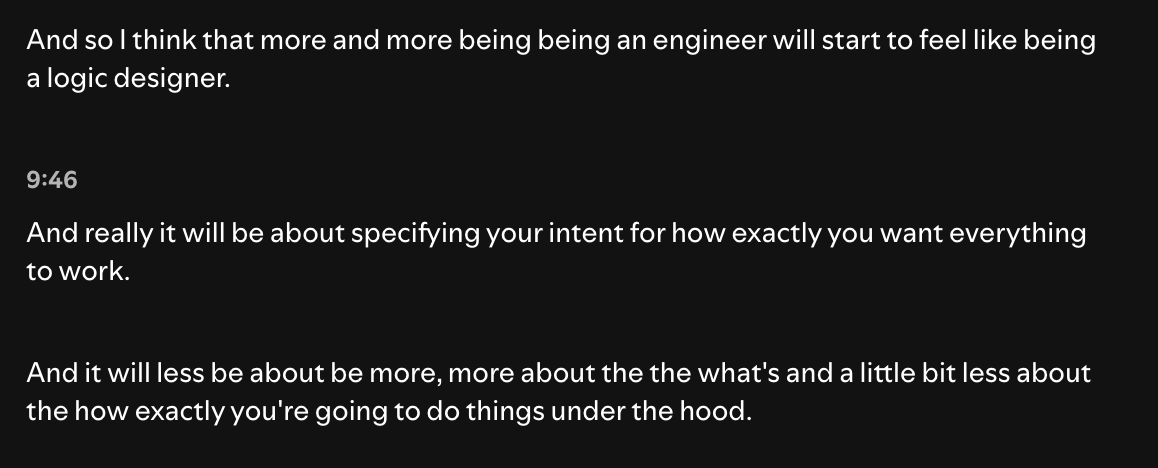
Instead of going back and forth with your agent saying "hmm little more, no a little less" just ask it to build you a control to tweak it yourself, then give it the params you like.
100
104
3,222
294,376
Benito Serna retweeted

Apr 24
7
56
255
14,791
Benito Serna retweeted

Apr 18
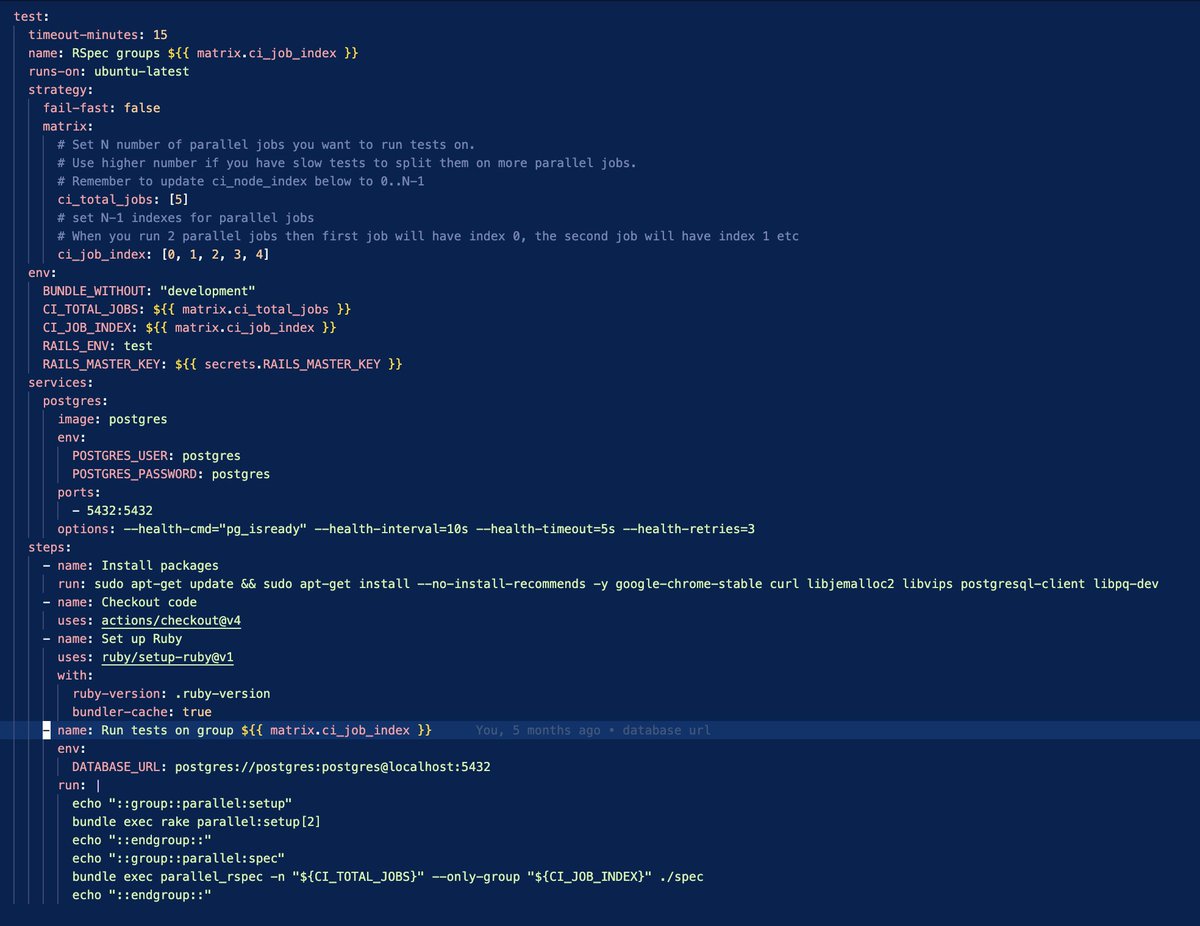
“rails query” is a great way to have your LLM / Claude / agent of choice query your production database. Read-only with a hook for logging and auditing. Works well with “kamal app exec” and Console 1984. Skill and blog post coming soon!
rubyonrails.org/2026/4/17/th…
14
90
3,951
Benito Serna retweeted

Apr 15
This is Beervana, an iOS app I built entirely with HTML and a YAML file. It's powered by Ruby Native and available in the App Store today.
I didn't write a single line of Swift. Or even open Xcode.
4
3
85
19,950
Benito Serna retweeted

Apr 7
37
163
1,389
321,223
Benito Serna retweeted

Apr 4
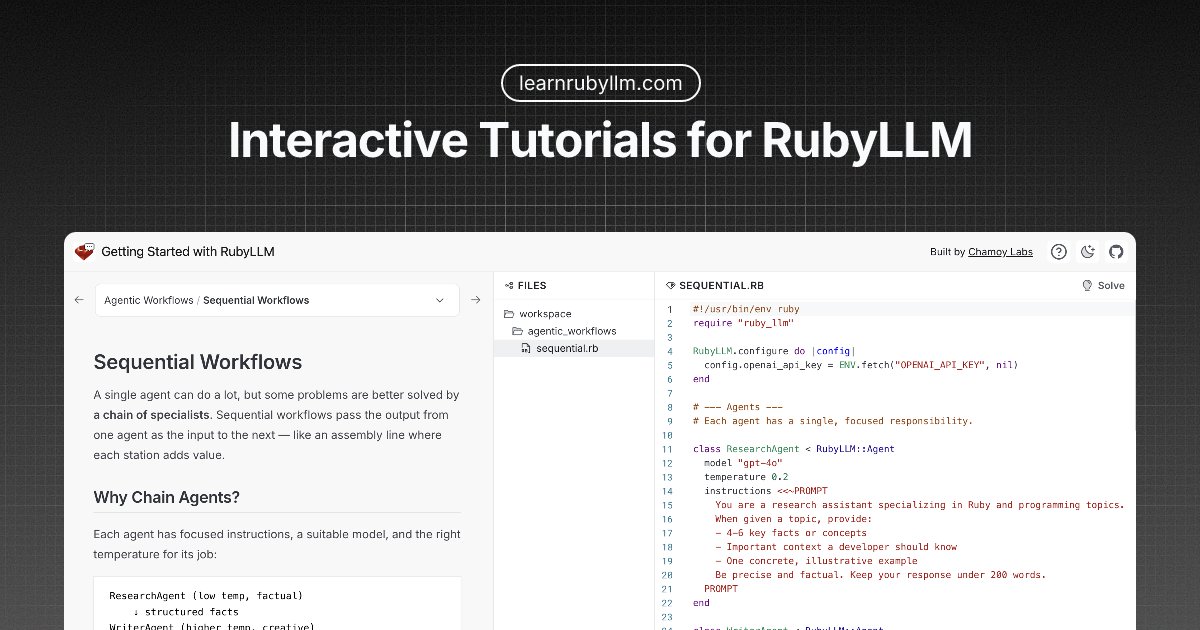
Just recently I came across a really cool blog post from Evil Martians about TutorialKit.rb.
I decided to experiment and used the learnings from it to create a set of interactive tutorials designed to help you learn the basics of RubyLLM in about a lunch hour.
I figured I would share it here!
Also - I am especially interested in feedback, whether that is on the tutorials themselves, the pacing, clarity, or anything that felt confusing or could be improved.
learnrubyllm.com/
2
4
9
2,307


Mar 26
Today, with AI assisted development, breaking your code changes (commits / pull request) in "behavior changes" or "structure changes" is even more helpful.
1
46
Mar 26
youtube.com/watch?v=SLqSUHFx…
This video from @KentBeck (from two years ago... maybe a lifetime in AI years 😅) can help with this idea.

34
Mar 25
"Your understanding allows you to fix the recall problem of agentic search, leading to better clanker outputs that need less massaging. And if shit hits the fan, you are able to go in and fix it. "
Mar 25

I'm usually not one to write thought pieces without much technical depth. But here we go.
Slow the fuck down.
mariozechner.at/posts/2026-0…
50
Benito Serna retweeted

Claude Code auto-memory is genuinely useful. I use it. Auto-dream — the new consolidation pass that runs between sessions — makes it better.
But I noticed something when I started relying on it more: everything it saves is project-scoped and AI-decided. The agent picks what matters. The knowledge lives in one project's memory folder. Nothing crosses over.
That's a different problem than what recuerd0 solves.
The knowledge I actually want to preserve and reuse isn't always project-specific. An auth pattern I refined across four apps. A SQLite FTS5 quirk I debugged once and don't want to rediscover. The API conventions my team agreed on six months ago. That's not session notes — it's institutional knowledge, and it belongs somewhere I control, organized the way my team thinks, available to any tool we use.
With the recuerd0 agent inside Claude, I can query that knowledge directly from the conversation — same as auto-memory, but from a curated base I built intentionally, not one assembled automatically in the background.
Both have a place. Auto-memory for session continuity. recuerd0 for the knowledge worth keeping on purpose.
Self-host free or use the hosted version at $15/month for up to 10 users.
recuerd0.ai/agents
1
1
7
488
Benito Serna retweeted

Mar 16
I think at this point, every coder gets it.
We are going to see Bosses use this new technology to wreak havoc on the knowledge work economy. Some of it will be warranted. A lot of it won’t.
I wrote this to help my friends. What do you think?
warpspire.com/handbook
3
1
5
648
Mar 17
I made a memory matching game to play with my kids.
Then I tried to make it a little better for others to play.
Maybe you can try it memoryybee.com/
1
38
Benito Serna retweeted
Hoy estoy lanzando @turestoapp, la aplicación de finanzas personales basada en el método japonés Kakeibo.
turesto.app
Tomas todos tus ingresos — sueldo, freelance, lo que sea — y los normalizas a una cantidad anual.
Luego registras todos tus gastos fijos: renta, Netflix, seguro, colegiatura, todo lo que ya está comprometido antes de que empiece el mes.
La diferencia dividida entre 365 es tu allowance diario.
Ese número responde la pregunta que reviso mentalmente antes de cualquier compra importante: ¿me alcanza?
No necesitas predecir cuánto vas a gastar en "restaurantes" este mes. No necesitas 20 categorías. No necesitas conectar ninguna cuenta bancaria.
Solo necesitas tu número.
Si hoy gastas menos que tu allowance, el día termina en verde. Si gastas más, sabes exactamente por qué — porque tú lo registraste.
El registro es manual y eso es intencional. Es parte del método Kakeibo: la consciencia del gasto proviene del acto de registrar, no del algoritmo que categoriza automáticamente lo que ya pasó.
Funciona con cualquier banco, fintech o fuente de ingreso. Porque no conecta con ninguno.
Prueba de 30 días sin tarjeta.
2
9
286
Benito Serna retweeted

8
24
244
48,853

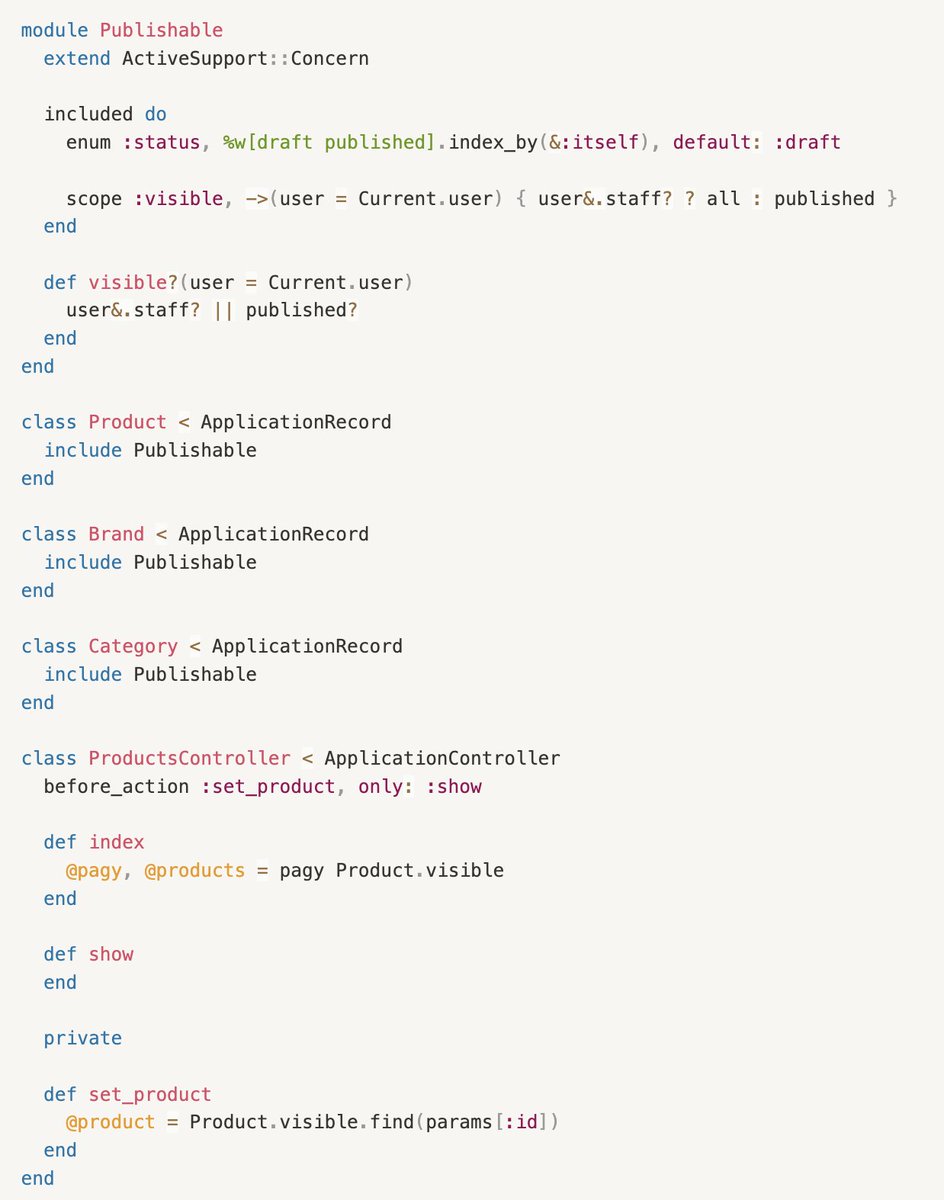
Ruby on Rails is probably the most token-efficient way to write a real web app together with agents that doesn't immediately fall apart with security holes and unscalable decisions. rubyonrails.org/

87
99
1,237
80,178
Benito Serna retweeted

Feb 27
Hurray! One of my babies just turned 1.0 🎂
github.com/Shopify/roast/rel…
1
2
39
4,128