
RMIT Emeritus Professor, urbanist and former leader of Healthy Liveable Cities Lab, wayfarer, casual cyclist, keen swimmer and lover of all things city
Joined June 2012
- Tweets 7,083
- Following 856
- Followers 1,825
- Likes 9,651
244 Photos and videos


Billie Giles-Corti retweeted

#OpenStreets are for the people! @Daniel_Veldaco is one of our collaborators with the Lancet #PlanetaryHealth. Their recent research regards the health benefits of open streets programmes in Latin America: a quantitative health impact assessment doi.org/10.1016/S2542-5196(2…
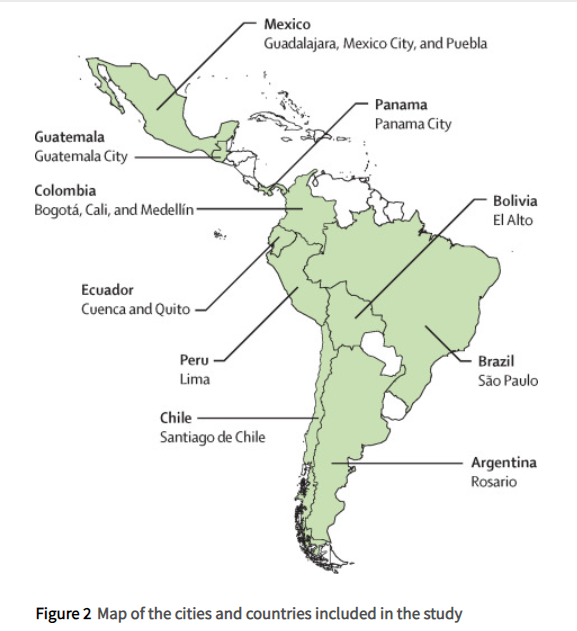
ALT Map of cities and countries included in the study.
1
5
12
692
Billie Giles-Corti retweeted
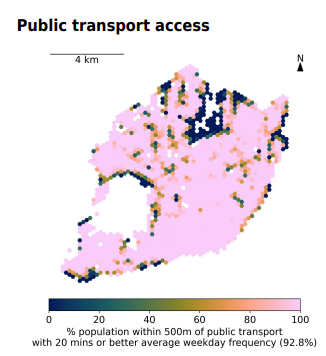
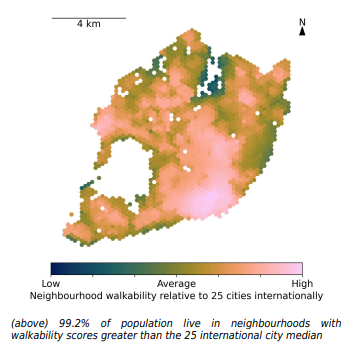
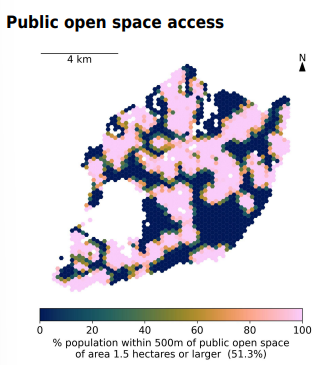
#Lisbon 🇵🇹 measures above average for #sustainable mobility!
Our reports indicate the vast majority of neighborhoods are #walkable (99.2%) 👨🦯, with residents having access to regular #PublicTransport stops services (92.8%) 🚊 and public #OpenSpace (~90%) 🏞️ within 500m.
1
5
17
570
Billie Giles-Corti retweeted
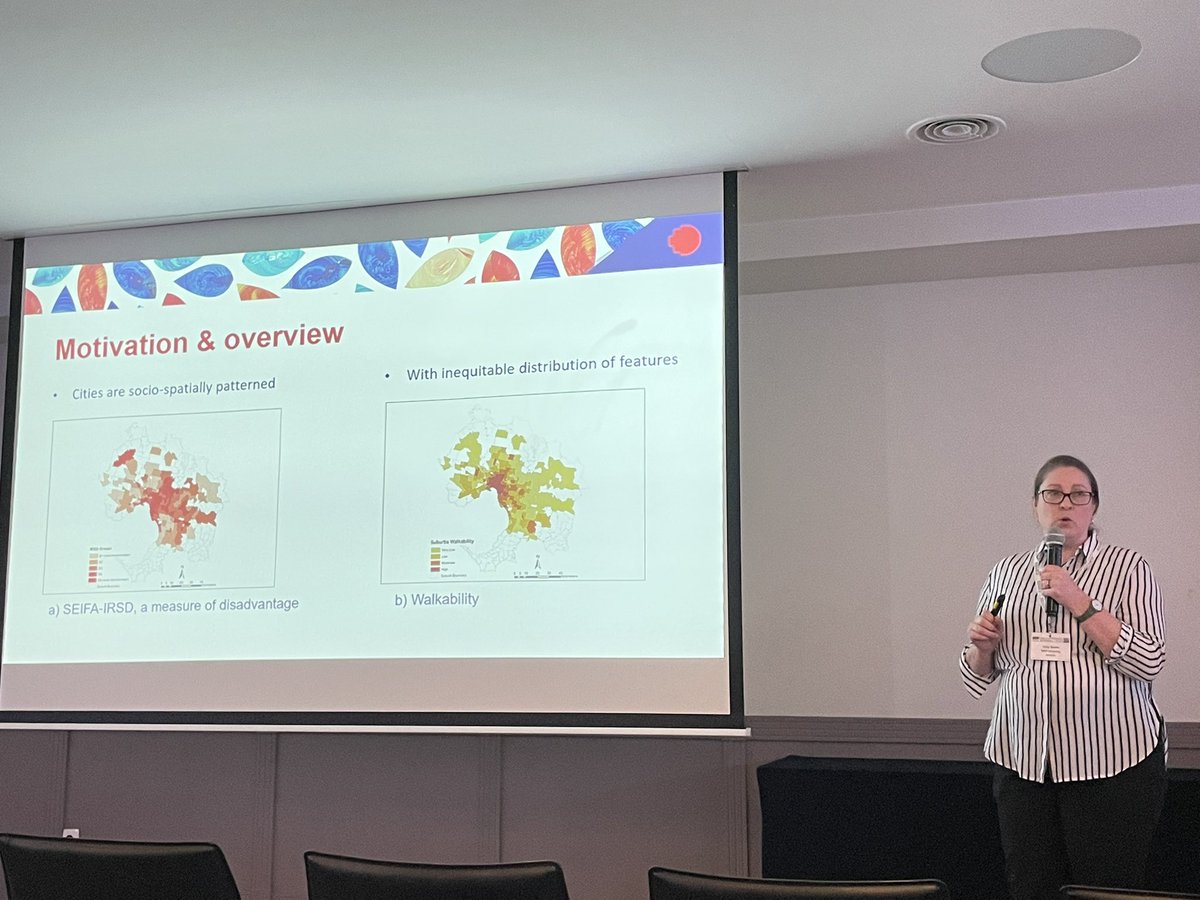
Melanie Lowe is co-director a researcher from @RMIT in Melbourne, 🇦🇺, investigating how to plan #healthy #SustainableDevelopment for #UrbanResilience with monitored spatial indicators informed policy.

6
11
687
Billie Giles-Corti retweeted
@carlhiggs, an esteemed data scientist from @RMIT, is here to deliver #Spatialindicators #epidemiology concerning the impact of the artificial environment with an Open Access ethos for the #equitable delivery, planning, development of #healthy, #sustainable #livablecities.

3
8
424
Billie Giles-Corti retweeted

30 Jul 2023
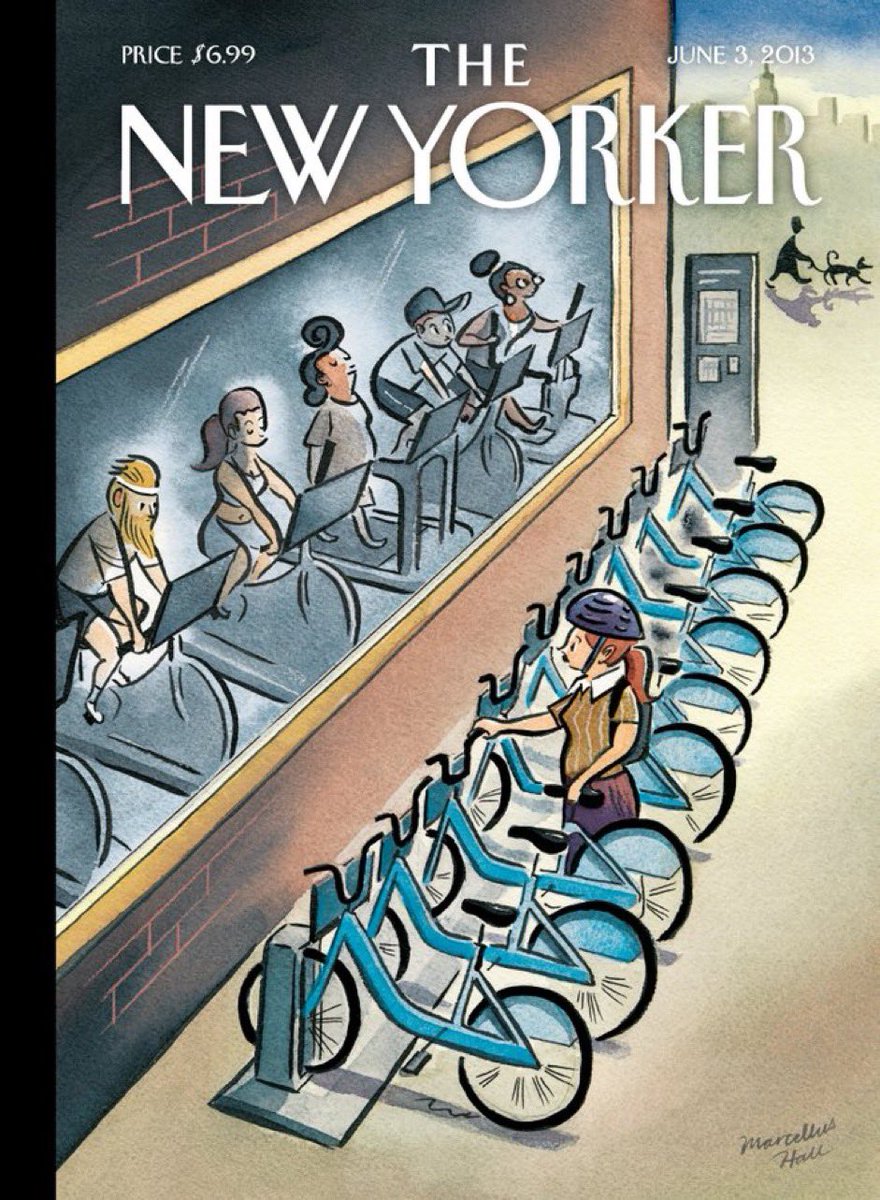
very funny but sadly true New Yorker cover - reminds me of the cartoon of the person refusing to go to the step class because the elevator was broken! Everyday activity is the answer of course.
30 Jul 2023

What if we designed cities, and the land-uses, densities and infrastructure that make them what they are, so that daily activity and exercise was just an ordinary, “invisible” part of every day life?
It’s actually not that hard. You just have to change priorities. #HealthyCities
1
7
25
3,883
Billie Giles-Corti retweeted
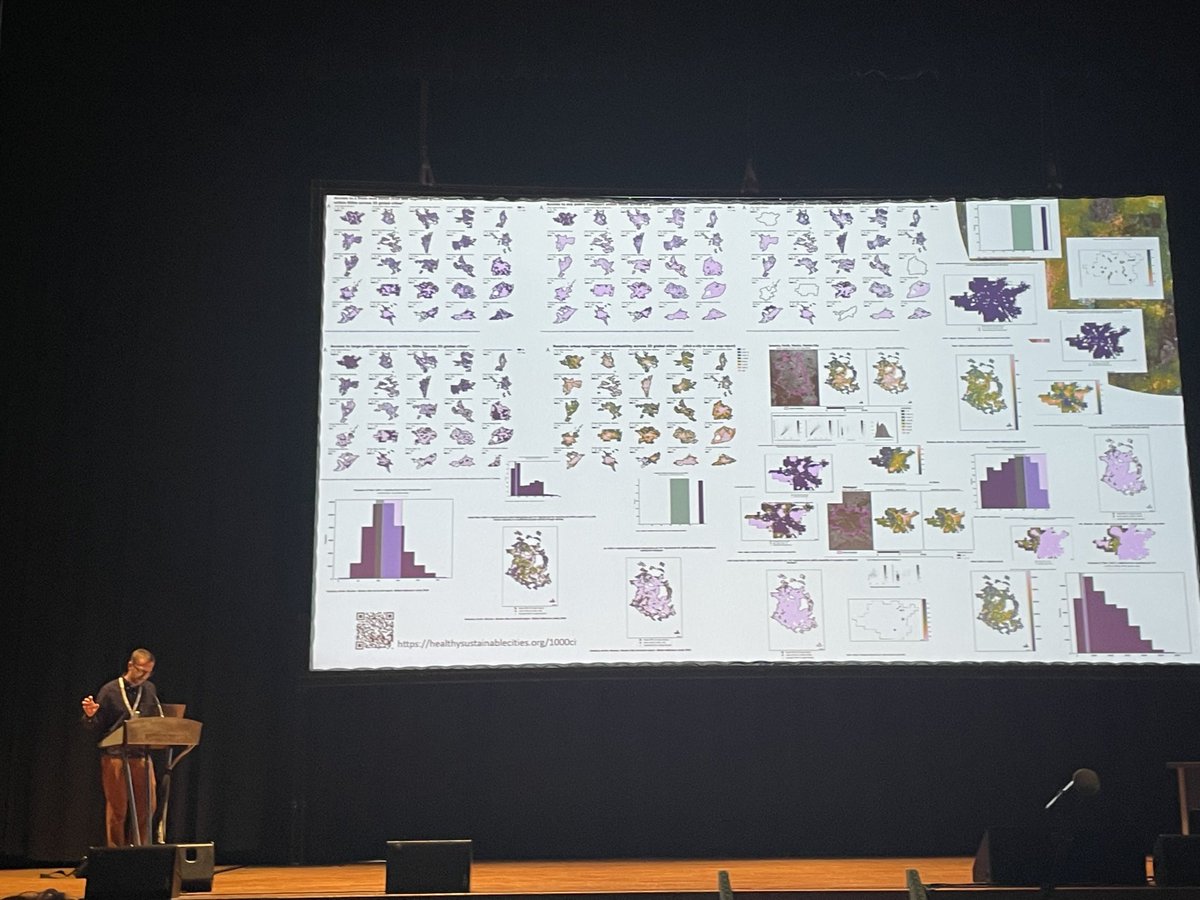
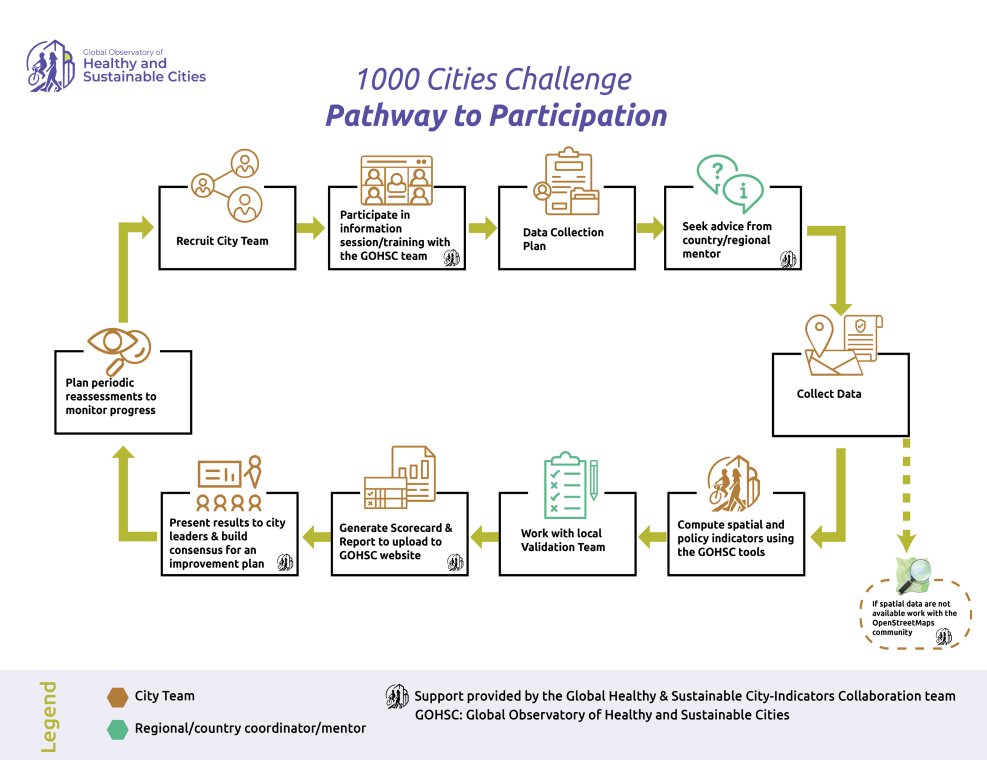
The #1000CitiesChallenge calls for cities across the globe! Create Policy Spatial Indicators with our Open Access Resources, offering maps, figures, and reports to identify #Urban #Inequities when assessing your city's #health #sustainability.
1
6
10
741
Billie Giles-Corti retweeted
Density is dynamic! 🚴♂️🏃♀️👨🦯Our executive committee members @carlhiggs, James F. Sallis, and @DrDeeptiAdlakha have produced a thorough commentary about population density correlating to active leisure travel, thus influencing greater #walkability #PublicTransport amenities.



1
6
12
487
Billie Giles-Corti retweeted
@DrDeeptiAdlakha is a member of our executive committee a critical investigator within the #1000CitiesChallenge. Her research appraises subjects regarding #sustainable #Urbanization through #GreenSpace to reduce #HealthInequities within our built environment @tudelft @BKTUDelft

6
16
701
Billie Giles-Corti retweeted

23 Jul 2023
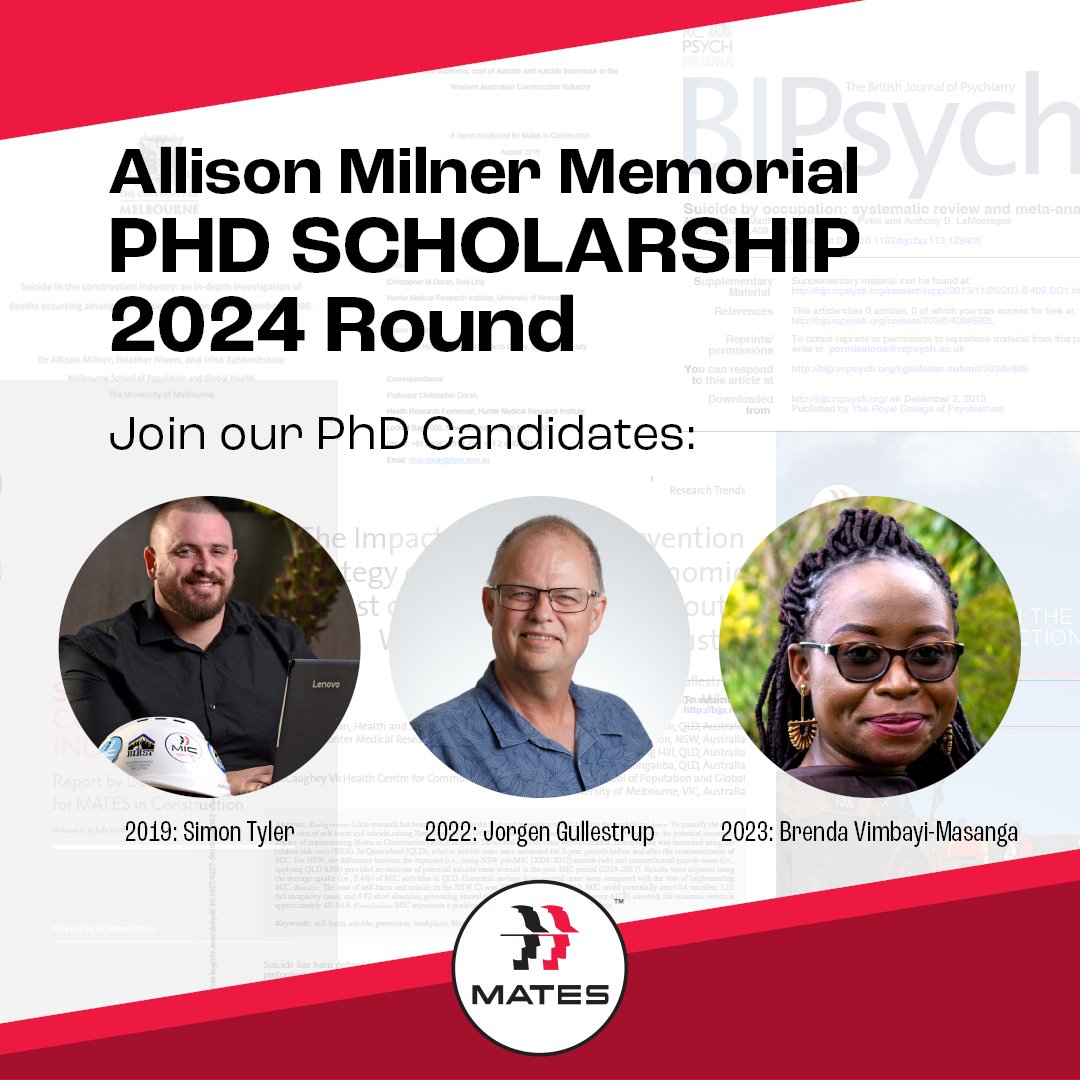
Allison Milner Memorial PhD Scholarship 2024 Round is open for applications from Australian graduate researchers undertaking research addressing suicide prevention initiatives for blue collar, male dominated industries mates.org.au/phd
#phd #masters #research #scholarship
4
3
617
Billie Giles-Corti retweeted
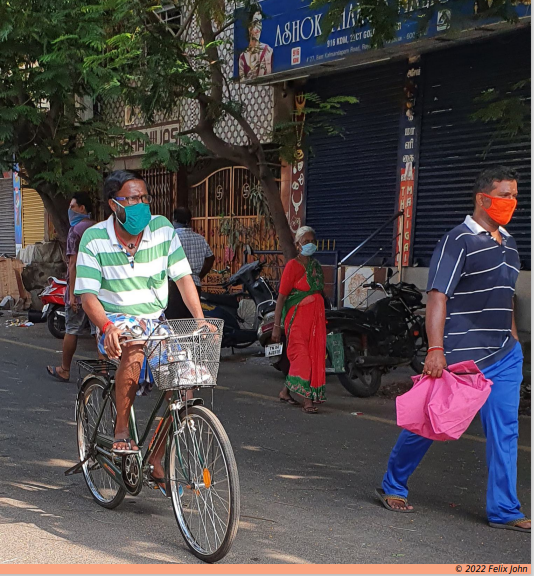
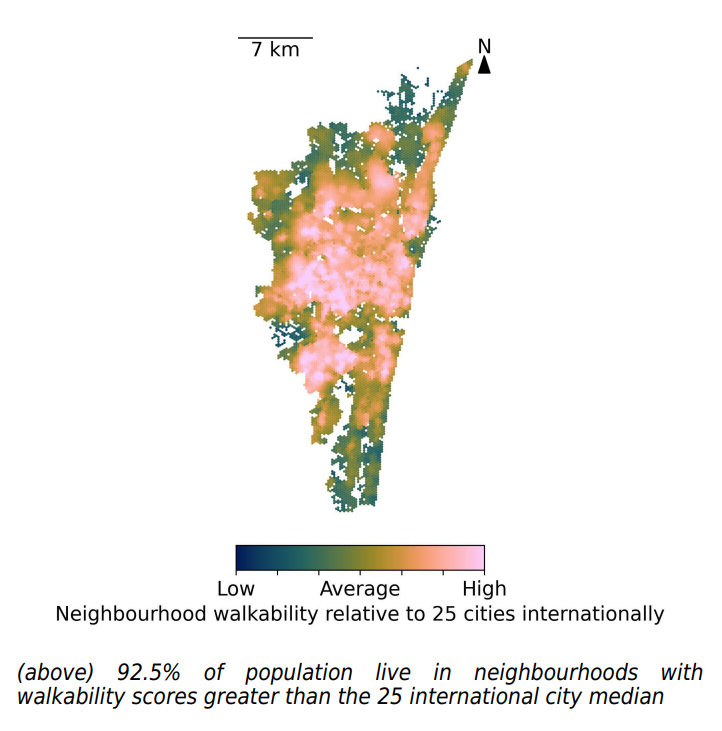
Chennai, #India represents the #1000CitiesChallenge! Neighborhoods within #Chennai measure 92.5% walkable, exceeding median #walkability across the 25 cities such as #MexicoCity, #Bangkok, and #Graz.
3
11
666
Billie Giles-Corti retweeted
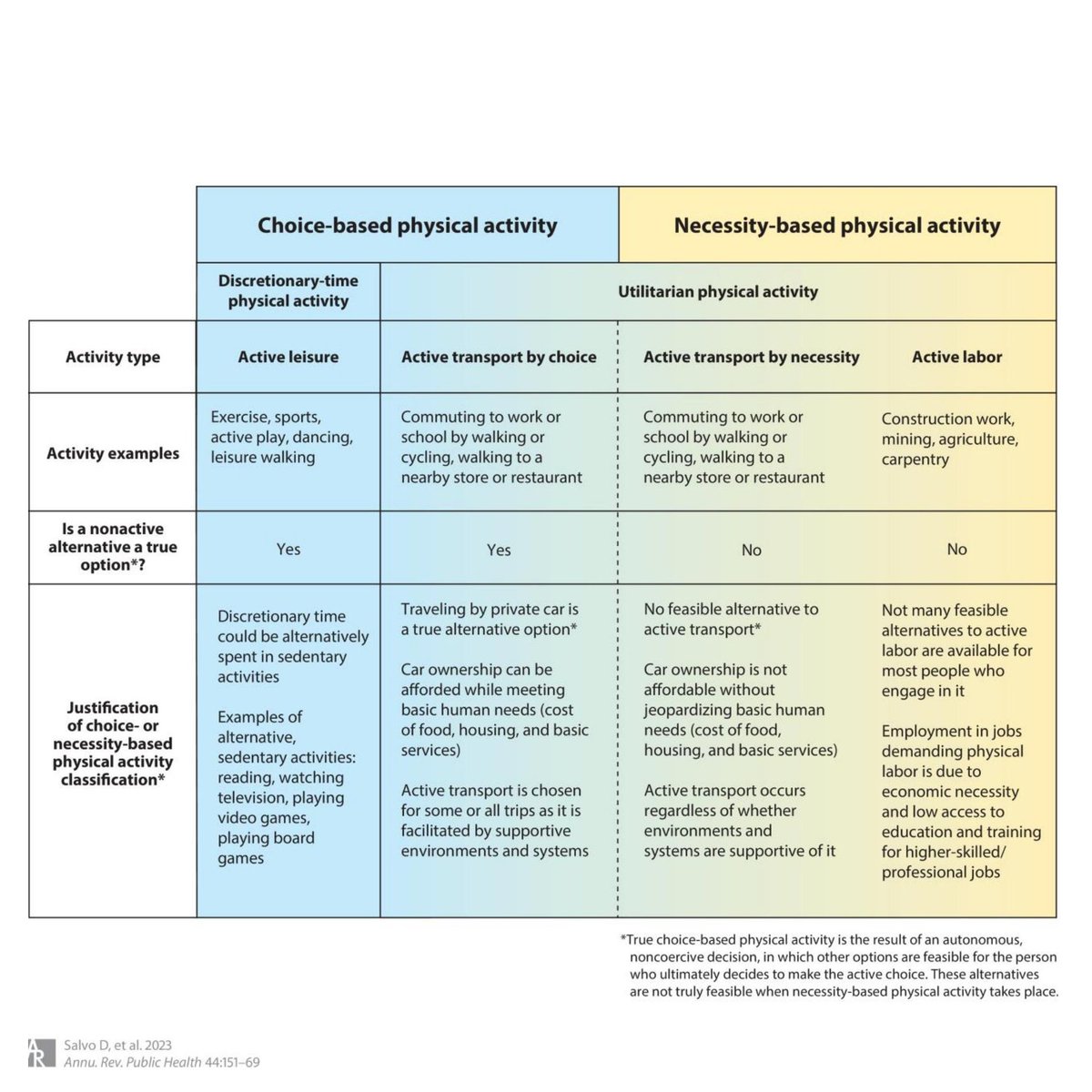
We invite you to Read our latest research discussing #HealthEquity and #SocialJustice available here: When Moving Is the Only Option: The Role of Necessity Versus Choice for Understanding and Promoting Physical Activity in Low- and Middle-Income Countries doi.org/10.1146/annurev-publ…
1
16
24
1,180
Billie Giles-Corti retweeted

14 Jul 2023
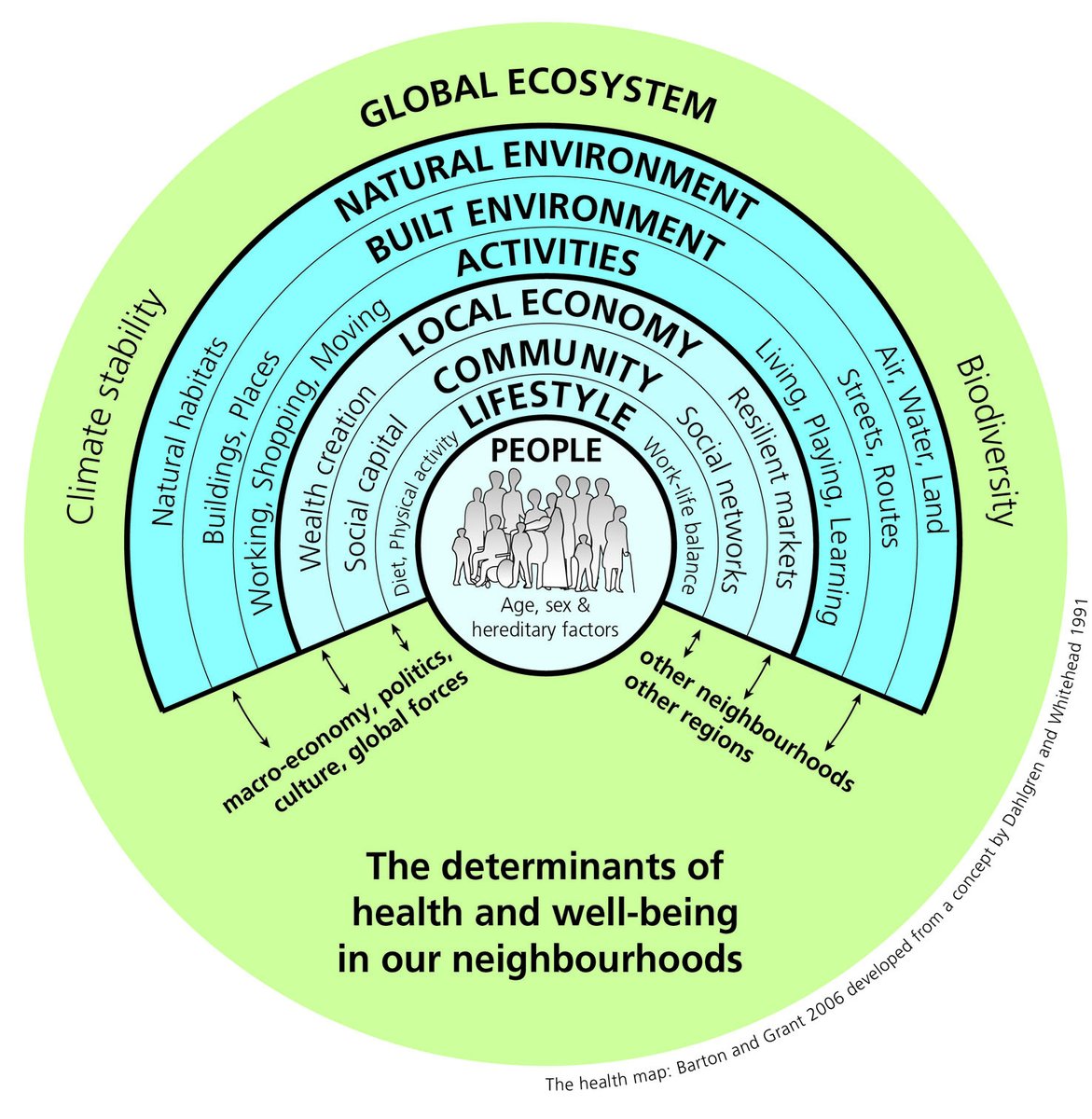
bit.ly/HealthMap_1
This is a follow-up to:
‘A health map for the local human habitat’, pub 2006 for Journal of the Royal Society for the Promotion of Health @R_S_P_H. A much used and cited model with nearly 250 crossref citations.
6
8
501
Billie Giles-Corti retweeted
Read more about her work and her contributions to the Lancet Global Health series available online healthysustainablecities.org…
1
7
160
Billie Giles-Corti retweeted
The #1000CitiesChallenge seeks expansion to your city! Register today to learn more about cultivating #healthy and #sustainable cities with our Open Access Resources & Spatial Indicators Software global-healthy-liveable-citi…
5
6
235
Billie Giles-Corti retweeted

4 Jul 2023
Our @bmj_latest discusses why access to high quality #earlyyears childcare & #education - a crucial determinant of health - is pivotal to fostering health equity & development. Read here tinyurl.com/bd3m3ymj
@Imperial_PCPH @Imperial_CHU @shahrakhee
@DrDougalH
9
14
572
Billie Giles-Corti retweeted
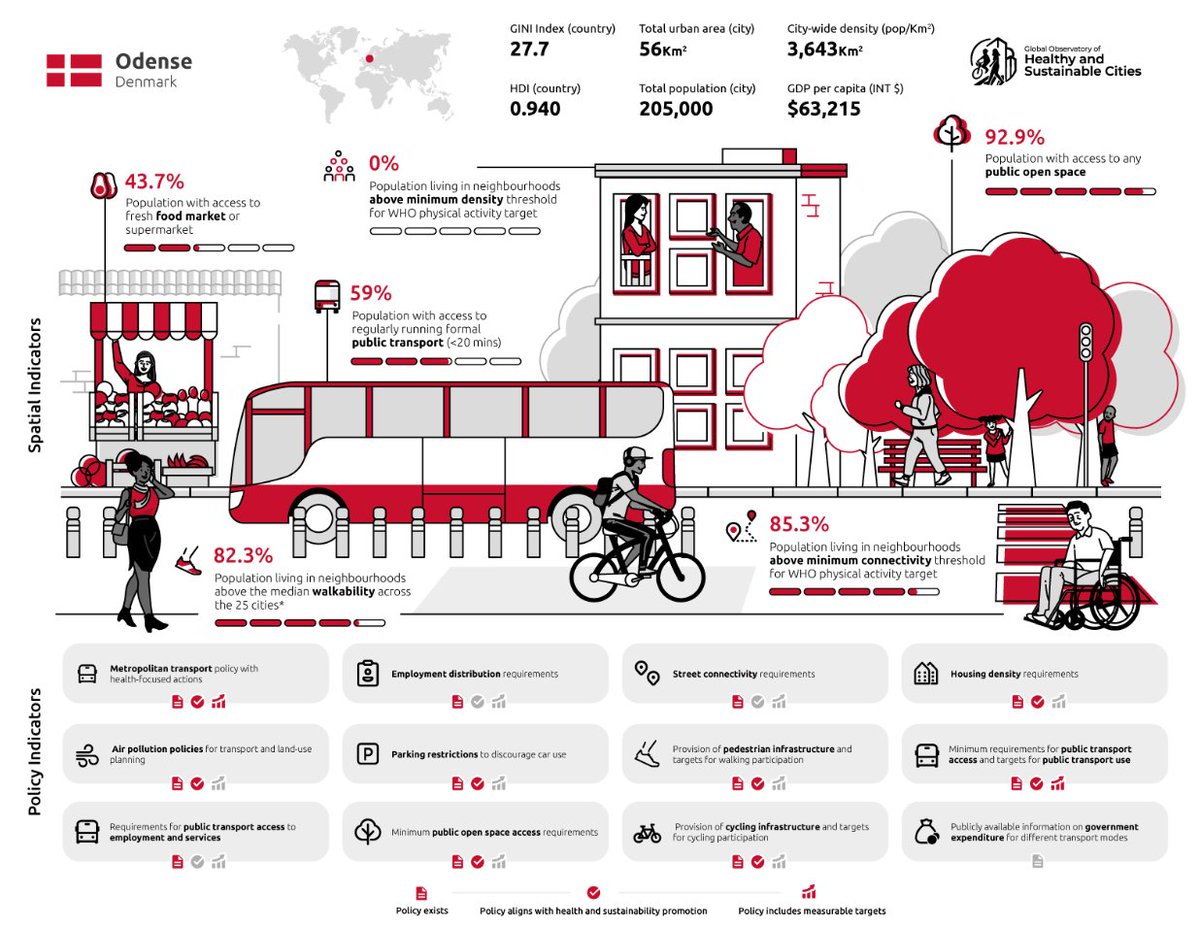
In Odense, #Denmark, streets are for the people! Our comparable data shows that #Odense is above average when protecting public open spaces. Here is how to determine the Spatial Indicators for the #health & #sustainability of your city global-healthy-liveable-citi…
5
8
310
Billie Giles-Corti retweeted

5 Jul 2023
What is the role of residential density in building a city of 20min neighbourhoods? We found that to provide 800m access to daily destinations, we need at least 25-35 dwellings per hectare (dph) and the cost at 30 dph is almost half of when building at 15 dph.
Link in comments
1
5
17
1,623
Billie Giles-Corti retweeted

Terrific article on #CDoH. Uses housing &health care as examples. And what can be done to address #CDoH to promote #HealthEquity
by Jennifer Lacy‐Nichols, @rebecca_bentley
@AElshaug in @theMJA mja.com.au/journal/2023/219/…
4
7
1,114
Billie Giles-Corti retweeted
Way to go, Sao Paulo! Our reports indicate that 94% of residents live in neighborhoods with access to public transport stops with regular services. São Paulo proudly represents the incorporation of health-focused actions within metropolitan transport policy.
1
3
10
580