
I'm a hack & pundit. Tickless in Gaza ex Digital Planet, he/him & someone.elses.computer/@bill…
Joined February 2007
- Tweets 54,684
- Following 4,789
- Followers 16,519
- Likes 20,713
2,476 Photos and videos








Bill Thompson retweeted

Jun 12
Can’t stop thinking about how Wall Street is celebrating Elon Musk becoming the world’s first trillionaire, while he single handedly eliminated humanitarian aid that will lead to the needless deaths of 4.5 million of the poorest children in the world in the next 4 years.
1,563
9,034
29,613
463,329
Bill Thompson retweeted

Signal's reaction
Jun 8

Our statement on the UK government’s demand that all content on all devices sold or used in the country be scanned, on the presumption of nudity, using a dystopian combination of age verification and content scanning. This proposal will not safeguard children. It endangers us all.
signal.org/blog/pdfs/2026-06…
1
1
667
Bill Thompson retweeted

Jun 8
Our statement on the UK government’s demand that all content on all devices sold or used in the country be scanned, on the presumption of nudity, using a dystopian combination of age verification and content scanning. This proposal will not safeguard children. It endangers us all.
signal.org/blog/pdfs/2026-06…
738
8,550
41,335
2,734,556

Bill Thompson retweeted

May 31
Wendy M. Grossman is giving a talk at a Cambridge Skeptics event at the Blue Moon on Tuesday 30 June. meetup.com/cambridge-skeptic…
3
2
1,123
Bill Thompson retweeted

Apr 28
"Banning" social media for under-16s actually just means every single adult will be required to prove their age (probably through ID/ facial recognition) to use the majority of the internet.
This will not protect children, but it will pave the way for Digital ID.
Apr 27

We did it. Just 18 months ago Labour said a social media ban was not something they were considering. They have now finally committed to social media restrictions for under 16s. This is a huge victory and a pivotal moment for children across our country after months of delay and empty promises.
This is down to the courage of bereaved parents who fought not for their own children but for other peoples children. They are the reason I kept fighting and the reason I would not accept a timetable that allowed the Government to avoid action in this Parliament. We now have a more credible delivery timeline and that matters because every month of delay leaves more children exposed to harm.
This victory also belongs to the hard work of Lord Nash, teachers, health professionals, parents and children who spoke out and refused to be ignored. Conservatives in opposition said we would fight to protect childhood and stand with parents and we have shown we will hold the Government to account and deliver change.
91
915
3,184
54,000
Bill Thompson retweeted
Apr 16
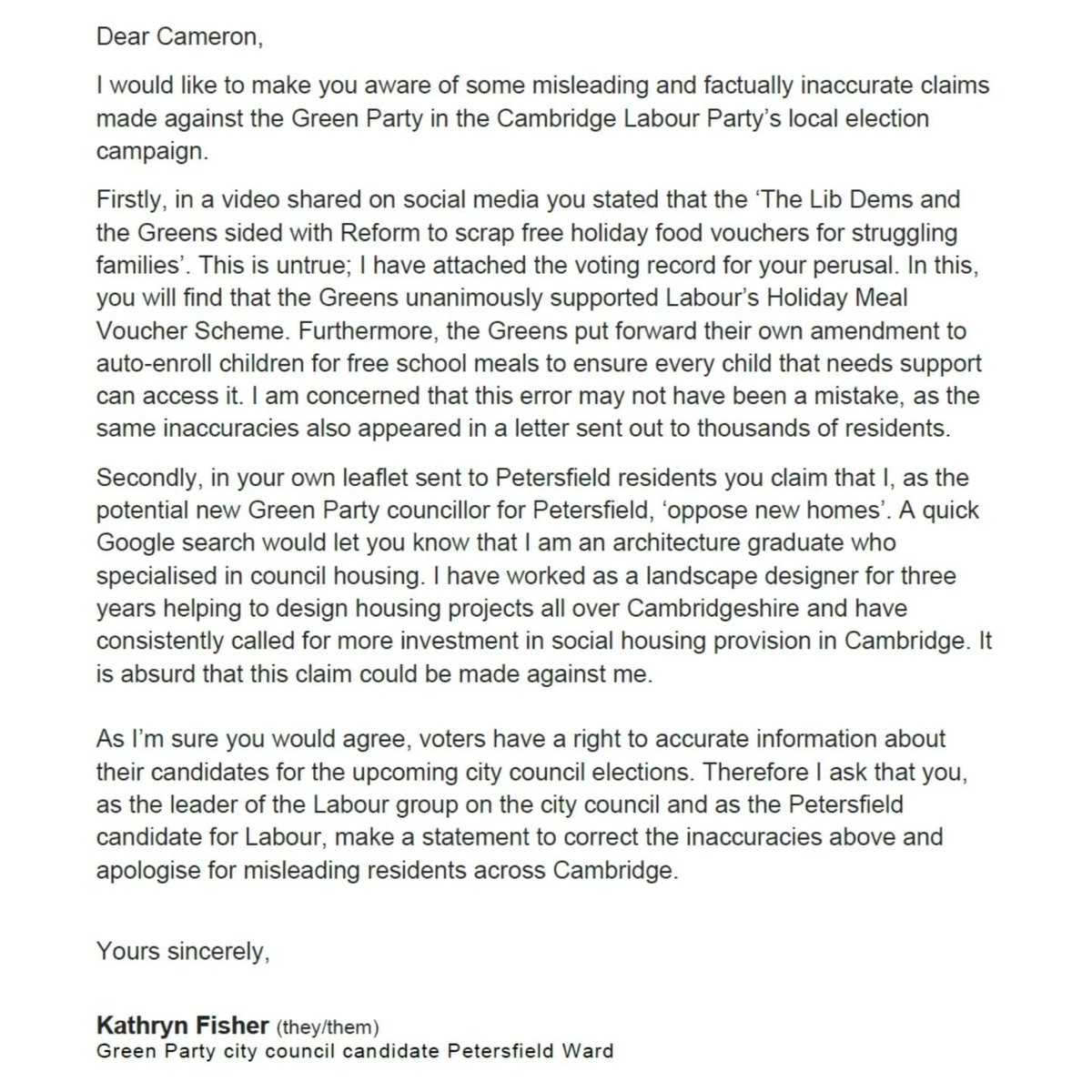
Letter from Petersfield Green candidate Kathryn Fisher to Petersfield Labour candidate Cameron Holloway complaining about Labour's election literature. (Source including the "promoted by" details is at instagram.com/p/DXNF71LjbXS/)
5
12
24
2,679
Bill Thompson retweeted
Apr 10
Candidates for the Cambridge City Council elections at a glance - including my predictions for all 15 seats. Full slates from Labour, Lib Dem, Green, Conservative, and Reform UK, plus two Communist candidates and five Independents. docs.google.com/spreadsheets…
2
3
12
2,137
Bill Thompson retweeted

Apr 4
“Gargantuan” and “ambitious” are among the adjectives used by radio critics to describe Key Changes, which launches on @BBCRadio3 this lunchtime (with Episode 1 already available on @BBCSounds). This @Substack from @SimonOHagan is well worth a read: simonohagan.substack.com/p/f…

14
29
2,840
Bill Thompson retweeted

Mar 30
Join us for a conversation about who predicts and controls the future! And what we can learn about the history of prophecies. Next week! #PROPHECY
Mar 30

Book talk next week... with a philosopher of technology, @CarissaVeliz.
Her new book, Prophecy, is about how people have used technology to claim they see the future -- then (oracles) and now (AI).
5
10
2,451
Bill Thompson retweeted

The EU’s top court has ruled today that every member state MUST allow trans citizens to update their gender and name on official documents. A Bulgarian trans woman was denied this for nearly a decade.
them.us/story/european-court…
66
225
1,421
23,951
Bill Thompson retweeted

Mar 6
Zephyr, you're surely in a position to understand that the First Amendment does not allow the government to force people to show id to consume social meda or adult content.
I'm disappointed that you've lost sight of your values.
1
5
101
6,645
Bill Thompson retweeted

Mar 6
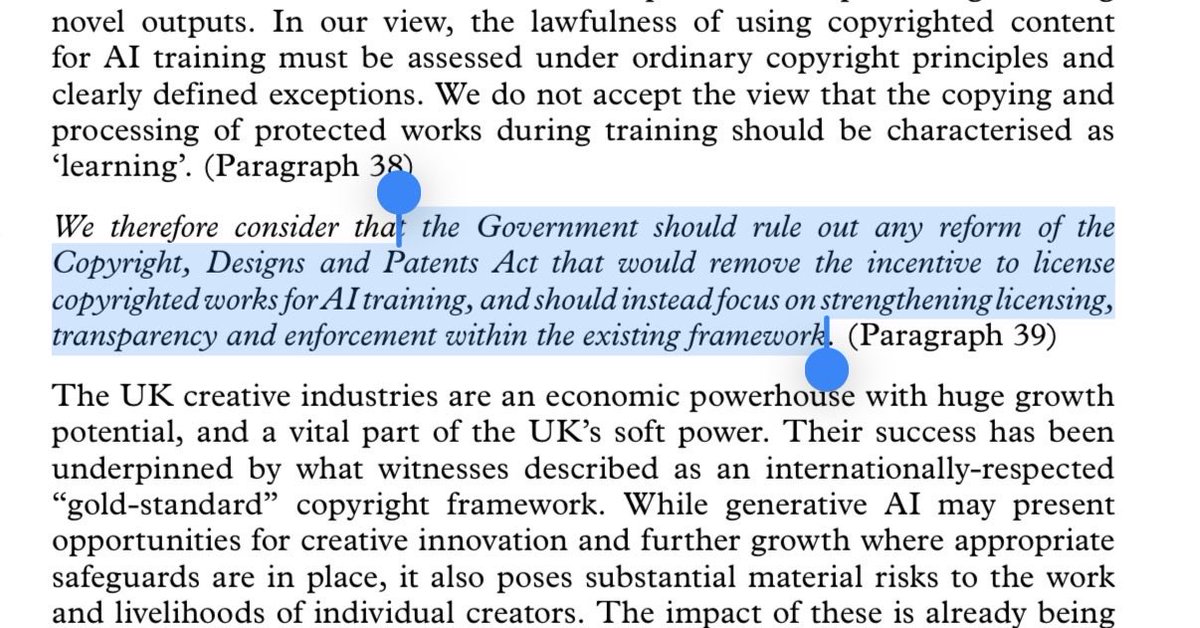
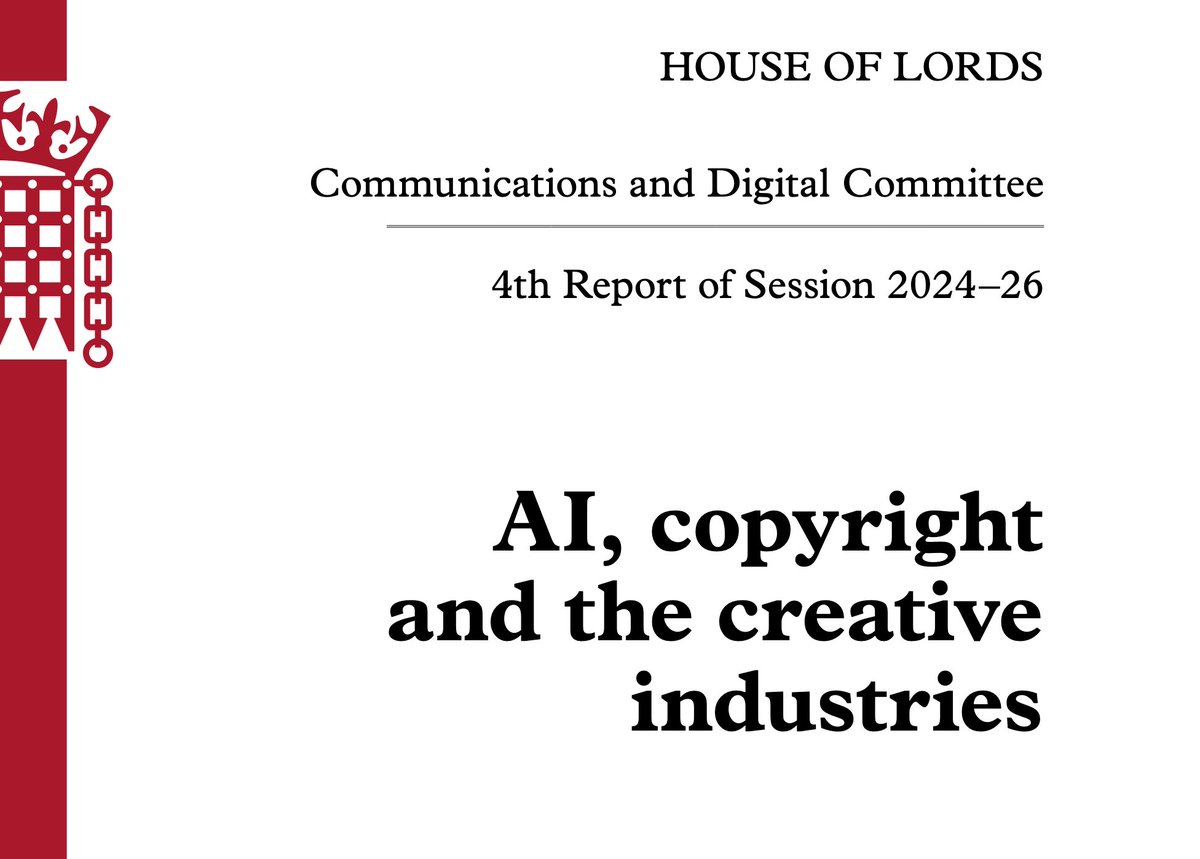
The House of Lords Digital & Communications Committee just published their report on AI, copyright & the creative industries, and their conclusions could not be clearer.
They destroy the argument that big tech should be given the country’s creative output for free, and they lay out the case for maintaining and even strengthening existing copyright law to protect creatives from exploitation.
They say:
- the government must not weaken copyright law, and should instead strengthen licensing, transparency & enforcement
- the government should stop prioritising large multinational tech firms
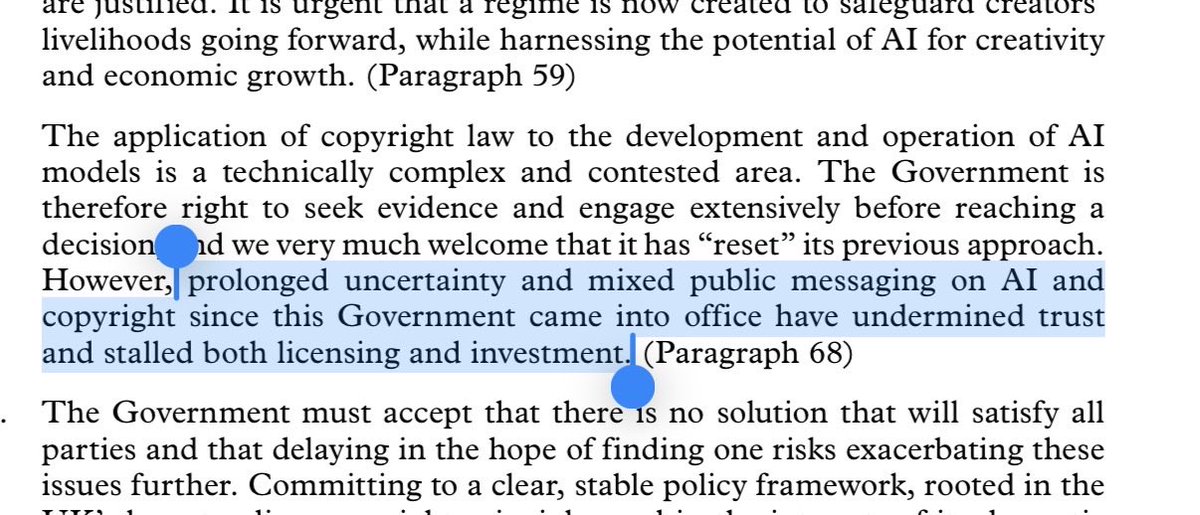
- the government’s mixed public messaging on AI & copyright is hindering licensing
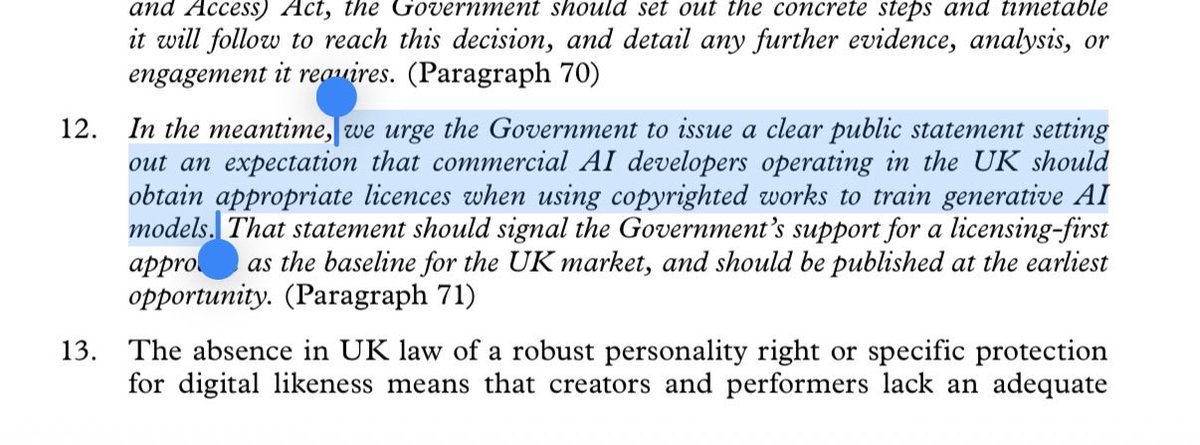
- the government should make a clear public statement that AI companies operating in the UK need to license their training data (which is the law)
- AI training isn’t ‘learning’ and shouldn’t be treated as such
The House of Lords has been absolutely consistent on this, and they are totally right. Will the government listen?

24
309
915
38,799
Bill Thompson retweeted

Mar 6
The House of Lords Communications and Digital Committee has just published its report 'AI, copyright and the creative industries'. publications.parliament.uk/p…
96
175
21,680
Bill Thompson retweeted

New doctor! Congratulations to @oiioxford DPhil student Chris Blex who passed his viva yesterday. His thesis is titled: Political Polarisation on Social Media: The Influence of Social Mechanisms, Network Structure, and the News Media 1/2

1
2
12
831
Bill Thompson retweeted

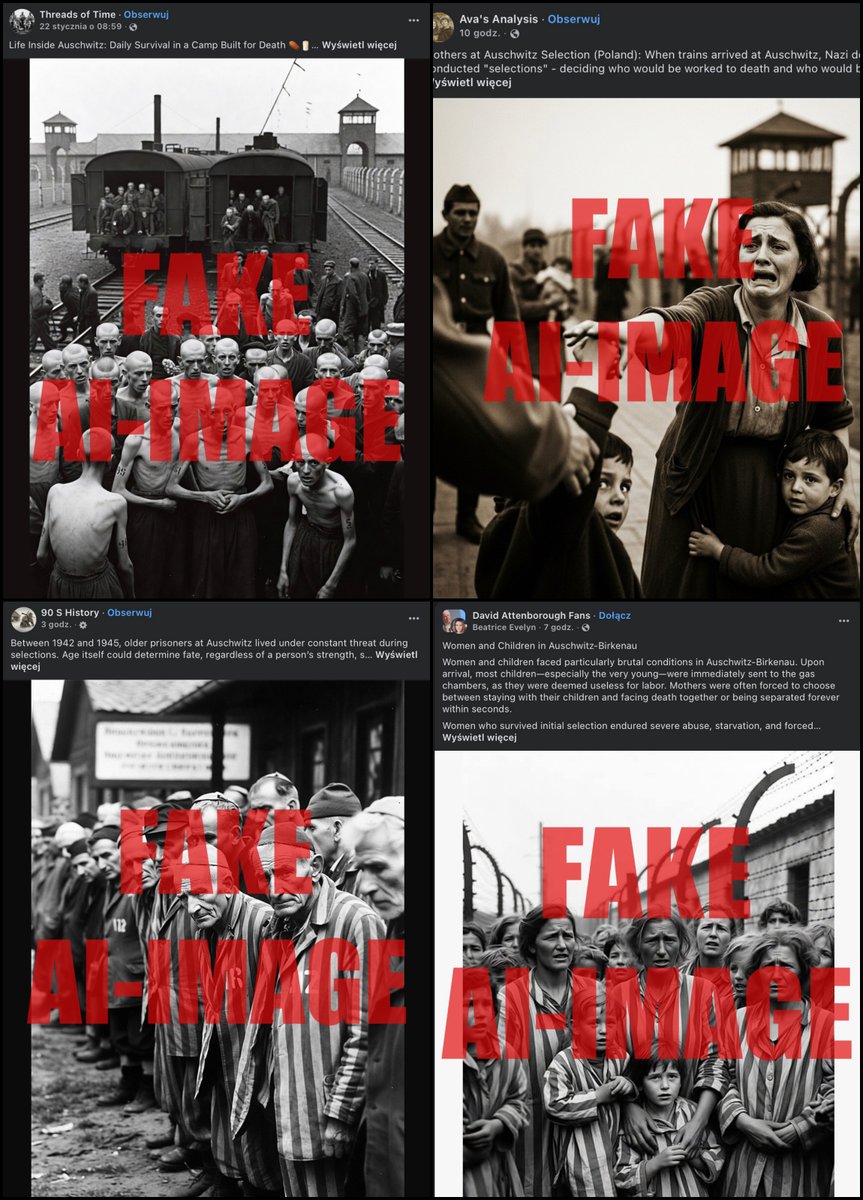
Creating fake, AI-generated images of Auschwitz and other camps is a dangerous act of distortion. Social platforms - especially Facebook - are directly responsible for enabling and amplifying their spread. This matters because such content does not merely falsify history; it actively harasses the memory of the victims.
Photography has always carried an implicit social contract: when we look at a photograph, we trust that a photographer stood in a real place, at a real moment, and preserved a fragment of reality. This trust is foundational to historical documentation. Camp photographs from Auschwitz are not illustrations; they are evidence.
AI-generated images break this contract while imitating its appearance. They are not photographs, yet they are presented in visual language that mimics documentary photography, deliberately exploiting the viewer’s learned trust in photographic sources.
Today, when users search for “Auschwitz” on Facebook, an increasing number of results consist of fabricated, AI-generated images and misleading posts rather than authentic historical documentation. By allowing these distortions to surface, circulate, and gain visibility, Facebook directly contributes to the erosion of factual understanding of the complex history of Auschwitz, which we try to protect.
That is why we believe the platforms should take responsibility by actively moderating such content and clearly flagging fabricated imagery. Memory and historical truth deserve stronger protection.
49
1,126
4,203
101,083
Bill Thompson retweeted

Jan 22
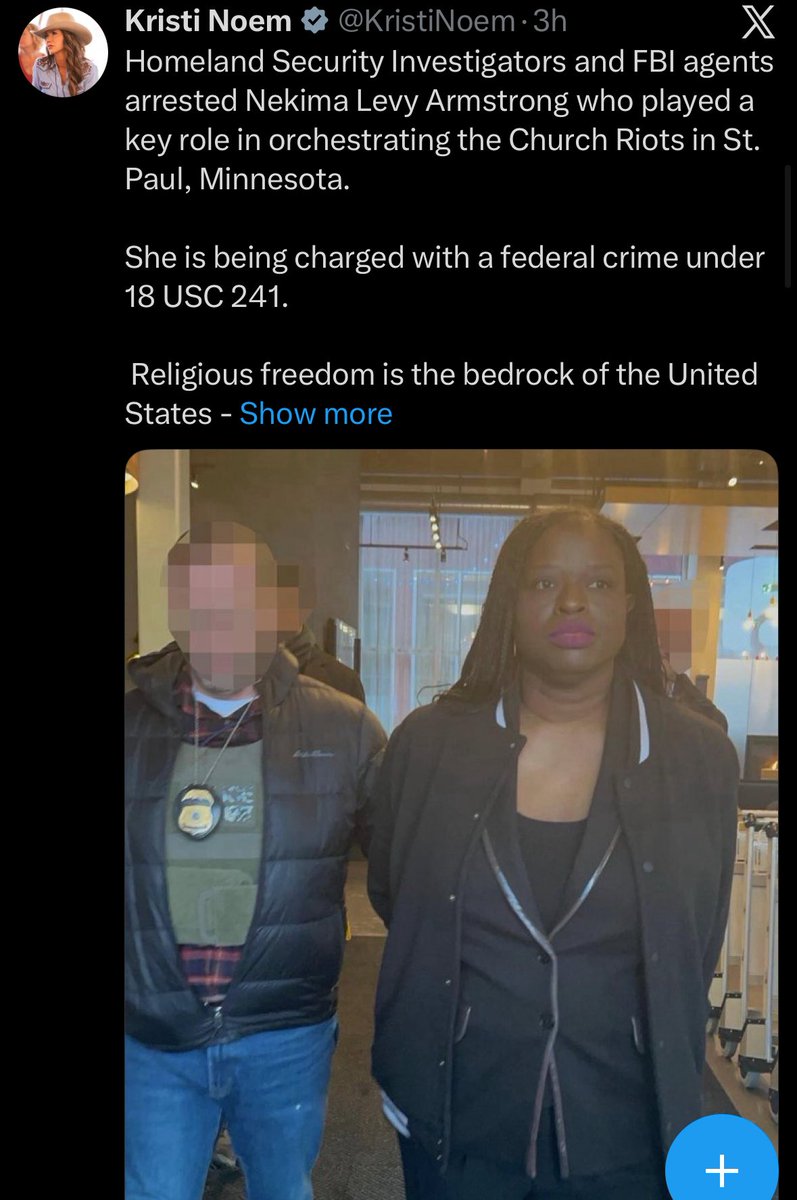
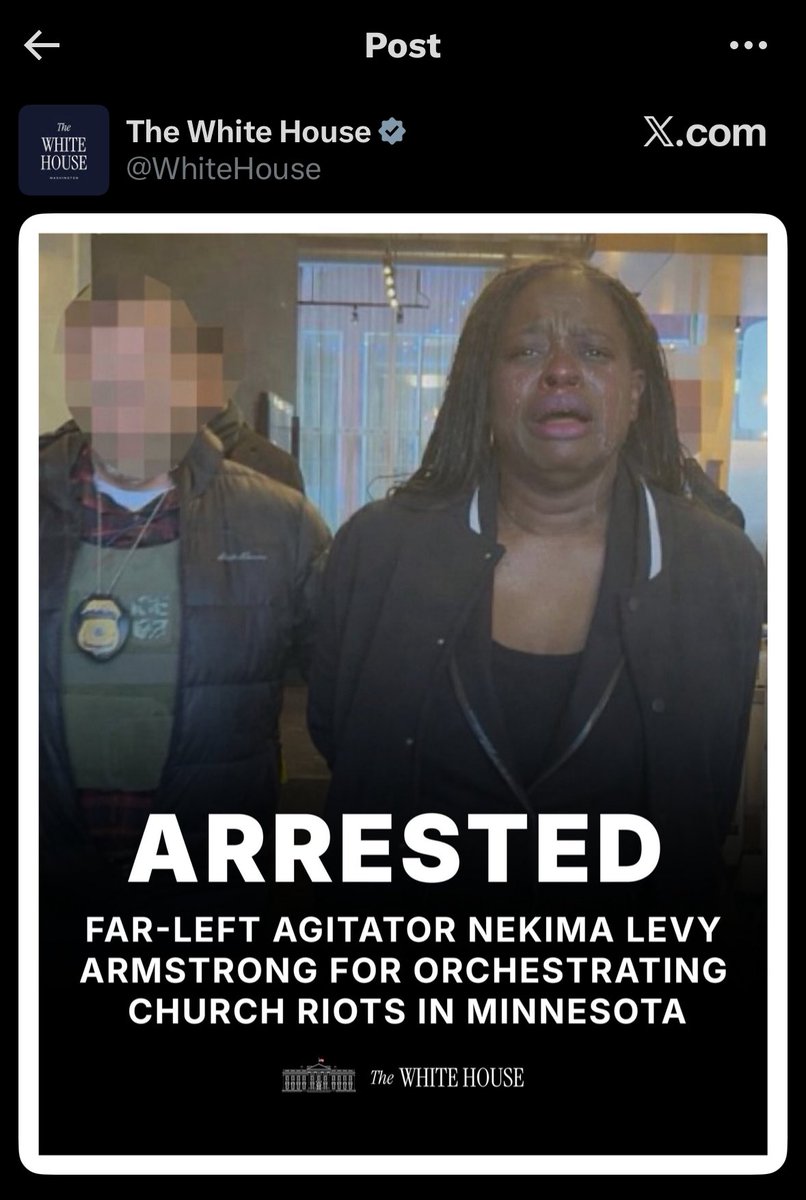
This is, to my knowledge, the first instance of an official social media account representing the government of a democratic nation intentionally spreading altered imagery maliciously targeting one of its own citizens.
Jan 22

The White House has confirmed its official X account posted a fake image of a woman arrested in Minnesota after interrupting a service at a church where an ICE official appears to be a pastor. The White House image altered the actual photo to wrongly make it seem like the defendant was sobbing.
Asked for comment, the White House sent a link to a spokesperson’s X post that said, “Enforcement of the law will continue. The memes will continue.”
180
4,396
20,238
607,445
Bill Thompson retweeted

Jan 22
How Anti-Trans Groups Are Trying to Erase People Through Data
Most people think the current backlash against trans people is about toilets, changing rooms, or sport. That is the argument presented in public. What is actually happening underneath is quieter, more technical, and far more consequential.
A newly published peer-reviewed academic study shows that anti-trans groups in the UK are now focused on something far more powerful than opinion or protest. They are targeting data itself.
The paper, Trans-exclusionary data activism in the UK, published this month in the Journal of Gender Studies, is the first major academic analysis of how organised groups are attempting to exclude trans people from official statistics, policy frameworks, and public records. Not by arguing openly that trans people should not exist, but by redefining how people are counted.
This strategy has a name. Trans-exclusionary data activism.
The language used is deliberately technical. Terms like “data integrity”, “biological sex”, and “accuracy” are deployed to justify narrowing sex and gender categories in ways that make trans, non-binary, and gender-diverse people disappear from datasets entirely. If people are not counted, they become easier to ignore.
The study analyses publicly available materials from 2019 to 2025 linked to groups such as Sex Matters, For Women Scotland, and LGB Alliance. While these organisations differ in tone, the research shows they share a common objective: to force all official data to record sex assigned at birth in all circumstances, regardless of whether that information is relevant to the purpose of the data being collected.
This is where the contradiction becomes impossible to ignore.
Many of the same activists who insist that “biological sex” must always be recorded lost their composure when sex markers were removed from BMI calculations in healthcare systems. BMI does not meaningfully change based on whether someone is male or female. It is a blunt population-level measure based on height and weight, and sex adds no clinical value in most contexts. Medical professionals have said this for years.
Yet the removal of sex from BMI calculations triggered outrage.
If this were genuinely about data accuracy, there would have been no issue. The science was clear. Sex was irrelevant to the metric. But the reaction revealed something else. For these groups, sex is not about usefulness, context, or evidence. It is about enforcing a category, even when that category does not improve outcomes.
That is not evidence-based data practice. It is ideological enforcement.
Modern data science does not work by forcing one variable into every dataset. Different data exists to answer different questions. Healthcare data may need information about hormones, anatomy, or treatment pathways. Employment and education data may need information about lived social identity. Public health data often focuses on risk factors unrelated to sex entirely. Good data is contextual. Poor data is ideological.
The study identifies three core tactics used by trans-exclusionary data activists. First, prioritising the collection of “biological sex” data in all circumstances, even where it degrades the usefulness of the data. Second, manufacturing controversy by claiming datasets are “corrupted” simply because trans people are included. Third, promoting the false idea that inclusion itself makes statistics unreliable.
None of this is supported by statistical science.
Large datasets routinely include minority populations, overlapping variables, and complex classifications. That complexity is not a flaw. It is how reality is captured. The claim that trans inclusion breaks data is not technical. It is political.
Why does this matter?
Because data drives policy. Policy drives funding. Funding determines who receives healthcare, protections, and services.

79
275
870
28,797
Bill Thompson retweeted

Lana “Sati” Chornohorska, volunteer fighter, drone operator, artist, and journalist, was killed on 1 January in southern Ukraine by an enemy drone strike.
She volunteered from the first days of the invasion and in 2024 joined the Ukrainian Volunteer Army, serving as a drone pilot and navigator.
Before the war, she worked in the media and cultural sector, combining service with creativity until her last day.
Eternal Memory!
Photo: @udachniki_uda @danceinside_


171
872
6,143
317,410
Bill Thompson retweeted

31 Dec 2025
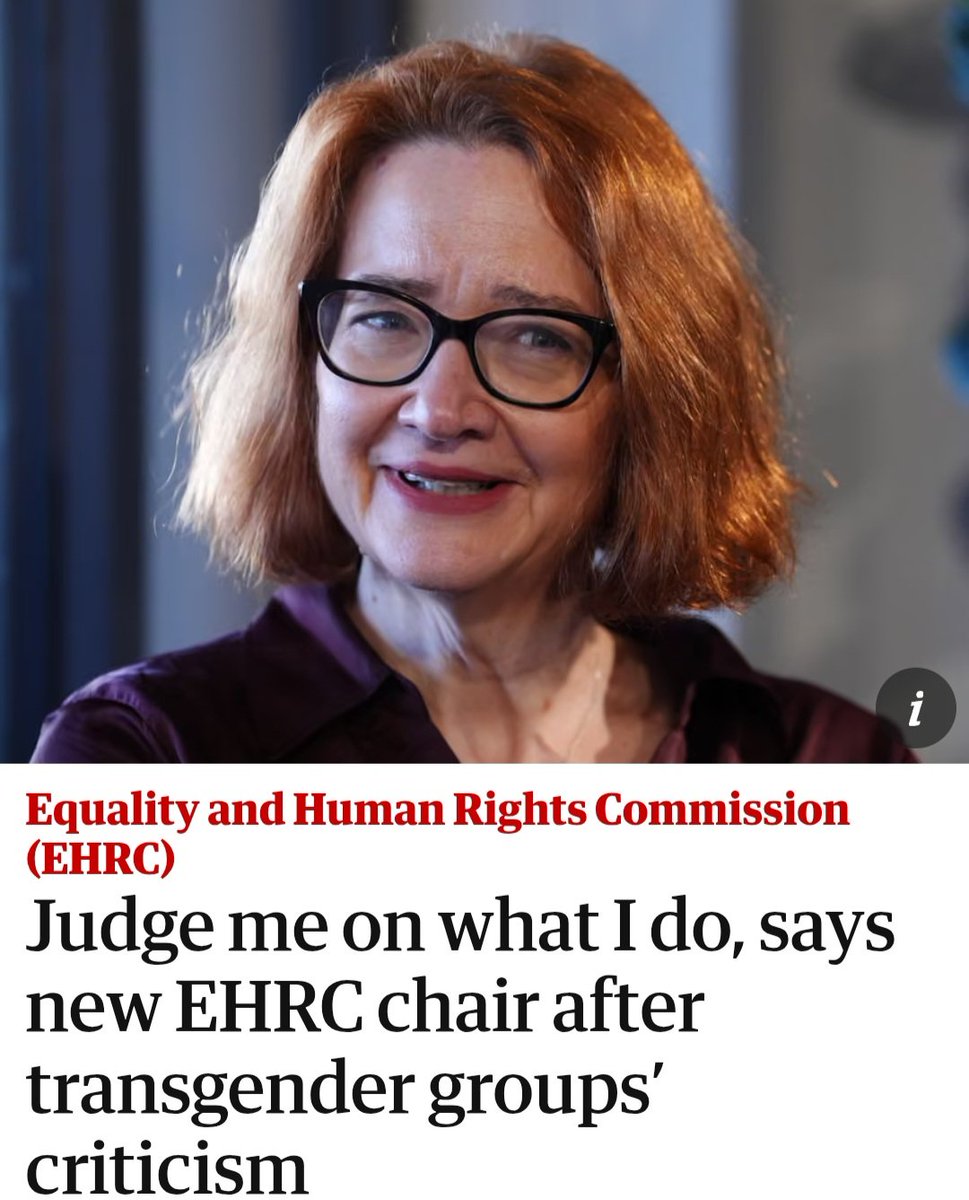
"Don't judge me on the murders I've done in the past," said the serial killer, "wait and see if I do any more murders in the future, and judge me then."
Honestly, anti-trans people must think trans people are thick.
14
76
714
13,321