
What a time to be Alive!!! This is the Best time in History!!
Joined October 2016
- Tweets 78,578
- Following 5,420
- Followers 2,304
- Likes 116,361
233 Photos and videos









BillofRights retweeted

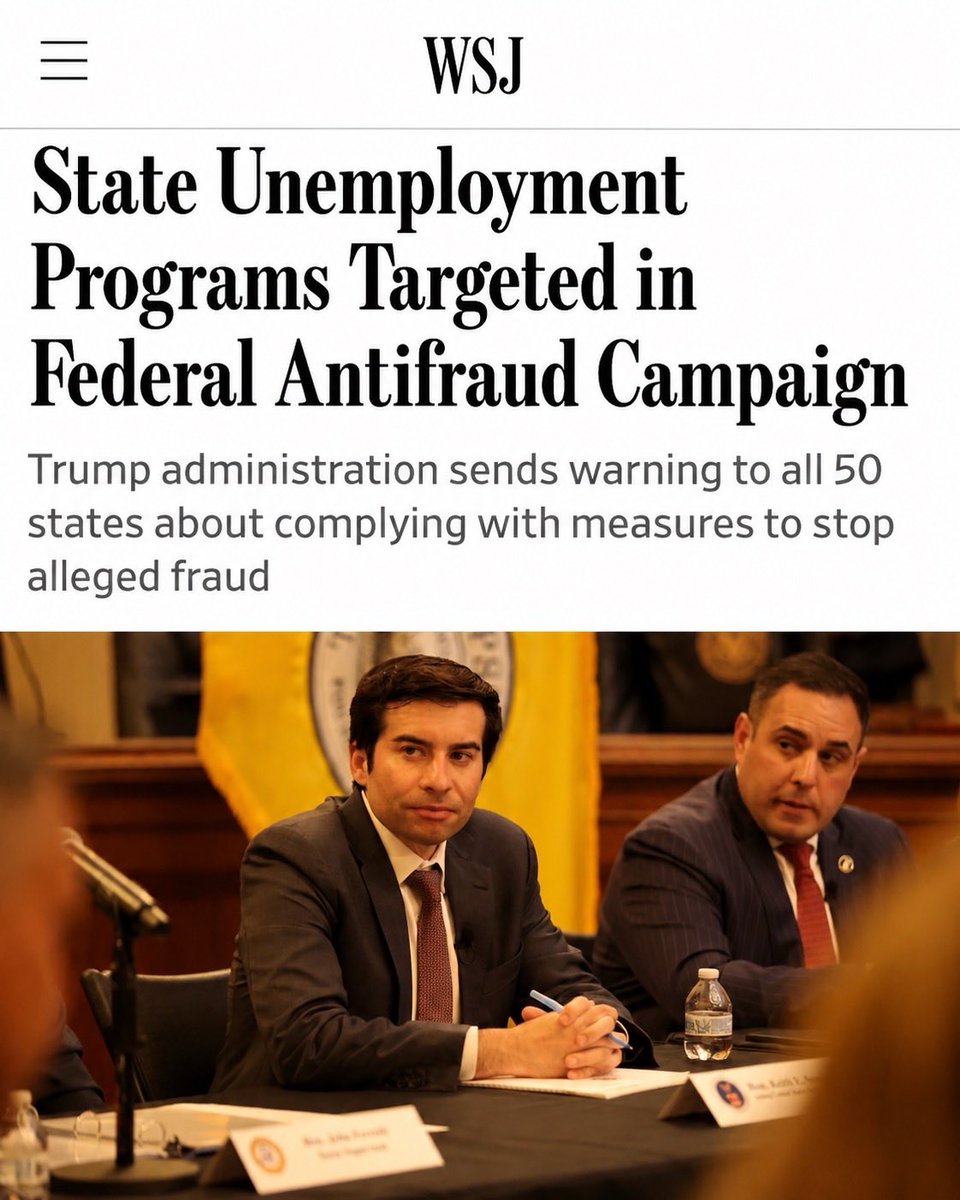
Today, @USDOL is officially putting Governors on notice.
Unemployment benefits are for Americans who need temporary assistance — NOT fraudsters.
States that fail to protect taxpayer dollars & combat Unemployment Fraud could lose federal funding for the first time ever.
The days of turning a blind eye to fraud are OVER!
READ MORE: ⤵️
wsj.com/politics/policy/stat…
132
853
2,764
72,219
BillofRights retweeted

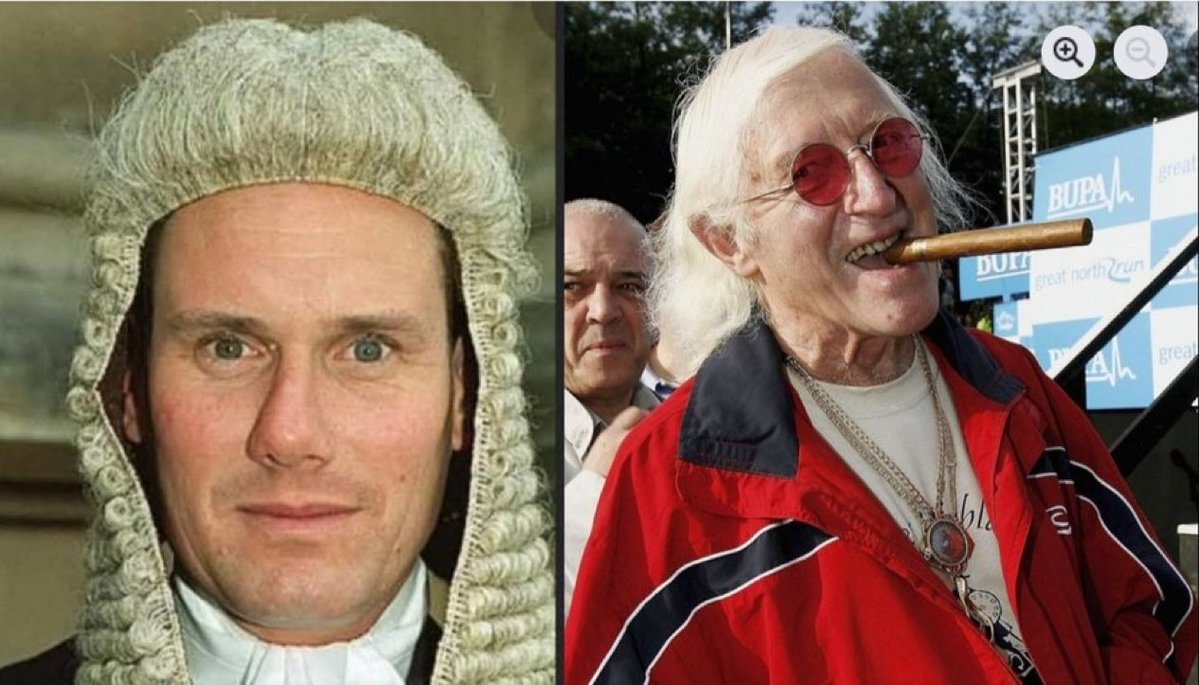
Did you know @Keir_Starmer personally declined to prosecute Jimmy Savile, who had raped hundreds of children, and who continued raping children after Starmer declined?
Starmer has turned a blind eye to child rape his entire career.
His callousness continues today.
Why?
537
4,055
12,225
92,669

BillofRights retweeted

This 13-year-old boy swam for four hours in cold Australian waters in order save his mom and siblings who were swept into the ocean.
14
38
466
21,687

🚨Big announcement from Asmongold!
He just said live on stream that he’ll be reading the entire UK Rape Gang Inquiry report word for word on stream.
With his huge audience of 3.4 million Twitch followers, this is going to reach a massive number of people.
No more relying on mainstream media spin.
Tune in to @Asmongold on Twitch tomorrow. This one’s important.
#Asmongold #RapeGangInquiry #GroomingGangs
386
3,875
26,363
13,819,104


BillofRights retweeted

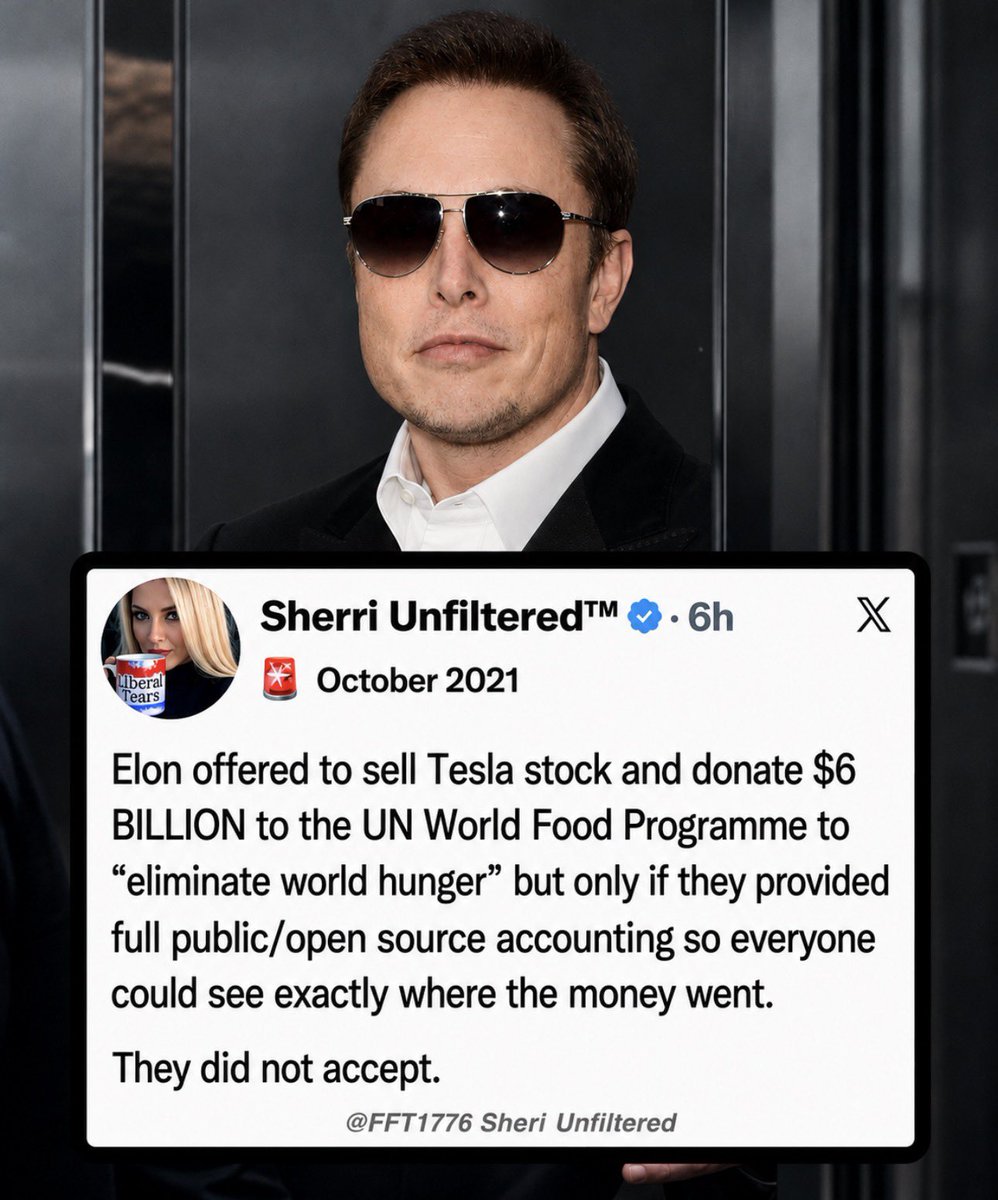
October 2021
🚨Elon offered to sell Tesla stock and donate $6 BILLION to the UN World Food Programme to “Eliminate World Hunger”.
BUT! … Only if they provided full public/open source accounting so everyone could see exactly where the money went.
They did not accept.👀
Anyone shocked?!?
361
3,741
8,705
105,340

One of the most basic ways to stop fraud is to verify that public benefits are actually flowing to the intended recipients. Keith and the Department of Labor have been incredible partners to work with.

🚨 Under @POTUS and @VP, the @WHFraudTF is ending Unemployment FRAUD.
Today, Acting Secretary @Sonderling47 put every Governor on notice: @USDOL and @USLaborIG will use every available enforcement tool to STOP fraudulent payments.
The days of unchecked fraud are OVER!
592
2,257
10,874
261,518
BillofRights retweeted

On this day in 1775, we fought the Battle of Bunker Hill.
No elevated prose or observations for this.
I just thank God every day that we got this shit over with 251 years ago so we wouldn’t be suffering under tyranny today.
The same tyranny Britain imposes to this day.
They’ve literally learned fucking nothing.

51
246
1,438
10,941

Pay Attention: this was 2016.
Wait until America wakes up and realizes we have our own grooming-gang crisis here at home.
But instead of confronting it, our politicians prefer to point across the ocean and pretend it’s only a UK problem.

Why isn't the Media reporting on the 👉29 Somali Muslim sex traffickers & pimps arrested in the Minneapolis area!?
#KansasPlot

452
12,196
19,486
174,079
BillofRights retweeted

Kimbal Musk explains United States Government wants to pay $1 billion dollars per rocket launch
SpaceX came along and said no, the price is way lower at only $50 million
US Government pushed back and wanted the cost $1 billion dollars per launch
“Government would say, "But we'll pay you $1 billion. We just want you to do it our way." No, but that's the wrong way. You have to do it this way. It's $50 million. We were very happy with that price. The government was like, "No, we don't want that." And we actually couldn't believe it. We're like, "But you must want it for a lower price." Actually, they didn't care that much about price.”
Basically it works like this
Old defense contractors can spend as much as they want and the government will pay that amount plus 10%. That means they have an incentive to make the launches as expensive as possible
SpaceX said here’s a fixed price of $50 million and if we can do it cheaper then we can keep the extra money
This is a much better incentive system because it saves taxpayers a huge amount of money and SpaceX gets rewarded for making launches cheaper
135
1,173
6,614
258,040
BillofRights retweeted

How is it that some groups are able to assimilate to America overnight and others take decades and never do?

515
2,601
17,401
299,382

BillofRights retweeted

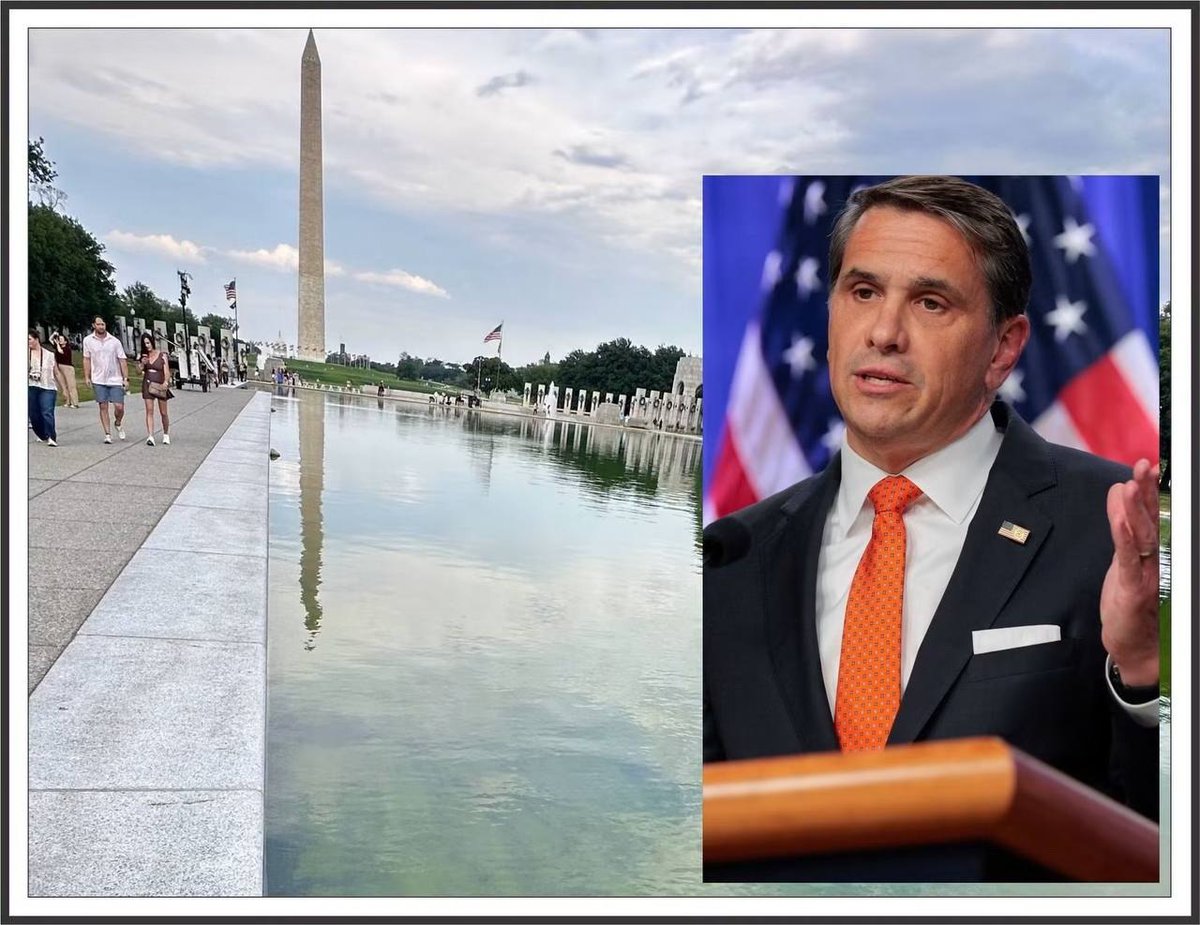
🚨ANTIFA TERRORIST SCUM WHO DUMPED TOXIC ALGAE IN THE LINCOLN MEMORIAL REFLECTING POOL ARE NOW BEING CHARGED WITH FEDERAL HATE CRIMES — AND COULD GET 20 YEARS IN PRISON THANKS TO AG TODD BLANCHE!
This isn’t just vandalism anymore.
The two Antifa operatives caught on camera dumping buckets of aggressive Georgia algae into the Reflecting Pool at 3 AM are now facing federal hate crime charges.
Attorney General Todd Blanche didn’t mince words: “This wasn’t just sabotage. This was a blatant attack on Americans and our values.”
Adding the hate crime enhancement means mandatory sentencing up to 20 years if they’re convicted. Blanche says they have “a truckload of evidence” against them.
These domestic terrorists thought they could defile one of America’s most sacred monuments in the middle of the night and get away with it. Wrong.
They didn’t just pollute the water — they attacked a national symbol of freedom and honor. Now they’re going to pay the price.
This is what real justice looks like under President Trump’s DOJ.
Share this everywhere and let every Antifa piece of shit see that their days of attacking America with zero consequences are OVER!
Follow @UnmaskTheSys for more drops.
1,265
9,048
23,779
217,539

The Xavier Dossier will destroy Becerra and any attempt of him becoming California's next Governor.
This is your chance California. Take advantage of it and fix your state before it's too late.

Today we start laying out the case against Xavier Becerra.
The Xavier Dossier. Stay tuned.
42
1,263
4,431
49,054
BillofRights retweeted

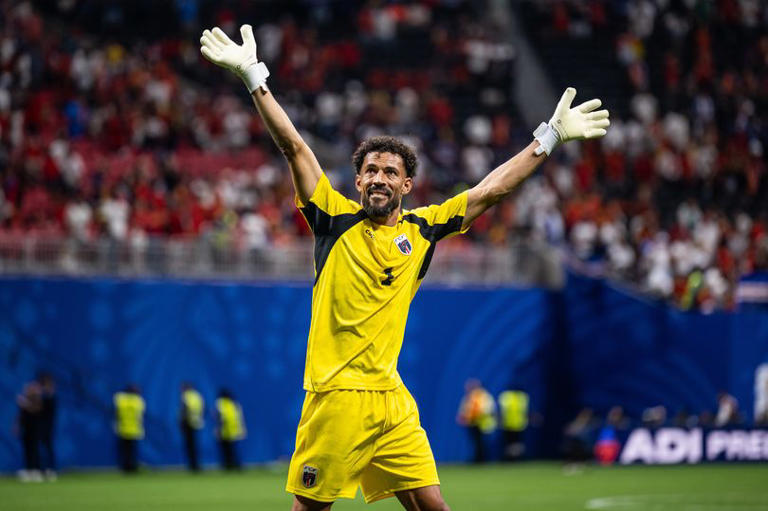
👏👏👏 GRAN GESTO DEL GOBIERNO DE ESTADOS UNIDOS: EL PORTERO DE CABO VERDE, QUE TAN BIEN SE DESENVOLVIÓ FRENTE A ESPAÑA, LAMENTÓ QUE POR NO PODER REUNIR EL DINERO NECESARIO, SU SEÑORA MADRE NO PUDO VIAJAR PARA VERLO JUGAR. EL GOBIERNO DE ESTADOS UNIDOS HA INVITADO A LA SEÑORA, CON TODOS LOS GASTOS PAGADOS, PARA QUE VEA A SU TALENTOSO HIJO JUGAR EN EL MUNDIAL DE FÚTBOL
320
4,593
27,561
451,823
BillofRights retweeted

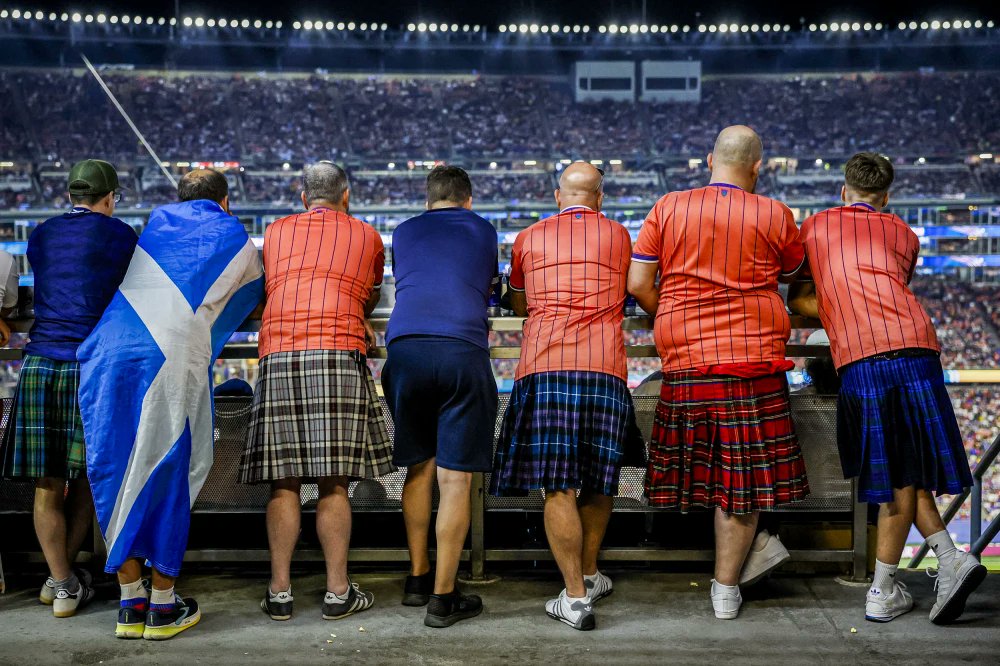
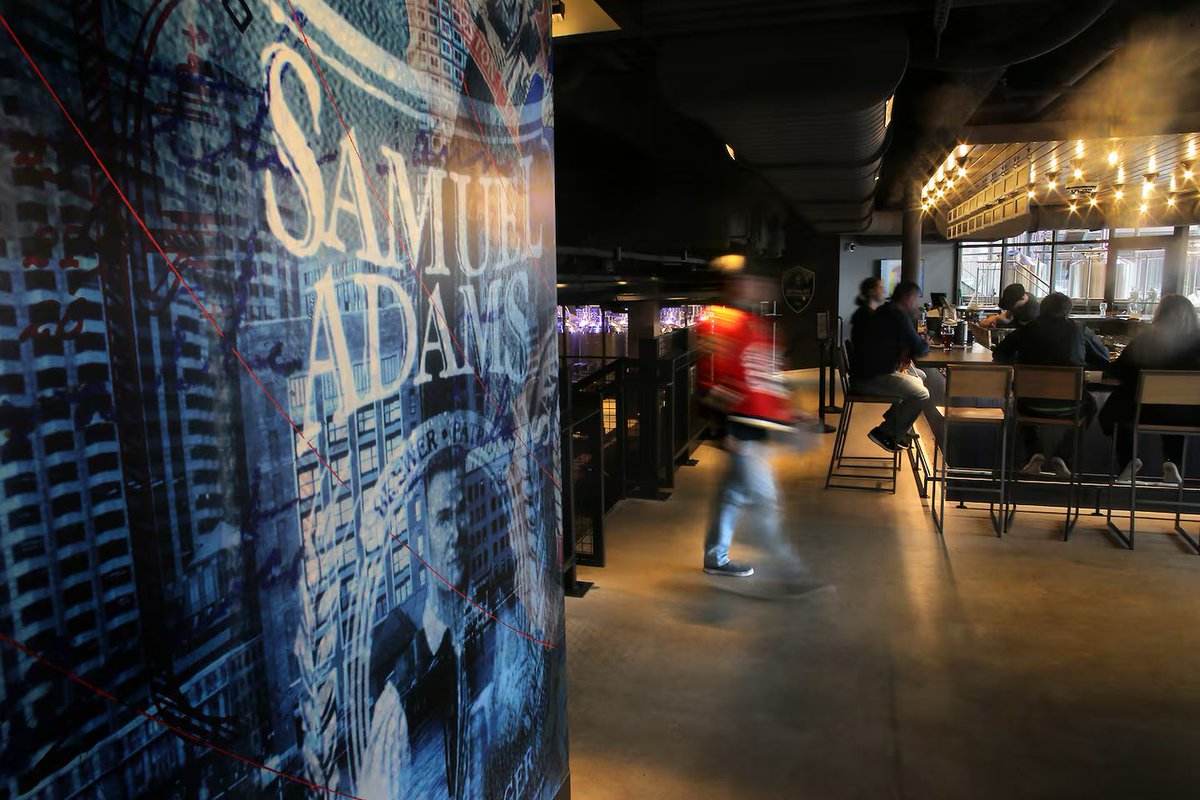
🇺🇸🏴 Scottish soccer fans are completely draining Boston’s beer supply, with bars running dry across the city.
Sam Adams says its Boston Taproom completely ran out of Boston Lager. The Tartan Army drank 4x the normal holiday volume.
Emergency delivery trucks are rushing downtown. Local pubs report running out of beer for the first time in decades.
Hide your alcohol, the Scots are in town 😂
Source: NBC / Writer: Michael

Jun 16

🇺🇸🏴 The Tartan Army has officially conquered Boston ahead of Scotland's World Cup clash with Morocco on Friday.
In the meantime, they’ve brought the party to Fenway Park, the legendary baseball cathedral that opened its doors just 5 days after the Titanic sank in 1912.
This World Cup is delivering legendary cultural crossovers like we’ve never seen before.
Writer: Michael
x.com/washghost1/status/2066…
86
596
3,400
152,440
BillofRights retweeted

"The Titanic did not sink all at once. Most passengers remained calm because they did not yet understand what was happening."
Telegram's Pavel Durov just said this about modern Europe — and he's not wrong.
A thread 🧵
34
702
3,953
95,700
BillofRights retweeted

Wait, you guys have HOUSES ON STILTS? 🤯
480
370
7,124
181,062
BillofRights retweeted

Jun 17
🚨 NASA IS ABOUT TO LET A PRIVATE SPACECRAFT RESCUE ONE OF ITS MOST IMPORTANT TELESCOPES.
The Neil Gehrels Swift Observatory has been hunting gamma-ray bursts the most powerful explosions in the universe since 2004. It’s still working perfectly, but Earth’s atmosphere has been slowly dragging it down toward a fiery reentry.
Now, NASA is turning to a commercial company to save it.
Katalyst Space Technologies’ robotic spacecraft Link will launch later this month, rendezvous with Swift, dock with it, and boost the telescope into a higher, safer orbit extending its life by years.
Why this matters:
• It’s the first time a private spacecraft will perform an orbital boost on a U.S. government science satellite
• Swift remains one of the best tools we have for studying gamma-ray bursts and other high-energy cosmic events
• Without this mission, the telescope could have deorbited as early as this year
• It shows how commercial space companies are now capable of performing complex servicing missions that were once only possible for governments
The deeper implication:
We’re entering a new era where valuable scientific infrastructure in orbit doesn’t have to be considered disposable. Instead of building and launching entirely new telescopes when old ones start to decay, we can now extend their lives through commercial servicing.
This approach is faster, cheaper, and more sustainable and it could become a standard model for protecting high-value space assets in the future.
Sometimes the most important space missions aren’t about discovering something new. They’re about making sure we don’t lose what we already have.
Would you support more commercial missions to rescue and extend aging space telescopes?
Follow for more frontier space exploration, satellite servicing, and NASA missions.
17
69
484
48,292