
Official account of the Business Breakdowns Podcast. Diving deep into a single business and finding the key lessons for investors and operators. @colossusmag
Joined April 2021
- Tweets 977
- Following 62
- Followers 20,624
- Likes 2,101
287 Photos and videos







Pinned Tweet

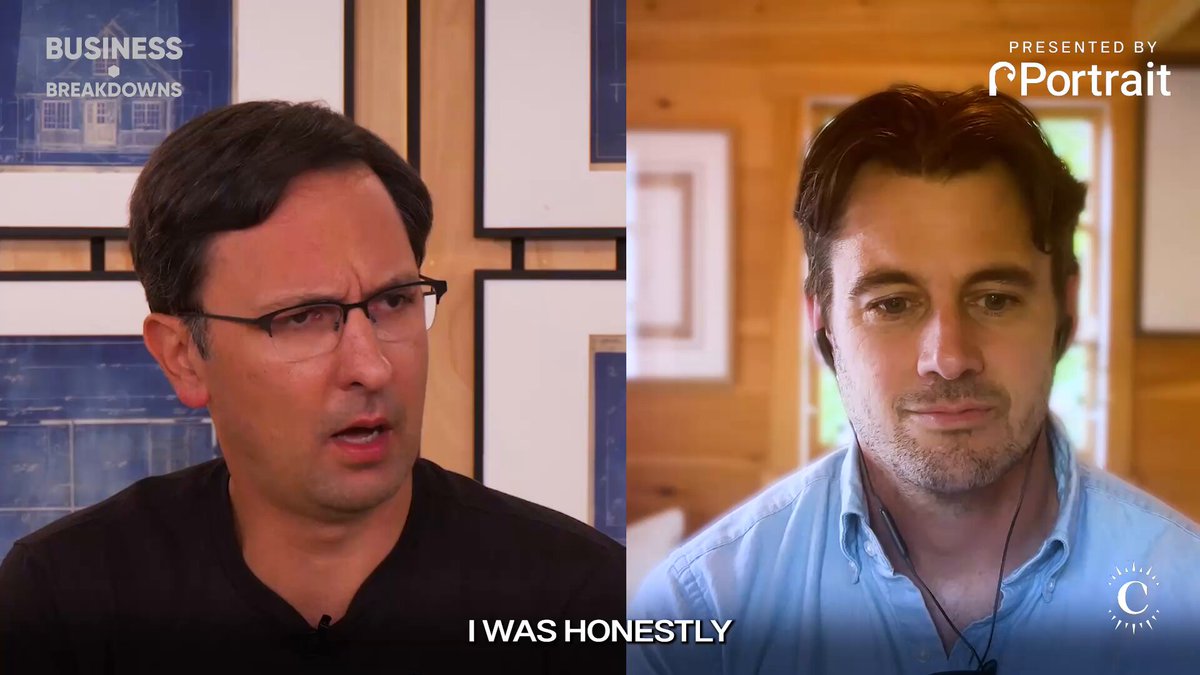
Today's episode is a unique one. Shortly after @Opendoor reported earnings, @ReustleMatt spoke with CEO @nejatian for a breakdown of $OPEN.
We talk about the quarter in the context of Opendoor's turnaround, including Kaz's view of the business as a market maker, the priorities on the product roadmap, the opportunity in attached services, and the path to profitability.
Some highlights from the conversation:
1/ Opendoor is a market maker, not a prop desk.
2/ I was shocked by how the company was being run by outside consultants for so long. The people who were making decisions for the company had almost no stake in the outcome of those decisions. The OPEX was just honestly stupid.
3/ Saying Opendoor is an asset manager that happens to have software is like saying Amazon was a warehouser of books that just happened to have software.
4/ Opendoor has fewer than seventy engineers. I think that would surprise most people.
5/ When we buy lots of homes and sell them very quickly, we get very live feedback about actual market conditions. We pick up data in a way that no one else does. We have a 90 to 120-day advantage on the market.
6/ My job is to make sure that when you want to buy a home, sell a home, that you think of Opendoor the way you think about Uber or Amazon.
7/ Opendoor has an embedded advantage compared to every other buyer and seller of real estate in our cost of capital. But that has not been adequately used by the company.
8/ I want the teacher in Kansas City to have a one-click mortgage, title, escrow, and home buying experience and home selling experience.
9/ Opendoor has had too little discipline when it comes to being a for-profit business because it has been able to reach for capital markets over and over again.
10/ I think it's important that Opendoor be funded by its cash flow.
11/ What I think is very hard to say is that the largest real estate company on the public market in the United States should not be very large. There isn't a $100 billion market cap real estate company in the public markets in the US. That feels like a flaw in the matrix.
12/ I know what every single one of our engineers is working on because we don’t have the luxury of waste.
13/ I can take a series of services in a highly fragmented market, all of whom have very low NPS scores, and jam them all together. All of these players have to pay for CAC, and I don't. They all have to pay for gathering information. I don't. That's the opportunity.
Timestamps:
00:00 Intro
00:42 What Kaz found inside Opendoor
03:12 The business model
05:49 How Opendoor makes money
06:48 The data and information advantage
12:18 Sizing the TAM
15:19 Product roadmap: title, escrow, mortgage, solar
18:33 The bundling thesis
21:37 Capital allocation and path to profitability
23:39 70 engineers and AI leverage
9
49
242
139,895
Great conversation with @dkhos on autonomous vehicles, AI, building a true superapp (drones, hotels, groceries) and lessons from legends like Barry Diller.
It pairs well with Patrick's Uber Breakdown from 2021 - comparing the two conversations, Uber's progress since then is staggering.
Link below.

My conversation with @dkhos, CEO of Uber.
Dara took over in 2017, when Uber was losing roughly $4.5B a year.
Today the company generates $10B in free cash flow and is worth about $150B.
We discuss:
- How Daniel Ek convinced him to take the job
- How Uber spent a full year of its AI budget in a single quarter
- Uber's approach to autonomous vehicles
- Drones, hotels, and building a superapp
- Lessons from Allen & Co, Barry Diller, and Reed Hastings
Enjoy!
Timestamps
0:00 Intro
3:44 Bringing Order to Uber’s Chaos
7:22 Managing Stress and Going All In
14:28 Why Uber Is at the Center of AI and Physical
22:39 How to Win in Autonomous Vehicles
32:25 The Trillion-Dollar AV Opportunity
37:05 Drones, Robotaxis, and Global Adoption
38:20 Uber Eats, Uber One, and Aggregating Supply
47:00 The Future of the Uber App
55:55 Lessons from Barry Diller
1
6
1,312
Today, we are breaking down Toast ($TOST)
Sean Barrett, Managing Partner and CIO of Counter Global, returned to cover his history with this business and what makes it so exciting today.
Enjoy!
5
1
13
3,321
Today, we break down Auto1 $AG1
It'd be easy to call it the Carvana of Europe, but our guest, Harrison Moot of SandStone, helped detail what makes Auto1's model different.
Harrison joined @reustlematt to break down the European used car market, cross-border sales channels, credit quality, and much more.
Enjoy!
3
11
1,215
Opendoor CEO @nejatian on why too much access to capital markets led to a lack of discipline for the company:
"I was honestly shocked by how the company was being run by outside consultants for so long.
The people making decisions for the company had almost no stake in the outcome of those decisions.
The OpEx was honestly stupid.
Opendoor has had too little discipline when it comes to being a for-profit business, because it has been able to reach for capital markets over and over again.
That has actually been bad for Opendoor. So it's incredibly important for us to be incredibly disciplined. This will be painful as hell.
Am I forgoing areas of growth that I would not forgo if I had lots of profits? Yes, for sure.
But this is healthy discipline. It's important that Opendoor be funded by its cash flow."

Today's episode is a unique one. Shortly after @Opendoor reported earnings, @ReustleMatt spoke with CEO @nejatian for a breakdown of $OPEN.
We talk about the quarter in the context of Opendoor's turnaround, including Kaz's view of the business as a market maker, the priorities on the product roadmap, the opportunity in attached services, and the path to profitability.
Some highlights from the conversation:
1/ Opendoor is a market maker, not a prop desk.
2/ I was shocked by how the company was being run by outside consultants for so long. The people who were making decisions for the company had almost no stake in the outcome of those decisions. The OPEX was just honestly stupid.
3/ Saying Opendoor is an asset manager that happens to have software is like saying Amazon was a warehouser of books that just happened to have software.
4/ Opendoor has fewer than seventy engineers. I think that would surprise most people.
5/ When we buy lots of homes and sell them very quickly, we get very live feedback about actual market conditions. We pick up data in a way that no one else does. We have a 90 to 120-day advantage on the market.
6/ My job is to make sure that when you want to buy a home, sell a home, that you think of Opendoor the way you think about Uber or Amazon.
7/ Opendoor has an embedded advantage compared to every other buyer and seller of real estate in our cost of capital. But that has not been adequately used by the company.
8/ I want the teacher in Kansas City to have a one-click mortgage, title, escrow, and home buying experience and home selling experience.
9/ Opendoor has had too little discipline when it comes to being a for-profit business because it has been able to reach for capital markets over and over again.
10/ I think it's important that Opendoor be funded by its cash flow.
11/ What I think is very hard to say is that the largest real estate company on the public market in the United States should not be very large. There isn't a $100 billion market cap real estate company in the public markets in the US. That feels like a flaw in the matrix.
12/ I know what every single one of our engineers is working on because we don’t have the luxury of waste.
13/ I can take a series of services in a highly fragmented market, all of whom have very low NPS scores, and jam them all together. All of these players have to pay for CAC, and I don't. They all have to pay for gathering information. I don't. That's the opportunity.
Timestamps:
00:00 Intro
00:42 What Kaz found inside Opendoor
03:12 The business model
05:49 How Opendoor makes money
06:48 The data and information advantage
12:18 Sizing the TAM
15:19 Product roadmap: title, escrow, mortgage, solar
18:33 The bundling thesis
21:37 Capital allocation and path to profitability
23:39 70 engineers and AI leverage
1
9
104
18,224
Business Breakdowns retweeted

May 8
@bizbreakdowns - great interview / questions with @nejatian
My top 3 takeaways:
1. Best real estate data and systems in the world for market making. OPEN = citadel / jane street. Speed is everything
2. Complexity is just cope. Attached services opportunity even bigger than he though.
3. Cost discipline and elite team - currently at 70 cracked engineers. He knows what every single one is working on.
youtu.be/m53ysyhjDJs?si=efLK…
5
19
61
5,846
Kaz on Opendoor's structural advantages that almost no other player in real estate has:
(1) cost of capital
(2) real-time data
(3) a 90 to 120 day lead on the market
"Opendoor has an embedded advantage compared to every other buyer and seller of real estate in our cost of capital.
When we buy lots of homes and sell them very quickly, we get very live feedback about actual market conditions.
Not just about the clearance price, also about the renovation process, also about the demand that impacts every other demand.
We pick up data in a way that no one else does.
And by the way, we're ahead of the market. Even if you were scraping all the data you could from MLSs, you'd be 90 to 120 days behind us, because we're picking it up live.
We have access to data in a way that very few people do. We have a 90 to 120 day advantage on the market.
You can't use that advantage if you want very high margins on every trade.
If I can have very tight spreads — buy from you with more certainty than you would sell into the market, and sell to the next person with more certainty than they would buy from the market — I'm just increasing my information advantage."
Today's episode is a unique one. Shortly after @Opendoor reported earnings, @ReustleMatt spoke with CEO @nejatian for a breakdown of $OPEN.
We talk about the quarter in the context of Opendoor's turnaround, including Kaz's view of the business as a market maker, the priorities on the product roadmap, the opportunity in attached services, and the path to profitability.
Some highlights from the conversation:
1/ Opendoor is a market maker, not a prop desk.
2/ I was shocked by how the company was being run by outside consultants for so long. The people who were making decisions for the company had almost no stake in the outcome of those decisions. The OPEX was just honestly stupid.
3/ Saying Opendoor is an asset manager that happens to have software is like saying Amazon was a warehouser of books that just happened to have software.
4/ Opendoor has fewer than seventy engineers. I think that would surprise most people.
5/ When we buy lots of homes and sell them very quickly, we get very live feedback about actual market conditions. We pick up data in a way that no one else does. We have a 90 to 120-day advantage on the market.
6/ My job is to make sure that when you want to buy a home, sell a home, that you think of Opendoor the way you think about Uber or Amazon.
7/ Opendoor has an embedded advantage compared to every other buyer and seller of real estate in our cost of capital. But that has not been adequately used by the company.
8/ I want the teacher in Kansas City to have a one-click mortgage, title, escrow, and home buying experience and home selling experience.
9/ Opendoor has had too little discipline when it comes to being a for-profit business because it has been able to reach for capital markets over and over again.
10/ I think it's important that Opendoor be funded by its cash flow.
11/ What I think is very hard to say is that the largest real estate company on the public market in the United States should not be very large. There isn't a $100 billion market cap real estate company in the public markets in the US. That feels like a flaw in the matrix.
12/ I know what every single one of our engineers is working on because we don’t have the luxury of waste.
13/ I can take a series of services in a highly fragmented market, all of whom have very low NPS scores, and jam them all together. All of these players have to pay for CAC, and I don't. They all have to pay for gathering information. I don't. That's the opportunity.
Timestamps:
00:00 Intro
00:42 What Kaz found inside Opendoor
03:12 The business model
05:49 How Opendoor makes money
06:48 The data and information advantage
12:18 Sizing the TAM
15:19 Product roadmap: title, escrow, mortgage, solar
18:33 The bundling thesis
21:37 Capital allocation and path to profitability
23:39 70 engineers and AI leverage
3
7
63
8,637
.@Opendoor CEO @nejatian on how investors misunderstand the company:
"Opendoor is a market maker, not a prop desk."
The business is to make it easier to buy and sell houses, not to profit from owning them.
"The underlying assumptions about the business are fundamentally wrong.
Those assumptions were held by some people inside the building for a while. People in New York were wrong. People in San Francisco were also wrong.
Saying Opendoor is an asset manager that happens to have software is like saying Amazon in its early days was a warehouser of books that just happened to have software.
Did Amazon warehouse books? Sure. But was it a warehouser of books? No. That's not where the leverage comes from.
There's a very real difference between a prop desk and a market maker.
If you're a prop desk and you hold assets for profit, you do one set of things. If you're a market maker and your fundamental job is to not hold assets for profit, you do a different set of things.
Opendoor is a market maker, not a prop desk.
Do we have to be very good at underwriting? Damn right we do. But there's a real difference about where that underwriting engine is pointed.
Citadel gathers a crap ton of data. The end matters as much as the means."
Today's episode is a unique one. Shortly after @Opendoor reported earnings, @ReustleMatt spoke with CEO @nejatian for a breakdown of $OPEN.
We talk about the quarter in the context of Opendoor's turnaround, including Kaz's view of the business as a market maker, the priorities on the product roadmap, the opportunity in attached services, and the path to profitability.
Some highlights from the conversation:
1/ Opendoor is a market maker, not a prop desk.
2/ I was shocked by how the company was being run by outside consultants for so long. The people who were making decisions for the company had almost no stake in the outcome of those decisions. The OPEX was just honestly stupid.
3/ Saying Opendoor is an asset manager that happens to have software is like saying Amazon was a warehouser of books that just happened to have software.
4/ Opendoor has fewer than seventy engineers. I think that would surprise most people.
5/ When we buy lots of homes and sell them very quickly, we get very live feedback about actual market conditions. We pick up data in a way that no one else does. We have a 90 to 120-day advantage on the market.
6/ My job is to make sure that when you want to buy a home, sell a home, that you think of Opendoor the way you think about Uber or Amazon.
7/ Opendoor has an embedded advantage compared to every other buyer and seller of real estate in our cost of capital. But that has not been adequately used by the company.
8/ I want the teacher in Kansas City to have a one-click mortgage, title, escrow, and home buying experience and home selling experience.
9/ Opendoor has had too little discipline when it comes to being a for-profit business because it has been able to reach for capital markets over and over again.
10/ I think it's important that Opendoor be funded by its cash flow.
11/ What I think is very hard to say is that the largest real estate company on the public market in the United States should not be very large. There isn't a $100 billion market cap real estate company in the public markets in the US. That feels like a flaw in the matrix.
12/ I know what every single one of our engineers is working on because we don’t have the luxury of waste.
13/ I can take a series of services in a highly fragmented market, all of whom have very low NPS scores, and jam them all together. All of these players have to pay for CAC, and I don't. They all have to pay for gathering information. I don't. That's the opportunity.
Timestamps:
00:00 Intro
00:42 What Kaz found inside Opendoor
03:12 The business model
05:49 How Opendoor makes money
06:48 The data and information advantage
12:18 Sizing the TAM
15:19 Product roadmap: title, escrow, mortgage, solar
18:33 The bundling thesis
21:37 Capital allocation and path to profitability
23:39 70 engineers and AI leverage
10
33
257
43,588
Business Breakdowns retweeted

May 8
This was fun. Thanks for conversation!
16
6
167
6,769
Today's episode is a unique one. Shortly after @Opendoor reported earnings, @ReustleMatt spoke with CEO @nejatian for a breakdown of $OPEN.
We talk about the quarter in the context of Opendoor's turnaround, including Kaz's view of the business as a market maker, the priorities on the product roadmap, the opportunity in attached services, and the path to profitability.
Some highlights from the conversation:
1/ Opendoor is a market maker, not a prop desk.
2/ I was shocked by how the company was being run by outside consultants for so long. The people who were making decisions for the company had almost no stake in the outcome of those decisions. The OPEX was just honestly stupid.
3/ Saying Opendoor is an asset manager that happens to have software is like saying Amazon was a warehouser of books that just happened to have software.
4/ Opendoor has fewer than seventy engineers. I think that would surprise most people.
5/ When we buy lots of homes and sell them very quickly, we get very live feedback about actual market conditions. We pick up data in a way that no one else does. We have a 90 to 120-day advantage on the market.
6/ My job is to make sure that when you want to buy a home, sell a home, that you think of Opendoor the way you think about Uber or Amazon.
7/ Opendoor has an embedded advantage compared to every other buyer and seller of real estate in our cost of capital. But that has not been adequately used by the company.
8/ I want the teacher in Kansas City to have a one-click mortgage, title, escrow, and home buying experience and home selling experience.
9/ Opendoor has had too little discipline when it comes to being a for-profit business because it has been able to reach for capital markets over and over again.
10/ I think it's important that Opendoor be funded by its cash flow.
11/ What I think is very hard to say is that the largest real estate company on the public market in the United States should not be very large. There isn't a $100 billion market cap real estate company in the public markets in the US. That feels like a flaw in the matrix.
12/ I know what every single one of our engineers is working on because we don’t have the luxury of waste.
13/ I can take a series of services in a highly fragmented market, all of whom have very low NPS scores, and jam them all together. All of these players have to pay for CAC, and I don't. They all have to pay for gathering information. I don't. That's the opportunity.
Timestamps:
00:00 Intro
00:42 What Kaz found inside Opendoor
03:12 The business model
05:49 How Opendoor makes money
06:48 The data and information advantage
12:18 Sizing the TAM
15:19 Product roadmap: title, escrow, mortgage, solar
18:33 The bundling thesis
21:37 Capital allocation and path to profitability
23:39 70 engineers and AI leverage
9
49
242
139,895
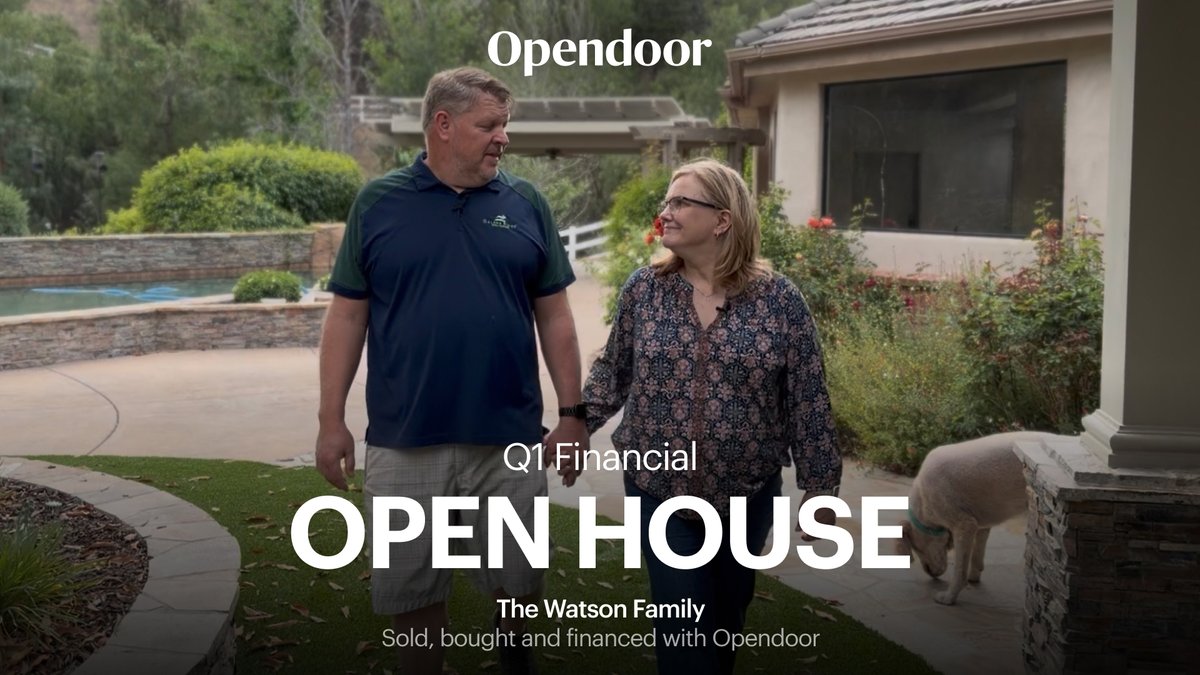
Shortly after Opendoor reports earnings today, @ReustleMatt will talk with @nejatian to discuss the quarter, the company's turnaround, and more specific operating questions about the business.
What should we ask him?
Full episode on X, Apple/Spotify and Youtube tomorrow.
May 7

Most earnings calls go like this: analysts ask questions, the suits give scripted answers, everyone hangs up and goes to a fancy steak house. We don't like that.
At 2pm PT, everyday shareholders ask the questions. Christy and I answer live.
investor.opendoor.com
3
12
2,045
When Costco merged with Sol Price's Price Company in 1994, certain assets stayed with the Price family. Those assets formed the original PriceSmart $PSMT.
Whether you call it the "Costco of the Caribbean" or the "Costco of Central America", you get the idea.
Markus Hansen, PM of Vontobel Asset Management, joined us to break down the business.
2
2
13
3,056
Link to the episode and transcript: colossus.com/episode/pricesm…
1
527
Business Breakdowns retweeted

Apr 24
underrated pod
Today, we break down Altius Minerals.
While starting a business in a dorm room has become cliché, you don't hear of many mining royalty businesses that fit that description. Enter Brian Dalton, who 25 years ago took less than $1mn dollars and built Altius into an industry leader today.
Luke Bridgeman from Hosking Partners returned to cover Altius's countercyclical approach to building a royalty portfolio.
1
7
2,163
Today, we break down Altius Minerals.
While starting a business in a dorm room has become cliché, you don't hear of many mining royalty businesses that fit that description. Enter Brian Dalton, who 25 years ago took less than $1mn dollars and built Altius into an industry leader today.
Luke Bridgeman from Hosking Partners returned to cover Altius's countercyclical approach to building a royalty portfolio.
1
4
25
7,119

Today, Givaudan dominates the flavor and fragrance market.
Prior to the 1700s, scent was a luxury and artisanal craft. Enter the Chiris family, who realized their home of Grasse, France, had “natural resources” (strong scented flowers) to become the perfume capital of the world.
By the 1800s, both the scent and taste markets were benefiting from global influence. Travel introduces new discoveries and elaborate mixes and international sourcing.
In 1895, Givaudan entered the market just as chemistry exploded into the market. The company evolved from perfume into flavors in 1948 and continues to compound through acquisitions and innovations until today.
We break down the history, the market, and this fascinating business today. Our guest, Jérémie Fastnacht of Banque de Luxembourg Investments, shares the knowledge. Enjoy!


2
4
17
3,217
Link to the episode and trancript here: colossus.com/episode/givauda…
1
676