
Managing Editor @colossusmag
Joined June 2011
- Tweets 1,594
- Following 824
- Followers 5,810
- Likes 8,625
153 Photos and videos
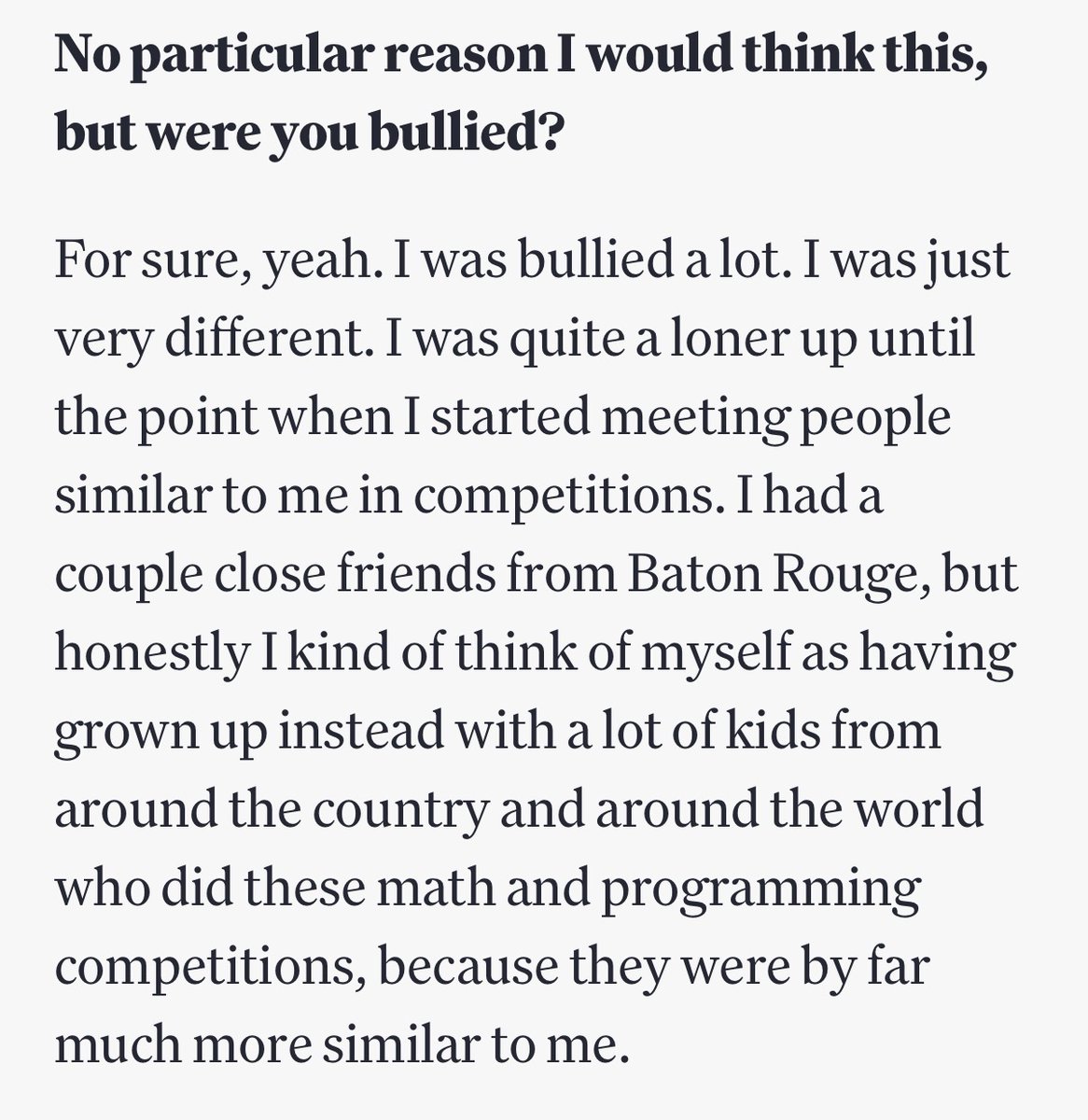

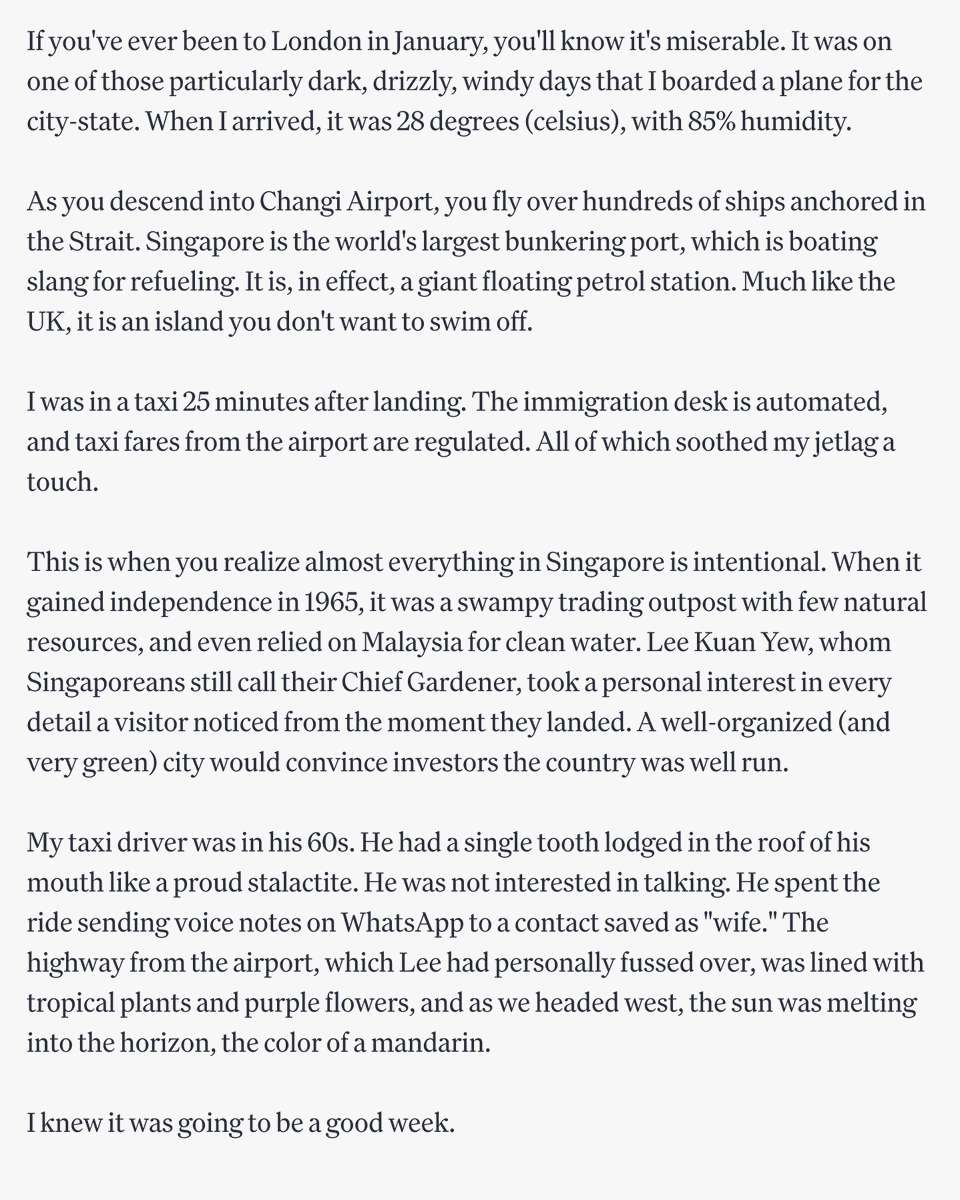

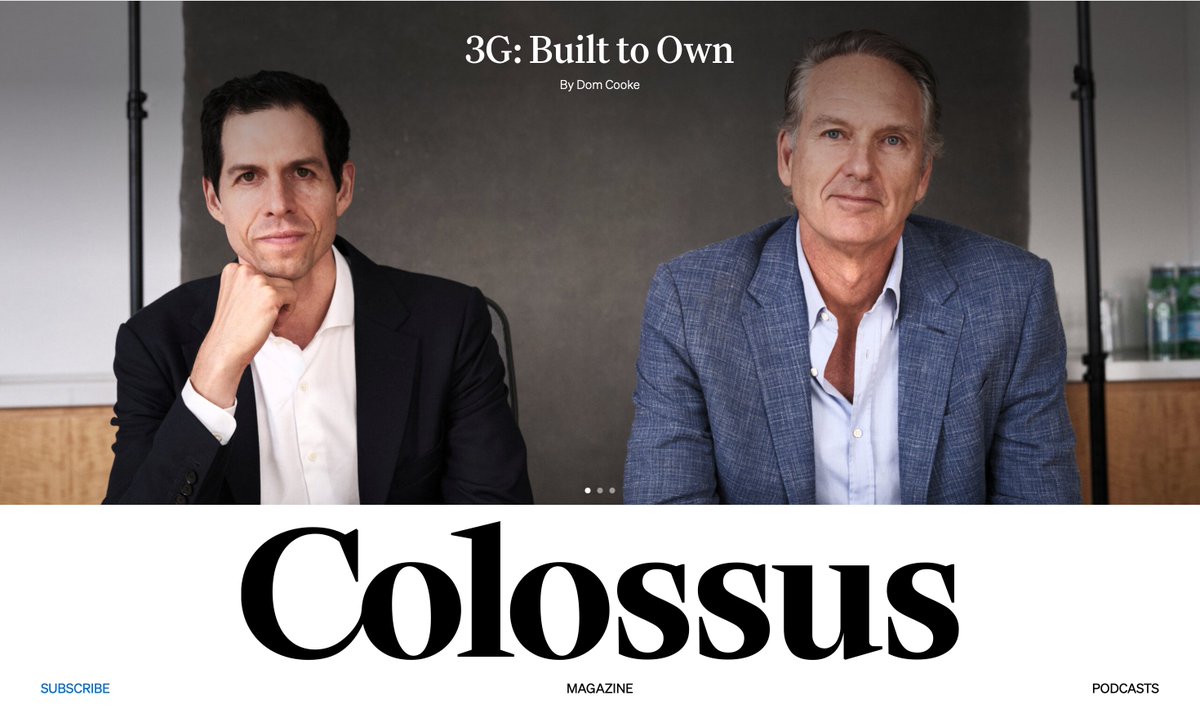
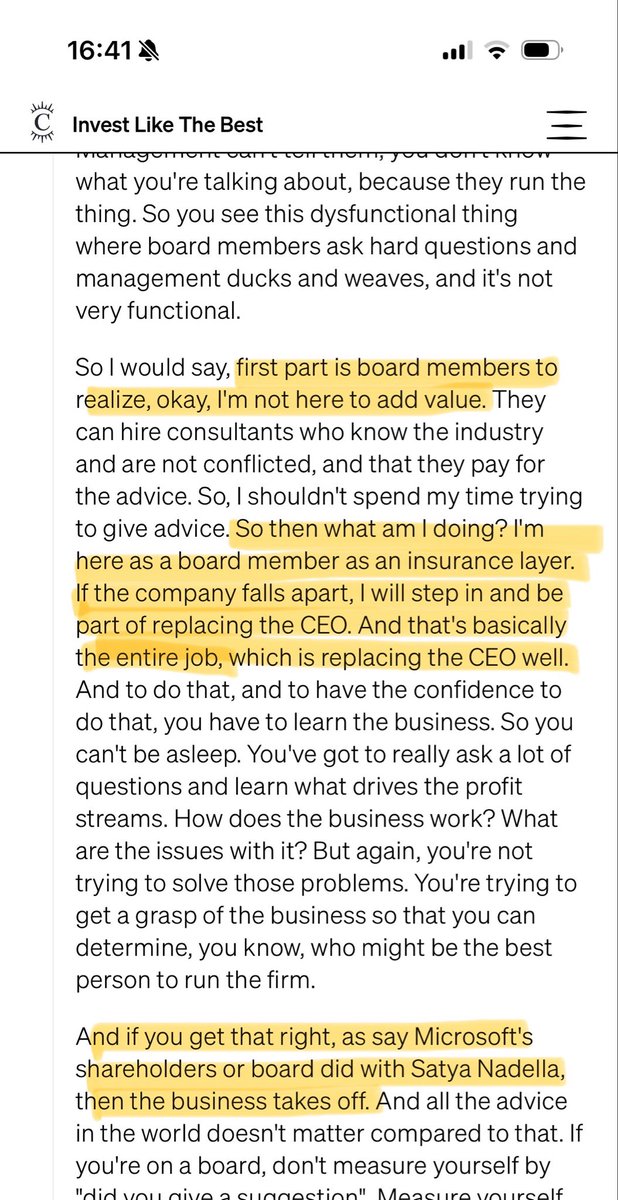
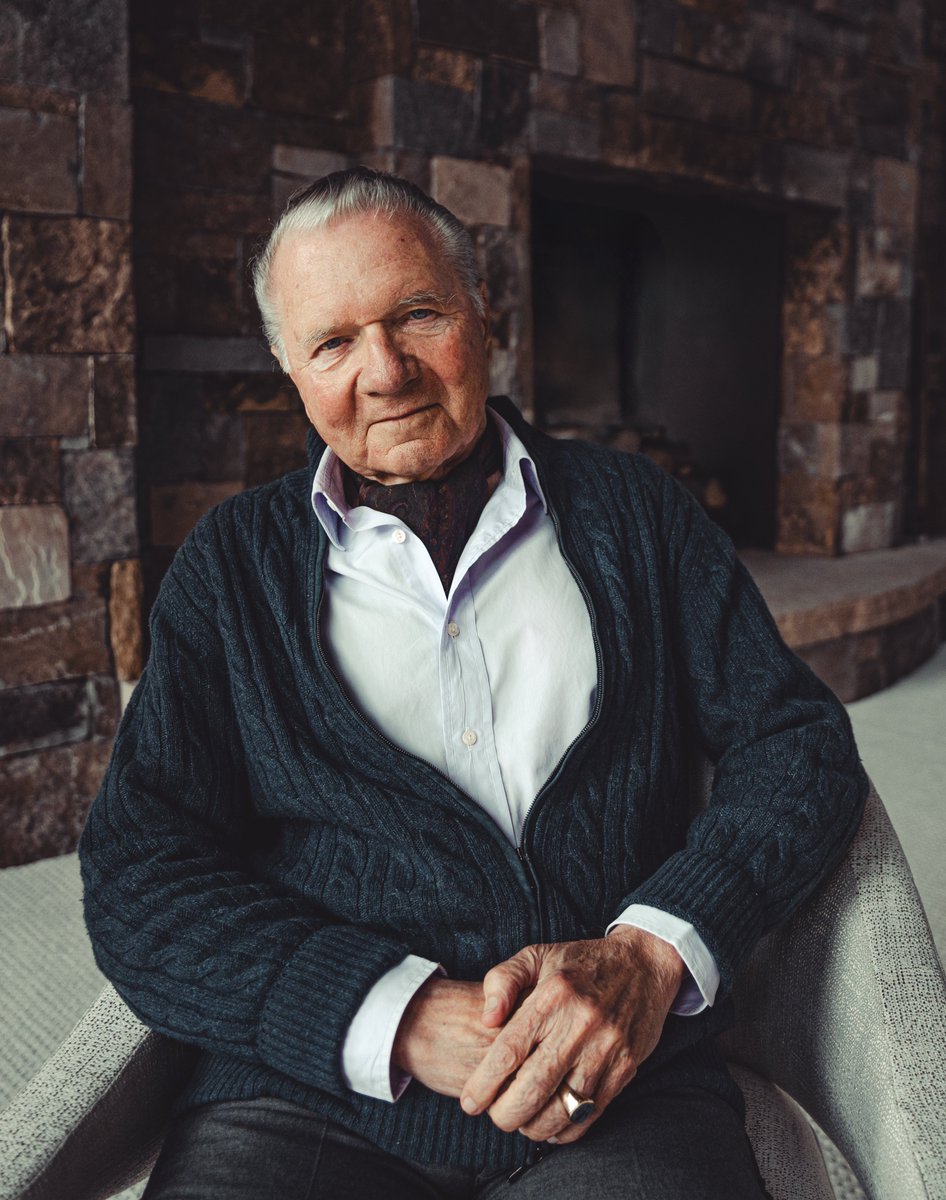




My latest profile.
What I learned during a week in Singapore with Jeff Yan and the team behind Hyperliquid.
colossus.com/article/beyond-…
Apr 13

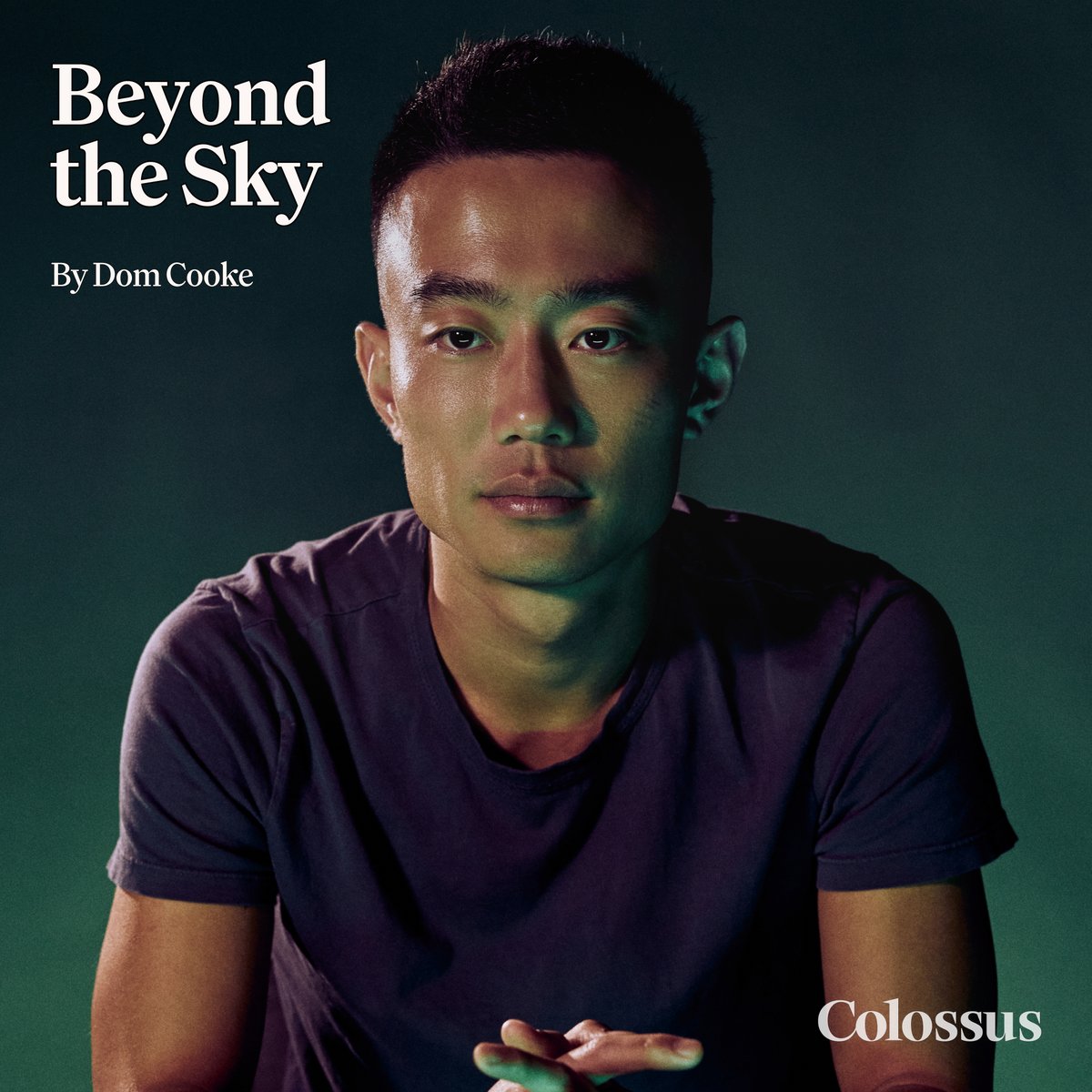
This is the story of Hyperliquid, the most profitable startup per employee on earth, told from a guarded office in Singapore.
Last year, its team of 11 generated $900 million in profit. It's 3 years old, has never taken a dollar of venture capital, and is beginning to change how century-old markets work.
Its founder, Jeffrey Yan (@chameleon_jeff), had never taken a physics class when he picked up a textbook at 16. Two years later, he won gold at the International Physics Olympiad. In 2019, he started trading with $10,000 from a living room in Puerto Rico—working off a television because he didn't own a monitor.
Within 3 years, he was running one of the largest anonymous crypto trading firms.
Then he shut it down. Yan was rich and free, but he had spent years inside crypto, watching it betray itself. Bitcoin's central premise was decentralization. Yet the biggest exchanges were centralized. Crypto kept reintroducing the dependence on trust it was built to eliminate. He set out to create what should have existed.
Hyperliquid is a blockchain with a trading exchange on top, and anyone can build on it. Yan's vision is to house all of finance. In 3 years, it has done over $4 trillion in volume. And in the past few months, it has begun to outgrow crypto.
Markets for oil, silver, and the S&P 500 now trade on Hyperliquid around the clock, weekends included, and are growing roughly 40% week on week. When the US and Israel bombed Iran on a Saturday in February, Hyperliquid was the venue traders turned to.
Hyperliquid's success has cost Yan his freedom. He works out of a secret office in Singapore and cannot travel without two bodyguards. Even the team's housekeeper doesn't know what they do.
In January, @domcooke spent a week at their office. Read his profile on Yan and @HyperliquidX below.
50
21
485
53,238
Anyone who knows Matt will know this. He is the best.
It's been such a privilege to work with him and learn from him. I'm sad this era has come to an end, but I'll remember it so fondly.
He did once take me up a bear-infested mountain that was closed, for good reason, to hikers. But other than that, it's been all smiles. Excited to see what he comes up with next.
1
1
10
3,054
Dom Cooke retweeted

Henry Ellenbogen ran T. Rowe Price's New Horizons Fund for a decade before founding Durable Capital.
He explains the limitations of quant strategies and the opportunities for traditional (human) investors:
"I went to spend time with the principal at Two Sigma. I realized there were real limitations to what the quants could do.
If it's a repeat actor problem based on known data, the quants are pretty good.
[But] one of the limitations is if you work at a firm that deeply measures your risk every day, and then if you have a bad period of time –– measured by a month but certainly three months –– you get your capital cut back, or there's a good chance you get let go.
It probably means you can't have a time horizon longer than your career horizon.
If you study earnings volatility, [Q2 2025] was more volatile than any earning season since the financial crisis.
The reason for that is that we estimate somewhere between 80-90% of the institutional flow is driven either by the firms that have one month and three month agency, or the quants that have to take these price signals into account, and then their models are optimized for this.
But if you're like what we were at the time, people who are really good at understanding people and really good at understanding change, that was really advantaged.
At my old firm, I did an internal teach-in on man versus machine, and I said as a result what the New Horizons Fund is gonna go do is we're gonna go double down on these two things."
From our conversation in December 2025


Dan Loeb on the opportunities created by quants, CTAs, and pod shops:
"The advantage of a fundamental investor, who doesn't make trading decisions based on computers, is that there are still a lot of market irregularities caused by some very good strategies, but collectively they create anomalies.
You have quants, CTAs, pods. They have a great strategy for them and their investors, but it causes some unusual behaviors.
Fundamental investors believe that, as Warren Buffett would say, if a stock goes down, you celebrate it because it's a chance to buy more at a better price.
They have risk metrics which have forced selling on the way down, so they do the opposite.
It might be rational for their business model, but it's not rational for long-term investors.
That's where the human element comes in. To make those tough trading decisions when fundamentals are going one way and stock prices are going the other way, and to take the pain of losses in the short run."
5
18
108
52,164
Dom Cooke retweeted

My conversation with @DanielSLoeb1, his first ever podcast and one I've been wanting to do for years.
Dan started Third Point in 1995 with $3 million. Today the firm manages over $24 billion across equities, credit, venture, and insurance.
Along the way he wrote some of the most iconic activist letters.
We discuss:
- Why deep value stopped working
- The power of writing
- The Twitter and XAI credit trades
- Lessons from FTX and Danaher
- The Sony and Sotheby's stories
- What makes a great analyst today
- The importance of kindness
I feel lucky we all get to learn from one of the greats.
Enjoy!
Timestamps:
0:00 Intro
2:48 Macro Views and Tech Trends
5:13 The Roots of Third Point
10:30 Evolving to Quality and Thematic Investing
19:07 Market Psychology and Inefficiencies
24:10 Good and Bad Corporate Governance
29:19 Activism
31:23 Sotheby's
41:37 AI
44:28 Sony
52:50 Danaher's Operating System
56:31 Building an Insurance Business
59:25 FTX
1:05:17 What Makes a Great Analyst Today
1:07:24 The Next Decade
1:10:00 Kindest Thing
67
187
1,961
1,347,006
Dom Cooke retweeted
I think @colossusjeremy is among the great writers…
In past lives he helped run the US embassy in Germany, and for years before that was an EOD officer in the Army.
He wrote this for Memorial Day.
I feel extremely lucky to work with him, and that people like him serve us all
May 25
In a previous life, @colossusjeremy was a bomb squad technician in the U.S. Army. From 2014 to 2019, he deployed to five countries in the Middle East and Central Asia.
For Memorial Day, he wrote about a soldier who killed himself shortly after their deployment, and a memorial service that became less about the man who died than the people left in the room.
There is little that’s redemptive or feel-good in the story, and it has nothing to do with business, investing, or technology. But it will leave you thinking about how often we fail to see a person clearly until it’s too late, and sometimes not even then.

4
8
91
39,487
Dom Cooke retweeted

May 25
In a previous life, @colossusjeremy was a bomb squad technician in the U.S. Army. From 2014 to 2019, he deployed to five countries in the Middle East and Central Asia.
For Memorial Day, he wrote about a soldier who killed himself shortly after their deployment, and a memorial service that became less about the man who died than the people left in the room.
There is little that’s redemptive or feel-good in the story, and it has nothing to do with business, investing, or technology. But it will leave you thinking about how often we fail to see a person clearly until it’s too late, and sometimes not even then.
4
24
157
73,347
Dom Cooke retweeted

May 24
Stay in the game long enough to get lucky
May 23

I’ve been making podcasts about Rick Rubin for 4 years. Tomorrow on @davidsenra my conversation with Rick comes out.
3
39
8,850
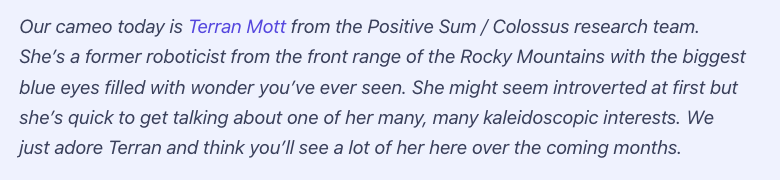
The paragraph about @TerranMott is so so spot on.
May 22

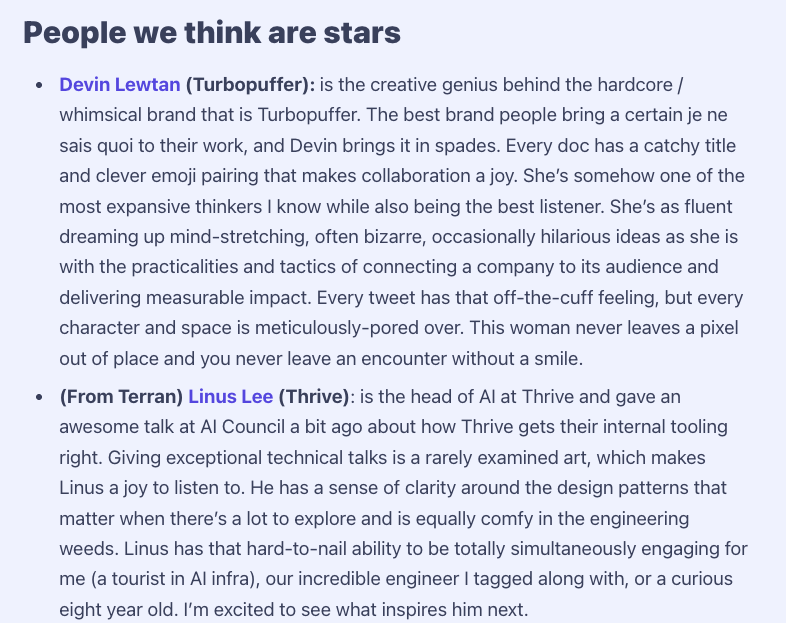
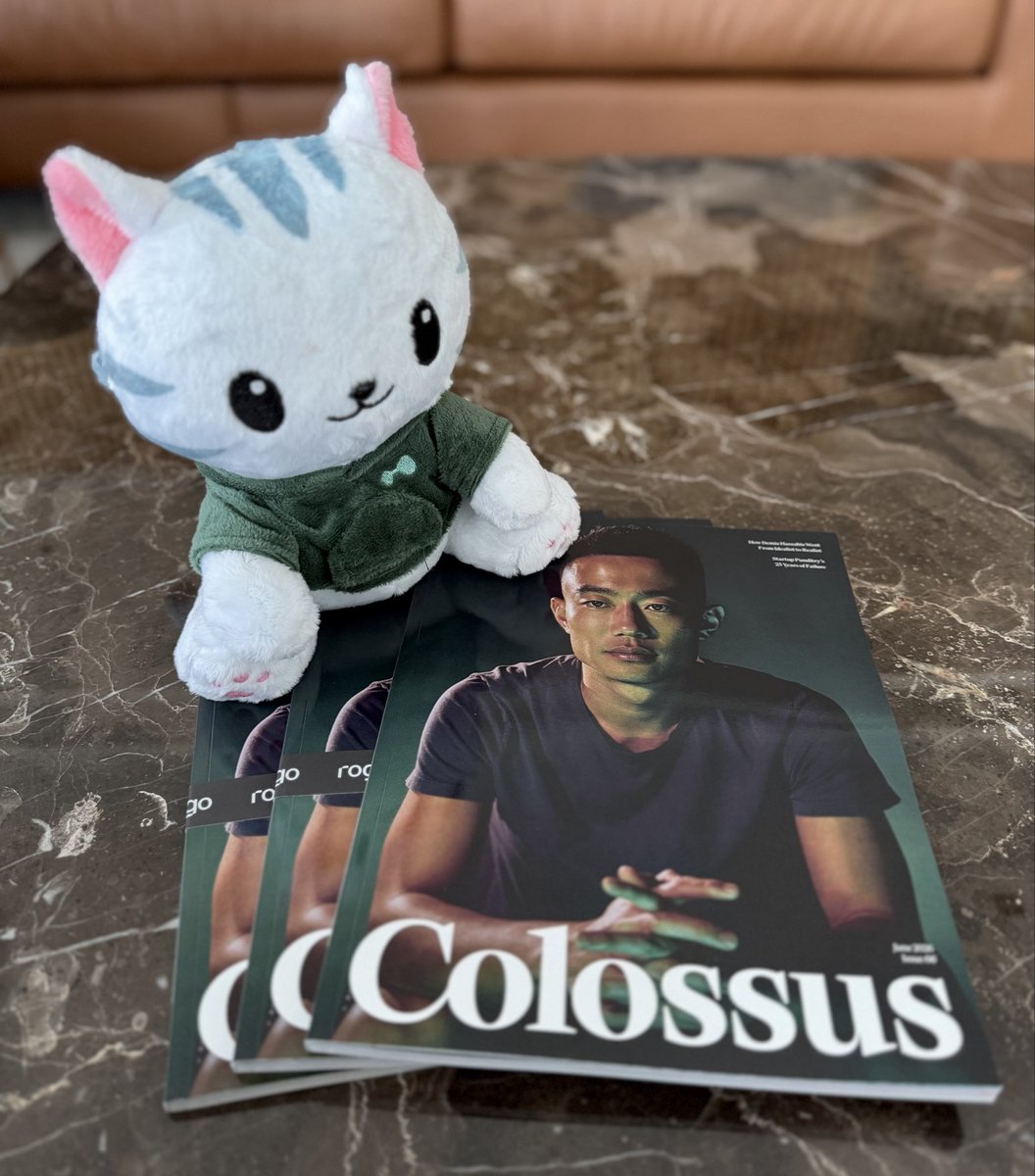
favorite part of worklife: learning from incredible people
favorite part of writing early days: showing them off
in today's edition, love for @DevinLewtan and @thesephist & a cameo from @TerranMott
1
2
7
1,034

Dom Cooke retweeted
This is my sixth conversation with @GavinSBaker.
As always with Gavin, the conversation covers a lot of ground, but we spend the most time on watts and wafers.
We discuss:
- Why the wafer shortage may prevent an AI bubble
- Data centers in space (reframed)
- Elon's Terafab and the new chip companies challenging Nvidia
- Usage-based pricing
- The disaggregation of GPUs
- DRAM, frontier tokens, and open source
Enjoy!
Timestamps:
0:00 Intro
7:55 Anthropic and OpenAI Valuations
12:58 Watts, Wafers, and Infrastructure
14:39 Orbital Compute and Data Centers in Space
22:49 Avoiding the AI Bubble
28:26 Terafab and the Future of US Manufacturing
32:16 Returns to the Frontier
37:23 Continual Learning
42:03 New Chip Companies
48:52 Extending GPU Lifespans and Private Credit
51:22 The Application Layer
57:32 The Token Path and Open-Source Dynamics
1:01:37 Cybersecurity
1:05:46 Diversity Breakdown
1:11:59 Assessing the Big Tech Players in AI
1:19:02 Geopolitics, Personal Safety, and the AI Horizon
65
182
1,803
1,637,400
Dom Cooke retweeted

May 18
.@camillericketts and I first got introduced to @eigenhq by Akshay, Notion’s COO, who said its founder, @paulscherer, reminded him of Ivan, Notion’s exquisitely high-taste founder.
Then there was Benchmark’s $15M seed bet and Peter Fenton’s tweet putting Eigen in the lineage as “TheFacebook, Twitter, Instagram, and SnapChat.”
Stuff like this gets said pretty often about founders–especially by investors–but after spending time with Paul and the team, we think there’s something special going on here.
A dispatch from a month with Eigen and their honestly 🤯'ing mutual friend.

7
15
136
71,127
Dom Cooke retweeted
Who would you love us to profile in @colossusmag ?
Our sweet spot has been: incredible people who’ve not been covered or interviewed often.
Who would you suggest we try for?
142
7
173
50,866
Dom Cooke retweeted

May 15
And right after the below, I hired him as the graduate level algorithms TA for the next semester. As a sophomore. 🥰
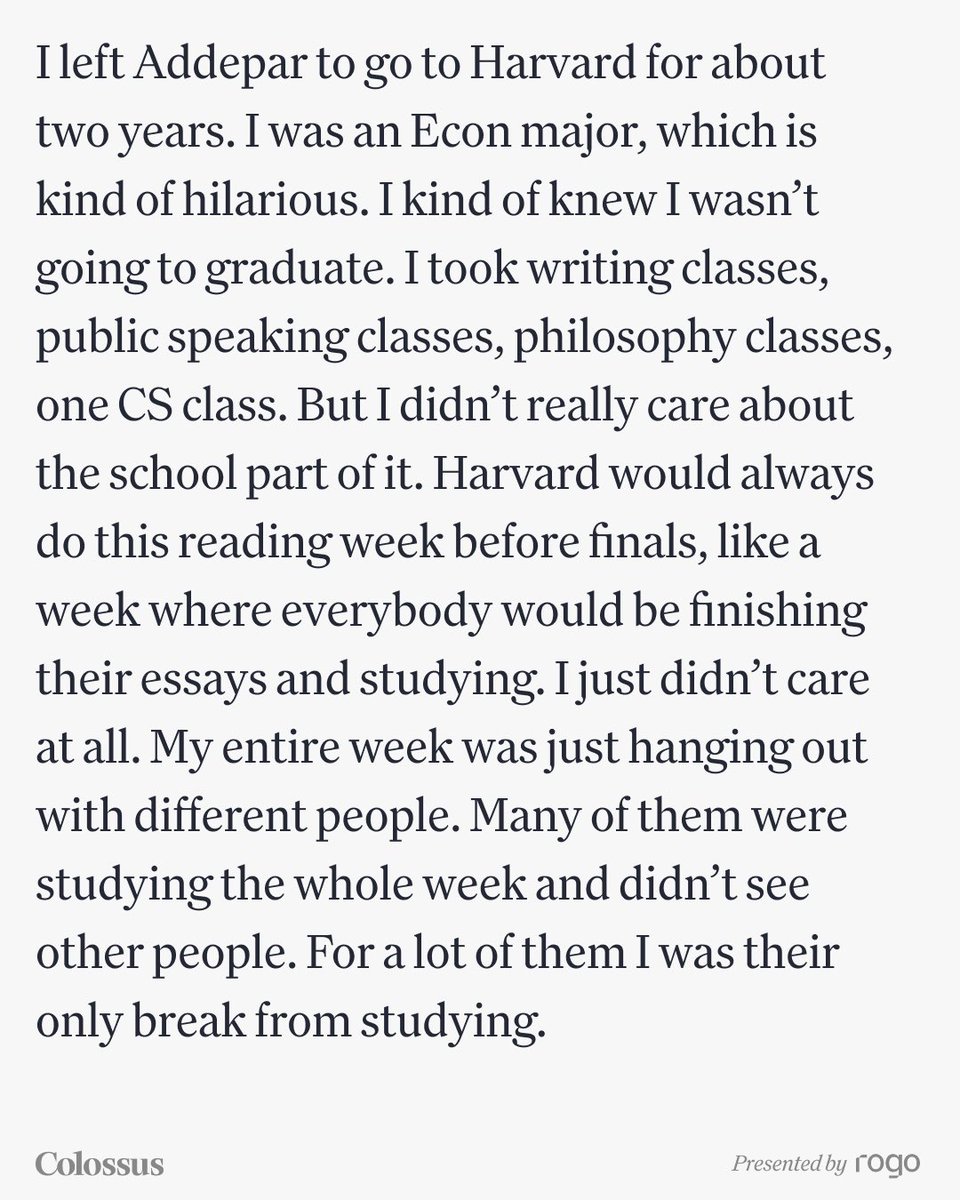
'During the spring semester of his freshman year, Yan enrolled in computer science 124, data structures and algorithms. It is a course taken mainly by sophomores and juniors, and it has a reputation for misery. Students in Harvard’s course guide have described it as “a necessary evil.” One review warned, “No social life. You will be maiden-less.” There were 150 students. Yan, the freshman, finished first, and it was not close.'
Apr 13
This is the story of Hyperliquid, the most profitable startup per employee on earth, told from a guarded office in Singapore.
Last year, its team of 11 generated $900 million in profit. It's 3 years old, has never taken a dollar of venture capital, and is beginning to change how century-old markets work.
Its founder, Jeffrey Yan (@chameleon_jeff), had never taken a physics class when he picked up a textbook at 16. Two years later, he won gold at the International Physics Olympiad. In 2019, he started trading with $10,000 from a living room in Puerto Rico—working off a television because he didn't own a monitor.
Within 3 years, he was running one of the largest anonymous crypto trading firms.
Then he shut it down. Yan was rich and free, but he had spent years inside crypto, watching it betray itself. Bitcoin's central premise was decentralization. Yet the biggest exchanges were centralized. Crypto kept reintroducing the dependence on trust it was built to eliminate. He set out to create what should have existed.
Hyperliquid is a blockchain with a trading exchange on top, and anyone can build on it. Yan's vision is to house all of finance. In 3 years, it has done over $4 trillion in volume. And in the past few months, it has begun to outgrow crypto.
Markets for oil, silver, and the S&P 500 now trade on Hyperliquid around the clock, weekends included, and are growing roughly 40% week on week. When the US and Israel bombed Iran on a Saturday in February, Hyperliquid was the venue traders turned to.
Hyperliquid's success has cost Yan his freedom. He works out of a secret office in Singapore and cannot travel without two bodyguards. Even the team's housekeeper doesn't know what they do.
In January, @domcooke spent a week at their office. Read his profile on Yan and @HyperliquidX below.
5
13
288
70,382
It's an immense privilege to work with Jeremy, who is world-class. Until, that is, he publishes a piece, and you realize you have to follow it.
May 14

If you don't know Jeremy Stern, you probably know his work
He's the man behind the profiles of Palmer Luckey, Neil Mehta, Shyam Sankar, Josh Kushner, and Scott Wu
We talked about :
- what makes someone worth writing about
- how founders can give better interviews
- what to expect if you get profiled
- how to become a better writer
Thank you @colossusjeremy and @colossusmag for what you do!
2
16
2,548
Dom Cooke retweeted

May 14
Jeremy is both an extremely talented writer, and a just a lovely guy.
If you haven't read his work at @colossusmag, you absolutely should.
May 14
If you don't know Jeremy Stern, you probably know his work
He's the man behind the profiles of Palmer Luckey, Neil Mehta, Shyam Sankar, Josh Kushner, and Scott Wu
We talked about :
- what makes someone worth writing about
- how founders can give better interviews
- what to expect if you get profiled
- how to become a better writer
Thank you @colossusjeremy and @colossusmag for what you do!
2
1
8
1,860
What a run
Maybe the most fun (and certainly the biggest) month in ILtB history
- @alex_karnal on the future of bio
- @dylan522p on compute
- @ptj_official on … everything
- @bchesky on ai founder mode
- Krishna on what’s happening inside Anthropic
Thank you to the millions tuning in.
1
11
1,822
Dom Cooke retweeted

May 14
If you don't know Jeremy Stern, you probably know his work
He's the man behind the profiles of Palmer Luckey, Neil Mehta, Shyam Sankar, Josh Kushner, and Scott Wu
We talked about :
- what makes someone worth writing about
- how founders can give better interviews
- what to expect if you get profiled
- how to become a better writer
Thank you @colossusjeremy and @colossusmag for what you do!
May 11
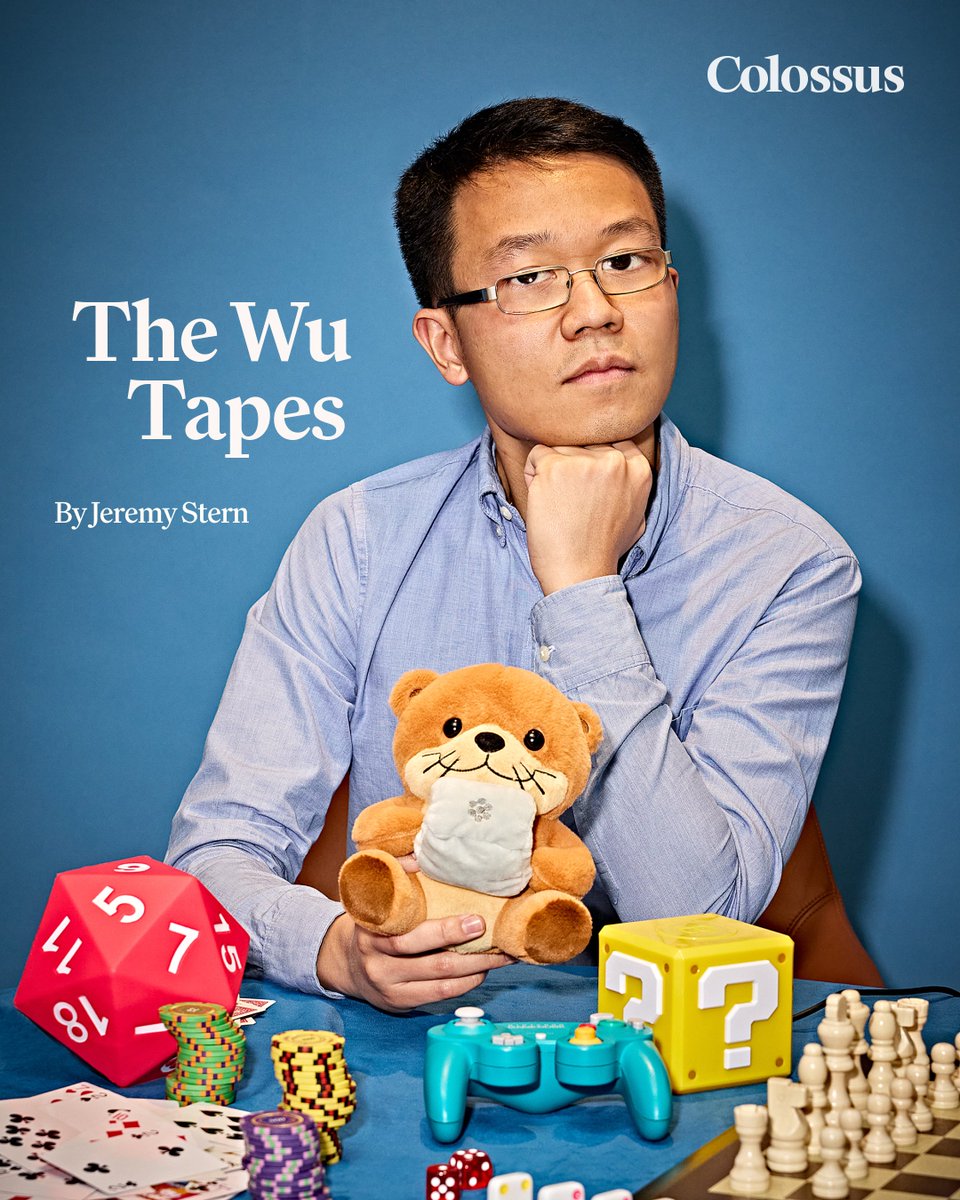
Scott Wu is the co-founder of Cognition AI, one of the fastest-growing companies in history. He’s also the greatest competitive programmer the US has ever produced. You may have seen him doing impossible card tricks and mental math.
You’ve never seen him asked about weed, Michael Jordan, cancer, and human consciousness over a punnet of strawberries. That is what Colossus editor-in-chief Jeremy Stern did on a recent visit to San Francisco.
For those less familiar with @ScottWu46: In 2nd grade, he entered a math competition for 7th graders, lost, and was so furious he still fumes about it 20 years later. The next year he entered the 9th-grade division as a 3rd-grader and got a perfect score.
Then he won first place at the US national middle-school math competition and three straight gold medals at the International Olympiad in Informatics, where he became the greatest American gold-medalist and coach in history.
Most of the people running the biggest AI companies met as teenagers, competing for their countries on international math and science teams. OpenAI’s Greg Brockman, Anthropic’s Dario Amodei, Meta’s Alexandr Wang, to name just a few.
Most agree that the von Neumann among them was Scott Wu.
In November 2023, a few weeks after his mother died of lung cancer, on the day Sam Altman was fired from OpenAI, Wu founded his own AI company: Cognition.
He was 26 and saw earlier than almost anyone that AI would converge on agents that work in the background, 24/7, like coworkers. He shipped Cognition’s AI software engineer Devin in March 2024. It worked poorly, and he took intense public criticism for it.
Now, in its first 18 months of service, Devin has generated $445 million of revenue run rate and usage has doubled every eight weeks. The US Army, Goldman Sachs, and Mercedes-Benz are all customers. Cognition is raising at a valuation around $25 billion.
@JeremySternLA sat down with Wu, the emperor of the nerds, to ask the questions we’d all ask one of the smartest people in America—building the most consequential technology of our generation—if we ever got the chance.
As well as MJ and weed, they talk about the cluster of competitive math prodigies behind so much of AI, what makes us human when AGI arrives, and why Wu believes he was put on this earth to teach AI how to code.
Read the piece below.
24
28
503
222,966
Dom Cooke retweeted
Krishna Rao is the CFO of Anthropic, and this is his first podcast appearance.
He joined the company two years ago when run-rate revenue was about $250M. Today it is $30B. He has helped raise ~$75B and is responsible for the procurement and allocation of compute.
I feel lucky we get to hear what it is like to sit inside a company this consequential at a moment this pivotal.
We discuss:
- The cone of uncertainty
- How he allocates compute across Trainium, TPUs, and GPUs
- What investors misunderstand about model companies
- Why the returns to frontier intelligence keep rising
- Platform vs application and where Anthropic builds its own products
- How Anthropic uses Claude internally
I have asked my closing question about the kindest thing more than 500 times. Krishna's answer is one I have never heard before.
Enjoy!
Timestamps:
0:00 Intro
2:38 The Compute Canvas
6:51 The "Cone of Uncertainty"
11:58 Why the Returns to Frontier Intelligence Are So High
16:45 Recursive Self-Improvement
20:20 Scaling Laws
23:30 Sourcing $100 Billion in Compute
28:05 Platform vs. Application Strategy
32:52 Pricing Dynamics
38:48 How Anthropic’s Finance Team Uses Claude
43:24 Raising Capital & Overcoming Investor Skepticism
52:32 Public Perception, Risks, and Government Regulation
57:25 Mythos Release
1:12:33 What Could Derail the AI Revolution?
1:13:47 Biotech and Healthcare
1:15:31 The Kindest Thing
94
802
6,809
3,209,944
Dom Cooke retweeted
May 12
Harvard is intense. Unless you're Scott Wu.
May 11
Scott Wu is the co-founder of Cognition AI, one of the fastest-growing companies in history. He’s also the greatest competitive programmer the US has ever produced. You may have seen him doing impossible card tricks and mental math.
You’ve never seen him asked about weed, Michael Jordan, cancer, and human consciousness over a punnet of strawberries. That is what Colossus editor-in-chief Jeremy Stern did on a recent visit to San Francisco.
For those less familiar with @ScottWu46: In 2nd grade, he entered a math competition for 7th graders, lost, and was so furious he still fumes about it 20 years later. The next year he entered the 9th-grade division as a 3rd-grader and got a perfect score.
Then he won first place at the US national middle-school math competition and three straight gold medals at the International Olympiad in Informatics, where he became the greatest American gold-medalist and coach in history.
Most of the people running the biggest AI companies met as teenagers, competing for their countries on international math and science teams. OpenAI’s Greg Brockman, Anthropic’s Dario Amodei, Meta’s Alexandr Wang, to name just a few.
Most agree that the von Neumann among them was Scott Wu.
In November 2023, a few weeks after his mother died of lung cancer, on the day Sam Altman was fired from OpenAI, Wu founded his own AI company: Cognition.
He was 26 and saw earlier than almost anyone that AI would converge on agents that work in the background, 24/7, like coworkers. He shipped Cognition’s AI software engineer Devin in March 2024. It worked poorly, and he took intense public criticism for it.
Now, in its first 18 months of service, Devin has generated $445 million of revenue run rate and usage has doubled every eight weeks. The US Army, Goldman Sachs, and Mercedes-Benz are all customers. Cognition is raising at a valuation around $25 billion.
@JeremySternLA sat down with Wu, the emperor of the nerds, to ask the questions we’d all ask one of the smartest people in America—building the most consequential technology of our generation—if we ever got the chance.
As well as MJ and weed, they talk about the cluster of competitive math prodigies behind so much of AI, what makes us human when AGI arrives, and why Wu believes he was put on this earth to teach AI how to code.
Read the piece below.
7
25
483
149,286