
CTO at Onboarded - AI Native Compliance Infrastructure for HR
Joined September 2008
- Tweets 1,022
- Following 1,744
- Followers 403
- Likes 3,807
66 Photos and videos




Ben Jacobson retweeted

Jun 10
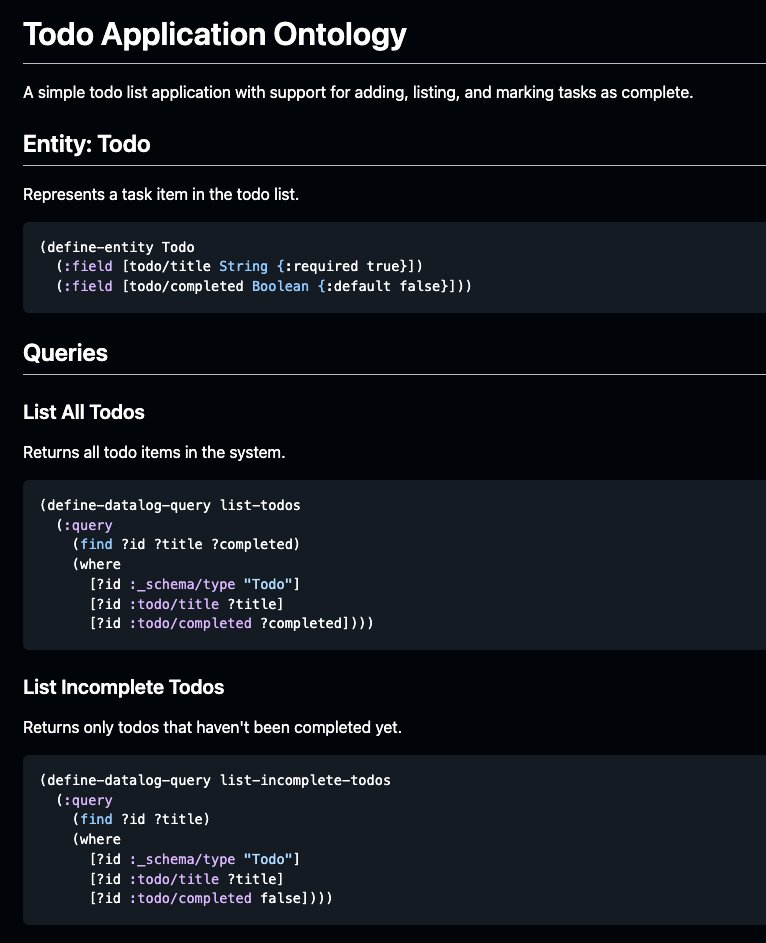
What about a lisp that elaborates into Effect flavored typescript?
1
1
4
1,021
Ben Jacobson retweeted

Jun 10
Very smart and worth a read.

7
26
664
371,844
Jun 10
It all converges to lisp in the end
Jun 9

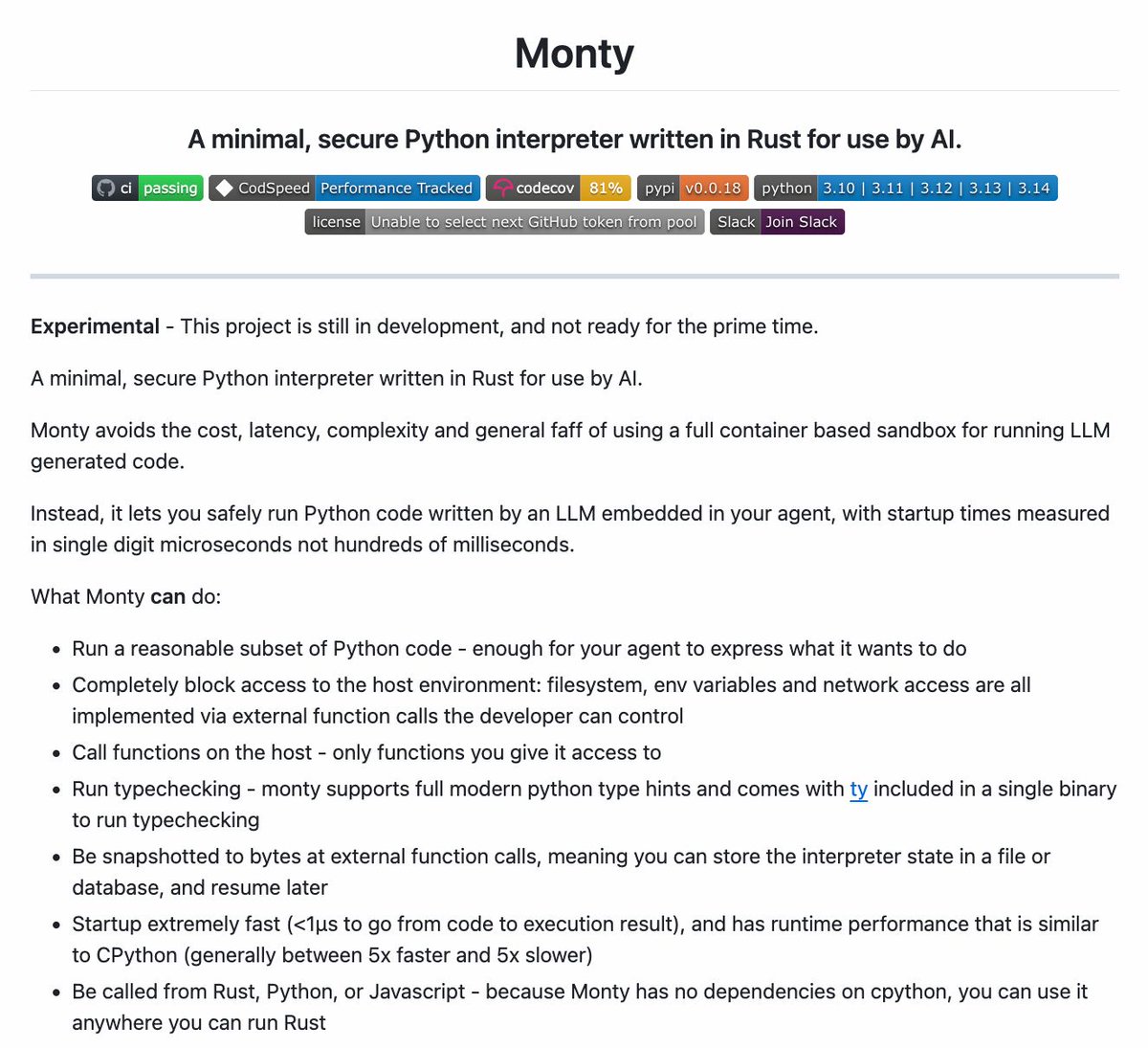
Docker for AI Agents is officially over 🤯
Pydantic open-sourced a new way to run LLM-generated code that:
- does not need Docker.
- does not spin up containers.
- does not call any cloud sandbox.
- does not cost a cent to run.
It's called Monty.
Instead of spinning up a Docker container every time your agent writes code,
it runs Python directly in your own process, locked down by a tiny Rust interpreter that controls every filesystem, network, and env call.
boots in 0.06ms. ~3,000x faster than a Docker container.
snapshots execution to bytes so you can pause and resume mid-run.
no containers. no images. no daemon.
100% open source.
1
94
Jun 5
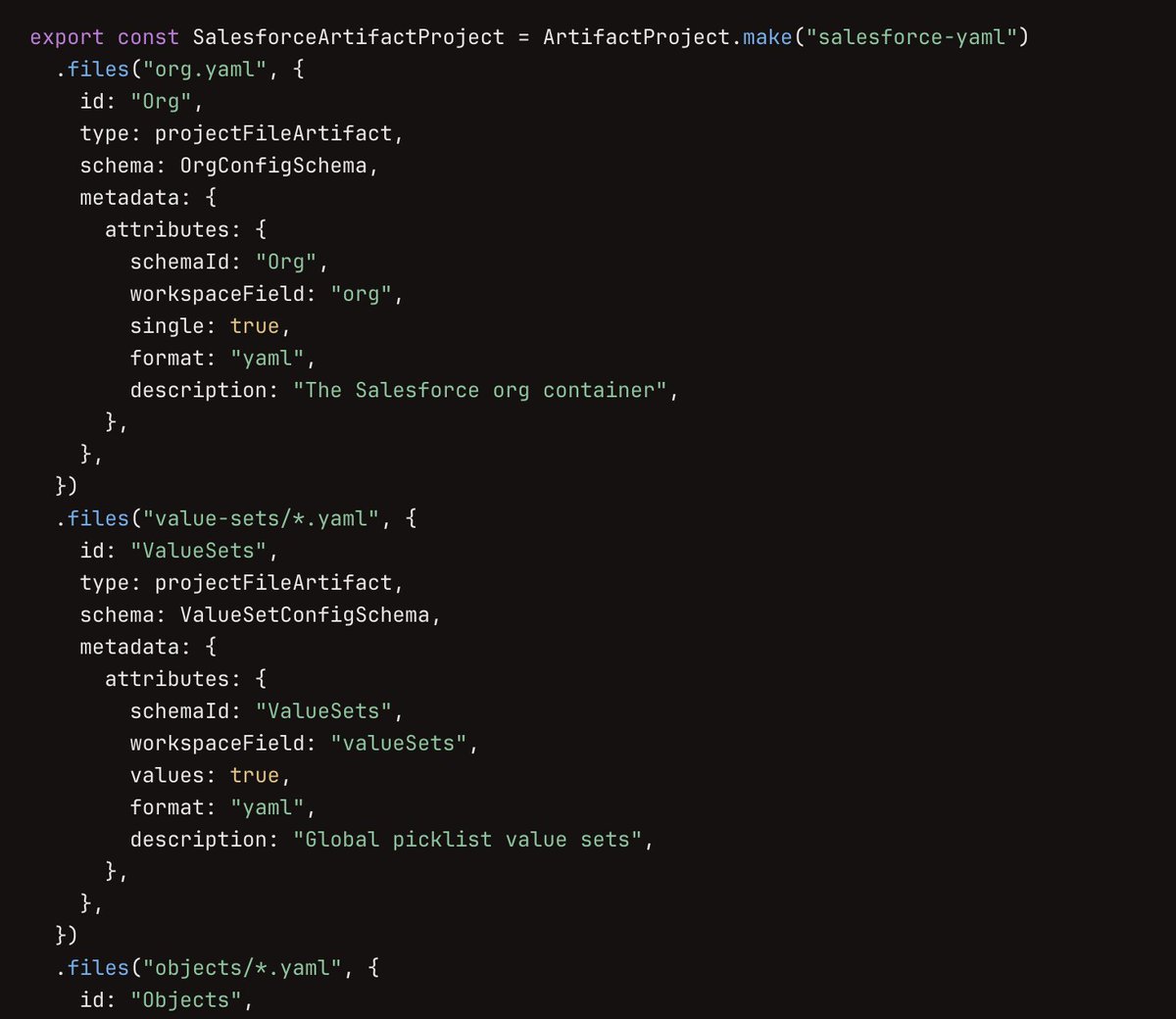
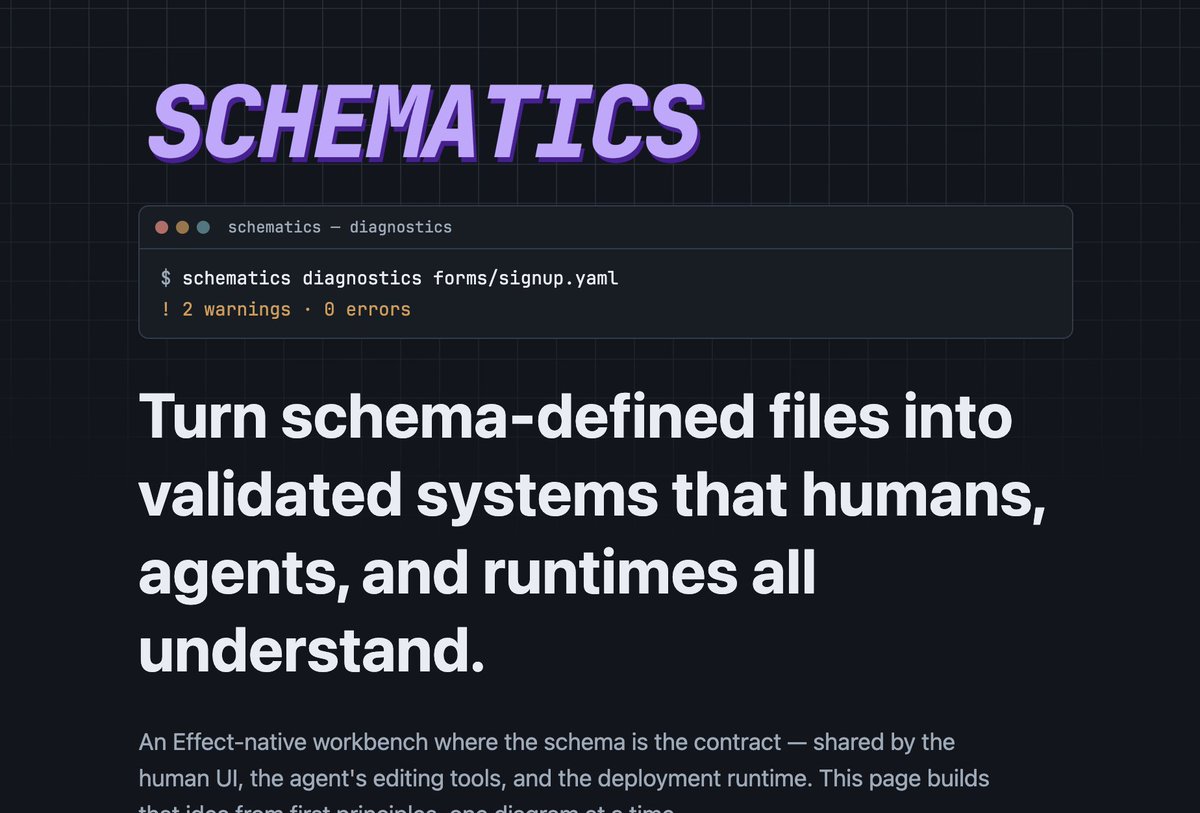
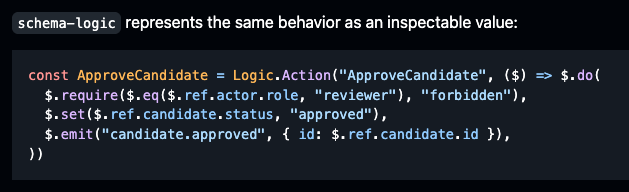
What if you could use @EffectTS_ Schema to define a project/workspace/filesystem, register tools per file, express cross file/schema validations, render different components for different files/schemas in an IDE like editing surface for a meta-config-as-code platform
2
13
586
Jun 5
Deploy pipeline pull/plan/apply workflow similar to Terraform/Alchemy lets you pull config from a source and drive and reveiw changes then deploy
1
130
Ben Jacobson retweeted

Jun 4
going nuts because no AI app lets you have separate windows per repo/workspace (y'know, like IDEs did for 30 years)
plz fix @ claude codex conductor cursor
16
4
114
8,667
Ben Jacobson retweeted
Jun 1
We should write down the sequence of events for the eventual documentary 🙌
1
1
111
Ben Jacobson retweeted
Jun 1
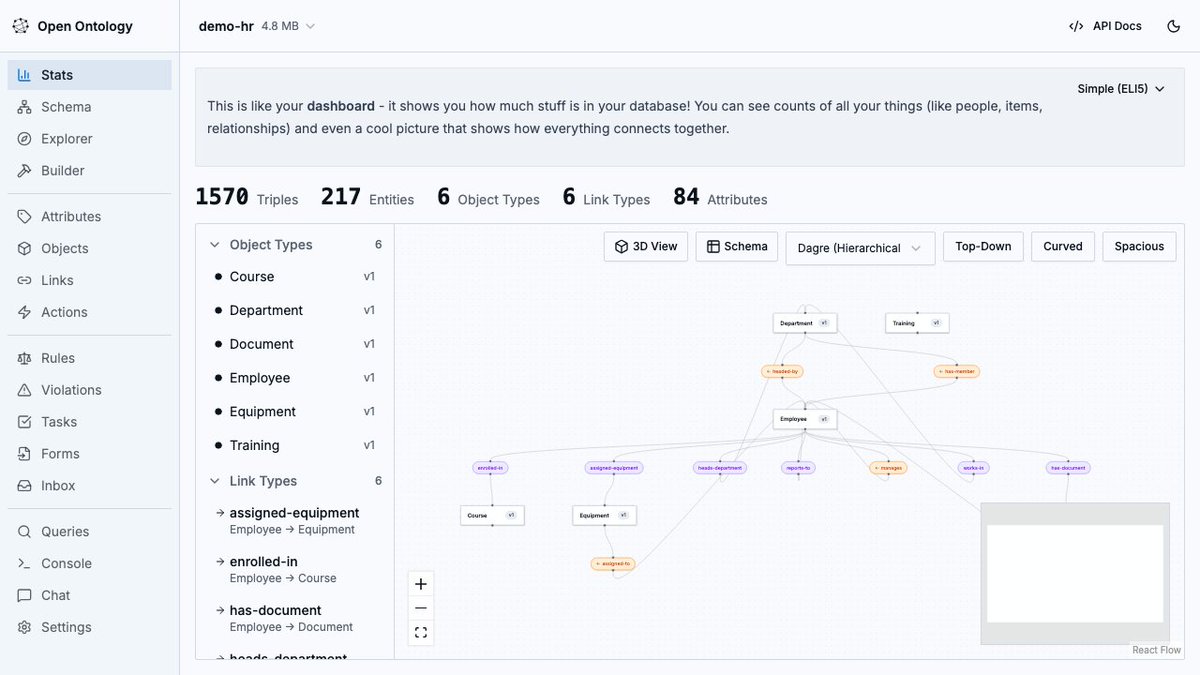
My thoughts are still evolving, and I do appreciate how crazy this sounds: it started a few months ago with an idea called Open Ontology, my goal was to build a Palantir-like way to model operational ontologies. This turned into a triplestore, kind of similar to event sourcing, but on a attribute/entity/transaction level. I got that working as an Effect library, pluggable storage (sqlite/durable objects/pg/fndb/etc). I then needed a query engine, so I built a datalog engine on top of that triplestore. Then I needed a way to model the actions and mutations and constraints. Then compose those into workflows, then allow users to define views, etc. at some point I realized I wasn't really building a datastore anymore, I was trying to model the operational semantics of an organization, and every layer kept wanting to become declarative (because I am a BIG schema fan). I wanted workflows to be data, then actions to be data, then permissions to be data, then views to be data, then eventually logic itself wanted to be data, just like HttpApi. I could do this with Schema, but if the goal was to embed in markdown, why limit to typescript? The goal is also not authoriing ergonomics, its reading ergonomics. This culminated in the idea of embedded a lisp dsl into markdown, allowing a markdown file to function as both the spec as well as the implementation. Lisp serving as a harness for highly concise dsls. However, it needed HM type checking and built in support for effect and schema modeling. So I set down the path of building a custom lisp to support this concept. I'm currently calling this language Forma. In the end I have the whole system mostly working including LSP and IDE support, terraform style deployments with git / PR like ux, and a runtime to actually run the entire graph. Because it is lisp, it is homoiconic, everything is completely auditable, the data, the actions, the schema, the execution, and the evolution. I can argue Schema is also a Lisp, and could get all the same benefits, but the lisp syntax turned out really clean. I haven't open sourced it yet, because that is a one way door and I don't have a lot of open source experience. Some domains I am playing with:
open-ontology.com (thinking a way to share ontology definitions- Employees, Departments, Projects, etc. as a public library of operational ontologies, or modules like Stipe of Salesforce)
ontology.run (maybe a hosting service for the above, but not sure yet)
forma-lang.com (the lisp dsl for executable declarations, with built in effect and schema modeling, and an elaboration phase for designing custom dsls)
meta-effects.com (my attempt to put a name to the primitive, the company behind the above, maybe a consulting / implementation shop for organizations that want to use this technology, tbd)
Again, I know this is crazy, and very much an LLM induced psychosis, but I think LLMs should make our ambitions with software much bigger, and this is mine
6
1
9
1,355
Jun 1
This is what I am currently spending my llm psychosis tokens on
Jun 1

My thoughts are still evolving, and I do appreciate how crazy this sounds: it started a few months ago with an idea called Open Ontology, my goal was to build a Palantir-like way to model operational ontologies. This turned into a triplestore, kind of similar to event sourcing, but on a attribute/entity/transaction level. I got that working as an Effect library, pluggable storage (sqlite/durable objects/pg/fndb/etc). I then needed a query engine, so I built a datalog engine on top of that triplestore. Then I needed a way to model the actions and mutations and constraints. Then compose those into workflows, then allow users to define views, etc. at some point I realized I wasn't really building a datastore anymore, I was trying to model the operational semantics of an organization, and every layer kept wanting to become declarative (because I am a BIG schema fan). I wanted workflows to be data, then actions to be data, then permissions to be data, then views to be data, then eventually logic itself wanted to be data, just like HttpApi. I could do this with Schema, but if the goal was to embed in markdown, why limit to typescript? The goal is also not authoriing ergonomics, its reading ergonomics. This culminated in the idea of embedded a lisp dsl into markdown, allowing a markdown file to function as both the spec as well as the implementation. Lisp serving as a harness for highly concise dsls. However, it needed HM type checking and built in support for effect and schema modeling. So I set down the path of building a custom lisp to support this concept. I'm currently calling this language Forma. In the end I have the whole system mostly working including LSP and IDE support, terraform style deployments with git / PR like ux, and a runtime to actually run the entire graph. Because it is lisp, it is homoiconic, everything is completely auditable, the data, the actions, the schema, the execution, and the evolution. I can argue Schema is also a Lisp, and could get all the same benefits, but the lisp syntax turned out really clean. I haven't open sourced it yet, because that is a one way door and I don't have a lot of open source experience. Some domains I am playing with:
open-ontology.com (thinking a way to share ontology definitions- Employees, Departments, Projects, etc. as a public library of operational ontologies, or modules like Stipe of Salesforce)
ontology.run (maybe a hosting service for the above, but not sure yet)
forma-lang.com (the lisp dsl for executable declarations, with built in effect and schema modeling, and an elaboration phase for designing custom dsls)
meta-effects.com (my attempt to put a name to the primitive, the company behind the above, maybe a consulting / implementation shop for organizations that want to use this technology, tbd)
Again, I know this is crazy, and very much an LLM induced psychosis, but I think LLMs should make our ambitions with software much bigger, and this is mine
80

May 31
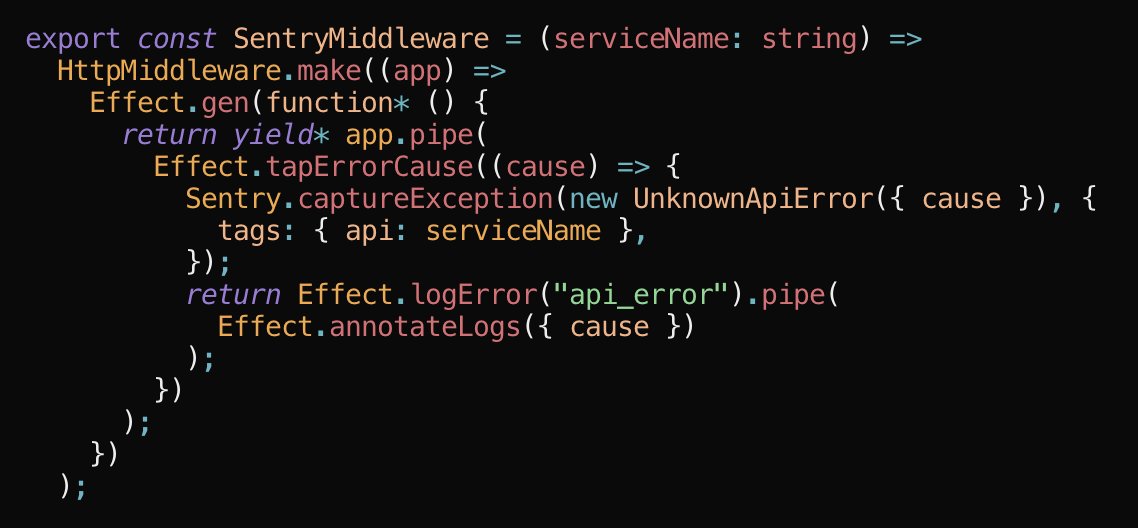
I fully adopted @EffectTS_ the day typescript fixed the issue forcing an adapter in the gen syntax. We owe a lot to that one PR by @ahejlsberg
2
2
26
6,969
May 7
its not immediately obvious if you have un-committed or un-pushed changes in Codex @OpenAIDevs
2
66