Assistant Professor of History @K_University. Fellow @CH_MENAP & @GulfStatesInst. PhD @Georgetown. EdM & MTS @Harvard. MA @SOAS.
Joined May 2013
- Tweets 4,357
- Following 761
- Followers 18,965
- Likes 5,374
433 Photos and videos
Pinned Tweet

8 Sep 2019
الحمدلله الذي بنعمه تتم الصالحات. نلت درجة دكتوراة الفلسفة في التاريخ بامتياز مع مرتبة الشرف من جامعة جورجتاون في مايو ٢٠١٩. عنوان الأطروحة "إسلام إصلاحي؟ تجديد الفكر الإسلامي وممارساته في الجزيرة العربية في العصر الحديث والمعاصر."
80
45
597
Bader Al-Saif بدر السيف retweeted

May 20
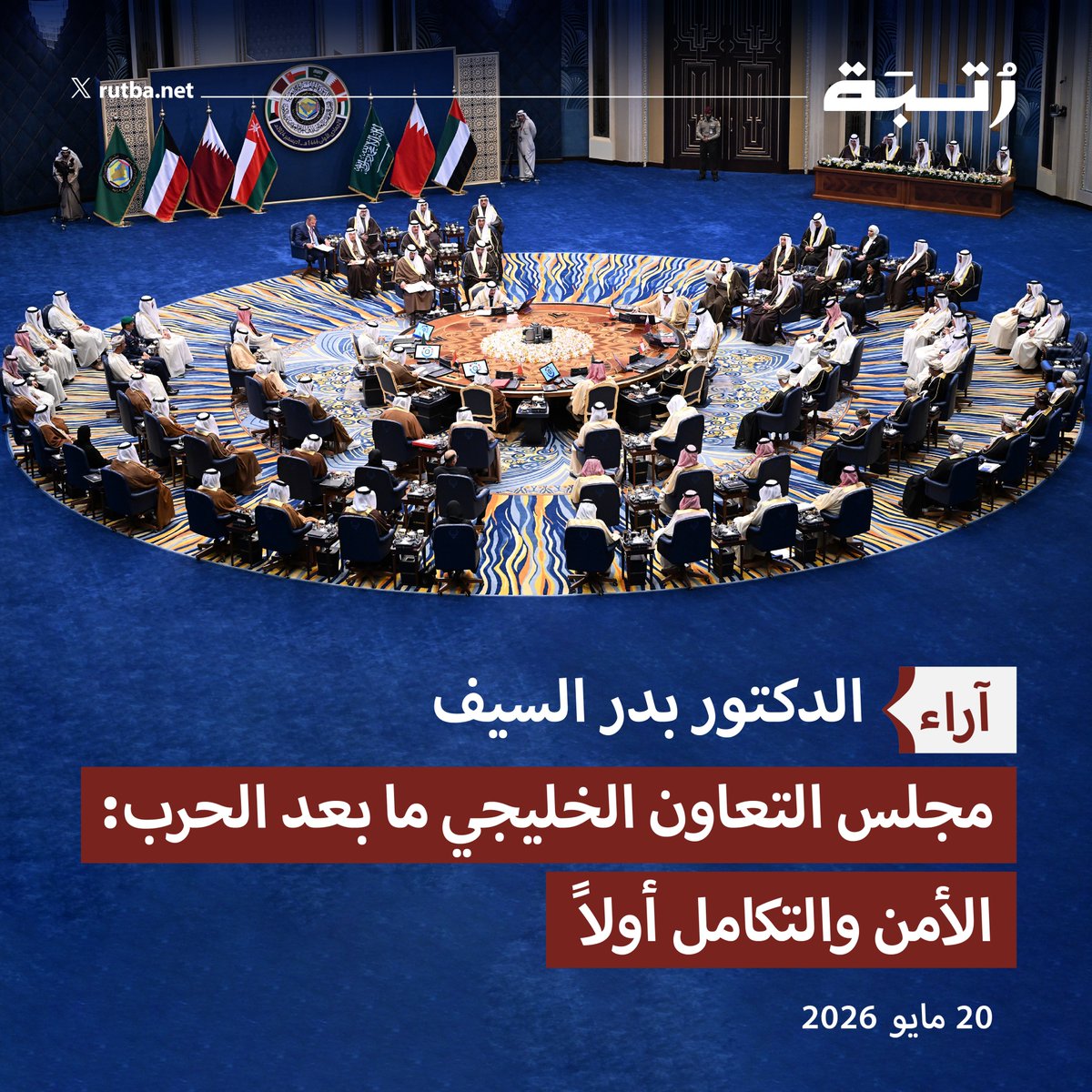
كيف تبدو ملامح التوجه الذي قد يسلكه مجلس التعاون الخليجي خلال المرحلة المقبلة؟
وكيف يمكن للمجلس أن يسهم بفعالية في صياغة الترتيبات الإقليمية الجديدة وبناء هيكل أمني أكثر استقراراً؟
في مقاله "مجلس التعاون الخليجي ما بعد الحرب: الأمن والتكامل أولاً"، يستعرض الدكتور بدر السيف المشاريع الخليجية الستّة التي تم ذكرها في البيان الإعلامي للمجلس بمناسبة انعقاد اللقاء الخليجي الأول منذ اندلاع الحرب، ويناقش الدكتور ضرورة تحويل هذه المشاريع لواقع ملموس وفعّال لأهميتها في تعزيز دور المجلس وقدرته على التأثير.
@bmalsaif
7
14
60
721,377
Bader al-Saif, a Kuwaiti academic, also noted how Oman was far from the first Gulf state to face Trump’s abrasive style of diplomacy.
“This is his unfortunate style,” al-Saif said of Trump. “We can’t allow him to drag us into his way of operations — it’s not how we respond. We’re not in a boxing match.”
ft.com/content/a25ad28c-f360…
2
2
7
1,508
Besides anger at Iran, the mood toward the U.S. in Kuwait and the rest of the Gulf has been frustration, said Bader Al-Saif,“We’ve been the sacrificial lamb.”
The failure of negotiations to reach a conclusive end to the war doesn’t bode well for U.S.-Gulf ties, Al-Saif said.
“We are witnessing a changing U.S., and as a result, a changing Kuwait as well,”
“Maintaining the same old dynamic is not going to hold.”
Al-Saif said attacking the airport was symbolic, targeting an icon of Kuwait’s recovery. wsj.com/world/middle-east/ir…
29
37
139
26,969
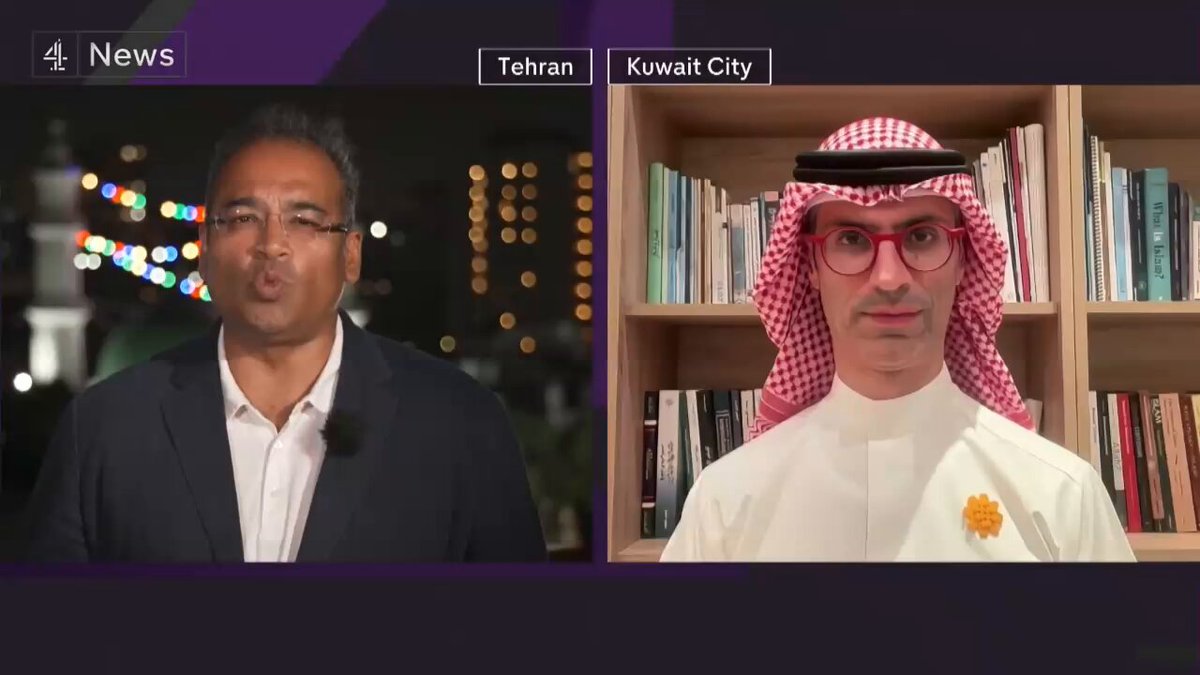
The Gulf states are in constant rethink mode as they and the region are changing. Spoilers like Israel and Iran (and their backers) need to be addressed too if the region is to be shared responsibly. Prosperity is an end goal and a process, and it is not limited to the Gulf region. No one deserves the death and mayhem the Middle East has been facing for decades. With @krishgm @Channel4News
4
5
23
2,785
Plausible deniability and blatant lies have long been part of the Iranian playbook. Denying Kuwait’s airport attack, despite clear evidence, is unsurprising. Widening the scope of conflict and avoiding its root causes won’t serve anyone. With @krishgm @Channel4News
12
9
34
3,573
Bader Al-Saif بدر السيف retweeted

Jun 3
‘Part of the Iranian playbook’ to deny attack on Kuwait airport
channel4.com/news/part-of-th…
3
6
19
9,056
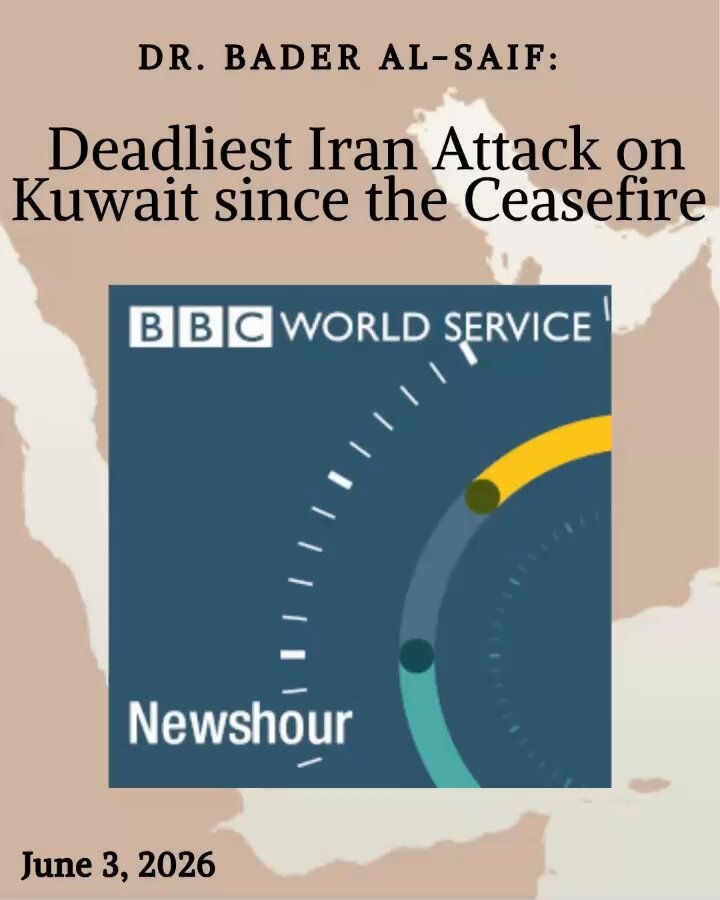
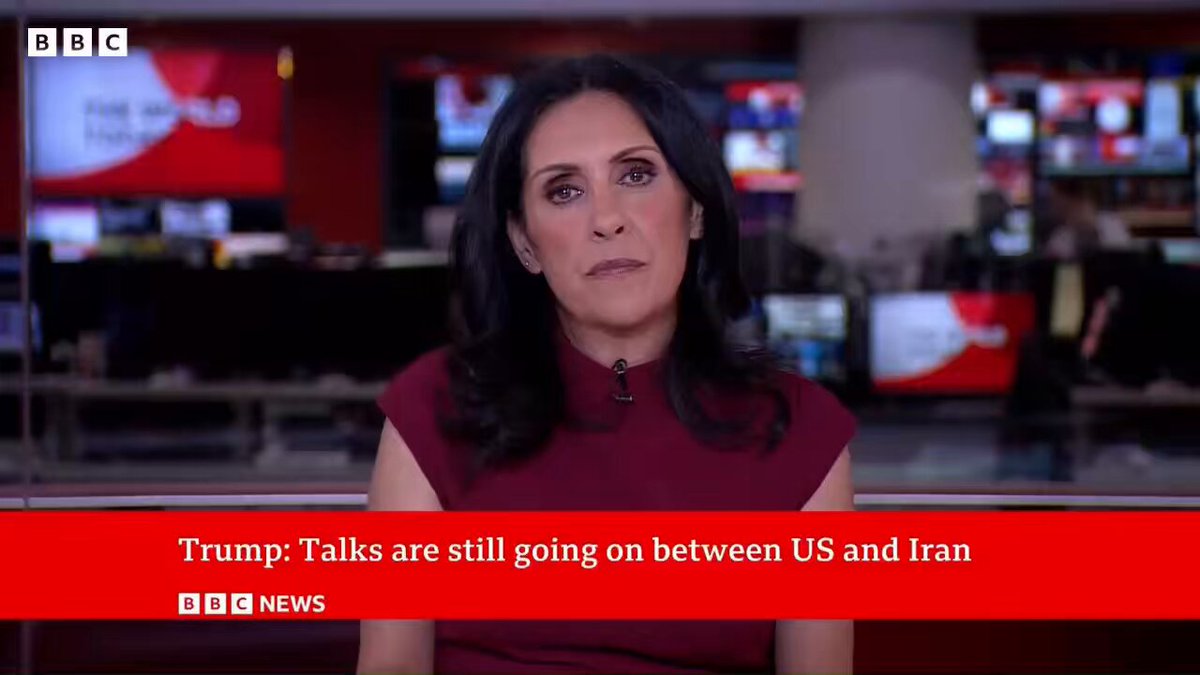
Today was the deadliest Iranian attack on Kuwait since the “ceasefire” took effect. More on what that means on the BBC.
3
7
21
1,210
Kuwait “continues to unjustly bear the cost of Iranian and American irresponsible action,”
“We have the unique chance to use the four [IRGC] operatives [held in Kuwait] as leverage for Kuwait’s own direct deal with Iran, which is overdue,” Al-Saif said. bloomberg.com/news/articles/…
35
27
82
11,679
Bader Al-Saif بدر السيف retweeted

Jun 3
“A sleepless night,” that’s how @bmalsaif describes the mood in Kuwait City after Iran attacked the airport, killing one person and injuring more than 60 others. (1/4)
8
24
96
17,968
Three Iranian attacks on Kuwait in a week even when none of the three US attacks on Iran came from #Kuwait. Iran is reeling from Kuwait’s capture of four IRGC operatives infiltrating Kuwaiti lands last month and using US attacks as an alibi. Negotiations, not attacks, land results.
29
43
146
11,852
The trust deficit between Iran and the US should not hold both back from arriving at a verifiable deal. Short of a deal, a return to war and a frozen conflict are the other options. Working on a deal is the preferred route, but it is not an easy endeavor given the set of actors involved across the board.
It should also be a holistic deal. Fixation on the enriched uranium and nuclear program will only delay conflict, not resolve it. Part of my interview earlier today with @BBCMaryam.
1
3
8
1,660
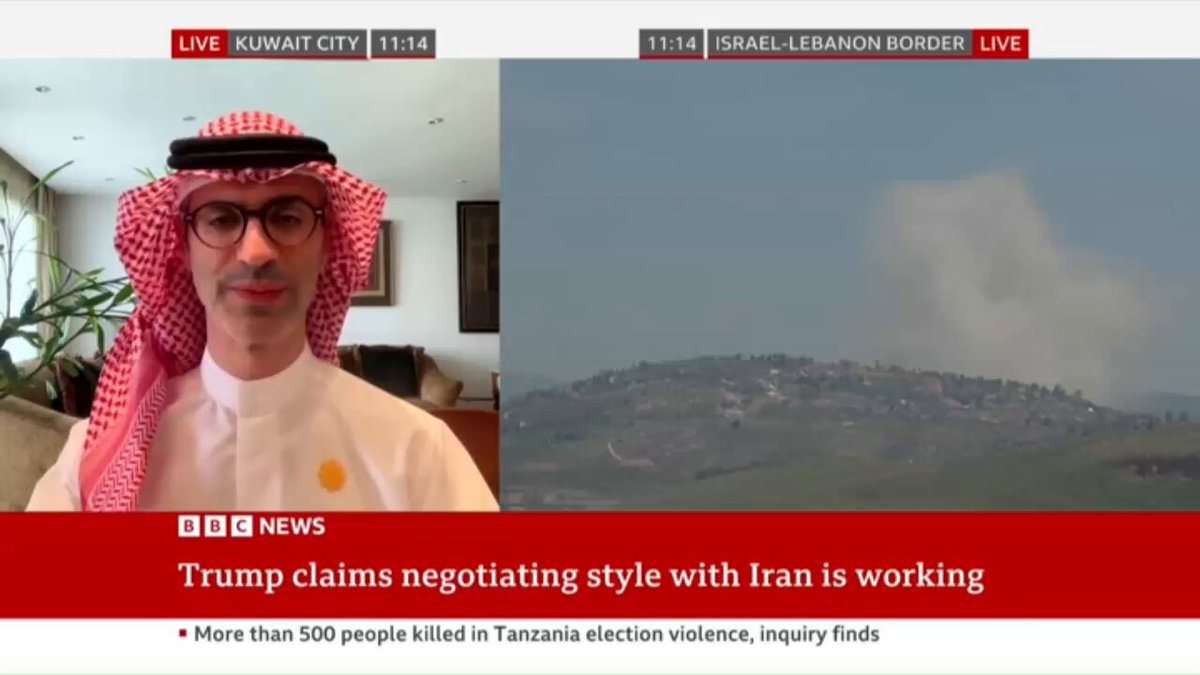
Iran attacks Kuwait…again. What does that mean for #Kuwait, the region, and the parameters of the conflict? My two cents on the BBC.
2
9
10
4,641
Bader Al-Saif بدر السيف retweeted

May 17
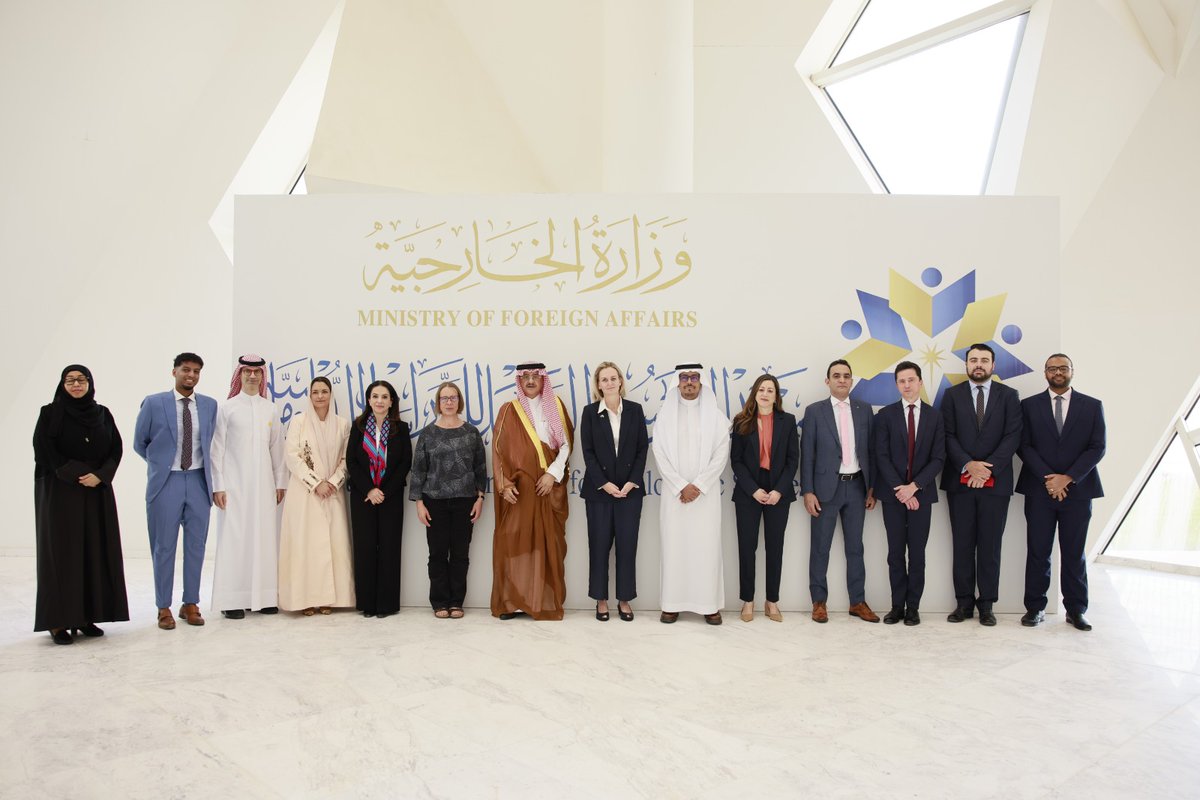
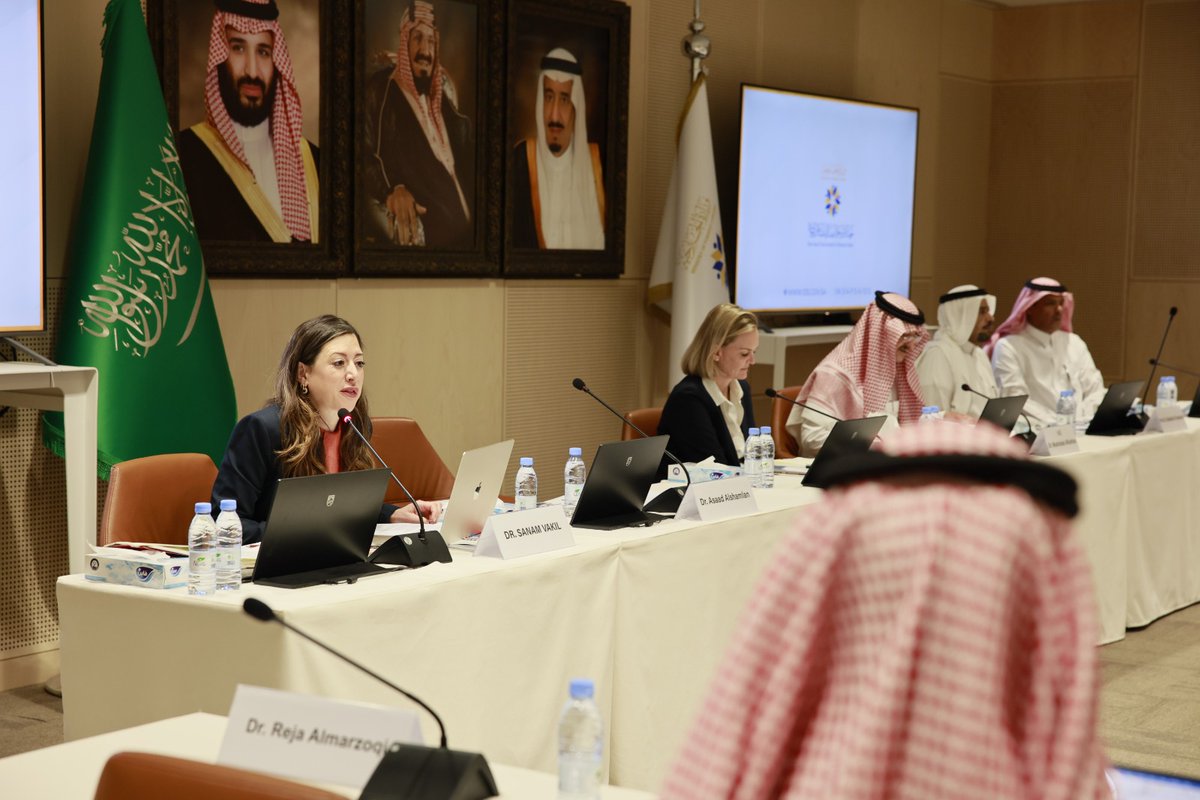
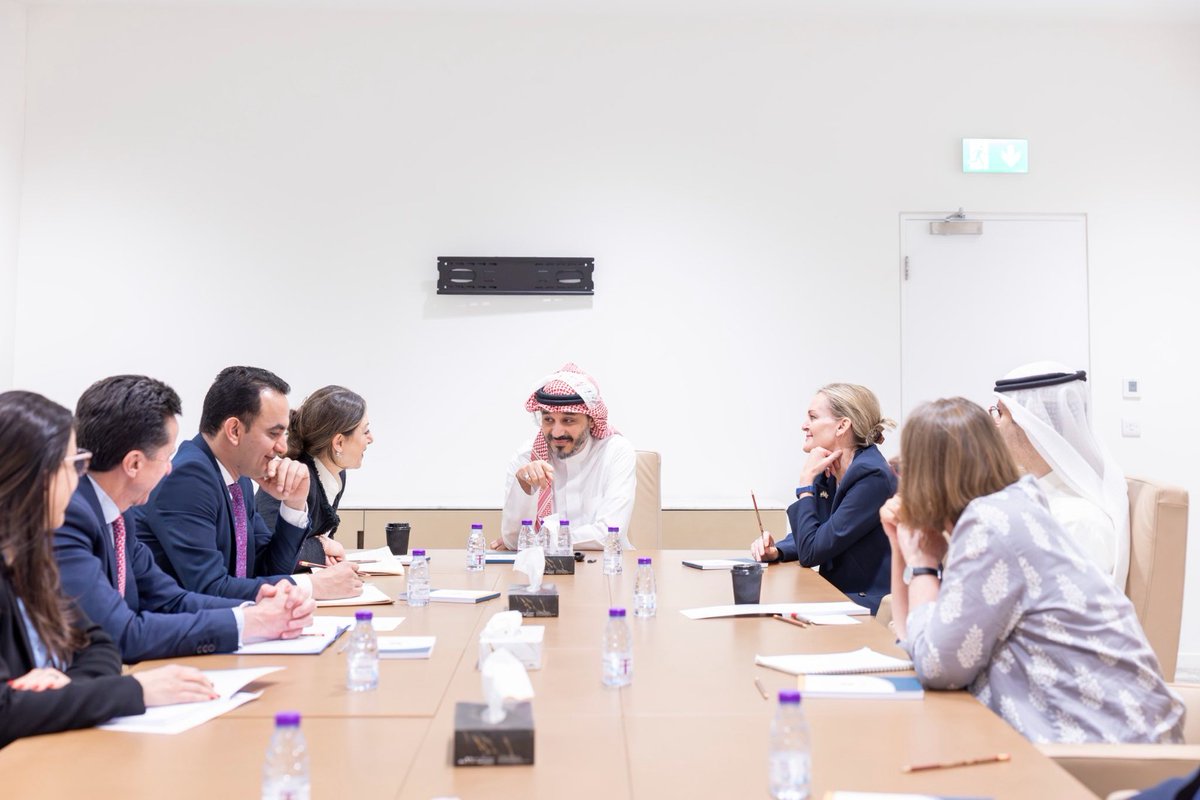
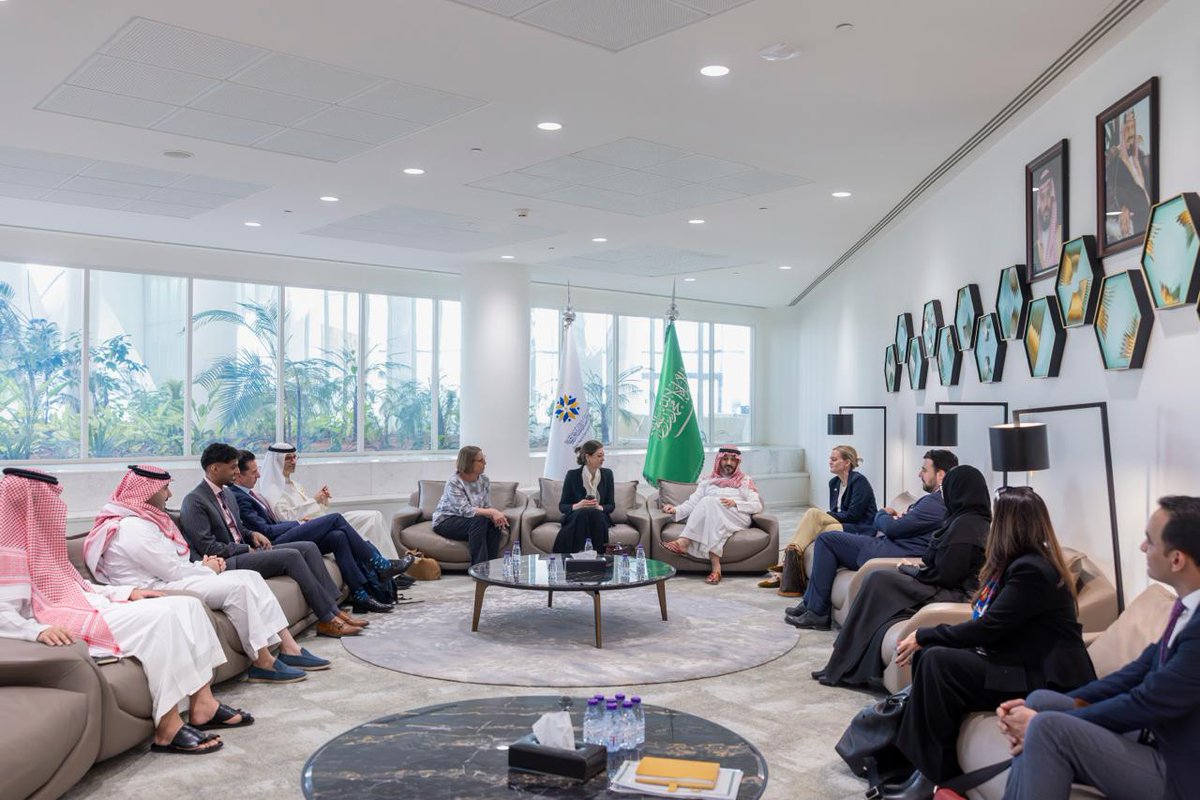
In cooperation with @KSAPSAIDS, a delegation from @CH_MENAP concluded the Saudi-British Strategic Dialogue in #Riyadh last week, following a counterpart delegation’s visit to London last November.
1
12
25
8,104
May 16
Gulf states such as the UAE and Saudi Arabia have long pursued diversified trade relationships and supply chains, and will still do so regardless of how the conflict ends, said Al-Saif.
“The more corridors, the merrier,” he said. “The new way of thinking is to revive old-style trade routes into a more modernised version where it’s not only overland, it’s multi-modal, an integrated system where you bring in sea, air and rail.”
The UAE, Saudi Arabia and Oman are already working on expanding their domestic rail networks and establishing cross-border connections.
agbi.com/analysis/transport/…
2
14
41
6,530
May 11
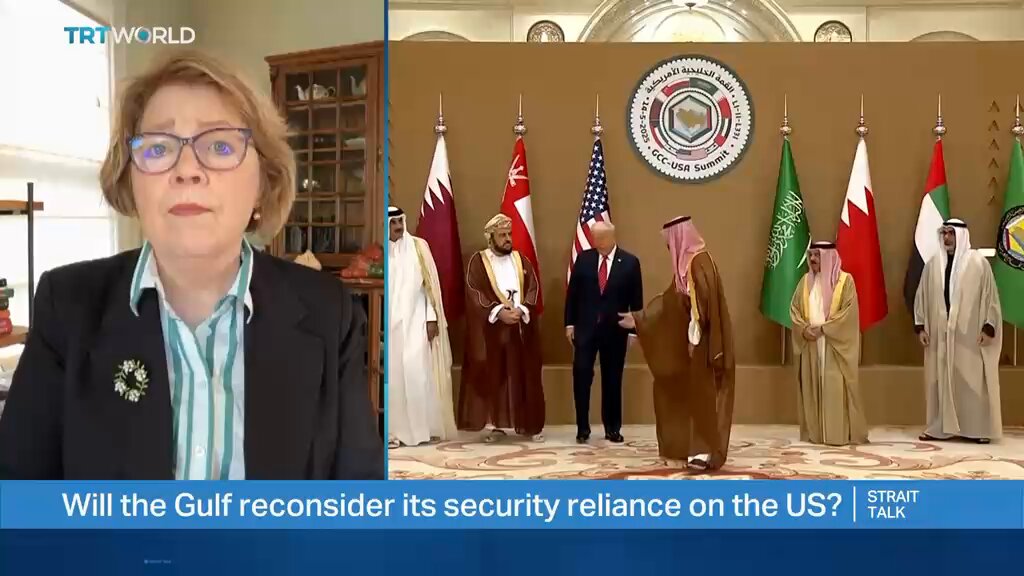
The US security umbrella has holes and that’s no surprise. It speaks to a shifting landscape in the US and the Gulf. The Gulf states need to recalibrate their defense partnerships while prioritizing independent tools and regional security without losing sight of international collaboration. Pleasure speaking alongside @SafiraLeaf and Hamidreza Gholamzadeh. @trtworld
1
4
15
1,613
May 10
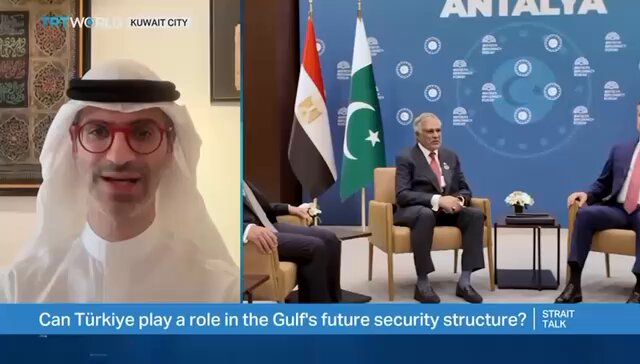
The stakes could not be higher in the Middle East, and it is due to the irresponsible activity of all culprits: the US-Israel and Iran. Regional security is a must and it should be premised on agency, parity, diverse partnerships, and win-win initiatives. @StraitTalkTRT @trtworld, May 8.
1
6
23
2,473
Joined the BBC Weekend Program earlier today to discuss the latest in the Iran-US War: a tenuous ceasefire, tense skirmishes, attacks on the UAE, the negotiations, and the preferred end state for the region.
1
3
10
1,203
Bader Al-Saif بدر السيف retweeted
May 7
'The crisis could push countries such as Qatar, Kuwait and Bahrain to also develop pipeline networks as an alternative to tanker ships... They can't just rely on one route to transport oil and gas,' says @bmalsaif via @BBC.
bbc.co.uk/news/articles/c0k2…
6
8
7,208
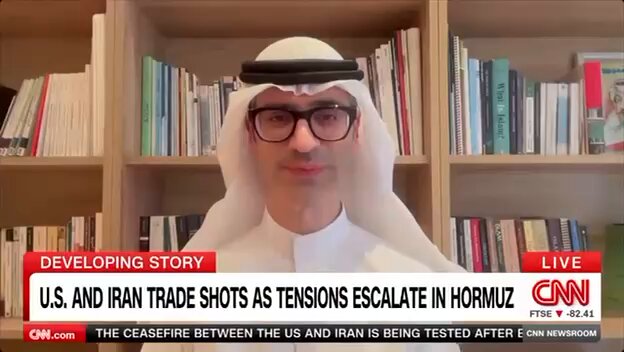
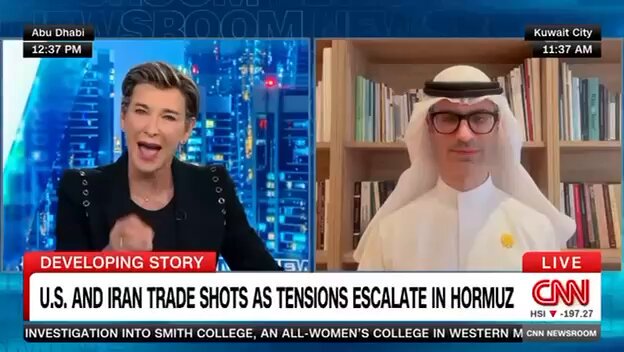
A glut of operations has not served the US well, moving from Epic Fury to Economic Fury to Project Freedom with the latter paused earlier today just after its launch two days ago. Nor does the IRGC blockading Hormuz and attacking its neighbors resolve the matter. A negotiated settlement is the only way out, and that's where everyone's energy should be expended. With @BeckyCNN
3
8
43
10,949