Time is everything
Joined July 2022
- Tweets 144,910
- Following 7,323
- Followers 2,742
- Likes 272,123
4,557 Photos and videos










Boldtiming retweeted

Jun 16
"Women wait at the finish line for successful males"
This another Red Herring Pill from Rollo and then amplified by guys like Rich Cooper.
** No woman waits for anything **
Let alone waiting at the finish line.
Women are getting fucked by bartenders on a dirty toilet seat or in the stock room and getting filled with creampies in the club house by golf pro's and wealthy married executives while the race is still on or awards are being handed out.
They'll get to the winners in due time.
But women aren't waiting for anyone.
9
15
213
16,773
Boldtiming retweeted
Female psychology hasn't changed in 200,000 years. What has changed is that males were feminized and emasculated.
And every bad thing in society comes from and flows from feminized and emasculated males.
And that is most males for several centuries now (in the West) have been.
1
2
25
Boldtiming retweeted

It's about living beyond your mistakes in wisdom, and escaping the matrix to know all that matters is peace, quiet & happiness.
1
7
88
Boldtiming retweeted

Why is everybody obsessed with what dudes do with their body?
Does everybody have a Jesus complex?
Personally, it’s all slightly nauseating to be worried about what someone does with their penis.
In reality, if you edge your bone, nothing is coming out lol but nobody talks about that 😂
@grok 👇
• The claim originates from Dr. Stephen Chang, a Taoist health advocate, equating one ejaculation’s semen loss (typically 2-5 ml) to the nutrients in 2 NY steaks, 10 eggs, 6 oranges, and 2 lemons.
• Scientific data shows one ejaculation contains only 5-25 calories, ~0.25g protein, trace vitamin C, and small amounts of zinc (~1-3 mg, up to ~7% DV in some estimates), far below the foods listed.
• Nutrient loss is negligible compared to daily requirements and is quickly replenished by normal diet; no peer-reviewed evidence supports the equivalence.
1
8
2,291
Boldtiming retweeted

🚨: Scientists discovered that kimchi adheres to microplastics in the intestine and eliminates them through waste.


156
664
11,322
621,030
Boldtiming retweeted

its kind of hilarious how the healthier you get the more you just turn into an old person...
watching birds, going to bed at 9pm, waking up at 5am, not drinking or partying, reading books and staring at nature.
9
13
241
6,091

Agreed True Equality 🤣🤣🤣🤣🤣🤣🤣🤣
@RGulliory667

Yo creo que las mujeres deberían trabajar en cualquier trabajo sobrerrepresentado por los hombres para que aporten algo a la sociedad para variar.
1
1
14
🔥🔥🔥
2h

“I lived so carefully, thinking someone was watching. But the stage was empty, the audience never came.”
— Osamu Dazai

1
2
13
Boldtiming retweeted

The strongest predictor of
your future is your habits.
- Muscle built today becomes
independence tomorrow.
- Healthy food today becomes
fewer medications later.
- Good sleep today becomes a
sharper brain for decades.
The habits you repeat today
become the reality you live in
tomorrow.
1
5
27
1,547
Boldtiming retweeted

Jun 15
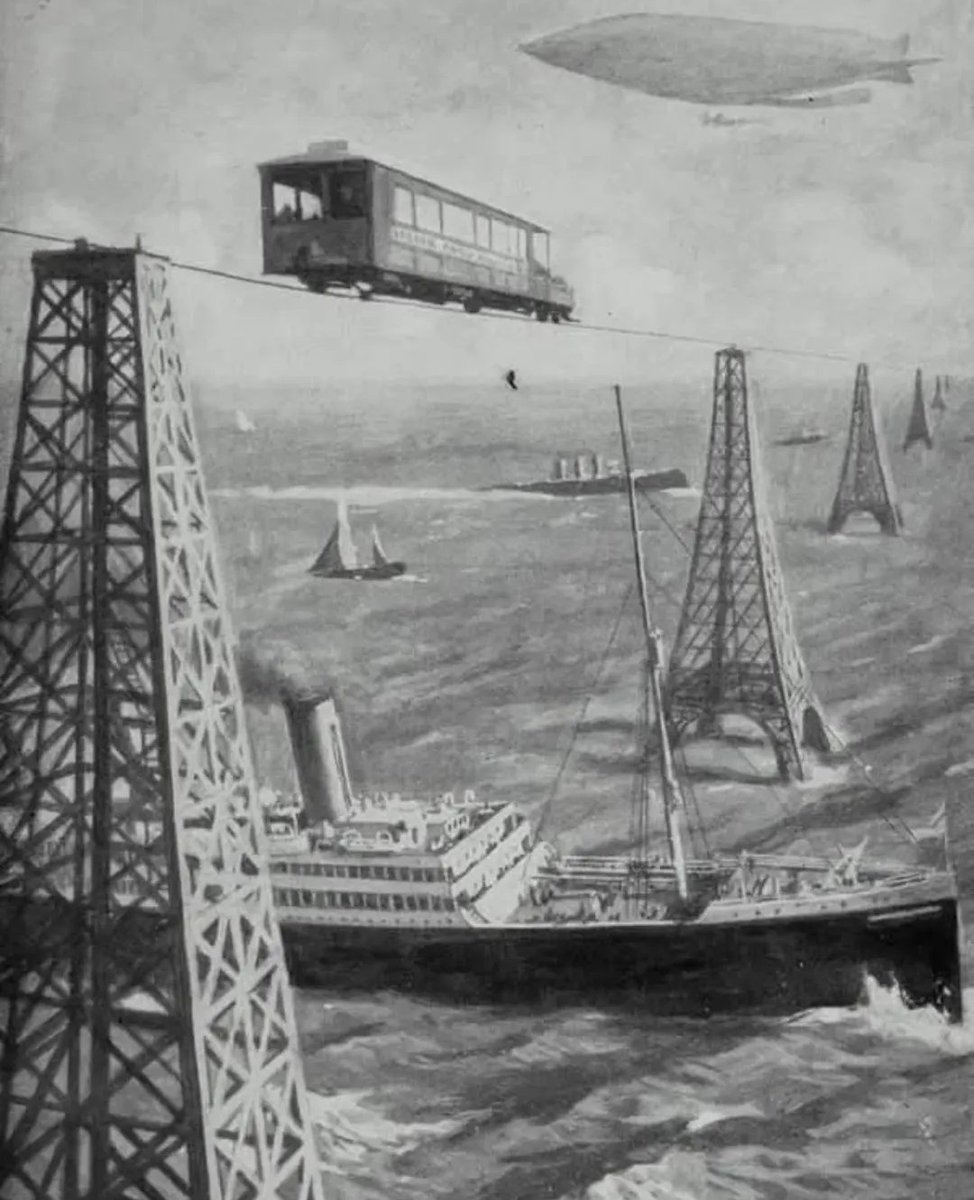
Wells's 1908 monorail wasn't purely fictional.
It was based on Louis Brennan’s real gyroscopic monorail invented in 1903.
While a Channel monorail never materialized, the Channel Tunnel finally connected Britain and France in 1994 via high-speed rail, turning Wells's connectivity dream into reality.

3
12
2,637
Boldtiming retweeted

In 1908, H.G. Wells imagined a futuristic world where technology had advanced far beyond the boundaries of his time, as evidenced by an illustrated plate from his sci-fi novel *The War in the Air*. One of the most striking features of the book is the concept of a monorail crossing the English Channel, a bold vision of transportation that seemed far-fetched for the era but is now seen as a fascinating glimpse into the possibilities of future innovation. The monorail, depicted as a sleek, streamlined vehicle, stretches across the channel, an ambitious feat of engineering that would bridge the divide between England and France in a matter of moments.
Wells’ novel, set in the early 20th Century, reflects his fascination with technological progress and the ways it could shape the future. The idea of a monorail, floating above the water, hints at the rapid development of transportation and the dream of connecting distant lands with ease. This concept was far ahead of its time, as the English Channel remained a major obstacle for travelers, and the idea of a rapid, air-based transport system was unimaginable to most readers. Through this futuristic monorail, Wells invited his audience to consider the transformative power of human invention and the role of technology in global connectivity.
While the monorail in *The War in the Air* may have seemed fantastical in 1908, it reflects Wells’ ability to anticipate future advancements. Today, the idea of monorails and other forms of rapid transit across challenging landscapes is no longer confined to the realm of science fiction. Wells' work serves as a reminder of the power of imagination, where even the most speculative ideas can eventually inspire real-world technological breakthroughs. The monorail crossing the English Channel remains a symbol of innovation, one that bridges the gap between what was once dreamed and what has become possible.
© Historical Photos
#archaeohistories
14
41
208
22,108
Boldtiming retweeted

He who lives in harmony with himself lives in harmony with the world. Marcus Aurelius

3
23
61
919


🤣🤣🤣🤣🤣🤣🤣🤣
So men have the right to freeze their sperm I swear to God these are some self-absorbed she Devils on this planet @RGulliory667 🤣🤣🤣
@Ian9571 @educated_real
Jun 16

HOLY ENTITLEMENT! 😱
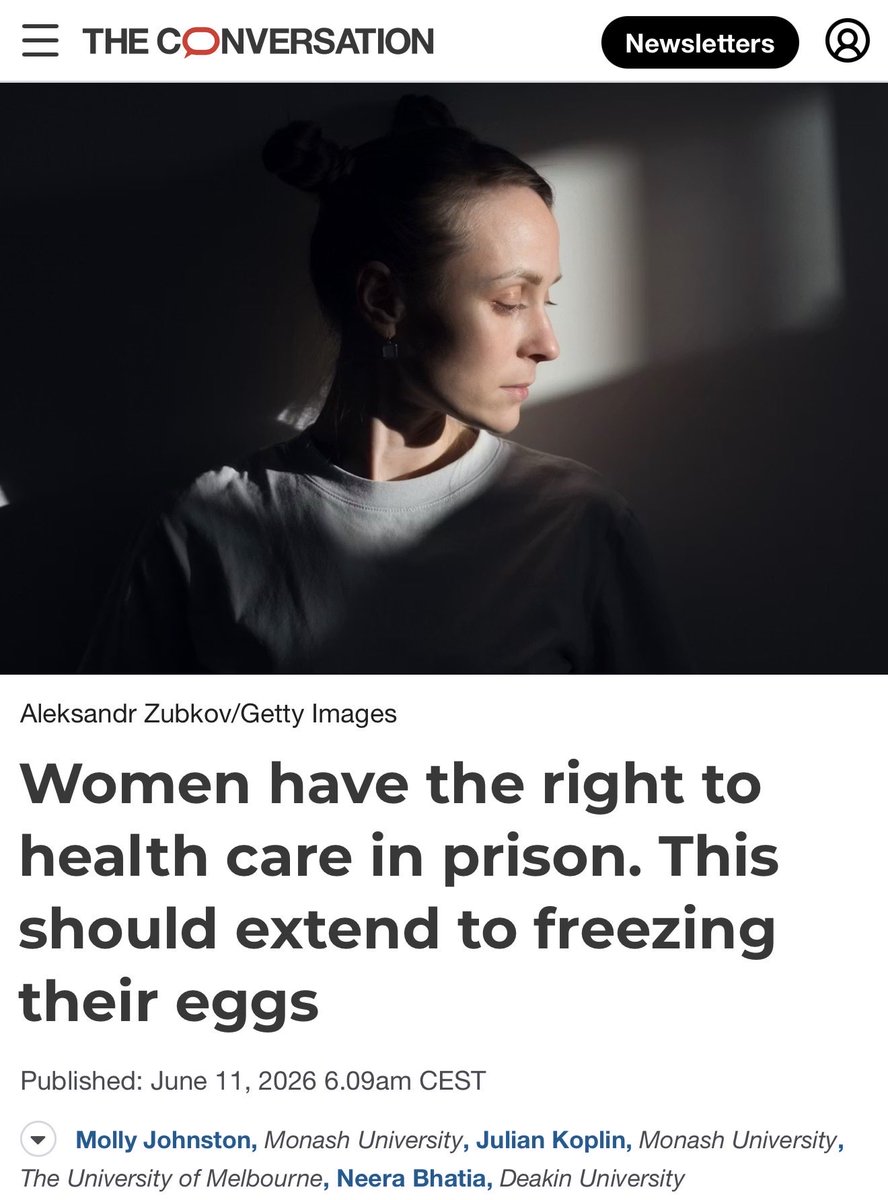
This woman is doing 10 years for DRUG TRAFFICKING and has the audacity to DEMAND the right to freeze her eggs while inside, because her sentence might leave her infertile by the time she gets out. Academics are backing her, calling it healthcare and sex discrimination! 🤦♂️
Their argument is that women’s fertility declines more sharply with age than men’s. That’s true, yes, so she should have thought about that before committing the crime.
Even after being convicted of serious drug trafficking, she still expects the state to facilitate her long-term life planning.
Meanwhile, male prisoners, who make up the vast majority and have far higher suicide rates, don’t get remotely equivalent concern for their future prospects.
Now that is the REAL sex discrimination.
1
1
2
55
Boldtiming retweeted

You teach women how to treat youby the way that you behave.
1
6
28
1,090
God Damn 🤣🤣🤣🤣🤣🤣🤣🤣🤣🤣🤣🤣🤣🤣🤣🤣🤣🤣🤣🤣🤣🤣🤣🤣🤣🤣🤣🤣🤣😂😂😂😂😂
@RGulliory667

1
1
109
Tattoos and these nose rings and wild piercing it looks hideous on these women
Jun 16

Tattoos are millennial trash. The culture is changing. Expect to see less of this.

13
Boldtiming retweeted

Jun 16
This was considered to be excessive tattoo work in 1991, even for a professional metal band. Now there are HR ladies like the chick in the photo with more tattoos than him. It is ridiculous and stupid, and I always thought so. I don’t even see the designs, I only see “tattoo”.

14
4
305
23,028