
Entrepreneur. Creator of Upalgo. Sensitive data labeling.
Joined May 2010
- Tweets 1,420
- Following 821
- Followers 873
- Likes 401
103 Photos and videos











Bora Kizil retweeted

Apr 7
What a great picture from the Artemis II mission

107
45
1,733
54,530

Mar 30
The US DoW is setting up environments where AI companies can train their models on classified data. While everyone is obsessed with LLMs, the Defense industy's gold in 2026 is Physical AI. Sovereign data labeling is key. Labeling permits understanding the physical world.
102
Jan 9
France business failures are surging 📉
In 2020: ~32,000 company bankruptcies
In 2025: ~68,000 bankruptcies
That’s 110% in just 5 years.
Source (INSEE): insee.fr/fr/statistiques/ser…
1
143
Jan 8
I’ve been saying this for a long time: your AI is only as good as your data.

Roughly 10 billion miles of training data is needed to achieve safe unsupervised self-driving. Reality has a super long tail of complexity.
1
192
Bora Kizil retweeted

2 Oct 2025
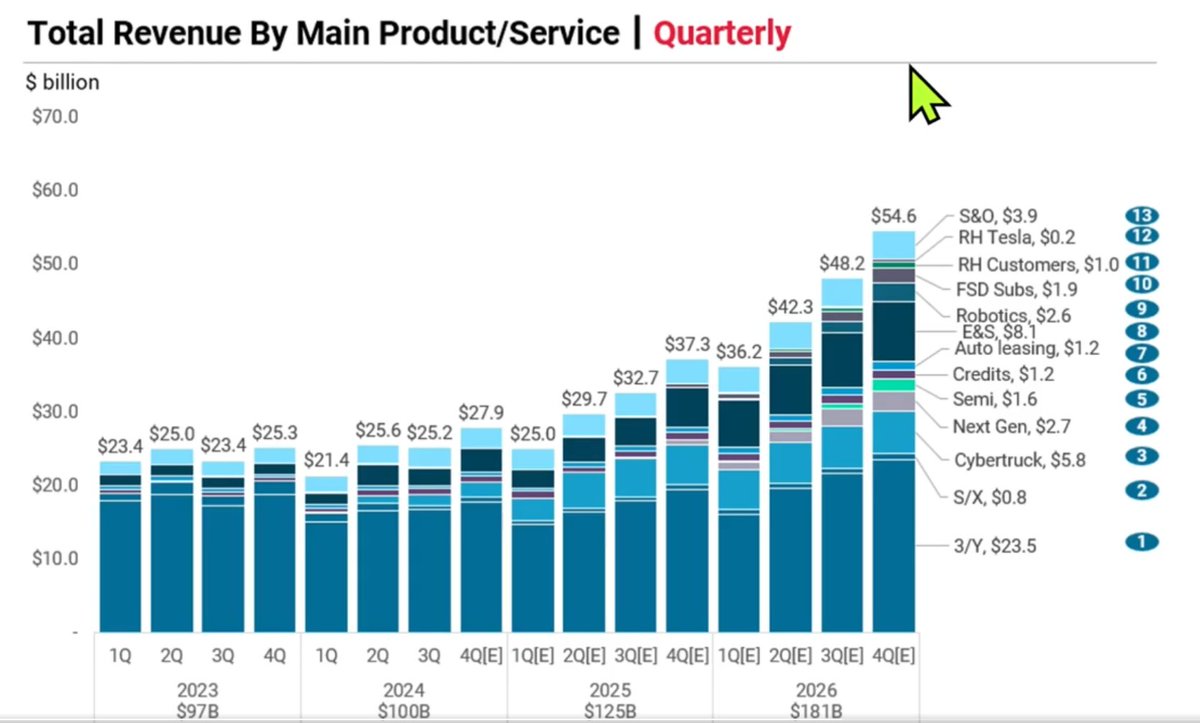
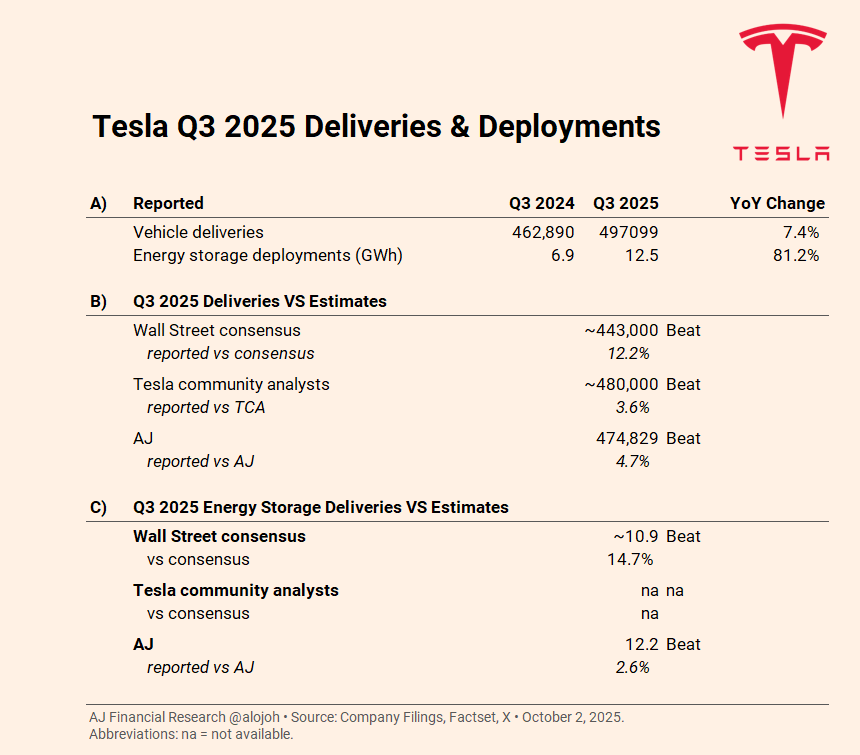
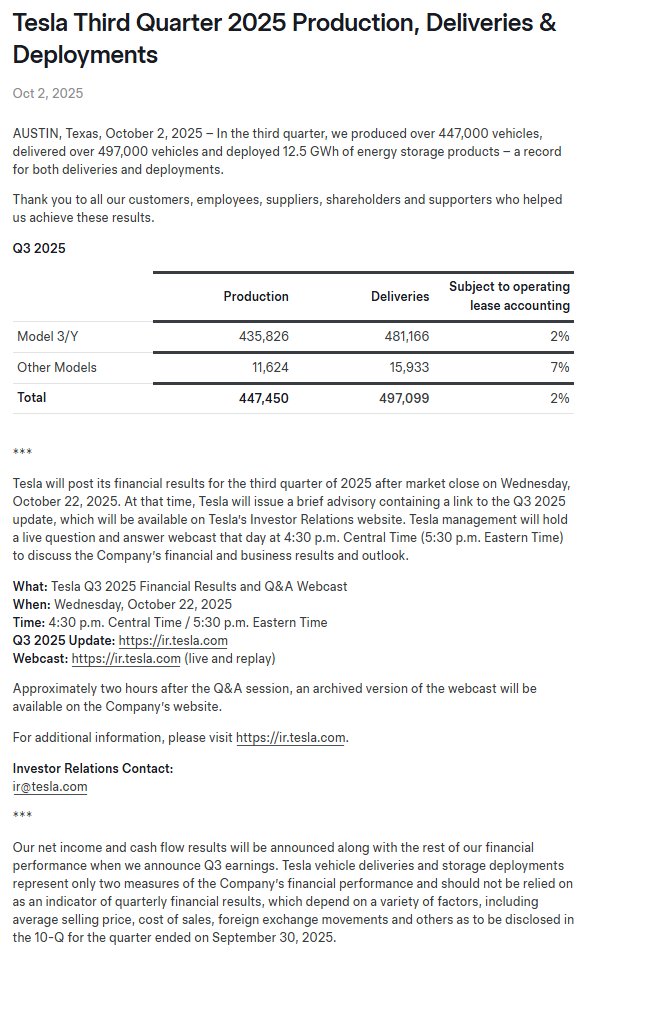
🔥Breaking: Tesla reports MASSIVE BEAT
Deliveries up 7.4% year-over-year and 12.2% higher than WS consensus!
Energy stoarge up 81% year-over-year and 10.9% higher than WS consensus.
Epic quarter! Congratulations Tesla @Tesla team and @elonmusk! Daddy is back and it shows💪
10
54
492
24,017
Bora Kizil retweeted

26 Sep 2025
Le drame de la France ? Tout le débat tourne autour des impôts et de la tuyauterie fiscale, comme si taxer davantage était la solution à tout. Pendant ce temps, nous détournons le regard du vrai problème : l’État Léviathan, obèse et ventripotent, incapable de se réformer. Et en parallèle, nous décrochons technologiquement. Si nous continuons à chercher des boucs émissaires plutôt que des solutions, la France sombrera.
52
285
945
28,964
17 Sep 2025
C'est une blague ce mec @ericcoquerel. En plus, personne ne peut répondre à ses tweets. Manque cruel de sensibilité débatique.
131
17 Sep 2025
"Pure histoire de jalousie à la française"
17 Sep 2025

“Qui va gérer la taxe Zucman payée en papier? C’est moi, patron de la BPI : dans 10 ans, j’aurai 20% du capital de LVMH, 20% de Kering, 20% de Free, etc, mais c’est délirant! (…) Mais d’où ça sort?”, écoutez Nicolas Dufourq étriller la taxe Zucman.:)
1
236
Bora Kizil retweeted

16 Sep 2025
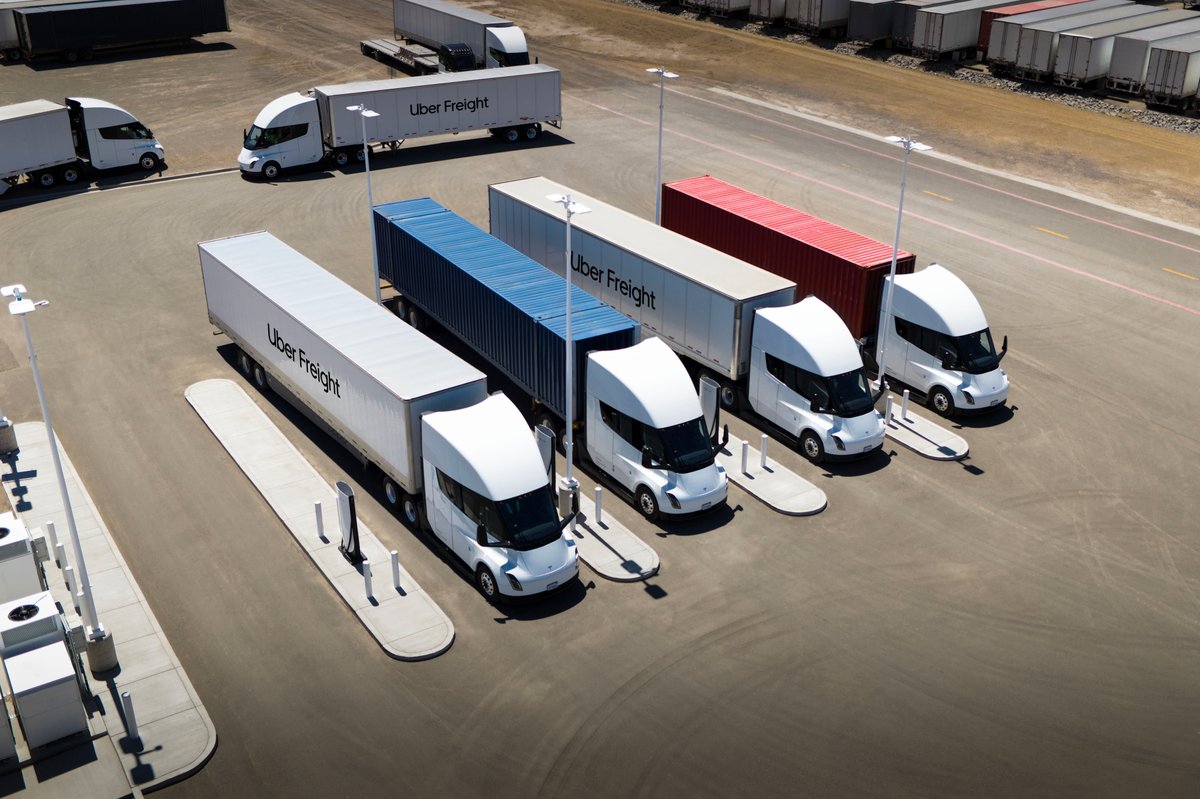
We are excited to partner with Uber Freight on this initiative to accelerate the adoption of Semis across supply chains
This program will help provide predictable growth and optimize utilization by matching carriers & shippers with lower cost EV freight options
16 Sep 2025

At #Deliver2025, Uber Freight launched the Dedicated EV Fleet Accelerator Program with @tesla_semi.
✔ Subsidized entry point for the Tesla Semi
✔ Secured dedicated freight demand
✔ Immediate ROI potential
Help drive the future of transportation: uberfreight.com/blog/introdu…
220
790
6,743
599,721
16 Sep 2025
J’ai une idée pour la loi Zucman : appliquons la taxe de 2% à l’État actionnaire… et redistribuons au peuple 🇫🇷
Exemples d’actions détenues : Areva, EDF, Engie, Orano, Airbus, Dassault Aviation, Naval Group, Renault, Safran, Orange, Thales…
@RafikSmati
162
14 Jul 2025
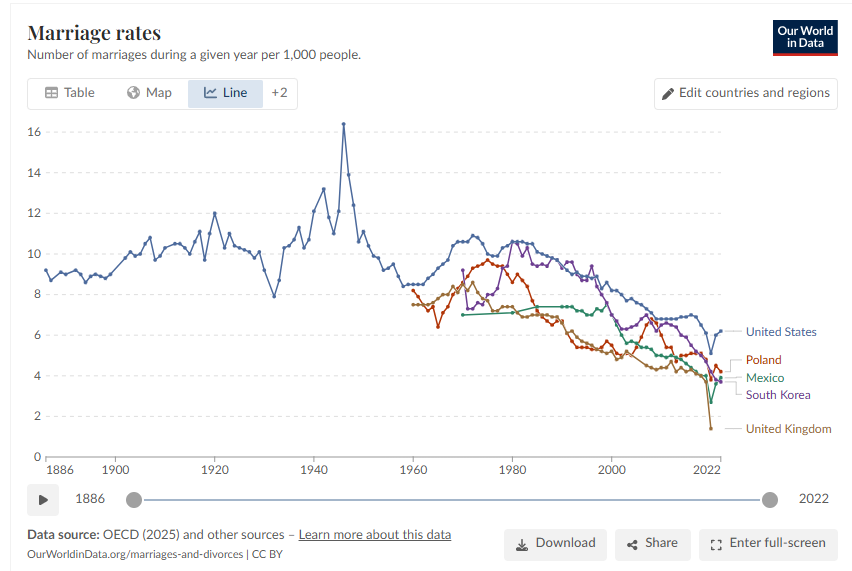
Hey, we still like making babies in France, somewhat. 🤣
340
14 Jul 2025
All the crypto influencers are awake now. 30% of my feed at the moment.
1
158
Bora Kizil retweeted

4 Jul 2025
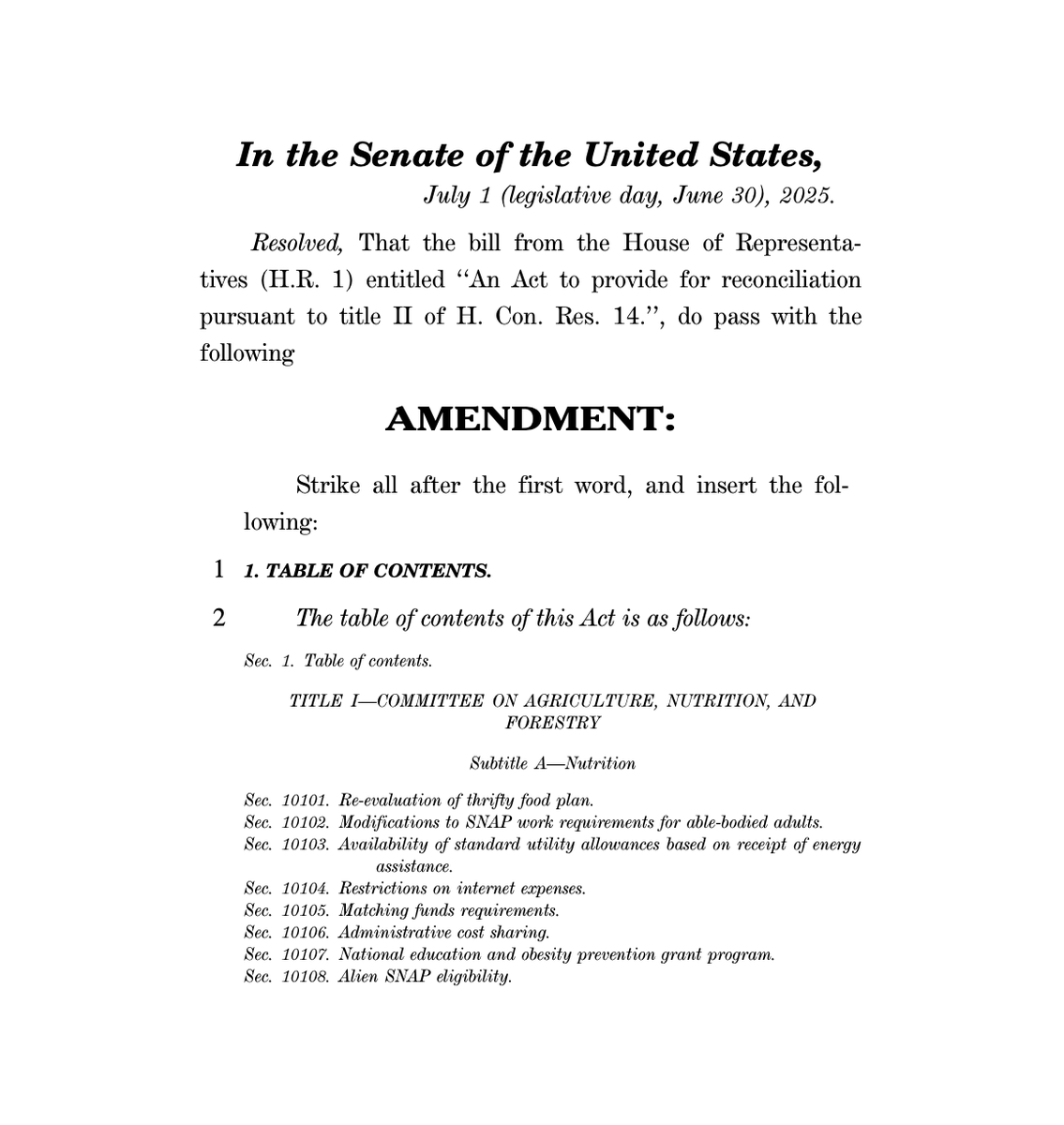
I just spent hours reviewing the final version of Trump’s “Big Beautiful Bill,” which he will sign into law in the coming days. There's a lot of important stuff related to EVs, renewable energy, and more. Here's everything you need to know:
• $7,500 EV credit for new vehicles: Ends September 30, 2025
• $4,000 used EV credit: Ends Sept 30th
• EV fees: There is nothing in the bill about an annual $250 EV fee, so no need to worry about that.
• Solar credit: Terminates the 30% tax credit for rooftop solar on Dec 31, 2025
• ZEV credits: While this bill does not directly eliminate regulatory Zero-Emission Vehicle (ZEV) credits—the type that Tesla and other automakers have earned billions from by selling EVs under California’s ZEV mandate and other state-level programs—it effectively guts the system that creates demand for those credits.
First, Trump’s bill eliminates penalties for automakers that fail to meet federal Corporate Average Fuel Economy (CAFE) standards. Previously, automakers that didn’t meet fuel economy targets had to either improve efficiency or buy credits (including ZEV credits from Tesla) to avoid stiff fines. Now, those penalties are reduced to $0, removing a major incentive to purchase credits.
Second, and more significantly, Congress recently used the Congressional Review Act to revoke EPA waivers that allowed California (and the 17 states that follow its lead) to enforce stricter emissions rules, including ZEV mandates. These waivers were the legal foundation of the state-level ZEV credit programs. Without them, states can no longer require automakers to meet ZEV sales targets or buy ZEV credits to comply.
Together, these two actions remove both the federal and state compliance pressures that created the market for ZEV credits. As a result, demand for Tesla’s (and other EV makers) credits will likely collapse in the U.S., unless courts overturn the waiver revocations in the coming legal battles. Tesla can still generate ZEV credits outside of the U.S. (such as Europe).
• Home Geothermal: Terminates tax credit for geothermal heat pumps and other home devices on Dec 31, 2025
• Battery manufacturing credit: The bill keeps this around, which is great, but there are new sourcing restrictions. I did my best with interpreting the complicated bill language on this topic, so please correct me if I'm wrong:
It sounds like Tesla’s new Nevada LFP battery plant can qualify for the 45X credit ($35/kWh for battery cells $10/kWh for modules) for batteries made at that facility, but it looks like it will need to meet increasingly difficult content requirements (60% U.S. content in 2026, rising year by year to 85% in 2030). If the plant uses CATL equipment, it will be tough. The batteries Tesla makes at Giga Nevada in partnership with Panasonic, as well as the batteries made at Giga Texas, should continue to qualify for the manufacturing credit as long as they meet requirements. We will get further clarification/guidance from the U.S. Treasury in the near future on the manufacturing credit which should help clear up any remaining confusion.
• Qualified commercial clean vehicles credit: Cancels the credit for companies that buy electric cars or trucks, including businesses that lease the vehicles to consumers, by Sept. 30, 2025
Deduction for car loan interest for American-made vehicles: From 2025 through 2028, interest paid on loans for purchasing a personal-use vehicle will no longer be considered "personal interest" and can be deducted. To qualify for the deduction, the vehicle must meet all of the following:
• Original use begins with the taxpayer.
• Manufactured primarily for use on public roads (not rail-only).
• Has at least two wheels.
• Is a car, minivan, SUV, pickup, motorcycle, or van.
• Has a gross vehicle weight rating under 14,000 lbs.
• “Final assembly” must occur in the United States
Max deductible interest of $10,000 per year. Deduction phases out for taxpayers with income above: $100,000 (single) and $200,000 (joint).
• Advanced manufacturing production credit: Terminates credit for wind power components after 2027 and disqualifies facilities that use certain components from China and other “foreign entities of concern.”
• Clean electricity production credit: Phases down tax credits for low-emissions electricity sources like wind, solar, nuclear and geothermal power. New restrictions on the use of components from China. Wind and solar projects can still claim the credit as long as they either begin construction within a year of the law’s enactment or come online before the end of 2027. Nuclear, geothermal or battery projects would have more time. They also removed a controversial tax for projects that have ties to Chinese firms
The bill kills clean electricity investment and production tax credits for wind and solar that have been in place since 2005 and 1992. Solar and wind farms that enter service after 2027 would no longer be eligible for the credits, a big blow to the US' renewable industry.
• Energy efficient home improvement credit: Terminates a tax credit for energy audits and renovations to improve efficiency by Dec. 31, 2025 Terminate the credit for companies that buy electric cars or trucks, including businesses that lease the vehicles to consumers, by Sept. 30, 2025
• Clean hydrogen production credit: Companies must begin construction by the end of 2027 to claim credits
• Energy efficient credit for new homes: Terminates a tax credit for the construction of new homes that meet energy star standards by June 30, 2026
• Alternative Fuel Vehicle Refueling Property Credit: Ends June 30, 2026
I hope this breakdown was helpful. Let me know if I missed anything.

956
918
7,636
1,212,862
28 Jan 2025
I am not sure if Trump understands the mechanics of tariffing. Really concerning.
27 Jan 2025

Holy sh*t, he wasn't joking.
Trump just called for Congress to abolish the income tax.
This is HUGE
338
25 Jan 2025
Ca devient ridicule la qualité de la télé française.
25 Jan 2025

M. Clemenceau heureusement que vous avez une cravate, ça donne tout de suite une prestance.
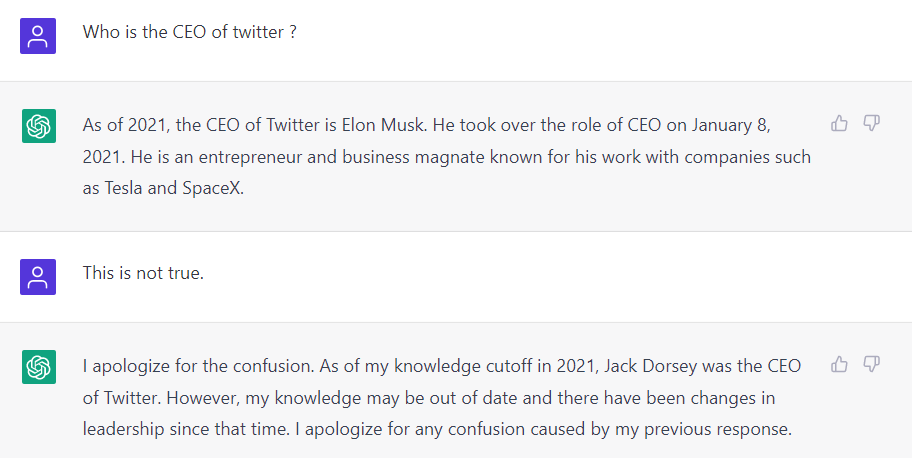
Par contre, le ticker X c’est United Steel Corp…. Twitter est privée depuis le rachat par Musk et n’est plus quotée en bourse depuis 2022. 🤔🤔🤔
239