
Joined June 2025
- Tweets 8,914
- Following 1,716
- Followers 3,679
- Likes 9,843
1,919 Photos and videos



Borspicker retweeted

Jun 12
$APRTEC is a Swedish thermal management company validated in space by NASA and ESA, with a global tech customer integrating its EHD technology into chip-level product development.
Every watt of AI compute becomes heat. In 3D-packaged chips that heat is trapped inside the package, and rack-level cooling cannot reach it. The solution requires a pump small enough to operate at microchannel scale with no moving parts. Mechanical pumps have a physical lower bound on miniaturization. Electrohydrodynamic conduction pumps do not.
APR has spent 15 years developing EHD micropumps for highly demanding thermal environments, including spacecraft qualified by ESA and NASA. Space qualification imposes reliability requirements that are among the most demanding in any industry and are generally more stringent than those found in commercial data center environments. An unnamed global tech company has now integrated APR’s EHD pump into its product development and placed a pilot production order. That moves the relationship beyond pure evaluation.
The confirmatory event is a volume order from the tech customer. It would move APR from a component in a competitive cooling layer to a potential node in near-chip thermal management.
Risks:
•The tech customer remains unnamed and the volume decision is not yet taken. The relationship could stall.
•APR’s space and defense channel runs through ZIHET, which controls production, distribution and customer relationships. The economics accruing to APR remain uncertain.
•Core EHD conduction pumping is prior art from 2003. Patent protection covers specific implementations, not the principle. A well-funded competitor could develop an alternative path.
Position:
Long, small and a volume order from the tech customer would materially change the size of this position.
4
4
11
2,150


Jun 12
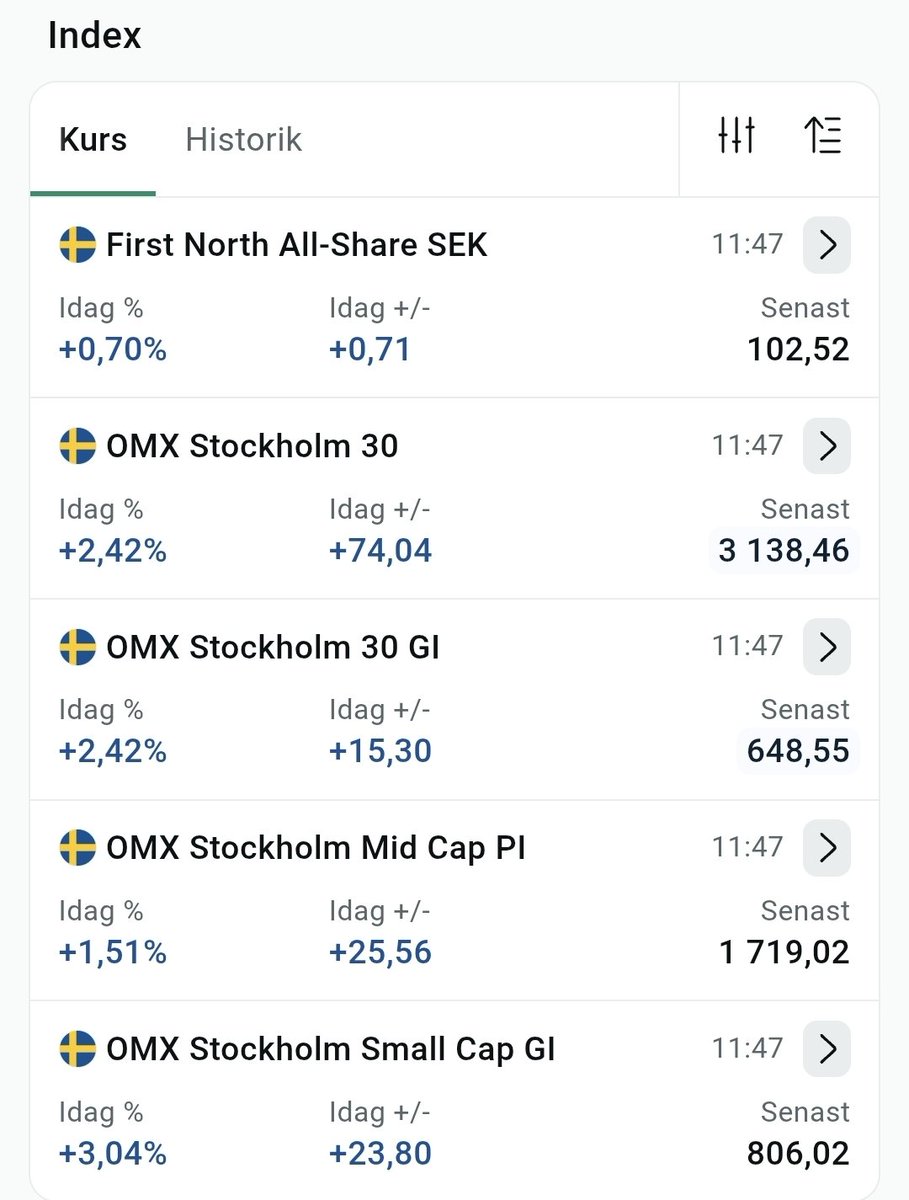
När hängde småbolagen med i OMX håsen! Måste vara 3-4 år sedan?
1
2
1,863

Jun 11
$APRTECH
Otroligt spånnande område!

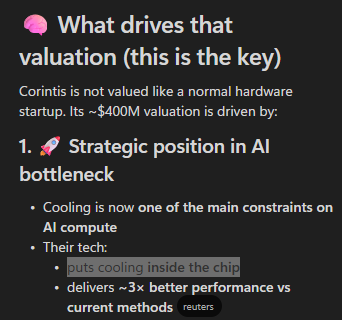
Cooling is now one of the main constraints on AI compute - direct cooling on chip is the future.
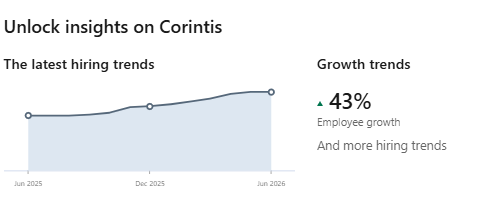
Corintis have raised $24 million, adds Intel CEO Lip-Bu Tan to board reuters.com/business/chip-co… ~ 400m usd pre-money valuation.
Interesting to follow Swedish $APRTEC.
1
3
1,255
Jun 11
$EVO
🤝
Jun 11

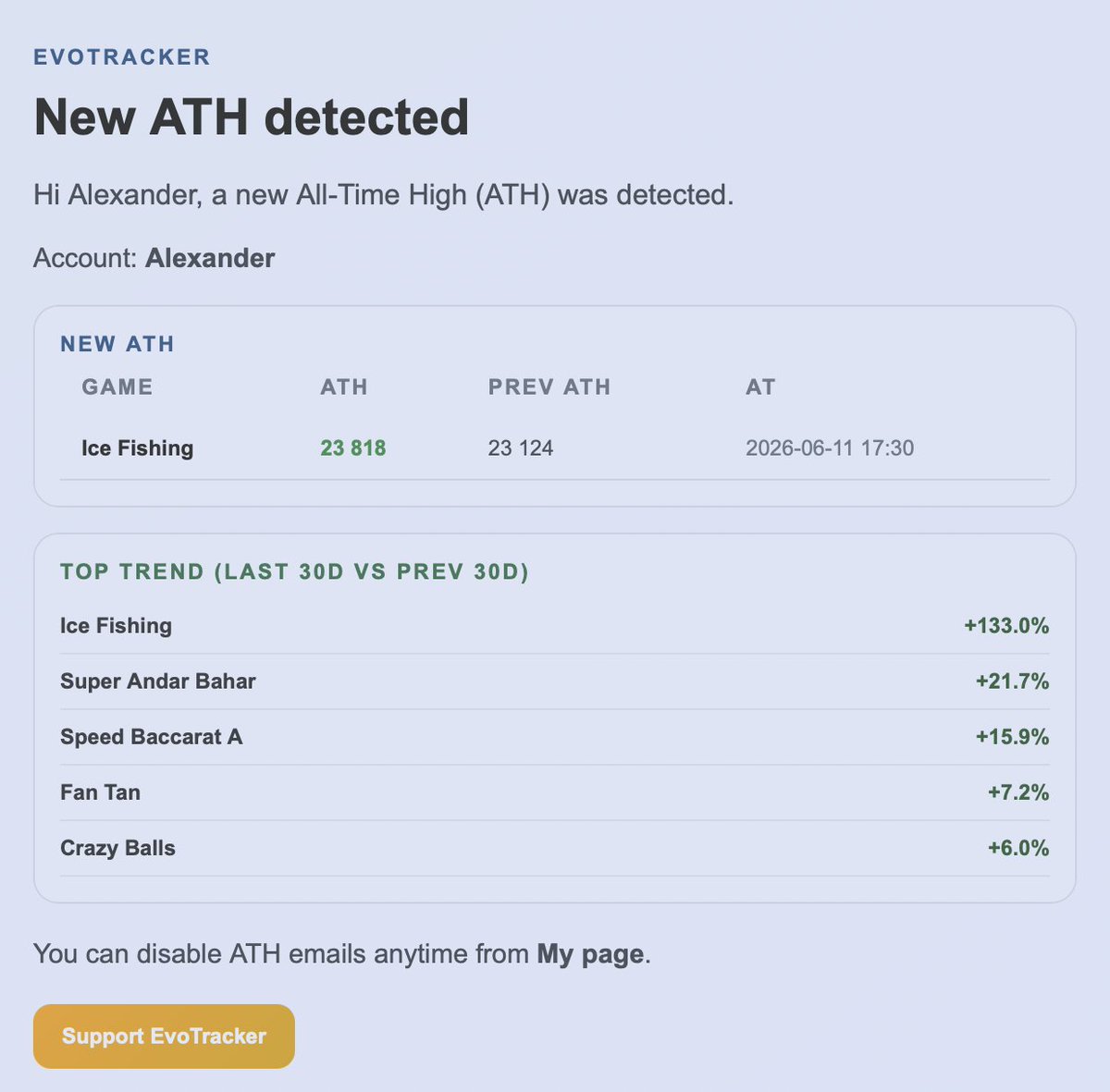
$EVO new record for Ice fishing!
Did you know that you can opt in for ATH notifications on "my page"?
evotracker.org
1
1,245
Jun 11
$NREST
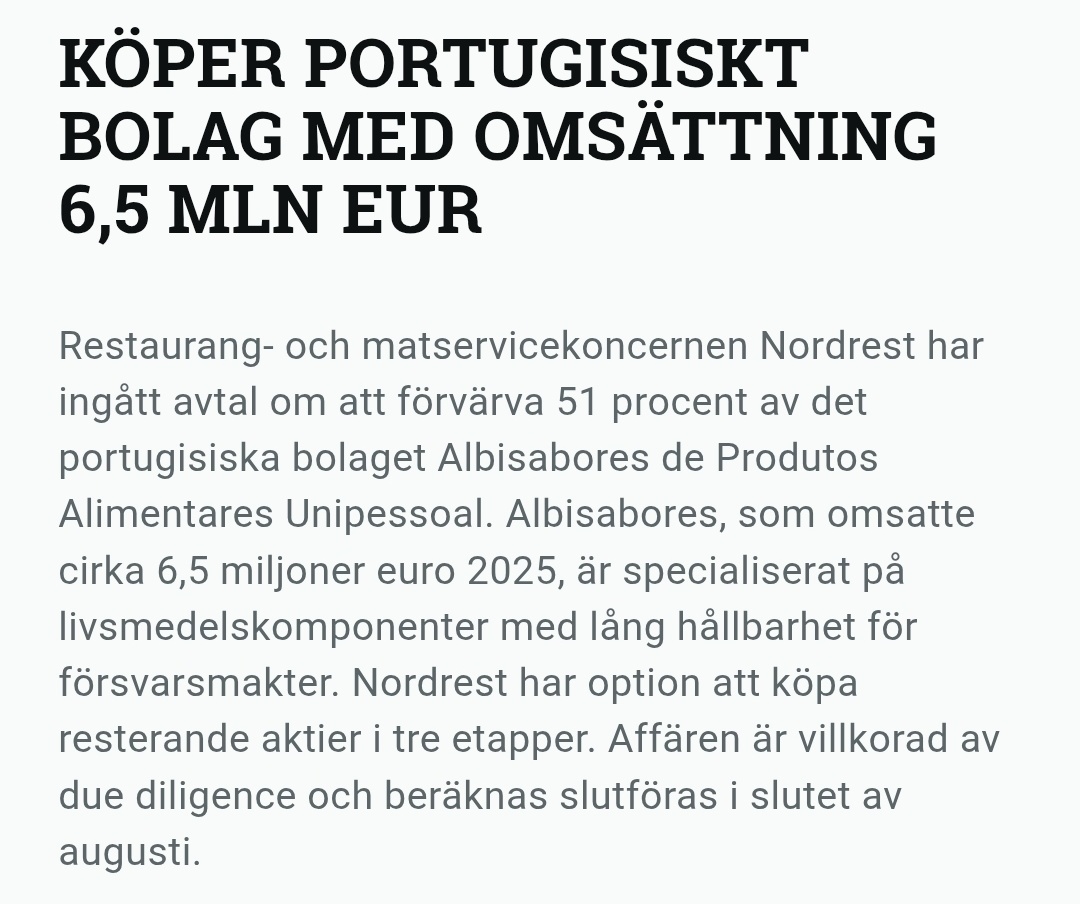
Här kommer första förvärvet!
Inom försvar med höga marginaler och mycket synergi!
Snyggt!
May 16

$NREST
Riktigt fin Q1, oklart varför marknaden säljer av? 🤔
Har lyssnat igenom confcallen!
Fortsatt hungriga – fler förvärv under året, och dessutom berättade man att de signat Norska Försvarsmakten!
Norska Försvarsmakten känns ju stort. Har jag missat det PM?

3
1,218
Borspicker retweeted

Jun 11
$APRTEC
Vem är deras stora globala techkund?
Jag vet inte... Spelar det någon roll?
Vore intressant om det är SpaceX dock, saker som talar för spaceX:
SpaceX har precis presenterat AI1 - deras första generations AI-datasatelliter för orbitala datacenter. Varje satellit ska hantera upp till 150 kW compute-effekt (jämförbart med en NVIDIA GB300-rack). De använder avancerad liquid cooling med stora deployable radiatorer (110 m²), redundanta pumping loops och liquid-cooling architecture. De säger att de bygger på befintlig Starlink V3-teknik men skalat upp rejält.
Det här är relevant för APR tecnologies teknologi.
APR:s roadtrip gick till Texas och Kalifornien - exakt där SpaceX har stora verksamheter (Starbase i Texas, Hawthorne i Kalifornien).
5
3
6
1,077
Borspicker retweeted

Jun 10
1
4
820
Jun 9
$APRTECH
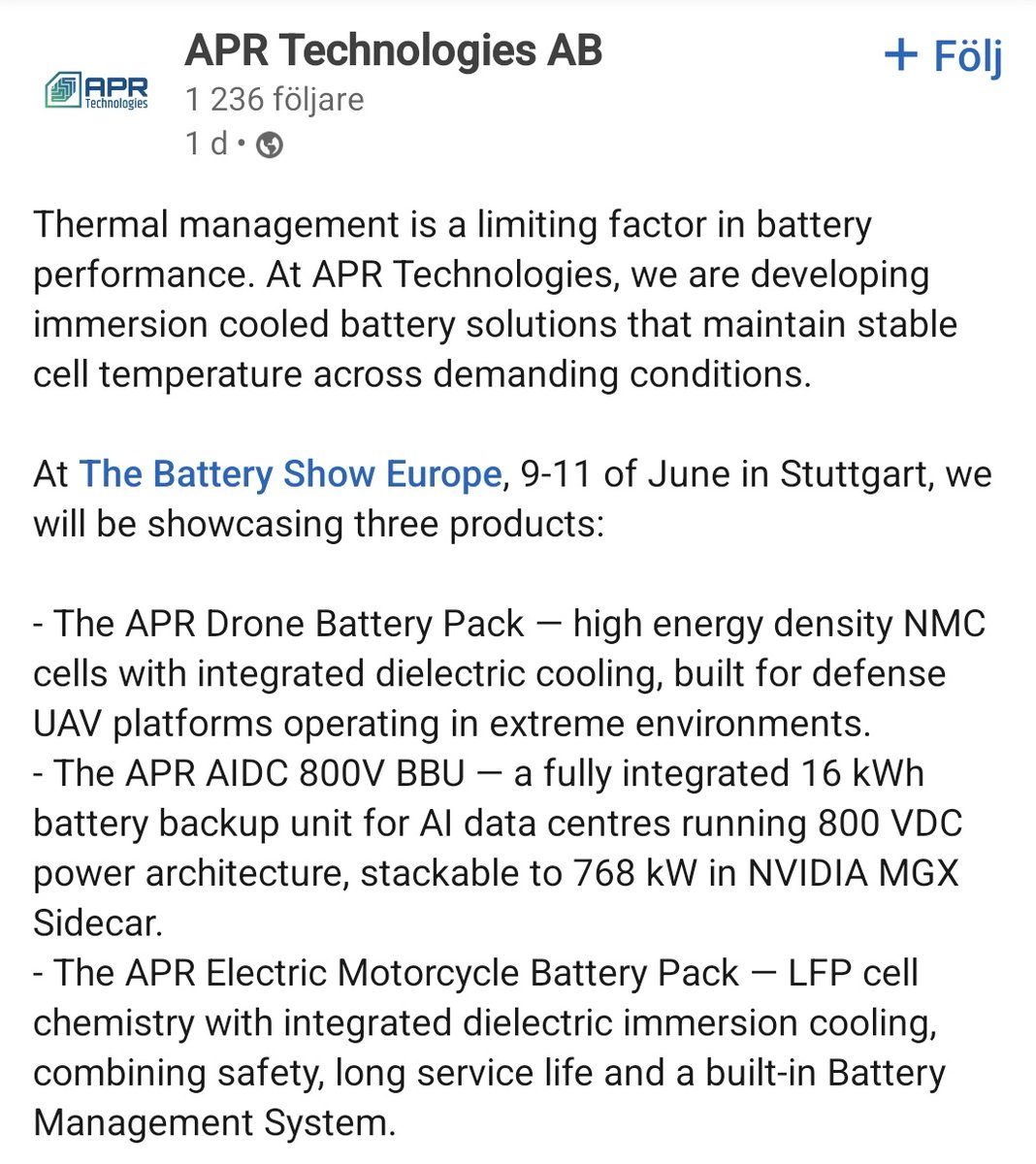
Spännande bolag som verkar inom flera av de hetaste framtidssektorerna!
✅️ Rymden
✅️ Datacenter
✅️ Batterier och energilagring
PS! Hög risk då bolaget ännu inte är lönsamt! Men kassan är välfylld och upptrappningen är i full gång!
Länk👇
eposten.se/nyheter/enkopi…
3
1
12
2,441
Jun 9
6
45
16,912
Borspicker retweeted

Jun 7
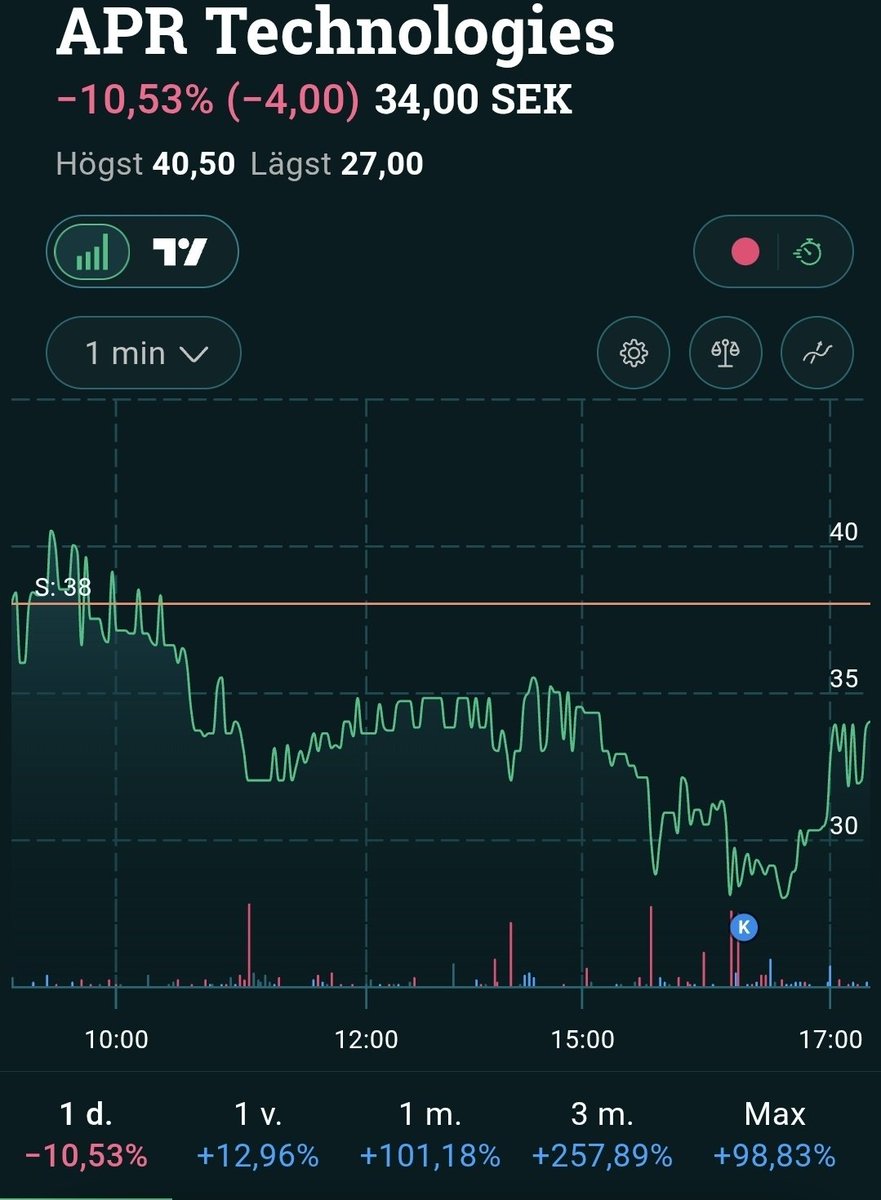
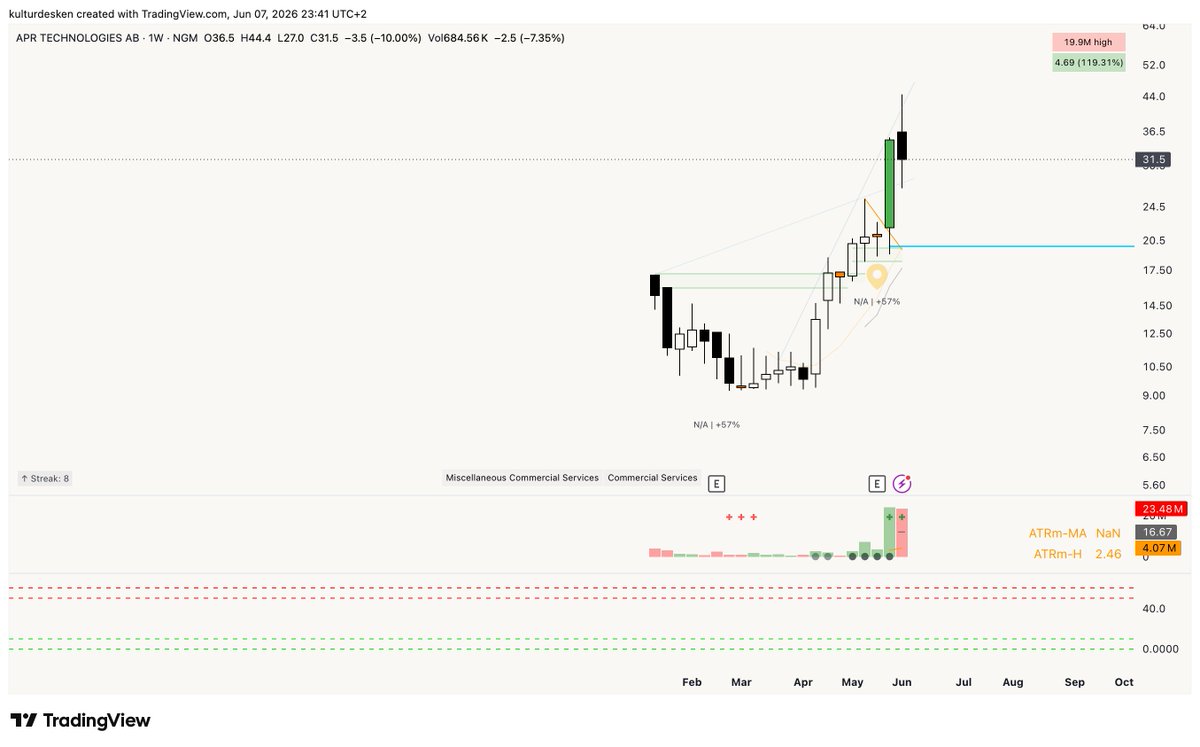
$APRTEC IPO från detta år som varit i price discovery och på ett ungefär halverade uppgången från senaste extensionen men sen hittade köpare två dagar i rad från 26,90–30-området.
2
1
5
1,524
Jun 5
Sjukt spännande djupläsning om $APRTECH och $SHT!
Mitt val är på $APRTECH men spännande produkter på båda hållen

De har en mycket större marknad än vad de flesta känner till: open.substack.com/pub/kstefa…
2
8
3,392
Jun 4
$APRTECH
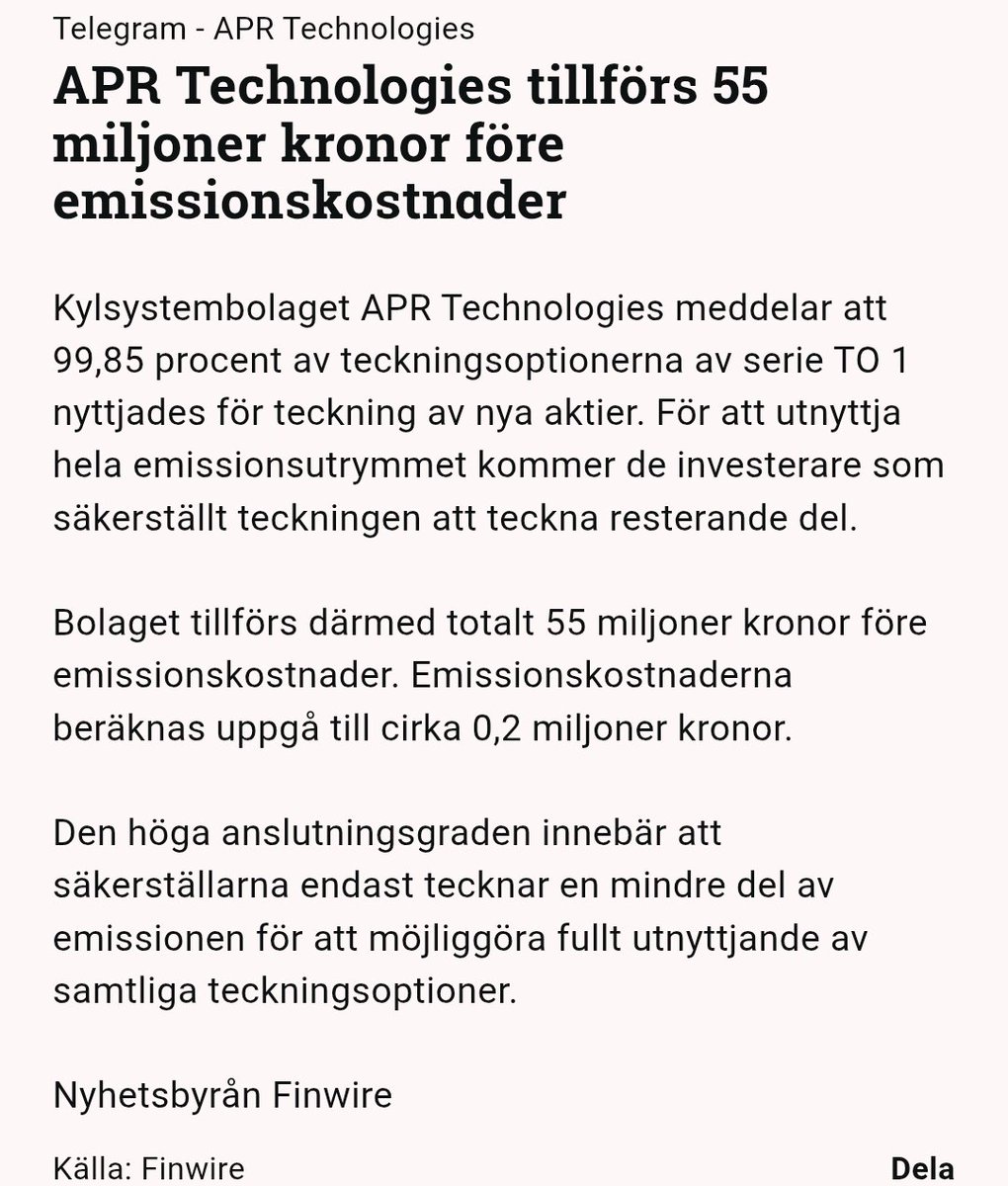
Många som är rädda för extra flöde efter TO 1 omvandlas!
Passar på att köpa lite på 27!🤝
1
5
1,476

Borspicker retweeted

Jun 4
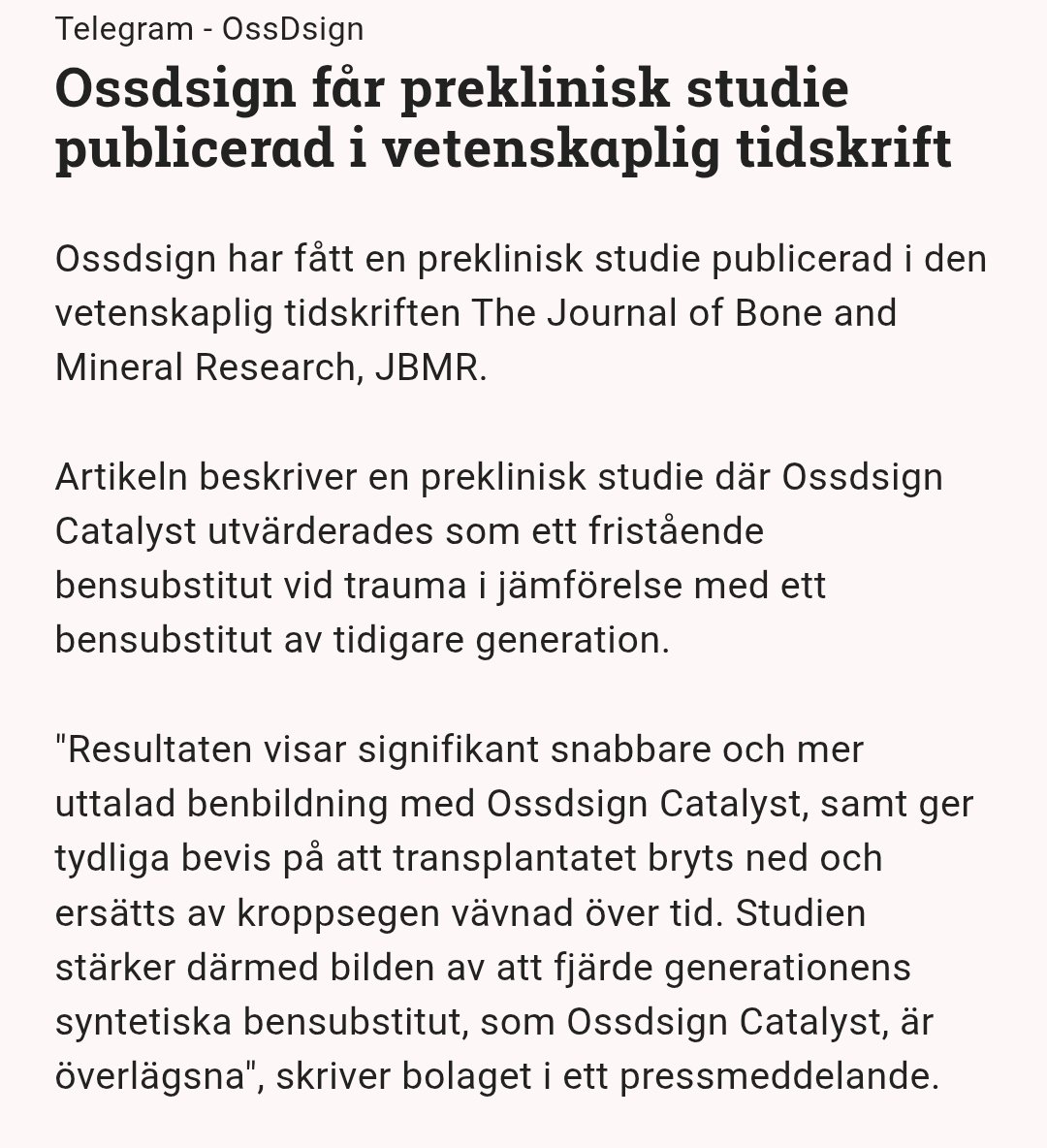
$OSSD OssDsign Catalyst visar överlägsen benläkning i ny publikation biostock.se/2026/06/ossdsign… #lightweb via @lightweb
3
8
24
3,953