Photos and videos
J. Ramey retweeted

26 Jul 2025
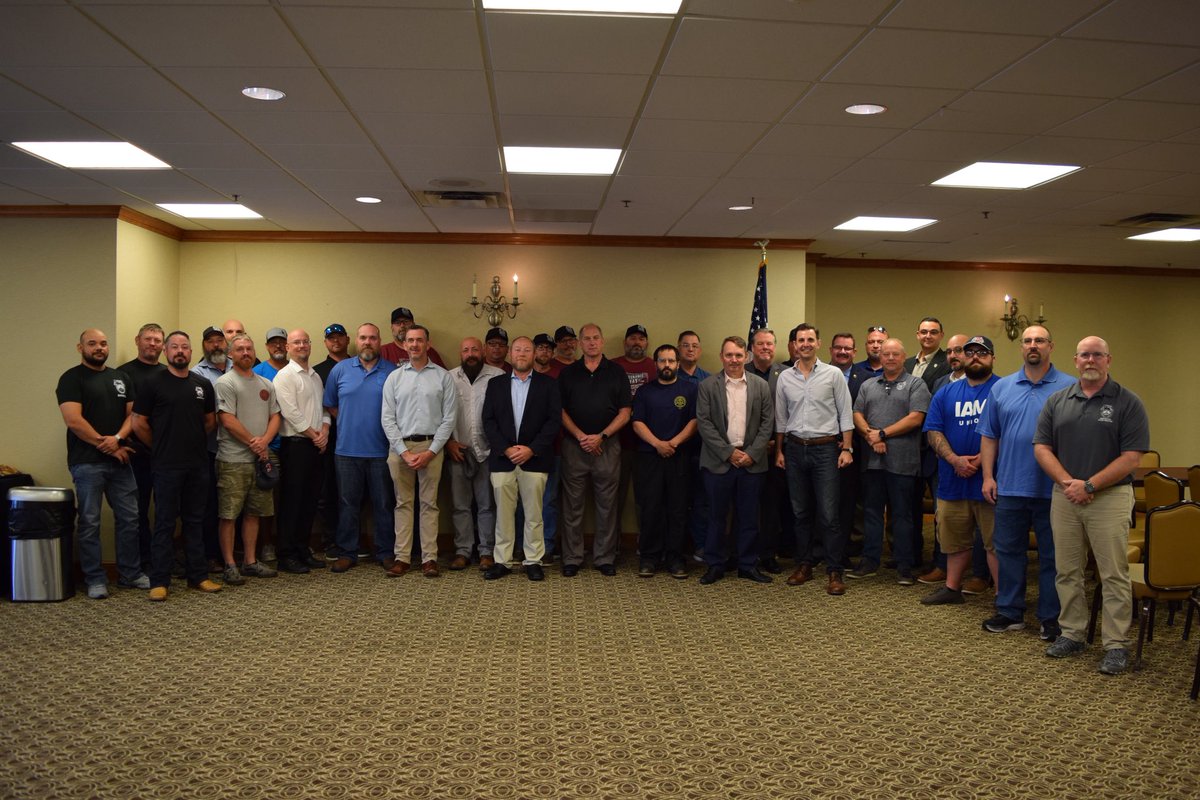
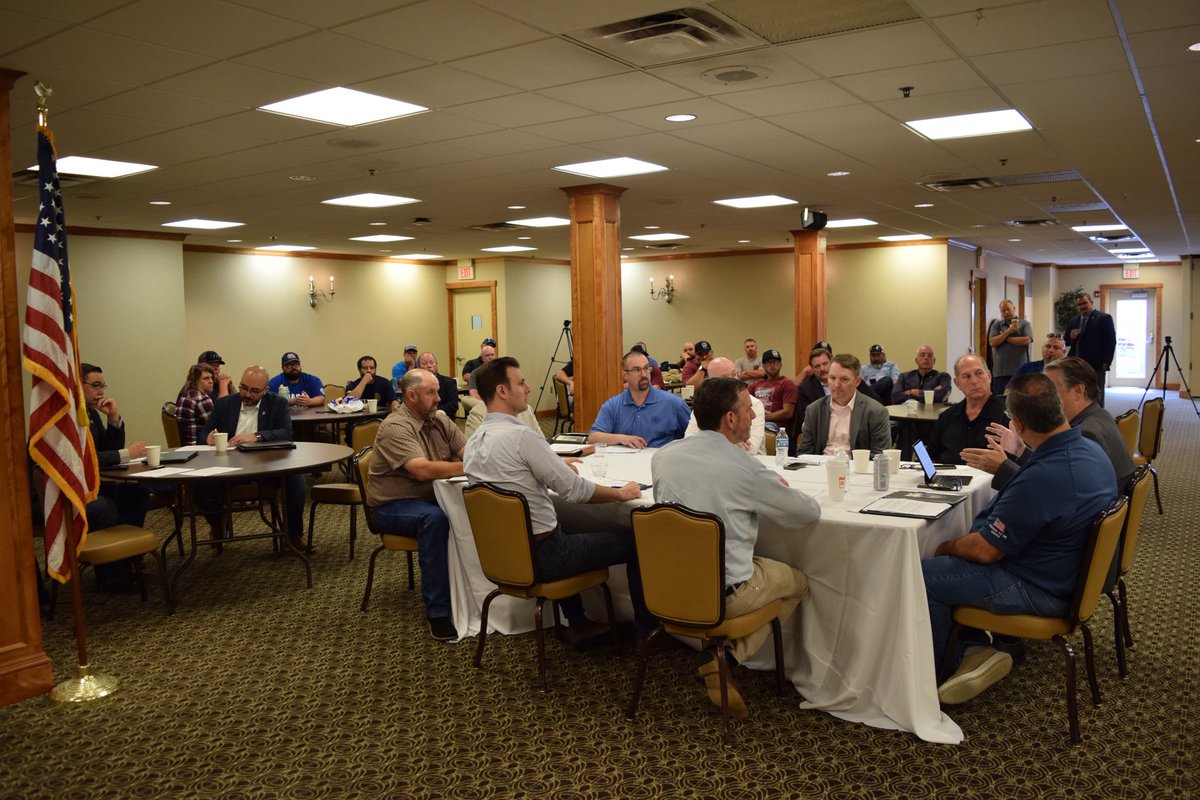
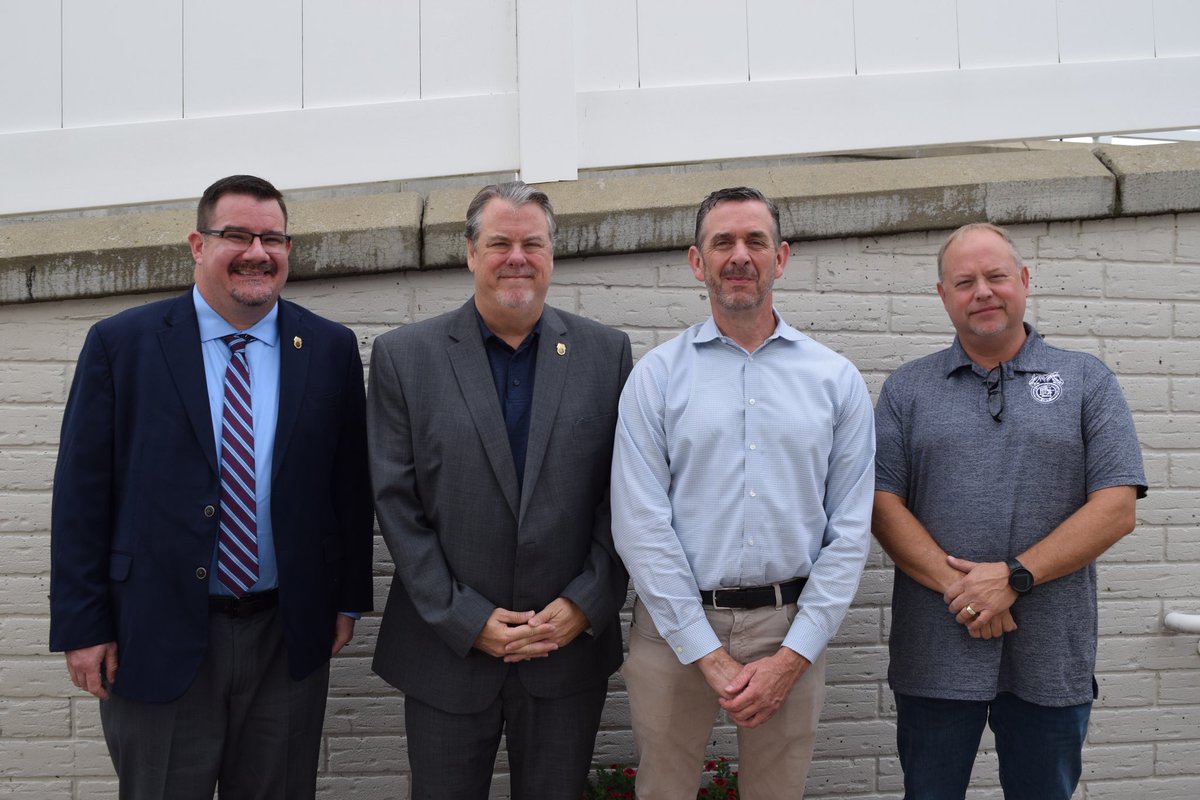
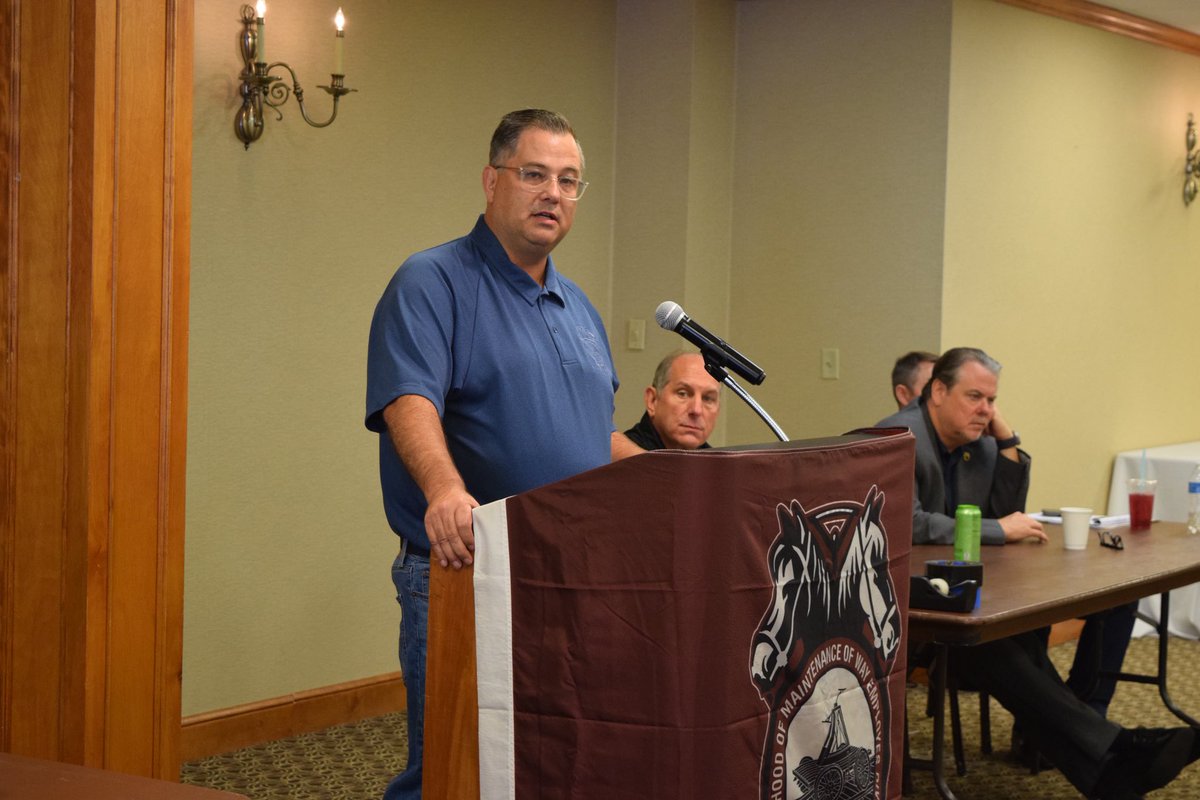
The Teamsters Rail Conference — made up of the BMWED and BLET — gathered with elected officials and allied unions outside East Palestine, Ohio, to raise awareness about key rail safety issues.
Rail Teamsters spoke with Representative Chris Deluzio (D-PA, 17th District) and Representative Mike Rulli (R-OH, 6th District) about efforts to promote safety for railroaders and communities.
Later, Tony Cardwell, President of the BMWED, and Vince Verna, Vice President of the BLET, discussed the ways that railroads are endangering workers. This includes dangerous zero-to-zero technology, which strips the ability of locomotive engineers to manually operate freight trains, as well as so-called automated track inspection, which carriers are exploiting to bypass important safety regulations.
2
13
23
3,384
J. Ramey retweeted

24 Jul 2025
Union Pacific railroad is in talks with Norfolk Southern for a mega merger to make one massive company.
The two are already giants worth about $200 billion combined.
Rail consolidation has already led to more accidents, more payout to investors, and worse working conditions.
11
126
314
15,504
J. Ramey retweeted

This is true. The oil reserve was sold as a law from congress. It was voted for by the GOP majority house as a way to “pay for” spending. I was there.
Donald Trump signed this bill.
9 Aug 2024

An oil and gas expert reacts to Trumps lies about the oil reserve.
421
10,164
24,095
797,160

This guy will be a disaster for NS and its employees if Ancora gets control of the board and installs him as COO.
15 Apr 2024

Former CSX operations head Jamie Boychuk is not thinking small when it comes to changes if Ancora wins its proxy fight for control of Norfolk Southern.
trains.com/trn/news-reviews/…
1
3
51
J. Ramey retweeted

15 Apr 2024
Well said, Mr. Secretary.
15 Apr 2024

Congress needs to do more on rail safety. Yet a comprehensive, bipartisan safety reform bill that holds the railroad industry accountable doesn't have enough Republicans on board to move forward.
It's long past time to get this done.
2
12
35
1,665
J. Ramey retweeted
18 Mar 2024
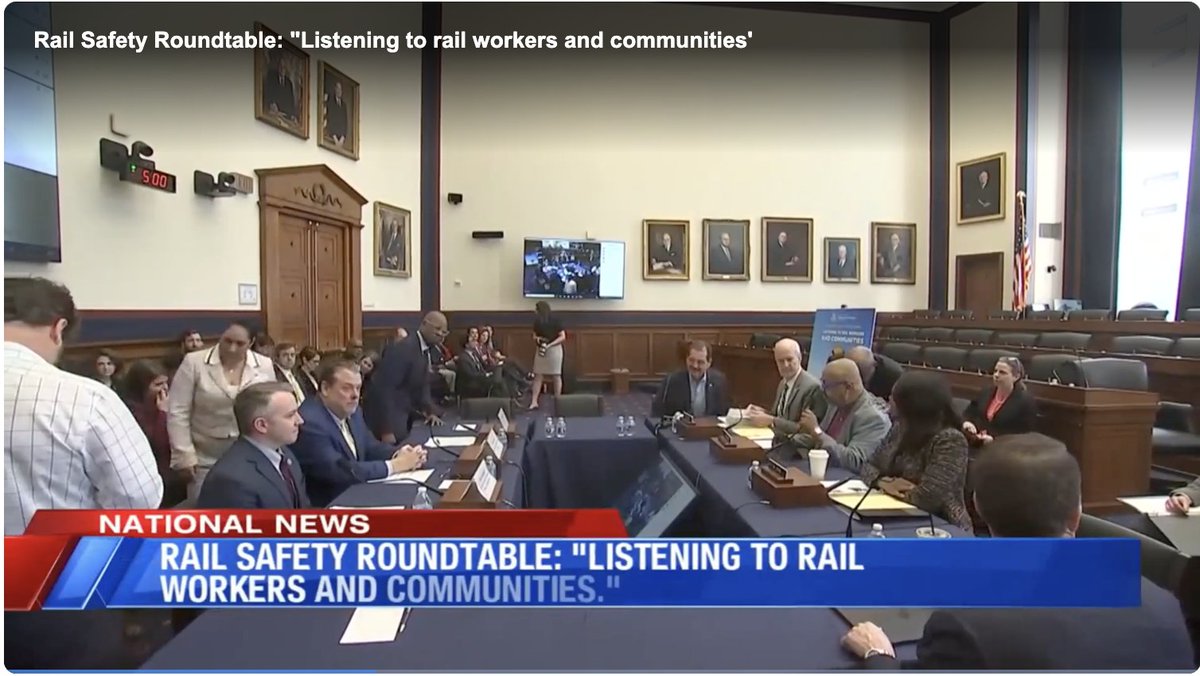
"Two weeks ago, BNSF announced 362 mechanical department furloughs. It’s absolutely asinine that they are furloughing people” - Peter Kennedy, @smartunionworks
With House GOP stalling on Rail Safety, @TransportDems hold Roundtable
tcunion.org/tcu-union/with-h…
1
4
12
1,573

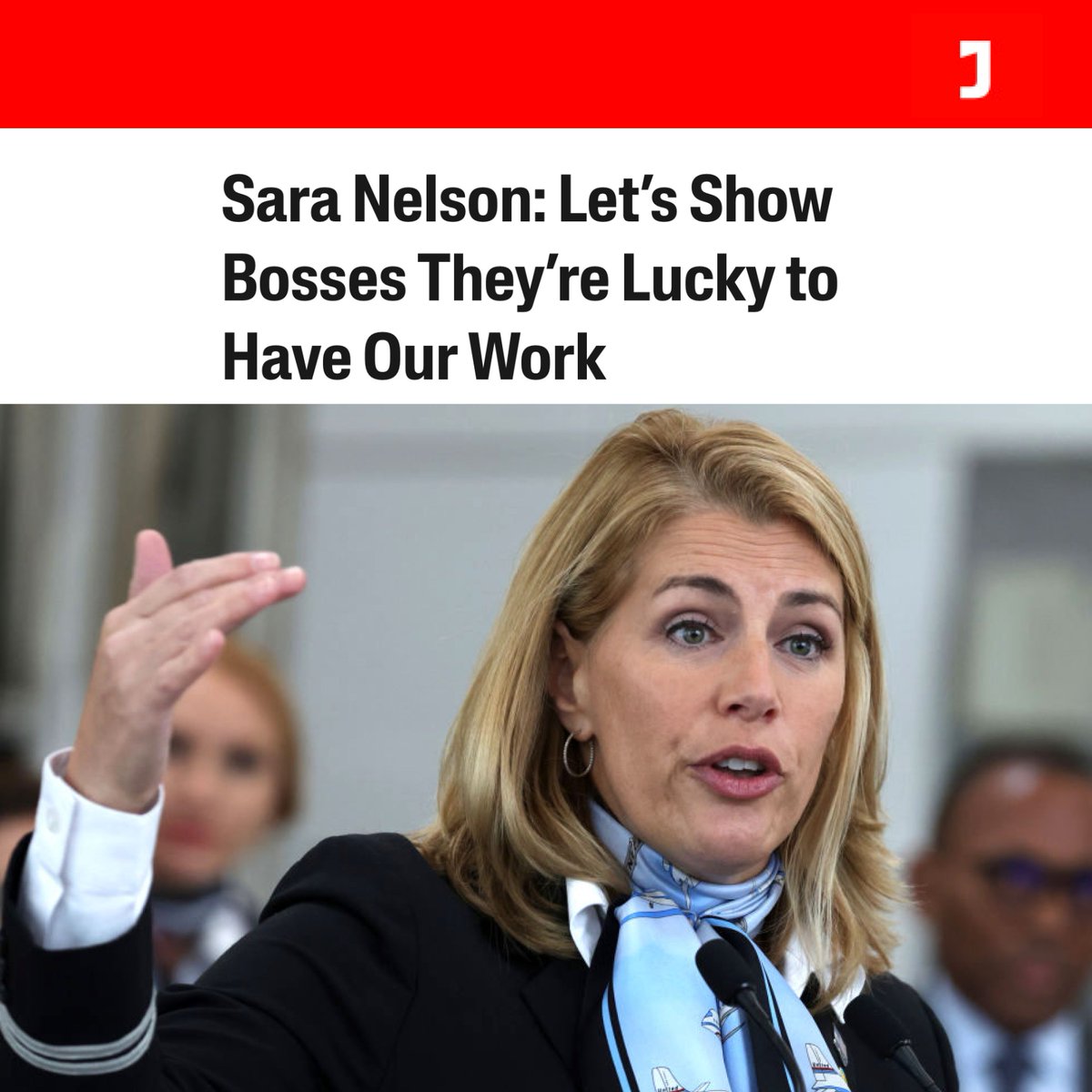
"We’re beginning to see not just that the system is broken, but that solidarity is the only way to fix it." — @FlyingWithSara @jacobin
jacobin.com/2024/02/sara-nel…
#solidarity #1u
8
149
577
44,258
J. Ramey retweeted
7 Dec 2023
BREAKING: Biden puts Big Pharma on notice that he may use "march-in" rights to bring down prices of drugs that taxpayers helped develop.
This lets the administration give other companies license to produce those drugs at a lower cost.
No president has ever used this authority.
29
301
1,025
107,711
J. Ramey retweeted

28 Oct 2023
UAW wins big again. Along with economic gains, UAW has successfully defended against 2 plant closures, won a plant re-opening new battery plant at Belvedere, and won new spending commitments that will add thousands of new jobs.

15
69
344
61,159
J. Ramey retweeted

26 Oct 2023
Huge news
Record profits mean record contracts. We have a tentative agreement at Ford. #StandUpUAW
29
77
859
109,328
J. Ramey retweeted

6 Oct 2023
🚨🚨UAW just announced GM agreed to put EV battery manufacturing facilities under its national contract.
A huge victory for autoworkers that did not seem possible before strike. For legal reasons, wasn't even one of UAW's core demands
by @JeanneWhalen
washingtonpost.com/business/…
7
134
531
78,240
J. Ramey retweeted

5 Oct 2023
"Right now I'm just sitting around waiting for another East Palestine to happen, because [nothing has changed &] I don't see anything on the horizon that gives me any hope" - Jeff Kurtz, retired railroad engineer, on yesterday's @TheRealNews livestream: youtube.com/live/wp5LQ2NNX1E…
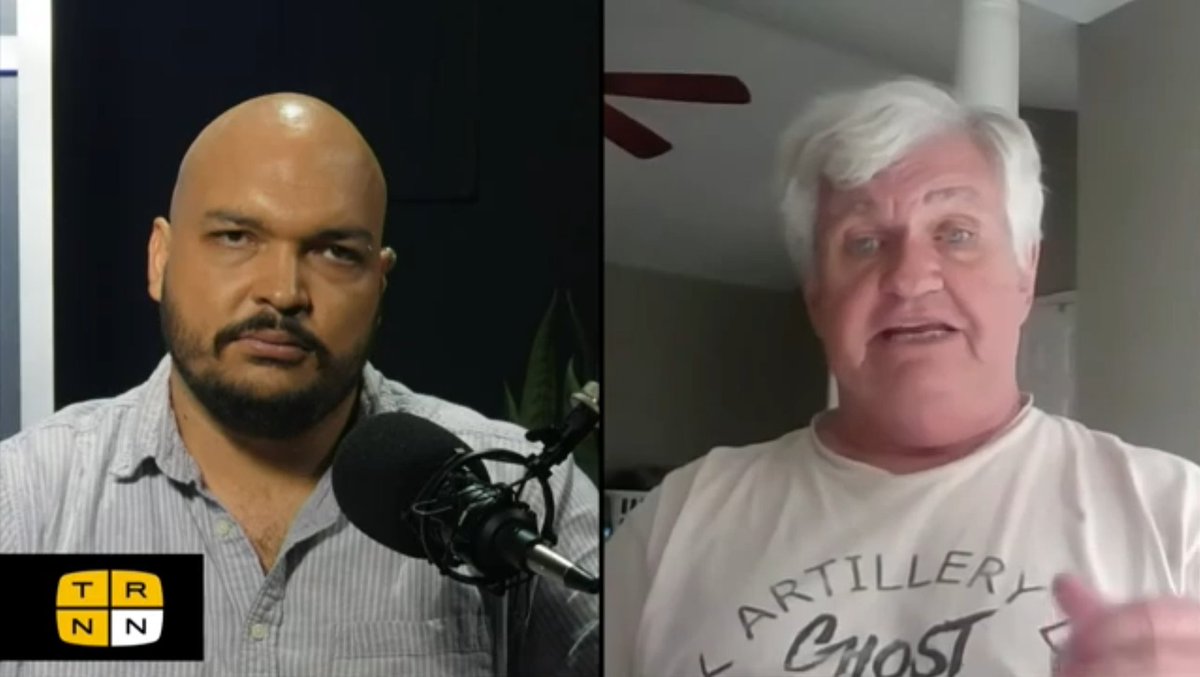
ALT Screenshot of TRNN livestream with Max (left) speaking with Jeff Kurtz (right)
2
25
47
4,157
J. Ramey retweeted

4 Oct 2023
While the recent editorial on the Railway Safety Act is articulate, it’s evident that the authors lack first-hand railroad experience. Drawing conclusions from the comfort of an editorial boardroom, quite possibly under the influence of the Association of American Railroads, is worlds apart from understanding the ground realities of the railroads.
As a seasoned railroader, I urge readers to remember that when it comes to safety on the tracks, there are no armchair experts. Every day, railroad workers face tangible risks, making split-second decisions that can be the difference between life and death.
The two-person train crew mandate isn’t a mere ‘union giveaway’ as so callously put; it’s a matter of ensuring that our railroads have adequate manpower to handle complex operations. It’s not about job numbers; it’s about ensuring every train has a safety net. While I acknowledge the value of technology, to insinuate that sensors always outperform human judgment is oversimplified. No amount of technology can yet replicate the multifaceted expertise, intuition, and immediate decision-making ability of experienced railroad professionals.
The Ohio derailment, while tragic, should not be used as the sole benchmark against two-person crews. Using a single incident, however grievous, to generalize the safety efficacy of entire policies is a gross oversimplification. And the proposed focus on certified mechanics for inspections isn’t about bureaucracy; it’s about recognizing that in-depth, specialist expertise leads to safer railroads.
The editorial seems to be more a voice for railroad corporations than for the safety of the American public. Unions, contrary to the portrayal in the piece, represent the voices of dedicated railroad workers who have intimate knowledge of the industry’s demands and dangers. To dismiss their collective wisdom is not only naive but downright dangerous.
It’s time we put the safety of our railroads and the well-being of railroad workers over corporate interests and uninformed editorials. Let’s prioritize genuine expertise over detached speculation. And while constructive criticism is always welcome, it should be grounded in reality, not swayed by vested interests.
Railroad safety is not an area for conjecture; it’s about lives. It warrants informed perspectives, not just polished rhetoric from those who’ve never been on the tracks.
22 Sep 2023

The Railway Safety Act does more to boost union jobs than to promote safety.
on.wsj.com/3ZucxPz
17
40
3,693
J. Ramey retweeted
28 Sep 2023
While multiple major media outlets unquestioningly repeated the line that Trump went to Michigan to speak to union workers, he actually went to a non-union plant.
And was incredibly dismissive of the @UAW and their strike.
37
382
1,119
78,478
J. Ramey retweeted
28 Sep 2023
When asked if he'd still take pay during a government shutdown, millionaire GOP Rep. Brandon Williams says he would.
Then, talking about millions of government workers who won’t get paid, he says, "I don't think you're gonna find a huge amount of sympathy."
88
329
859
178,693
J. Ramey retweeted

13 Sep 2023
"To me, what it suggests is the capital class doesn't deserve to exist if they can't handle a full economy... that's employing as many people as it possible can... if their reaction to that is that they've got to undetermine it, they should be thrown out." @ryangrim
3
63
240
35,671
J. Ramey retweeted

From @ABC: Federal inspectors said they found an alarming number of defects in the locomotives and railcars Union Pacific was using at the world's largest railyard in western Nebraska this summer, and the railroad was reluctant to fix the problems. blet.link/3ZhOwve
6
13
797
J. Ramey retweeted
9 Aug 2023
Beyond recognition, where's the action on #railsafety? Immediate regulation is crucial. We need foresight, not hindsight. This isn’t just a task for Congress; it's a collective call to ensure the safety of our communities and rail workers. #stayontrack
5 Aug 2023

We should not accept that derailments are a daily occurrence in this country and we must not wait until the next major derailment to get something done on freight rail safety.
1
6
18
2,062
J. Ramey retweeted
4 Aug 2023
"Alabama’s only union talk show, podcast sees surge amid national labor movement"
Very exciting (& very well deserved) write up about @LaborReporters ❤️✊🏽
alreporter.com/2023/07/31/al…
4
28
98
7,652