
Joined August 2016
- Tweets 8,120
- Following 56
- Followers 326
- Likes 1,432
616 Photos and videos

Brian retweeted

Jun 11
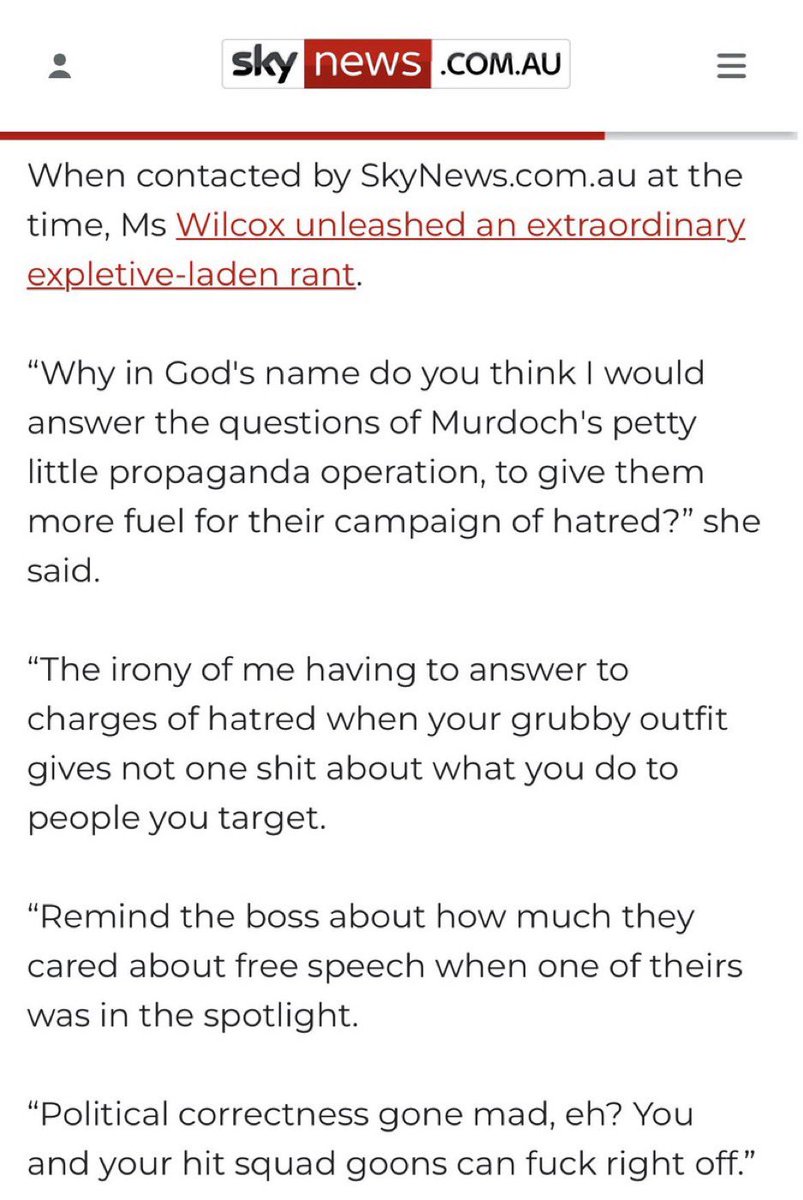
Epic response by Cathy Wilcox to Murdoch grubs after their Israel lobby smear campaign
220
1,236
3,948
82,613


Jun 9
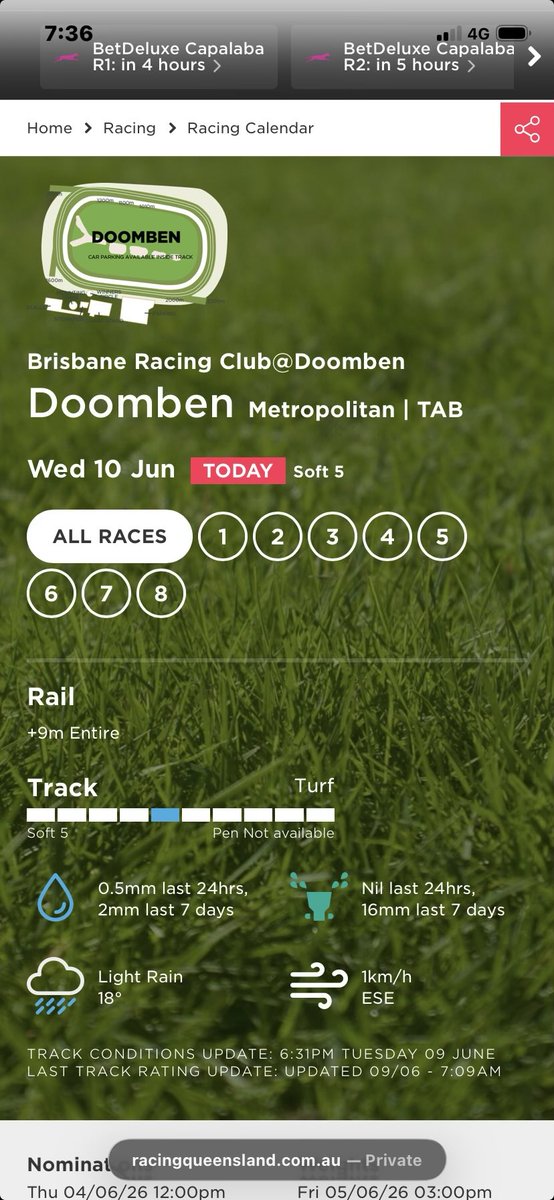
Doomben is a heavy 8 with more rain to come yet TAB and @Racing_QLD has track up as a soft 5 and people are betting on races with this garbage being served up.
1
80
Brian retweeted

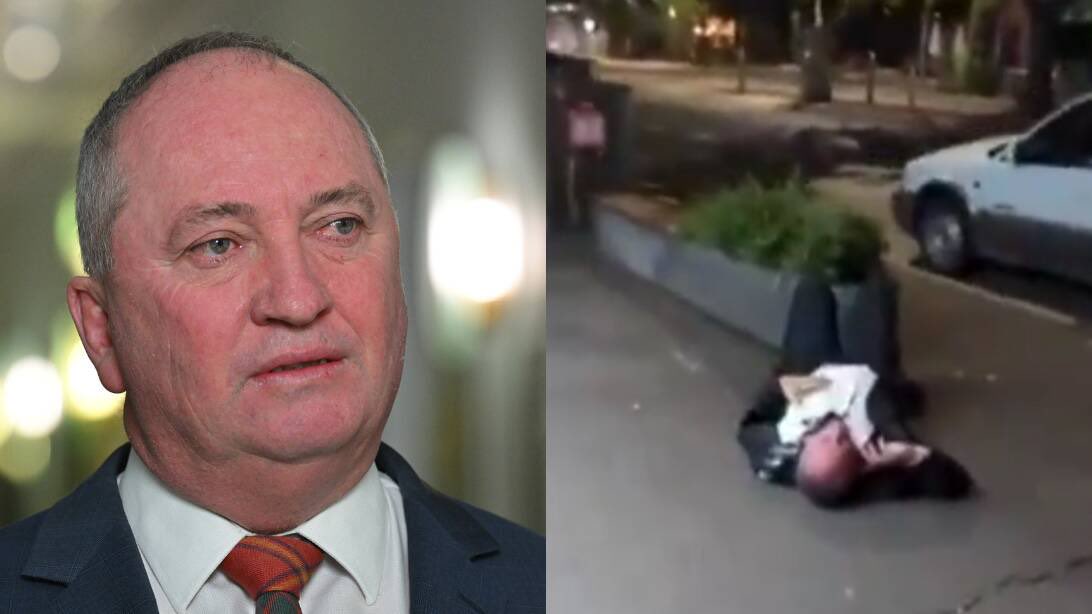
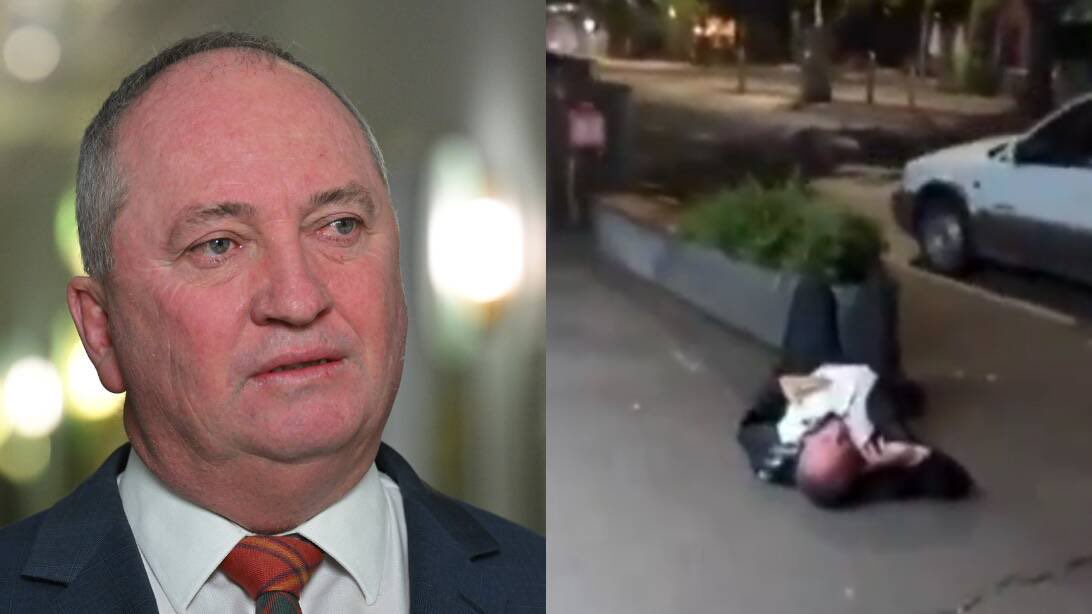
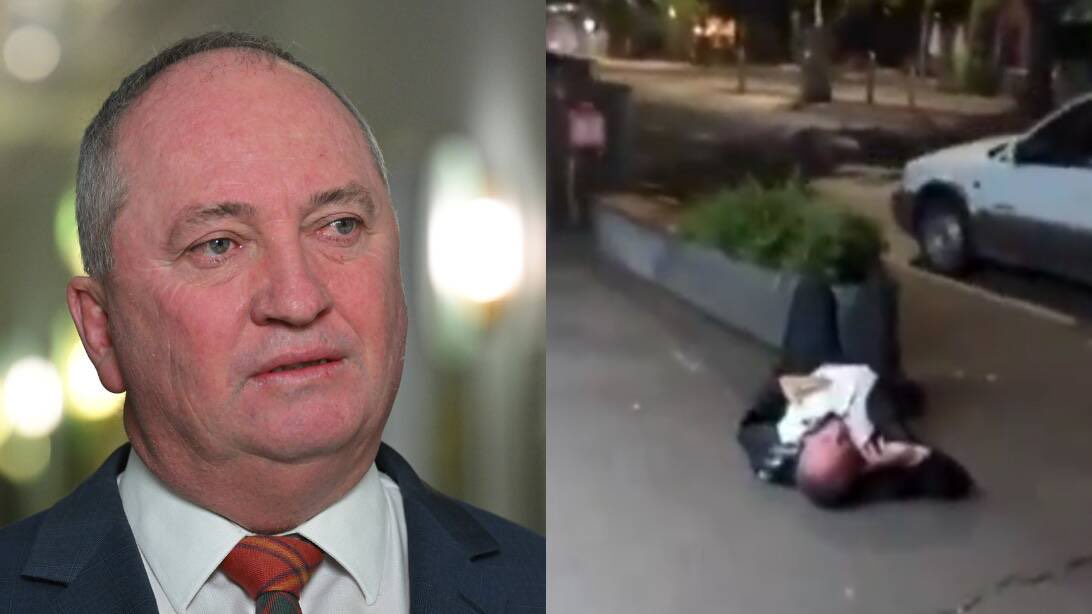
Clearly, this is not the first time he's done this 😅
552
3,479
26,301
983,713
Brian retweeted

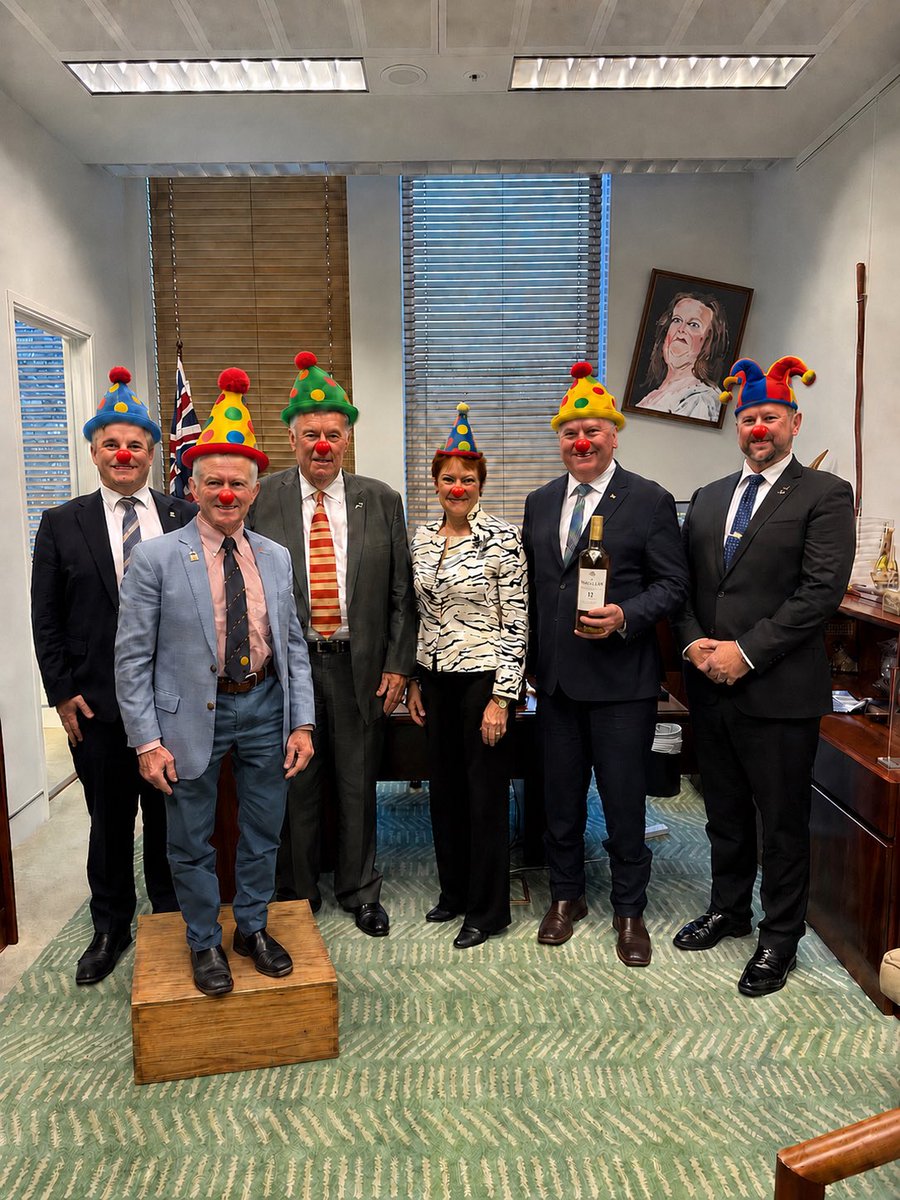
Why don’t people pay Pauline Hanson the respect that she’s worked so hard to earn?
3
2
46
735
Brian retweeted

Jun 9
One Nation leader Pauline Hanson appears to have responded to growing scrutiny of her Senate Estimates attendance record by making a rare appearance at the latest round of hearings. Rather than silencing criticism, however, the appearance has raised fresh questions about her preparedness and understanding of the issues under discussion.
Senate Estimates hearings are among Parliament’s most important accountability mechanisms. They allow senators to scrutinise government spending, question departmental officials and hold ministers accountable for decisions affecting Australians. Attendance is not optional in any practical sense; it is a core responsibility of elected representatives.
For years, critics have pointed to Hanson’s poor attendance record at Estimates hearings. Since returning to the Senate in 2016, she has been absent from the overwhelming majority of proceedings, leading many to question whether she has fully discharged one of the most important duties attached to her role.
Against that backdrop, Hanson attended a hearing examining defence expenditure and Australia’s reporting of defence spending against GDP. Yet instead of demonstrating expertise or detailed preparation, the exchange appeared to expose a limited understanding of the subject she was attempting to challenge.
During questioning, Hanson sought to criticise the adoption of NATO methodology for measuring defence spending. However, departmental officials repeatedly found themselves explaining basic aspects of the reporting framework, while Hanson appeared to struggle to clearly articulate the distinction she was trying to draw between previous reporting methods and the NATO benchmark.
Officials explained that NATO methodology is an internationally recognised standard and that Australia’s defence spending decisions are driven by strategic requirements rather than adherence to a fixed percentage of GDP. Rather than exposing flaws in government policy, the questioning often appeared confused and lacking a clear line of inquiry.
The contrast with experienced Estimates participants was striking. Effective scrutiny requires preparation, subject matter knowledge and the ability to pursue detailed questioning when officials attempt to avoid providing clear answers. Senators who regularly engage in the process develop those skills through consistent participation and a deep understanding of their portfolios.
Critics argue that Hanson’s performance demonstrated what happens when a senator rarely engages with the process. Senate Estimates is a powerful accountability tool, but only when it is used effectively. Simply attending after years of absence is not enough.
The episode has reignited debate about Hanson’s attendance record and whether her appearance ultimately achieved the opposite of what was intended. Instead of showcasing rigorous parliamentary scrutiny, it highlighted concerns about preparation, policy knowledge and effectiveness.
Parliamentary accountability is not merely about turning up. It is about understanding the issues, asking informed questions and using the powers of the Senate to serve the Australian public.
As independent senator David Pocock has demonstrated during his relatively short time in Parliament, effective scrutiny comes from preparation, consistency and a willingness to engage deeply with complex policy matters.
In the end, parliamentary performance is measured not by media appearances or political slogans, but by the ability to understand complex issues and hold governments to account. On that measure, critics argue Hanson’s latest appearance did little to strengthen her case.
48
152
409
12,110
Brian retweeted

These elitists don't understand how badly Australians are struggling.
Newspaper editors don't get to decide who represents the voters in Parliament - only the voters do.
I am devastated at the state this country is in with Australians sleeping on the street, in caravans and going broke just trying to live.
We should be one of the richest countries in the world. We're not because these same out-of-touch elitists and major party politicians have run the place into the ground.
Australia has the resources, the people and the smarts to do it all - One Nation will knock some common sense into this government or do it ourselves.
589
877
5,751
137,360
Brian retweeted

Jun 4
Jane Hume skewered as she scrambles to avoid choosing between first-home buyers & investors.
PK doesn’t let it go, then when cornered, “that’s a ridiculous question.” 🙄 Yikes.
She’ll be now praying no one sees this pathetic display, esp people locked out of housing. #auspol
94
458
1,326
49,258
Brian retweeted

Just a reminder: when Barnaby Joyce joined One Nation, Pauline Hanson received a $100,000, 42.5% pay rise, due to One Nation getting enough MPs to be classified as a minor party.
Yesterday, she stated that she would not support a 6% raise to the minimum wage.
127
883
2,383
35,265
Brian retweeted

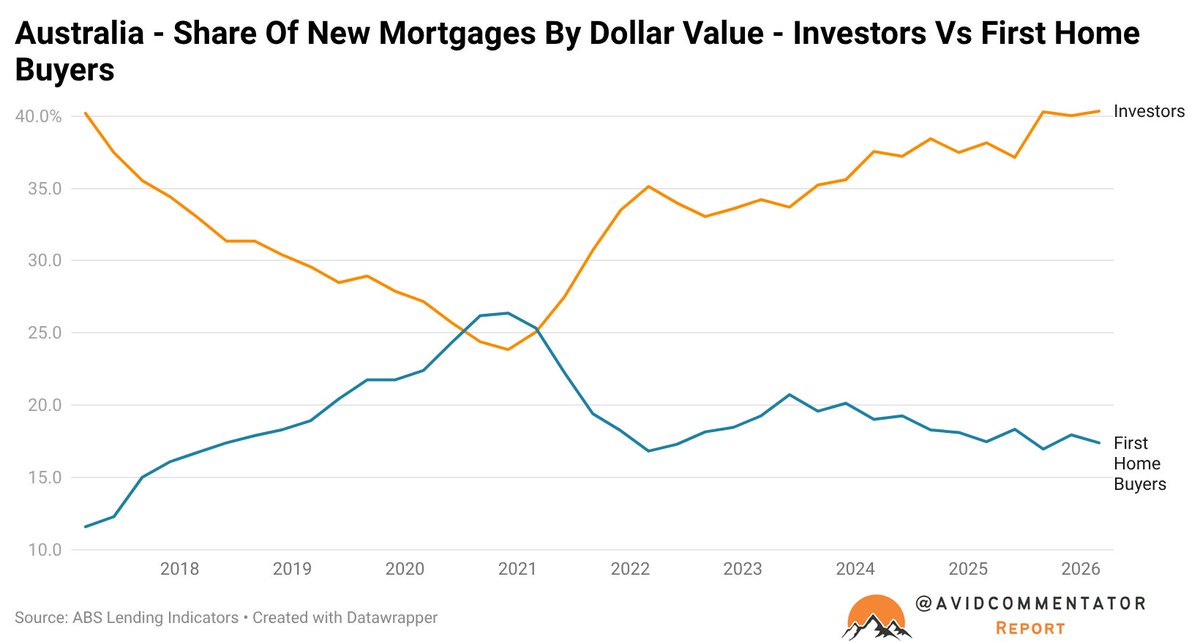
This is one of my favourite charts ever.
The share of new mortgages flowing to property investors is heavily inversely correlated with the proportion going to first home buyers.
It is very much an either or sort of choice.
24
27
200
15,931
Brian retweeted

May 24
Murdoch's @newscorpaus opinion paper @theheraldsun
Always follow the money ...
@DHughesy
Dave "Hughesy" Hughes has an estimated net worth of around $10 million
Hughes made headlines in 2017 when he purchased the Elsternwick property renovated by Josh and Elyse on Channel 9's The Block for $3.067 million.
Current Valuation:
Hughes revealed live on-air that the property had received valuations approaching $5 million
Dave Hughes' wife, Holly Ife, works as a teacher and a children's book author.
Before transitioning into education, she spent many years working as a mainstream journalist, notably reporting for Melbourne's The Herald Sun newspaper
Next time you see a Murdoch sensational headline warning of an attack on regular Australians, remember to follow the money.
It doesn't lead to your suburb; it leads straight back to the corporate boardroom.
Don't mistake billionaire media interests for public advocacy.
News Corp campaigns against tax reform are to protect corporate wealth, not your backyard.
Walk into any Australian newsagent or open your social media feed this week, and the message from News Corp Australia’s mastheads is deafening. If the federal government goes ahead with its proposed changes to the Capital Gains Tax (CGT) and negative gearing, we are told it will be a "catastrophic" assault on aspiration, a destruction of retirement funds, and the death of the Australian dream.
It's a corporate shield protecting their own massive investments and wealthy mates.
Murdoch's commentators are out in force, painting a picture of an aggressive government coming for your backyard.
News Corp isn’t fighting for ordinary Australians. It is fighting for its own balance sheet.
By using its media dominance to scare the public into believing that asset-tax reform will destroy their personal wealth, News Corp effectively turns working-class Australians into human shields to protect billionaire interests
News Corp owns a massive 61% controlling stake in REA Group (the operator of realestate.com.au). This single asset has grown to become the crown jewel of the Murdoch family's Australian portfolio, accounting for a staggering 65% of News Corp’s total global market value—valued at roughly $13.75 billion.
May 24

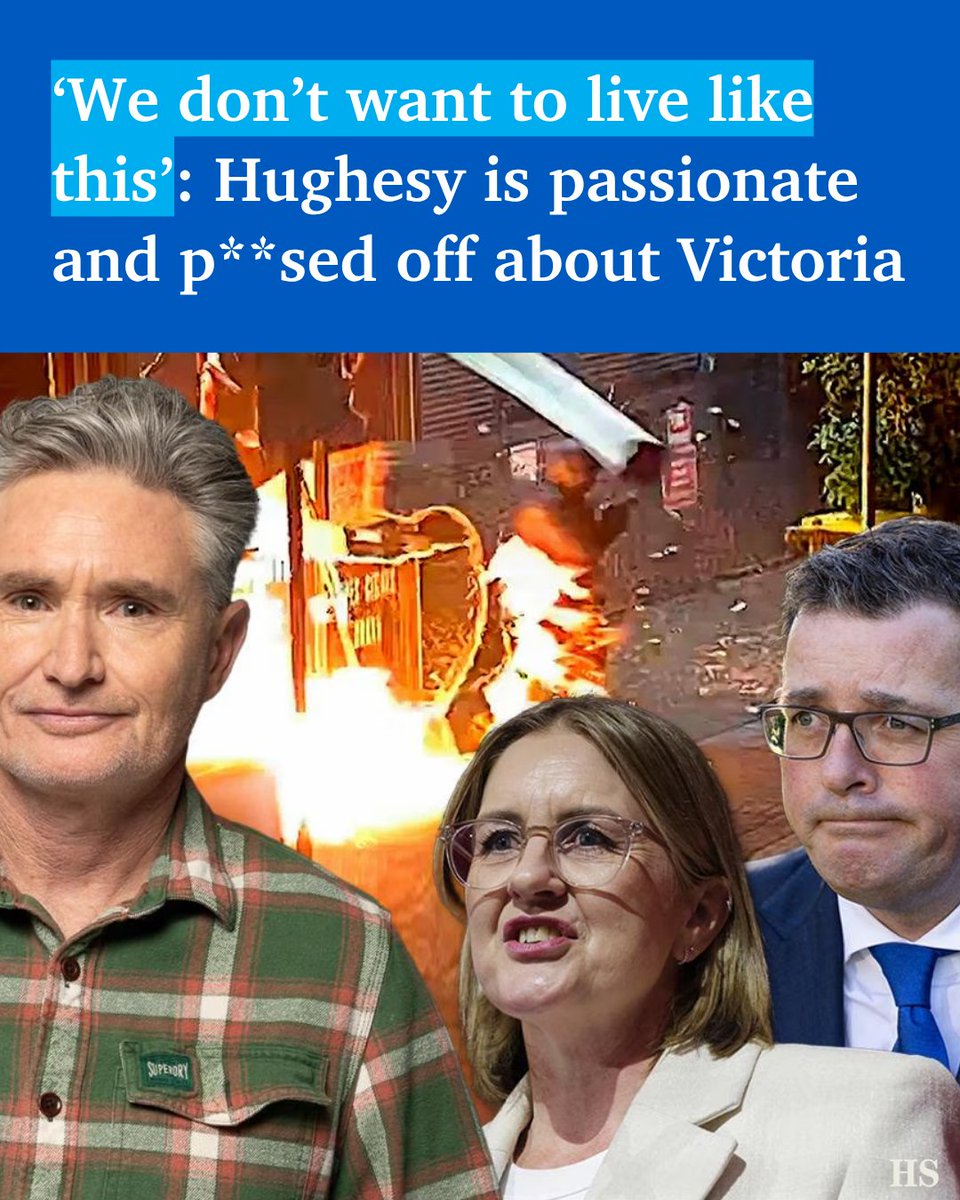
Comedian Dave “Hughesy” Hughes has traded jokes for raw fury, launching a blistering attack on broken tax promises, the Dan Andrews statue, and the state’s out-of-control firebombing crisis, saying “I just want someone in charge to do something”. > bit.ly/4utlZS3
14
32
83
2,649
Brian retweeted

Iam always blown away that the lower classes with no assets fight the hardest for the elites to exploit the economy. Negative gearing is a subsidy for the investor class
2
1
20
719


Brian retweeted

May 17
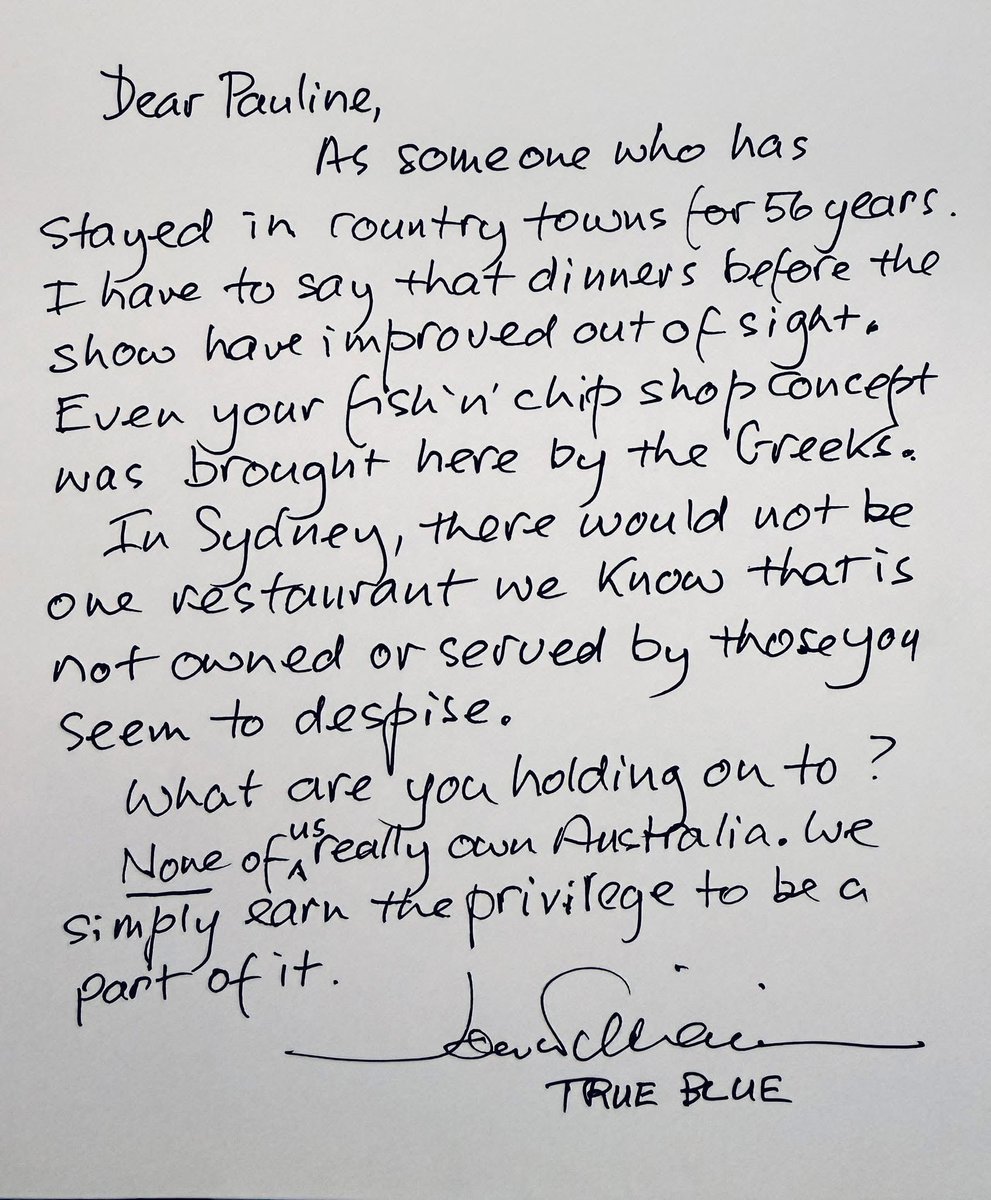
Well done ,John Williamson. You are definitely, True Blue! #auspol
145
695
2,467
50,229



Brian retweeted

May 10
“Right now some states have laws that allow a baby to be born from his or her mother’s womb in the NINTH month.”
- Donald J. Trump, super genius
1,028
1,206
3,467
172,255