Joined July 2015
- Tweets 6,391
- Following 264
- Followers 16,662
- Likes 5,830
939 Photos and videos
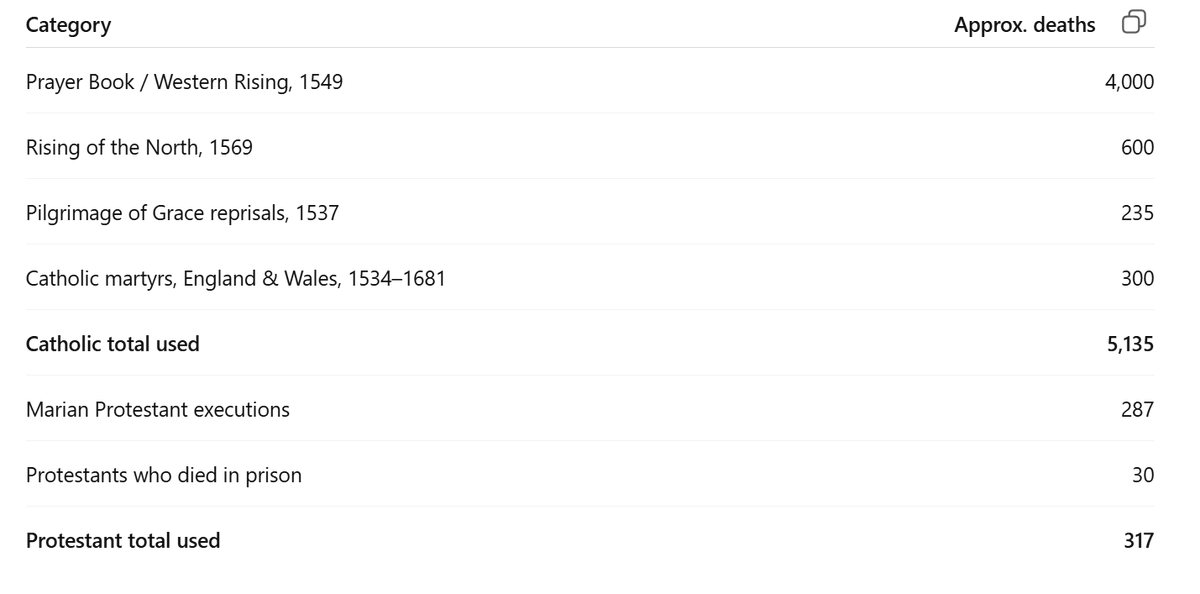
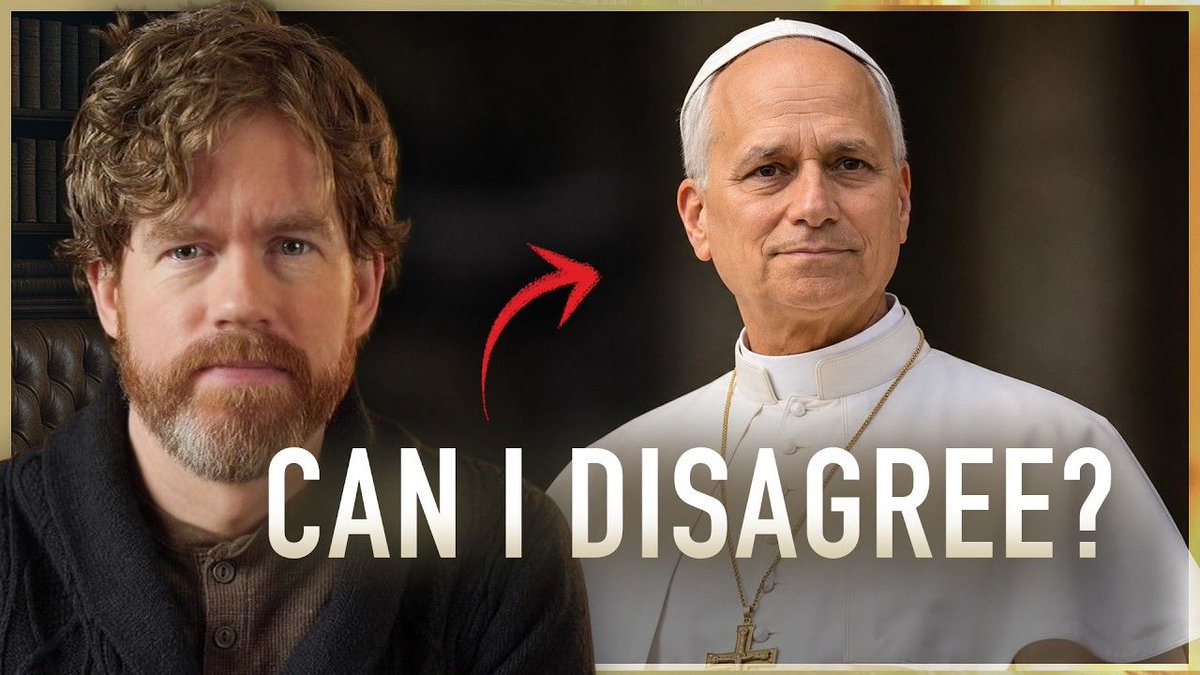
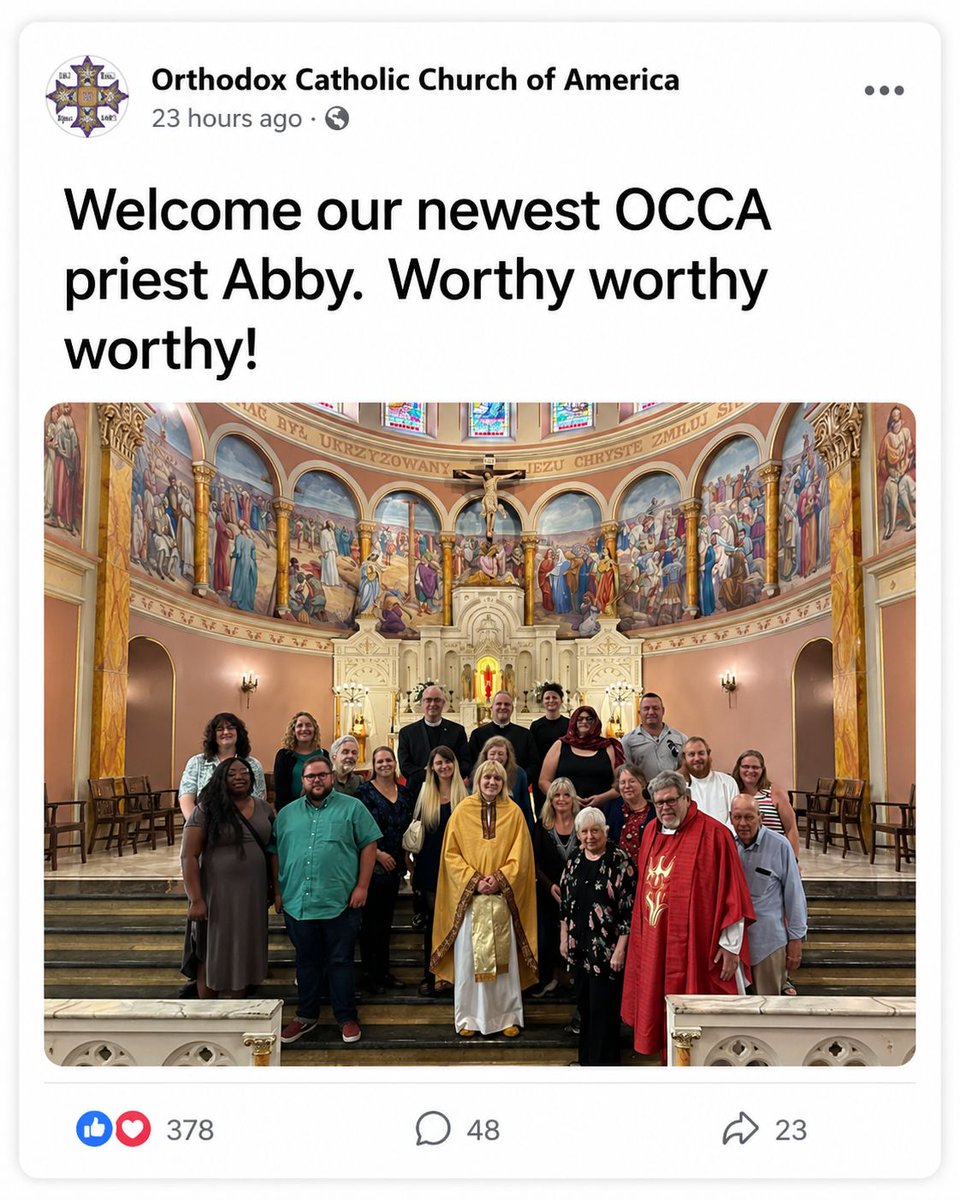

Protestants actually think that 1500 years of Catholic theologians, scribes, and monks painstakingly preserving and copying the Bible with humble dedication and beautiful illumination was actually motivated by a conspiracy to distort and withhold scripture from the world.

63
71
967
24,111
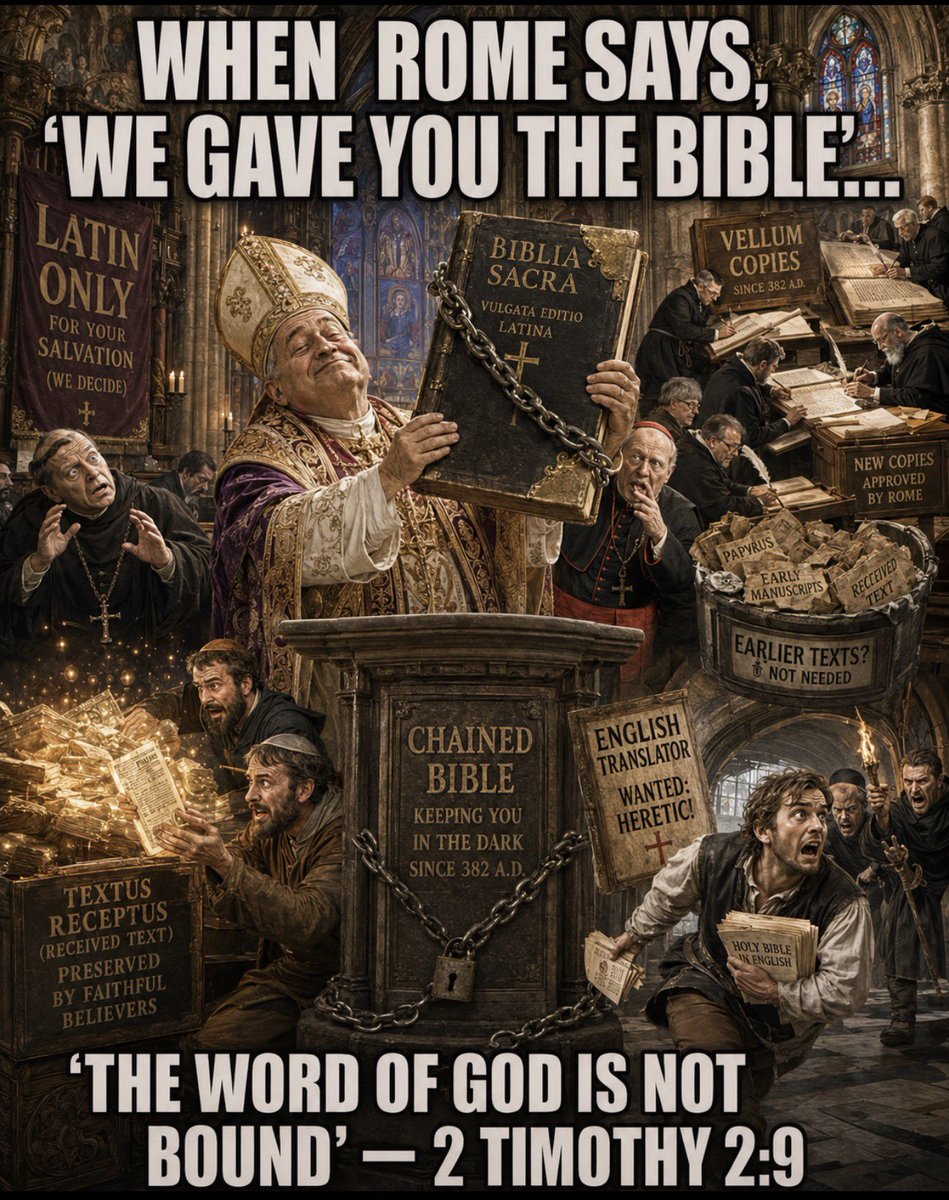
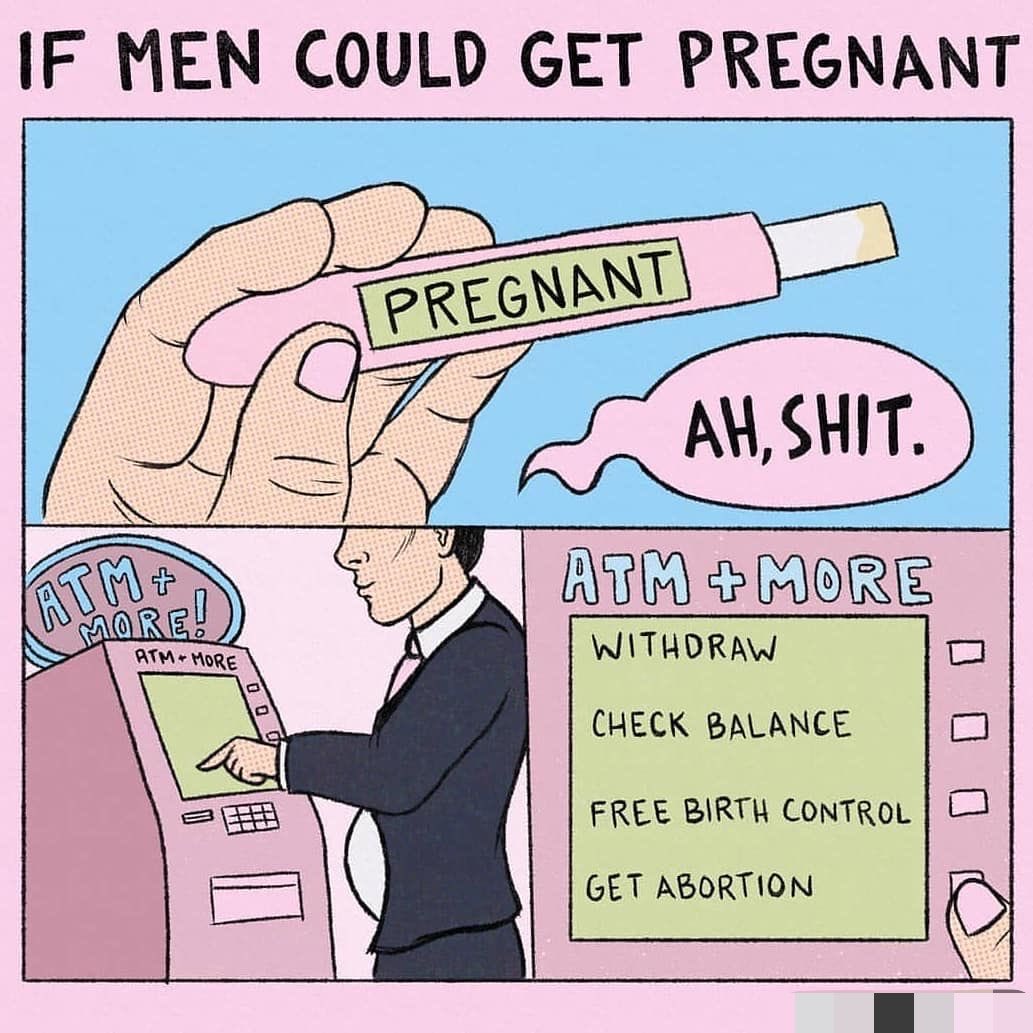
The only reason abortion is allowed is because women are able to generate sympathy as victims of circumstance. Men aren't able to make that same appeal.
Jun 11

5
14
259
7,296
Shots fired!
Jun 12

The Papacy
5
1
51
5,754

When your theological definitions require that Jesus committed a sin, you can be pretty sure you messed up.
Jun 11

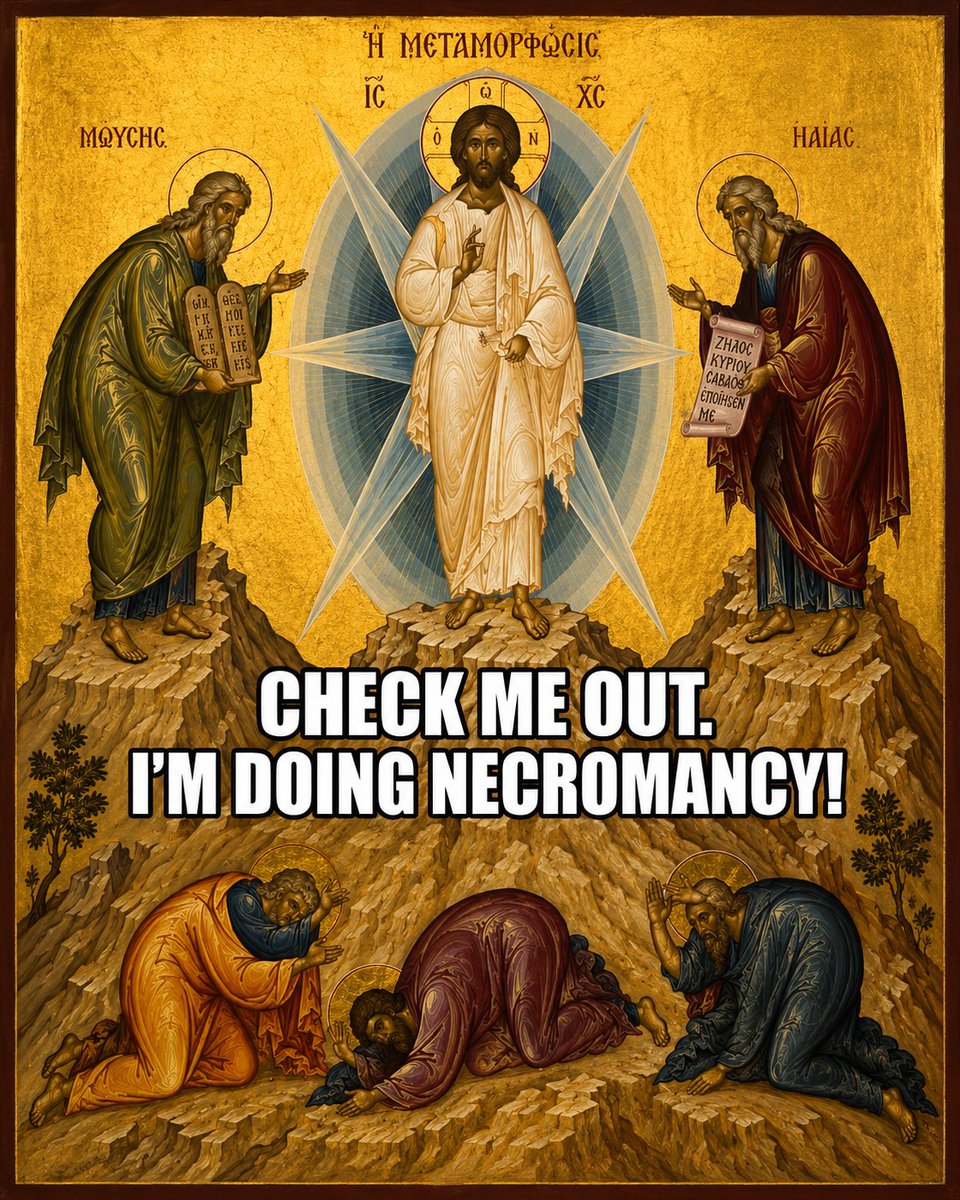
Necromancy is simply inquiring of those who have physically passed away here on earth.
Adding extra technicalities to this definition is just trying to create a loophole to justify your unbiblical practices.
26
45
601
13,805
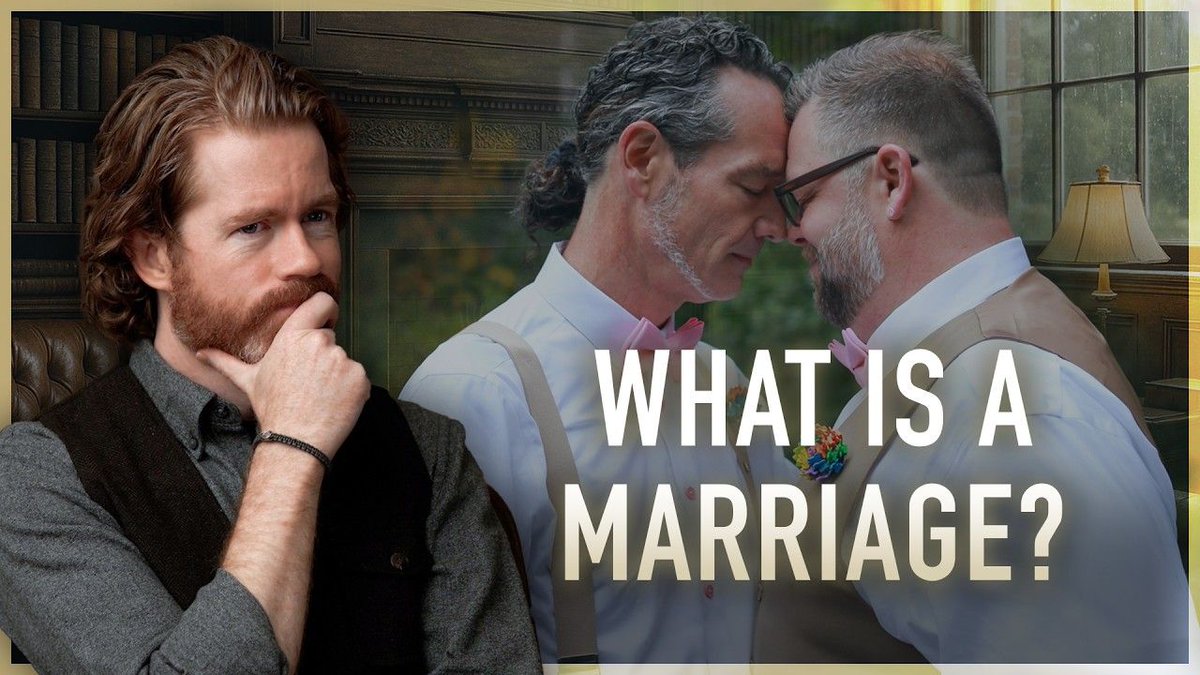
What is a marriage? Watch the whole thing here: youtube.com/watch?v=jgxmaLsi…
3
15
1,122
This whole notion of "getting the Word of God" into the hands of the people is extremely revisionist. For one, "the people" were mostly illiterate and even if they could read, couldn't afford to buy a hand-written Bible.
Jun 11

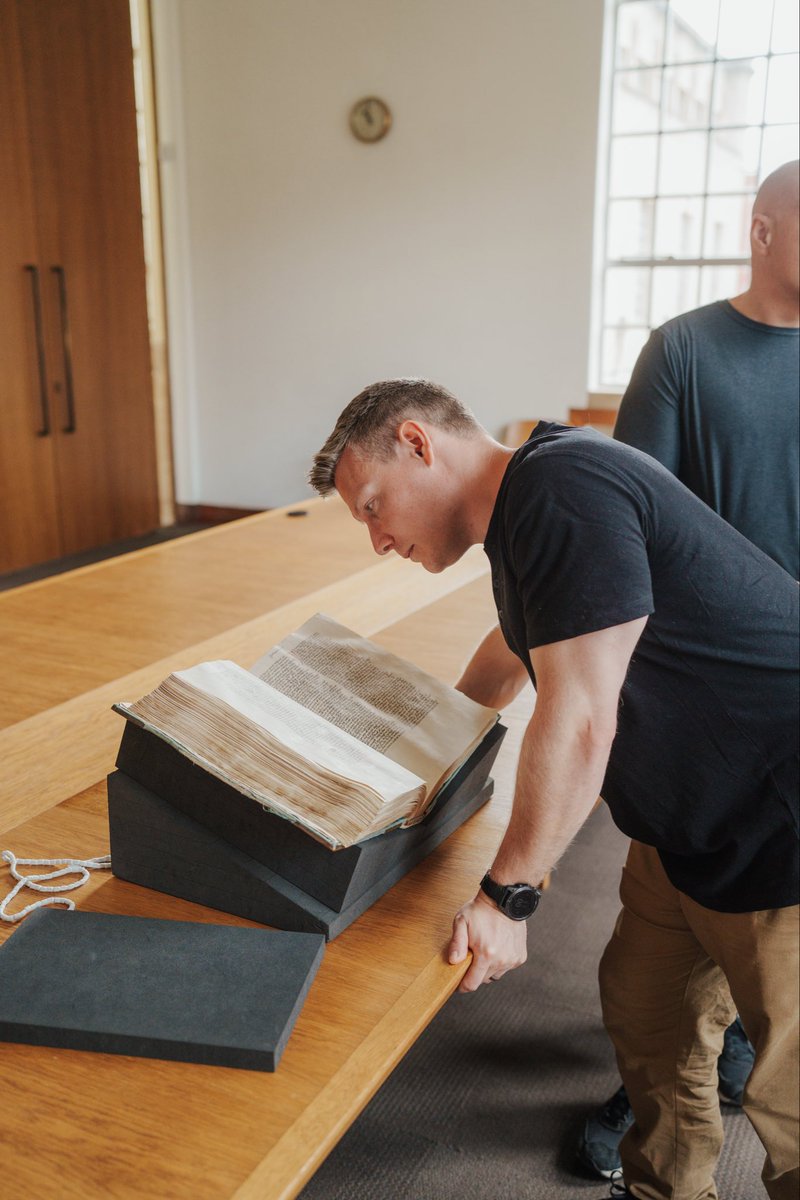
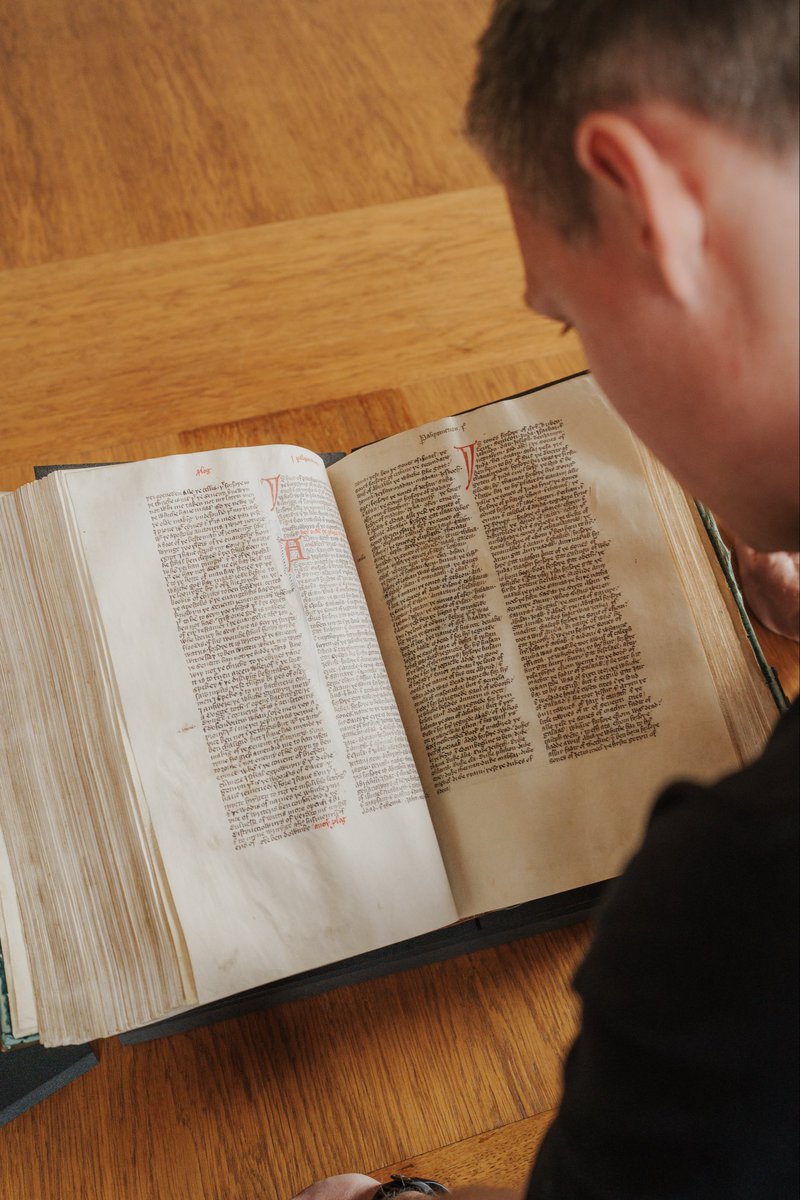
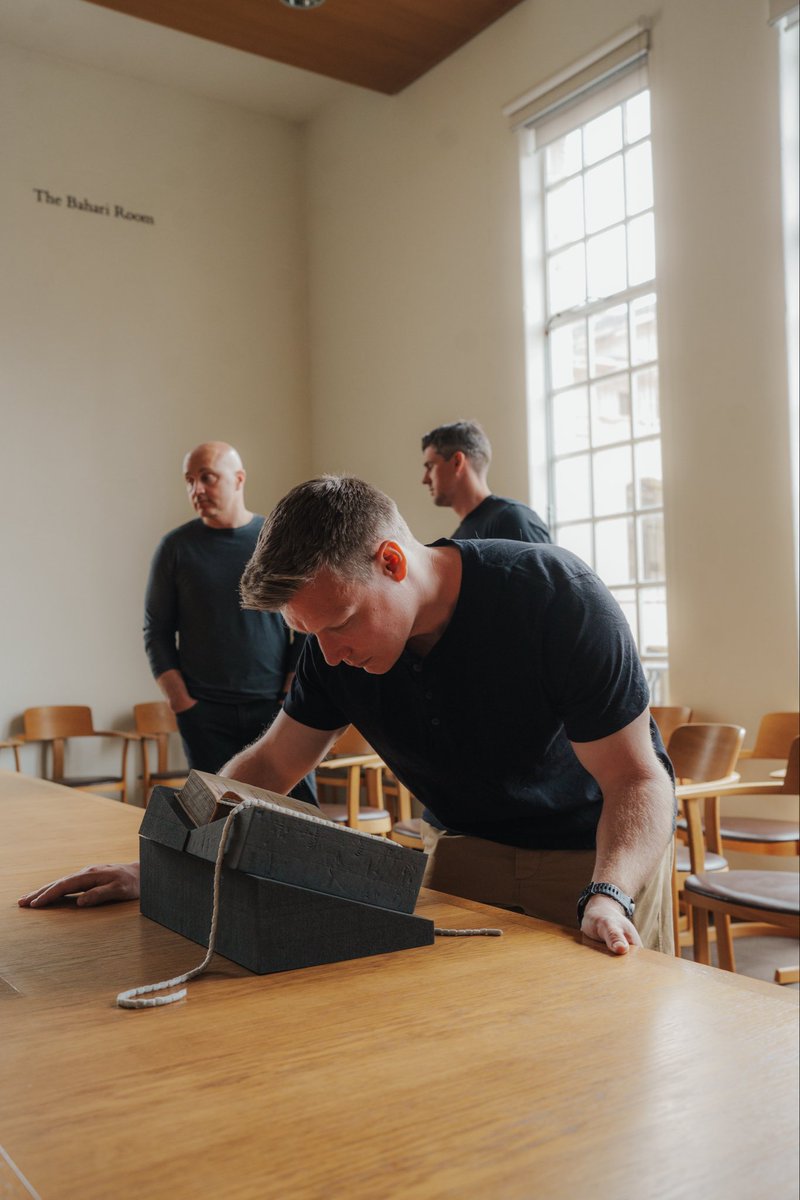
John Wycliffe is one of my heroes. His passion, conviction, and desire to get the Word of God into the hands of the people. This week I was able to look at our earliest surviving copy of Wycliffe’s English Bible. The Wycliffe Bible was produced in the late 1300s, roughly 1382–1395, making it the first complete English rendering of the Bible, over 200 years before the King James Version of 1611. If you look closely you’ll notice it’s handwritten, not printed. Every copy had to be produced by scribes. This was before printing arrived in England, so owning a Wycliffe Bible meant owning a massive, labor-intensive manuscript. It became a medieval bestseller.
More than 250 Wycliffite Bible manuscripts survive, which is extraordinary for a banned or controversial medieval English text. Only about 20 of those are complete Bibles.The copy you see me looking at in this picture — one of two I was able to take a look at — includes Genesis to Isaiah. The other one was a Wycliffe New Testament from 1390. It was risky after 1408–1409 to produce and own one of these. The Archbishop of Canterbury at the time, Thomas Arundel, restricted unauthorized new Scripture translations and public reading of Wycliffe-associated texts. So later possession or use of these copies could become religiously dangerous, especially if linked with the Wycliffe followers, known as Lollards.
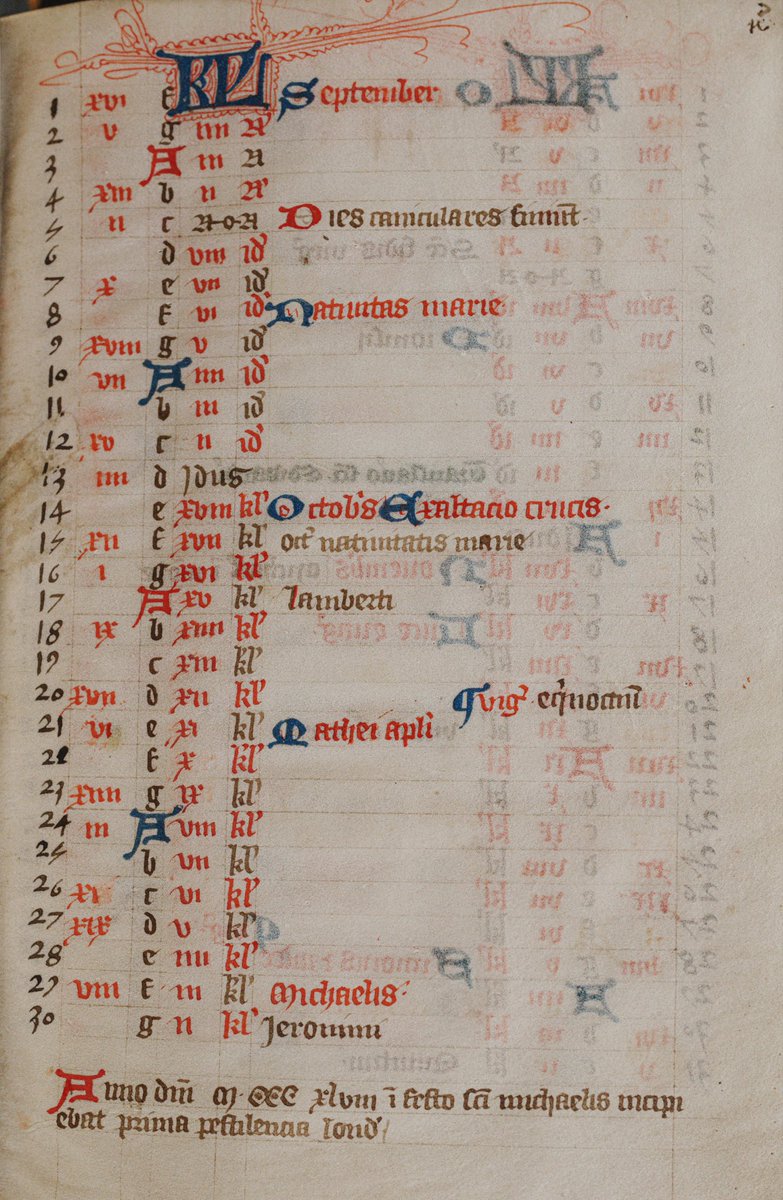
Also, take a look at the last image, a calendar at the front of the second smaller Wycliffe Bible we looked at, from 1390. At the bottoms of the page the scribe has written: “Anno Domini 1348, in festo Sancti Michaelis Magni, evenit prima pestilentia Londoni” — “In the year of our Lord 1348, on the feast of St. Michael the Great, the first plague occurred in London.”
73
81
1,119
45,310
Heads up! I'm going to be in Steubenville on July 31 at the Defending the Faith Conference. I'll be there with @KeithNester1 , Ana Munley, and Emily Dinneny discussing online evangelization. Register here if you can make it! bit.ly/4dTkdUH
Use the discount code Brian25
2
3
29
1,873
The next “What is a woman?” is “What is a marriage?”
Because once marriage is detached from children, family, and the common good, there’s no coherent reason for the state to recognize it at all.
📽️👇 Watch Below
5
5
32
1,657
I feel like getting a decent haircut is a lot like figuring out which prompts work with AI. Can someone tell me what was wrong with mine:
Prompt: "Cut 30% of every hair on my head... do nothing else."
Haircutter: Proceeds to give me a fade.
Me: What's wrong with you?
10
2
40
2,475
This is also why I often just end up with long hair. I don't trust that I won't end up with something worse if I attempt to get it cut.
3
12
822
School literally means leisure, but modern Catholic schools are forced to admit that it's work.
9
13
94
7,914
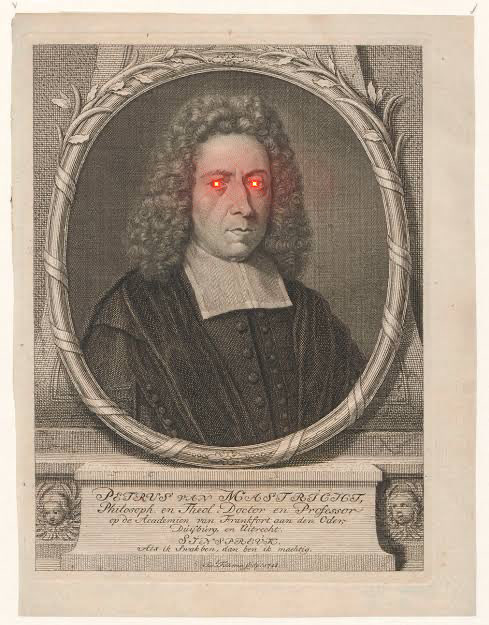
The real history is that the whole world became religiously obsessed with Aristotle, creating a climate of rivalry between faith and reason. Aquinas was able to reconcile them through his superhuman knowledge of both.

“Aquinas, without any shame, … disregarding the Scriptures, the heads of the faith began to be demonstrated by philosophical reasons, and even Aristotle, and others began to be considered equal to the Scriptures, if not preferred over them.”
—Petrus van Maastricht, TPT v1:85
4
6
77
3,390
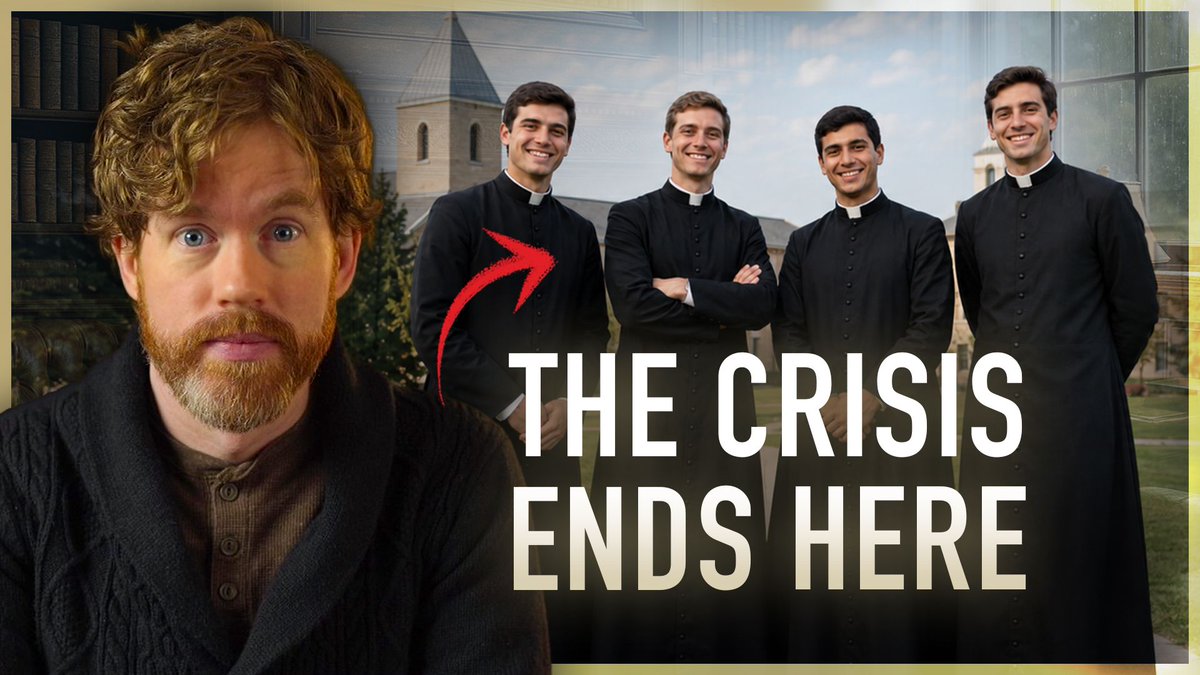
Everything online is always overhyped, so I'm reluctant to say this so boldly - but if we did this one thing, we would see an end to the crisis of faith in the Church immediately. It isn't complicated. The only question that remains is... why don't we do it?
📽️ Watch Below 👇
4
6
48
3,251
Brian Holdsworth retweeted

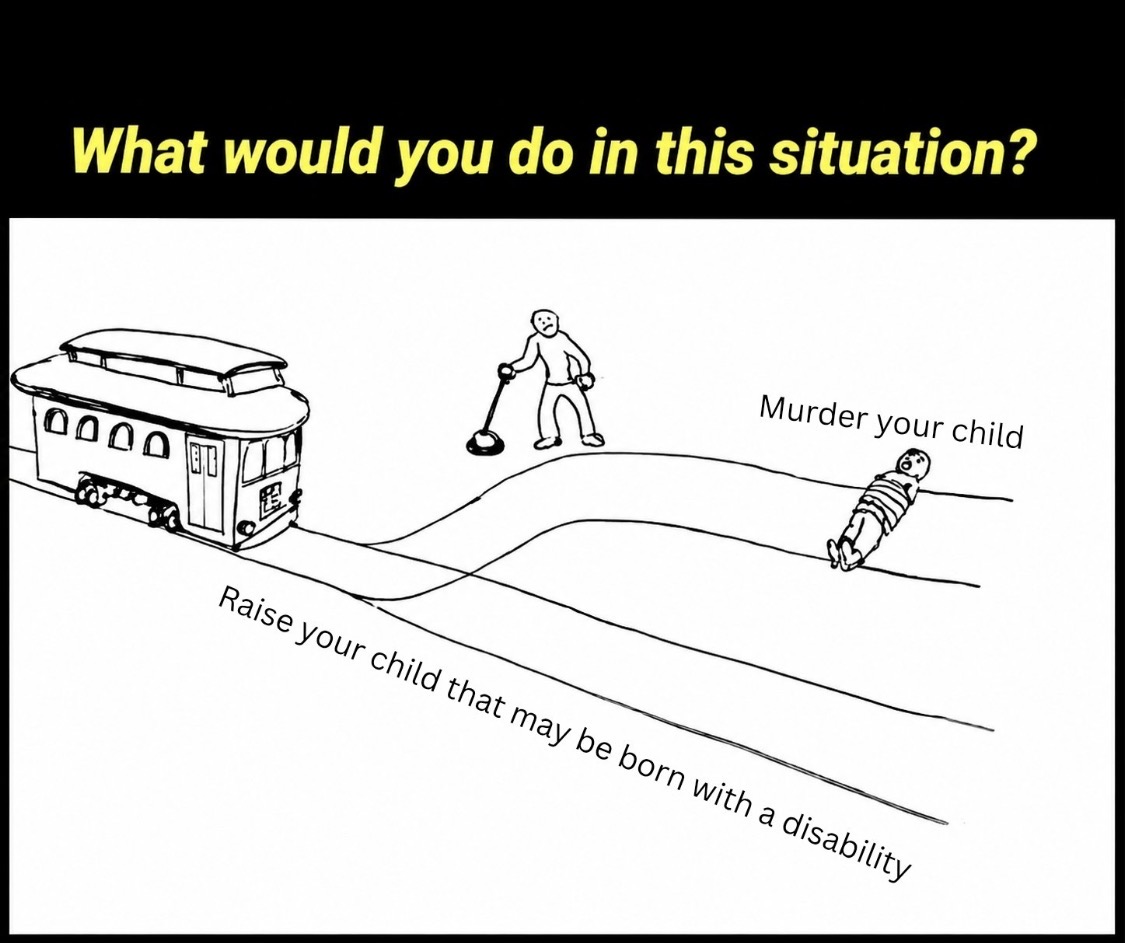
We’re living in the worst timeline
12
48
785
6,746
Brian Holdsworth retweeted

Jun 4
"This kid will suffer so I have to kill him"
almost always means
"I will suffer having this kid so I have to kill him."
75
535
6,744
63,121
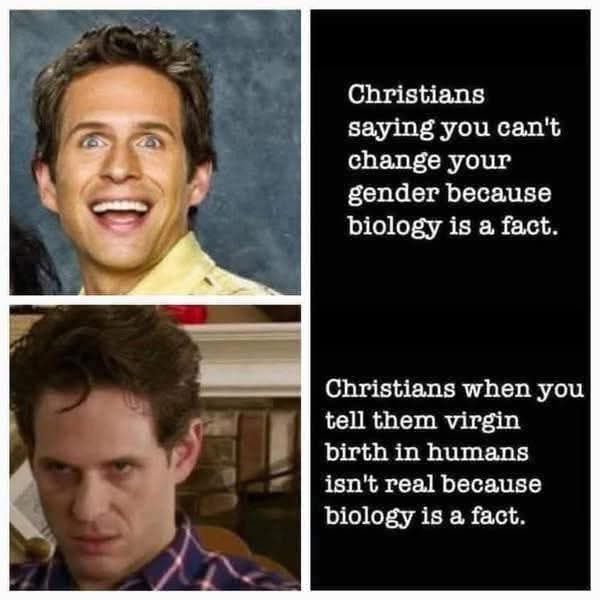
Either we're admitting that the only way for someone to change their gender is if God performs a miracle or that trans people don't exist because the virgin birth doesn't exist. Either way, an impressive self-own.
May 31

4
44
897
13,887