
Joined July 2015
- Tweets 295
- Following 426
- Followers 653
- Likes 1,451
23 Photos and videos

Brightwalton Stud retweeted

May 24
Shoemark Group 1 magic. Always been class. Always wanted to be part of a team. A lesson to us all - however badly you are treated never give up. And you can overcome anything. Ed Walker your dad would be so proud of you @curraghrace 💛🖤💛🖤
29
15
465
58,536
Brightwalton Stud retweeted

May 21
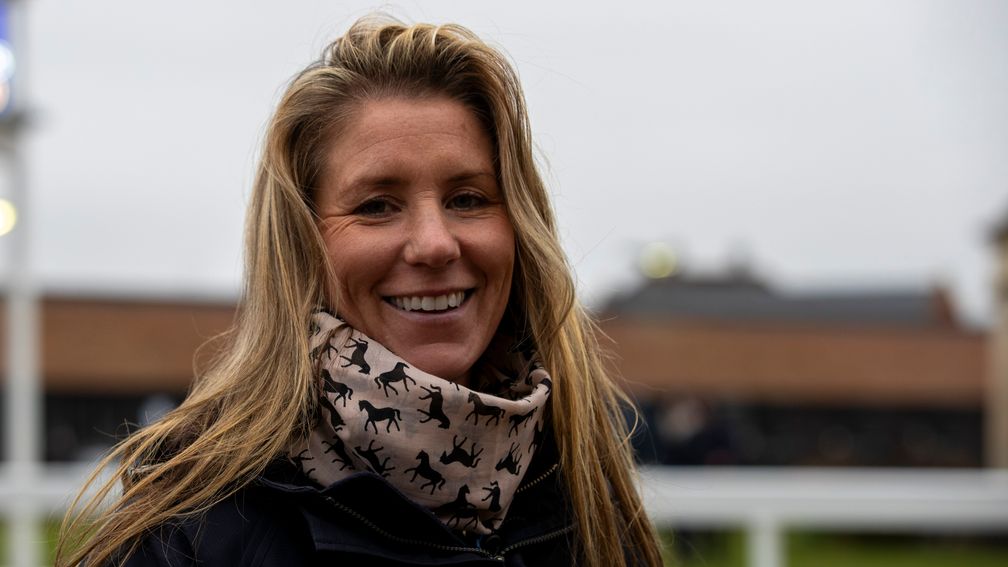
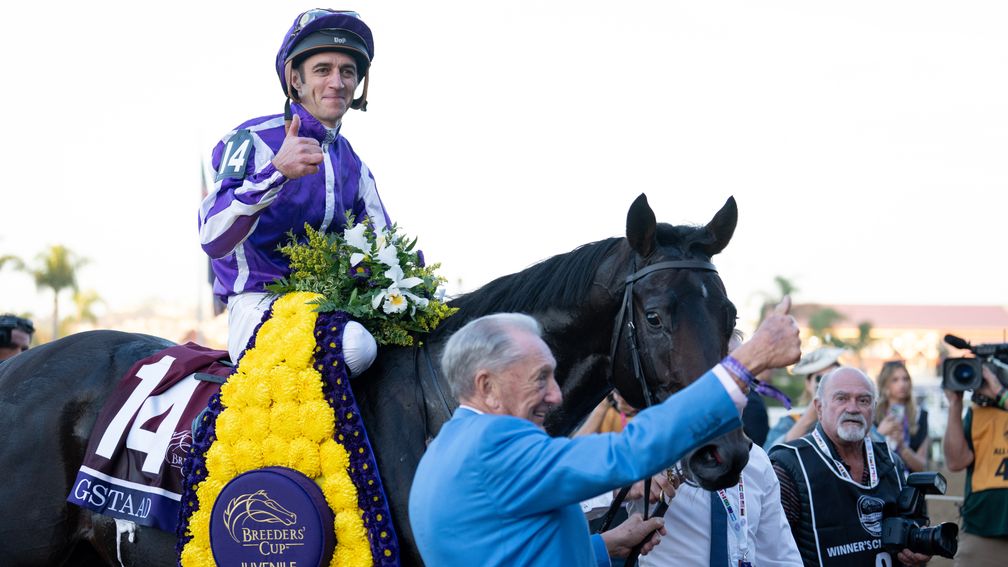
I spoke to Kelly Thomas about Gstaad's bid for Classic glory before his excellent second at Newmarket. Fingers crossed for the exciting colt as he lines up at the Curragh for the Irish equivalent.

"We'll have to wait and see what happens, but it's very exciting. It's a very proud moment, especially as a small breeder, to have an entry in a Classic."
Thomas hoping Gstaad can add Classic glory to Mosa Mine's legacy 👉 bit.ly/420yXdw
6
22
5,087
Brightwalton Stud retweeted

Trail hunting contributes £100 million annually to the UK's rural economy. It brings many communities together. Sadly, all that is at risk.
Rather than pursue a toxic culture war against rural people, the government should focus on delivering for the countryside and its people.

Trail hunting was introduced after the Hunting Act 2004 as an alternative to fox hunting. Labour pledged to ban the practice in its 2024 manifesto, but organisations are now lobbying MPs to oppose the move, warning it could put 1,000 rural jobs at risk.
@annarileynews
4
11
41
1,767
Brightwalton Stud retweeted

May 24
A farmer dies in April 2026.
His son inherits the farm. The farm has been in the family since 1847.
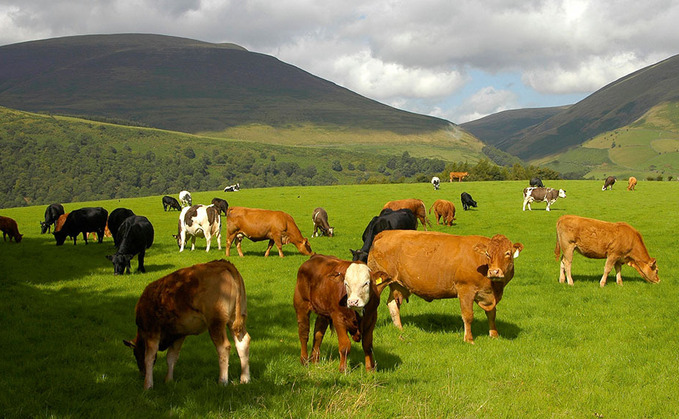
The farm consists of: 300 acres of grazing pasture, a farmhouse built in 1892, a barn, a milking parlour, two tractors of varying ages, a Land Rover that runs about 70% of the time, and a herd of 180 Hereford-cross cattle.
On paper, the farm is worth approximately £3.2 million. This is because land near him has been bought recently by a London hedge fund looking for carbon credits, which has dragged the comparable value of every field within forty miles upward to a number nobody local can justify.
In cash, the farm produces a profit of about £28,000 a year in a good year. In a bad year it loses money. The son also works as a fencing contractor three days a week to keep the operation viable.
The inheritance tax bill on a £3.2 million estate, even at the reduced 20% rate, comes to approximately £140,000 after the increased threshold is applied. The son does not have £140,000. The son has never had £140,000. The son has £4,200 in his current account and an overdraft.
The son sells 60 acres to a developer to pay the tax. The developer puts solar panels on the 60 acres. The remaining herd cannot be sustained on the reduced land. The herd is sold. The barn becomes a holiday let.
A different family eats Brazilian beef this Christmas without knowing why the price went up.
The Treasury collects £140,000.
The land never produces British food again.
2,063
22,057
66,213
1,558,367
Brightwalton Stud retweeted

May 24
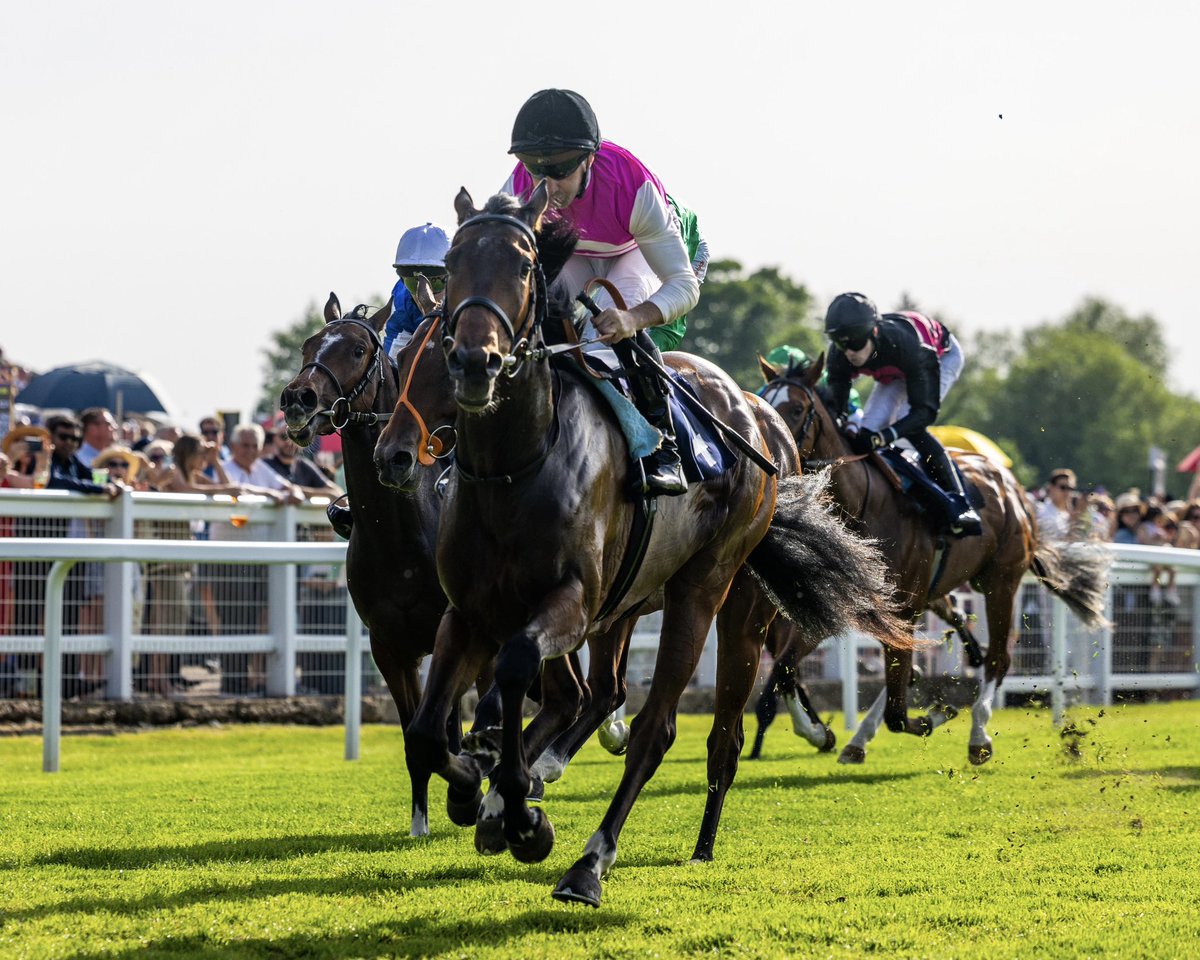
Two-year-old colt Agitator pulled clear of his rivals to break his maiden on his second start at Windsor yesterday under Neil Callan for trainer Oliver Cole 🏆
Sold at the Tattersalls October Book 3 Yearling Sale and bred by @brightwaltstud👏🏼
#BartonStud
1
6
447
Brightwalton Stud retweeted

Introducing Kingsdown Stables.
A new chapter begins as we re-brand from Ed Walker Racing to Kingsdown Stables, inspired by our home in Lambourn.
We are also delighted to welcome James Hambro & Partners as our new sponsor ahead of a hugely exciting season.
#KingsdownStables
1
3
27
2,582
Brightwalton Stud retweeted

Jan 29
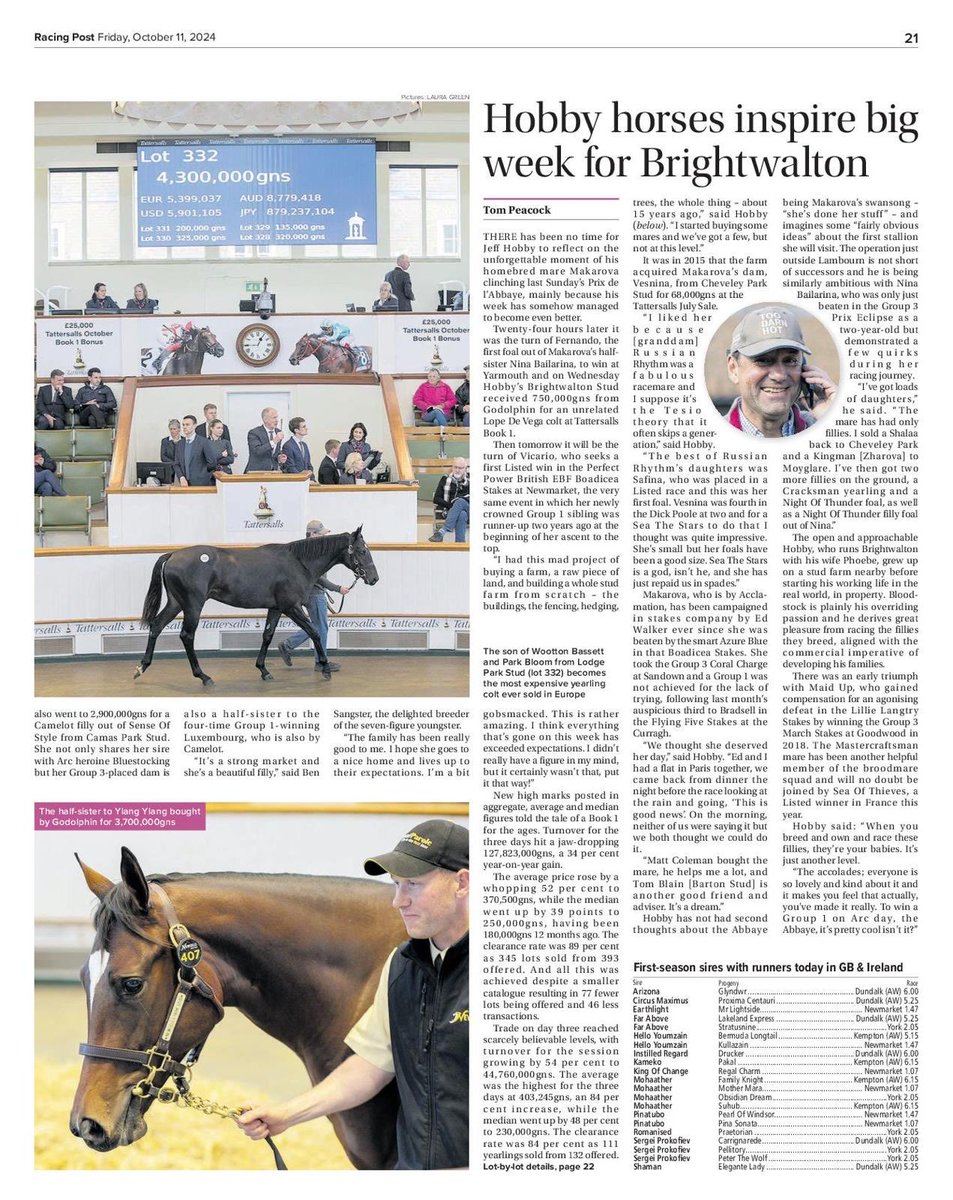
🥇LOPE DE VEGA colt impresses on debut!
🏇Palladas wins by an easy 2¾ lengths in the 8f @kemptonparkrace Maiden for @godolphin earning a @theTDN Rising Star⭐️
📈Charlie Appleby has previously won this race with Gr.1 winners Opera Ballo, Notable Speech & Measured Time.
👏Congratulations to breeder @brightwaltstud who sold him at @Tattersalls1766 Book 1 for 750,000gns

🗣️"This is one of the nicest horses I've sat on."
Safe to say that Connor Planas was impressed with the well-bred Palladas, who followed in the footsteps of some illustrious names in winning the 1m maiden.
3
17
2,939

2026 🥇
2025 🥇
2024 🥇
2203 🥇
2022 🥇
2021 🥇
Palladas, a 750,000gns son of Lope De Vega, continues stunning run of Charlie Appleby in this Kempton maiden.
@godolphin 🟦🟦
6
25
205
70,303
Brightwalton Stud retweeted

29 Oct 2025
Shouting into the wind……does anyone out there listen? Will anyone act?
28 Oct 2025

Worth reading:
3
11
6,318
Brightwalton Stud retweeted

23 Oct 2025
A coal-fired power plant in China's Sichuan province.
China now emits more CO2 than the USA, Europe, Canada, Japan and South Korea combined.
Meanwhile, Europe is regulating their manufacturing out of business to "save the planet". It is all ridiculous. They close their factories in Europe, move to China, then pay for the ocean shipping to transport the finished products to Europe ... that is their solution? How does that make any sense?
All they are doing is transferring their wealth to China and making everyone in Europe and the USA poor. Bring back manufacturing to Europe and the USA. Stop this insanity.
1,788
12,234
47,457
1,707,042
Brightwalton Stud retweeted

18 Oct 2025
Matt Ridley, former science editor at The Economist, thoroughly refutes the so-called "climate crisis":
"We know that in the medieval period, it was warmer than today... So we're not in a period of unprecedented warmth."
"We're not in a period of unprecedentedly fast warmth. We're not in a period of increasing extreme weather, floods, droughts, storms."
"The carbon dioxide we're putting in the air is having a very measurable effect that's beneficial... And that is global greening."
Credit: @mattwridley @triggerpod
119
2,503
7,235
268,907
Brightwalton Stud retweeted
18 Oct 2025
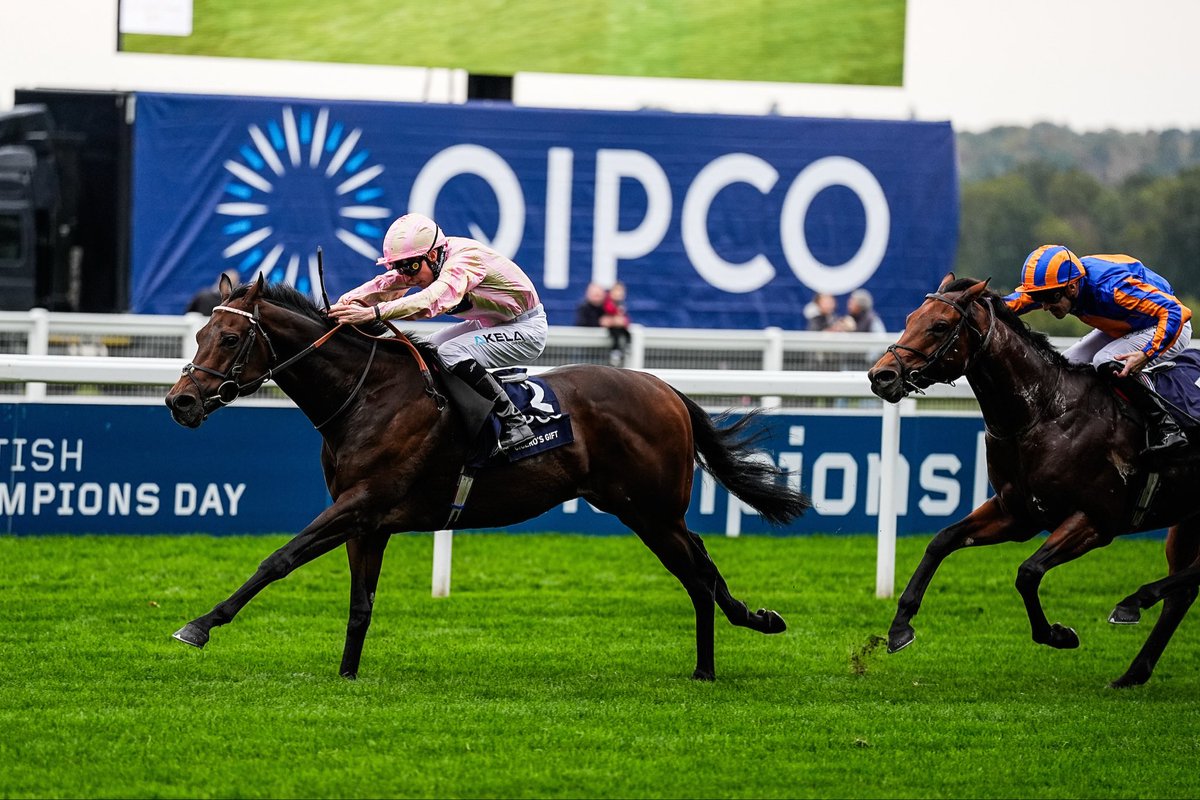
Group 1 success on British Champions Day 🏆
Cicero’s Gift, raised at Barton Stud, lands the Group 1 Queen Elizabeth II Stakes at Ascot under Jason Watson for Charles Hills. Many congratulations to his breeders, Brent and Fiona Williams 👏🏼
#BartonStud #BartonWinners
1
3
22
1,416
Brightwalton Stud retweeted

16 Oct 2025
Great interview👇
15 Oct 2025

👏 New England Stud's Peter Stanley catches up with @GinaBryce after their Night Of Thunder colt sells for 800,000gns to @gbougheyracing at #TattsOctober Book 2.
The interview wouldn't be complete without an annual Peter Stanley political update!
1
4
588
"They become your sort of mates."
Oliver Cole @whatcomberacing on his love for his horses ❤️
@nickluck | #LuckOnSunday | @WorldPool
9
6
24
12,015
Brightwalton Stud retweeted

4 Sep 2025
🇬🇧 ICYMI
#TooDarnHot’s juvenile colt Monarch’s Gold won impressively on debut @kemptonparkrace last night! 🏆
Bred by @brightwaltstud, he was sold to @amoracingltd by @PowerstownStud for €550,000 at the @InfoArqana May Breeze-Up Sale 👏
Monarch's Gold (Too Darn Hot) gets off the mark at the first attempt in the Unibet Zero% Mission/EBF Novice Stakes for Kevin Philippart de Foy, Amo Racing and David Egan.
@amoracingltd @kpfracing @DavidEgan99 @Unibet @darleyeurope
1
18
1,704

3 Sep 2025
Many congratulations to all connections @brightwaltstud bred @WatershipStud @DarleyStallions TDH @amoracingltd @kevinphilippart 👏👏
Monarch's Gold (Too Darn Hot) gets off the mark at the first attempt in the Unibet Zero% Mission/EBF Novice Stakes for Kevin Philippart de Foy, Amo Racing and David Egan.
@amoracingltd @kpfracing @DavidEgan99 @Unibet @darleyeurope
1
6
471
Brightwalton Stud retweeted

28 Aug 2025
Great to see GLINT OF LIGHT get off the mark with a nice performance at @FfosLasRC and a nice treble for @CierenFallonJr! 👏🏼
28 Aug 2025

Gutsy performance!
Glint Of Light opens her account a the fifth attempt, showing a good attitude to pull away from her rivals and brings up a treble for @CierenFallonJr3!
@FfosLasRC | @Summerdown1997
1
3
15
1,312
Brightwalton Stud retweeted

28 Aug 2025
Gutsy performance!
Glint Of Light opens her account a the fifth attempt, showing a good attitude to pull away from her rivals and brings up a treble for @CierenFallonJr3!
@FfosLasRC | @Summerdown1997
3
8
14
8,045
Brightwalton Stud retweeted

13 Aug 2025
Wow! Very impressive novice win for KAMEKO's 2yo son FIVE WAYS @salisburyraces for @AndrewBalding2 and @_JasonWatson.
Looks a colt with a very bright future! Congratulations to owner/breeder Dr. Jeffrey Hobby @brightwaltstud.
#Kameko #smart2yo
Impressive 👀
Five Ways (Kameko) justifies favouritism to strike on his second start in the Michael Brunton Memorial @BritishEBF Novice Stakes for Andrew Balding and Jason Watson @salisburyraces
1
6
19
3,395