
When predictive value is replaced by consensus, science becomes nonsense. Let’s start with the Truth. Cofounded by Greg Glassman & Emily Kaplan
Joined June 2023
- Tweets 1,825
- Following 91
- Followers 1,367
- Likes 372
1,053 Photos and videos






The Broken Science Initiative retweeted

Jun 6
@2brainbusiness summit in Chicago. Lots of energy. Lots of coaches and owners with a passion for service to their communities.
1
5
75
The Broken Science Initiative retweeted
Jun 2
when you care and feed for your mitochondria, you meditate on the things that you can control and you learn to let go of the rest.
1
3
80
The Broken Science Initiative retweeted

Jun 1
Tried not to fangirl too hard over Professor Seyfried at the Unbreakable Health Retreat... but I may have. What a weekend. Thank you Emily and @broken_science. The best part was knowing we are not alone. @ArtRodAZ @drdrew @tnseyfried
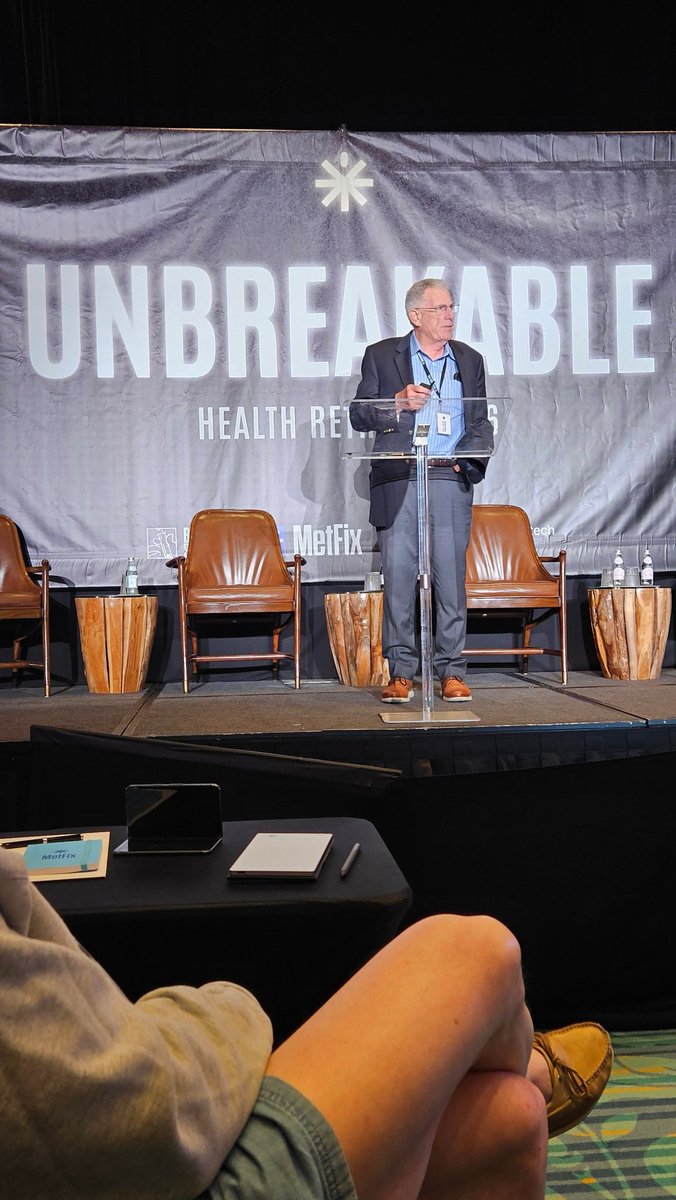
ALT Professor Thomas Seyfried at the Unbreakable Health Retreat.
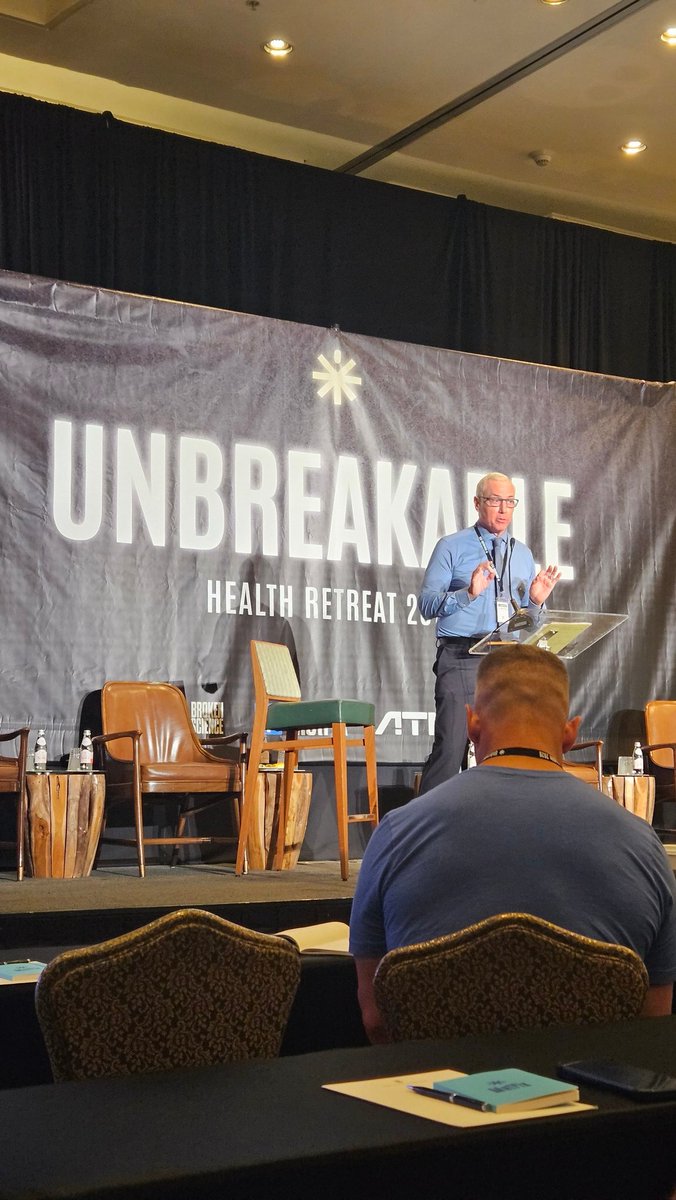
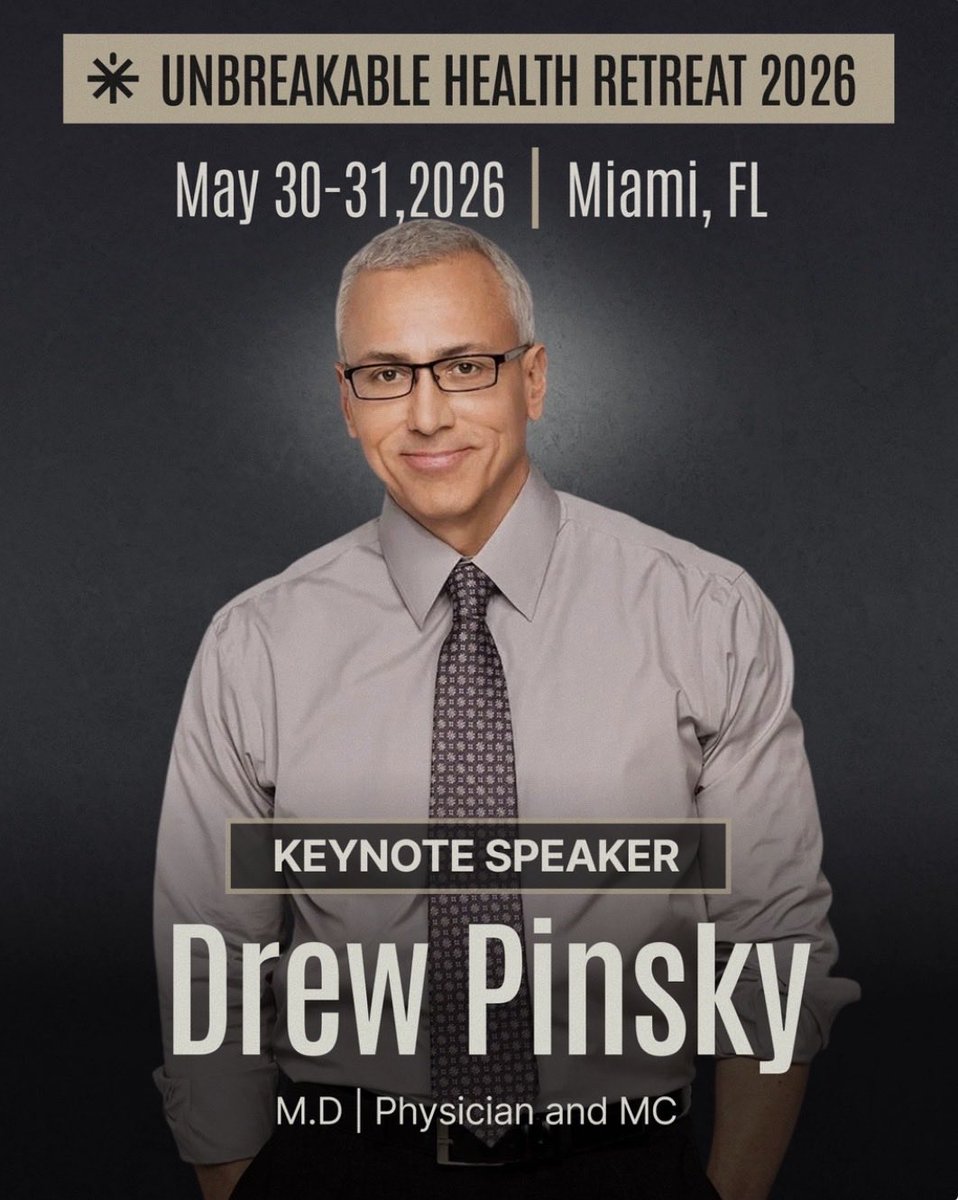
ALT Dr. Drew Pinsky at Unbreakable Health Retreat 2026
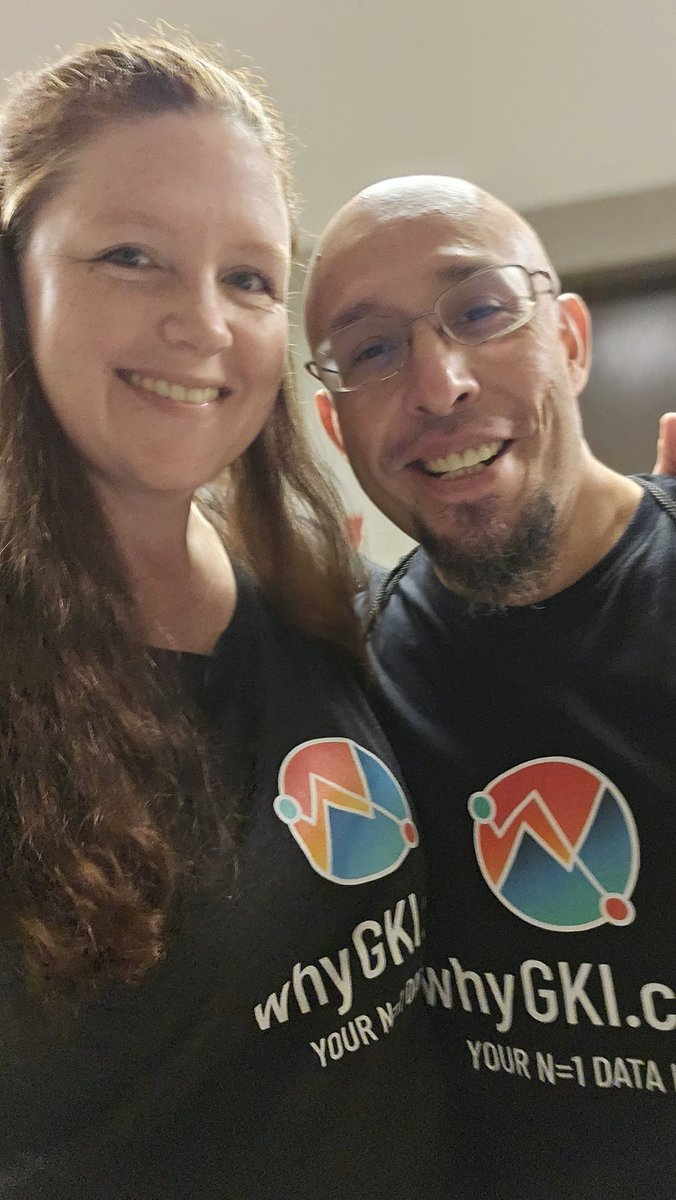
ALT Maggie and Arturo Rodriguez whygki.com at Unbreakable Health Retreat.
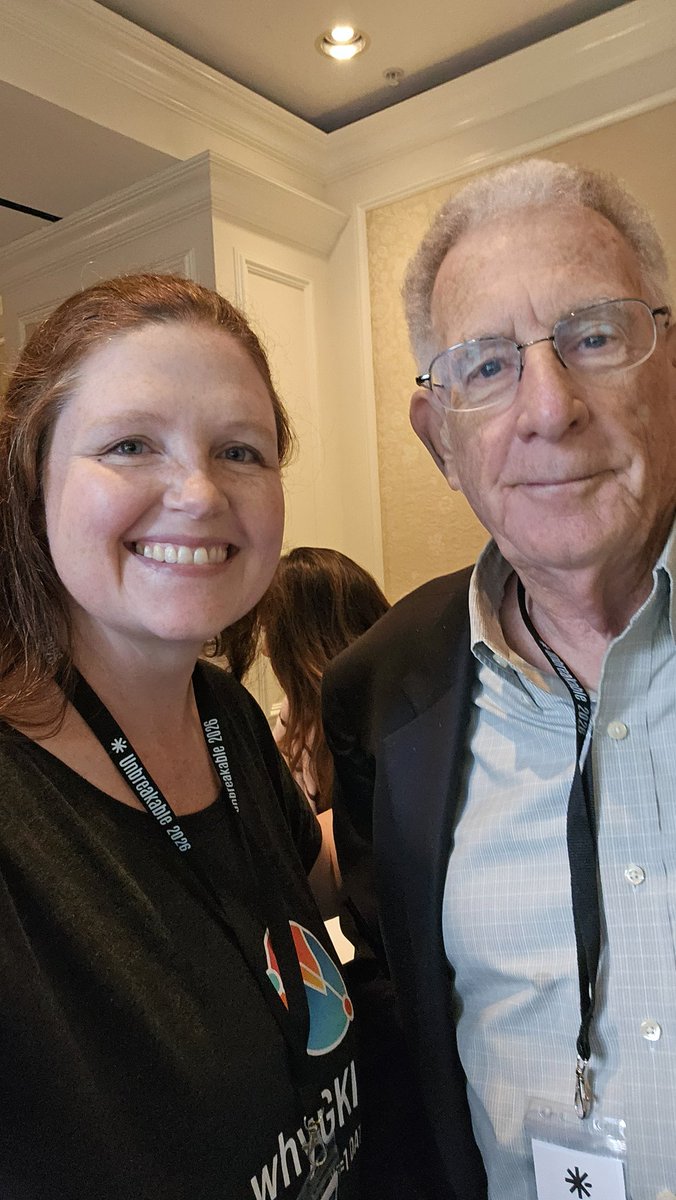
ALT Maggie Rodriguez and Professor Thomas Seyfried.
1
2
4
129
The Broken Science Initiative retweeted
May 22
Yesterday I enjoyed hosting another @broken_science journal club with @bobkaplan
We looked at this 2016 paper on redox biology. More specifically, CoQ saturation and its influence on complex I in the electron transport chain.
cell.com/cell-reports/fullte…
1
3
4
203
The Broken Science Initiative retweeted

May 26
If you're looking for advanced education in fitness and health this is your start. Our new FREE online course is available in multiple languages. Access the course here:
whatis.metfix.org
3
4
392
The Broken Science Initiative retweeted
May 25
This is a very common experience among athletes who switch to this way of eating. Unfortunately, it's also common for them to experiment after they retire, when they are more willing to try new approaches to their nutrition.
More pro athletes should try this way of eating and reap the benefits when it matters most!
May 24

I can play tennis for 3 hours, hit the gym, or hike all day on zero carbs, zero caffeine, and sometimes completely fasted. No energy crashes. No pre-workout. No gels. Just steak.
If I were grinding 5-set matches every day on the tour? Maybe I'd add some fruit for acute explosive power. But for 99% of intense daily training, animal fat is endless, stable fuel. Sometimes I don't even need to eat at all to perform.
Carnivore doesn't kill your performance. It just removes everything that was faking it.
What about you, do you still think you need carbs to train hard? 👇
Beef. Salt. Water. 🥩🎾
1
1
5
2,886

Not everyone can make it to Miami. That’s why we’re opening up a livestream option for the UNBREAKABLE Summit 2026 — so you can join the conversations, lectures, and critical discussions from the comfort of your own home.
For two days, we’ll be bringing together some of the most important voices in metabolic health, nutrition, chronic disease, performance, and scientific integrity.
And now, you can watch it live from anywhere. UNBREAKABLE Summit 2026 Livestream May 30–31, 2026 Live Online Access — $89
1
216
The Broken Science Initiative retweeted

May 3
youtube.com/shorts/IlmaB9YCh…
More on broken science!
1
2
2
231
In this Journal Club, @bobkaplan and @PeterMShaw explore cancer through a metabolic lens, focusing on the normal physiological roles of hereditary cancer syndrome (HCS) genes. Rather than viewing these genes primarily as drivers of cancer through mutation, they present them as fundamentally involved in mitochondrial function, oxidative phosphorylation (OXPHOS), and cellular energy regulation.
youtu.be/5Pg1gfpuz6g
2
2
368
The Broken Science Initiative retweeted
Mar 28
Don’t Obey. Comment “Resist” for info on our next big metabolic rebels meet up in Miami 💪
You’ll often hear Emily Kaplan @emilykaplanX site the most rebellious act you can pull off in a system designed to make us sick — health!
This summer all of us at BSI and MetFix are getting together with a group of rebels in Miami at the Unbreakable Health Retreat. We’d love to see you there.
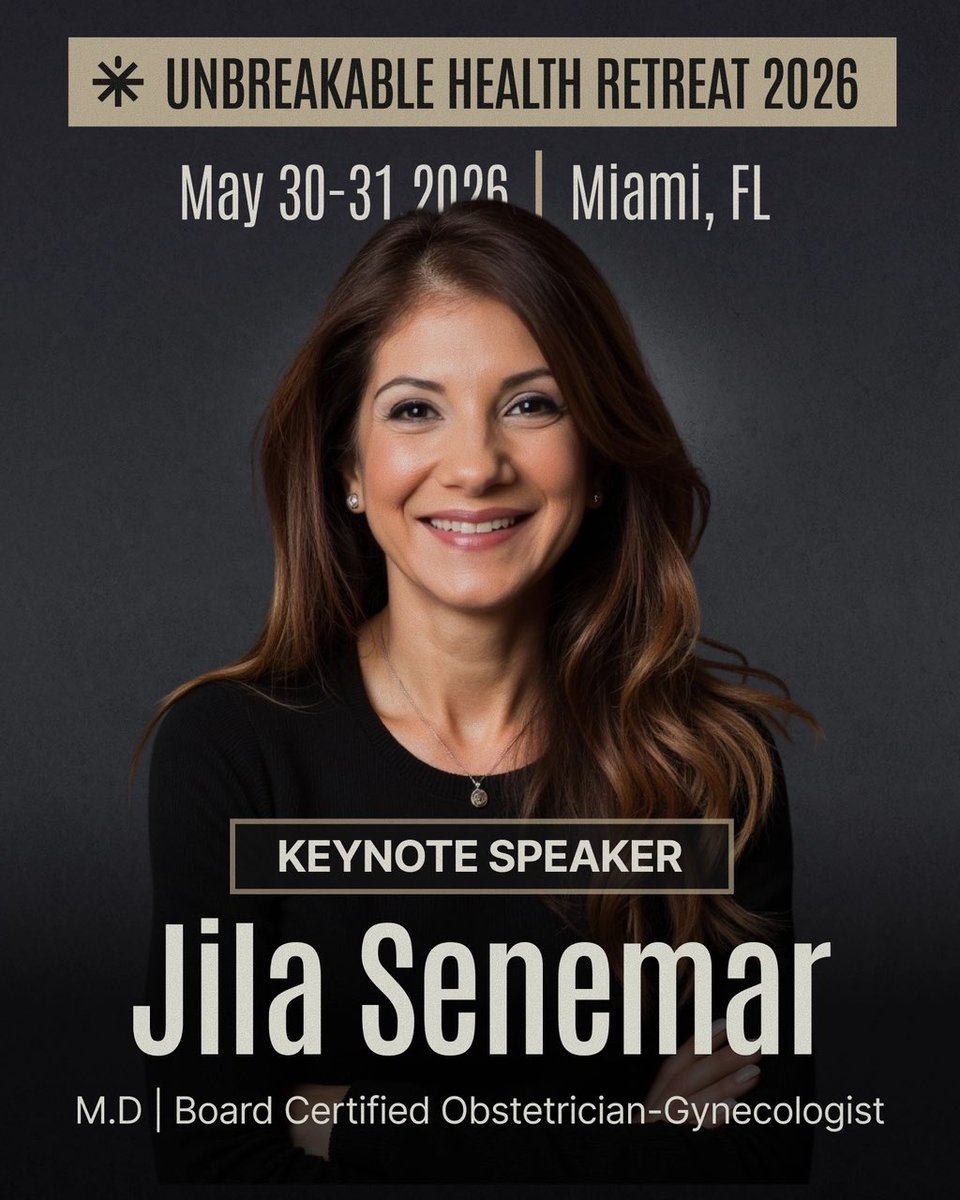
May 30-31st | A jam packed weekend with 20 lectures, workouts and workshops. 2 full days at the ritz Carlton, Miami.
Lots of community and conversation around taking health back.
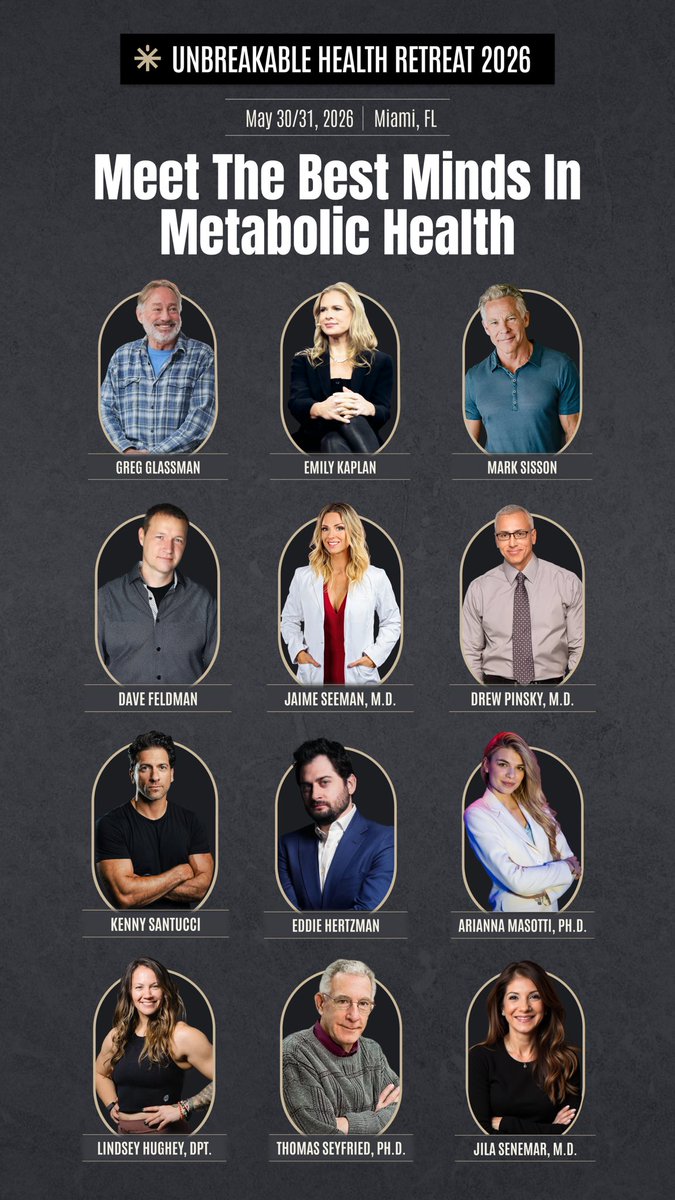
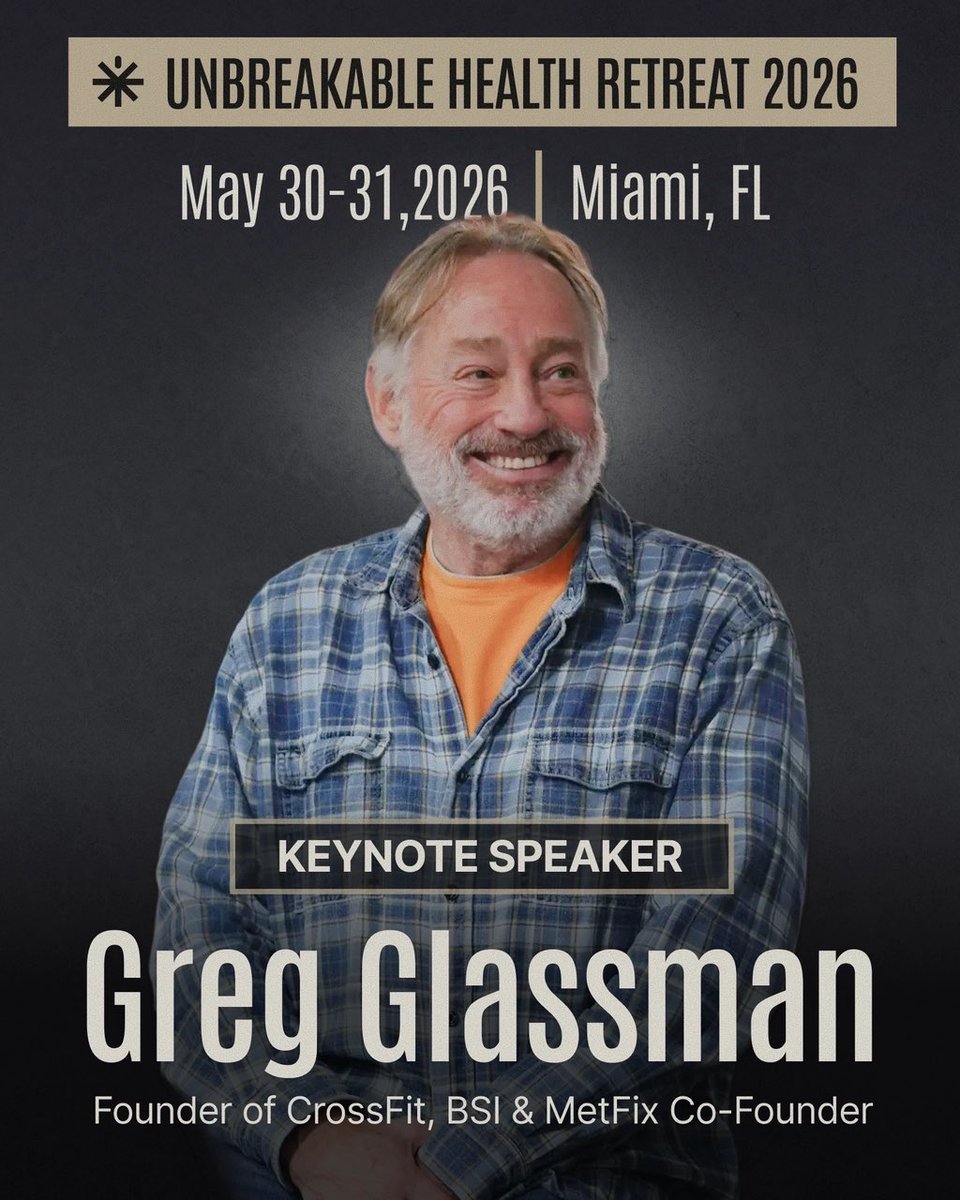
Join @emilykaplanX , Greg Glassman, @drdrew , @tnseyfried and more.

1
2
4
529
Tickets are live for the gathering of the best minds in metabolic health! Two days of training, learning, and powerful energy in Miami.
Tickets at brokenscience.org
1
96
Unbreakable Health Retreat 2026 2 day educational event focused on the science of metabolic health, chronic disease prevention, and performance medicine.
May 30–31, 2026
The Ritz-Carlton, Miami
Limited to 200 participants
This exclusive gathering brings together leading physicians, researchers, and practitioners working to rethink the science of metabolic disease and human performance. The program features 20 lectures, workshops, and training sessions designed for healthcare professionals who want practical, evidence-informed insights they can apply in practice.
Featured speakers include:
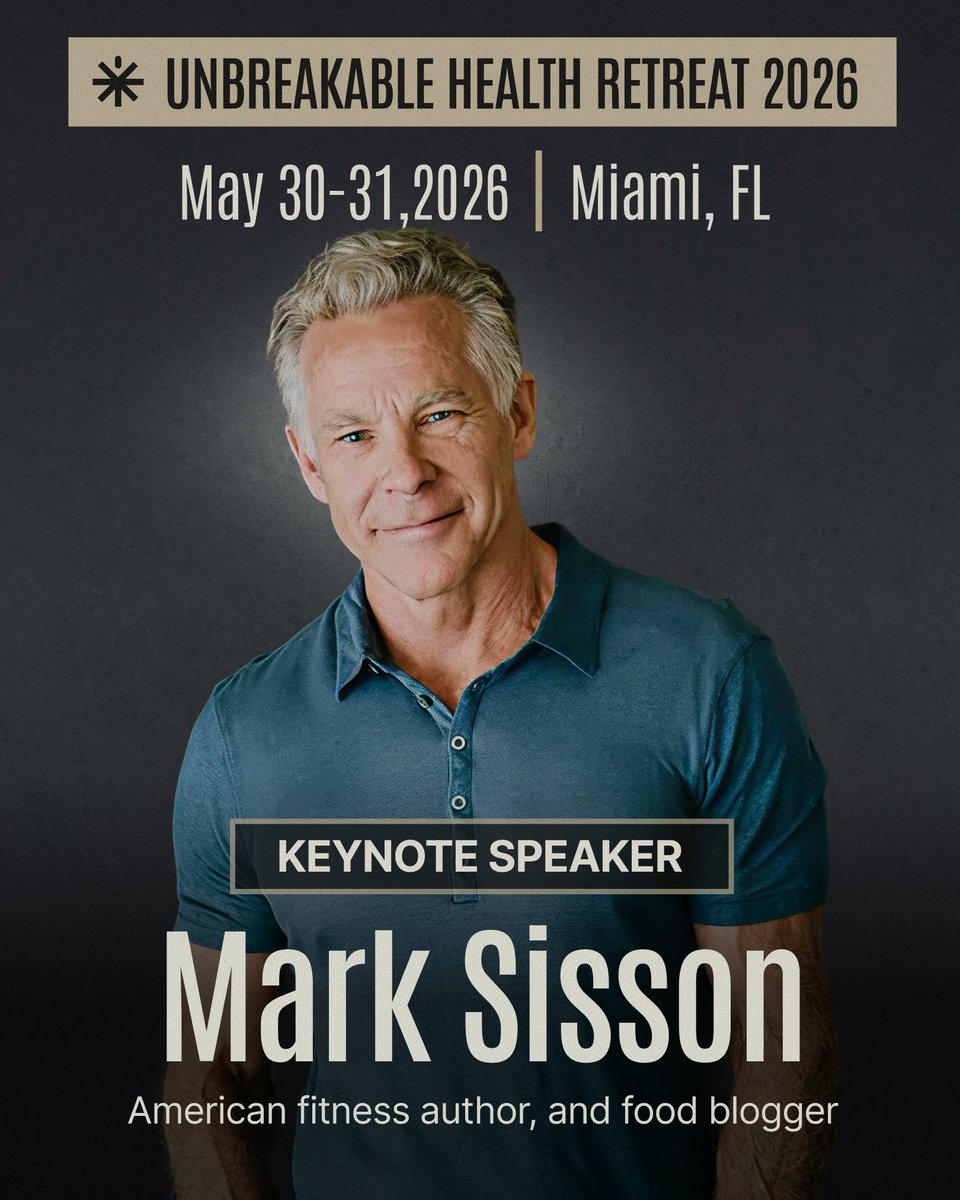
Greg Glassman, @emilykaplanX Emily Kaplan, @Mark_Sisson Mark Sisson, @realDaveFeldman Dave Feldman, Jaime Seeman MD, @Dr_Drevv Drew Pinsky MD, @tnseyfried Thomas Seyfried PhD, Lindsey Hughey DPT, Arianna Masotti PhD, and others.
Accredited Continuing Education
Participants can earn accredited continuing education through the BSI Medical Society, including:
• AMA PRA Category 1 Credit™ – Physicians
• ANCC Contact Hours – Nurses
• AAPA Category 1 CME Credit™ – Physician Assistants
• CDR Credits – Registered Dietitians
Credits are claimed through CME University, and attendees will receive a Certificate of Completion following the event.
1
1
1
133
Time to book your flights to Miami for The Unbreakable Health Retreat! An epic meet-up with the best minds in metabolic health to kick off the summer! 🧠💪🏝️
1
1
88
This study examined whether stress inside the mitochondria contributes to insulin resistance in skeletal muscle. Researchers gave healthy participants a lipid infusion to mimic the high levels of circulating fat that are known to impair insulin sensitivity.
When participants were also given a compound (MitoQ) that reduces oxidative stress in mitochondria, their muscles were better able to take up glucose in response to insulin.
The improvement did not come from changing the usual insulin-signaling pathways. Instead, reducing mitochondrial stress helped glucose transporters (GLUT4) move to the surface of muscle cells, allowing glucose to enter the cells more easily.
In simple terms, the study suggests that when mitochondria become overloaded and produce excess oxidative stress, muscles become more insulin resistant—and protecting mitochondrial function may help maintain normal glucose metabolism.
1
2
136
Read the study here: science.org/doi/10.1126/scia…
2
66
GLP-1 receptor agonists such as Ozempic, Wegovy, and Mounjaro are increasingly promoted as treatments for a wide range of metabolic conditions, from diabetes and obesity to cardiovascular disease and even cancer.
But many of the metabolic effects attributed to these drugs—improved glucose control, increased satiety, and weight loss—stem from the same physiological pathways that can be stimulated naturally through diet. The hormone GLP-1 is released in response to food, particularly meals rich in protein and fat, and plays a key role in regulating insulin, glucagon, appetite, and gastric emptying.
A well-formulated low-carbohydrate ketogenic diet can therefore activate many of the same mechanisms targeted by GLP-1 drugs, improving metabolic health while avoiding the long list of potential pharmaceutical side effects.

1
1
194
This 2016 review explains how obesity and metabolic syndrome (MetS) impair immune function at multiple levels. Excess nutrient intake leads to adipose tissue stress, chronic low-grade inflammation, insulin resistance, and systemic metabolic disruption. These changes alter immune cell behavior, skewing leukocyte populations toward proinflammatory phenotypes while simultaneously weakening effective pathogen defense.
The authors describe how obesity increases fat deposition in primary lymphoid organs such as the bone marrow and thymus, disrupting tissue architecture and reducing proper T-cell development. Obesity also shifts immune balance toward inflammatory macrophages and T-helper cell profiles, elevates white blood cell counts, and impairs coordination between innate and adaptive immunity. Despite heightened baseline inflammation, individuals with obesity show reduced vaccine efficacy, impaired immune memory, and greater susceptibility to infections such as influenza and sepsis.
Overall, the review highlights a paradox: obesity promotes chronic inflammation while simultaneously weakening immune competence, increasing the risk of both metabolic disease progression and infectious complications.
1
3
79
read the full article here
brokenscience.org/fix/26/03/…
38
The Broken Science Initiative retweeted
Mar 5
1
3
110