
280 Photos and videos

O.D.M. retweeted

Jun 15
How the fuck do we have $300 billion to rebuild Iran after we spent $80 billion bombing it, when we don’t “have the money” for pediatric cancer research?
2,243
11,175
66,772
1,180,986

53 year drought is over. I wish Anthony Mason was here to celebrate.
Jun 14

A lot of hockey fans criticize NBA players for caring more about themselves than the team.
Jalen Brunson came to the biggest market in basketball and an organization that hadn’t won a championship in 53 years. He took a $100 million pay cut to give this team a better chance to win. He embraced the pressure, never ran from the spotlight, never made it about himself and stayed humble every step of the way.
He dealt with criticism. He heard the doubts. People said he couldn’t be the guy. He never doubted himself or his teammates.
Now?
He’s an NBA champion. A Finals MVP.
A New York legend for the rest of his life.
In a city that never forgets the players who deliver a championship, Jalen Brunson’s name will live forever.
17
RT @BlackMusicHstry: In 1946, the world witnessed the brilliance of Valaida Snow, the woman Louis Armstrong called the "second best swing t…
157
O.D.M. retweeted

May 30
Katie Phang: Hello, mainstream media, legacy media. You gotta be asking James Comer why he's allowing the transcribed interview and not allowing the sworn deposition videotaped testimony of former AG Pamela Jo Bondi.
The person who said, "I've got the Epstein files on my desk." The person who issued that July 7, 2025 memo alongside FBI's Kash Patel saying, "I've looked at everything, there's nothing left to give over, there's no one left to investigate, there's nothing to be done."
And yet, subsequent to that, we get three million plus pages and documents with another three million that Todd Blanche is still sitting his ass on?
Stop. We're not fucking stupid.
48
2,579
7,880
223,626
O.D.M. retweeted

May 30
I really miss this kind of America.
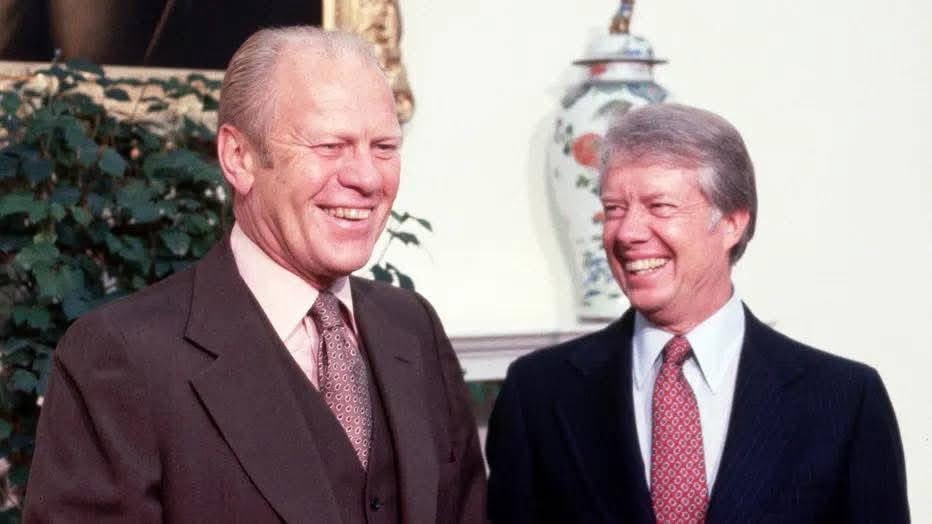
Jimmy Carter and Gerald Ford ran against each other in 1976.
When Ford passed away, Carter gave the eulogy at his funeral.
When Carter passed away, Ford’s son Steve spoke at Carter’s funeral.
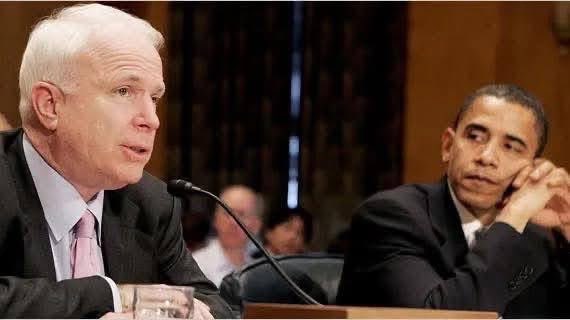
Barack Obama and John McCain ran against each other in 2008.
When McCain passed away, Obama gave the eulogy at his funeral.
They disagreed. They debated. They fought hard for what they believed in.
But at the end of the day, they still saw each other as human beings. As Americans.
That is the part we have lost.
Somewhere along the way, disagreement turned into hatred. Politics turned into teams. And people forgot that respect does not mean you agree with someone on everything.
I still believe we can get back to this.
Not because it will be easy. Not because everyone will suddenly think the same.
But because America is supposed to be better than this.
Bipartisan respect used to be possible.
And someday, I pray we remember how to do it again. 🇺🇸💙
447
2,326
7,961
122,071
Amazing! More proof the suits do not give a fuck about us.
May 30

I tried to cancel 4 subscriptions yesterday.
Three of them forced me to call, wait 45 minutes, and listen to a "retention specialist."
I hung up on the third one. Sent one email instead.
Federal regulators have already said the exit must match the entrance. Sign up online in two clicks? Cancel online in two clicks. No phone maze. No guilt trip.
They are just hoping you never quote it back to them.
Here is the sentence that ends the runaround:
8
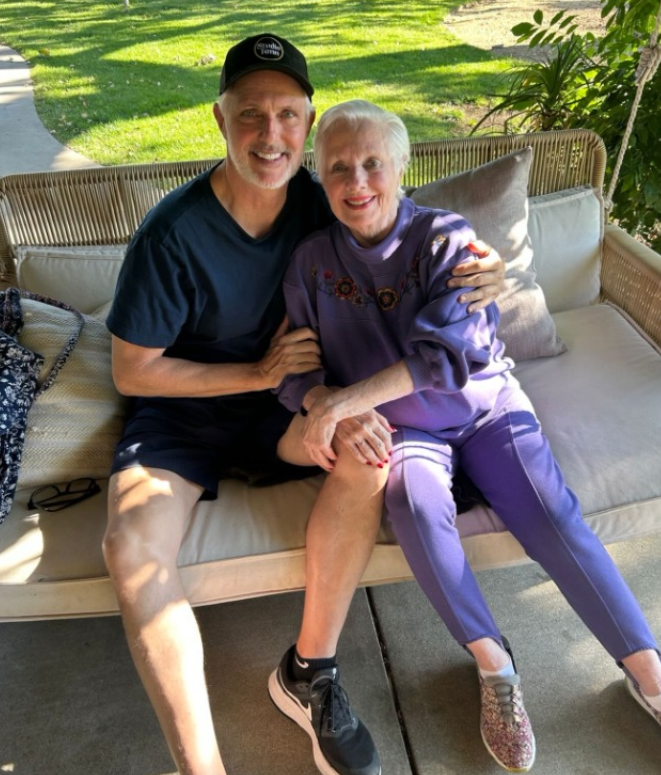
Shirley. Still lovely.

Happy Mother's Day, Shirley Jones! The 92-year-old is here with her son, Patrick.
24

Life is like that sometimes.

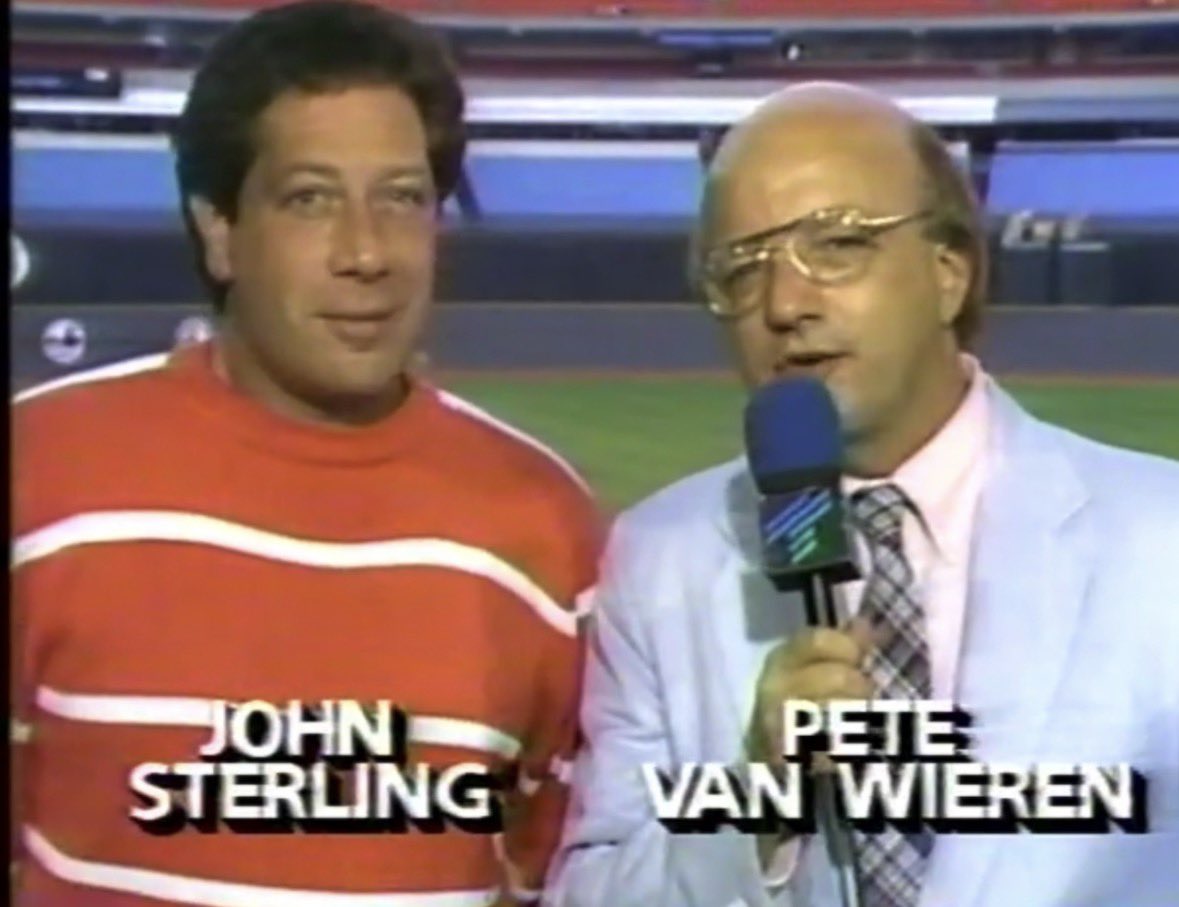
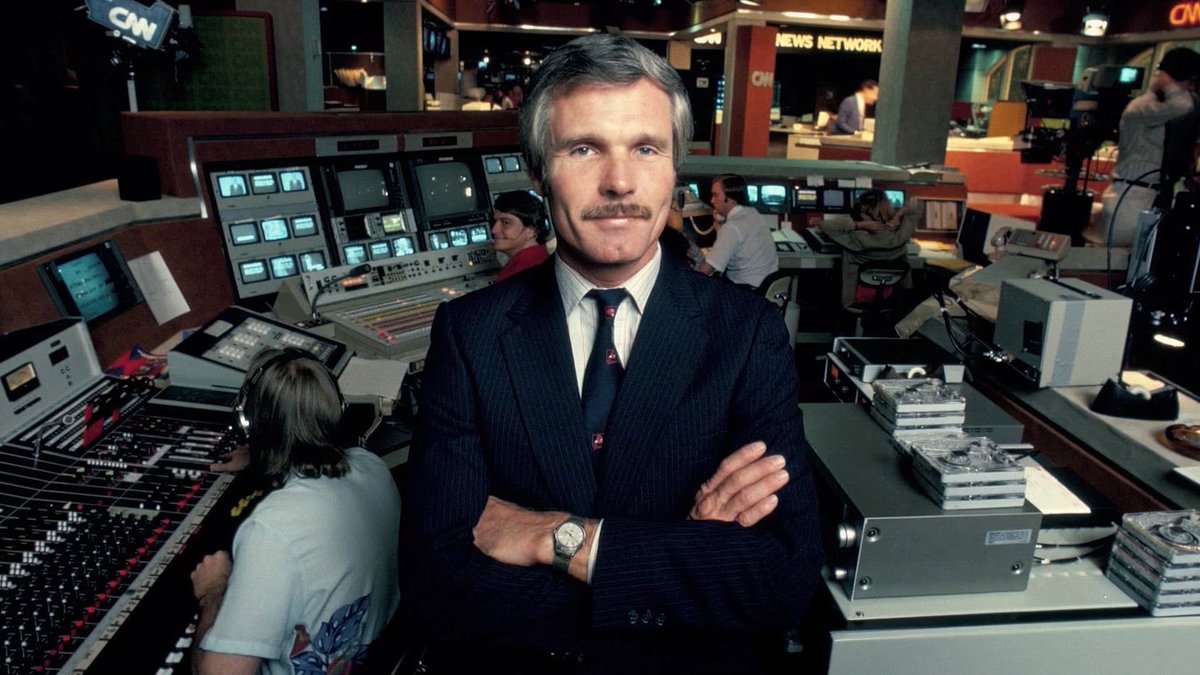
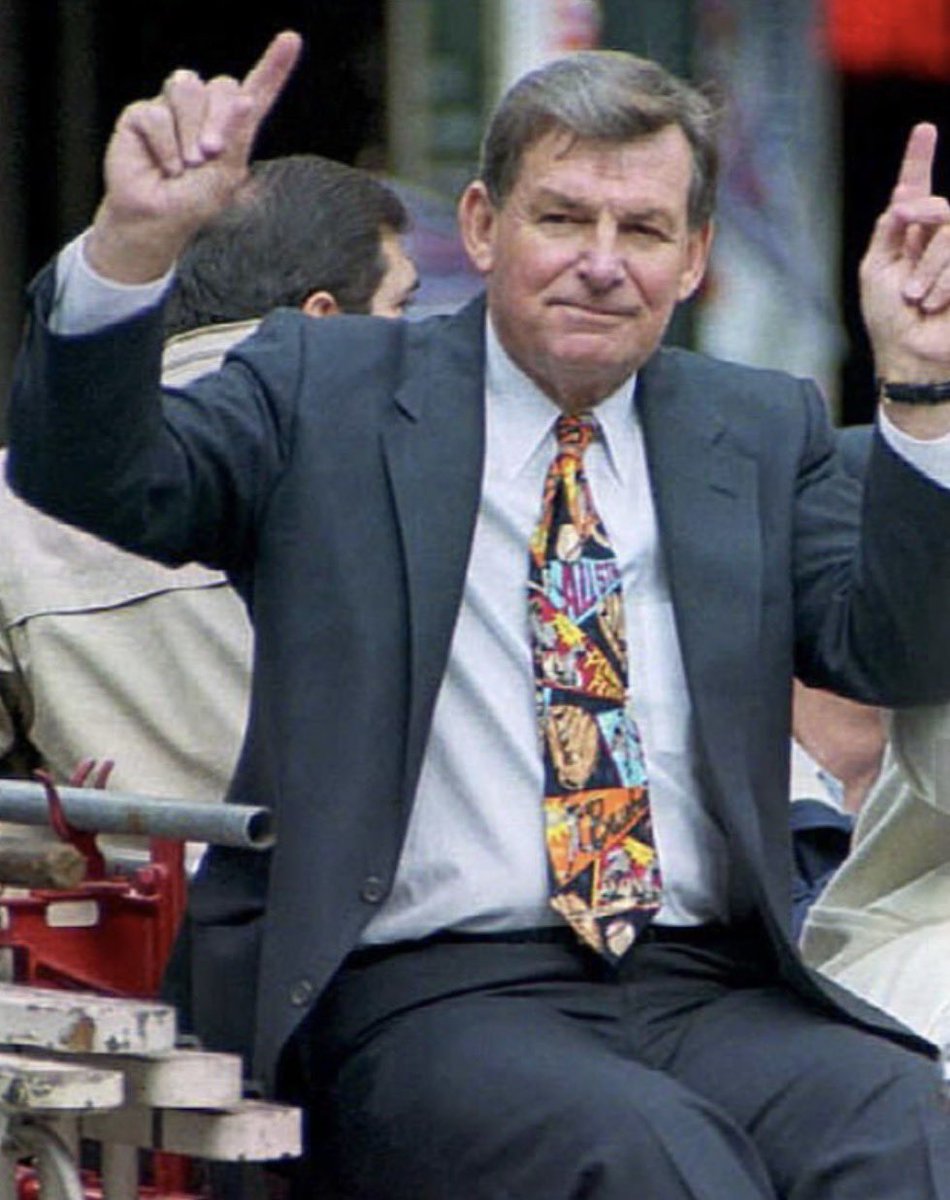
At some point in 1987, I came home from middle school and watched Braves baseball on TBS.
John Sterling was the announcer.
Ted Turner owned the team & station the game was on.
Bobby Cox was the Braves GM.
40 years later we lose them all in the same week. Each one an icon.
18
Every fan loves their legendary announcer & we NYY fans have just lost ours. God speed, John.

37
Don't anyone get bent out of shape for me saying this but this era of Barbra gives me the same feeling I have for Judy's career. I can't take my eyes or ears away from her. Mesmerizing, breath stealing performer. Happy B'day!
Apr 24

84 Candles 🎂 today for the double Oscar winning, 10 time Grammy winning, 5 time Emmy winning, Tony winning, EGOT winning, Singer, Actress, Director, Producer & Songwriter — BARBRA STREISAND
FUNNY GIRL (1968)
68
O.D.M. retweeted

Apr 22
“With cigarettes, my wife and I, we made a deal. We only smoke after sex. I've got the same pack now since 1975. What bothers me is my wife. She's up to three packs a day.”
The late great RODNEY DANGERFIELD on The Tonight Show.
129
1,692
35,060
3,909,203
O.D.M. retweeted

Apr 21
A smile for your timeline.. 😊
234
1,637
15,874
435,172
O.D.M. retweeted

Apr 22
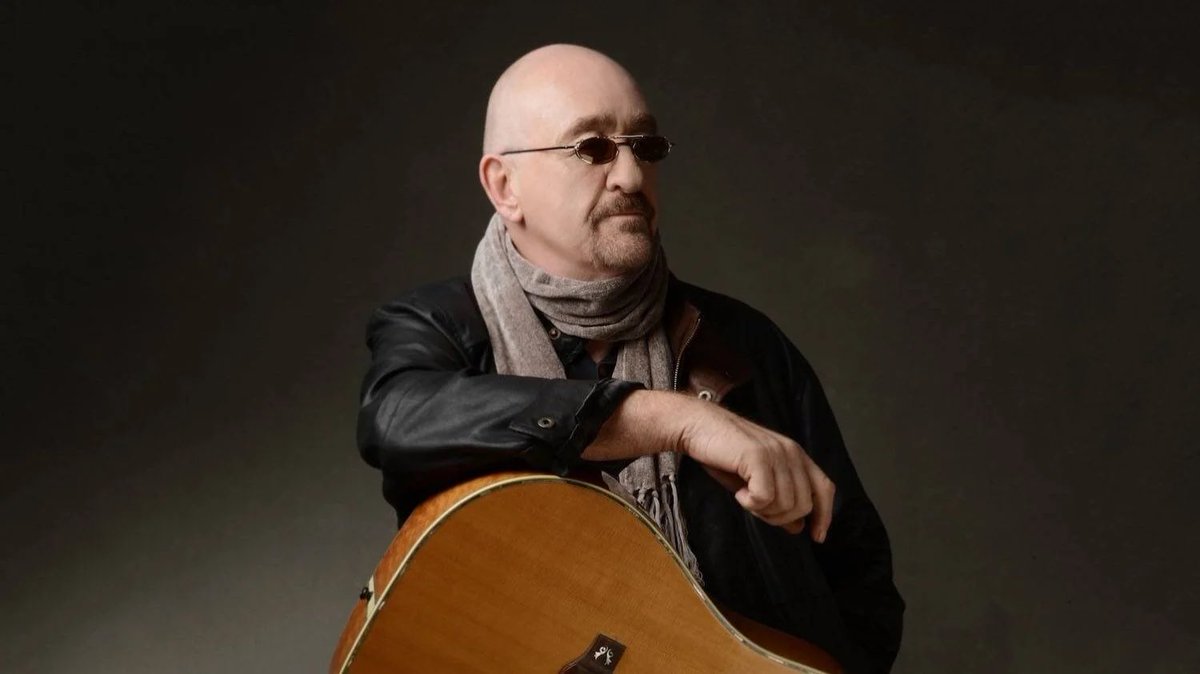
I am very sorry to hear about the passing of my friend Dave Mason. We did a show together back in the early 70s, and I remember how incredibly talented he was. I was always a fan of his early work with Traffic. I especially love his song “Only You Know and I Know.” We stayed in touch through the years, and he was always kind to me and an incredible guitar player. My heartfelt condolences go out to his family, friends, and fans.
199
445
3,214
130,630
O.D.M. retweeted

Strait of Hormuz is Open!
Strait of Hormuz is Closed!
Open! Closed!
623
7,700
25,692
1,045,876
O.D.M. retweeted

Apr 10
Sonia Sotomayor grew up in a housing project in the Bronx. Her father died when she was nine. Her mother raised two children alone, working long hours. She was diagnosed with Type 1 diabetes as a child.
Brett Kavanaugh’s father was a lawyer and business executive. His mother was a judge. He attended Georgetown Preparatory School, clerked for Anthony Kennedy, and eventually filled Kennedy’s seat.
At the University of Kansas this week, Sotomayor described Kavanaugh’s concurrence in a case about immigration enforcement stops. He wrote that encounters with law enforcement tend to be “typically brief” and that most people “promptly go free.” Sotomayor’s response: “This is from a man whose parents were professionals. And probably doesn’t really know any person who works by the hour. Those hours that they took you away, nobody’s paying that person. And that makes a difference between a meal for him and his kids that night and maybe just cold supper.”
The case involved an emergency order pausing lower court rulings that had barred immigration agents from targeting people based on race, employment, language, or presence at car washes, bus stops, and similar locations. The people being taken for “typically brief” stops are hourly workers. An hour away from a car wash or a loading dock is not a minor inconvenience. It is a measurable economic injury to a family with no margin.
Sotomayor didn’t say Kavanaugh was dishonest. She said he doesn’t know. That’s a different and in some ways more structural critique. You cannot rule well on consequences you have never seen and cannot imagine.
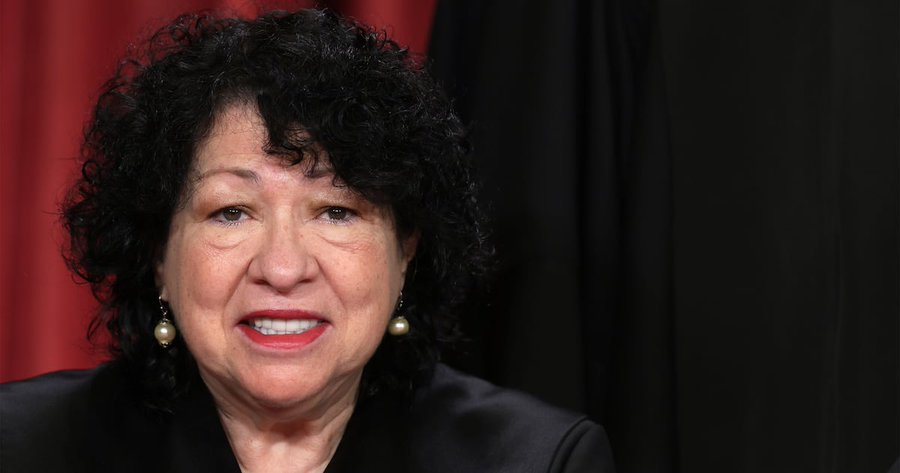

The liberal justice roasted her Supreme Court colleague for failing to grasp the impact Trump’s policies have on vulnerable communities.
thedailybeast.com/supreme-co…
227
1,152
5,215
422,744
Is it possible that Benny Ben may be almost as popular as Judge? I know that I get giddy when he comes to the plate.

1
1
39
O.D.M. retweeted

Apr 2
I am not merely a Catholic by affiliation, I nearly walked the path to the priesthood. Scripture, to me, has never been casual reading; it has been studied with the care of a sculptor refining form; patiently, attentively, reverently.
And so I say this with both conviction and humility:
Prayer is not performance. It is not spectacle. It is a sacred act, an intimate communion between the human spirit and the divine. A means not only to speak, but to interface with the heavens, the hosts of heaven themselves.
When we pray, we approach with humility. With thanksgiving. With love. Just as one brings offerings into the house of the Lord, not in arrogance, but in surrender.
Which is why moments of public prayer demand even greater care.
When figures such as Paula White stand before the world in prayer, the expectation is clear: to seek wisdom, not validation. To ask that leaders like Donald Trump be guided toward justice, compassion, peace, and discernment. To intercede for the poor, the vulnerable, and the preservation of life. That is what true supplication looks like.
But to elevate any political figure especially during the sacred solemnity of Holy Week to a comparison with the sinless Son of God is not devotion.
It is error.
And more than that, it borders on blasphemy.
Likewise, when Franklin Graham invokes the Book of Esther as justification for the destruction of a modern nation such as Iran, it reflects not divine insight, but a troubling misapplication of scripture. Context matters. Theology demands responsibility. Sacred texts are not instruments for political ends.
Faith was never meant to be weaponized.
It was meant to guide, to correct, to humble.
And if we are to invoke God in matters of leadership and war, then let it be done with trembling reverence, not confident distortion.
Because the danger is not in believing too deeply but in believing wrongly.
I am ashamed, this is our Holy Week for Gods sake.
God have mercy.
568
1,961
7,189
275,230
O.D.M. retweeted

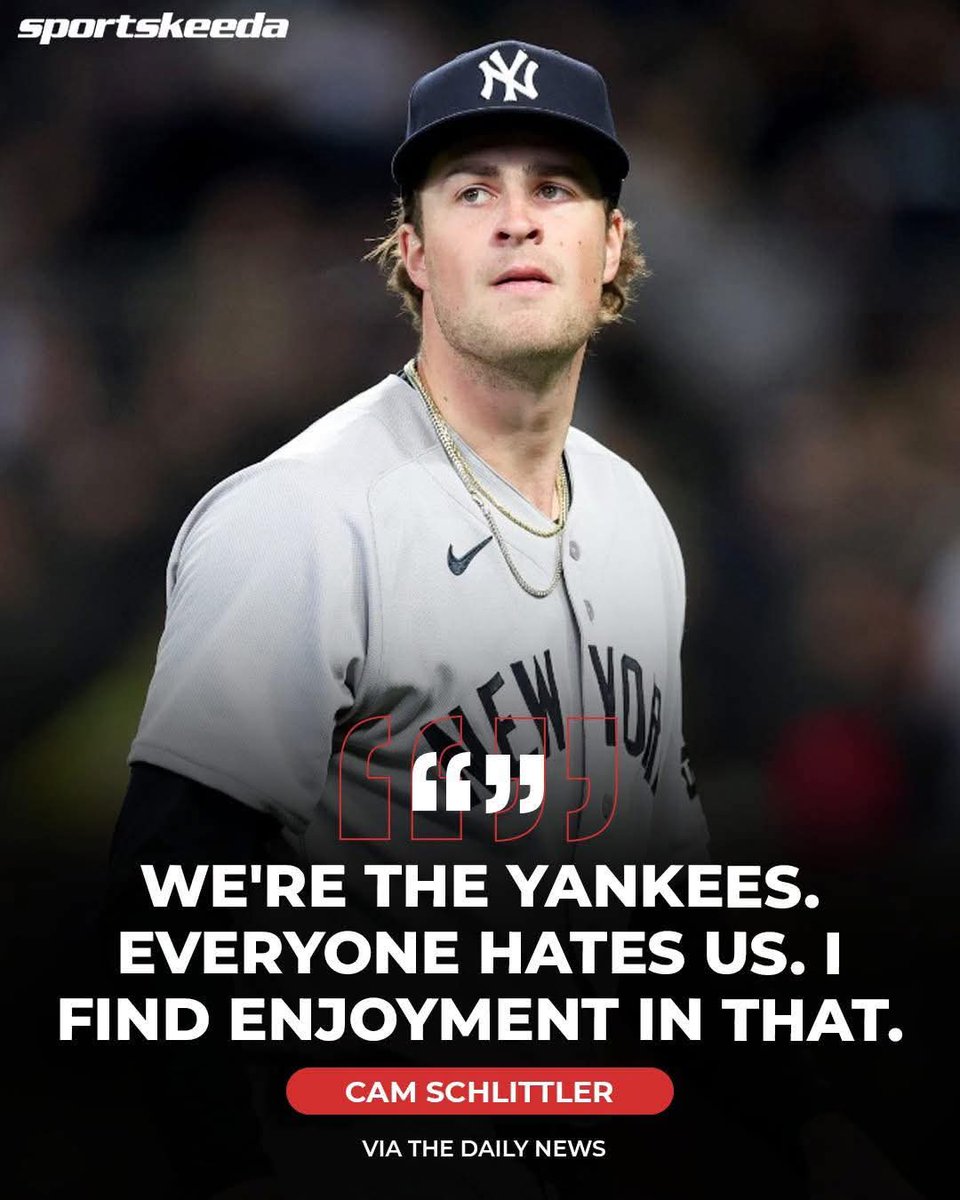
Gotta love this kid. He's got quite the future ahead of him. 👿
11
23
286
3,151